❌

Reading view

There are new articles available, click to refresh the page.

An Audi just set a new 831-mile EV range World Record

  • Polish rally driver Mikołaj Marczyk set the new Guinness World Record
  • Audi A6 e-tron managed a staggering 830 miles on a single charge
  • Lucid Air Grand Touring previously held the title

Polish rally driver Mikołaj Marczyk is no stranger to eking out as much range as humanly possible, having coaxed 1,759 miles from a single tank of fuel in a Skoda Superb back in 2025.

Now, Mikołaj has turned his attention to electric propulsion, particularly the Audi A6 e-tron that, despite only having an official WLTP range of 482 miles on a single charge, managed to travel almost double that on a recent record-breaking journey.

Starting at Zakopane, Poland, the endeavor saw the electrified A6 traverse the Tatra Mountains (handy for regenerative braking), travel to Kraków, then along the Vistula Valley to Sandomierz and finally to Hel (no, not that one).

Once in Hel, the pro driver turned around and started retracing his steps before the Audi A6 e-tron eventually conked out, having covered a mightily impressive 831.4 miles on a single charge.
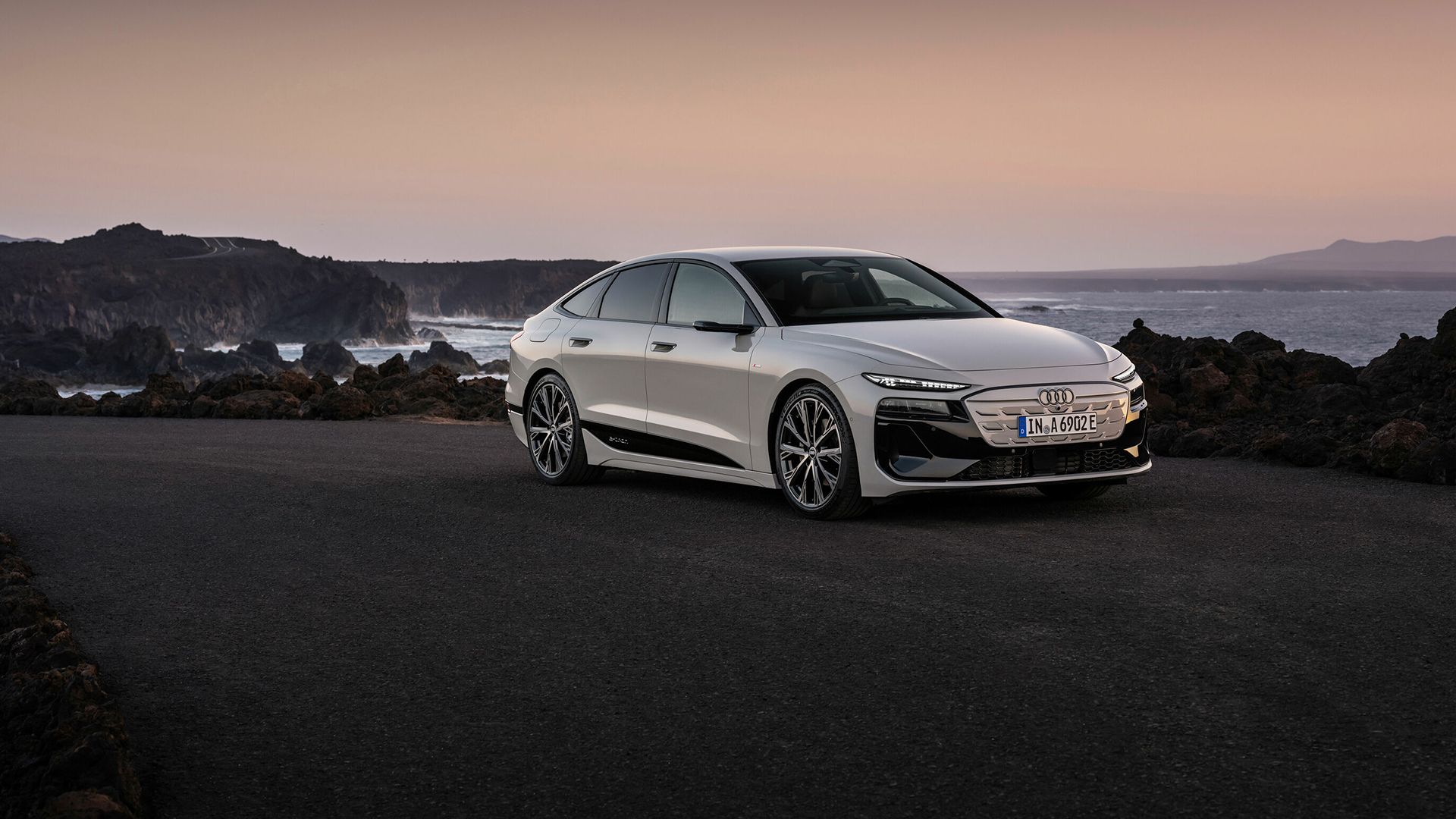
Audi A6 e-tron

(Image credit: Audi)

That's the same distance as driving from New York to Chicago or London to Milan without stopping at a charging station.

The exact model used in the attempt was the Audi A6 Sportback e-tron performance, which features a 326hp rear-mounted motor and a 100kWh gross battery capacity, which equates to a net usable capacity of 94.9 kWh.

More impressively, the previous record holder, the Lucid Air Grand Touring, has a larger battery pack with a nominal capacity of 112kWh.

According to Marczyk, many sections of the trip were carried out in rush hour traffic and at an average temperature of 15 degrees Celsius.

However, at certain points, the mercury dropped to just seven degrees Celsius, proving that EVs can still perform in cold weather.

Analysis: easy does it
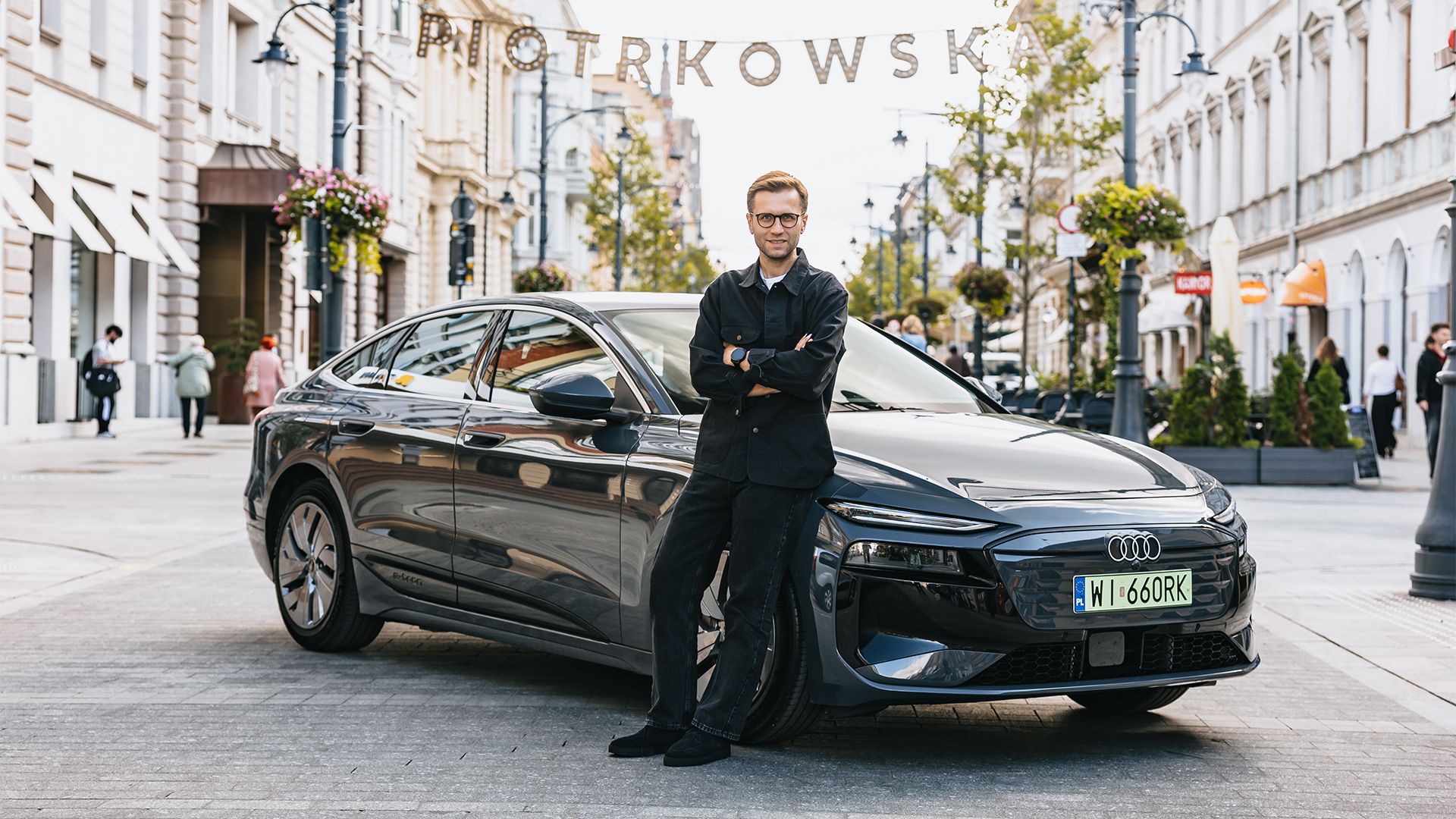
Audi A6 e-tron

(Image credit: Audi)

When looking at the official range figures of modern EVs, it is generally good practice to aim for a number that is 10-20% lower than the one advertised.

Real-world driving eats into electric range, something that’s even more pertinent when tackling cold weather. But the recent Guinness World Record is proof that things can be flipped on their head with a spot of careful driving.

Marczyk says that maximizing regenerative braking opportunities, regularly checking tire pressure, and reading the road to avoid any abrupt braking can massively increase the potential range of an EV’s battery.

So next time you hear someone stressing about range anxiety, remind them that it might be their driving style that’s forcing all of those charging stops.

A EV truck with a TV built into a front trunk for tailgating? Ford wants to patent the idea

  • A Ford patent shows multi-use front trunk including a TV-housing option
  • Images look very like the Ford Fathom, which is coming in 2027
  • Ford's EV pickup will start at $28,350 (around £20,970 / AU$39,540)

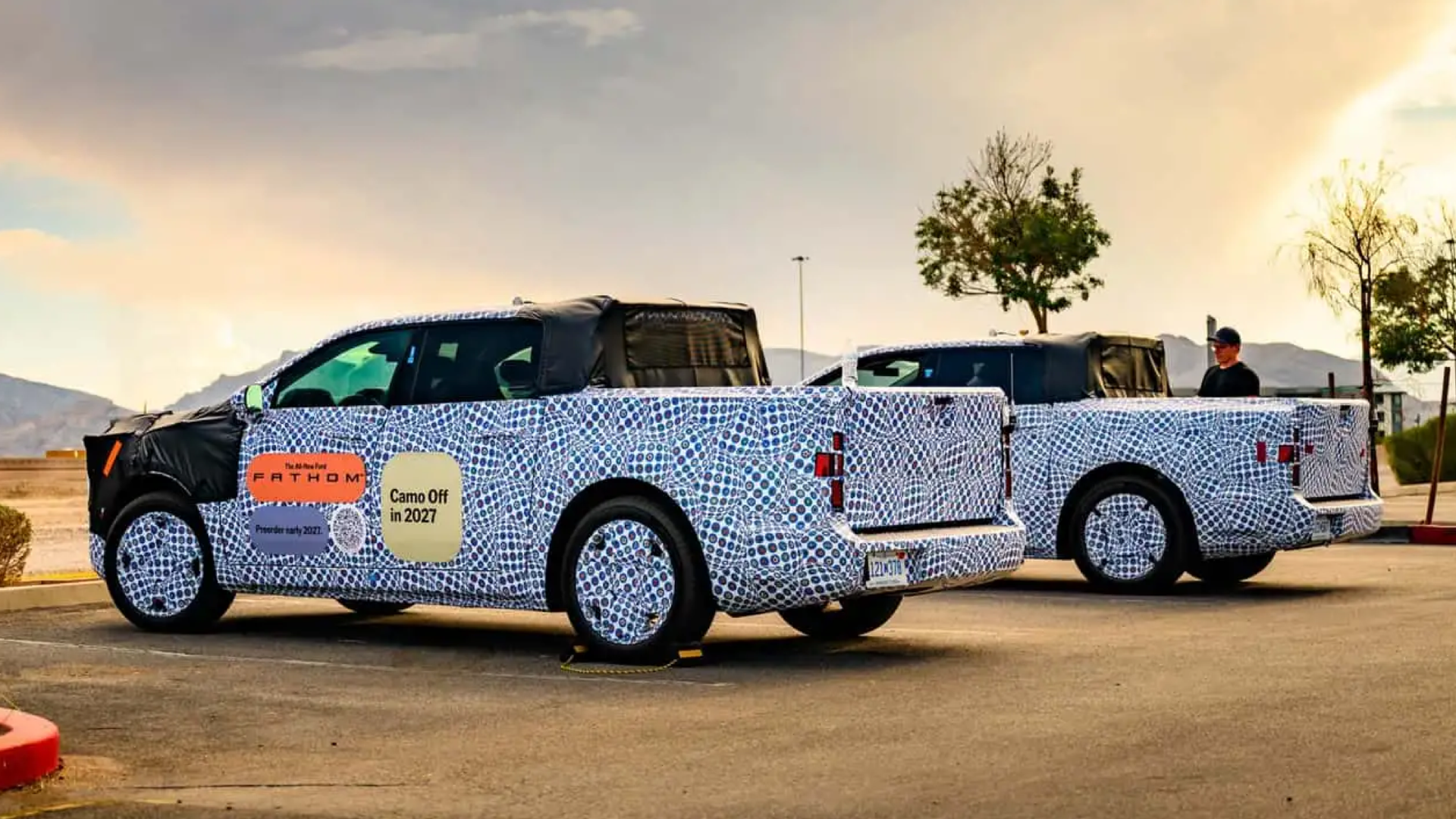
Ford's upcoming Fathom electric truck could have a very unusual addition: a small front trunk that could house a TV, for the ultimate tailgating upgrade.

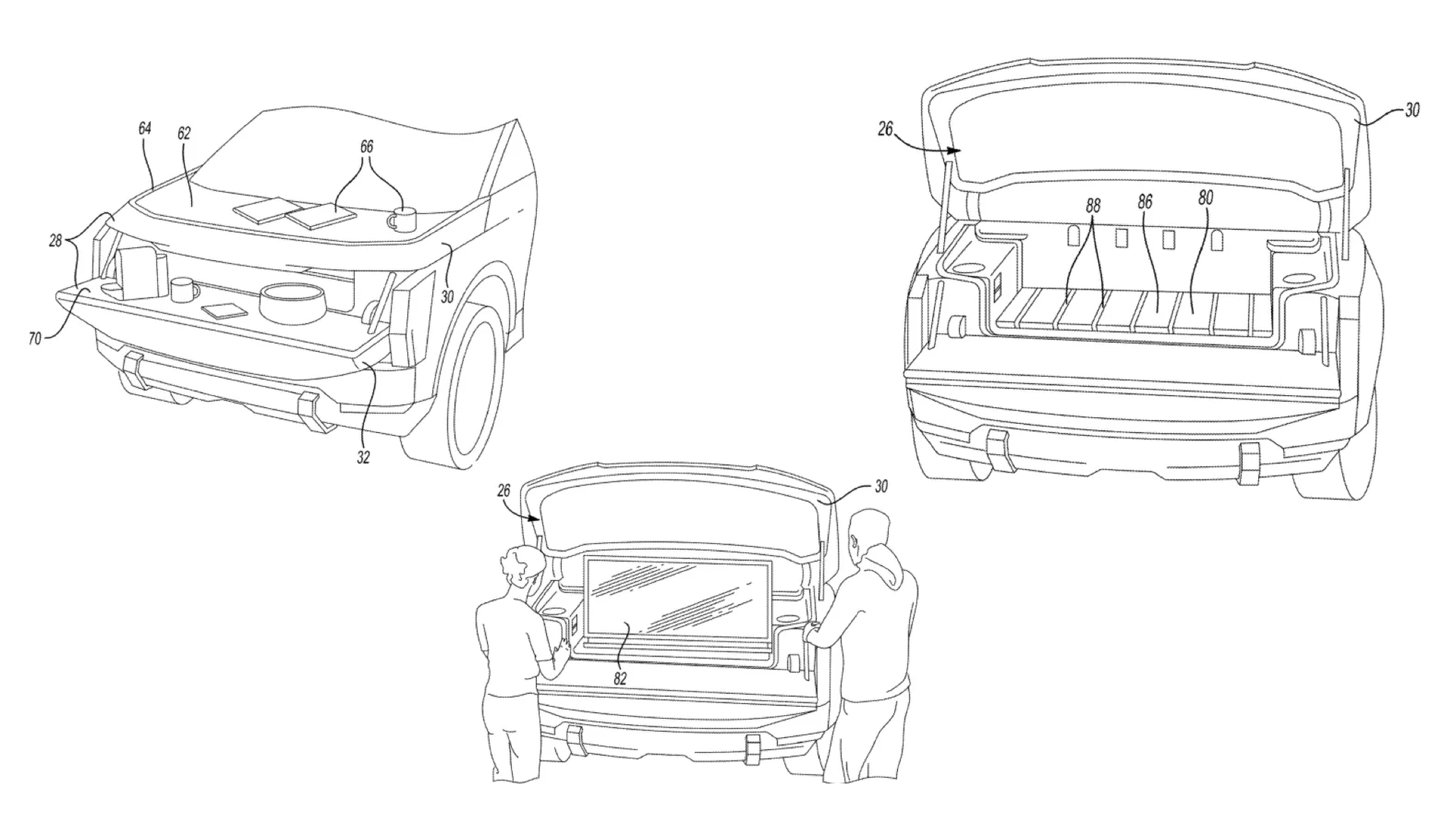
As Electrek reports, Ford has filed a patent with several diagrams showing a fold-out, tailgate-style area in the front of an unnamed vehicle that's believed to be the Fathom.

The design takes advantage of EVs' lack of a traditional engine compartment, which means you can have storage space at the front of the car or truck. It appears to offer a large, flat space like you'd find in a pickup such as Ford F-150 Lightning, plus a fold-out tailgate that can be used for multiple purposes, including holding a TV, presumably to be powered by the battery while you sit in camp chairs with a six-pack.

Patent images from Ford showing a multi-use front trunk, or frunk, in what's believed to be the 2027 Ford Fathom

(Image credit: Ford / USPTO)

What the patents say about Ford's Fathom's frunk

The design looks well-suited to tailgate parties, and for camping trips and anywhere else a TV might be watched — so for example if you were selling products at a market you could use the back of the Fathom to carry your goods and your stall and your tailgate TV to show the promo video.

And you shouldn't need to worry about the TV draining your battery: the Fathom is expected to have a large battery for over 300 miles of range, so a TV isn't going to make a big dent in that capacity.

The TV isn't the only interesting idea here. The patent suggests that the top of the hood could be swappable, enabling you to replace it so you can put things on it — such as food or tools — without spoiling your vehicle's finish. Presumably the design would also include a storage space for those swappable bits rather having you leave them lying loose around on the frunk's floor.

As for the rest of the upcoming EV, Ford has been drip-feeding details for months now: it's a midsize pickup with more passenger room than a Toyota RAV4, it's launching in early 2027 and it'll have a surprisingly low starting price of $28,350. It comes with Apple Maps integration, CarPlay and Android Auto.

What we don't know yet is what it really looks like: as you can see from the image at the top of the article, the images Ford have released so far are camouflaged. But from what we've seen of the shape it looks suitably tough, and it's priced very aggressively. Ford promises that the camo will come off in 2027.

Bentley's debut EV is a £173k luxury missile in SUV form that can out-accelerate supercars

  • The Bentley Torcan is a high-performance SUV that can reach 375 miles on a charge
  • The most powerful models will boast 876bhp
  • The debut EV will share parts with Porsche Cayenne Electric

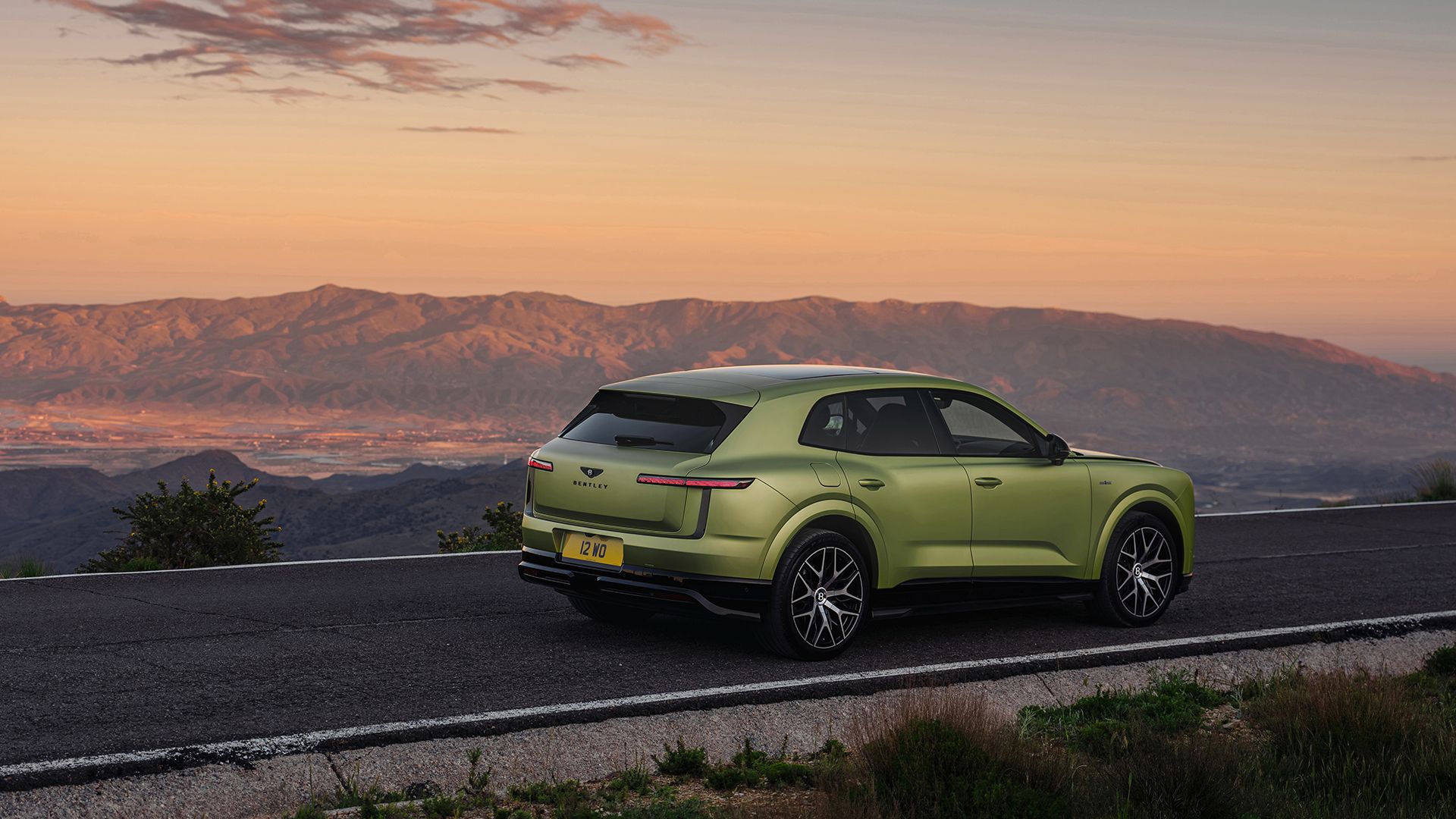
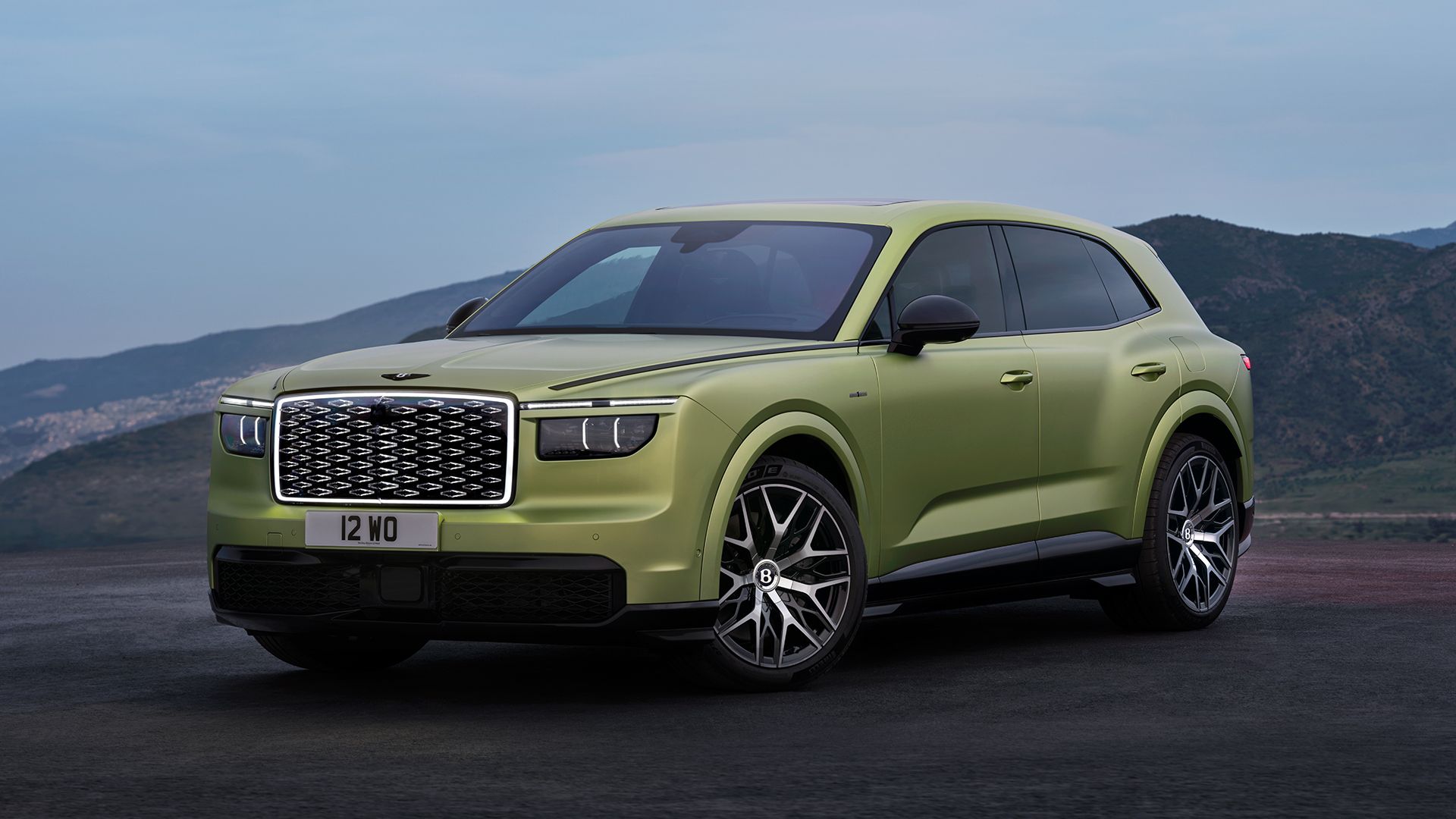
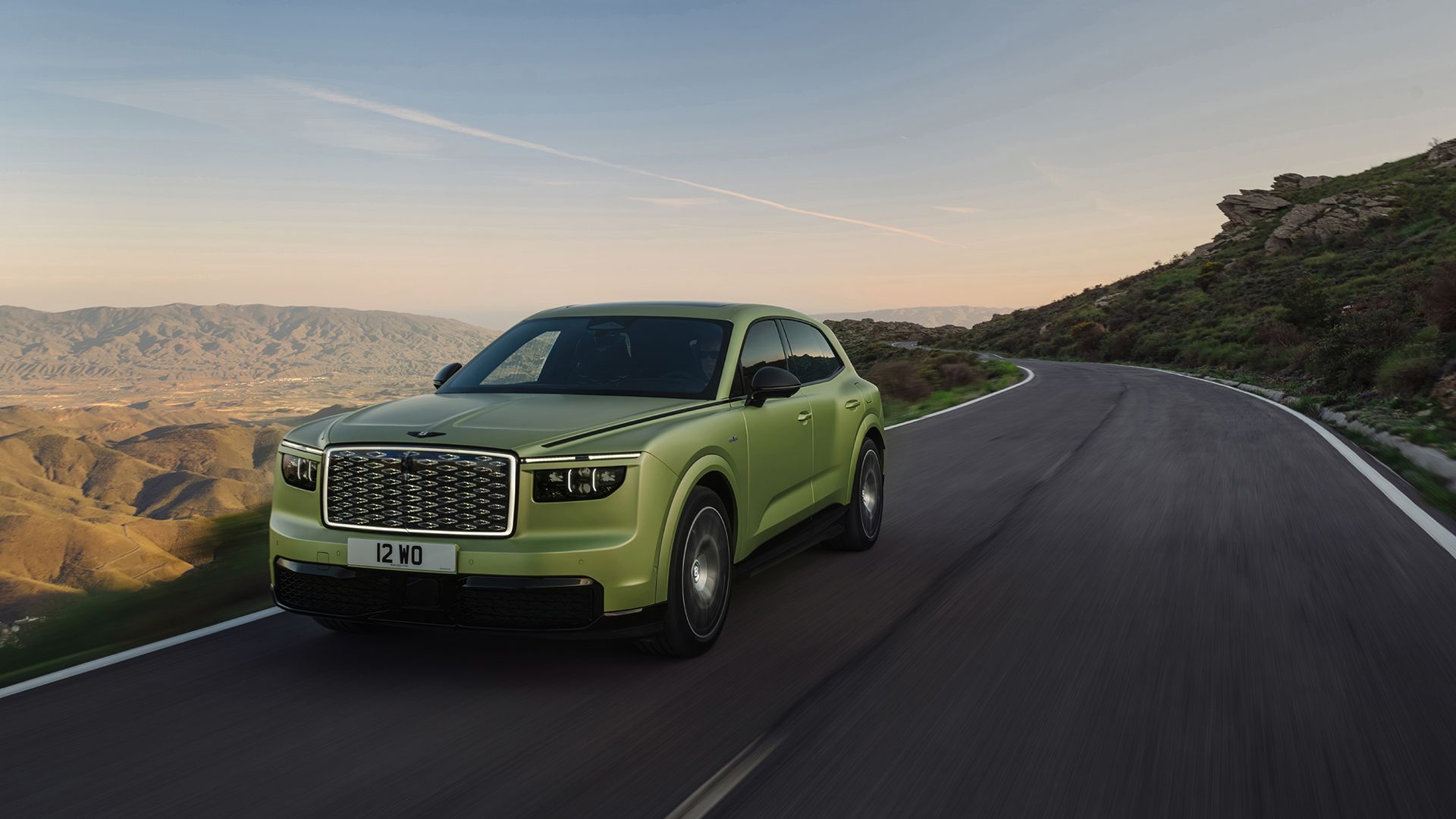
Bentley has been teasing its debut all-electric model for months now, revealing tasty morsels about its orchestral synthesized engine notes, and futuristic styling inspired by the EXP 15 Concept Car, but we finally have the full details.

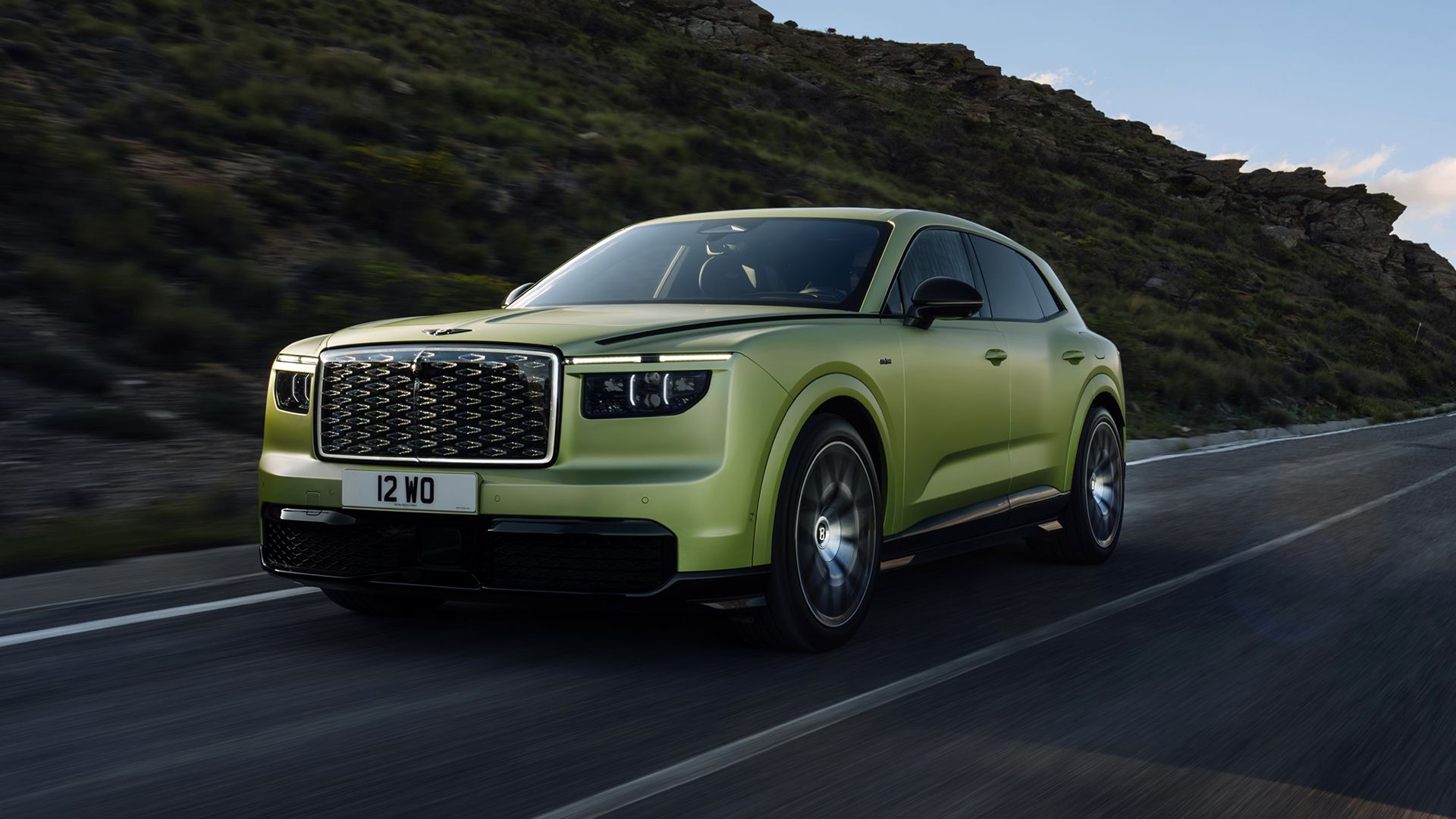
Based on Porsche’s PPE architecture (they all belong to the Volkswagen Group, after all), the upcoming Torcal will measure five meters long, making it slightly shorter than a Bentayga, and will borrow many of the chassis, suspension and powertrain components from its Porsche sibling.

Bentley doesn’t like too many mentions of the shared underpinnings, so has made a big deal about its “bold new design language, rooted in Bentley’s DNA”.

Expect an imposing illuminated front grille, sculpted surfaces and powerful rear haunches.

It looks as if Bentley’s idea of an electrified SUV just ate a Continental GT and hasn't digested it yet, but that’s no bad thing. It is the antithesis of Ferrari’s approach with the Luce — that’s to say Torcal looks and feels reassuringly Bentley.

Bentley Torcal
Bentley
Bentley Torcal
Bentley
Bentley Torcal
Bentley
Bentley Torcal
Bentley

As for the powertrain, the dual-motor setup makes the Torcal the most powerful Bentley ever, with a whopping 876bhp in the range-topping S model.

That’s not quite the 1,140hp of the monstrous Porsche Cayenne Turbo Electric, but will be sufficient for a 2.8-second sprint to 60mph from rest in the sportier S version — enough to embarrass many supercars.

Bentley says it wants the Torcal to be used “year-round” so offers a massive 113kWh battery pack that delivers a range of up to 375 miles.

Better still, it can be charged at speeds of up to 400kW, meaning a 10-80% top-up session takes less than 20 minutes, potentially.

Analysis: the sound of the future

Bentley Torcal

(Image credit: Bentley)

The British marque has scrapped its plans to go all-electric by 2030, instead opting to offer a selection of powertrains for customers.

After all, it is synonymous with booming V8 and V12 engines, which have historically delivered restrained but potent soundtracks to many models.

Not wanting to lose this USP in its debut EV, Bentley has turned to real instruments — drums, viola and bass guitar — to create what it refers to as the “Bentley Dynamic Symphony”, which is supposed to represent the subtle variations and tiny imperfections of a big V8 engine.

This “human-generated” soundtrack will provide aural feedback to the driver as the revs rise, becoming louder in Sport mode.

Apparently, even the indicator note stems from a recording of hammers striking leather in the Bentley workshop, while the touchscreen feedback noises are taken from the sound of a crystal glass.

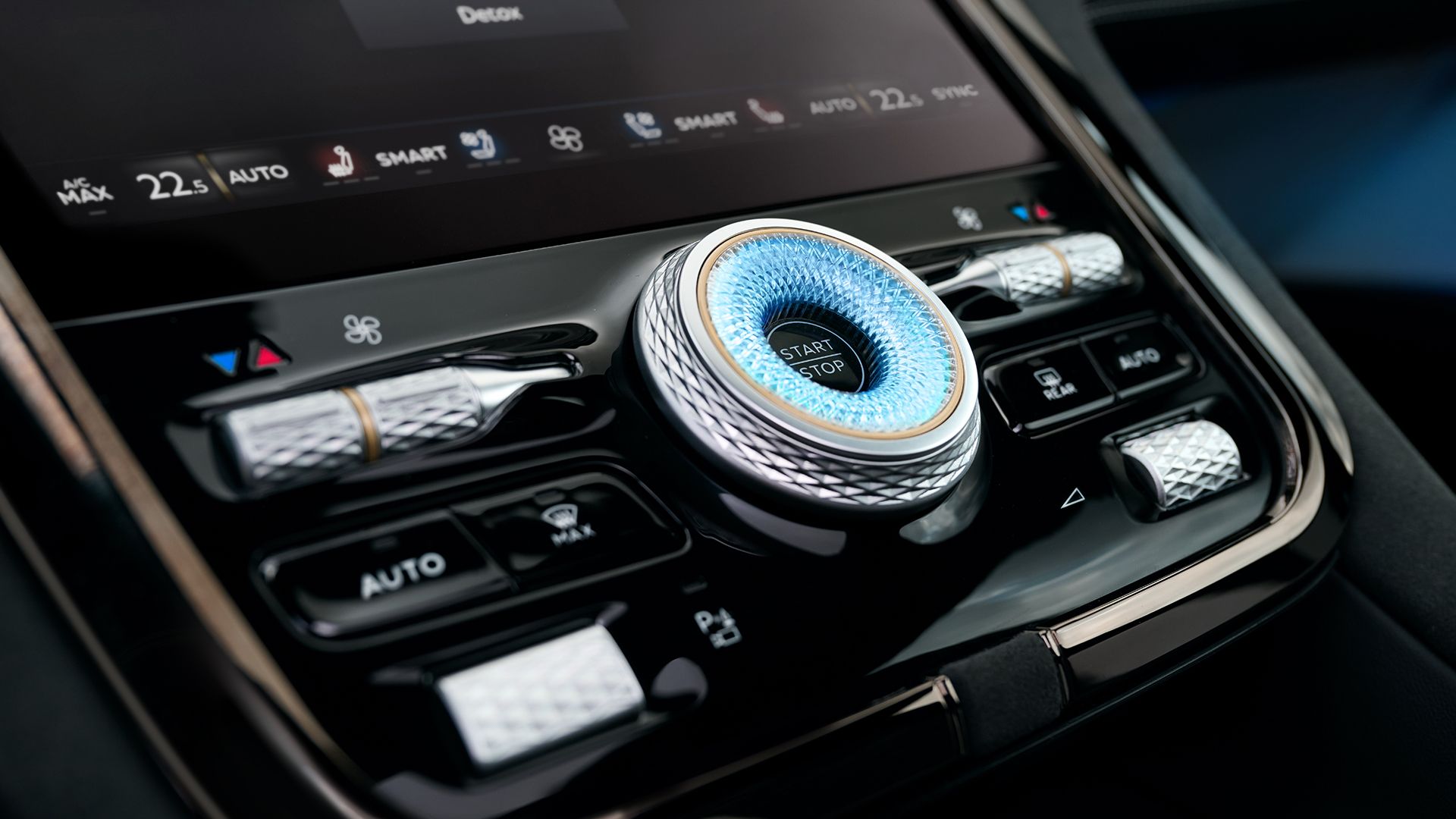
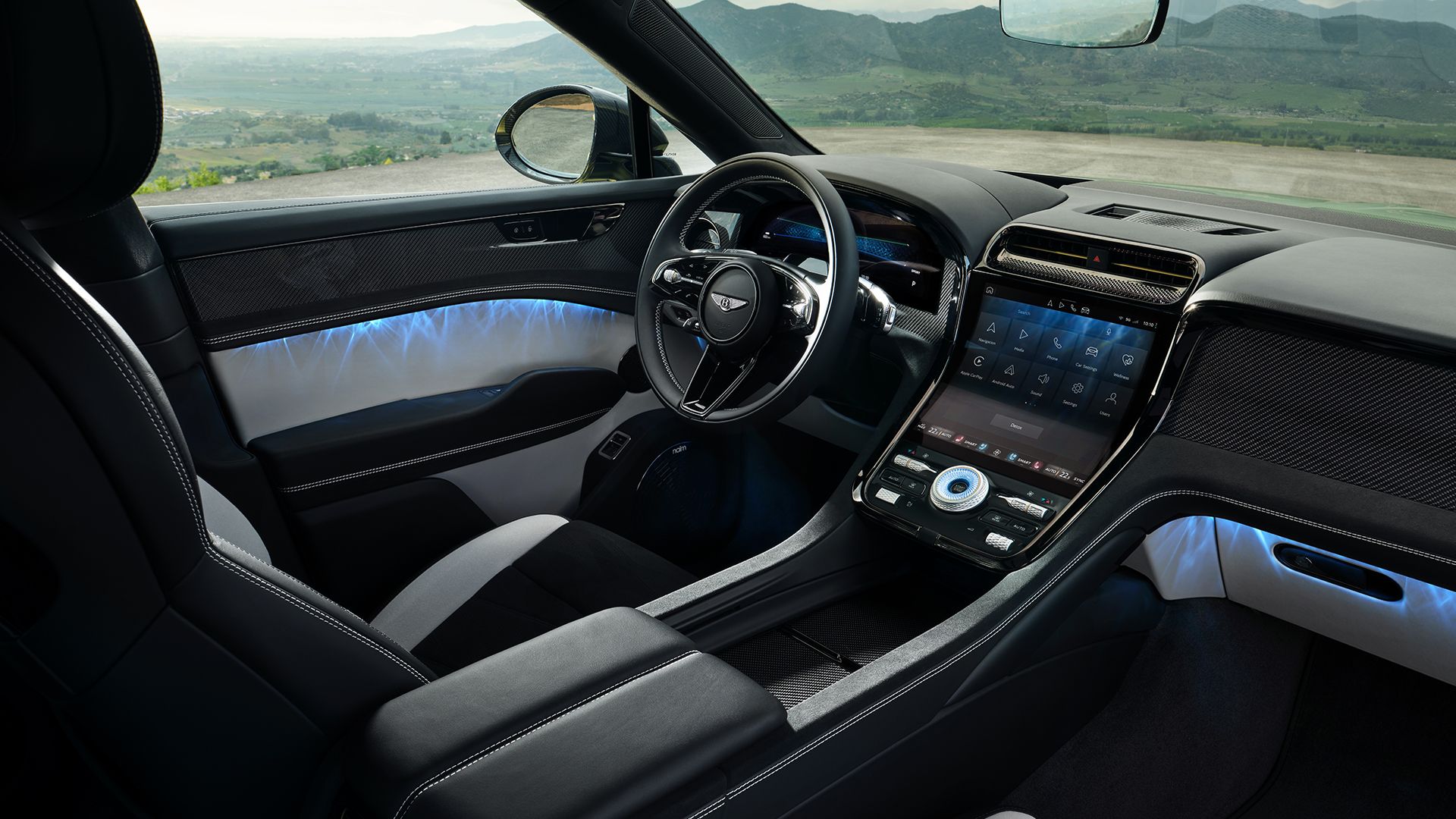
Naturally, the interior is festooned with physical knurled controls and dials, while a special Comfort Mode within the infotainment offering delivers fewer distractions, while the option of a digital detox sees all but the most essential information hidden to allow attention to move away from screens.

According to sources, prices start at £173,300 (around $230,00/AU$326,000) for the Torcal or £199,300 (around $263,000/AU$375,000 for the Torcal S, and first deliveries are expected in Summer 2027.

A full EV charging session in 4 minutes? There's a challenger to BYD in the MegaWatt charging game

  • Geely plans to unveil new charging technology this week
  • The system will draw 2.2 MegaWatts of power during use
  • Charging sessions could take as little as four minutes

The Geely Group has taken to Chinese social media site Weibo to tease its next generation of charging technology, which the company says can fill batteries in around four minutes.

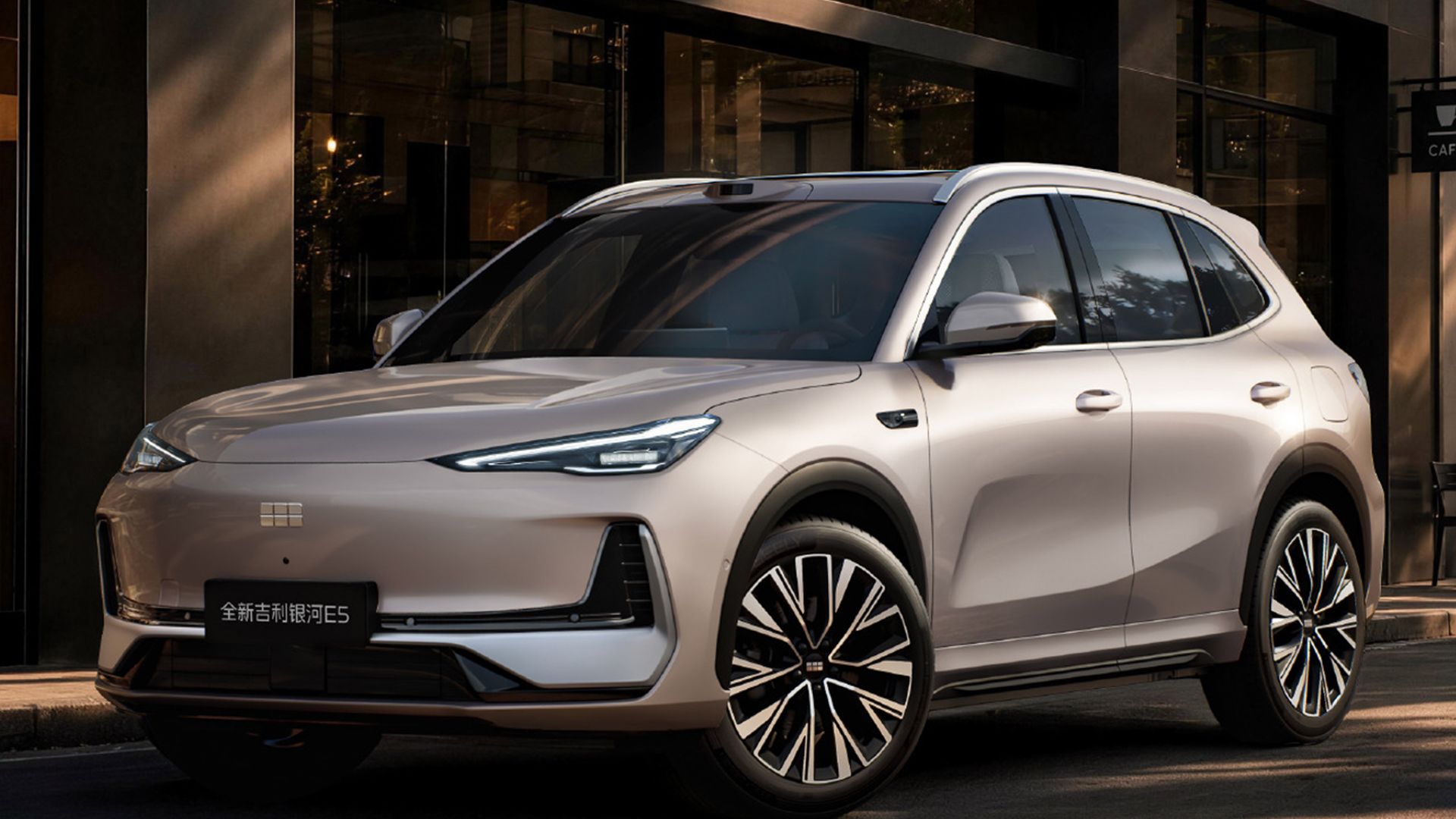
The news arrives along with details of a new Geely Galaxy E5, an all-electric premium SUV that is due for launch in China this year and is reportedly the first model that will able to use this new, ultra-fast charging technology.

Delivering a staggering peak power of 2.2MW, the next-generation "AI-powered" charging system is claimed to be able to deliver a full charging session in four minutes.

However, there’s no mention of whether that’s the standard 10-80% state of charge or something else entirely.

According to China EV Home, the Galaxy E5 uses an 800V architecture and Geely’s next-generation Aegis Short Blade battery, which will be available in 61.52kWh and 70.01kWh capacities.

The batteries offer CLTC-rated ranges of 550 km (around 341 miles) and 635 km (395 miles) respectively, but it is the ultra-fast charging that will likely hog the headlines.

While there are very few details (Geely will hold an event imminently to unveil more), the AI involvement is reportedly to do with thermal control, which allows such a mammoth rate of charge without damaging battery cells.

Geely says its packs can last 3,500 charge-discharge cycles "with limited degradation”.

Analysis: China continues to push speed

BYD Flash Charge UK

(Image credit: BYD)

The EV dream has always been to recharge in the sort of time it takes to refuel a petrol or diesel counterpart, as this would arguably break down one of the biggest barriers to ownership: range anxiety.

Those with little experience of electric vehicles worry about becoming stranded when batteries run out of charge, only to be faced with an hour or more wait to get back on the road.

However, most people that have owned a modern EV will likely argue that this isn’t really the case any more, but China continues to develop charging technology that prioritizes speed an convenience.

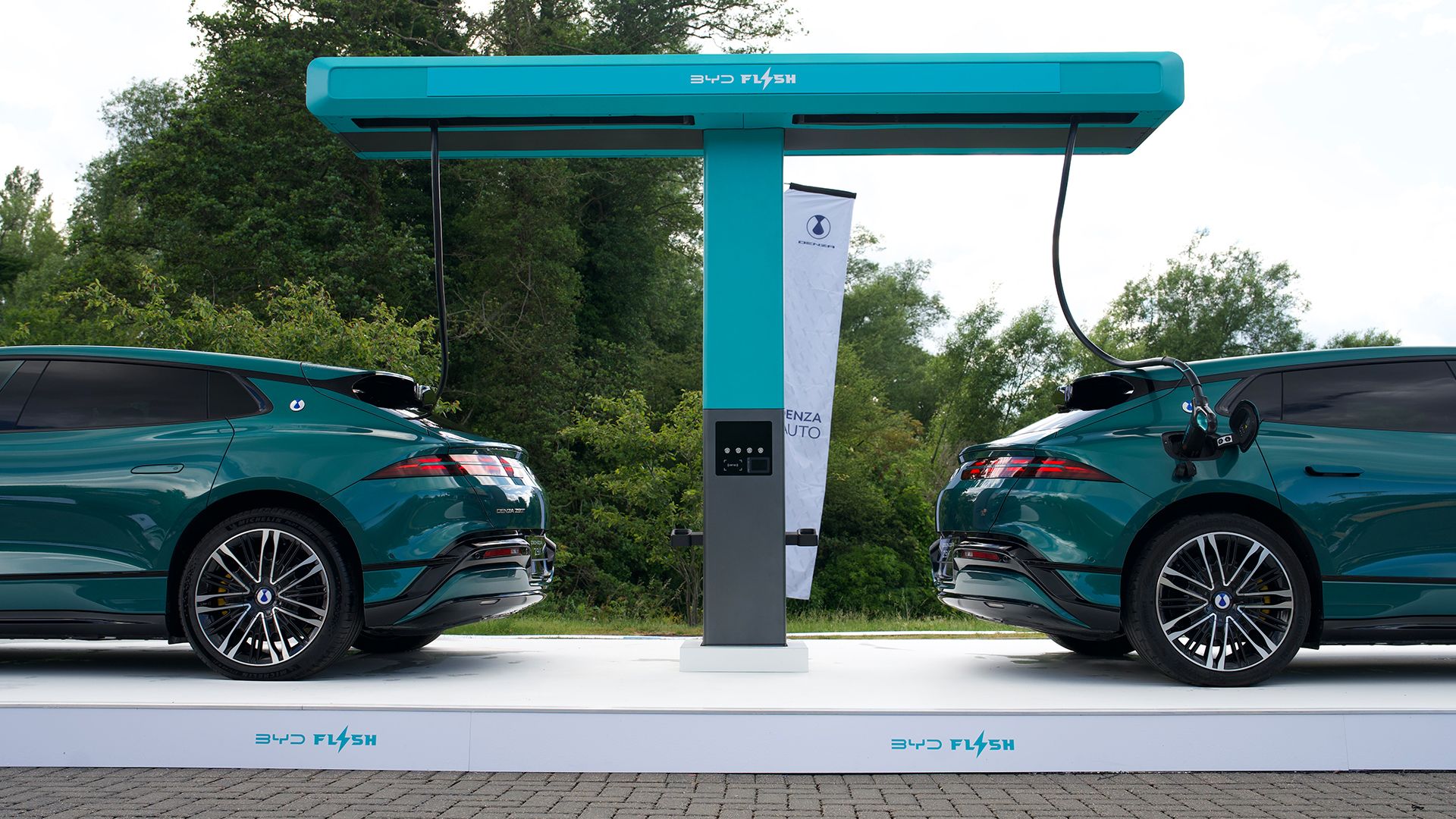
BYD has demonstrated its 1.5MW Flash chargers both in China and in Europe, where they are capable of brimming batteries in under 10 minutes.

Unfortunately, the only vehicles compatible with the tech (in Europe at least) happen to be some of the most expensive in the BYD stable.

Zeekr has also been pushing its own 1.2MW chargers in China, which are also capable of lighting-fast top-up times.

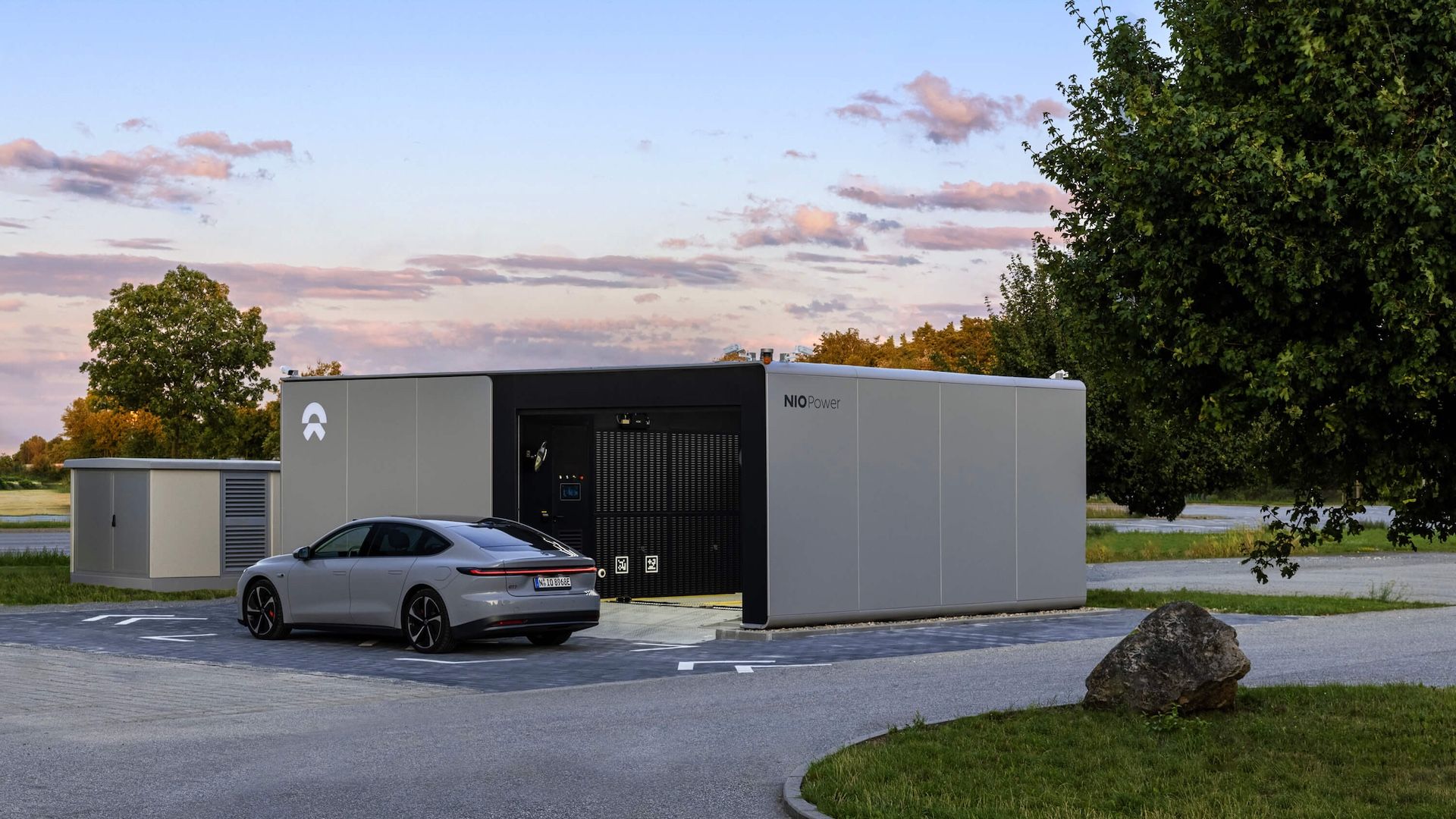
Nio Power Swap Station

(Image credit: Nio)

While it’s easy to see this as simple one-upmanship, China’s charging infrastructure needs to grow at a rapid rate to serve the more than 110 million EVs predicted to be on the roads by 2030.

This will mean installing more than 40 million charging points and approximately 300,000 high-power charging facilities to deal with the demand.

Having this mix of high and lower powered charging is the only way to meet all the needs of drivers, where high power and speed is essential in places like motorway service stations along busy travel corridors, while cheaper, lower-powered options benefit those charging curbside over night, for example.

Unlike many other nations, which have been comparatively slow to adopt electrification and the surrounding infrastructure, China appears to be exploring all avenues.

Tesla is taking $50k deposits for its next-gen Roadster that nobody's even seen yet — so here's your reminder that it never actually produced the last Roadster it took $50k deposits for

  • Tesla has re-opened the order books for its long-awaited Roadster
  • It is asking buyers for a $50,000 deposit
  • Some customers have been waiting since 2017 for news of their cars

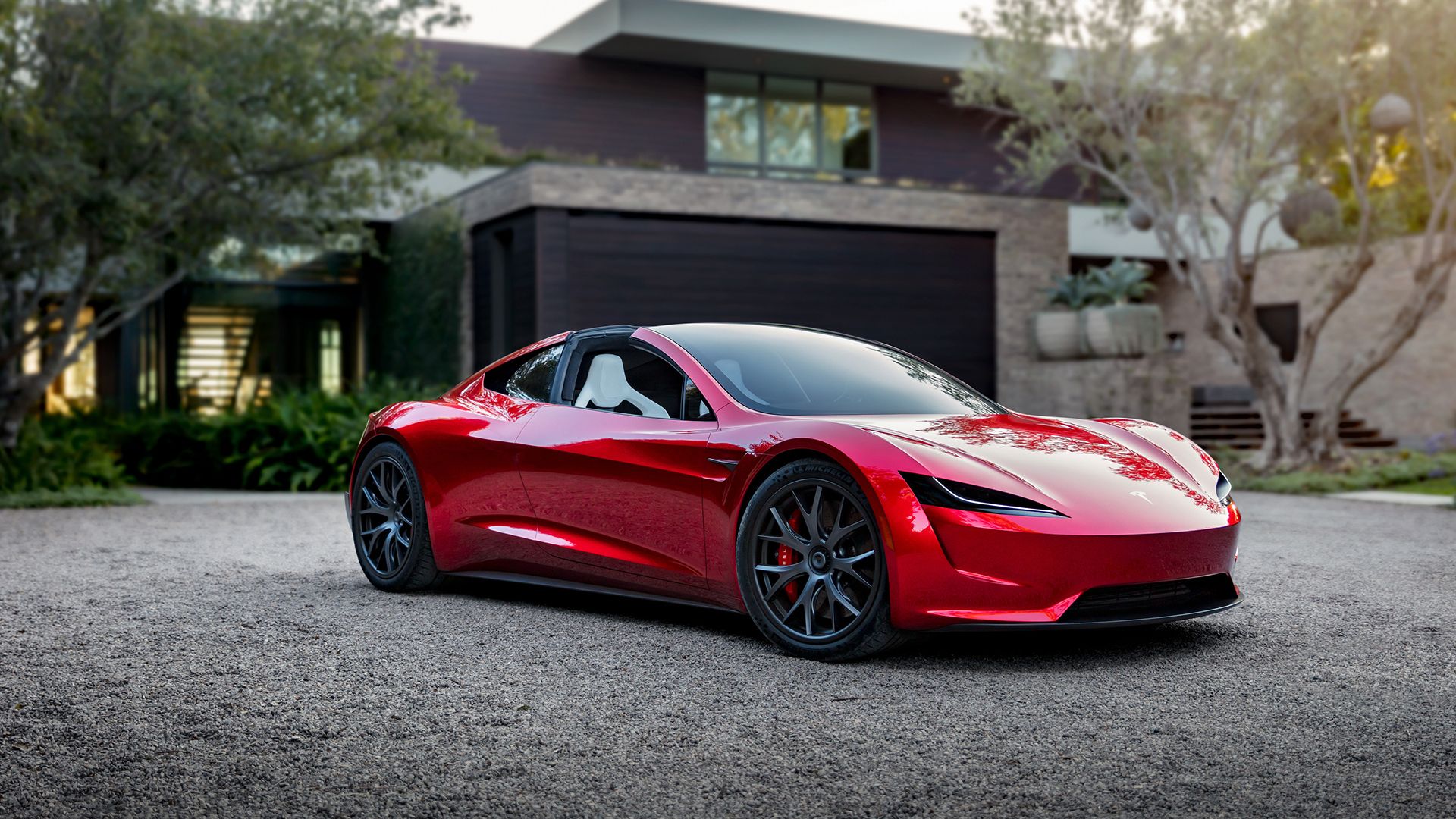
Tesla has announced that it will finally reveal the next generation Roadster in October during a glitzy event in Waco, Texas... although we still really don’t know what to expect.

Reports suggest the high-performance EV could use cold-gas thrusters, developed by SpaceX, to produce previously unseen levels of acceleration, while others have stated that the car itself has received a 'Cyber' redesign since the 2017 car was first unveiled.

What we do know is that Tesla wants your money. It has re-opened the reservations list to be among the first allocated build slots of the electric sports car when (or if) it eventually goes on sale.

Similarly to the 2017 launch, the EV company is asking for a $5,000 “fully-refundable” instant credit or debit card payment, followed by a $45,000 wire transfer due within 10 days to reserve a build slot.

While we are still firmly left in the dark about the final cost of the upcoming Roadster, it was previously stated that customers would have to hand over a further $250,000 for a “Founders Series” vehicle, which was initially claimed to have been promised for the year 2020.

Back then, Tesla customers were backing a promise of a 600+ mile electric range, a sub-2 second 0-60mph sprint time and a top speed in excess of 250mph.

Fast-forward nine years and the speculation has been blown up to sci-fi proportions, but more importantly, all of those original customers are yet to receive a new vehicle.

Tesla CEO Elon Musk has stated that the October demonstration will be a “banger” and that the company needed to invite an audience to “vouch for the fact that this is not AI,” but those who placed deposits are likely just hoping a real vehicle arrives on stage.

Analysis: all speculation?

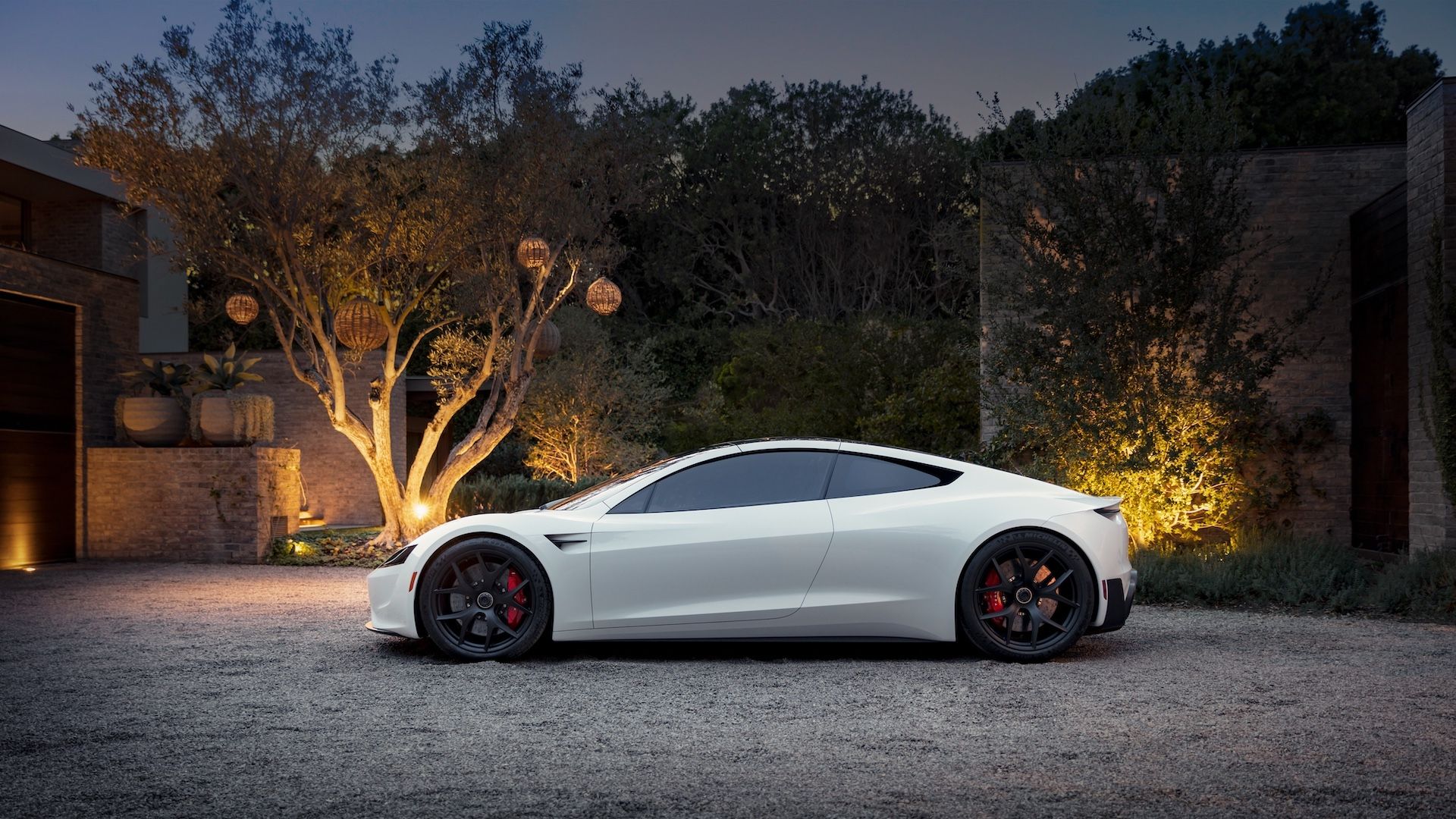
Tesla Roadster

(Image credit: Tesla)

We can spend hours theorizing about what we might see during Tesla’s October Roadster event, whether that’s a vehicle that hovers for a brief time or the use of banned F1 aero tech that creates massive amounts of downforce... it’s all up for discussion.

Alas, it’s worth noting that Tesla hasn’t launched an all-new model since the Cybertruck, which wasn’t exactly the success story that the company had hoped. In fact, sales of that model have been in steep decline since its initial reveal in 2023.

The Cybertruck program also proved that it pays to take Tesla’s facts with a pinch of salt, as everything from its off-road abilities, electric range, build quality and even price have been brought into question during its lifetime.

October 1 will hopefully reveal all. But those queuing to place a deposit should proceed with caution.

US carmakers could soon be forced to offer AM radio for free in new vehicles — 100-year-old technology to make a comeback after being ditched by Tesla, Volvo, BMW, and more

  • The trend of ditching AM and FM radios might have to be reversed 
  • Supporters argue AM radio offers critical information during emergencies
  • EV makers have said interference from motors can affect AM radio signal

Automakers in the US may have to reintroduce a 100-year-old technology into new vehicles, as the House of Representatives approved legislation this week that would require new cars, trucks, and SUVs to include AM radio at no additional charge to consumers, according to TechCrunch.

The AM Radio for Every Vehicle Act will now head to the Senate, but it could require the National Highway Traffic Safety Administration (NHTSA) to create new rules that would make AM radio standard in new vehicles.

While support for the Act has been relatively slow to gain traction, there has been a recent spike in interest from politicians of both parties, as well as the broadcast industry and emergency responder organizations.

The key argument is that AM radio provides critical information in the event of emergencies, when cellphone signals could be knocked out.

“Farmers use AM radio for weather forecasts, local information, and crop reports, while older Americans rely on it for local news and programming,” House Energy & Commerce Committee Chairman Brett Guthrie said on the House floor.

While this may be good news for AM radio fans, farmers, or those living in rural communities where cellphone signals can be an issue, a growing number of automakers may be forced to rethink their infotainment offerings.

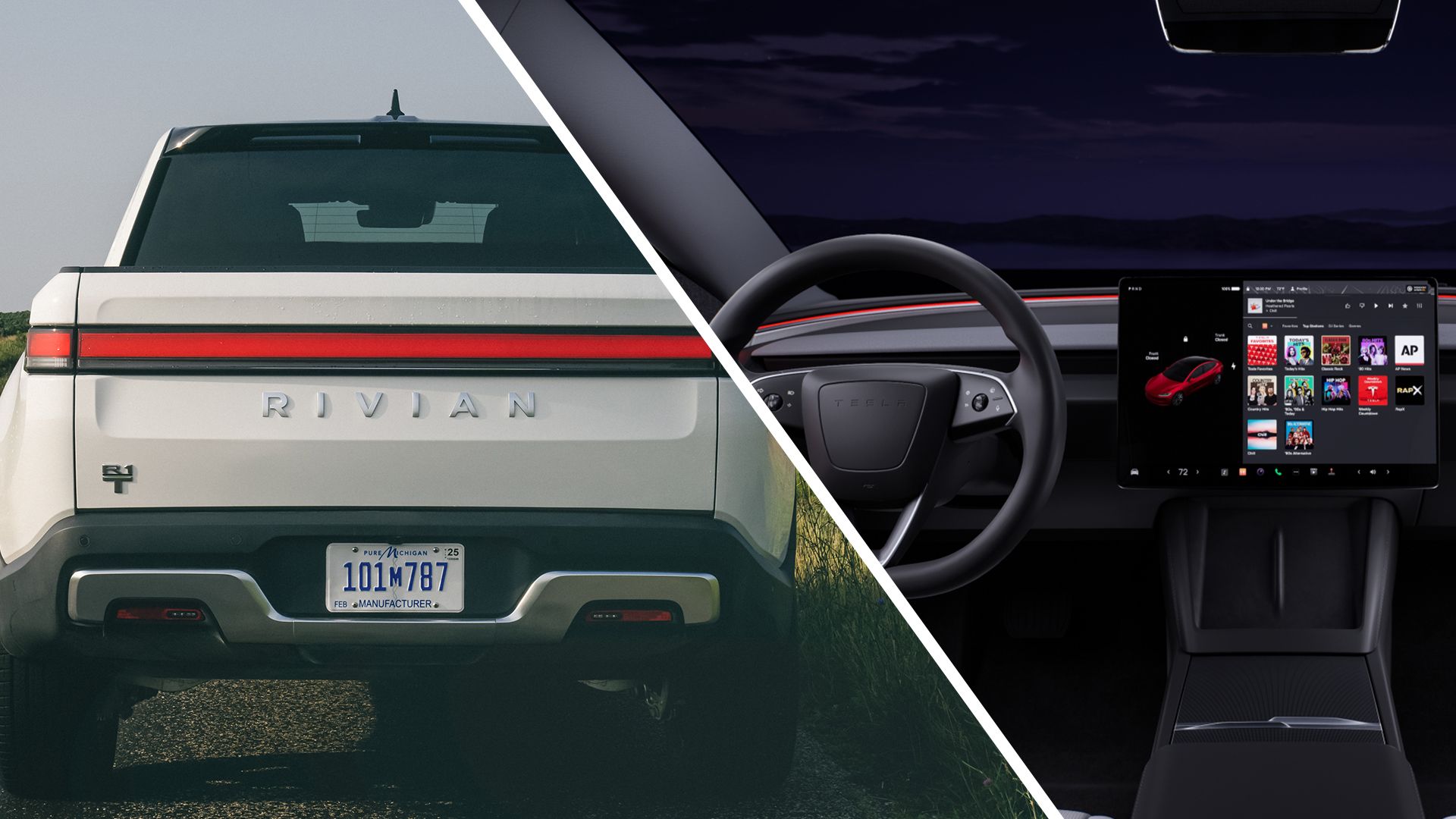
Tesla famously began phasing out AM radio in 2020, claiming that interference from the electric motors ruined the listening experience.

It then removed built-in FM and AM radio in hardware in certain trim levels, relying instead on streaming and Bluetooth connectivity.

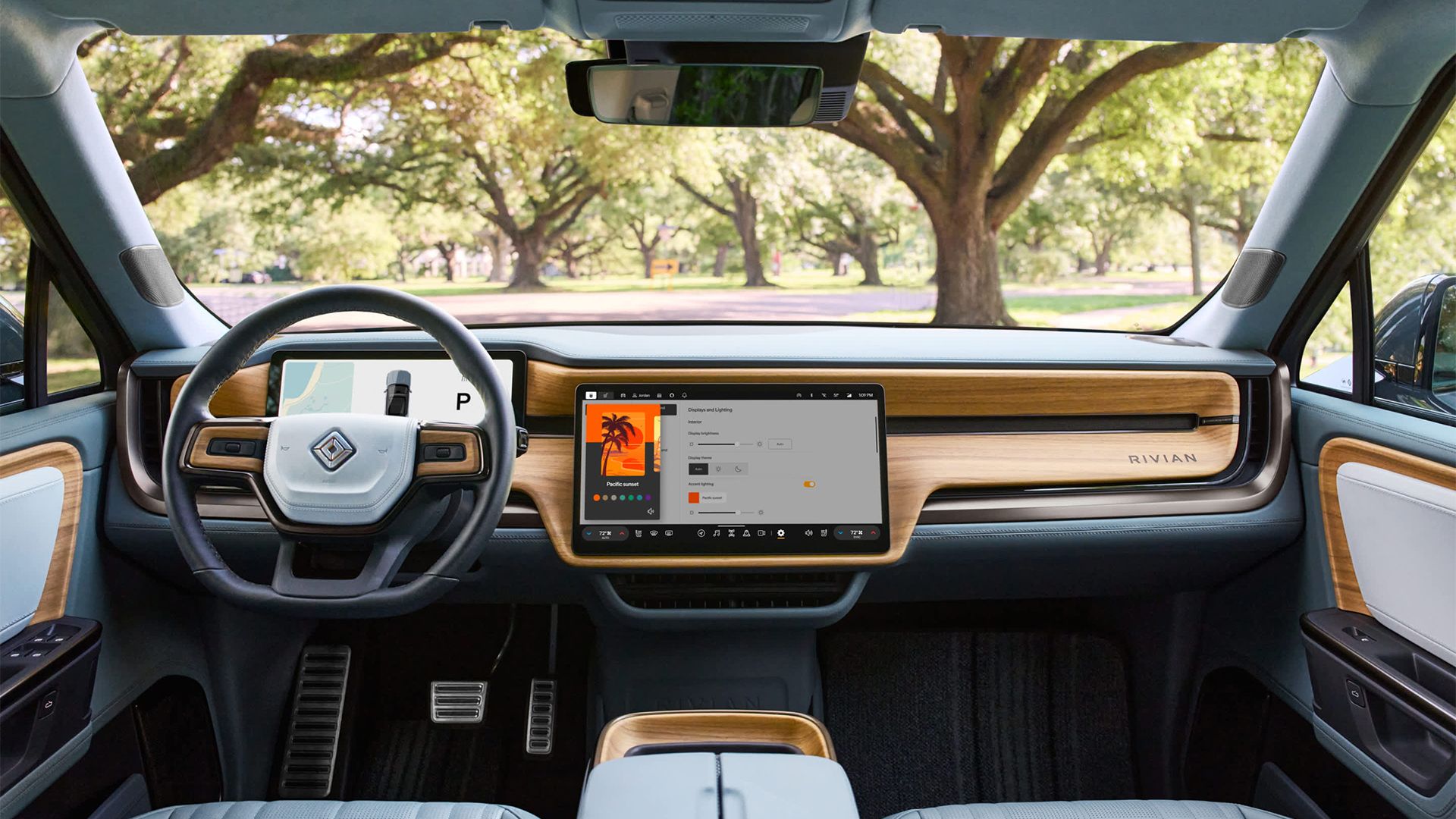
But since then, many more automakers have followed suit, with Volvo, BMW, Polestar, and Rivian all favoring streaming services for their software-defined vehicles.

Analysis: EVs could be hardest hit

Rivian Vehicles

(Image credit: Rivian)

According to USA Today, the budget office said that the legislation could particularly impact manufacturers of electric vehicles, with analysis of EV sales data revealing that the legislation would require manufacturers to update radio equipment in about 2 to 2.5 million vehicles each year.

Those carmakers that still offer FM radio built-in likely won’t feel the financial pressure as much, yet the likes of Tesla and Rivian, both of which have removed AM and AM/FM receivers entirely in certain models, will likely have to rethink their strategies.

Senator Ted Cruz said the vote sent a clear message to car manufacturers that “AM radio is a lifeline that must be protected in new vehicles,” although all eyes will be on the Senate to see whether the Act passes into law.

The Volkswagen ID.3 GTI could struggle to win over the hot-hatch faithful — despite being the most powerful GTI it’s ever made

  • Volkswagen reveals all about the upcoming ID.3 GTI
  • It’s the second model in the lineup to wear the marque’s famous badge
  • Rear-wheel drive and its weight could deter the faithful

Volkswagen has taken the wraps off its highly anticipated ID.3 GTI, arguably the closest thing we will get to a fully electrified Golf GTI until the German marque decides to make one.

This is the second model in the lineup to wear the famous performance badge, after VW announced that the smaller ID. Polo would also be given the red-hot treatment.

Volkswagen says the ID.3 GTI will follow the ID. Polo GTI into production, with the former due to launch in the first quarter of 2027.

It’s also a sign that Volkswagen is getting more serious about this high-performance electric stuff, after pussyfooting around with the slightly warmer but very confusing GTX badging on earlier ID.3s and, perhaps most bizarre of all, the ID. Buzz.

But soon, customers will be able to get behind the wheel of an all-electric hatchback that boasts 240 kW (326 hp), 545 Nm (403 lb-ft) of torque and a 0-62 mph sprint time of just 5.6 seconds. As a show of defiance, the ID.3 GTI has one horsepower more than the previously most potent Golf GTI Edition 50.

But unlike any other GTI model in history, power from the single motor is delivered to the rear wheels, while engineers told Evo Magazine that they tweaked the software to prevent those rear tires from spinning up when the full force of the torque is unleashed, even with traction control deactivated.

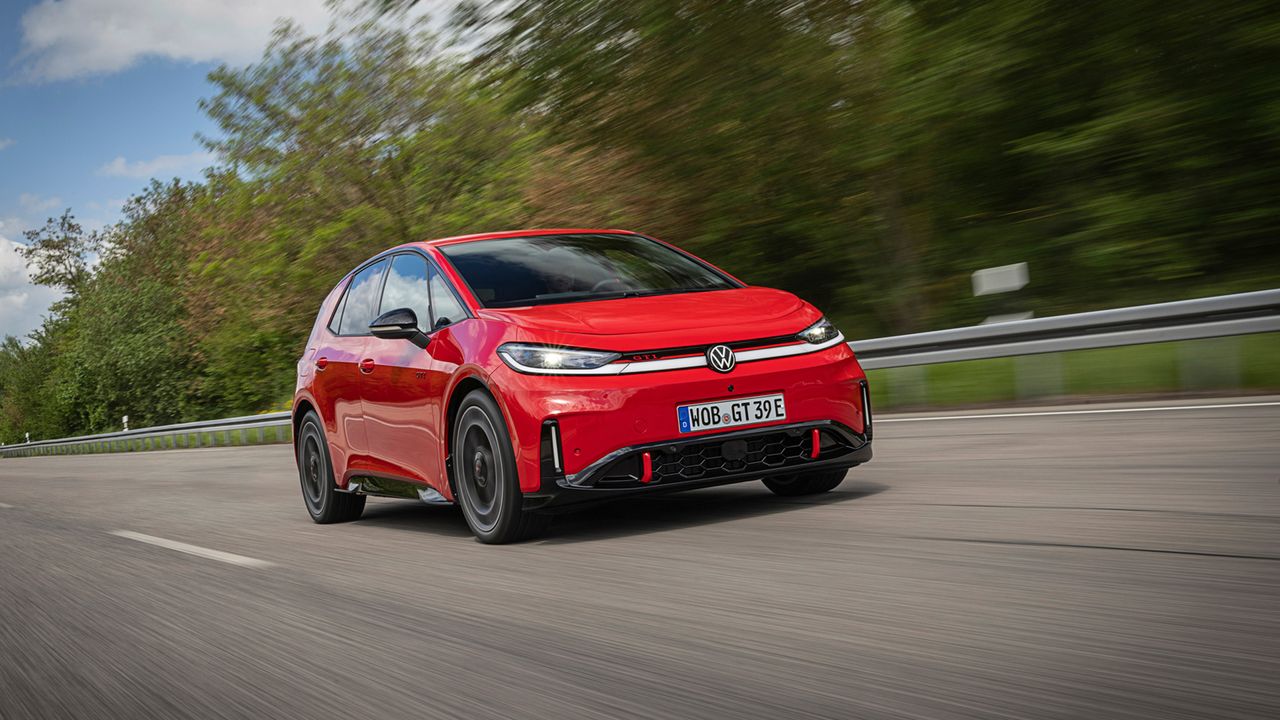
Volkswagen ID 3 GTI

(Image credit: Volkswagen)

Unlike the Hyundai Ioniq 5 N and 6 N, as well as the cheeky little Honda Super N, Volkswagen hasn’t decided to offer simulated gear shifts to increase driver engagement, but it has introduced fake engine noise into the cabin to crank up the sportiness.

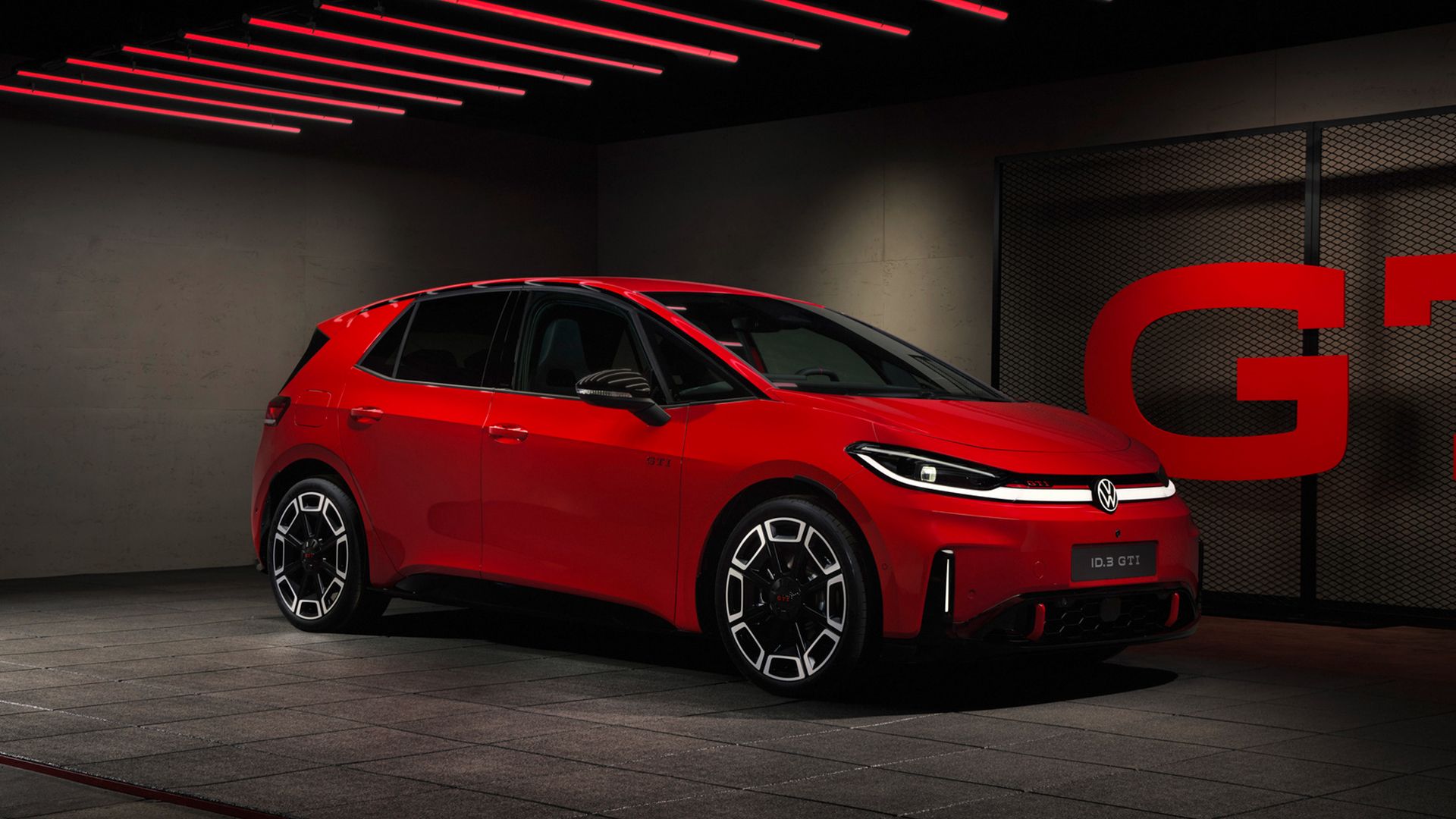
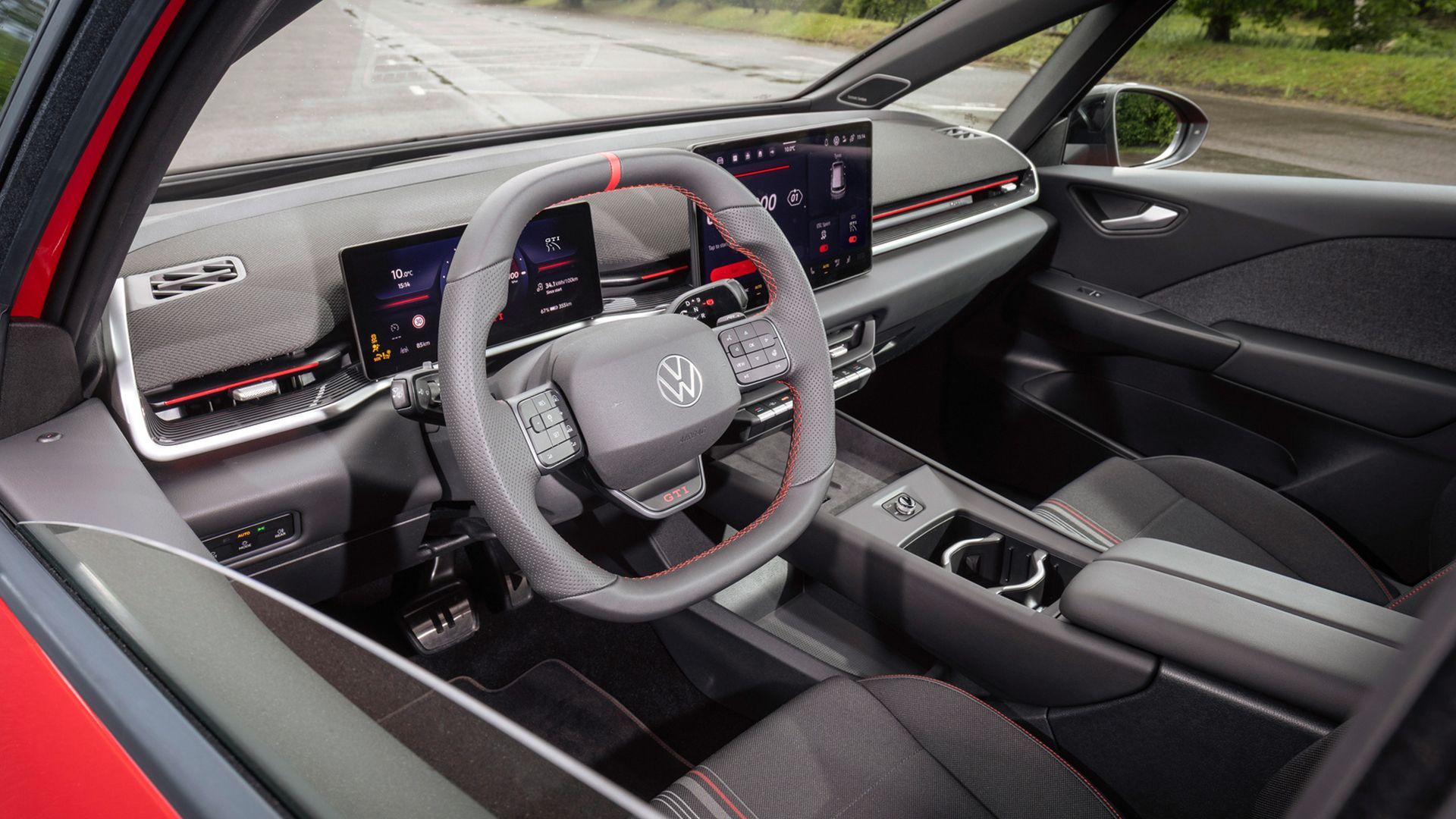
While the exterior now comes in the famous Tornado Red GTI paint color and sports some bespoke 20-inch alloy wheels, the majority of the performance touches have been added inside the cabin, where tartan-style upholstery and a big GTI button on the steering wheel give the game away.

Volkswagen claims that despite the performance on tap, its ID.3 GTI will still manage 373 miles on a single charge, although peak charging speeds are capped at 183 kW, making it difficult to perform the sort of rapid, track-day battery top-ups that Hyundai’s high-performance EVs are capable of.

Analysis: A tough crowd to please

Volkswagen ID 3 GTI

(Image credit: Volkswagen)

Volkswagen has more than 50 years of GTI history, and nearly all of those vehicles sporting the famous badge have been celebrated by fans, owners and journalists alike.

From the first Golf GTI in 1975 to the more recent Edition 50, they’ve all delivered scampering, front-wheel-drive thrills alongside Volkswagen’s comfort, build quality, usability and purposefully restrained styling. Fans can argue all day long about which iteration was the GOAT, but it’s generally agreed that they are all some of the best hot hatches ever made.

Attempting to transfer this badge into the electric era was always going to be a tough ask, as everything that made some of the best GTIs legendary is missing here.

According to Top Gear, the new ID.3 GTI weighs around two tons, which is a good 500kg heavier than even the weightiest ICE Golfs, while the decision to send power to the rear wheels will fundamentally alter the way this electric GTI behaves.

Couple this with the lack of synthesized (or real) gear shifting and other technological wizardry that makes Hyundai and Honda’s performance EVs feel more engaging, and what we are left with might be the fastest and most powerful ID.3, but is it really a true Golf GTI successor?

I’d love to be proven wrong, but I feel Volkswagen is going to have a tough time convincing petrolheads to ditch their Mark 7 Golf GTIs and climb into this.

❌