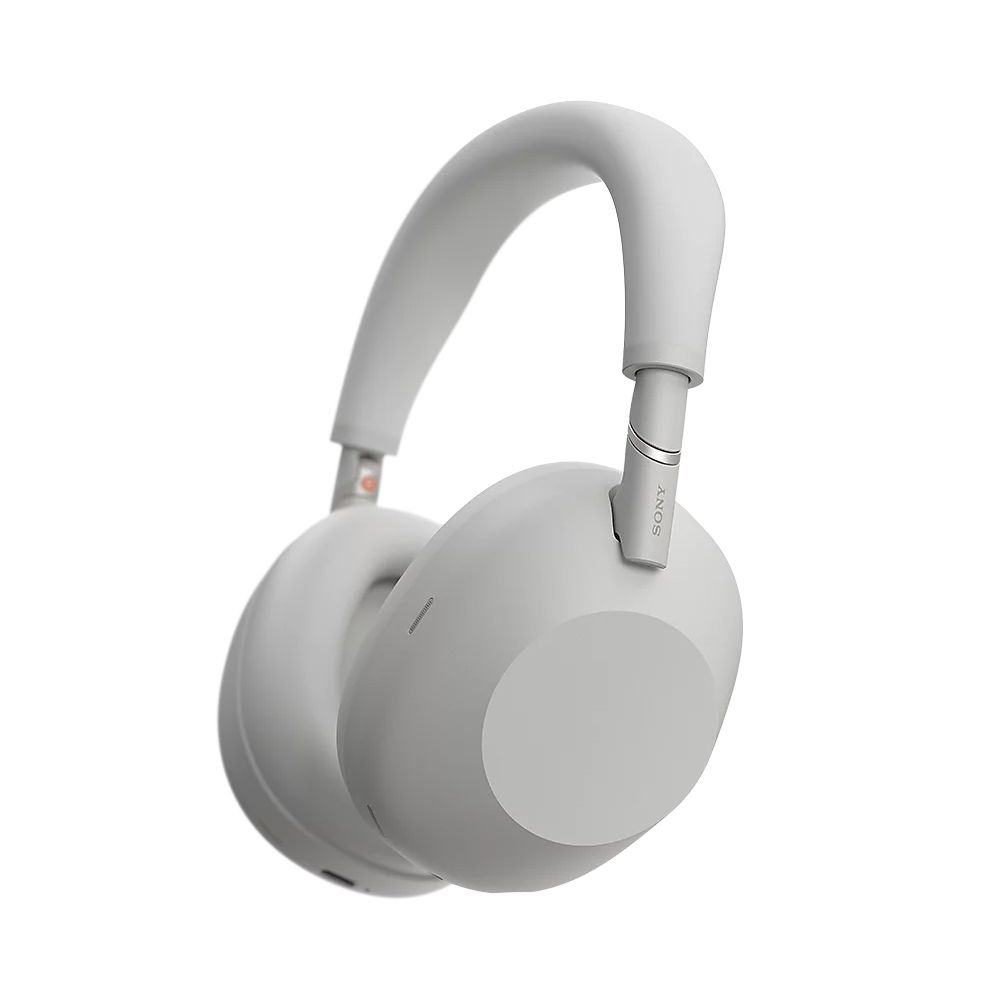
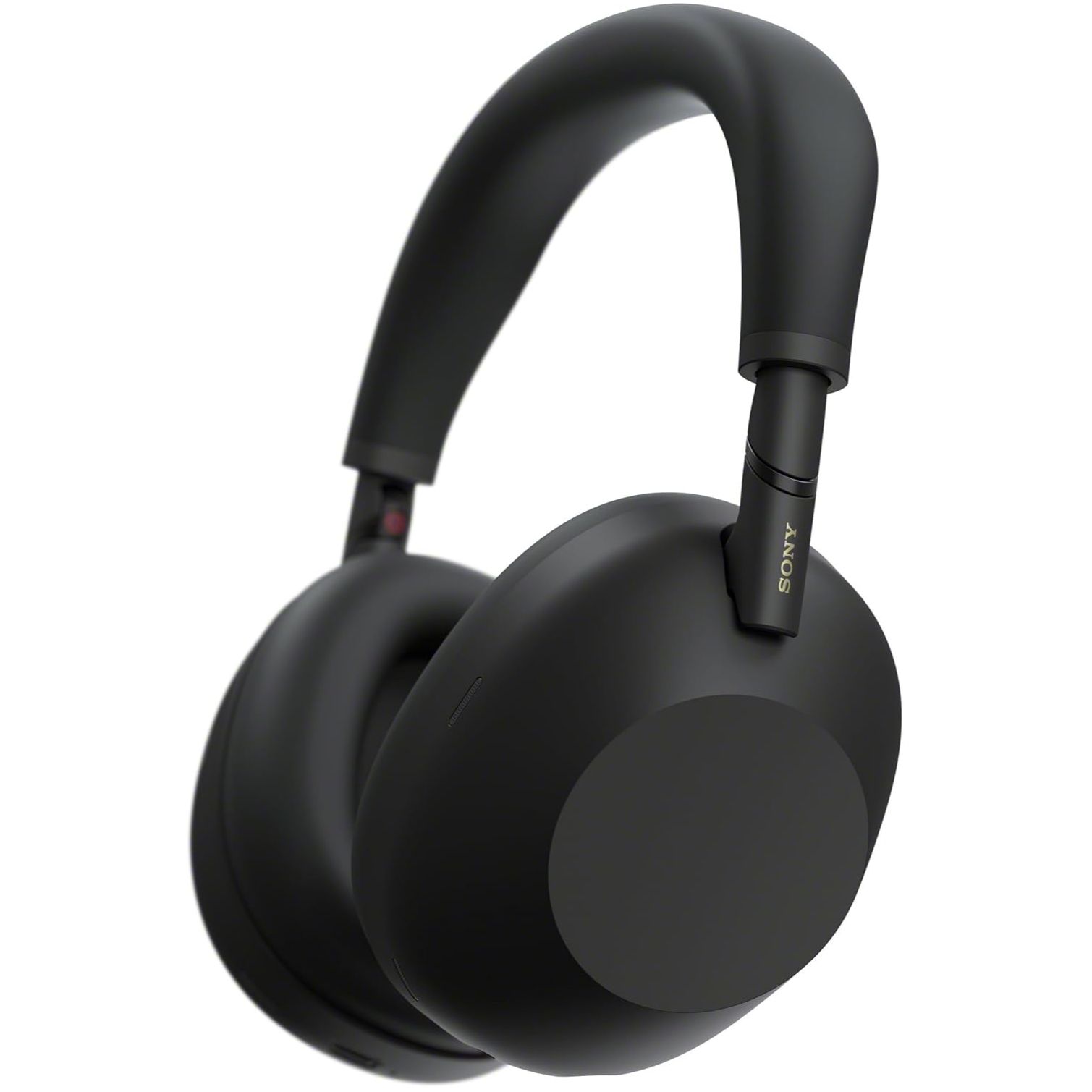
Actually, yes, and this one's a biggie. Right now, you can get the superb Sony WH-1000XM6 noise-canceling over-ear headphones for just $378 (was $459) at Amazon!
A quick note on the deal: this time last year, we saw these excellent class-leading headphones drop to $398, which was pretty special at the time. But this? This is next-level good and it's not even Black Friday week (or weekend!) yet.
Will the price drop even further? I doubt it, honestly — if anything, retailers have in the past been known to actually boost prices a touch, just before discounting them on Black Friday. To me, it seems more likely that retailers are simply following suit with this particular discount because, as you'll see below, the deal is also live at a big competing online store…
(Not in the US? See today's best deals in your region below)
Today's best Sony WH-1000XM6 headphones early Black Friday deal
Right now, you can grab the incredible Sony WH-1000XM6 for $82 off with this pre-Black Friday limited-time deal, meaning they're the cheapest they've ever been. These headphones offer stunning, balanced audio output, top-tier touch controls, ergonomic comfort, and noise-nixing ANC. They'd make the perfect gift, or why not just treat yourself if you're traveling a lot this gift-giving season?View Deal
Or, the same deal is live at Walmart…
WH-1000XM6 Wireless Headphones: was $459.99 now $378 Prefer to shop at Walmart? That's OK, the sensational Sony WH-1000XM6 are down to a record-low price for Walmart's massive fall sale too! Again, I couldn't recommend them highly enough. With beautiful all-round sound, outstanding ANC, and a foldable design, they're the best all-rounders on the market, in my opinion.View Deal
You only need a quick glance over our Sony WH-1000XM6 review to see how highly we rate these Sony flagship headphones.
In fact, my colleague Harry Padoan has made it his mission to even pit these Sonys against five top-tier rivals from heavy-hitters such as Bose and Bowers & Wilkins. But if that's all a bit TLDR, know this: the Sony cans you came here to read about come off very well indeed, across the board.
Personally, I adore the little things about the design here. Despite being lovely large over-ears, the XM6 fold up for easier transport in their hard-shell case — it's a small thing, but the XM5 didn't do it and these do. For me, it matters.
Sony's ambient sound mode also doesn't get the recognition it deserves, but if you suddenly need to hear noises around you, no cans I've tried do better. Finally, we need to talk about Sony's ANC. It's very, very good indeed and never colors your music unnecessarily. Oh, and by all means, here's our Sony WH-1000XM6 review again, if you need to know more on any of this.
After all, there's a bit of time before Black Friday, so these cans probably won't sell out at this super-low price. Not much time, you understand. But some…
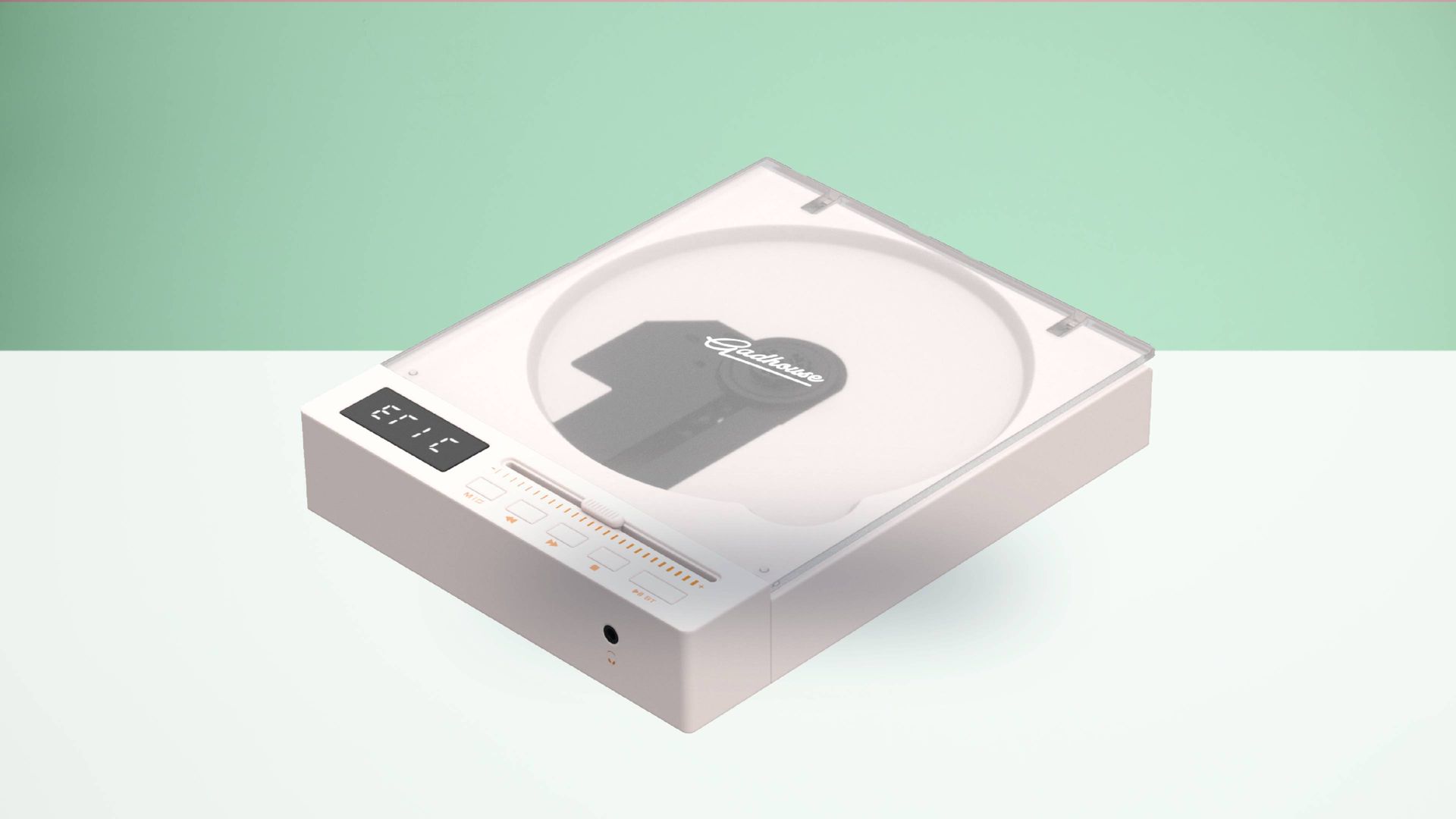
Gadhouse unveils Eric (a new CD player, not a robot)
It's about a third of the price of other portable options we've seen
Bluetooth, multiple headphone jacks, an FM radio receiver and a screen
I write one piece of audio news every day of the week for TechRadar's audio editor, and it's been ages since I covered any new earbuds or headphones for her. Why? Because so many new CD players, turntables and cassette players are launching. It's like I'm working in the 80s.
Taking the spotlight today is Eric. Not any old Eric; the Gadhouse Eric, with unconfirmed reports (which I've only just made up) saying that it was named after a man down the pub. Gadhouse is apparently turning into a madhouse for the physical media revival, after showing us the Gadhouse Miko cassette player earlier this year — and let's not forget last year's Gadhouse Duke & Roy powered speakers and turntable combo for vinyl lovers.
The Gadhouse Eric is set to cost just $84.50 / £59.99 (about AU$120), so it's a lot cheaper than the likes of the Shanling EC Player or FiiO DM13; they're both about three times the price.
At that money, this could be the budget portable CD player to beat. It's on sale right now, though Gadhouse says that it'll be launching new color options through 2027.
A range of extra features and tools
You want a CD player to do one thing: play CDs. Eric does that, sorted. Wait, it does more?
That's right, Gadhouse has slapped an FM radio receiver into the Eric, so you can skip the doomsday prepping with a hand-cranked option and use this if you'd prefer. This is presumably arranged via its little display, and the slider you can see in the picture.
What else does it do? Well, it lets you connect wirelessly using Bluetooth, which I bet your grandad's CD player doesn't do. It also has not one, but two 3.5mm audio jacks; you can connected to two headphones at once to share music, or connected to a hi-fi system if you'd prefer.
If there's any potential problem I foresee, it's that the battery life is only 4 hours long, so you're going to struggle taking this travelling. It can be recharged via a USB-C port in the back.
Black Friday is almost upon us, unofficially heralding the start of the festive season — and before you know it, all the gifts will have been wrapped and given, and another year will have flown by!
The good news is that, simply by being here, you're already ahead of the Black Friday deals curve, especially if you're looking for noise-cancelling headphones and earbuds (and why wouldn't you be? With prices starting at just £19, they're excellent stocking fillers).
This roundup isn't like the others. Why? Because, unlike other publications, I've linked a full, no-holds-barred TechRadar review of each pick in the product description box, along with a rating of the deal, and whether it's a new lowest-seen offer, a return to its lowest-ever price, or merely close to it.
So, you know exactly what you're getting, and you know about the price you're paying — that's why you stick with me.
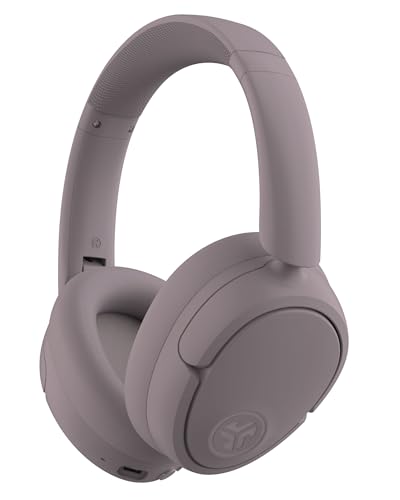
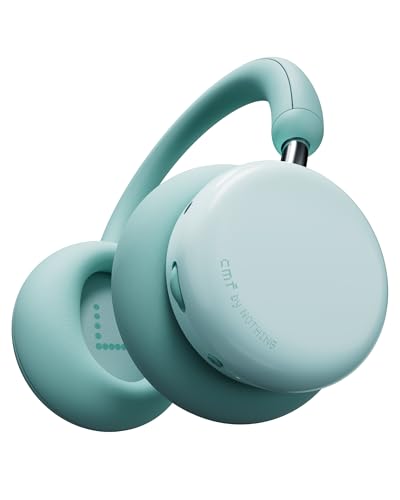
Top of the pile for me? I adored the CMF Headphone Pro when I reviewed them, and now they're just £49 (was £79). However, if you really need to save that extra tenner, the slightly older but beautifully teardrop-shaped JLab JBuds Lux ANC have absolutely no business being £39 (was £79) and they'll look and sound so much pricier than that.
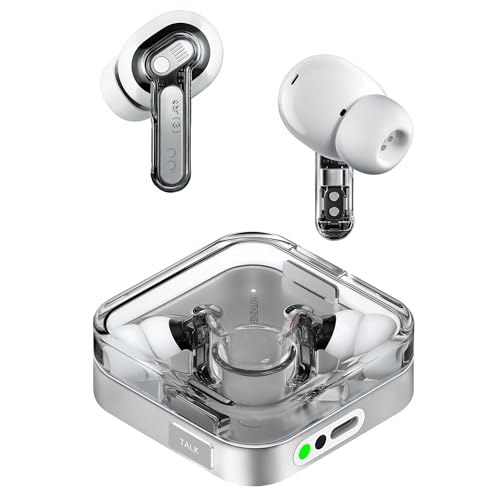
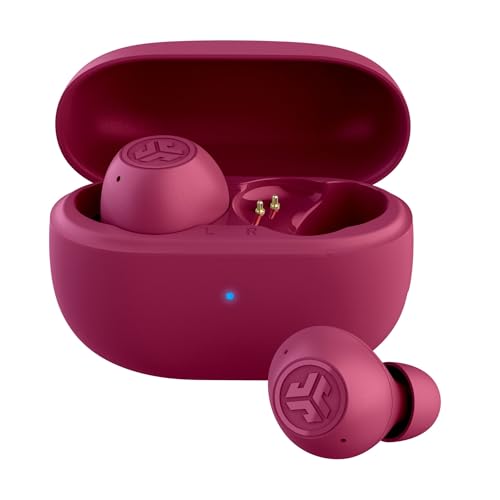
Came here for buds? Simple: JLab's Pop ANC are literally £19.99 (was £24.99) in one of the best colourways I've ever seen — or there's the Nothing Ear (3), Nothing's flagship buds that landed just over a year ago, not to be confused with the newer, in-call recording Ear (3a). I loved the 'Super Mic' function there and only knocked the audio quality for the money, although of course, that's not nearly so much of an issue now…
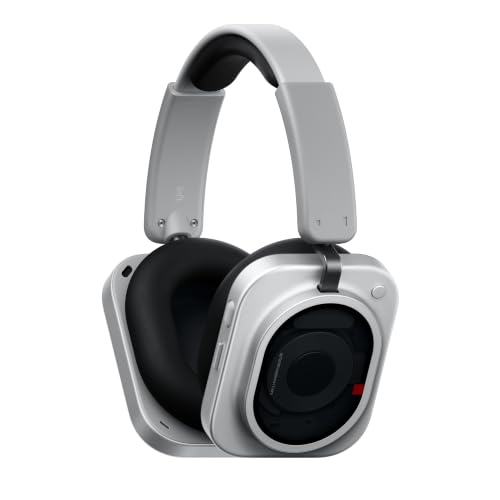
Want the newest of the new in this roundup? That would be the Nothing Headphone (1) Pro, launched on September 28, 2026 and reviewed by yours truly. This is also their first ever discount — to clarify, the also-featured Nothing Headphone (1) are the company's inaugural model, launched on July 15, 2025.
Which pair is the best of the two? Oh, the newer pair without a doubt — apart from the case, which sadly is bulky, plastic and more of a fashion statement. If taking care of your listening gear is of paramount importance, I might still pick the originals, which is why I've listed them here.
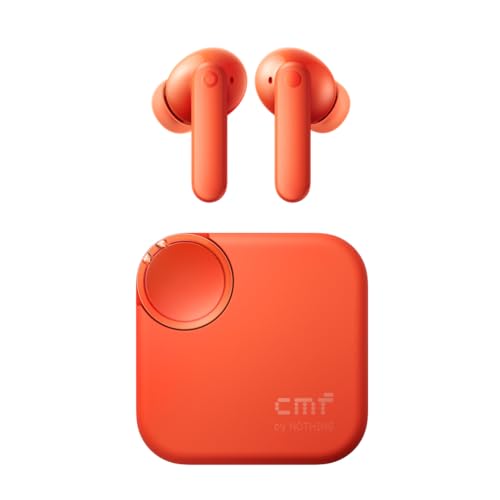
Want something from a trusted name in audio? You can't get much more tried and true than Sennheiser's Accentum True Wireless, although these are also the oldest earbuds pick in the roundup, having arrived in May 2024. That said, they're oh-so-tiny and stuffed with features. And if you want a cheap set of buds with a nifty dial for volume on the case, the CMF Buds 2 are a great shout for this money.
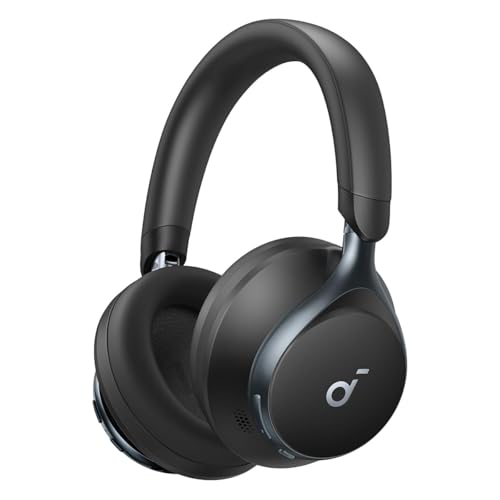
Lastly, don't sleep on the Anker Soundcore Space One, despite their 2023 release date. We called them a "bargain Beats alternative with ANC" under intense review, and at this new-low price, there's an awful lot there for £64 (was £89)…
The best early Black Friday headphones and earbuds deals
Nothing
Headphone (1)
The deal: Nothing's inaugural headphones, launched in June 2025. I love the design (this is the set that looks most like cassette tapes over your ears, of Nothing's three options) but they're a little heavy and the audio is a touch compressed against Nothing's more recent releases. That said, the deal is just £8 off their lowest ever asking fee, so if they drop to £141 again, they're worth that every day of the week… More info: see our full Nothing Headphone (1) review
JLab
JLab JBuds Lux ANC
The deal: I love the look and feel of these headphones, which sort of have a teardrop-shaped ear cup. I also love this lavender shade, but other options are also discounted. If you love bass, they could be the pick for you and while I think the treble is a little undercooked, for this money it's churlish to complain. Oh, and the deal? It's a whopping 50% off! Huge! More info: see our full, in-depth JLab Jbuds Lux ANC review
Anker
Soundcore Space One
The deal: it's crazy when a price of £64 feels kind of a lot in a headphone roundup, no? But such is the nature of these incredible deals — and at 29% off, our price trackers have never seen them drop this low. We called the Space One 'Beats alternatives' under intense review, which kind of puts things into perspective; I don't see any ANC-toting Beats cans for anywhere near this money… More info: check out our full Anker Soundcore Space One review
CMF
Headphone Pro
The deal: know this, dear reader — I loved these cans at £79, I adore them for this silly money. The design is a delight and you get hearing tests, to tailor the sound, which is unheard of at the level! OK, the 'Energy Slider' may not be to your tastes, but the zealous audio sounds just fine without it, and this is a return to their lowest ever asking fee. Highly recommended for a pound under £50. More info: see my full CMF Headphone Pro review
Nothing
Headphone (1) Pro
The deal: these September 28-launch cans are the newest in this roundup and I honestly didn't expect to see any savings on them this early in their life. The audio is exceptionally good for this money (which is £100 off, for the first time ever) and if you can live with a case that feels a little heavy, there's so much to love here — including extra spatial audio profiles plus really good ANC. More info: read my in-depth Nothing Headphone (1) Pro review
Nothing
Ear (3)
The deal: Nothing's flagship earbuds — not to be confused with the slightly newer Nothing Ear (3a), which offer in-call recording and come in a bright pink — offer a lovely little 'Super Mic' function for content creators. When I reviewed them I wasn't sure the audio chops quite matched the RRP, but at this price (which is £3 cheaper than they've ever been, according to our price trackers) that's far less of a concern. More info: read my full Nothing Ear (3) review
JLab
Go Pop ANC
The deal: JLab is known for offering good, dependable audio kit at ridiculously affordable money, but the company has outdone itself here and then some! the naming strategy of JLab's offerings can be confusing, so note that these buds are sometimes also called the JLab Go Air Pop ANC, but not the JLab Go Air Pop or JBuds Mini ANC (which are different models). At this money, they're a no-brainer if you're looking for a Secret Santa gift — and in case it needs to be confirmed, no, they've not droped cheaper than this. More info: see our full JLab Go Pop ANC review
The deal: the charging case here really is tiny, and although the list price only shows a £14 discount, these earbuds began life with an RRP of £169. So, their £102 discount from the original May 2024 asking fee actually equates to a 60% discount — that's right, they're less than half price (and they've never dropped this low, until now). We didn't love the audio quality for energy and impetus, but for this money their stuffed to the gills with useful features… More info: read our fully star-rated Sennheiser Accentum True Wireless review
For a company that’s been turning out high-quality turntable cartridges since the early 1960s, Audio-Technica certainly took its sweet time to begin manufacturing record players. Unless you count the ‘Sound Burger’ of the late 1980s (which I don’t, despite its re-release), it was the back end of 2009 before Audio-Technica delivered a turntable — but since then the dam has broken, and now the Japanese specialist is one of the most credible names around when it comes to record players at real-world money.
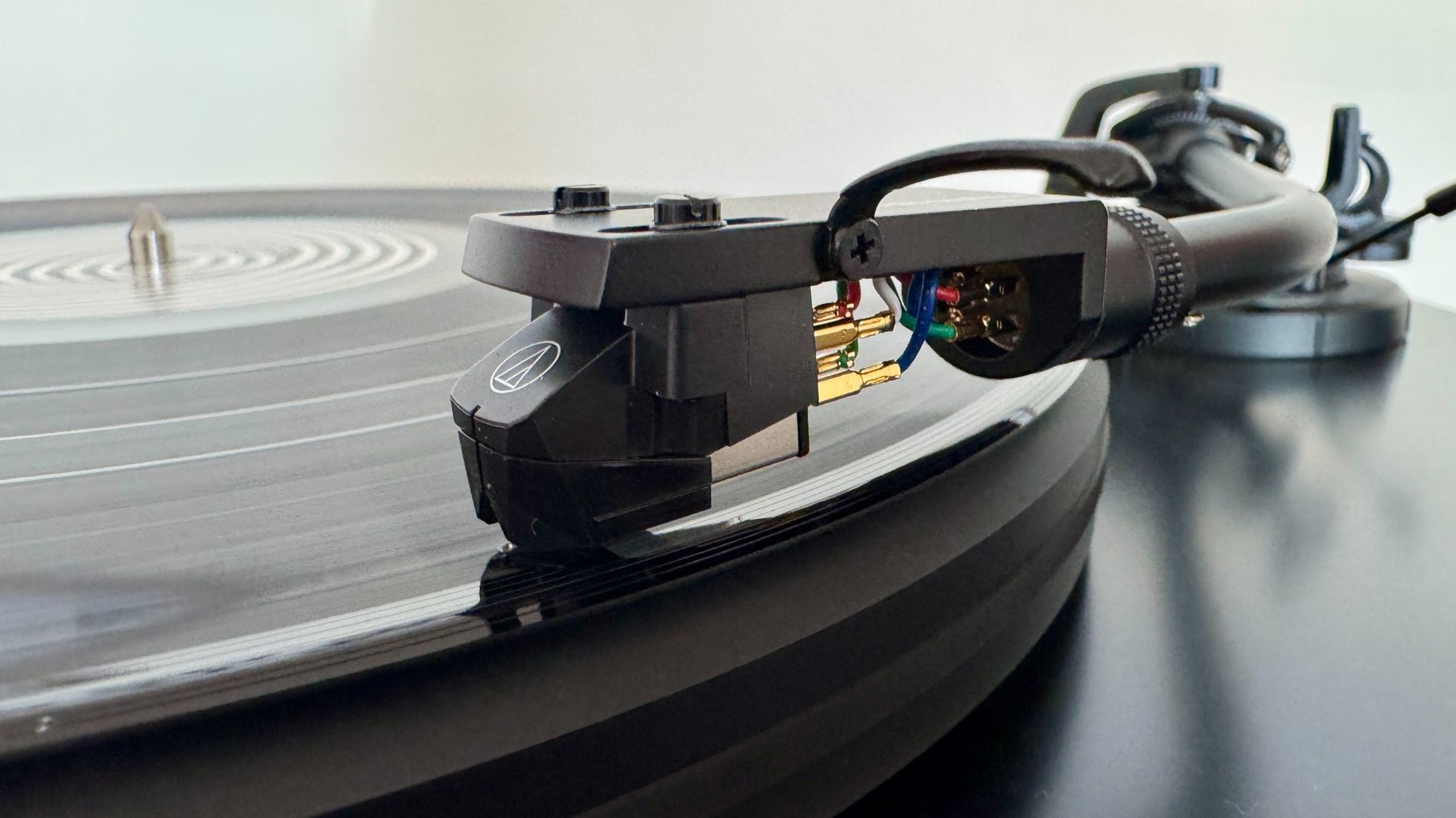
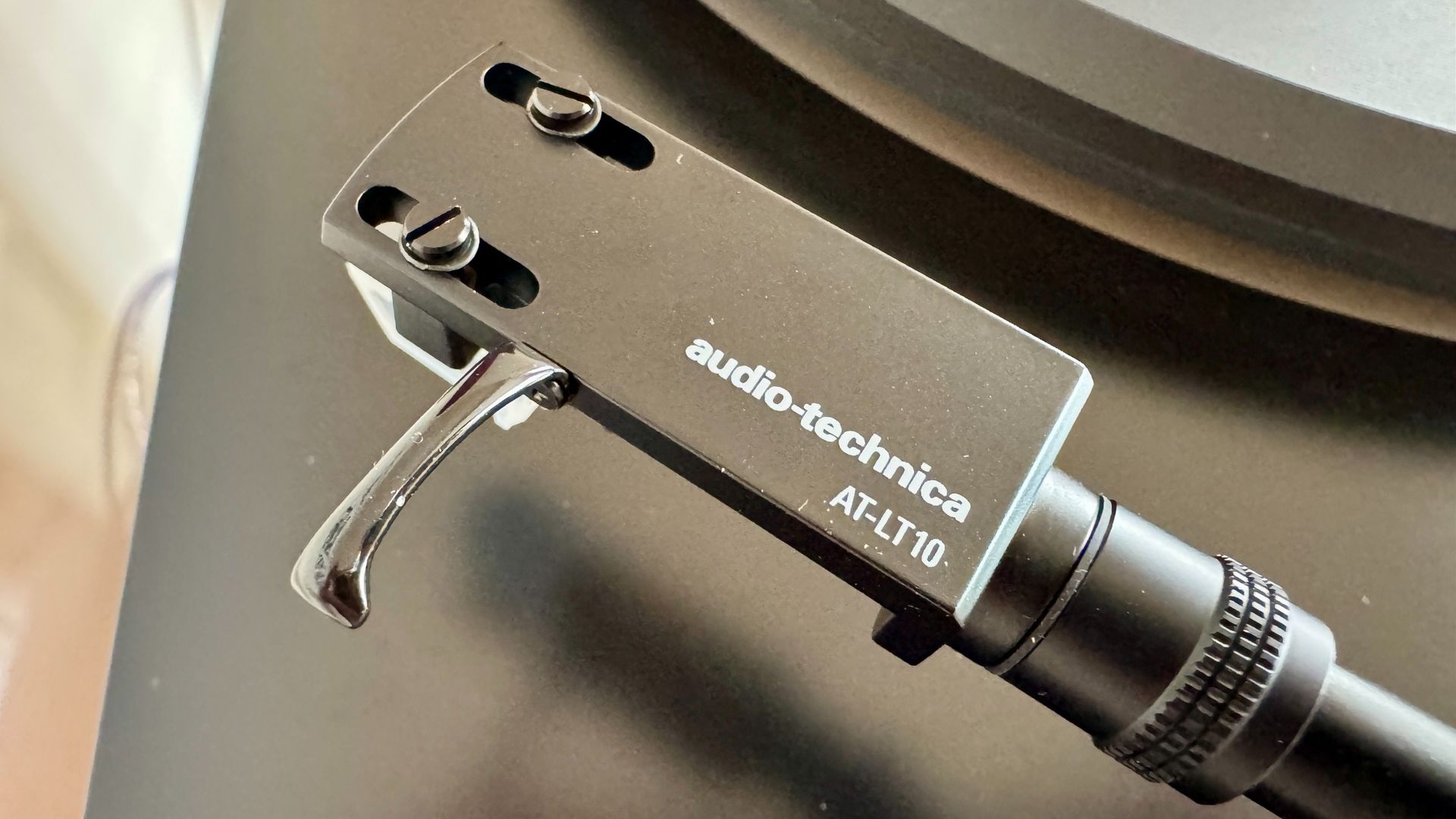
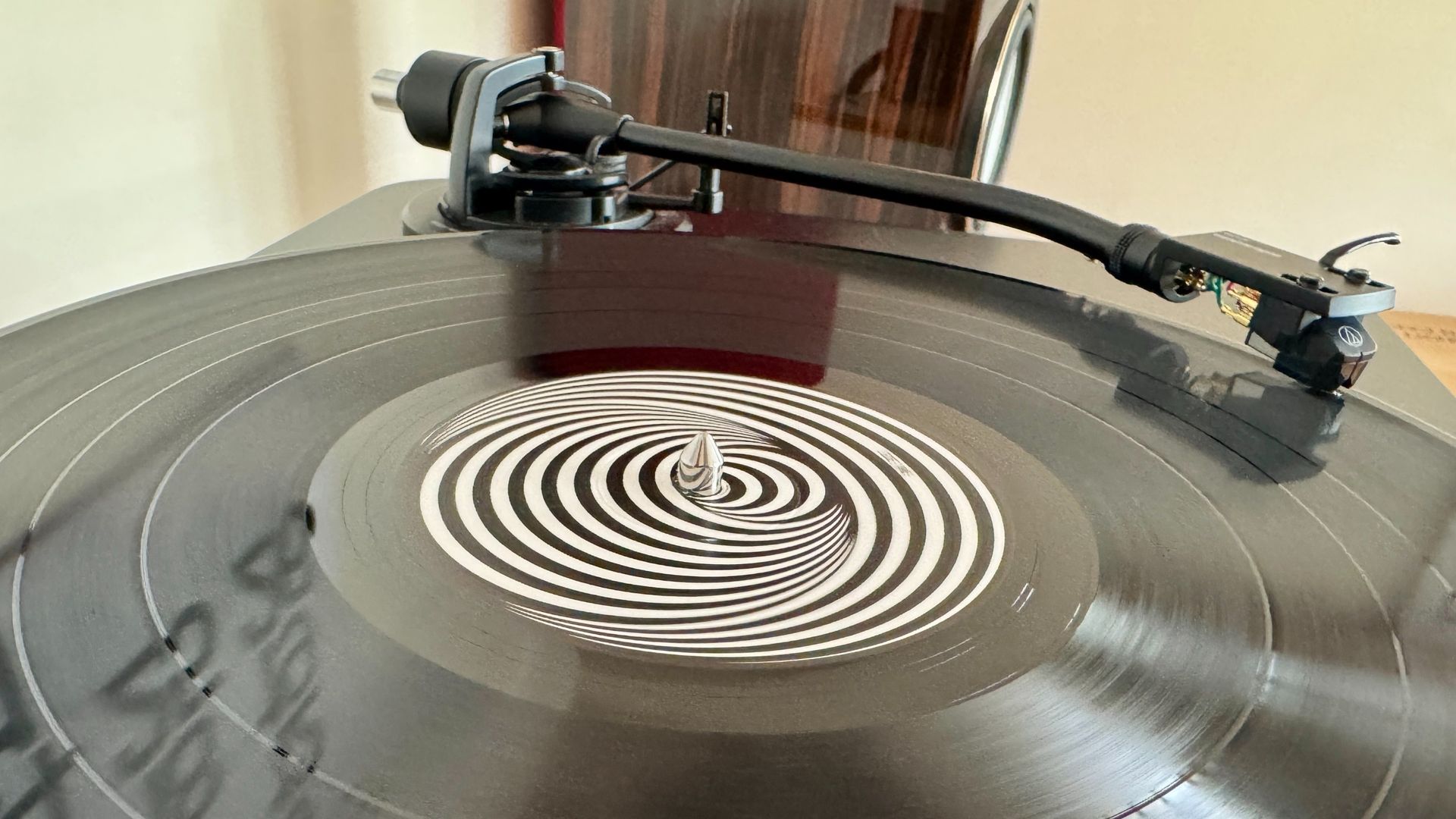
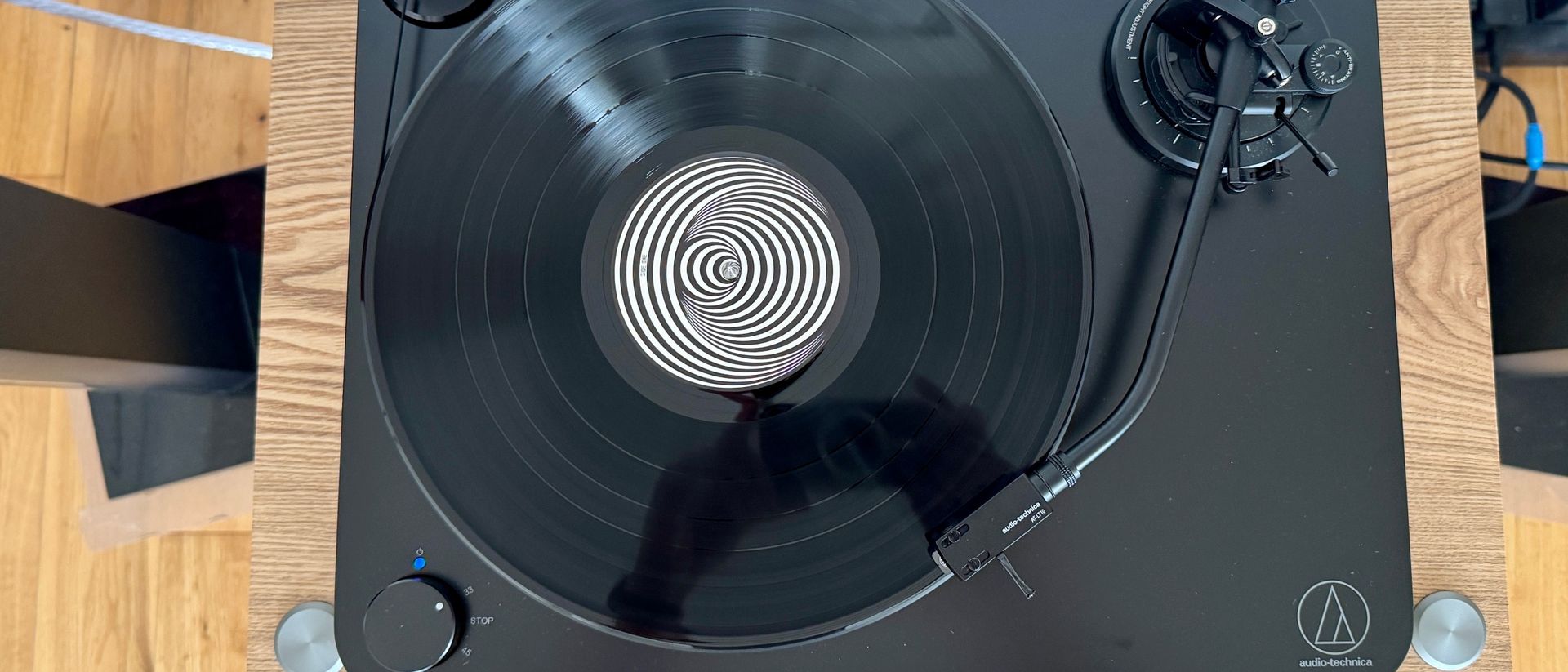
The AT-LP7X comes complete with the company’s AT-LT10 headshell and AT-VM95E MM cartridge attached — and also with a switchable moving magnet / moving coil preamplifier on board too. All of which means that setting up this record player is about as straightforward as it gets. And it’s compatible with just about any audio system you care to mention.
(Image credit: Future)
The quality of build and finish is well up to the standard this asking price demands, the height-adjustable isolation feet are another welcome feature, and the fully detachable dust-cover doesn’t harm the perceived value of the AT-LP7X either.
It’s not the most exciting listen, the Audio-Technica, and those who prefer a vigorous and/or front-foot attitude to their music will find it a little more laid-back than is ideal. The rest of us, though, will find quite a lot of solace in the turntable’s ability with detail retrieval and with rhythmic expression, in its even-handed attitude to frequency response and its careful lack of influence where tonality is concerned.
Audio-Technica AT-LP7X Review: Price and release date
Launched on January 6, 2026
Costs $999 / £699 / AU$1,799
The Audio-Technica AT-LP7X is on sale now, and in the United Kingdom it costs £699. It sells for around $999 in the United States, while in Australia you’re looking at AU$1,799 or thereabouts.
This makes it a deck for Proper Vinyl People, rather than an entry-level turntable (something that might even have some amplification in the plinth and some speakers bundled in the box), so its closest competition for the money is something along the lines of the Rega Planar 3. Take note though: unlike the A-T you've come here to read about, the Rega option won't come supplied with a cartridge — or even a preamp…
Audio-Technica AT-LP7X review: Features
Integrated, switchable MM/MC phono stage
J-shaped tonearm with AT-LT10 headshell and AT-VM95E MM cartridge
Dual-axis gimbal
Any list of ‘features’ tends to be quite same-y when you’re discussing belt-drive turntables that sell at a realistic price. So the fact that the AT-LP7X has one more feature than is the norm is something worth discussing…
On the rear of the plinth, close to the stereo RCA left and right outputs, there are a couple of small switches. One is marked ‘phono/line’, the other ‘MM/MC’ — switch the first to ‘line’ and you engage the Audio-Technica’s integrated preamplifier, which amplifies the outbound signal to the point it can be connected to any amplifier, powered speaker or what-have-you with a line-level analog input.
The other switch allows you to tell the preamplifier if the turntable is fitted with a moving magnet or moving coil cartridge so it can adjust itself accordingly. And this is refreshingly unusual and welcome.
(Image credit: Future)
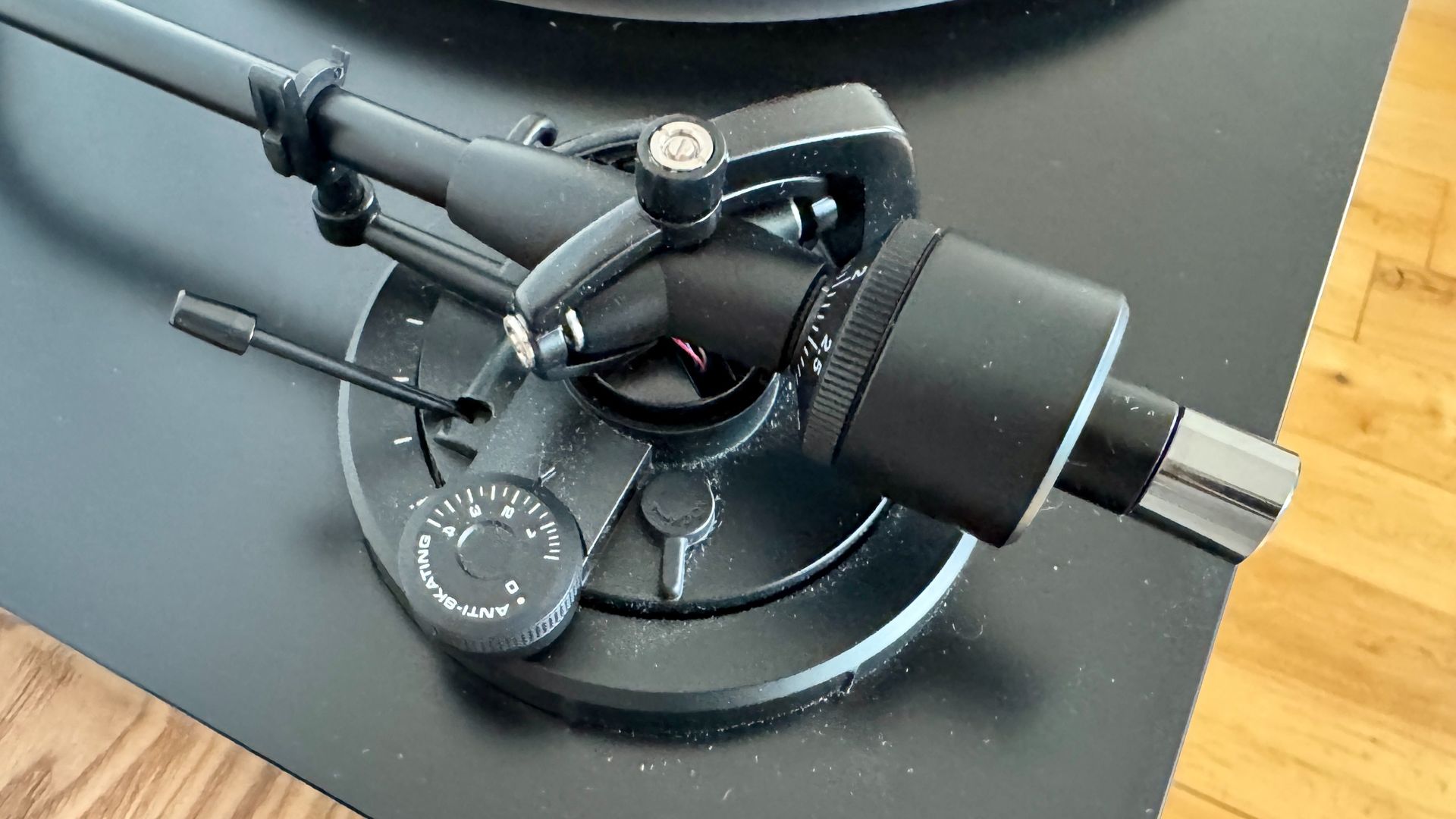
When it arrives, the AT-LP7X is supplied with a moving magnet cartridge — one of Audio-Technica’s well-regarded AT-VM95E designs. It’s prefitted to an AT-LT10 headshell positioned at the end of a 247mm J-shaped tonearm, and is preadjusted too. The tonearm features a dual-axis gimbal (to keep tilting to an absolute minimum) and has manual adjustment for tracking, height and counterweight integrated.
The set-up guide provided by Audio-Technica is admirably clear and succinct, and anyone with even remotely steady hands will be able to bring the AT-LP7X to a state of readiness in next-to-no time.
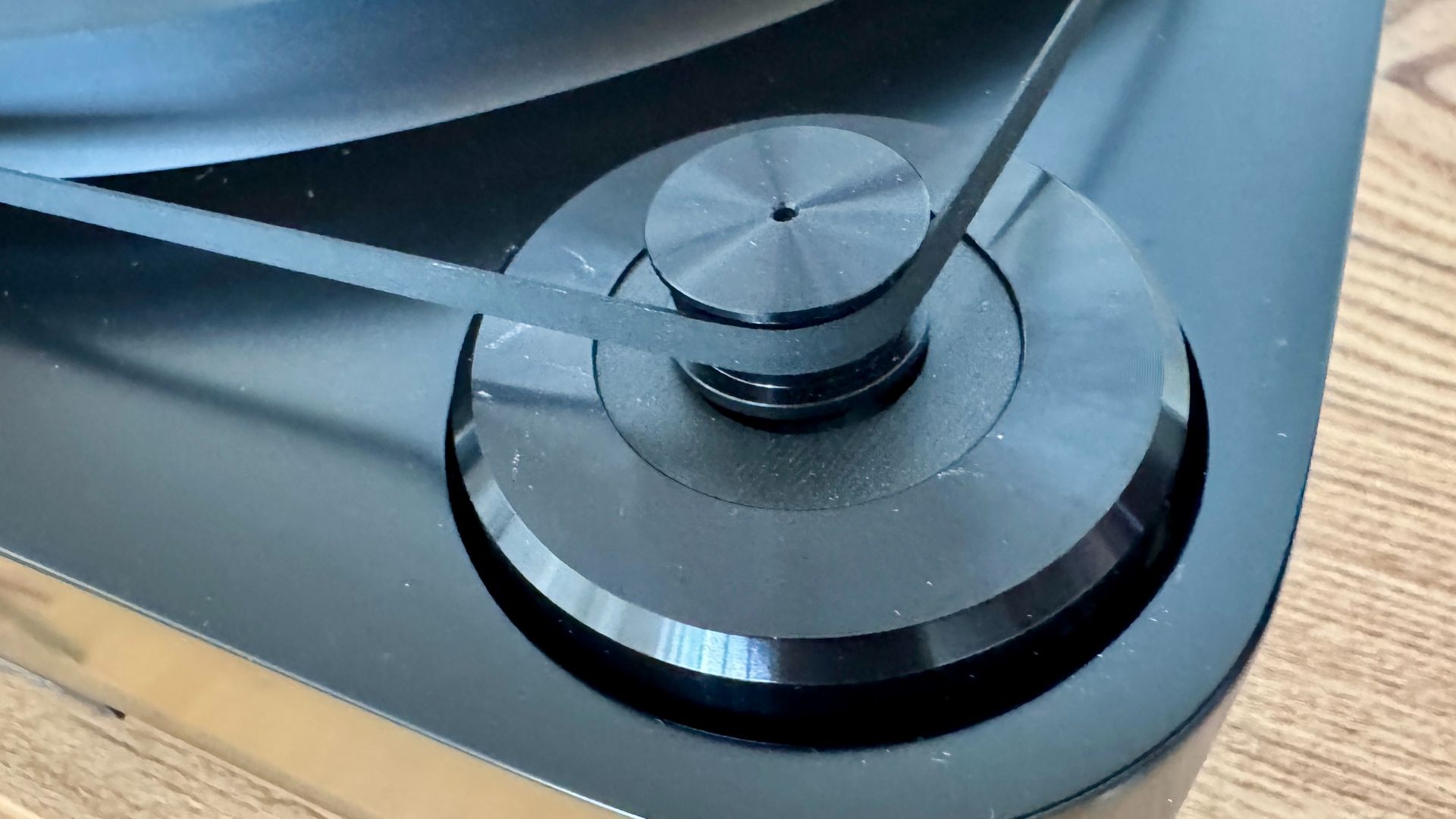
This is a belt-drive turntable with automatic speed adjustment — there’s a large rotary dial on the plinth that has ‘33’, ‘45’ and ‘stop’ positions, so there’s no need to faff around with the belt or what-have-you in order to change speeds. Speed is governed by an optical sensor-monitored motor designed to ensure rotational accuracy; to minimise the transmission of mechanical noise and/or vibration, it’s decoupled from the plinth by rubber bushings.
The stainless steel spindle has a thermal-plastic, sheet-type bearing to further help maintain precise rotational speed. Power comes via an external switching supply that isolates AC-to-DC conversion away from the turntable to suppress electrical interference.
Features score: 5 / 5
Audio-Technica AT-LP7X review: Sound quality
Smooth frequency response and even tonality
Good low-frequency control
Phono stage could be more involving
Use the AT-LP7X’s integrated phono stage to preamplify the signal on its way to an amplifier and there’s plenty to enjoy about the way the Audio-Technica goes about delivering music. No matter if it’s the opaque simmer of Bob Dylan’s Love Sick or the relentless build of ØXN’s Cruel Mother, this turntable is an even-handed and informative listen.
It certainly has a handle on frequency response. The low frequencies it generates could be a little less soft, it’s true, but in terms of allowing each area of the frequency range a similar amount of emphasis the AT-LP7X is an assured performer. It’s not especially keen on sticking its oar in where tonality is concerned, either — there’s a nicely neutral balance to the sound that allows the source material to dictate terms in this respect.
(Image credit: Future)
Despite the slight lack of substance at the bottom end, bass sounds are nicely controlled and there’s the facility with rhythmic expression that vinyl-fanciers routinely hold up as a major virtue of the format.
The midrange is open and informative, and the differences in timbre, character and technique between the two vocalists previously mentioned are made absolutely plain. At the top end there’s a serving of polite attack, and just enough bite and crunch to treble sounds to keep things interesting.
The Audio-Technica describes a reasonably well-defined soundstage and can position the participants in a recording on it with a fair amount of confidence. ‘Reasonable’ is an equally fair way to describe the AT-LP7X’s facility with dynamics, too — the ØXN recording builds in volume and intensity tenaciously, and this turntable does more than allude to these upshifts while stopping short of giving them full expression.
It’s more adept when it comes to detail retrieval, needing no qualification as to how impressively it handles the weighting and contextualisation of even the most minor occurrences in a recording.
(Image credit: Future)
The Audio-Technica’s overriding character is a little uninvolving, though — it presents music in a rather matter-of-fact way that has apparently traded excitement for a desire not to cause a fuss.
Some, but not all, of this attitude can be blamed on the integrated phono stage. Switch it off and instead connect the the AT-LP7X to a decent external alternative (an elderly Leema Elements, say, or a newer Pro-Ject Phono Box) and while it doesn’t suddenly turn the Audio-Technica into a snappy front-foot ball of energy, it certainly serves to bring a little more animation to the sound. All the things the turntable does well remain present and correct, but its attitude becomes a little more lively, a little more interested — and a little more interesting as a result.
Sound quality score: 3.5 / 5
Audio-Technica AT-LP7X review: Design
157 x 450 x 352mm (HxWxD, inc. dust-cover)
MDF plinth, acrylic platter
Spring-based, height-adjustable isolation feet
No one in their right minds attempts to mess with the established design of a record player, of course — not unless they’re trying to justify some stratospheric asking price, anyway. And so with the AT-LP7X Audio-Technica has stuck closely to the long-established ‘rectangle with a circle on it’ template. The slightly curved corners of the plinth are as close as the company has come to deviating from the norm.
But just because the AT-LP7X hasn’t been ‘designed’ so much as ‘built’, that doesn’t mean Audio-Technica has withheld care and attention. The MDF plinth is very nicely finished, and stands on four hefty height-adjustable spring-based isolation feet that offer good isolation from external vibration to the main body. The 20mm platter is acrylic, and so smoothly finished that a slip-mat is an option rather than a necessity — its high-density design is yet another attempt to dampen vibration down to a bare minimum.
The AT-LP7X is supplied with a smoked Perspex dust-cover. This fits tidily around the plinth, and lifts all the way off rather than being hinged. With the dust-cover in place, the entire thing tips the scales at 7.6kg.
Design score: 5 / 5
Audio-Technica AT-LP7X review: Usability and setup
Adjust anti-skate and counterweight
Select ‘phono’ or ‘line’ output
Connect to amplifier or powered speaker
Audio-Technica has tried to make setting up the AT-LP7X as simple as possible. The tonearm already has its headshell and cartridge attached, and it’s pre-adjusted, so you need only dial in the appropriate amount of anti-skate and adjust the counterweight as per the set-up instructions. This is the work of just a moment or two, and then you’re good to go.
(Image credit: Future)
Or, at least, you are once you’ve connected the turntable to the mains and to your amplifier (or similar) using a pair of analogue RCA cables — Audio-Technica supplies all the necessary. Then select either ‘phono’ or ‘line’ output at the rear of the plinth (depending on whether or not your amplifier has a phono-level input) and make sure the other switch is set to ‘MM’ (if you’re using the supplied AT-VM95E cartridge).
To use the AT-LP7X, it’s just a question of getting the platter spinning at the correct speed and then carefully lowering the needle onto the vinyl. This is ancient technology by the standards of home entertainment, and there’s precious little complexity to it where the end user is concerned.
Usability and setup score: 5 / 5
Audio-Technica AT-LP7X review: Value
If you need a phono stage to amplify the sound of that record player you’re thinking of buying, the AT-LP7X makes a lot of sense. Not only is it well-made and painless where set-up and operation are concerned, it’s got an integrated phono stage that can handle both moving magnet and moving coil cartridges — the value for money it offers in this respect is obvious.
If your system already features half-decent phono amplification, though, the Audio-Technica is not quite as compelling — because you’re spending money on a feature you’re unlikely to use once you’ve done the obligatory A/B comparison…
Value score: 4 / 5
Should I buy the Audio-Technica AT-LP7X?
Buy it if...
You admire a bit of convenience With a good cartridge pre-fitted to a very decent headshell, a lot of the AT-LP7X set-up process is taken care of at the factory
Your system doesn’t have a phono stage Don’t have the necessary oomph to amplify a record player? No problem, the Audio-Technica supplies its own
You are easily startled The AT-LP7X is so laid-back it’s almost horizontal, so there will be no sudden surprises
Don't buy it if...
Your system has a decent phono stage There’s no point in spending money on a feature you don’t need
You own any 78rpm discs you’d like to play The Audio-Technica’s platter cannot turn that fast
You fancy some sonic excitement The AT-LP7X would much rather soothe than invigorate; its overall attitude is not especially involving
Audio-Technica AT-LP7X : Also consider
Rega Planar 3 A Rega Planar 3 is almost exactly the same price as the AT-LP7X, although that doesn’t get you a cartridge, let alone an integrated phono stage. What it does get you (once an appropriate cartridge has been fitted and once it’s connected to a system with sufficient amplification) is a staggeringly complete and thrillingly engaging account of the music you’re listening to. Read our full Rega Planar 3 review.
Pro-Ject Debut Pro The Pro-Ject Debut Pro is very, very similar money too — and although it doesn’t have a phono stage, it does at least come with a very decent cartridge. And as is the Pro-Ject way, it sounds taut and precise, with a really impressive facility for insight and detail as well as the more common vinyl virtue of rhythmic positivity. Read more on the Pro-Ject Debut Pro.
How I tested the Audio-Technica AT-LP7X
I tested the AT-LP7X in two ways. Firstly with its integrated phono stage switched on, and connected to a line-level analog input on an Eversolo DAC-Z10 preamplifier — this in turn is connected to a Cambridge Edge W power amplifier driving a pair of Bowers & Wilkins 705 S3 Signature standmounting loudspeakers.
And then with the phono stage switched off and the connection from the turntable running to a Pro-Ject Phono Box preamplifier before being sent on to the Eversolo.
And then I listened to more records than was, strictly speaking, necessary.
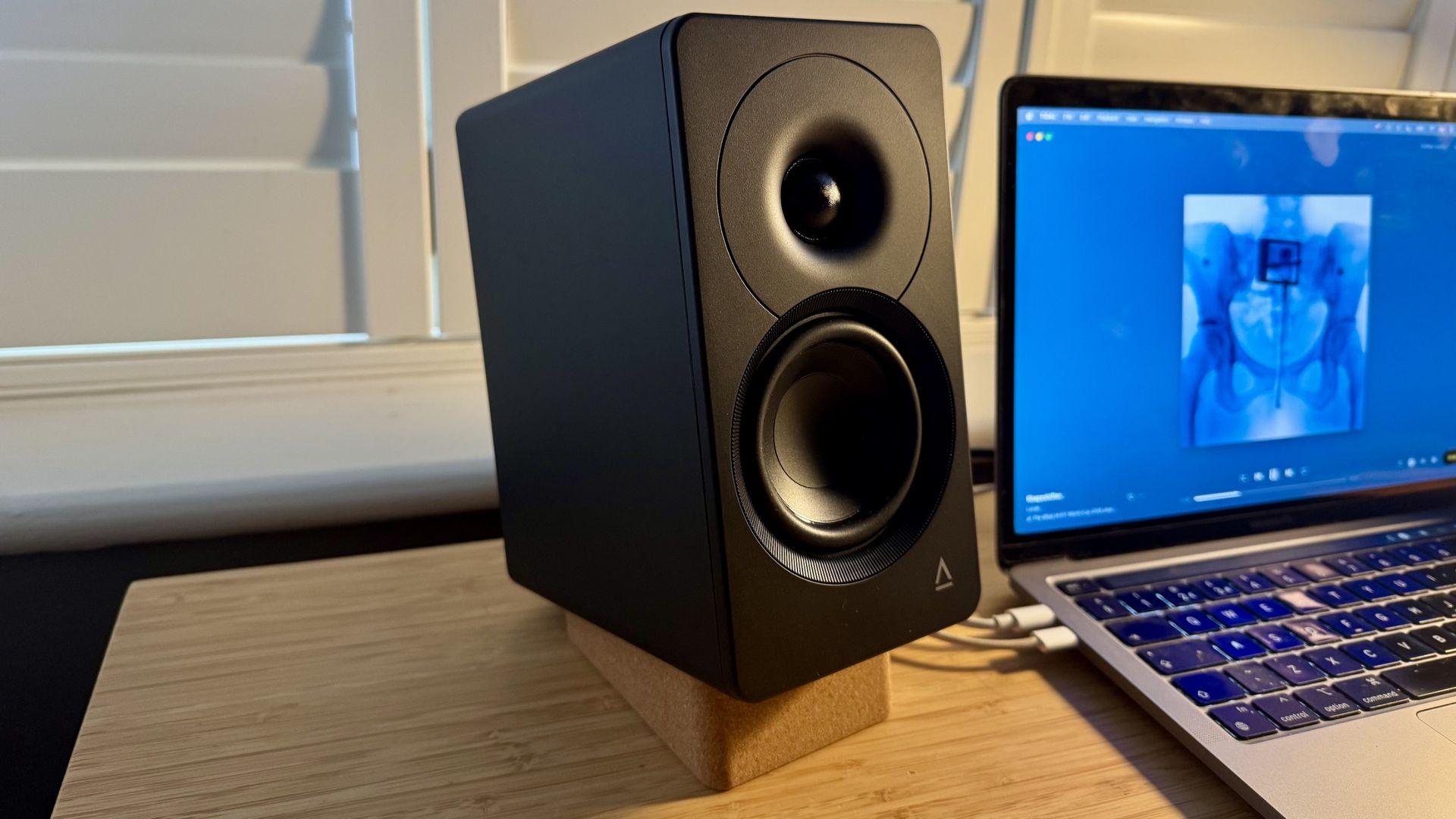
For a cent short of $180 (or a penny short of £140) Creative will sell you its XF1 desktop stereo speaker system — and don’t imagine this money buys anything less than a fully featured and serious product. It may look a little frivolous, especially when its cork ‘wedge’ stands are attached, but the XF1 is all business. And besides, those stands elevate the speakers to the point they’re firing at your ears rather than your torso.
An active and bi-amped arrangement that requires the speakers to be wired together and one of them to be connected to mains power, the Creative XF1 has a total of 72 watts of power on board — ample in the context of the most likely use cases. Bluetooth connectivity is on board, too with codec compatibility including the high-end LDAC option, and the USB-C input on the rear of the main speaker allows for genuinely hi-res content to be an option. There’s also an analog socket for additional input flexibility.
(Image credit: Future)
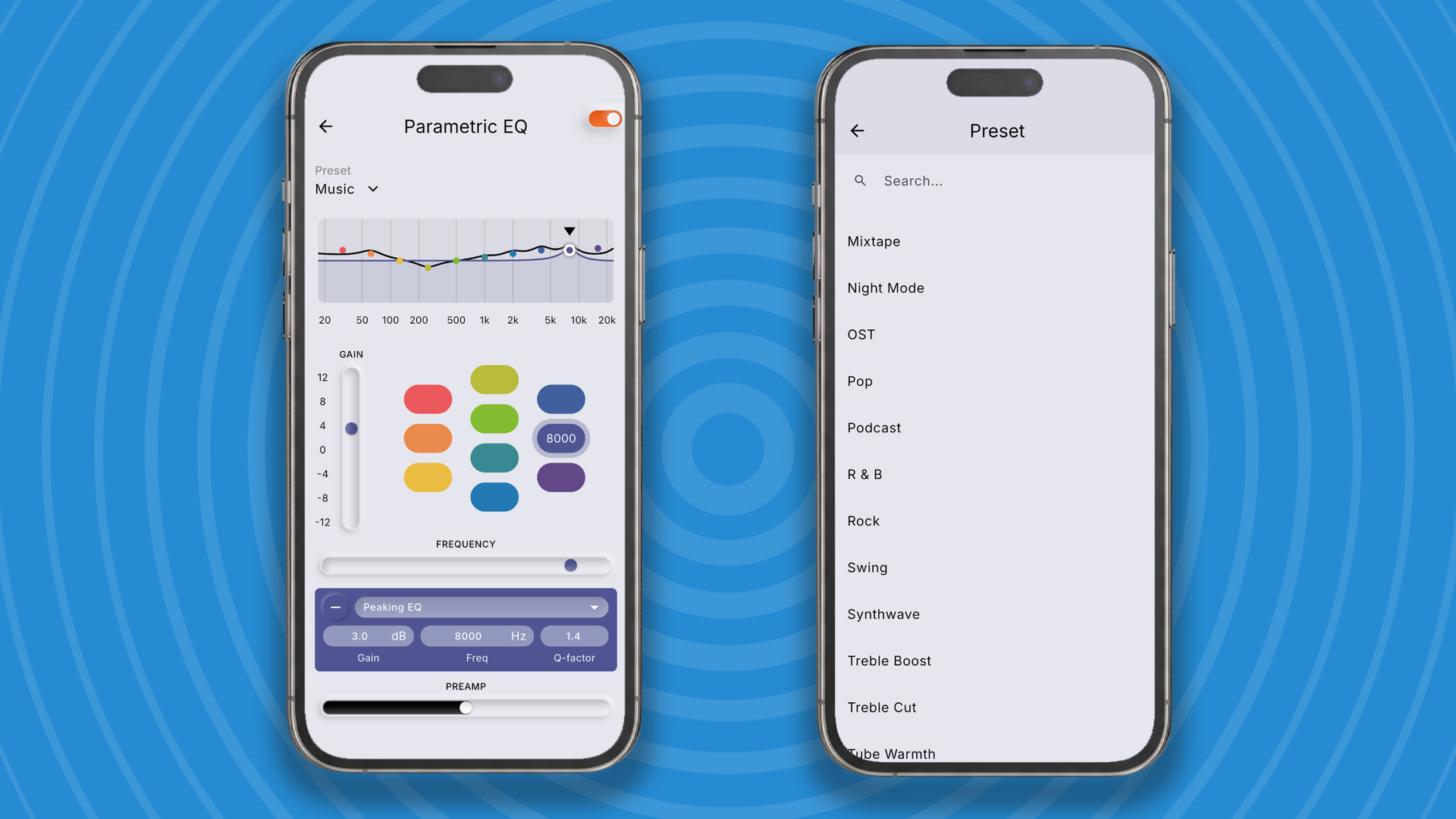
Very acceptable specification is complemented by a more-than-adequate standard of build and finish, a couple of colour options (black or white, monochrome fans) and a control app that features a 10-band PEQ offering an enormous amount of end-user input into the eventual sound.
And that sound has plenty going for it. Good enough for our best stereo speakers guide? For this sort of money, absolutely. There’s not a huge amount of variation at the bottom end, it’s true, and not a whole lot of momentum either, but elsewhere the XF1 does good work. Detail retrieval is impressive, the simple scale of sound it’s capable of generating is almost startling, and there’s a real facility for midrange communication. Add in a fair amount of dynamic headroom, as well as a proper sensation of focus and separation even if you’re sitting very close to the speakers, and it should be apparent that a place on your shortlist is the very least the Creative XF1 deserves.
Creative XF1 Review: Price and release date
Launched June 24, 2026
Retails for $179 / £139 / AU$339
The Creative XF1 desktop stereo speaker system is on sale now, and in the United Kingdom it will cost you £139. It goes for $179 in the United States, while in Australia it sells for AU$339.
Usually, we wax lyrical about competing products at the level, but to do that here I'd likely need to delve into cheaper Bluetooth solo speaker options, bought twice and put in stereo mode. Even Ruark's Mk1 line (now into its third iteration) bijou stereo speakers are more than twice the price.
Know this: this is not a lot of money for such a proposition. Very few companies will give you more for less, although Logitech, with its Z407 is one notable example that can be yours for just a touch less than the Creative.
Creative XF1 review: Features
72 watts of Class D power
Active, bi-amped configuration
Digital and analogue inputs
Keep both the modest nature of the asking price and the equally modest physical dimensions of the XF1 uppermost in your mind and it's difficult not to be at least a little impressed by the way it’s specified.
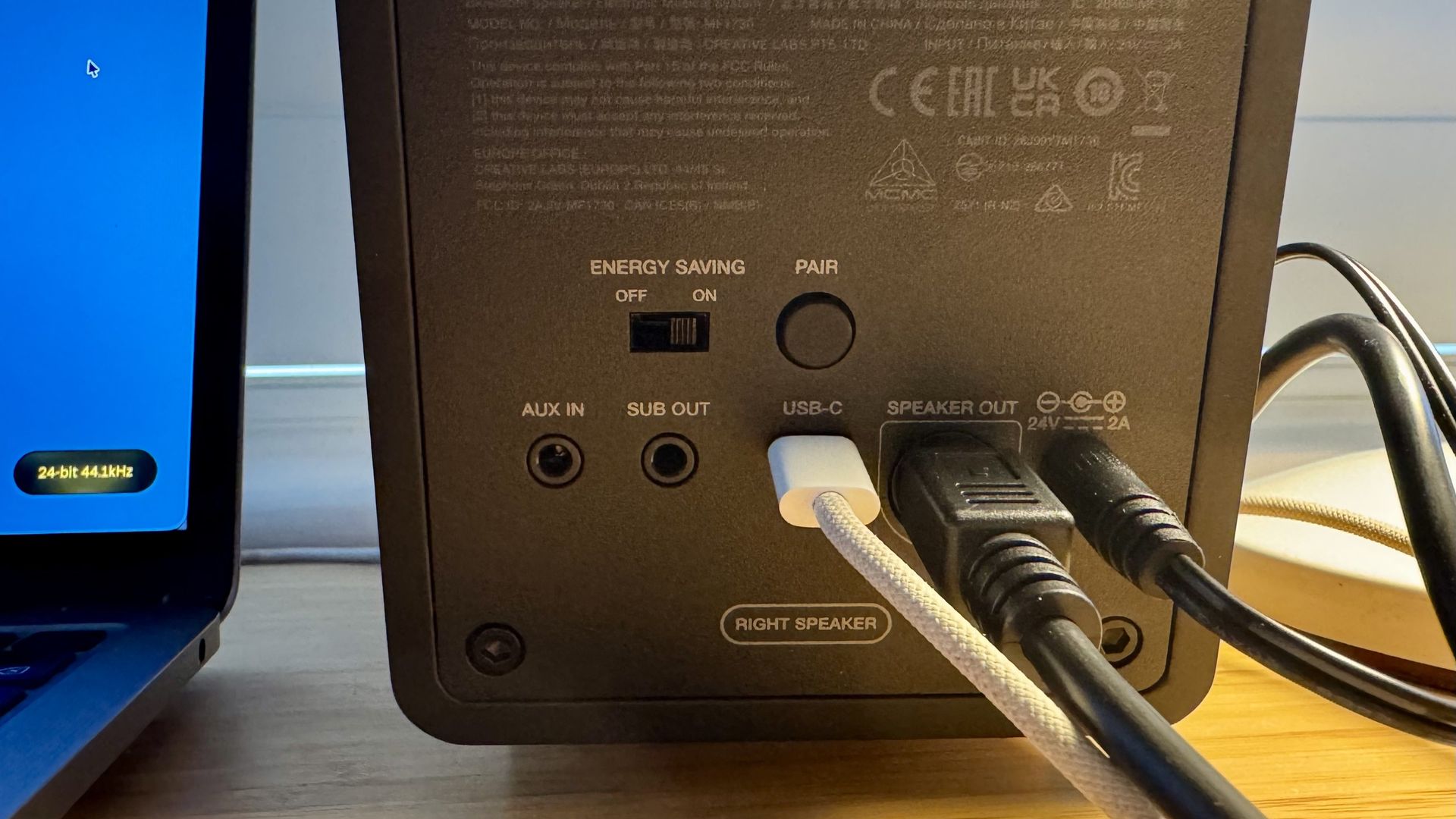
There’s no facility to swap the orientation of the speakers — the one that takes care of connectivity and needs mains power is the right channel and that’s an end of it. Here’s where you plug in your sources using either USB-C (the XF1 can natively handle digital audio files of up to 24bit/96kHz resolution) or line-level analogue 3.5mm inputs on the rear of the speaker, and where you connect to the left channel using a supplied four-pin cable.
(Image credit: Future)
There’s also a pre-out for a subwoofer, an ‘energy saving’ switch that will power down an inactive XF1 if you set it to the ‘on’ position, and a button to initiate Bluetooth pairing. Wireless connectivity is on board the right speaker, too — the Creative uses Bluetooth 6.0, and is compatible with LDAC as well as the more common SBC and AAC codecs.
That four-pin cable carries all audio data from right to left, and all power requirements too. Creative has specified a block of Class D amplification for each of the drivers in the XF1 — each 19mm soft-dome tweeter gets 10 watts of power, and each 76mm mid/bass driver (designed using what Creative describes as ‘finite element analysis’ for minimal distortion) gets 26 watts to play with.
An all-in total of 72 watts should really prove ample in a system that’s almost certain to be no kind of meaningful distance from your ears when it’s in position — especially when you factor in the back-firing bass reflex port towards the top of the rear of each cabinet. Creative suggests frequency response from this arrangement is 55Hz - 40kHz.
Features score: 5 / 5
Creative XF1 review: Sound quality
Manages to sound spacious yet focused at the same time
Good with detail retrieval
Slightly plodding character to the low end
If you’re using the XF1 on a desktop, the chances are you won’t need to explore the outer reaches of its abilities where volume is concerned. If you’re sitting a greater distance from them, though, never worry that these little cabinets will sound lost. They’re louder than they look.
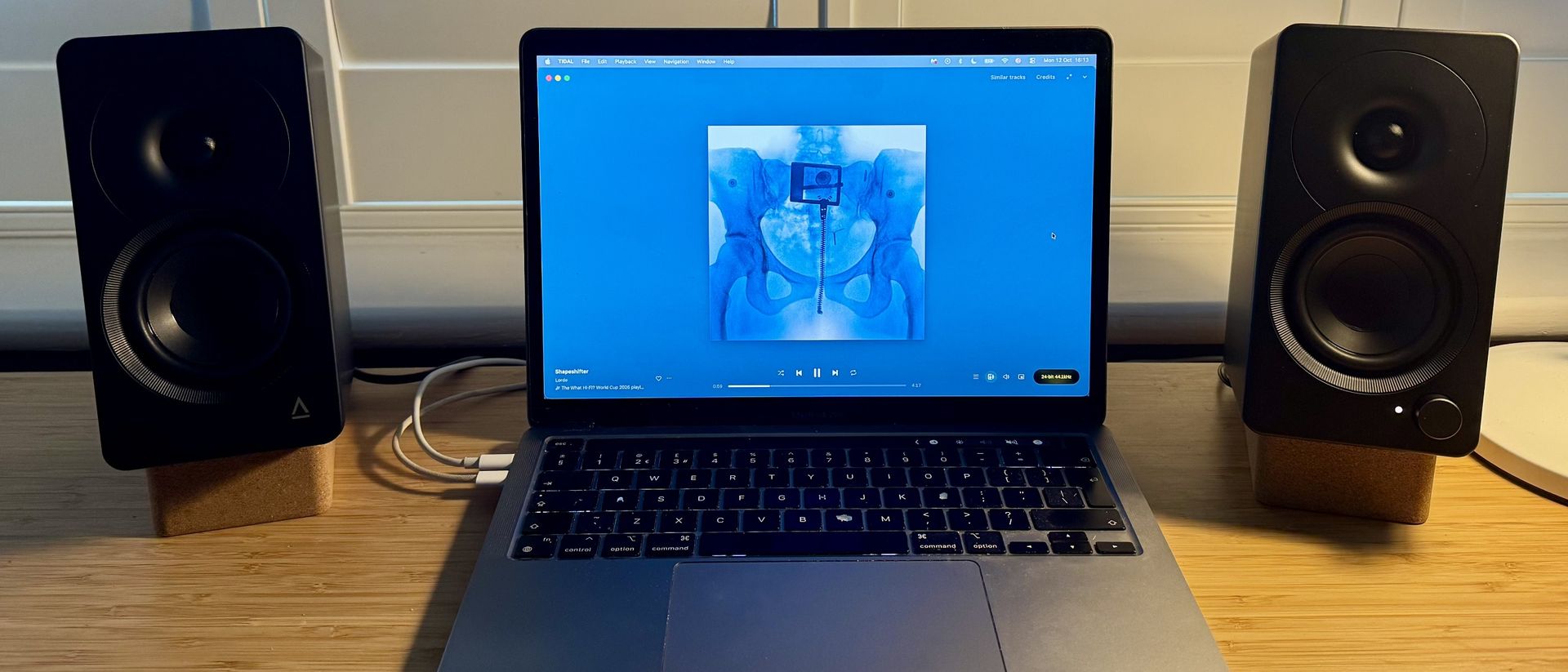
And no matter the volume level at which you’re listening, the Creative system sounds bigger than it looks, too. A 24bit/44.1kHz FLAC file of Lorde’s Shapeshifter sounds open and spacious, with plenty of air around the elements of the recording — but at the same time the speakers manage to focus the performance quite convincingly too. There’s a commonality to the way it presents the recording, a togetherness that’s by no means a given in systems like this, especially not systems that cost as relatively little as this. The idea of a soundstage is made more than just a notion.
(Image credit: Creative)
With the qualified exception of the bottom of the frequency range, the XF1 does good work in identifying details in a recording and giving them the sort of context and weighting they require. It’s particularly adept in the midrange, where the smallest variations in tone or timbre or texture are picked up on — it serves to make voices sound characterful and individualistic. The tonal balance is never truly neutral no matter how you might finesse the PEQ settings, but the suggestion of heat does at least serve to mitigate the tweeter’s tendency to hit the highest frequencies with rather too much enthusiasm.
There’s a reasonable amount of dynamic headroom available, so if your music (or your movie, or your game) ticks off a big up- or downshift in volume or intensity, the XF1 doesn’t panic. It maintains its composure and its tonal balance, its frequency response doesn’t alter, and it does a reasonable job of putting meaningful distance between the most and least attacking sounds.
(Image credit: Future)
At the bottom of the frequency range the Creative is a little less assured and a little less successful. It hits admirably hard, but bass isn’t as well controlled as the rest of the frequency information, and can plod a little as a result — this has an unwelcome knock-on effect where rhythmic expression is concerned. And the low end is all rather one-note - there’s little of the variation or the fine detail available here that’s apparent elsewhere.
Switch to Bluetooth stream of Girl and Girl’s Call a Doctor and, broadly speaking, the XF1 maintains its attitude and fundamental character. Derail levels drop away just a fraction, and there’s a little less positivity where stereo focus and separation are concerned, but taken as a whole the Creative is a perfectly viable system where wireless music is concerned.
Sound quality score: 4 / 5
Creative XF1 review: Design
191 x 100 x 155mm (HxWxD)
Cork stands included
Curved MDF cabinets
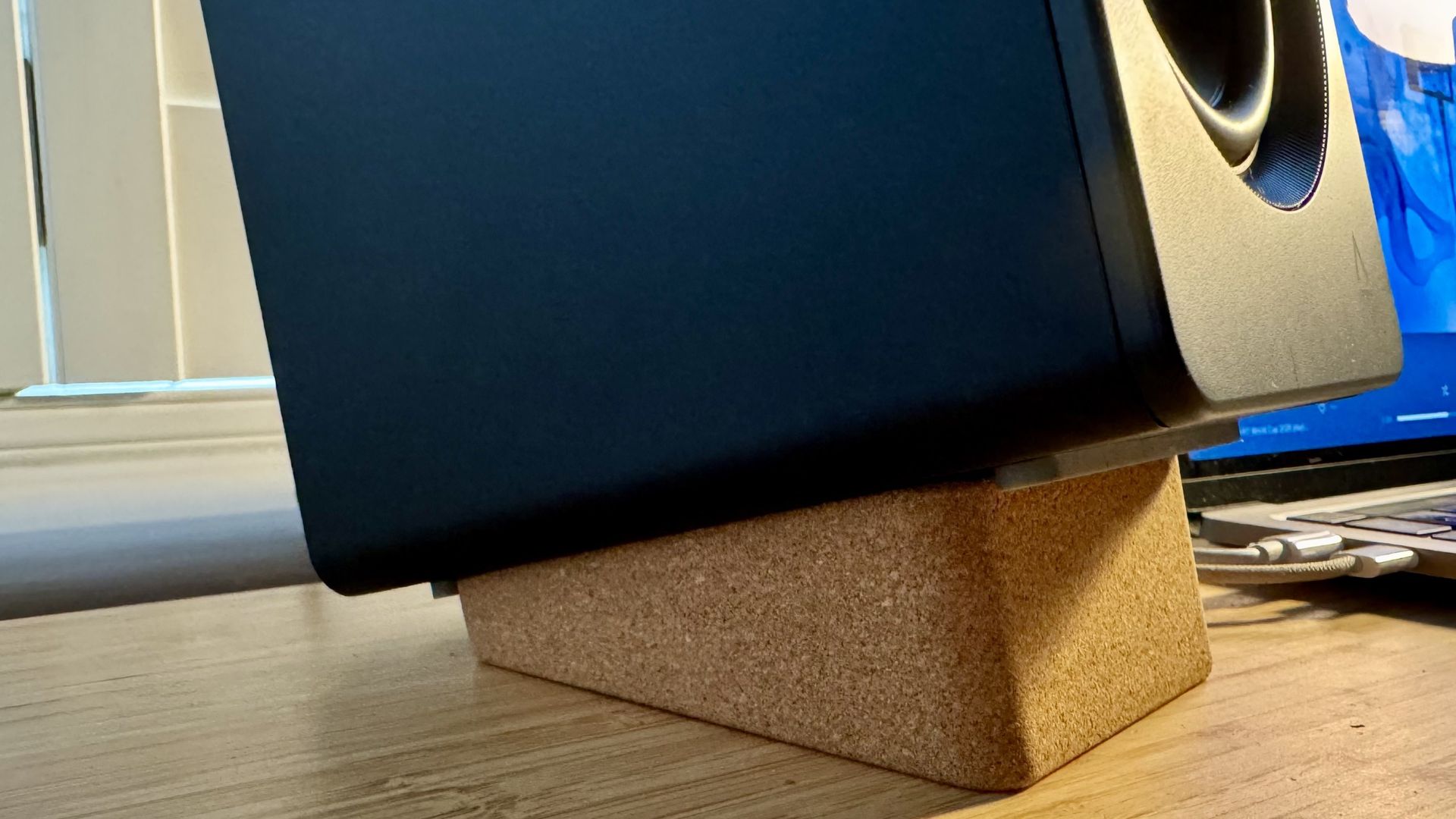
Desktop space is usually at a premium, of course, so the XF1’s 191 x 100 x 155mm (HxWxD) dimensions are usefully compact. And given that most desktops are lower than the ears of the person who’s sitting at it, the appearance of a couple of detachable cork stands that raise each speaker at an angle of 15° is very welcome indeed.
The speakers themselves are made almost entirely from MDF, and from the curves along each horizontal edge to the slightly soft-touch matte finish, they look a little more expensive than they actually are — and this is true no matter if you've chosen the white finish or the black of my sample. The standard of build and finish wouldn’t disgrace a system costing two or three times this amount.
Design score: 5 / 5
Creative XF1 review: Usability and setup
One physical control plus an LED tell-take
Creative Nexus app
‘Wireless’ means a minimum of two wires
As far as setting up the XF1 is concerned, there’s really not much to it. As with most ‘wireless’ speaker systems, some wires are necessary — in this instance, there’s a wire from the right speaker to the left carrying all power and data, and another from the right speaker to a mains power supply. Make these two connections, pair a smartphone via Bluetooth and you’re good to go - or you may decide to go the whole hi-res hog and make a USB-C connection from a laptop or smartphone with a premium music streaming service on board.
There’s a single turn/push control dial on the front baffle of the right speaker, along with a tell-tale LED- here’s where you get control of power on/off, volume and input selection. And there’s also the Creative Nexus control app — it features precisely no playback controls, but it does allow you to check on firmware updates and let the system know if it’s on a desktop or not. It also gives access to a 10-band PEQ that has scope for custom settings as well as literally dozens upon dozens of presets, some of Creative’s own design, some uploaded by users.
Usability and setup score: 5 / 5
Creative XF1 review: Value
As with most Creative systems, the sensation of value for money is pretty strong with the XF1. Sonically it’s not without its issues, as I’ve discussed — but it’s possible to weigh these against the things it gets right in audio terms, the standard of the build and finish that’s on display, the neat and tidy dimensions, and the amount of tweaking the PEQ allows and still conclude you’re getting your money’s-worth.
Value score: 4.5 / 5
Should I buy the Creative XF1?
Buy it if...
You have a source of hi-res music handy Use the system’s USB-C input and access to a native 24bit/96kHz DAC is yours.
You can operate a screwdriver Creative supplies cork stands for the XF1 but you have to screw them into place yourself.
You want your sound to be bigger than your speakers Considering their compact dimensions, the Creative generate impressive sonic scale.
Don't buy it if...
You want a truly wireless system In that case you’re going to need something battery-powered.
You want a truly neutral sound The XF1 isn’t the most sonically coloured system around, but it has a flavour of its own.
You value low-frequency variation The Creative can sound a little lumpy and unchanging at the bottom end - there’s admirable weight but not all that much subtlety.
Creative XF1 : Also consider
Logitech Z407 Spending less money with Logitech buys you more stuff — and on a pound-for-pound basis the Logitech Z407 makes a lot of sense. The inclusion of a subwoofer means genuine low-frequency presence and control is available, and the super-compact speakers will fit more-or-less anywhere. Not quite the poise or the overall balance of the XF1, and not the ease of operation either — but a profoundly competitive proposition nonetheless. Read our full Logitech Z407 review.
How I tested the Creative XF1
Naturally I position the Creative XF1 on my desktop, a speaker on either side of my MacBook Pro. Plugged into the mains, connected to each other and with a USB-C cable running from the laptop to the rear on the right speaker, I am able to access lots of hi-res content via the Qobuz and TIDAL apps. I also connect an iPhone 15 Pro and a FiiO M15S digital audio player wirelessly via Bluetooth — the latter allows use of the LDAC codec, and connecting it via its 3.5mm headphone output to the Creative’s corresponding input allows me to assess how effective (or otherwise) the XF1’s digital-to-analogue conversion is.
It's a CD transport, dedicated to processing a disc (not the full player)
Requires a DAC and other separates to let you play the music
I'm writing constantly about the physical media revival, and cover new CD players every week, but new disc buyers might not be aware of how frail these things can really be. One scratch can wipe whole songs off an album, and a cheap CD player might be putting undue risk on your collection.
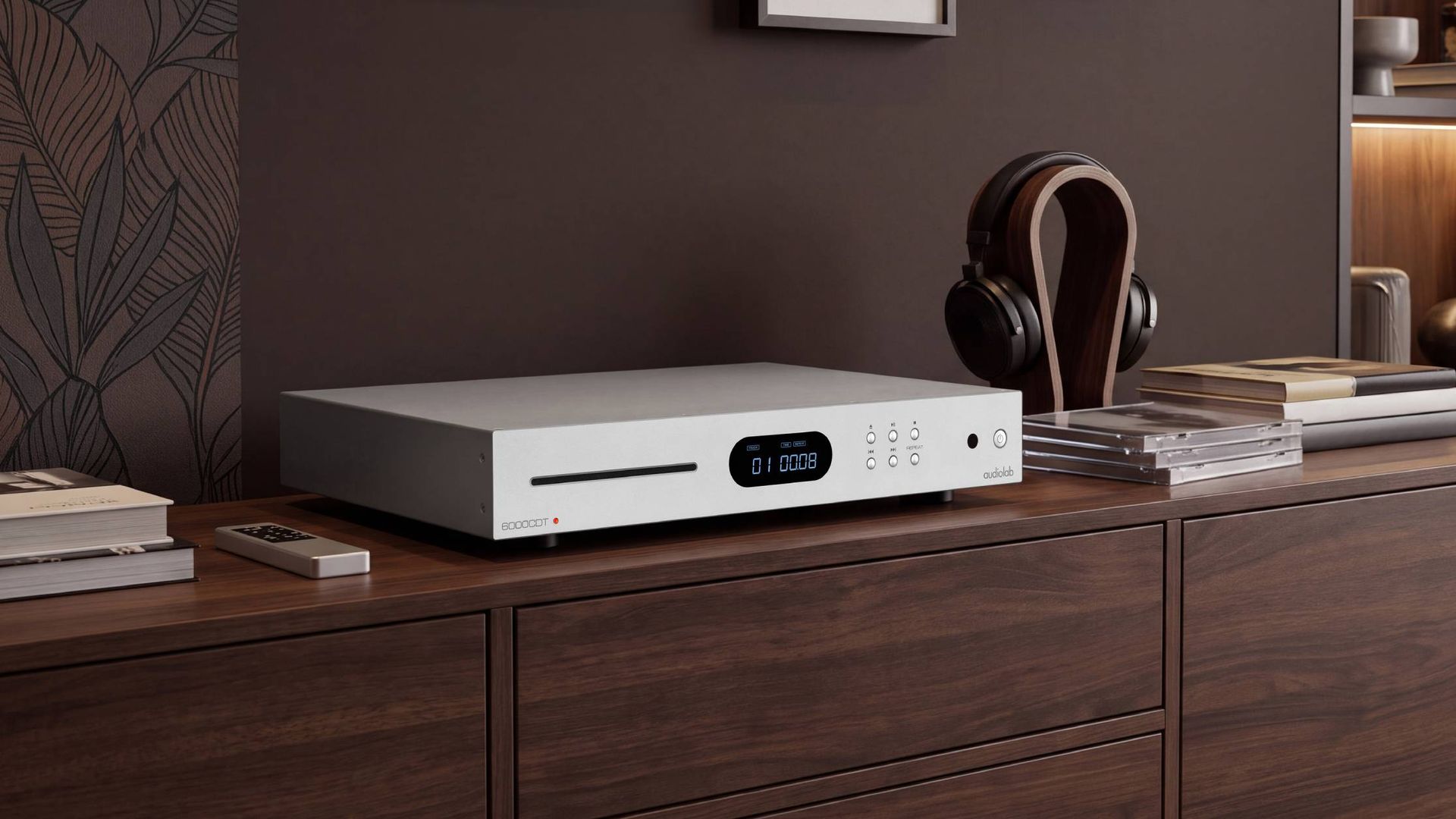
For that — and several other reasons — CD transports exist, and Audiolab has just unveiled a new model in the form of its 6000CDT MK II. No, I'm not talking about those wallets which you used to use to carry hundreds of discs around with you.
These are, to a certain extent, CD players: they have disc drives and let you control your tunes. But they don't have Digital-to-Analog converters, or DACs, which are vital for converting the sound from your physical media into something your amplifier and speakers (also not included here) can understand.
So why buy a CD device which can't play music from the box? Well firstly, housing the CD reading tech away from other electricals can ensure a clean and stable read, and it also lets audiophiles pick their favorite sound by choosing their own DAC, amp stage and speakers.
Transport you to the (Audio)lab
(Image credit: Audiolab)
It also lets the CD transport focus on what it does best: reading discs. Everything in the Audiolab 6000CDT MKII is designed around the process; this lets you get the best from the medium, and ensures your little slivers of music are protected while they're in the machine.
Audiolab has rebuilt the device from the original to make sure all the components like the laser, spindle and disc loader are stable, make no noise and are consistent. The laser correction, which counters any unpredictability in the spin of the disc, has been designed to avoid any unnecessary actions, again making sure no noise gets in the way of your playback.
Looking at the technical specs, the 6000CDT MKII supports standard CDs as well as CD-R and CD-RWs (rewritable discs, basically, for which support can often be unreliable).
The device is set to go on sale at the end of November, for a price of £399 (about $540, AU$800, and we're waiting on exact global pricing).
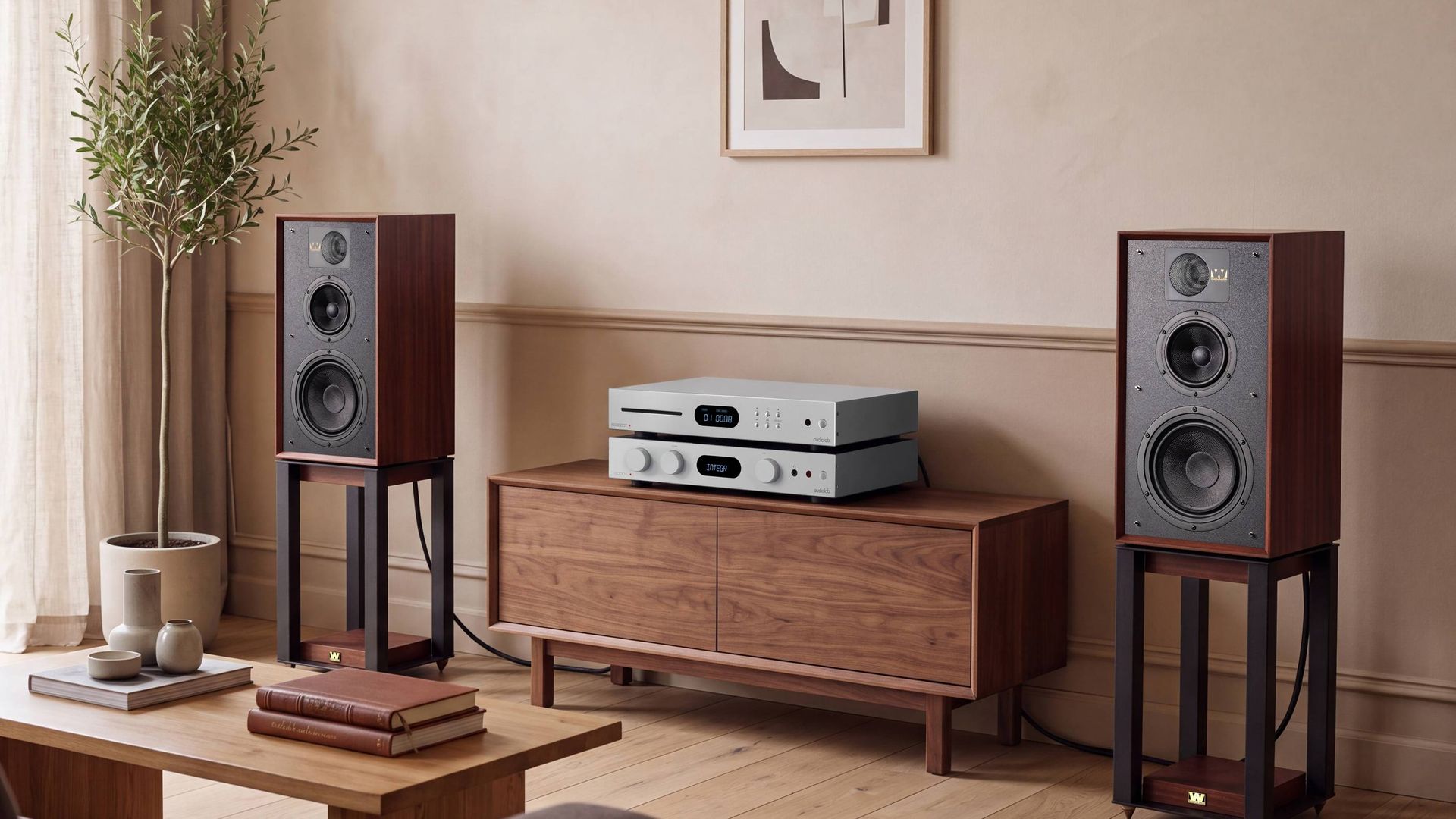
Of course, if you buy it, you'll also need to pick up the other necessary accoutrements, but Audiolab would love to nudge you towards its very own similarly-styled 6000A MKII amplifier, which has a DAC built in — and judging by press pictures, the company is really hoping you'll pick up both. Fair warning though: it may sound very, very good . And his runs the risk of starting a bona-fide hi-fi collection, which can be quite a slippery slope.
Obviously, you'll also need some pretty nice speakers to appreciate them with. Fortunately, I have listed a few below…
Sony has launched MDR-3R, an update on its 1979 'Walkman headphones'
The aesthetic is virtually unchanged — even down to the packaging
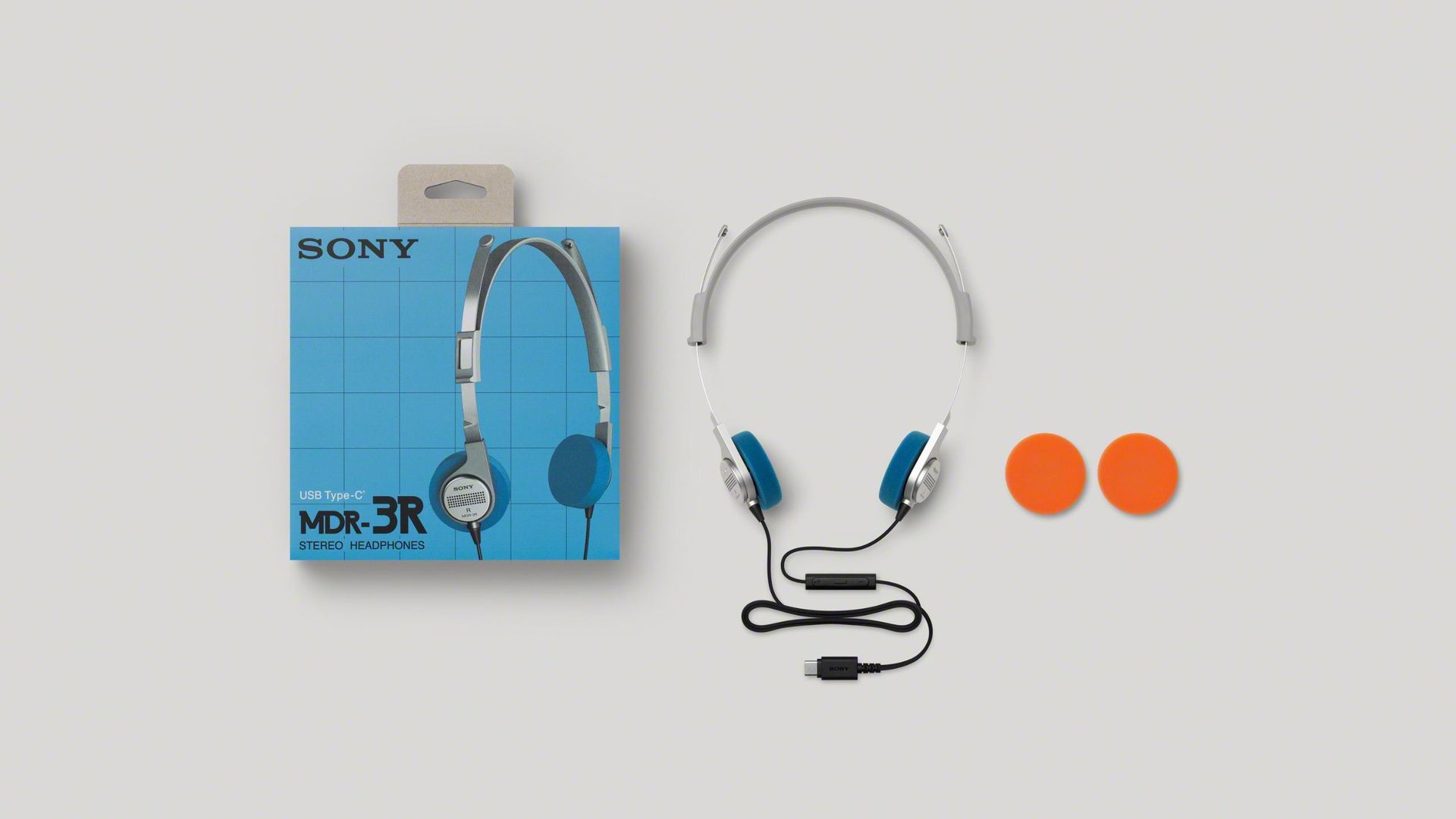
Two key upgrades: USB-C (not 3.5mm termination) plus an in-line remote
Oh, and for $20 / £20 / AU$10 more, there's a Stranger Things edition…
Well now. 'Newtro' (a portmanteau of 'new retro') audio kit is trending, and doesn't Sony know it? The company says it sees people embracing wired, physical music products for "both functional and cultural perspectives", and it is seizing the day — just as Bose has, with its new, affordable, wired noise-canceling earbuds.
I am fortunate enough to have lived through the introduction of Sony's original Walkman in 1979, to have seen Julia Roberts singing Prince in a bath tub in Pretty Woman and to have fallen in love with Michael J. Fox as Marty McFly, skateboarding with an Aiwa CassetteBoy clipped to his denim jacket pocket in Back to the Future.
(Image credit: Sony)
Cut to around 40 years later, and the kids are watching Max fight Vecna using Kate Bush's Running Up That Hill and a Sony Walkman WM-8 as her only weapon in Stranger Things. And who could forget Peter Quill's Walkman (a Sony TPS-L2 Walkman and Headset, complete with alternate orange ear pads) given to him by his mom long before he became one of the Guardians of the Galaxy?
Want a bit of that? Yearning for a simpler time, when your copy of a musical recording actually belonged to you and Bluetooth connectivity didn't open the door to sign-ups, account creations and data capture? You're not alone — and that's why Sony has just released the MDR-3R.
(Image credit: Sony)
You can't spell America without Erica, and you can't get this sound without wires
It's not hard to see the new 2026 Sony MDR-3R's resemblance to the Sony 1979 MDR-3 — in fact, it's incredibly difficult to tell the difference between them (and I know because I attended a briefing and saw the old and new products side by side).
It's a significant moment. Nearly half a century after the originals launched (Sony says it went back to work on the drivers using Sony's hand-drawn diagrams from the 70s), the new set is in, and one of the only real differences is that they end in a USB-C termination.
(Image credit: Sony)
So no more 3.5mm jack, but the iconic silhouette and signature aluminium frame, look, hinges and so on are all virtually identical. There’s the trademark cheeky bend (or kink) in the aluminium frame just above the earpiece, the Sony logo, that soft plastic ‘flexible adjuster’ piece across the top of the crown, square slider hinges and the ‘sound holes’ (no, those aren’t just design flourishes). At 38g, the MDR-3R is also by far the lightest pair of overhead headphones in Sony’s lineup.
What of the sonic chops? Sony says the original MDR-3’s sound quality was "surprisingly good", but nevertheless Sony's audio engineers have taken the classic analog warmth and built on it with a few tweaks. The MDR-3R's 23mm driver is still based upon original hand drawings for the 1979 model, but Sony claims to have eked a wider frequency range out of it, particularly in the bass registers. Also, you now you get an in-line controller with a mic for hands-free calls along with the updated cable and plug.
Wondering how you’ll choose between those Guardians of the Galaxy -style orange foam pads or the MDR-3's original blue pads? Don’t stress, you get both in the box!
The in-line remote also has volume up, volume down, plus a play/stop button that can be double-pressed to skip forward or triple-pressed to skip back. You can hold it to activate your phone's voice assistant, or press it to answer and end calls. So three buttons in total, but lots of added functionality.
Things can get even Stranger…
(Image credit: Sony)
While the packaging of the 'basic' MDR-3R is very similar to the original 1979 box (think light blue and geometric, but with modern 2026 techniques and nods to sustainability), there is another option as well.
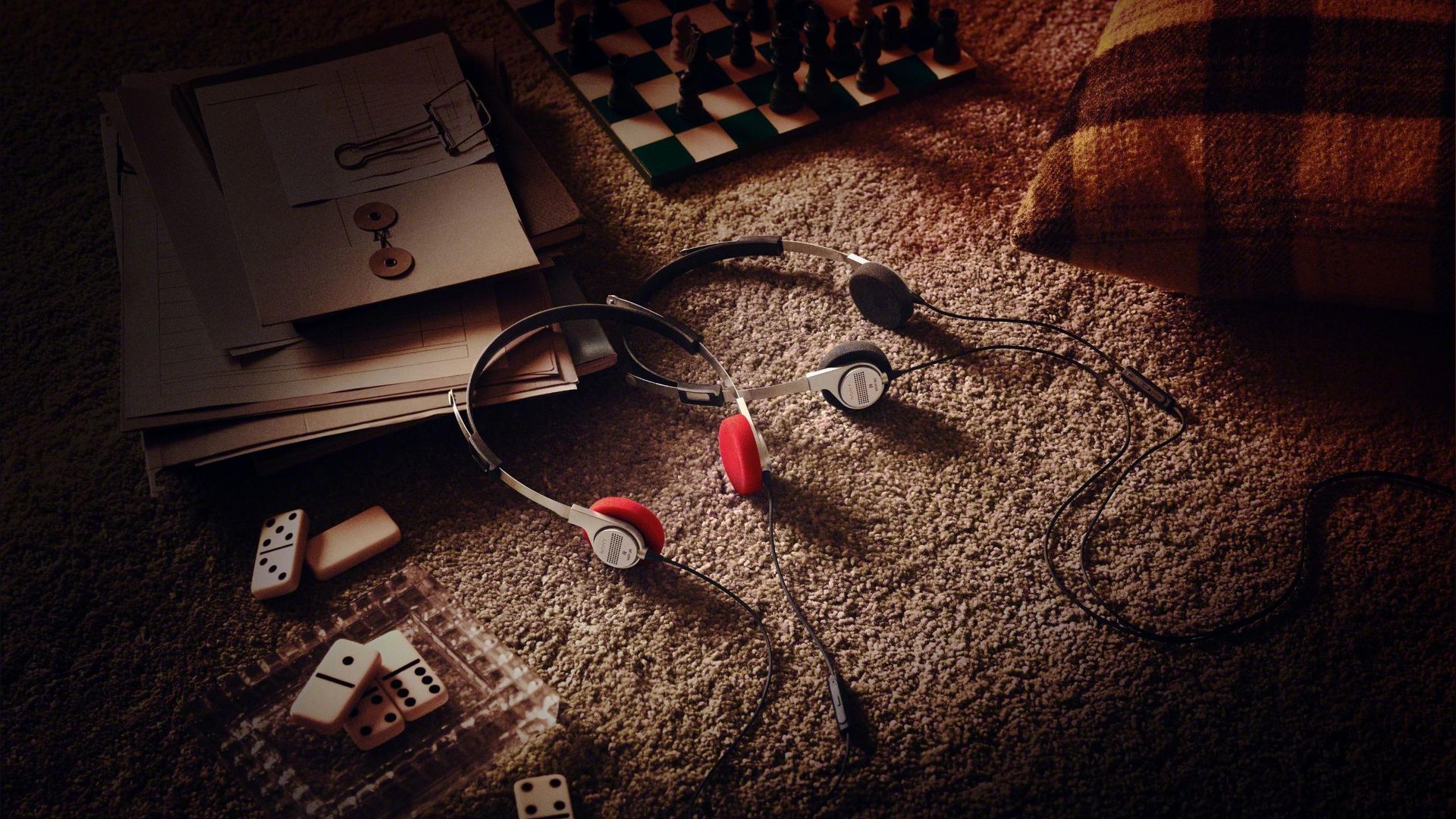
There’s a special Stranger Things-themed edition, complete with red ear pads (you also get black in the box) and a moody black top headband. The box is black, and there’s a Stranger Things logo on the headband too.
You may want to go full Upside Down with the themed set. For me, the choice of blue or orange ear pads and a true 1979 aesthetic is the one.
Either way, for $59 / £49 / €59 / AU$89.95 for the Sony MDR-3R, or $79 / £59 / €69 / AU$99.95 for the Sony MDR-3R Stranger Things variant, someone's Christmas present just got sorted — and I wouldn't be surprised to see them in our best wired headphones guide, if I can only put them through their paces for a full review…
Bluetooth LE gets support for High Data Throughput (HDT)
It boosts the standard's maximum supported bit-rate by almost four times
That means support for hi-res audio, spatial audio and multi-channel audio
Good news for the best headphones of 2027 and beyond: the latest Bluetooth technology includes High Data Throughput technology, HDT for short, which gives Bluetooth LE a huge performance boost. It can transmit almost four times as much data as the current version, enabling it to send hi-res audio, spatial audio and multi-channel audio to other devices.
The fact that HDT is part of Bluetooth is important, because that means you aren't reliant on a proprietary technology for your hi-res music: if manufacturers choose to use HDT, which we'd expect them to do, then you'll have compatibility across a huge range of headphones, Bluetooth speakers and other home entertainment hardware.
There are other benefits too, as many current hi-res audio streams are sent via Wi-Fi rather than Bluetooth. Sending them over Bluetooth LE removes that traffic from your home network, potentially cutting down on congestion, and it is likely to boost your headphones' battery life, too.
Faster data transfer means less work for your Bluetooth radio, whether you're listening to hi-res audio or lower-res streams.
What's new in the blue
A new version of Bluetooth is always welcome, but it'll be a few months before Bluetooth 7.0 devices will be available. (Image credit: Bluetooth SIG)
HDT is an optional feature in the newly published Bluetooth Core 7.0 standard, and it ups the bitrate of Bluetooth LE connections from 2.5Mbps to 7.5Mbps. Those are headline speeds, and as ever you'll get a bit less in the real world. But it's still a huge boost.
The benefits aren't just limited to headphones and other audio equipment. Anything that currently transmits or receives data via Bluetooth could benefit from the improved throughput of HDT, whether that's a smartwatch, smart glasses or a smart home device. If HDT can make updating my Apple Watch software take less time than forever, I'm sold on it already.
The downside is that you can't buy an HDT device yet. That's because there's always a lag between a new version of Bluetooth being published and products with the latest version appearing on shelves.
Try our TV size and model finder! You tell it how far you sit from your TV, we'll tell you what size to buy based on viewing angle advice from image quality experts, and we'll recommend our three top TVs at that size for different prices.

 Login