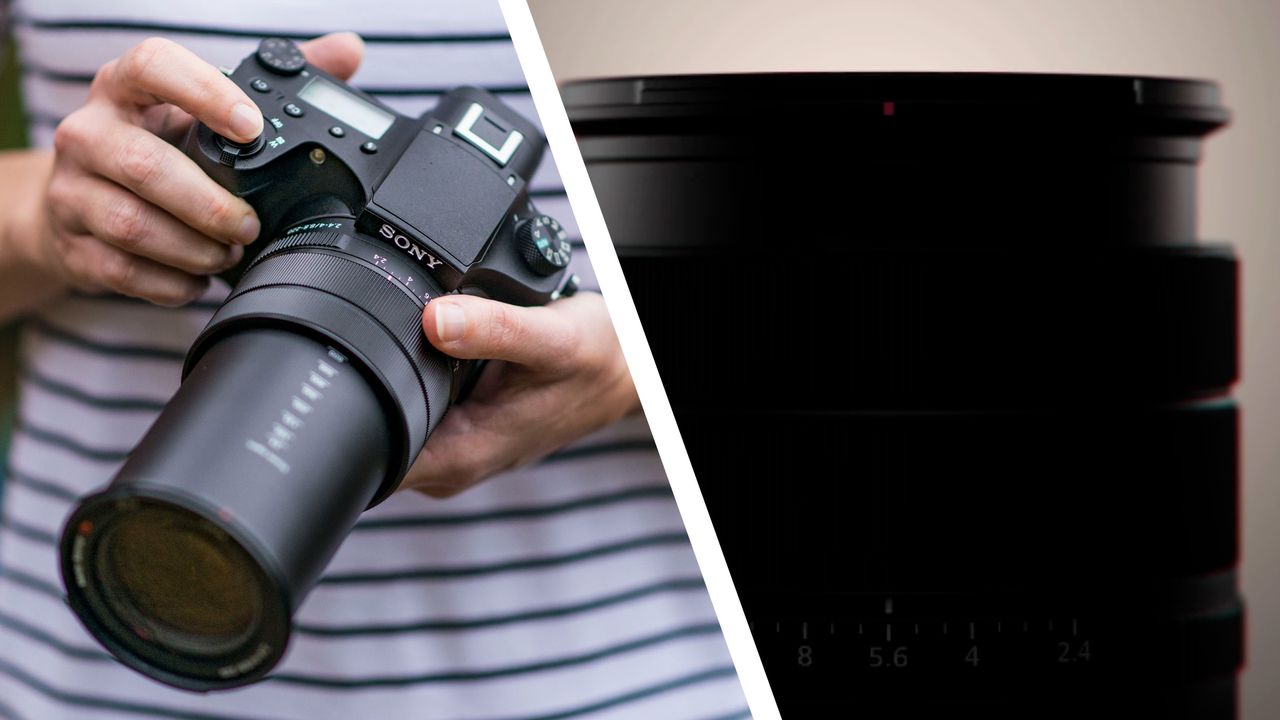
Reading view

There are new articles available, click to refresh the page.

I tested the world's first AI spotting scope for birders — and it's brilliant in places, frustrating in others

GoBirding Vision Master: One-minute review

Bird-spotting scopes have remained stubbornly analog for a very long time: you point some glass at a distant feathered friend, squint, and hope you remembered your spotter's guide. The GoBirding Vision Master Smart AI Spotting Scope, or the APL-ETF-M1 to give it its slightly snappier model name, wants to drag that experience kicking and screaming into the smartphone era.

It does so by squeezing a 4K camera, on-device AI bird identification and smartphone-friendly connectivity into a 30x optical zoom scope. It's certainly an ambitious concept; and after spending a few weeks testing it, I came away impressed in some ways and frustrated in others.

The build quality is a positive: the scope feels solid rather than plasticky, and the design manages to be fairly discreet too. At 932g with the tripod mount attached, it's not a lightweight in absolute terms, but it's manageable enough for a session in the field. The front and eyepiece caps, though, have an annoying habit of working themselves loose when the scope is packed away in a bag — worth knowing if you're the sort who likes to keep your gear spotless.
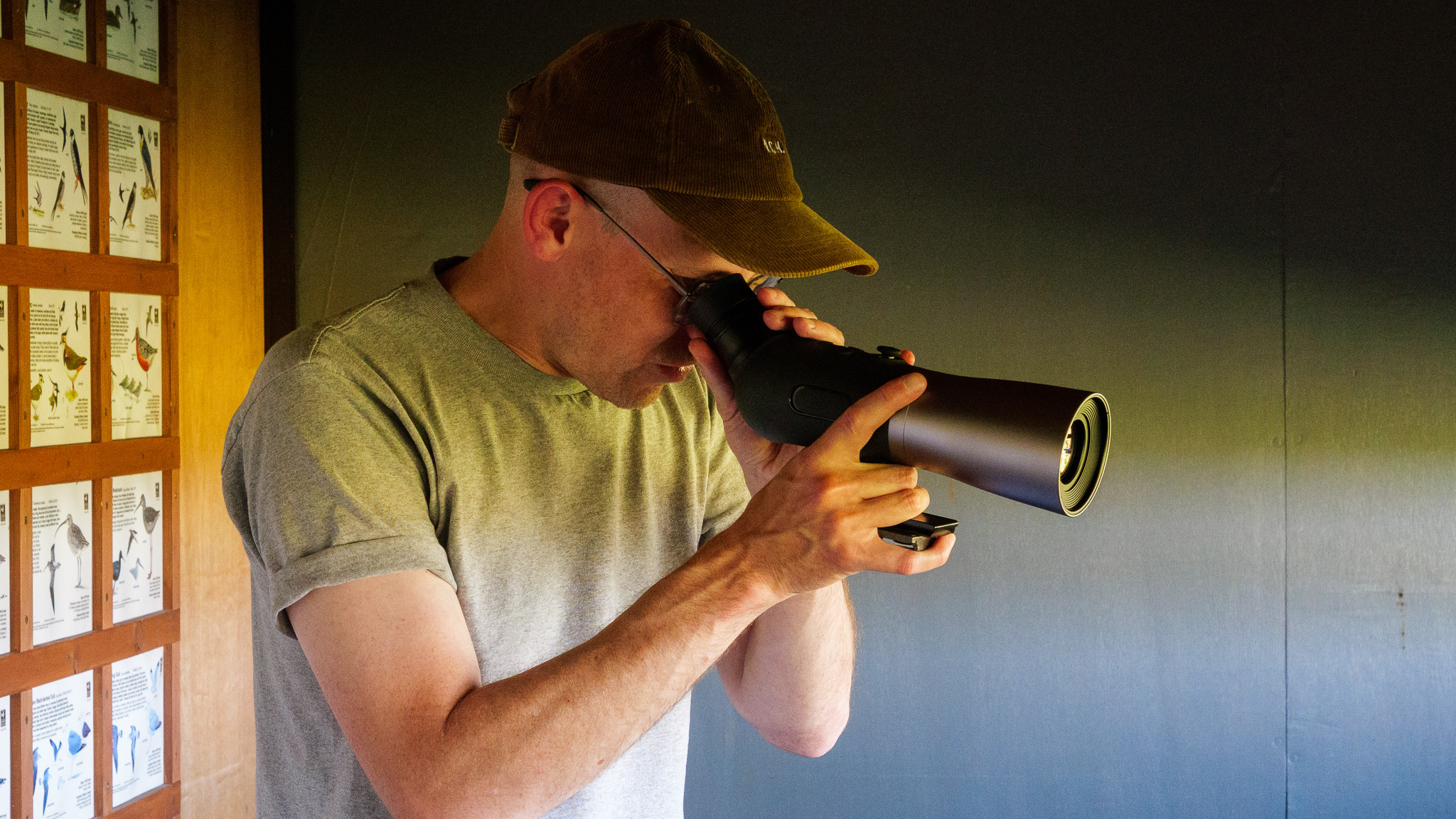
Bird spotting scope on tripod in bird watching hide

(Image credit: Future | Sam Kieldsen)

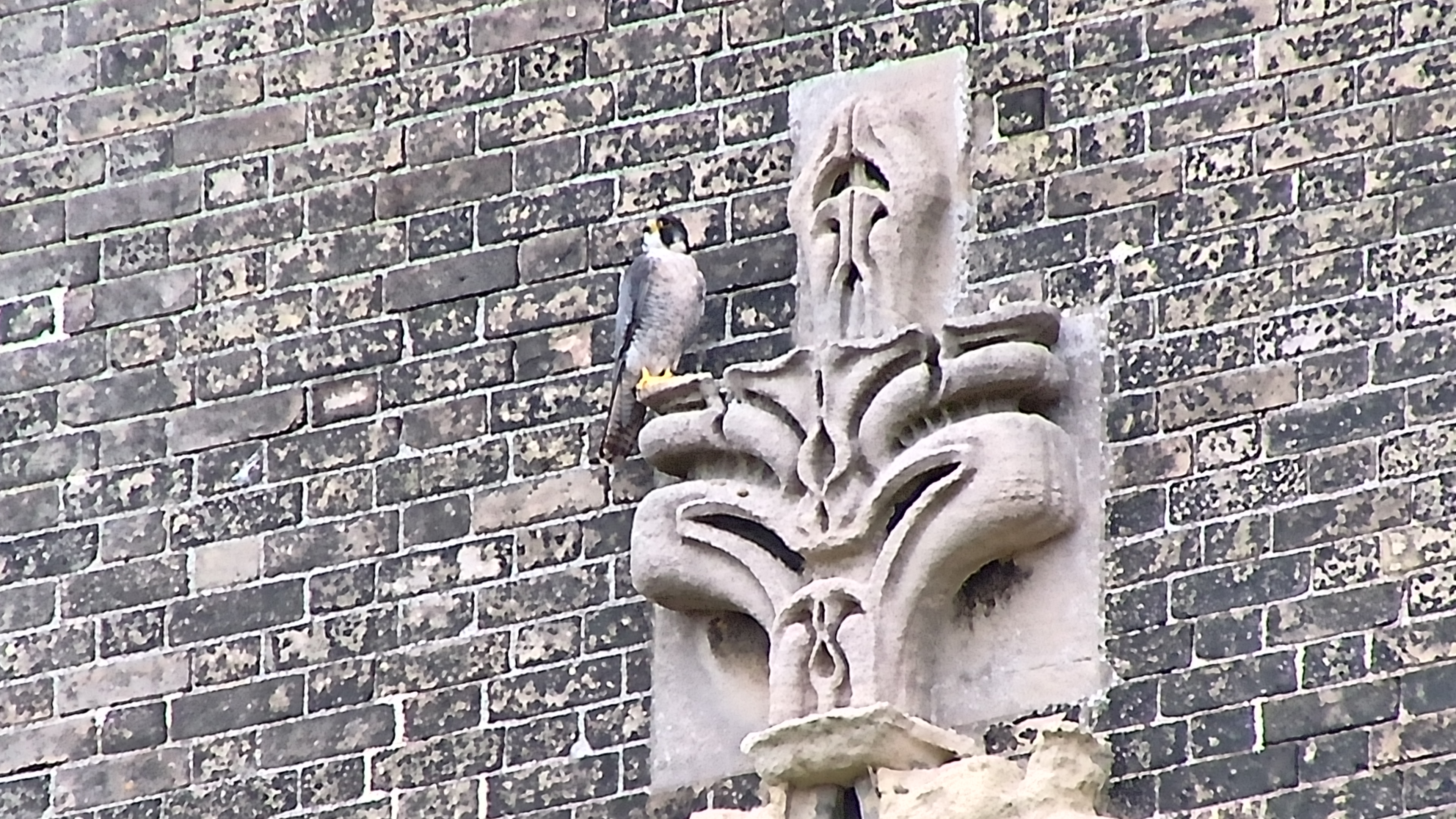
The headline feature — AI bird identification — works, but with caveats. GoBirding claims the M1 can ID over 1,500 species offline, and over 10,000 when connected to the internet via your smartphone, and in practice it correctly called out everything from common cormorants and herring gulls to species I hadn't heard of, like the water pipit. It's less confident with distant or backlit subjects, though, and it drew a blank on a peregrine falcon I spotted, likely because the bird was too well camouflaged against its perch for the system to extract enough detail; you need a clean, in-focus shot for reliable results, and that's not always easy to get.

Which brings me to the scope's chief weakness: autofocus. It's sluggish, and for fast or skittish birds, I found myself reaching for manual focus. It's a similar story with the image stabilization; GoBirding recommends a tripod over handheld use, and having tried both, I heartily agree. Mounted up, footage steadies out nicely; handheld, especially at higher magnifications, it completely fails to remain level.

Image quality itself is a mixed bag. 4K/30fps video looks reasonably sharp at native zoom, but push into the digital range beyond 30x and detail falls off fast. Colors also tend toward the oversaturated — skies in particular can look implausibly turquoise — and the bokeh has an odd, angular quality unlike anything I've seen from a superzoom camera, more chain-link fence than creamy blur.

The companion app is spotty too. Second-screening — letting someone else see what you're viewing through the scope on their phone — works well, and is genuinely useful for shared birding trips. But other features feel unfinished: the app never once managed to log my location correctly, defaulting instead to a spot on the equator, and it doesn't automatically record the time or place of AI-identified sightings, which feels like a missed opportunity given how central data-logging is to the scope's appeal.

Pricing, like a skittish sparrow, remains something of a moving target. GoBirding has confirmed an official retail price of $999, with Kickstarter backers able to secure an Early Bird unit for significantly less depending on tier; there will also be an as-yet-unspecified Super Early Bird VIP discount available too. The Kickstarter campaign is expected to arrive around August 20, with shipping to follow in batches after that — but I should caution that all of this remains subject to change.

GoBirding Vision Master: Price and availability

  • Official retail price set to be $999 (about £750 / AU$1,450)
  • Kickstarter Early Bird pricing from $649 (about £490 / AU$940)
  • Kickstarter campaign expected to launch around August 20, 2026

The M1 isn't on sale yet. GoBirding's Kickstarter campaign is expected to launch around August 20, 2026, offering backers an Early Bird price from $649 to $699 depending on tier. That's well below the $999 official retail price, which will apply once the M1 reaches general sale. A further Super Early Bird VIP discount has also been promised, though GoBirding hasn't yet specified the terms.

GoBirding hasn't published official GBP or AUD pricing, so the conversions above are calculated at current exchange rates rather than confirmed figures. Production is reportedly already underway, with shipping to begin shortly after the Kickstarter campaign wraps and orders are confirmed. There's no word yet on wider retail availability beyond that, however.

At $999, the M1 sits close in price to premium bridge cameras like the Nikon Coolpix P1100, but well below high-end AI optics like the Swarovski AX Visio. My gut feeling is that it's a rather steep price to pay for a scope that doesn't feel completely finished in terms of features and has some image-quality issues, but given that there's not really anything else like it on the market, it's hard to say what something like this should cost.

GoBirding Vision Master: Specs

Leica SL3-P specs

Zoom:

30x optical, up to 120x hybrid

Sensor:

1/2.7-inch CMOS

Video:

Up to 4K/30fps; 1080p/120fps

Viewfinder:

1080p Micro OLED, 0.49-inch

Stabilization:

OIS (optical image stabilization)

Storage:

microSD, up to 512GB (not included)

Battery life:

Around 6 hours of continuous use

Waterproofing:

IP65

Dimensions:

11.7 x 3.22 x 4.3 inches / 297.6 x 82 x 110mm

Weight:

32.8oz / 932g (inc tripod mount)

GoBirding Vision Master: Design

  • Solid, weatherproof IP65 build
  • Tripod-ready straight out of the box
  • Weighs around 32.8oz / 930g

Picking up the M1, the first thing I noticed was the heft-to-size ratio — it's a dense, reassuringly solid object, rather than something that feels hollow or plasticky. The forest-green and gunmetal-grey colorway feels like an appropriate choice for a birding tool, and should blend into foliage far better than a garish action-cam-orange scope would.

The controls are nicely tactile and have a rubbery finish, which suits outdoor use: there's a push-pull zoom joystick (which can be tilted left and right to manually focus), a dedicated AI recognition button, and separate stills/video capture controls, and they're all operable by feel alone, which is helpful when you're trying to keep your eyes on a parakeet rather than the top of the scope. The eyepiece itself houses a 1080p micro-OLED display, is angled nicely for extended viewing sessions, and can be twisted to adjust focus. As a glasses wearer, I found it comfortable and easy to get a nice sharp view.
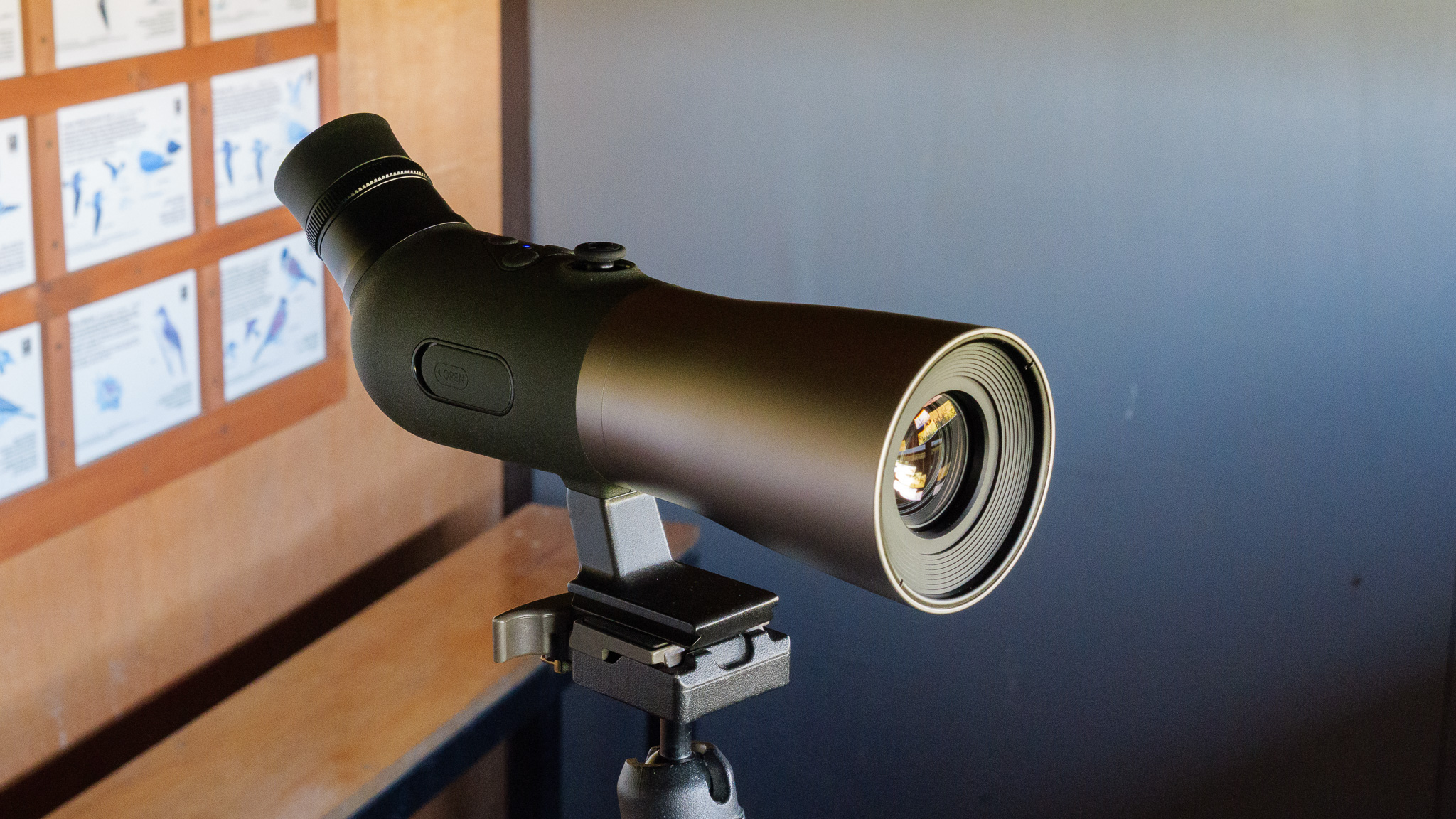
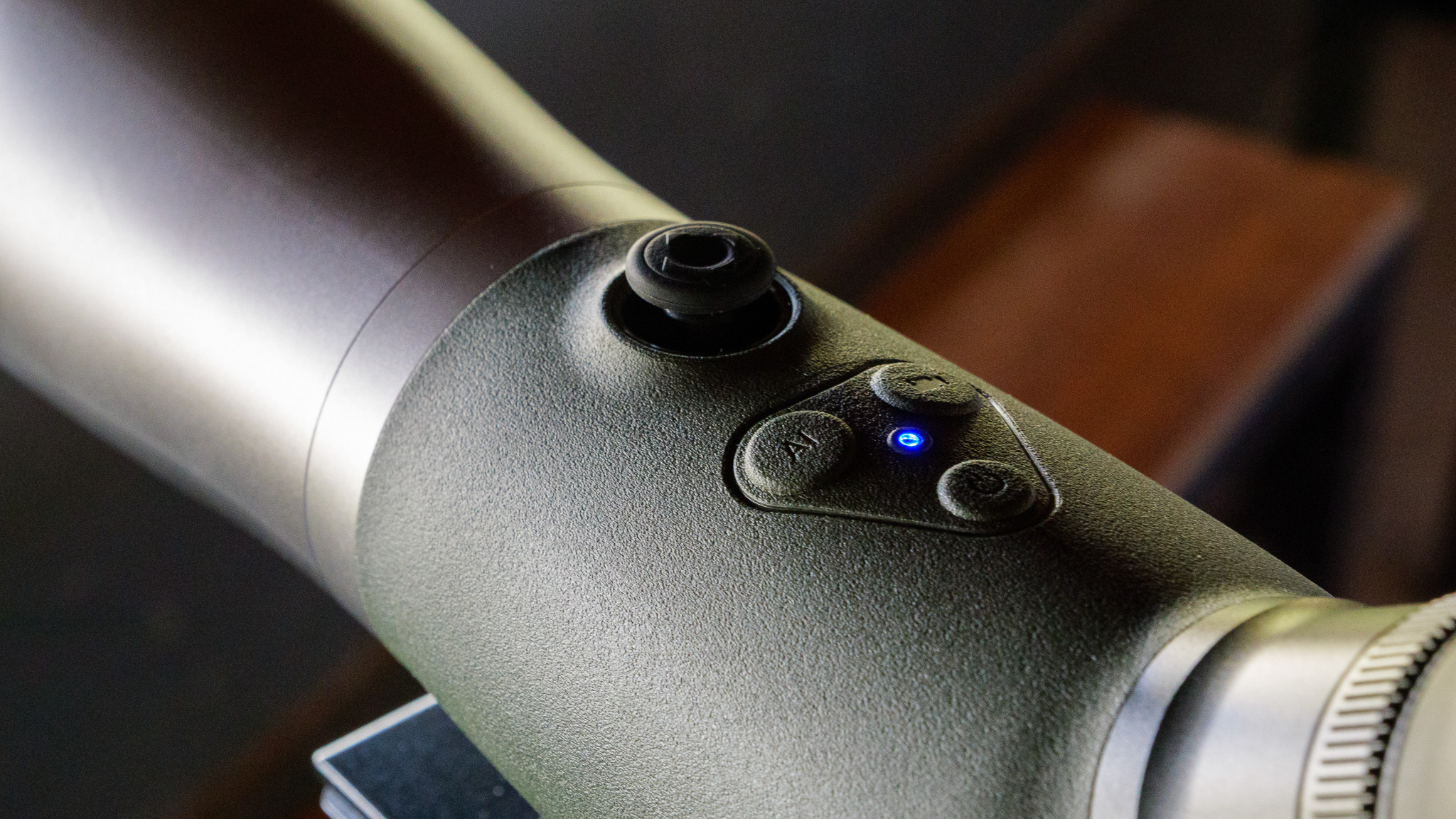
Bird spotting scope on tripod in bird watching hide
Future | Sam Kieldsen
Bird spotting scope on tripod in bird watching hide
Future | Sam Kieldsen
Bird spotting scope on tripod in bird watching hide
Future | Sam Kieldsen

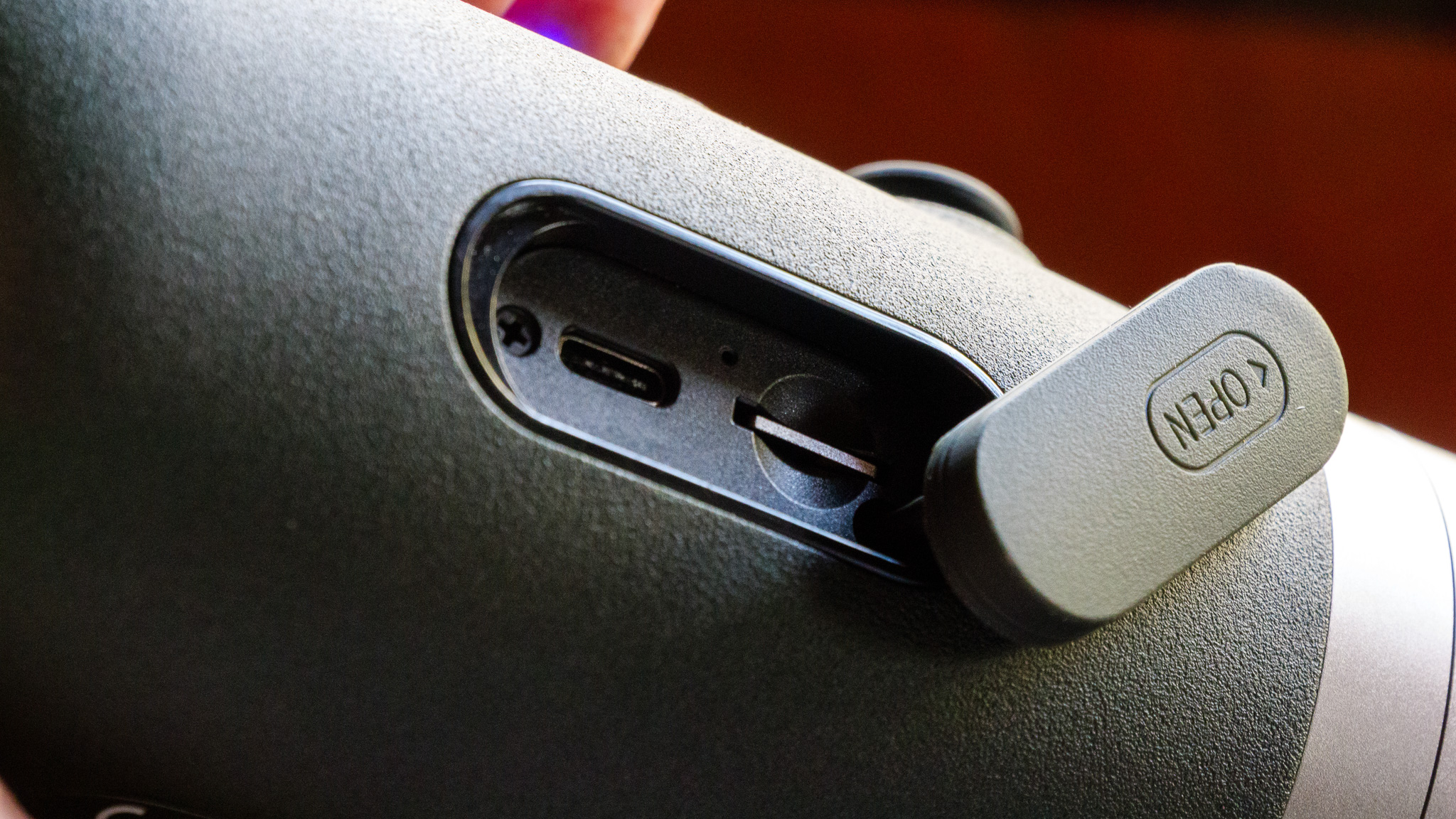
A pull-out rubber flap protects the microSD slot and USB-C port. I found that I wasn't able to transfer videos and images over to my MacBook Air via USB (the scope didn't show up as an openable drive in Finder) so I had to pop out the card, put it in a card reader and do it that way. Also, my sample didn't come with a microSD card, so you may need to buy one if you don't already have one going spare.

A tripod mount is attached to the underside, and given how much GoBirding leans on tripod use for its stabilization claims (more on that in the Performance section below), it's good that they haven't made you buy one separately or hunt for a compatible adapter. The mount can be removed by loosening a nut if you want to slim things down a bit and shoot handheld, but I kept it attached the whole time I was testing.

In the box you get a drawstring storage bag, a microfiber cleaning cloth, and protective push-on rubber caps for both the front element and the eyepiece. The caps are a nice idea in theory, but in practice they had an irritating habit of working themselves loose while the scope was in my backpack.

GoBirding Vision Master: Performance

  • AI recognition impresses more often than it disappoints
  • Autofocus is the scope's biggest let-down
  • Image quality is solid in good light, shakier elsewhere

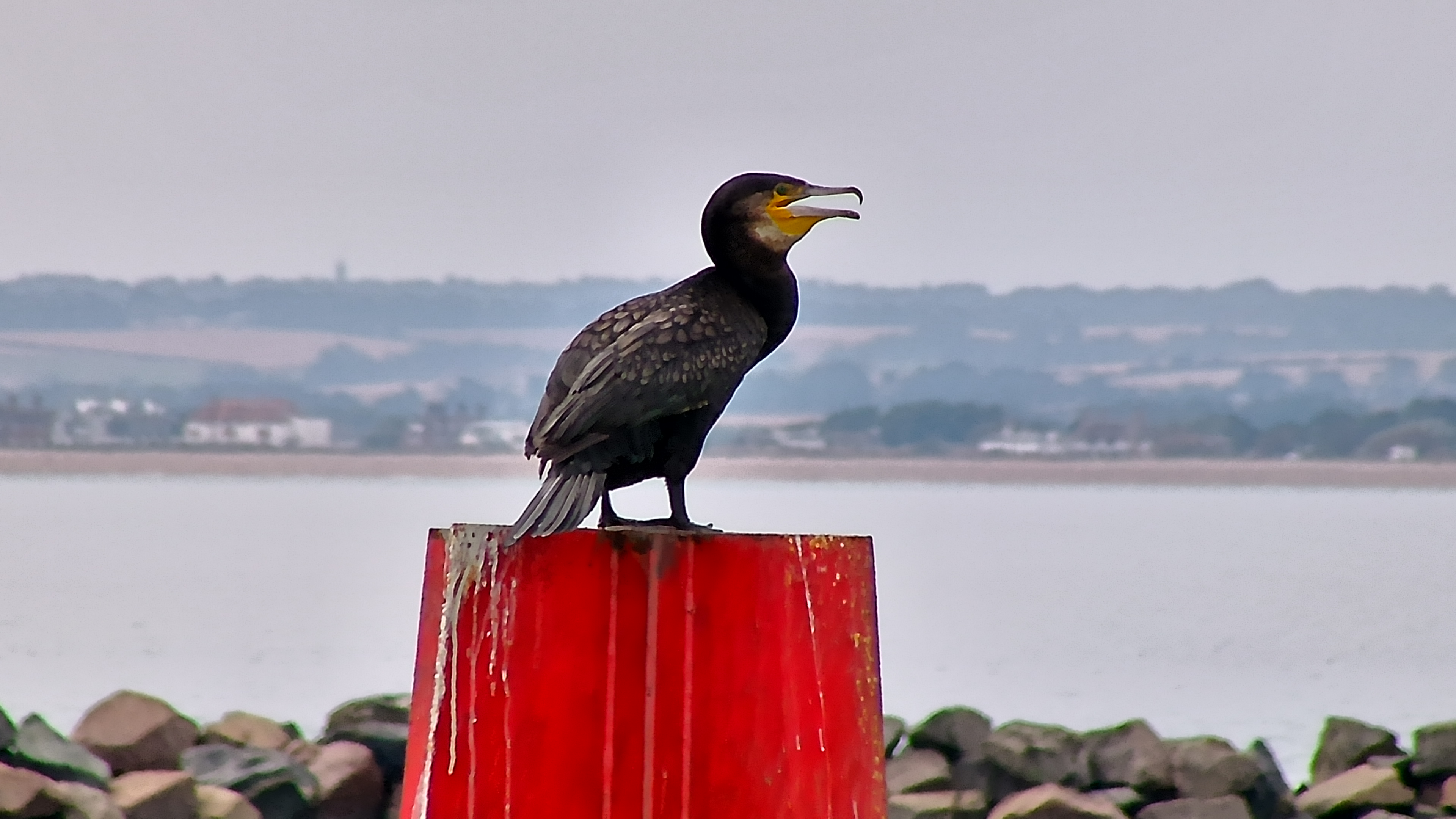
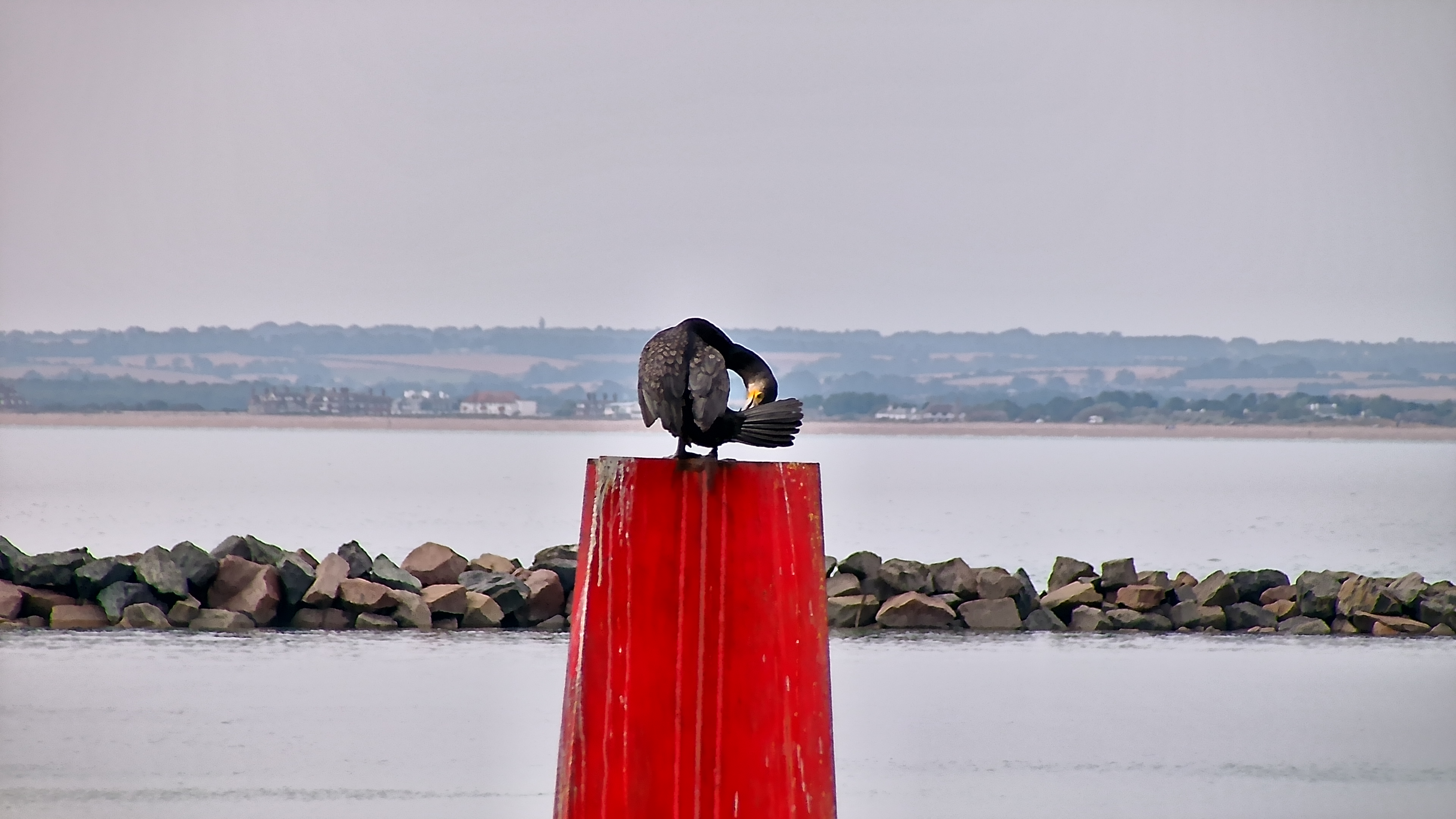
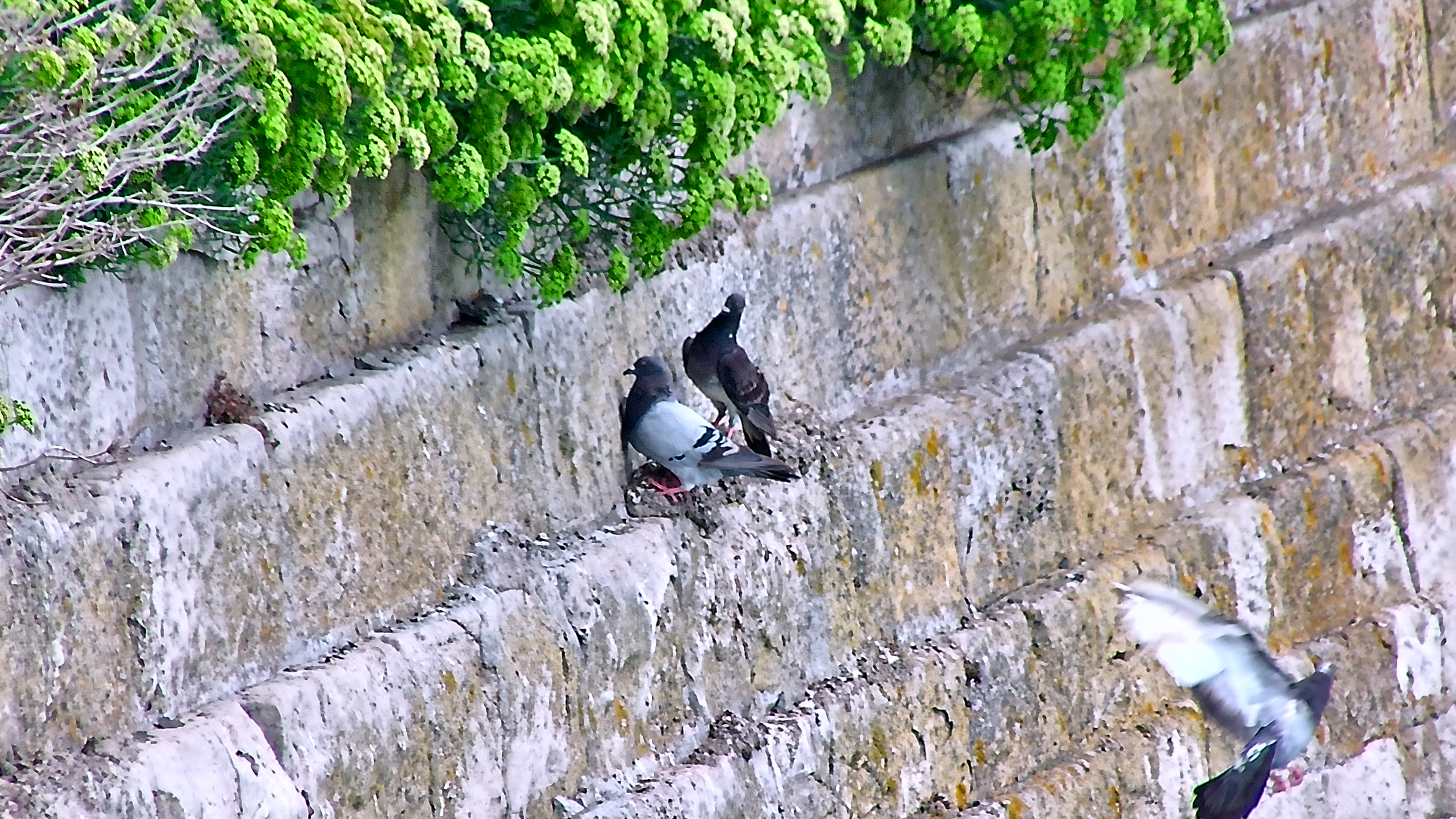
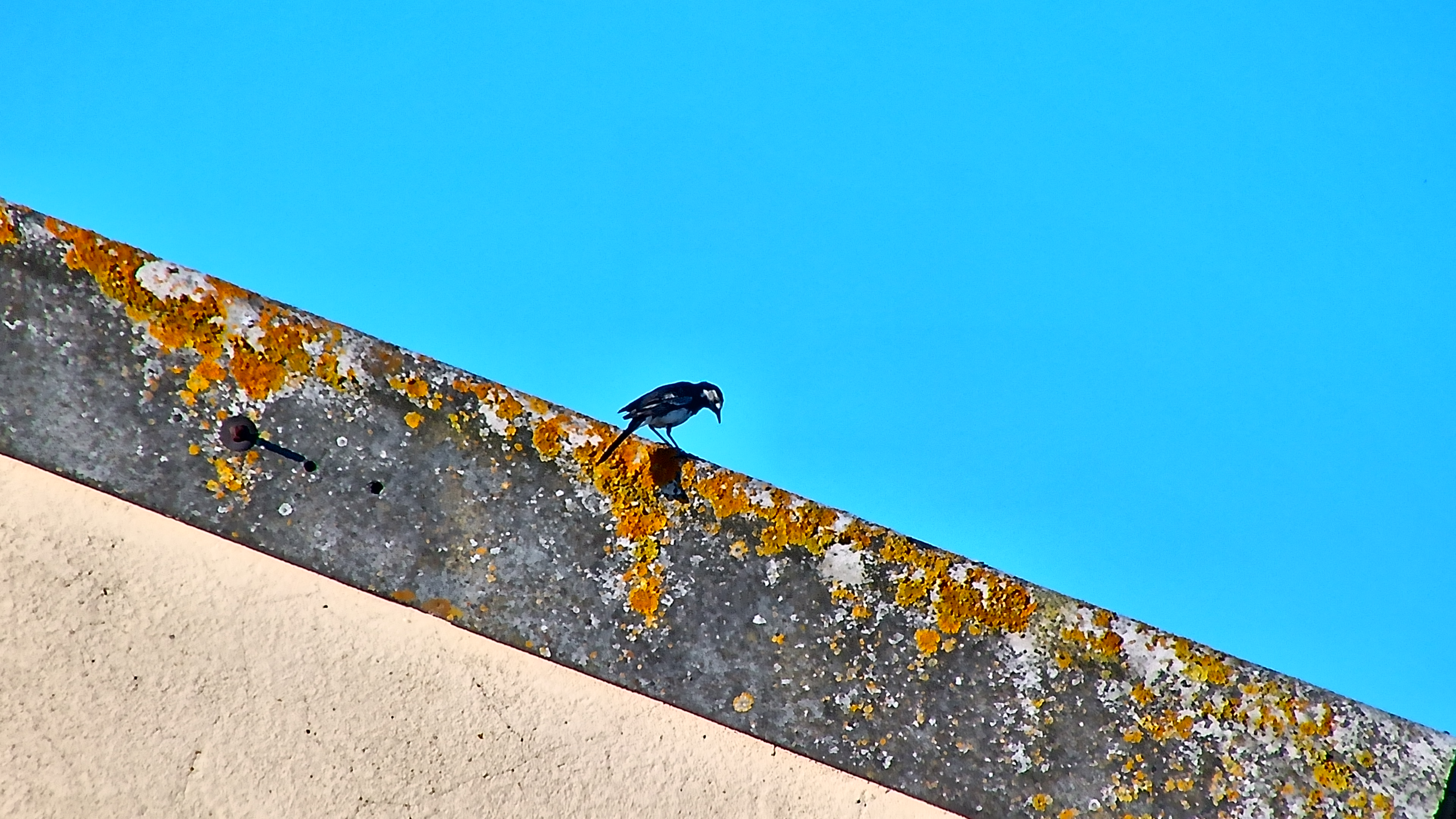
The M1's AI bird identification is simple to use — you just tap the AI button to toggle on a red box indicator, then center the bird within the box until the name appears on-screen — and mostly delivers on its promise. GoBirding claims 1,500 species identifiable offline and over 10,000 via the companion app, and across my testing it correctly called out common species like cormorants, rock pigeons and herring gulls, alongside less familiar ones — the water pipit, Caspian gull and great black-backed gull all got flagged, the latter two of which I'd wrongly assumed were regular herring gulls. I also tested it on a batch of still photos, and it was accurate the vast majority of the time, with only the occasional misidentification.

It's not infallible, though. The system needs a clean, sharply-focused subject to work with, so extreme-range or backlit birds (reduced to little more than silhouettes) routinely trip it up. It also failed to recognize a peregrine falcon I spotted perched on a distant church tower, most likely due to both the range and because its plumage blended in too well with the stonework for the AI to extract meaningful detail.

Autofocus isn't a strong point. It's noticeably sluggish and inaccurate, and for anything fast-moving or skittish I found manual focus the faster and more reliable option. Combine that with image stabilization that GoBirding itself admits works best with a tripod, and handheld shooting at higher magnifications becomes frustrating. Mounted up, footage steadies out nicely, but when you're shooting freehand, especially at the long end of that zoom range, you'll struggle to keep it level. Even when using a tripod, I found it almost impossible to get steady footage at 120x zoom.
Distant bird photographed using AI spotting scope
Future | Sam Kieldsen
Distant bird photographed using AI spotting scope
Future | Sam Kieldsen
Distant bird photographed using AI spotting scope
Future | Sam Kieldsen
Distant bird photographed using AI spotting scope
Future | Sam Kieldsen
Distant bird photographed using AI spotting scope
Future | Sam Kieldsen

Image quality is a mixed bag, and here the small 1/2.7-inch CMOS sensor is a limiting factor throughout. In good light, 4K/30fps footage and 8MP stills at native zoom look reasonably crisp, but push into the digital zoom range beyond 30x and detail falls away quickly, as you'd expect from a sensor this size.

Colors also look oversaturated by default — skies in particular can be implausibly turquoise — and bokeh has an odd, angular character, more chain-link fence than the smooth, attractive background blur you'd get from a larger-sensor camera.

Should you buy the GoBirding Vision Master?

Buy it if...

You want bird identification without a guide
The on-device recognition system works well enough to speed up confirming species in the field — arguably a handier trick than raw zoom power alone.

You mainly shoot from a tripod
Mount it up and the M1's stabilization and AI accuracy improve, and that ambitious zoom range becomes an asset instead of a challenge.

Don't buy it if...

You need it to work handheld
Stabilization struggles without a tripod, especially at higher magnifications — a real problem for a device that claims to offer grab-and-go convenience.

You're fussy about image quality
The small sensor, inaccurate color metering and unusual angular bokeh mean this won't satisfy anyone used to a proper superzoom camera or a dedicated wildlife lens.

Also consider
CoolPix P1100

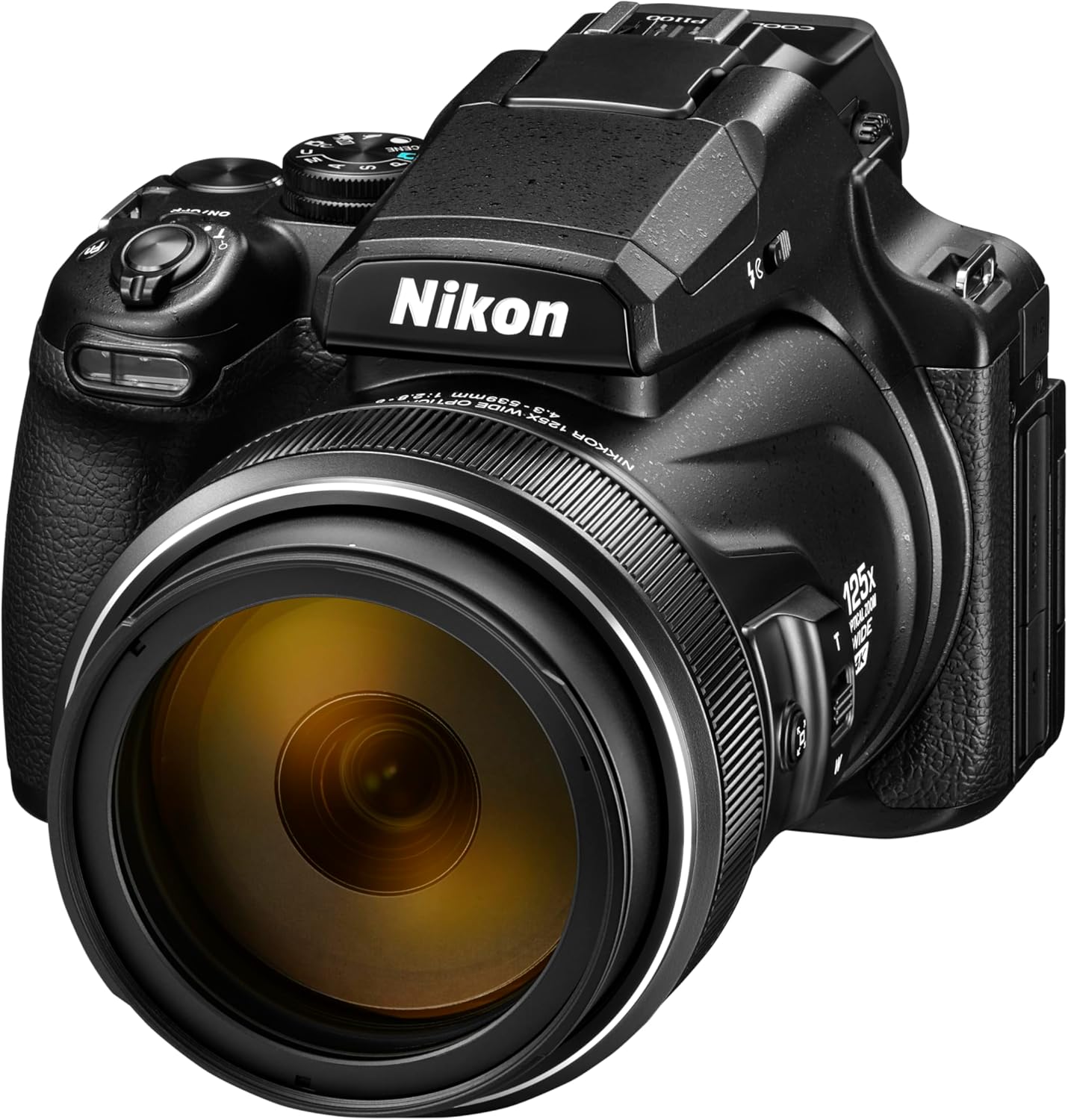
If reach matters more than AI cleverness, the Coolpix P1100 goes further than the M1: its 125x optical zoom stretches to a 3000mm-equivalent focal length, more than double the M1's maximum. It's a conventional superzoom camera rather than a purpose-built birding tool, so you won't get on-device species recognition, and its small 1/2.3-inch sensor means image quality has its own well-documented limitations in anything but good light.

Read our Nikon P1000 reviewView Deal
Sony RX10 V

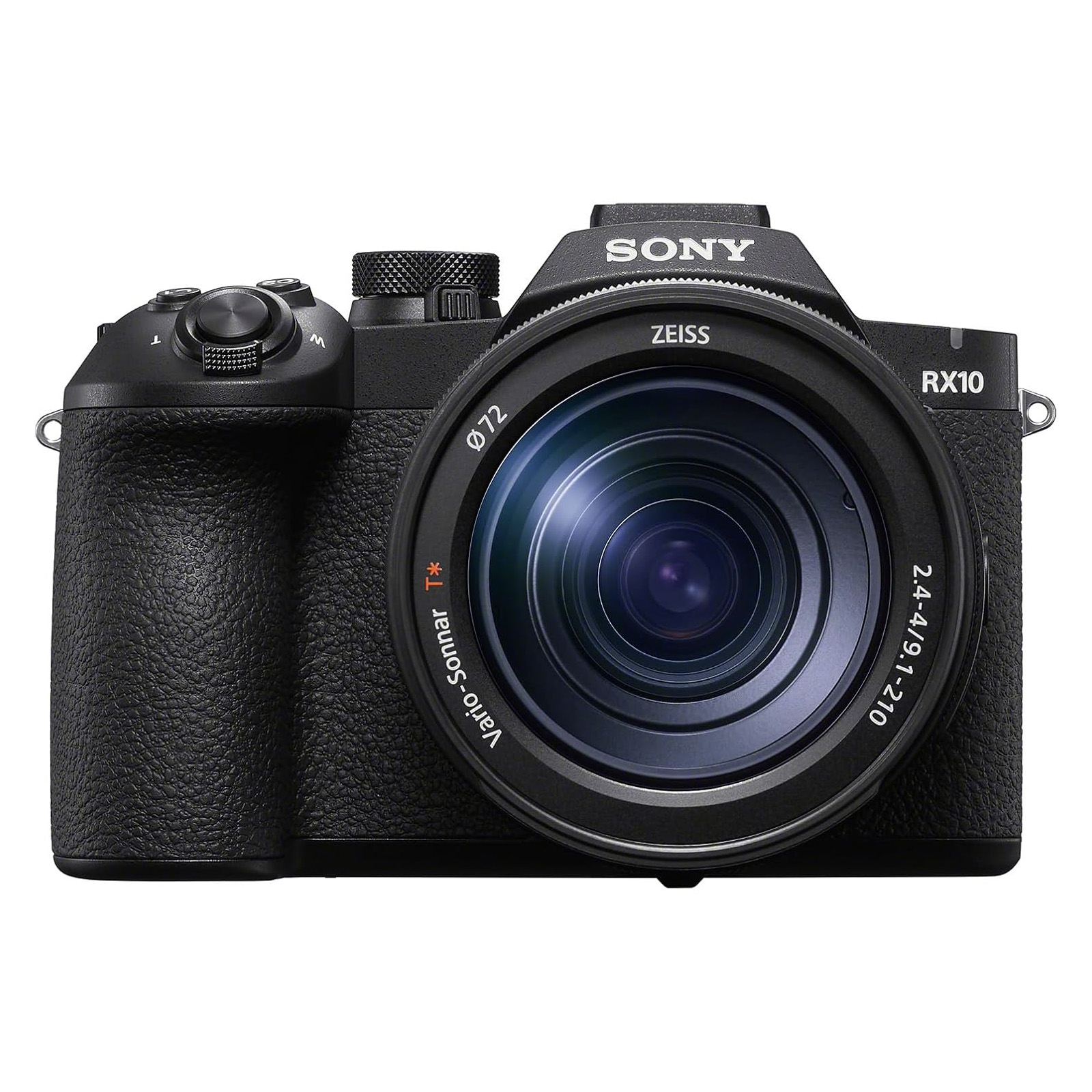
A very different proposition, the RX10 V pairs a much larger 1-inch sensor with a 24-600mm lens, and delivers image quality and autofocus performance that the M1 simply can't touch. Its 25x optical zoom falls well short of the M1's reach, and there's no AI bird identification here, but if outright photographic quality is your priority over specialized birding features, it's in a different league. It costs well over twice as much as the M1, though.

Read our Sony RX10 V reviewView Deal

How I tested the GoBirding Vision Master
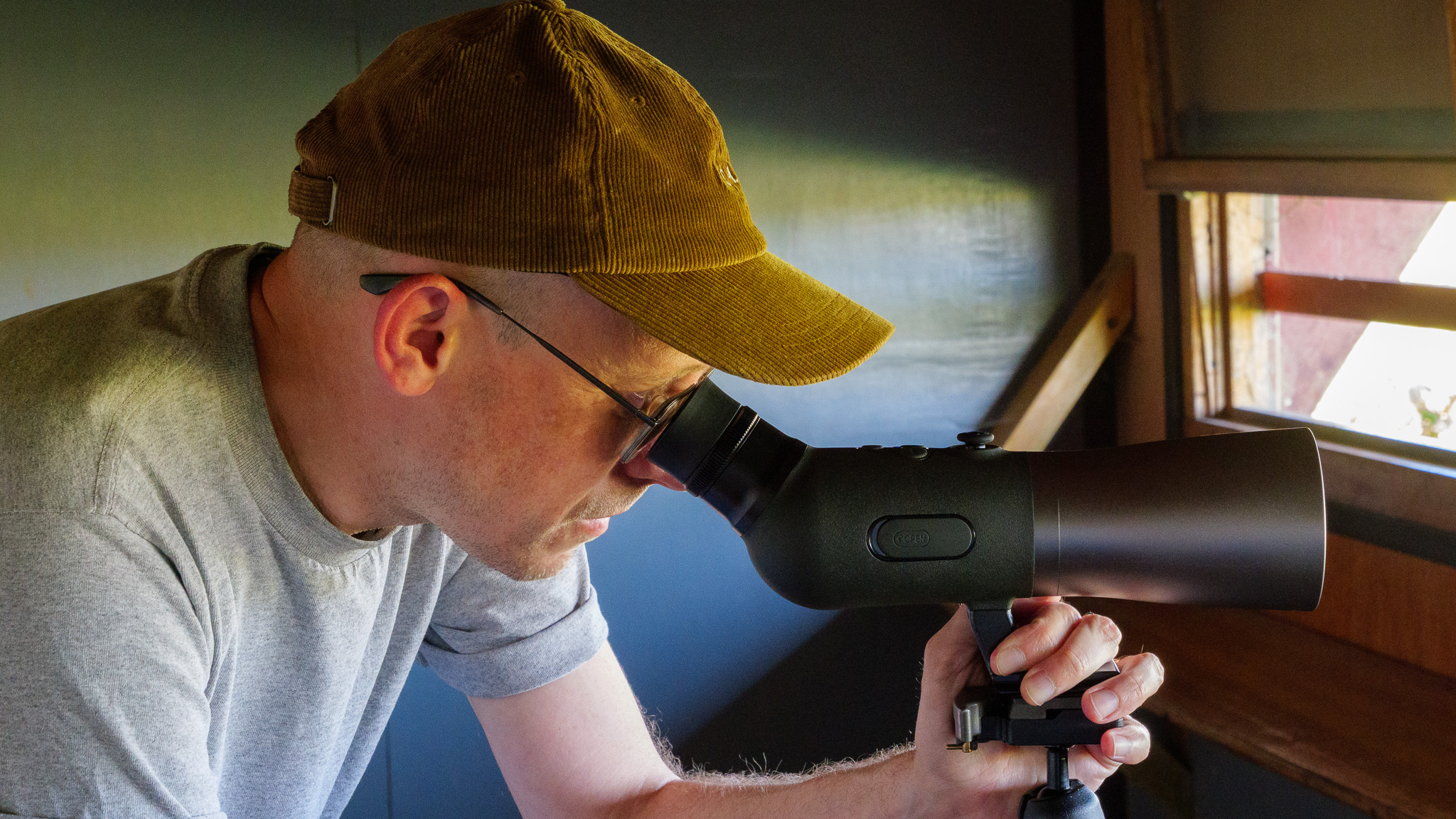
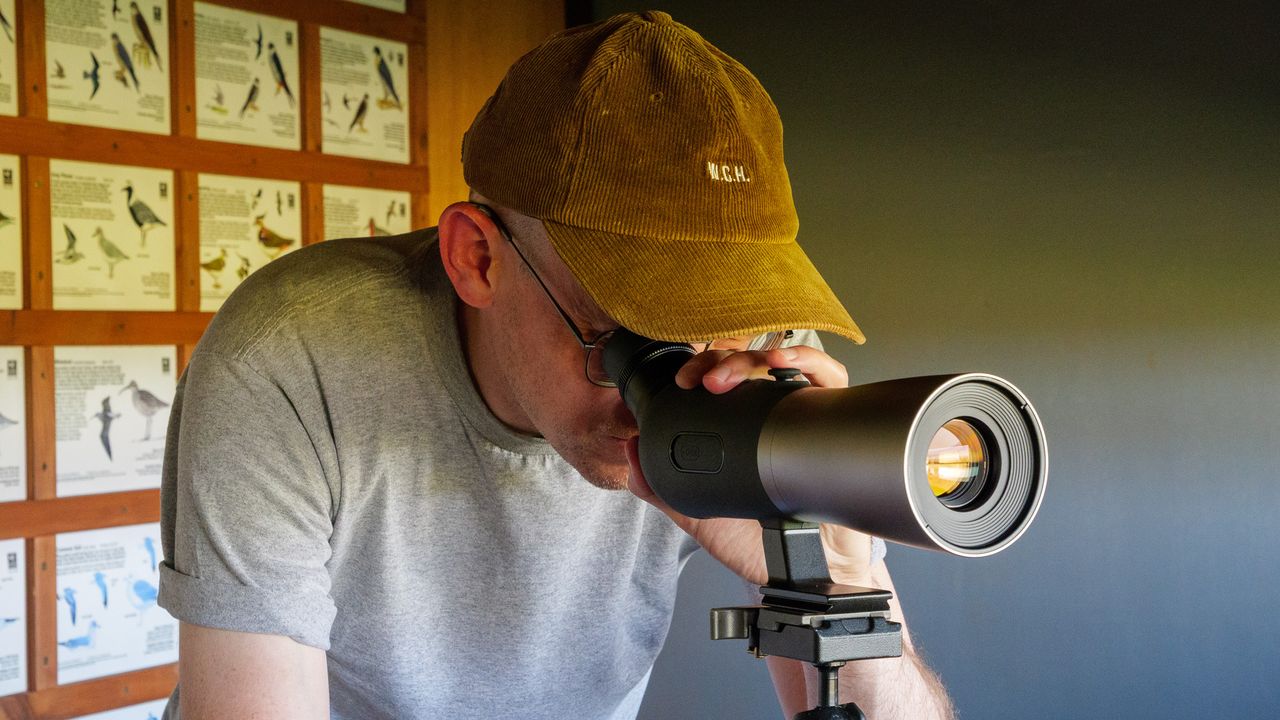
Bird spotting scope on tripod in bird watching hide

(Image credit: Future | Sam Kieldsen)
  • Tested over several weeks in several locations including a country park, the seafront, and a local churchyard
  • Shot in a range of light conditions during the UK summer
  • Tested handheld and tripod-mounted

I spent several weeks testing a review sample of the GoBirding Vision Master supplied to me by the manufacturers, across a range of locations near my home, aiming to put its birding-specific features through their paces in the kind of everyday settings a typical user would actually experience.

A local country park with a birding hide, and my town's seafront gave me a good mix of woodland, marshland and open-water species to test the AI recognition on. A nearby churchyard, home to a resident family of peregrine falcons, gave me the chance to test the M1 against a truly challenging subject: a stealthy bird of prey that spends much of its time perched high and partially obscured.

Across all locations, I tested both handheld and tripod-mounted use. I used the on-device AI identification extensively in the field, and separately tested it against a batch of still photos to assess accuracy outside of live conditions.

All shooting was carried out during a hot, dry summer spell, so while I can vouch for the M1's performance in strong sunlight, I wasn't able to test its weatherproofing in wet or cold weather.

First reviewed July 2026
I took the new Sony RX10 V superzoom and a pro Sony mirrorless camera with 400-800mm lens on a bird photography trip — here’s how the two systems compared

Sony surprised the camera community this week with the launch of the new RX10 V, reviving its best-in-class series of bridge cameras.

The mark V comes nine years after the now-discontinued Cyber-shot RX10 IV. It has the same versatile 24-600mm F2.4-4 lens and 20-megapixel 1-inch stacked sensor, but with a refreshed design and Sony’s latest processor and autofocus. It takes the best bridge camera available today crown.

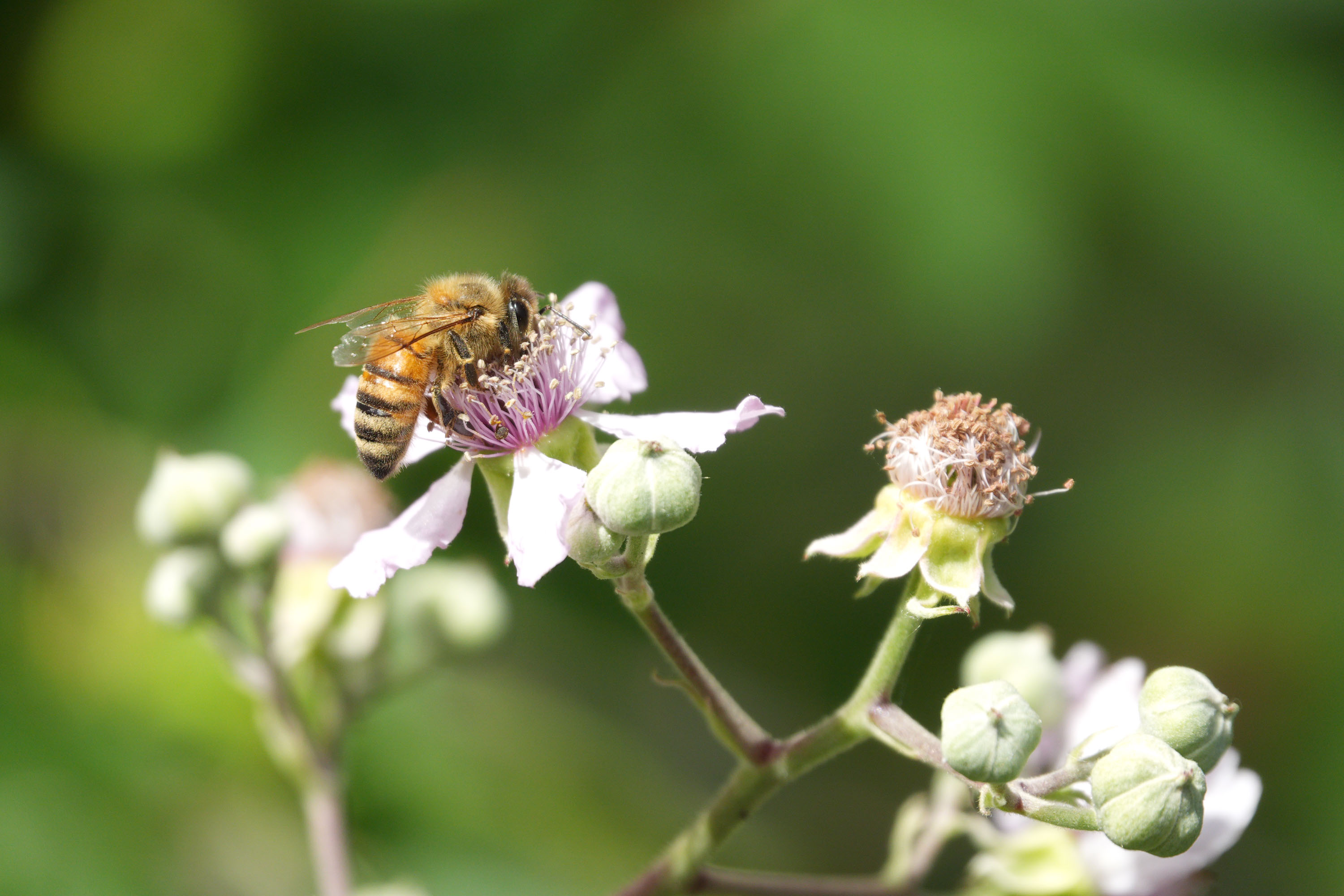
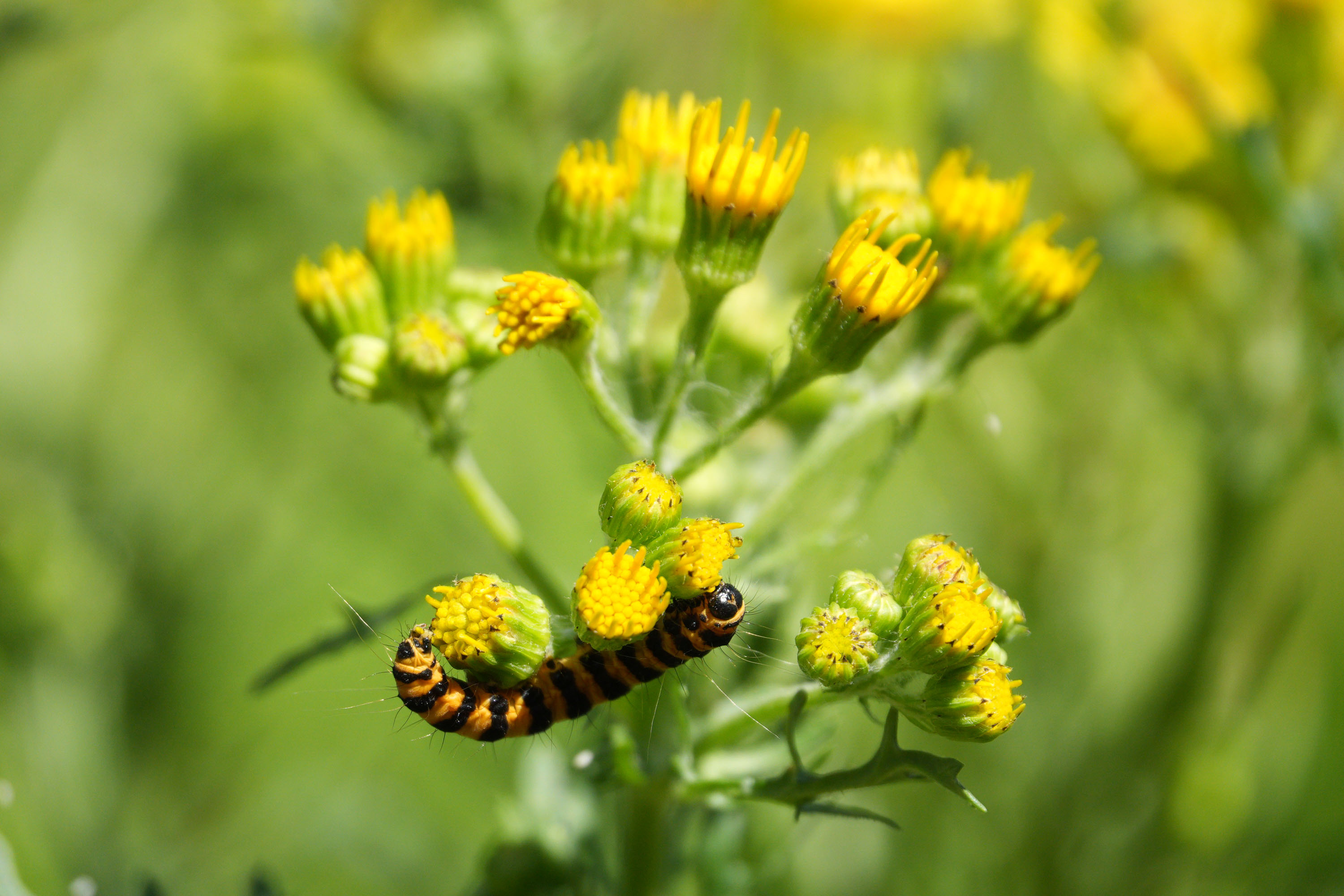
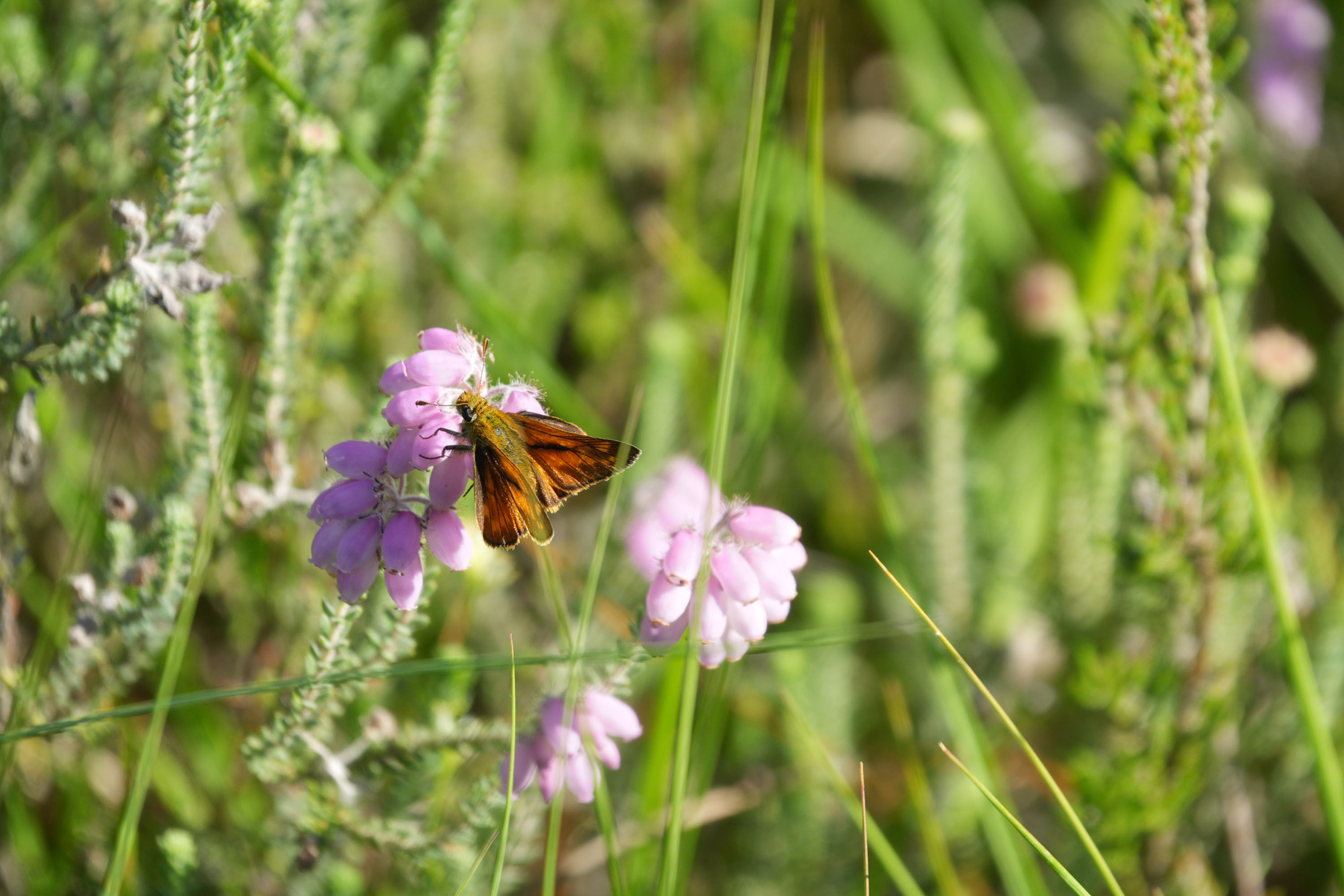
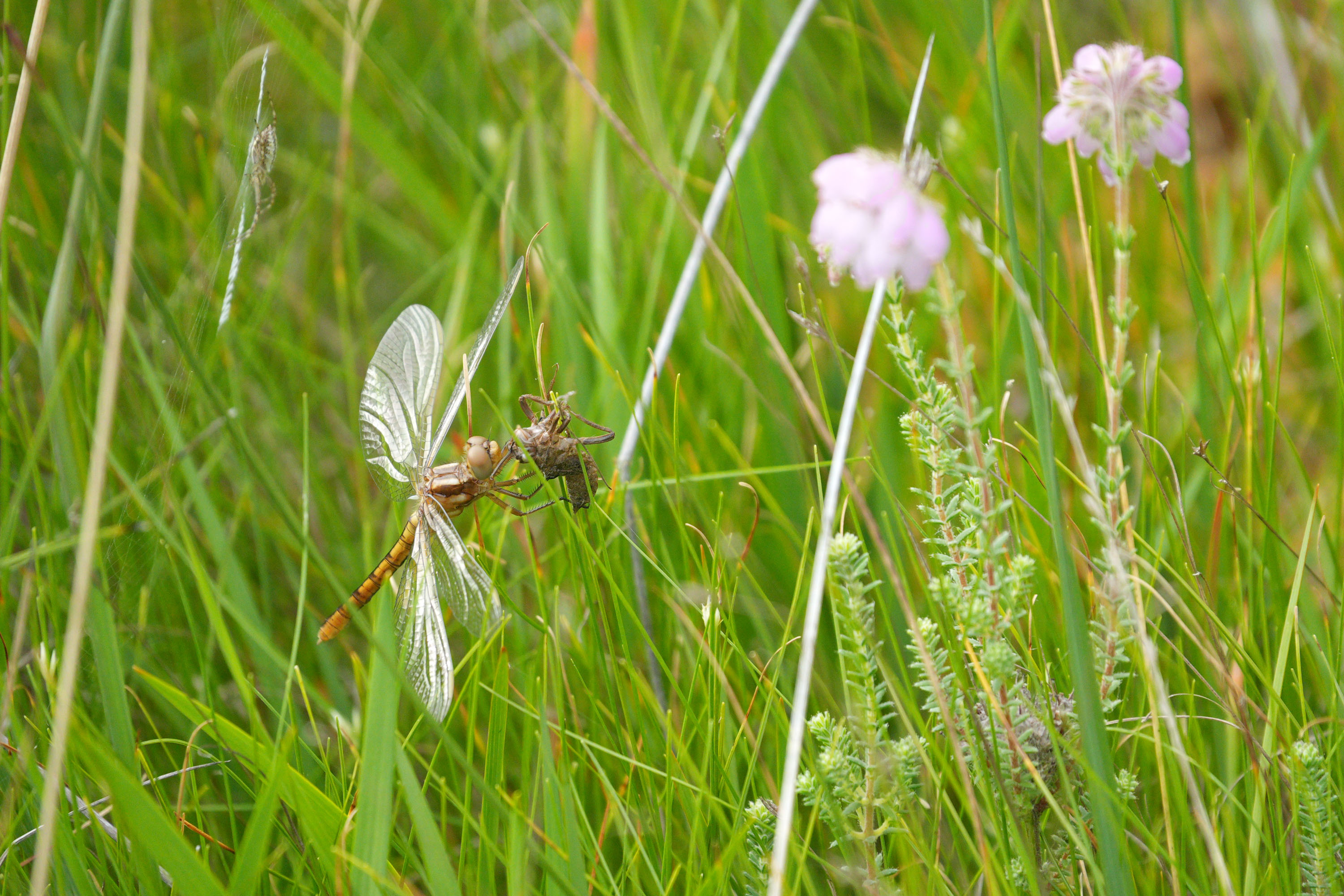
The RX10 V gained a recommended award in my in-depth review. I was able to bag some impressive sample photos, including macro closeups of insects and distant birdlife, thanks to the camera’s 0.49x maximum magnification and 600mm f/4 lens.

I also compared the RX10 V to the older Cyber-shot RX10 IV. It’s a solid upgrade where it matters most, but with a predictable price increase – $2,400 / £2,200 / AU$3,500 – making it a premium pick.

In the process, I got thinking about the RX10 V's performance, especially when using its telephoto settings, and what alternatives there are for the same money — after all, some of Sony's older full-frame mirrorless cameras cost less. Can the RX10 rival a Sony full-frame mirrorless camera with telephoto lens?

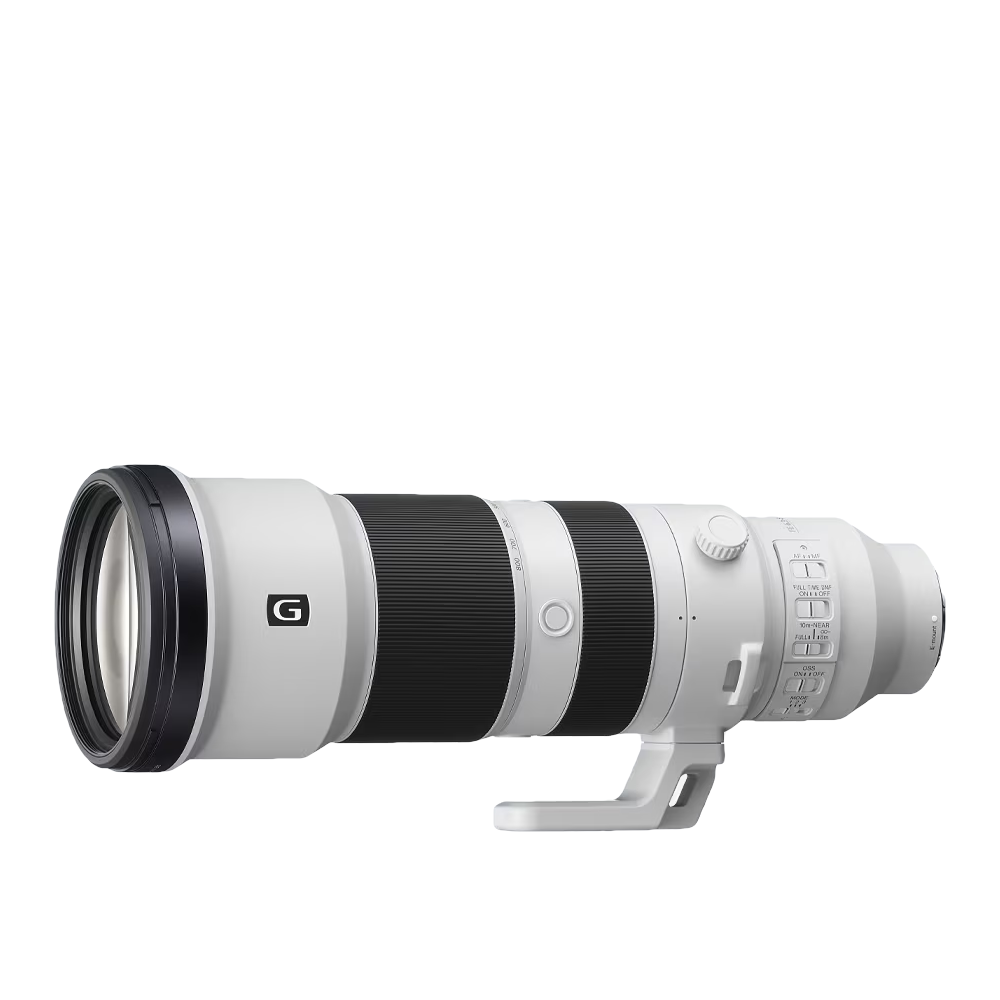
One similarly priced alternative is Sony’s longest lens, the FE 400-800mm F6.3-8 OSS — at least if you already own a Sony Alpha camera to pair it with. Can the RX10 V compete?

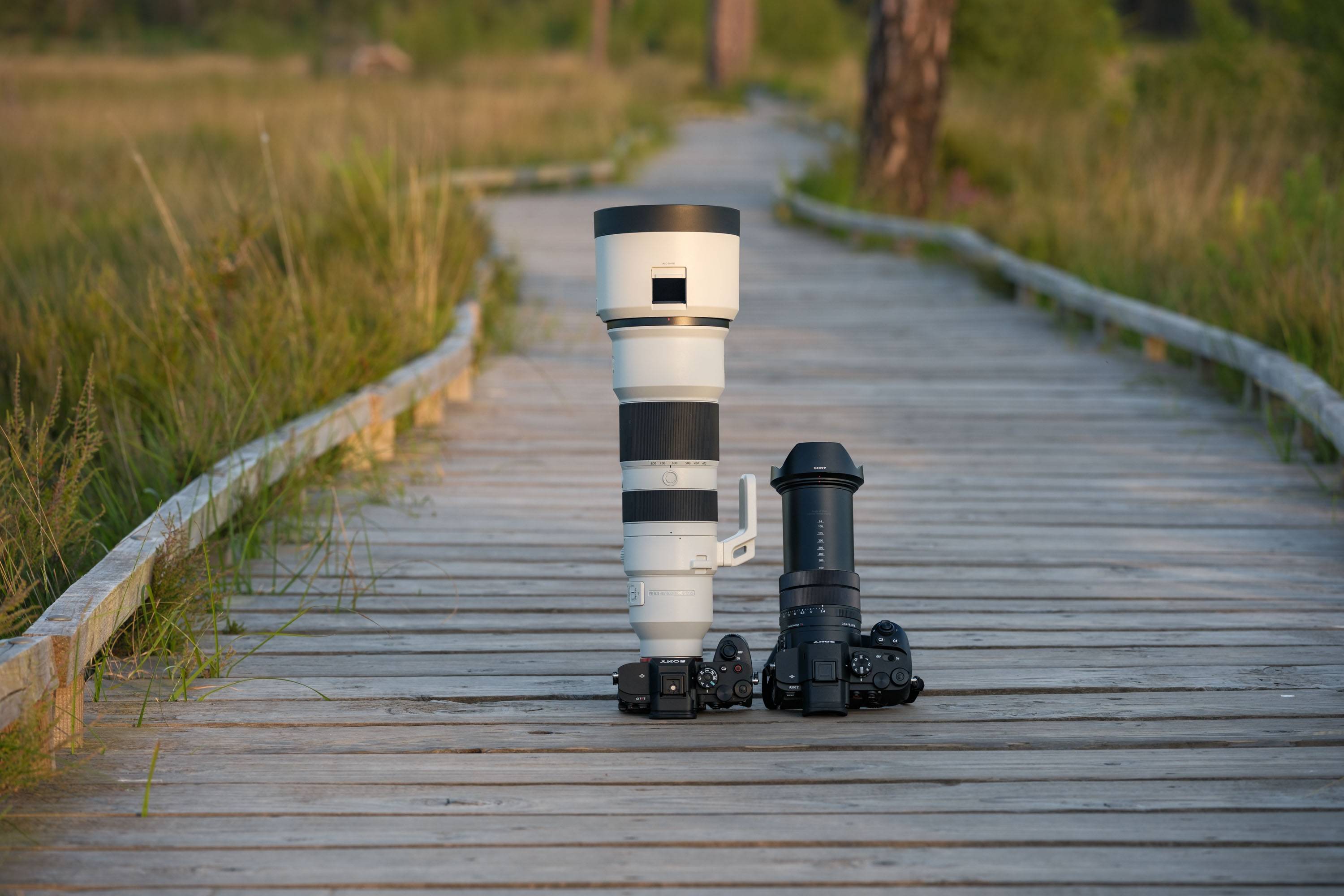
I took the Sony RX10 V and the Sony 400-800mm lens attached to a pro A7R V mirrorless camera to my local nature reserve for a bird-photography shoot, and the following is my honest reflection on the experience.

Size and weight

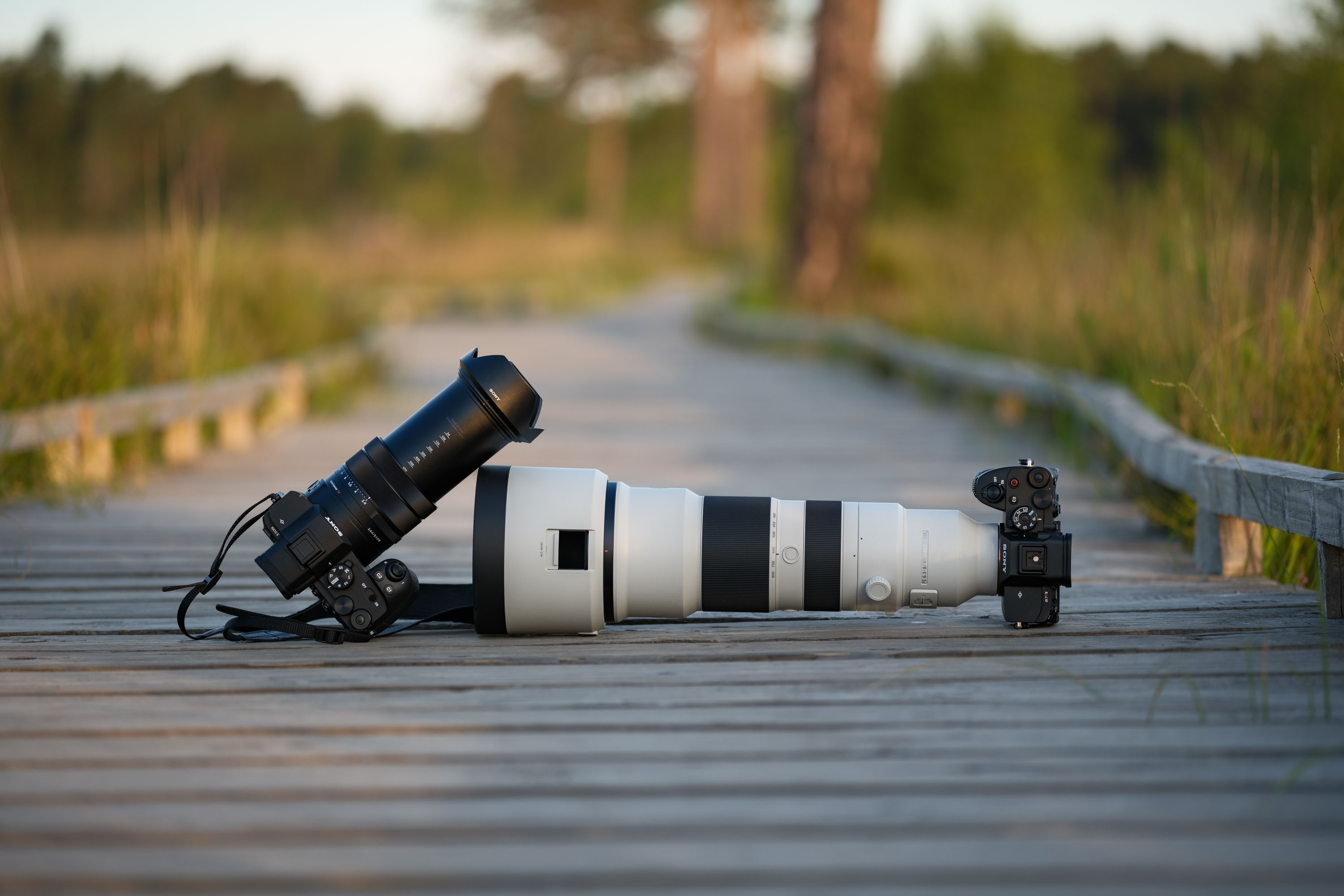
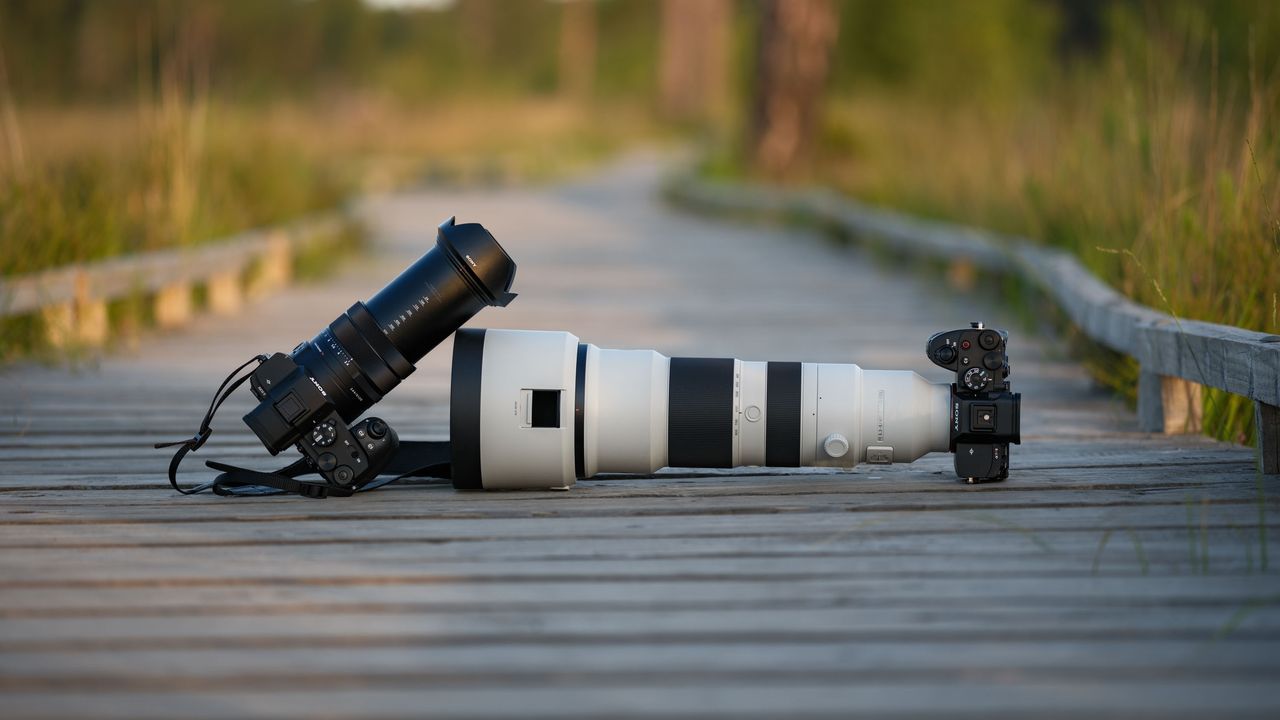
Sony RX10 V bridge camera alongside Sony 400-800mm lens attached to an A7R V on a boardwalk in a nature reserve at golden hour
Tim Coleman
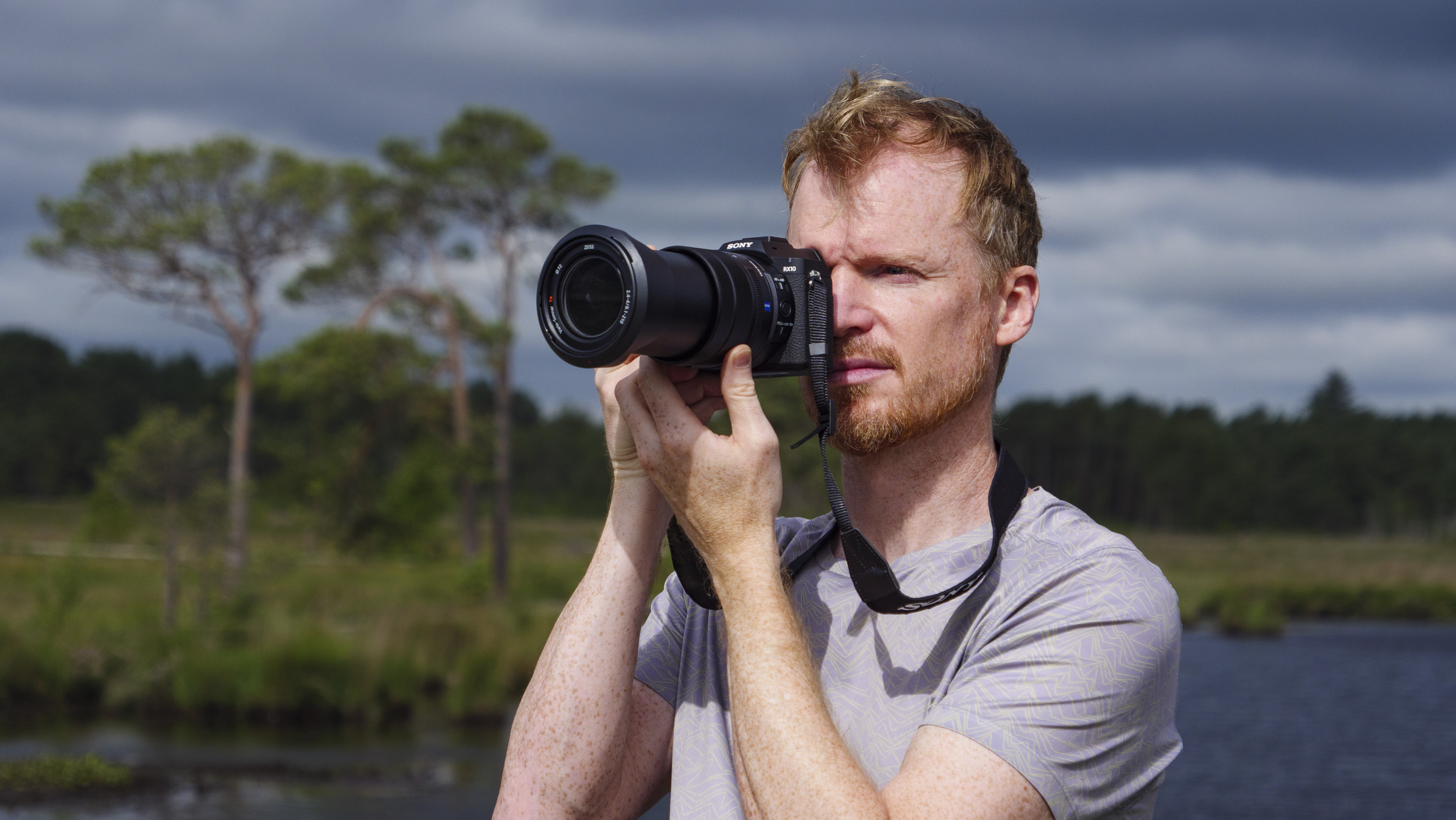
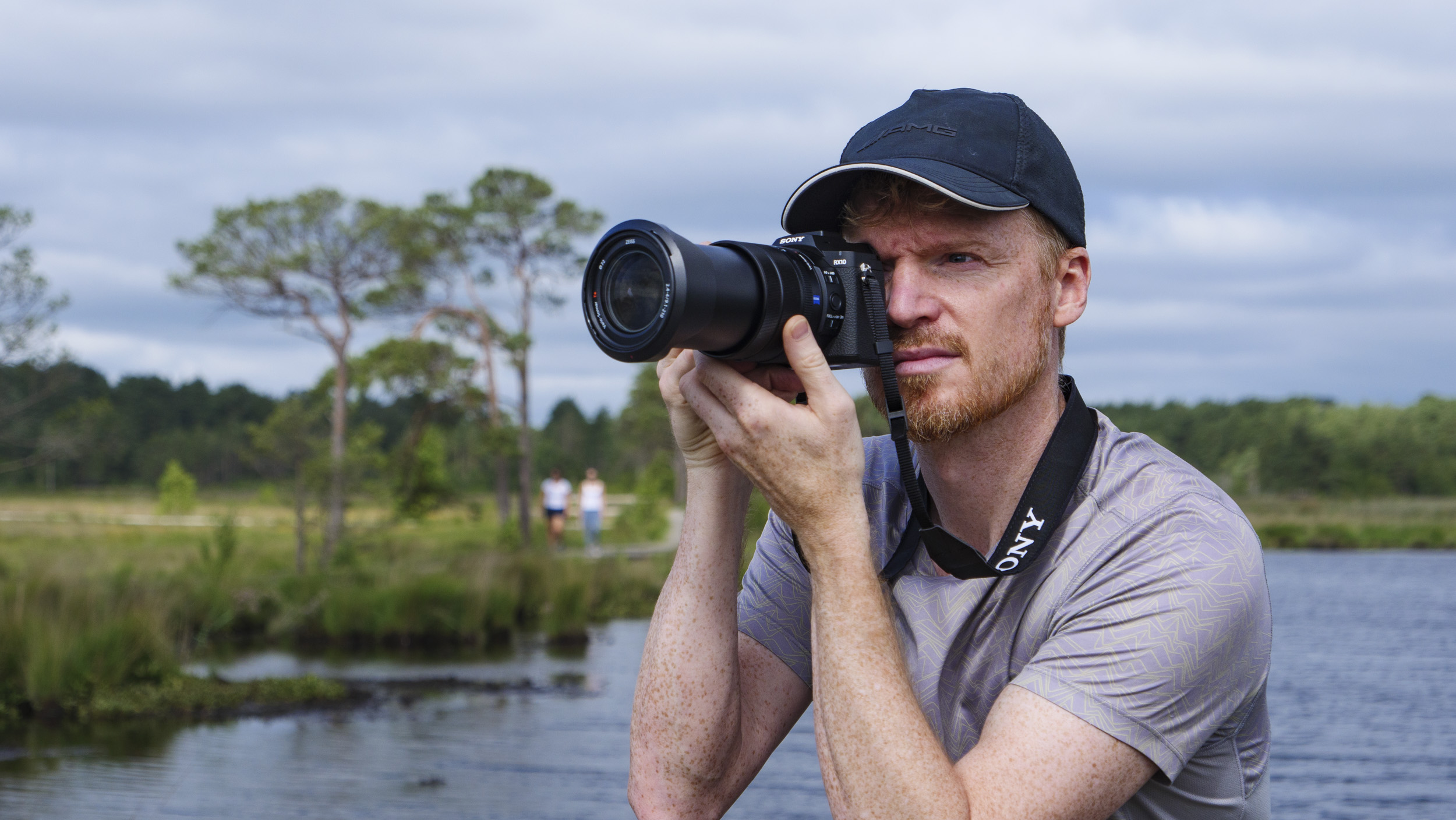
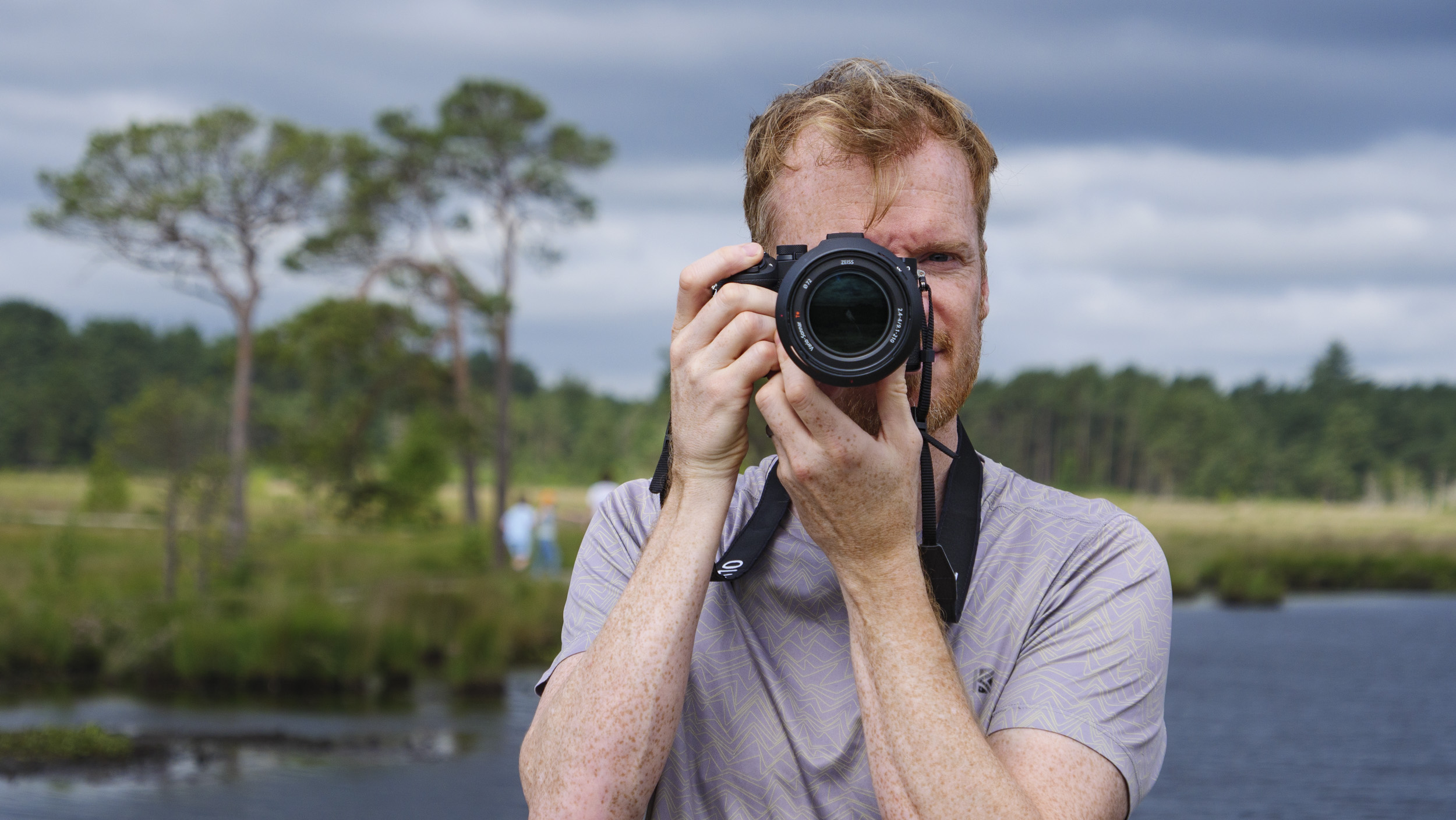
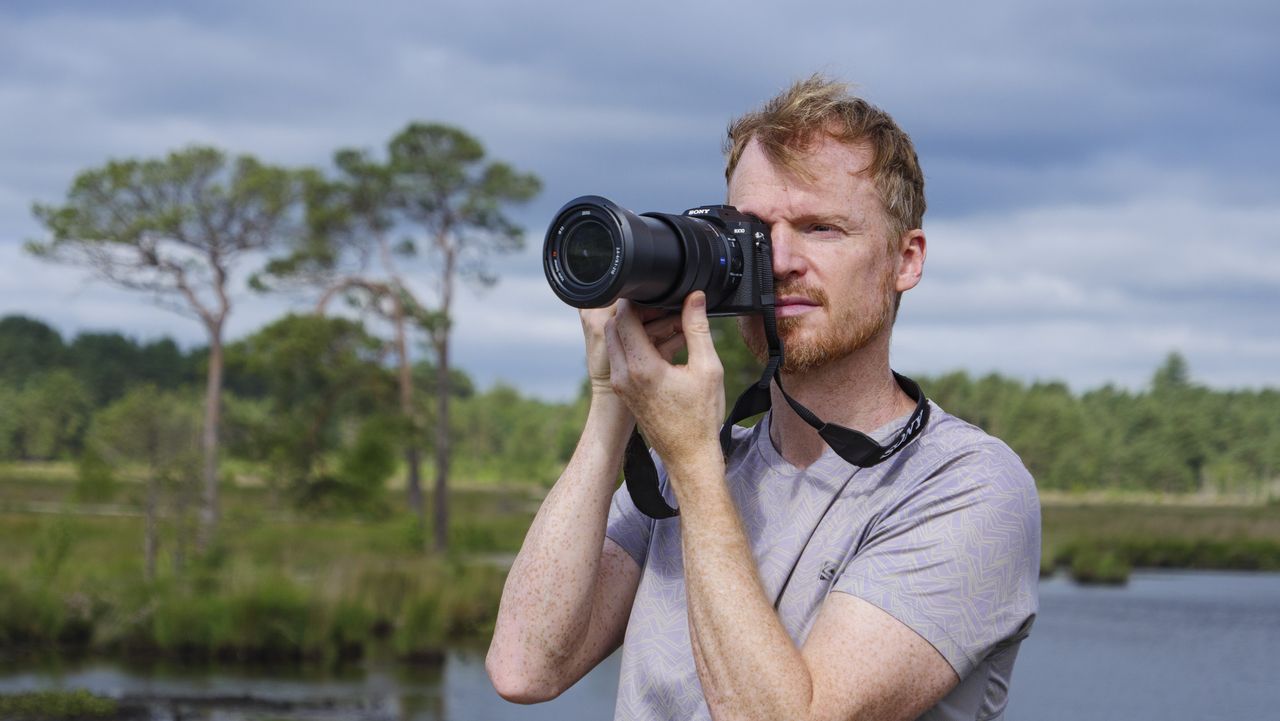
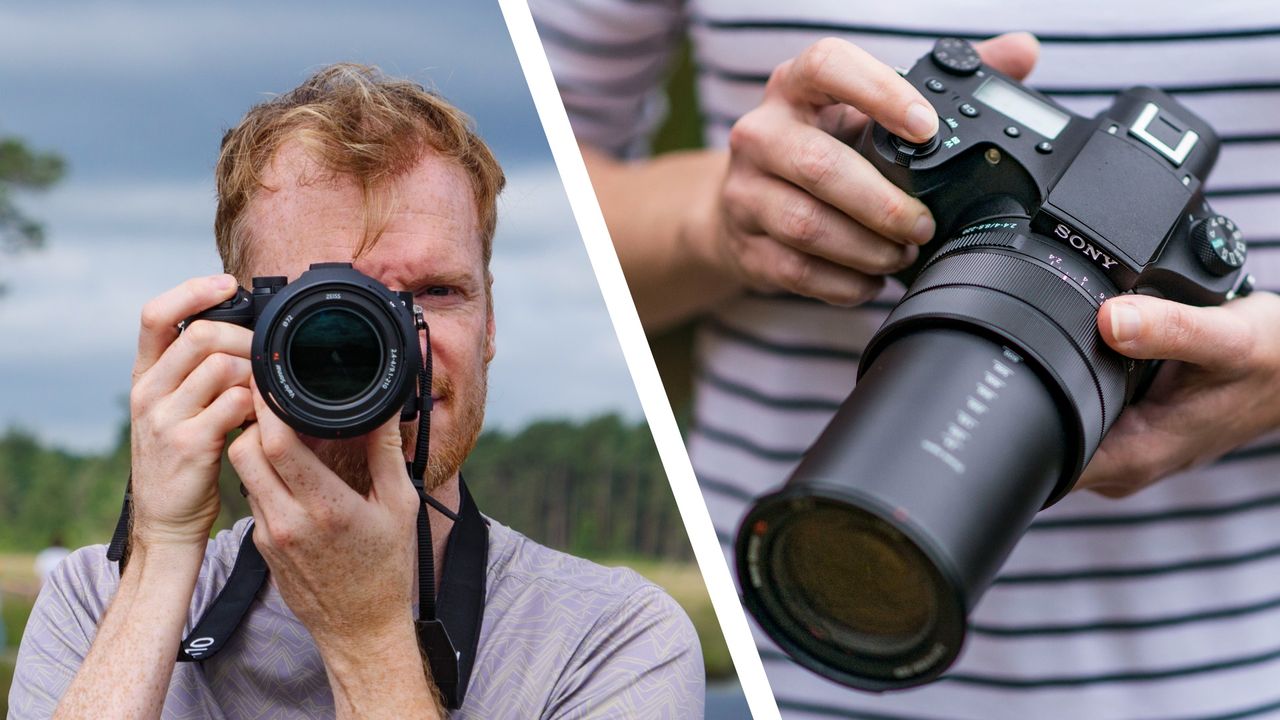
Photographer and tech journalist Tim Coleman holding the Sony RX10 V bridge camera up to his eye in a nature reserve, with dramatic clouds behind him
Tim Coleman
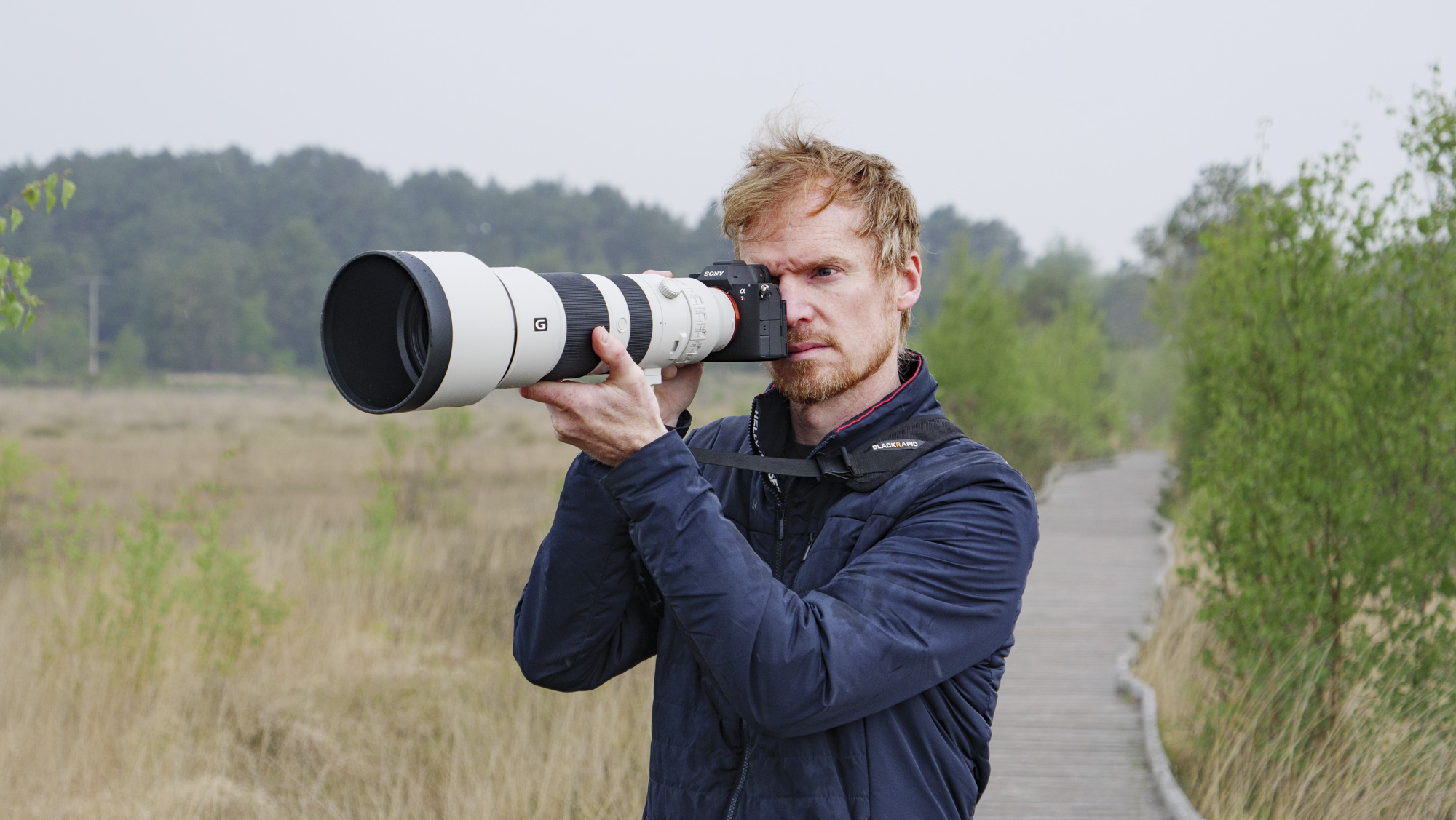
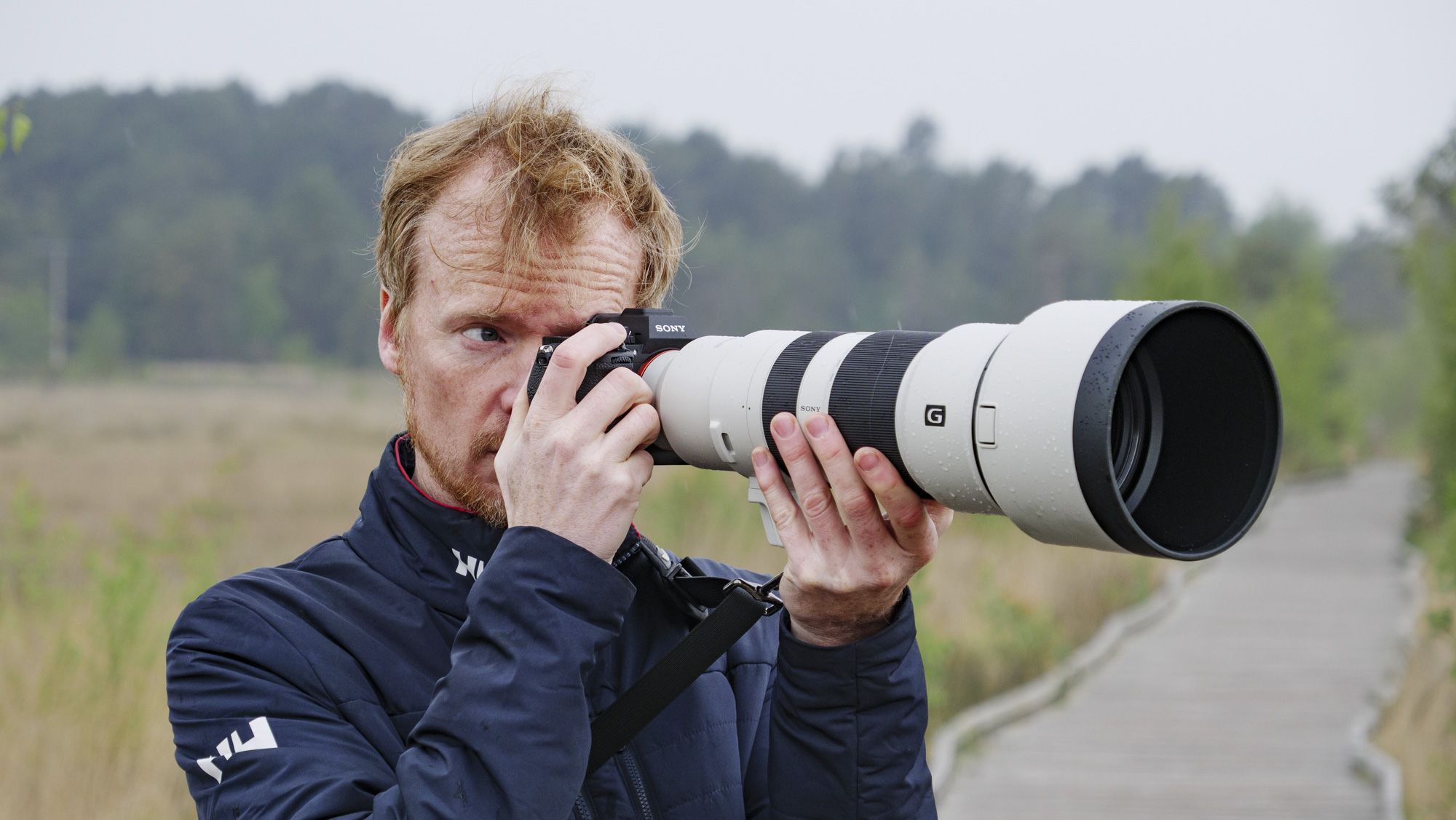
Man holding the Sony A7R VI up to his eye with the FE 400-800mm F6.3-8 G OSS supertelephoto zoom lens attached, he's standing on a boardwalk in a nature reserve
I have previously used the 400-800mm lens with Sony's A7R VI, the successor to the A7R VTim Coleman

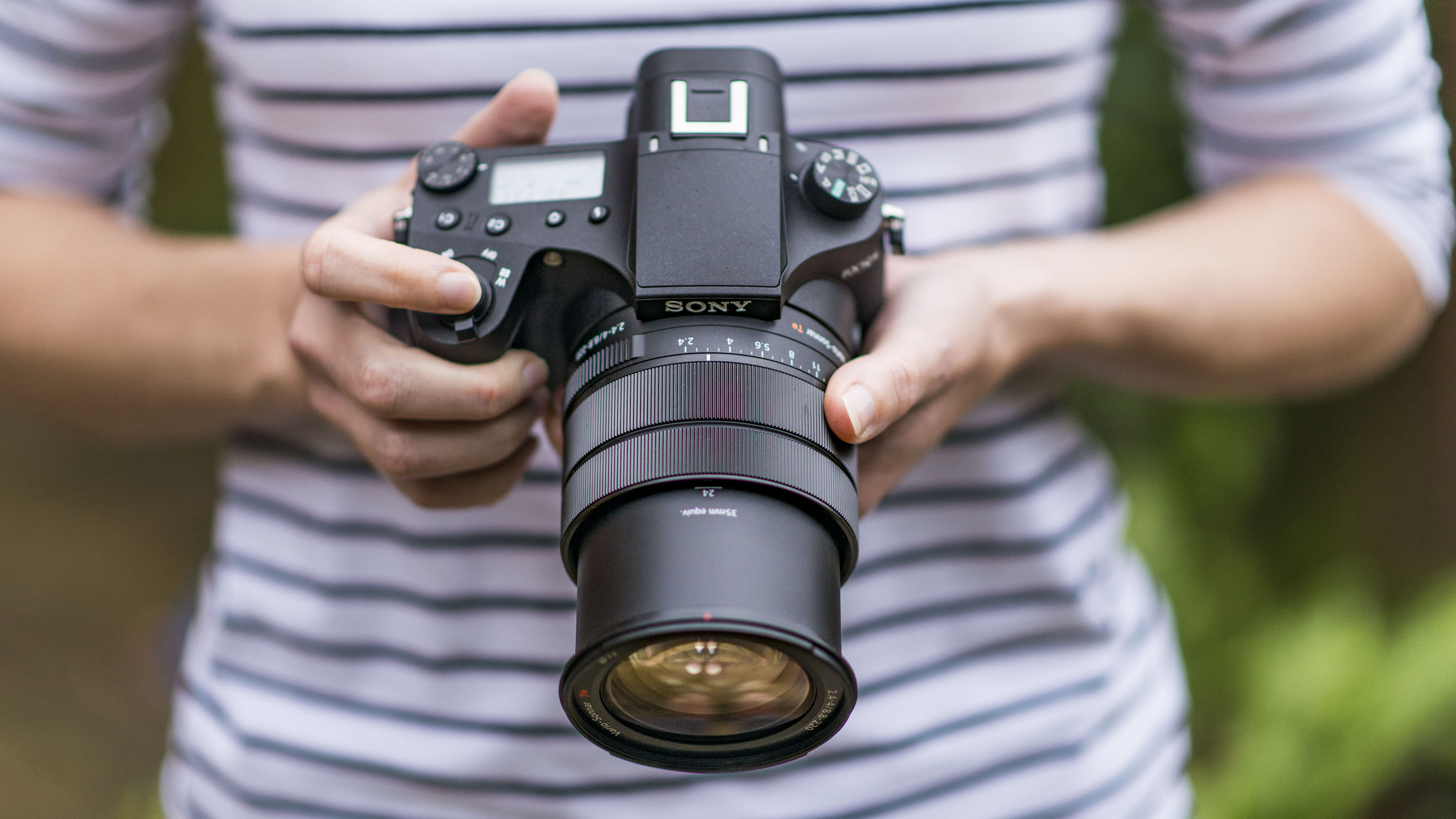
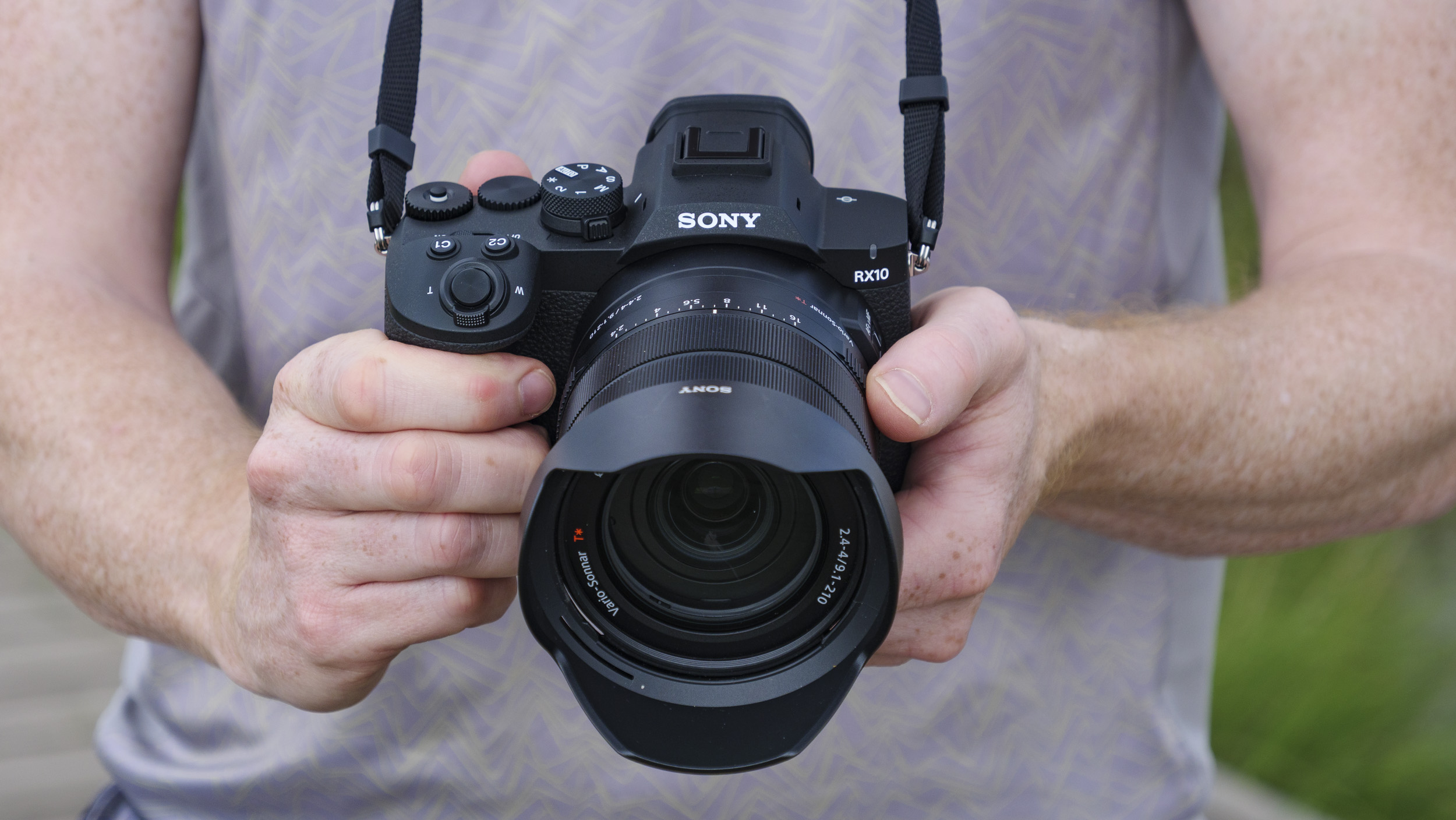
Let's begin with how each setup is in use. As you can see in the images above, there is a big difference in size and, therefore, weight.

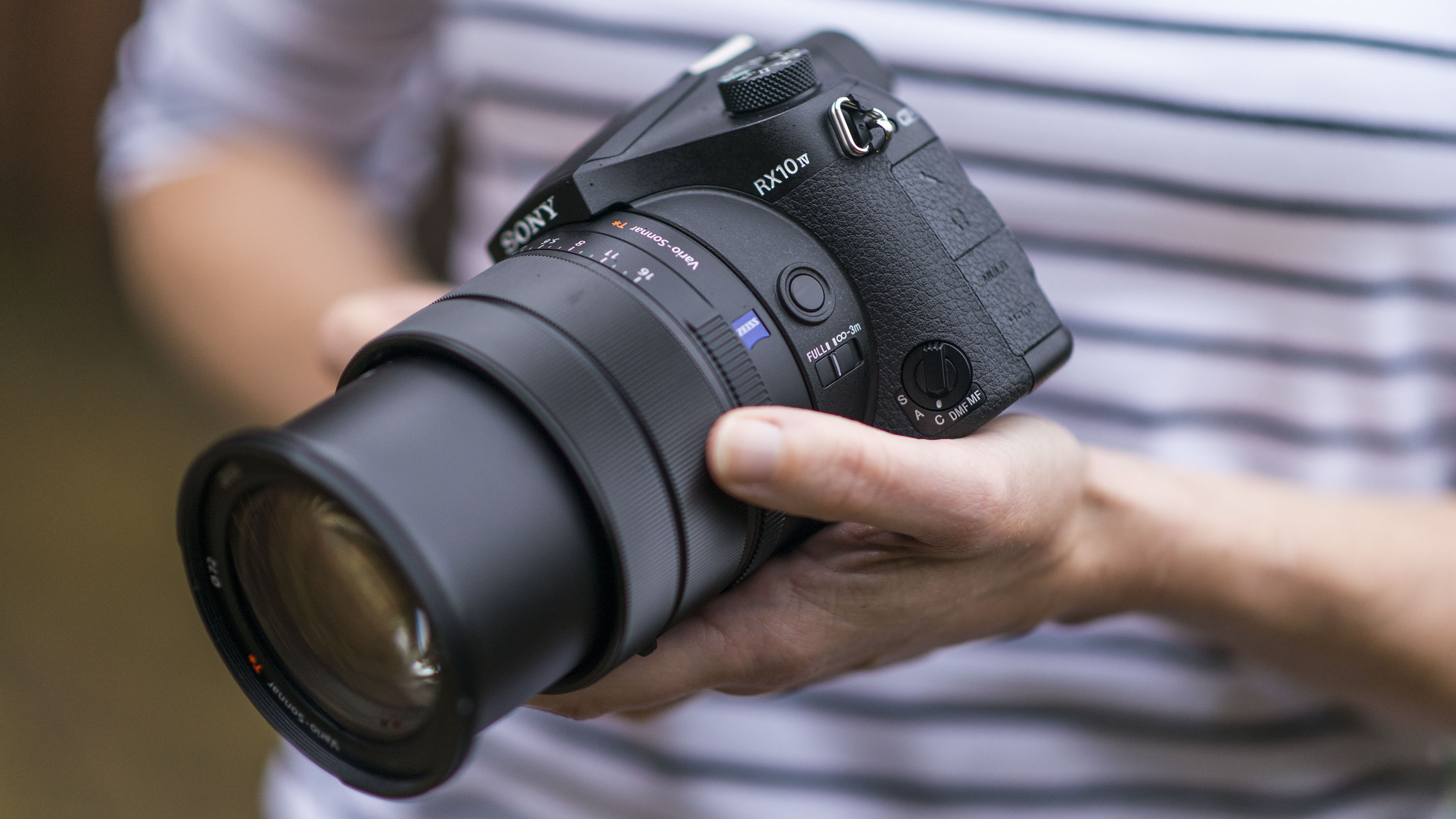
The RX10 V is hardly compact, but when you compare it to a Sony full-frame mirrorless camera with telephoto lens like the 400-800mm, or alternatives that reach the same 600mm focal length as the RX10 V, such as the Sigma 150-600mm F5-6.3, it is positively tiny. It very much feels like an Alpha camera, with excellent ergonomics and a decent control layout.

It's also a much lighter all-in-one camera, weighing 1,111g. Compare that with the combined weight of the A7R V (723g) and the 400-800mm lens (2,475g)at 3,198g – approximately three times the weight. And the Sigma lens is just a fraction lighter than Sony's lens.

For casual travel photography, the RX10 V is an excellent pick, with its ability to capture everything from landscapes to macro and distant wildlife subjects. You'll need to be much more serious and focused about wildlife photography to lug around the mirrorless body and 400-800mm lens.

Viewfinder and LCD

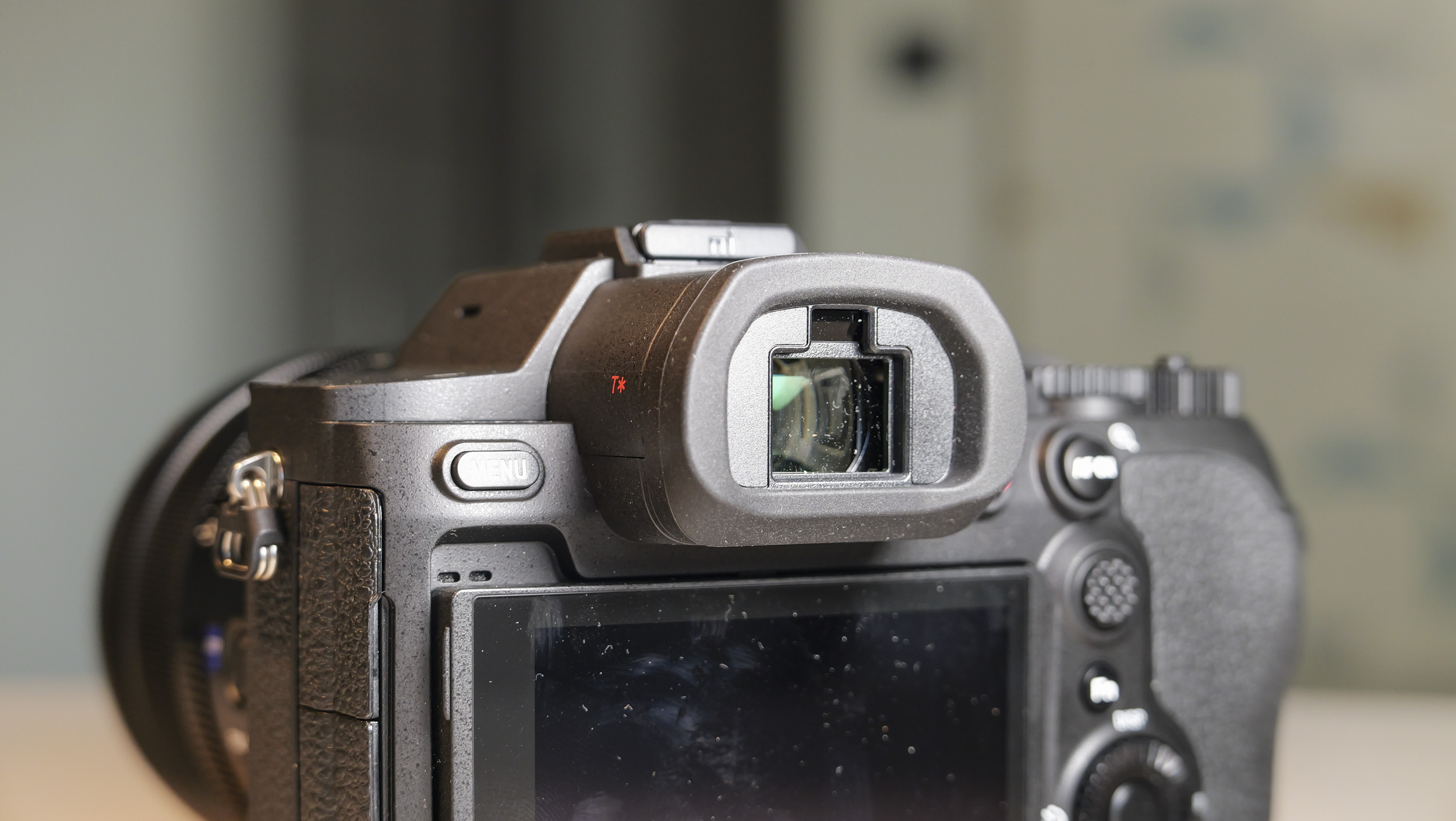
The Sony RX10 V bridge camera on a white table with a patterned wallpaper background, closeup of its viewfinder
The RX10 V has a higher-specced, larger and more pronounced viewfinder than the Cyber-shot RX10 IVTim Coleman
Photographer and tech journalist Tim Coleman holding the Sony RX10 V bridge camera up to his eye in a nature reserve, with dramatic clouds behind him
Tim Coleman
Man holding the Sony A7R VI up to his eye with the FE 400-800mm F6.3-8 G OSS supertelephoto zoom lens attached, he's standing on a boardwalk in a nature reserve
However the viewfinder in the A7R V is even betterTim Coleman

For telephoto wildlife photography, I find a viewfinder invaluable for composing shots and ensuring autofocus is on the money, so how do the displays compare?

The RX10 V's viewfinder is bigger and more detailed than the Cyber-shot RX10 IV's — it's a 0.5-inch 3.68m-dot display. However, the A7R V's viewfinder is in another league altogether, measuring 0.64 inches and being a brighter 9.44m-dot unit with 0.9x magnification. Put simply, it's way more immersive. However, there's less of a difference in viewfinder quality with an older, similarly priced Sony mirrorless camera, such as the A7 IV.

I was less concerned about the LCD displays for this comparison, but in case you'd like to know, the RX10 V has a 3-inch tilt touchscreen, while cameras at the RX10 V price point and above typically have a multi-angle display.

Autofocus

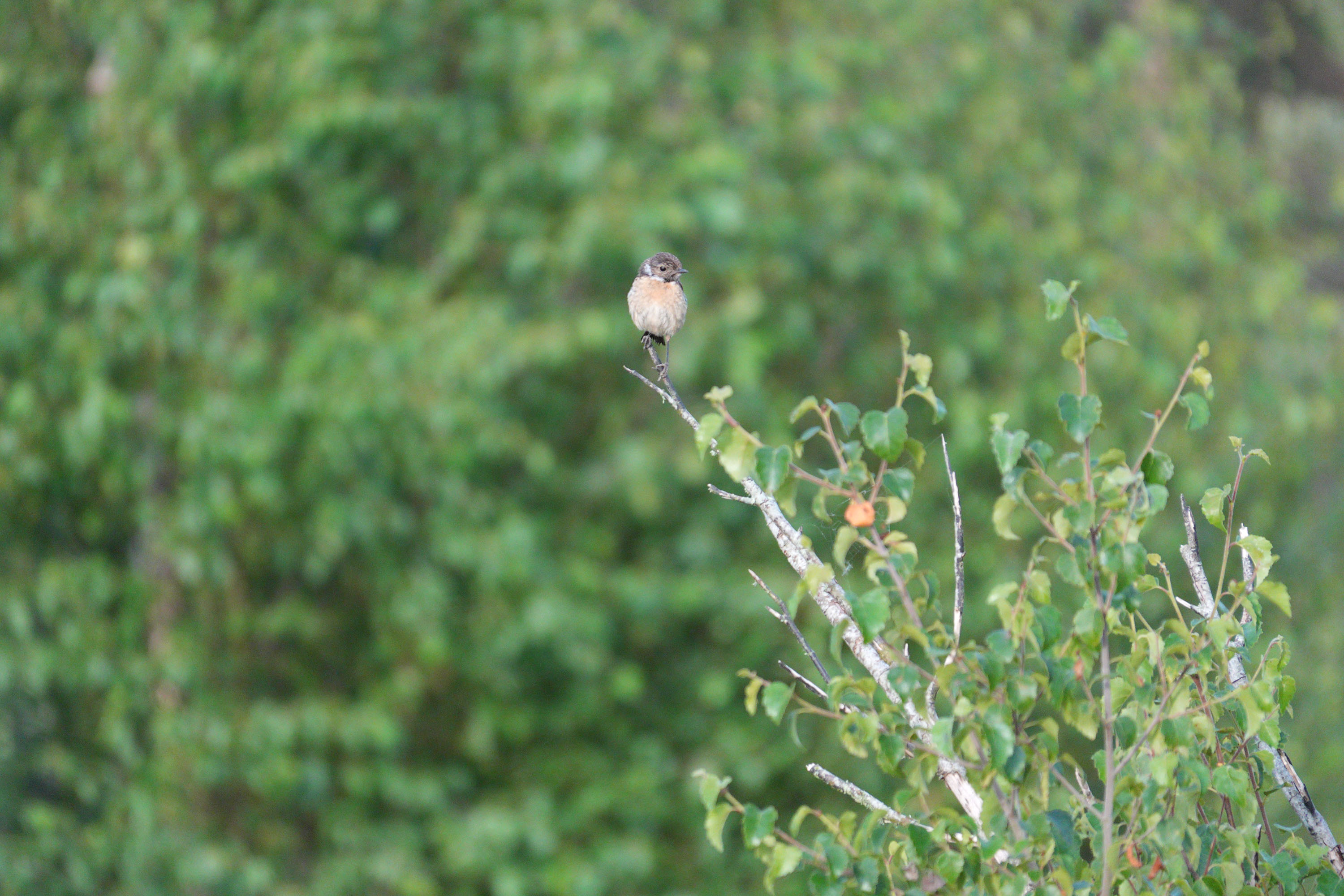
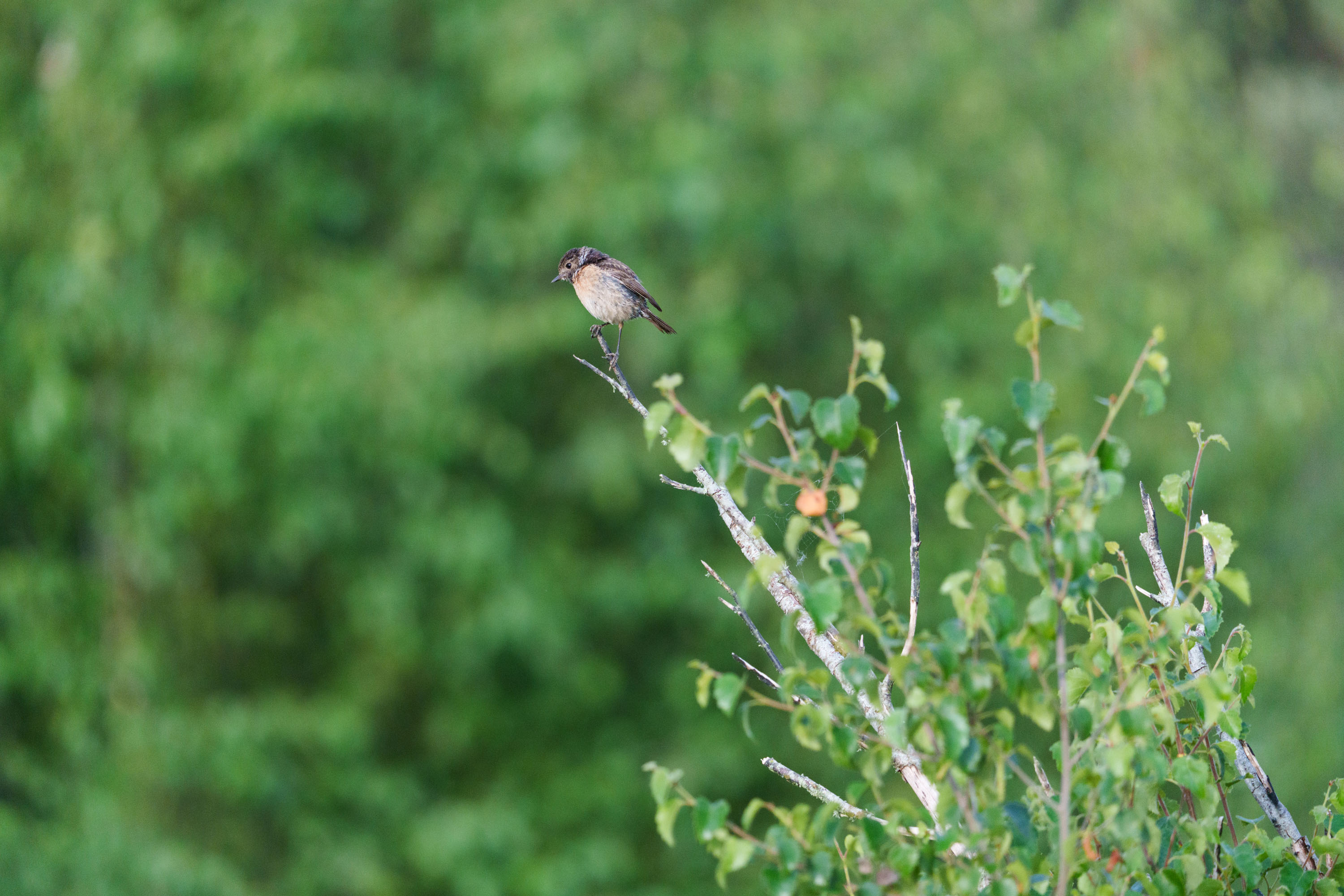
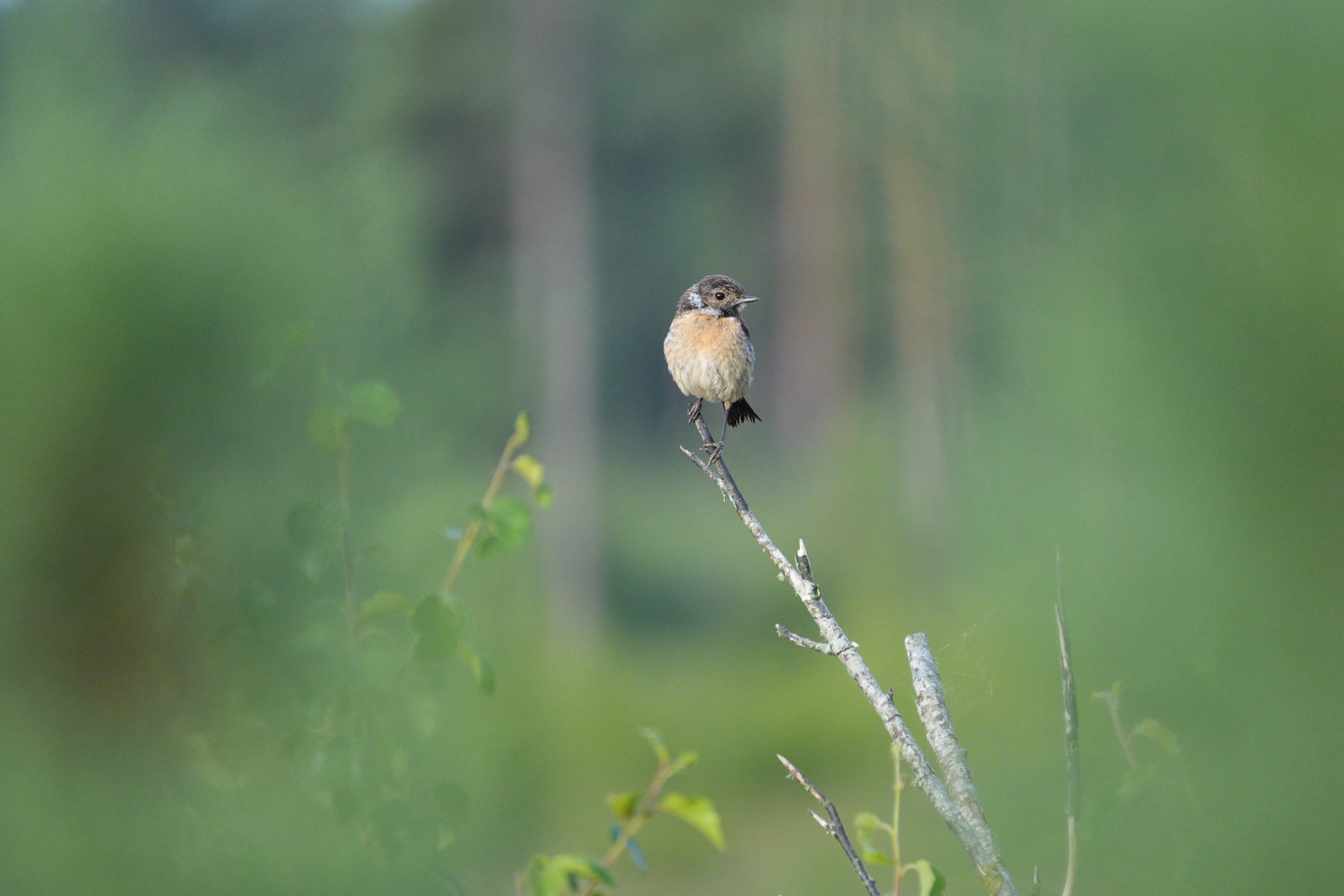
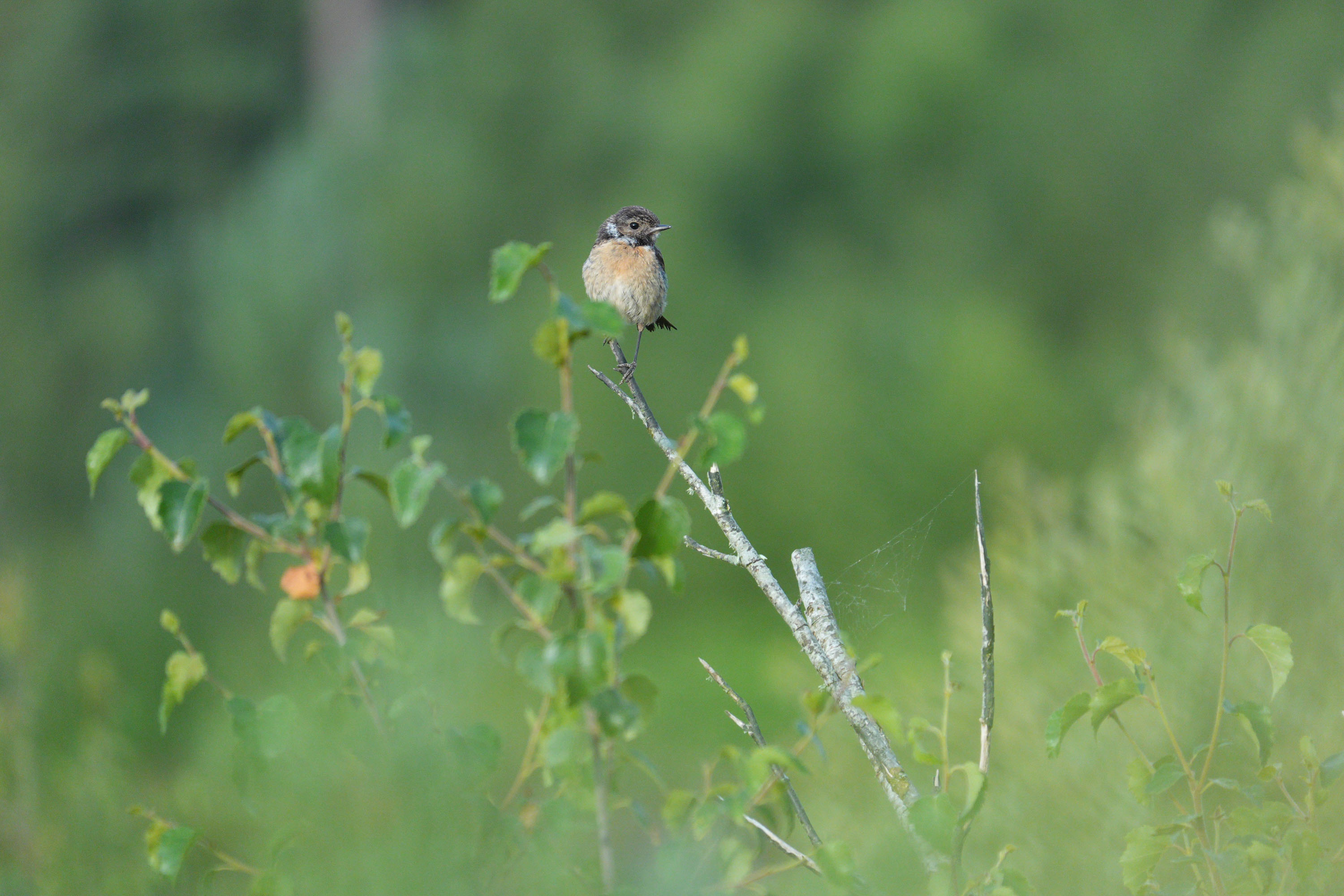
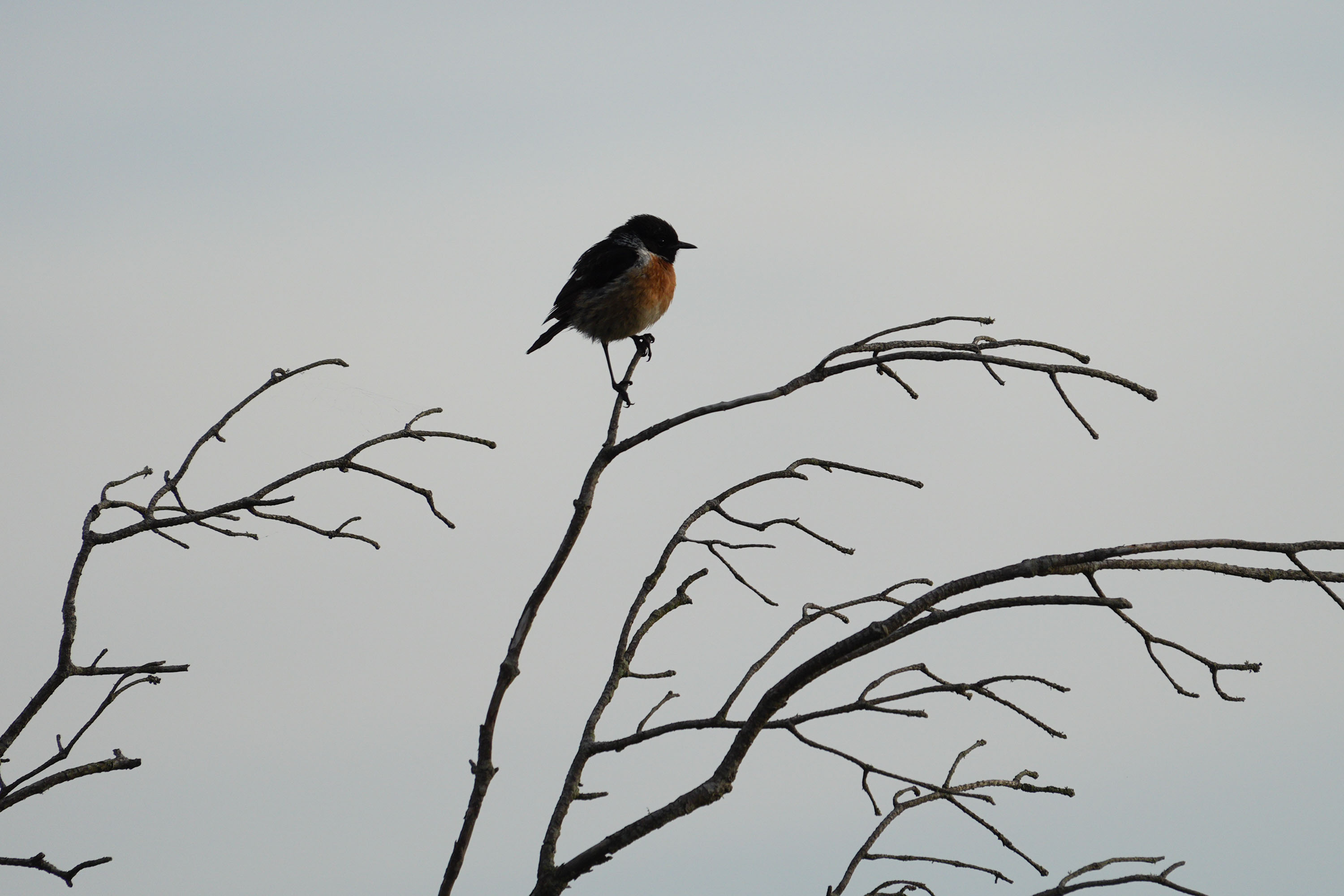
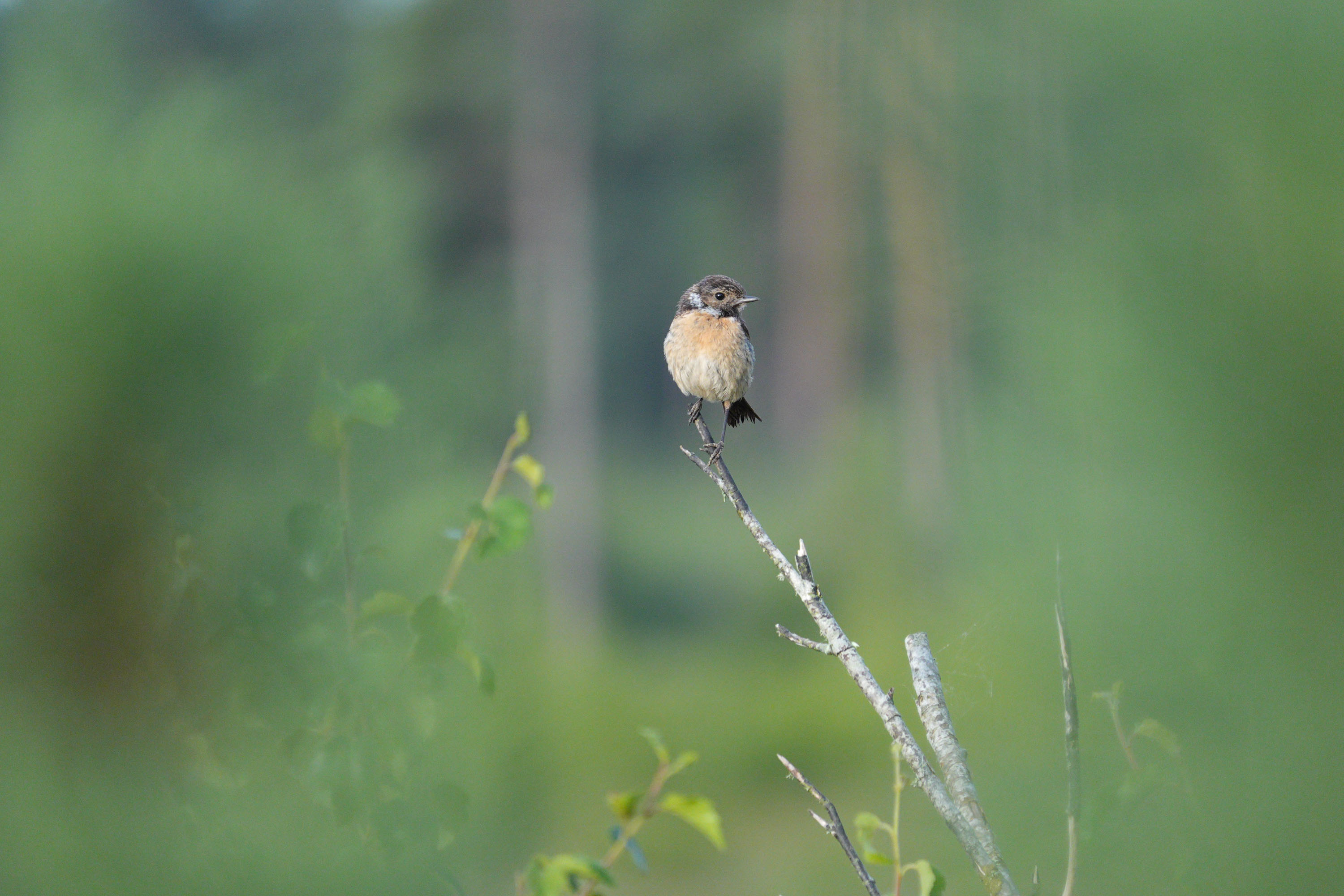
A stonechat perched on a branch in a nature reserve, photographed with a supertelephoto lens of a Sony camera
Tiny subject? No problem, the RX10 V was able to latch onto this stonechat when I used its bird detection autofocusTim Coleman
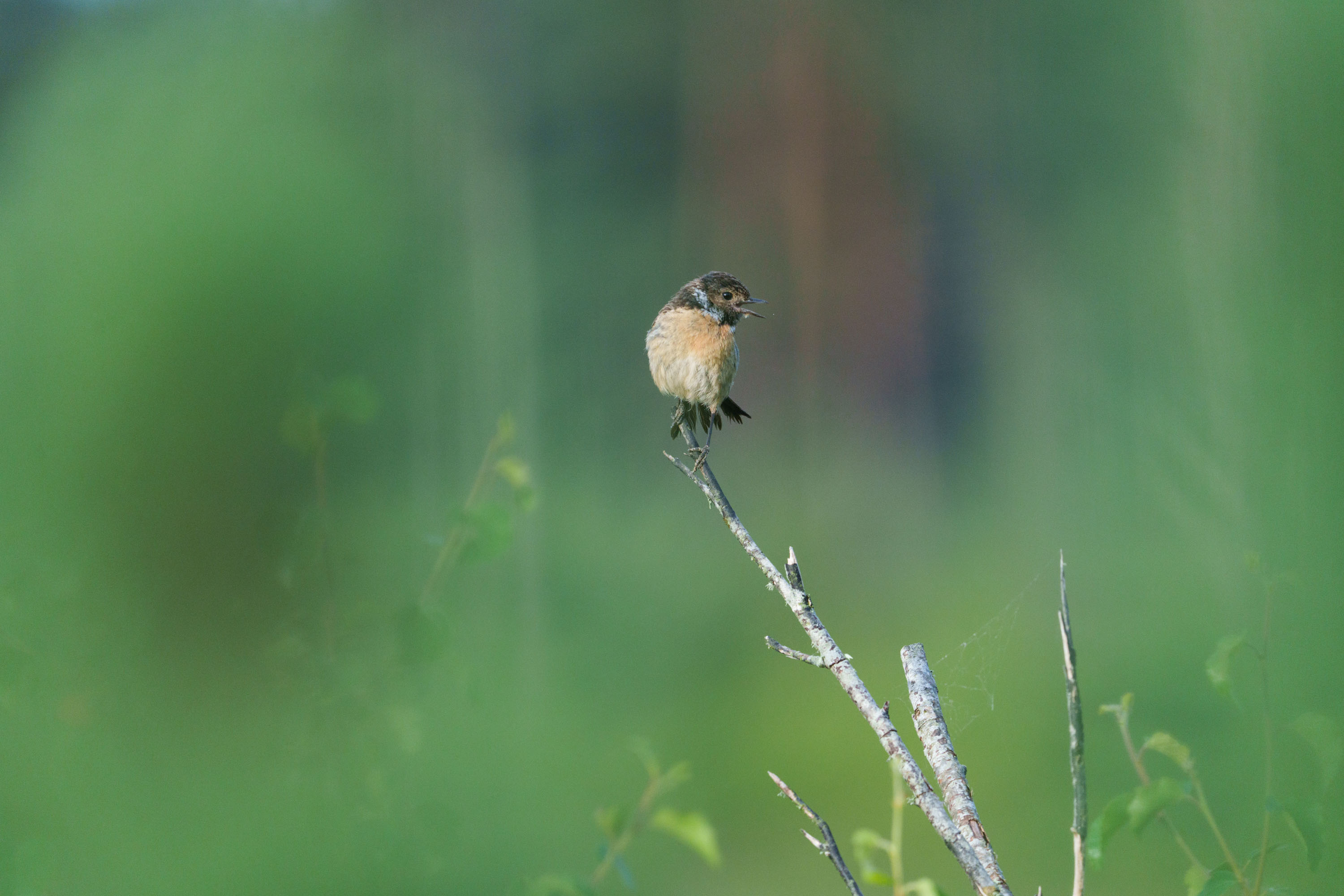
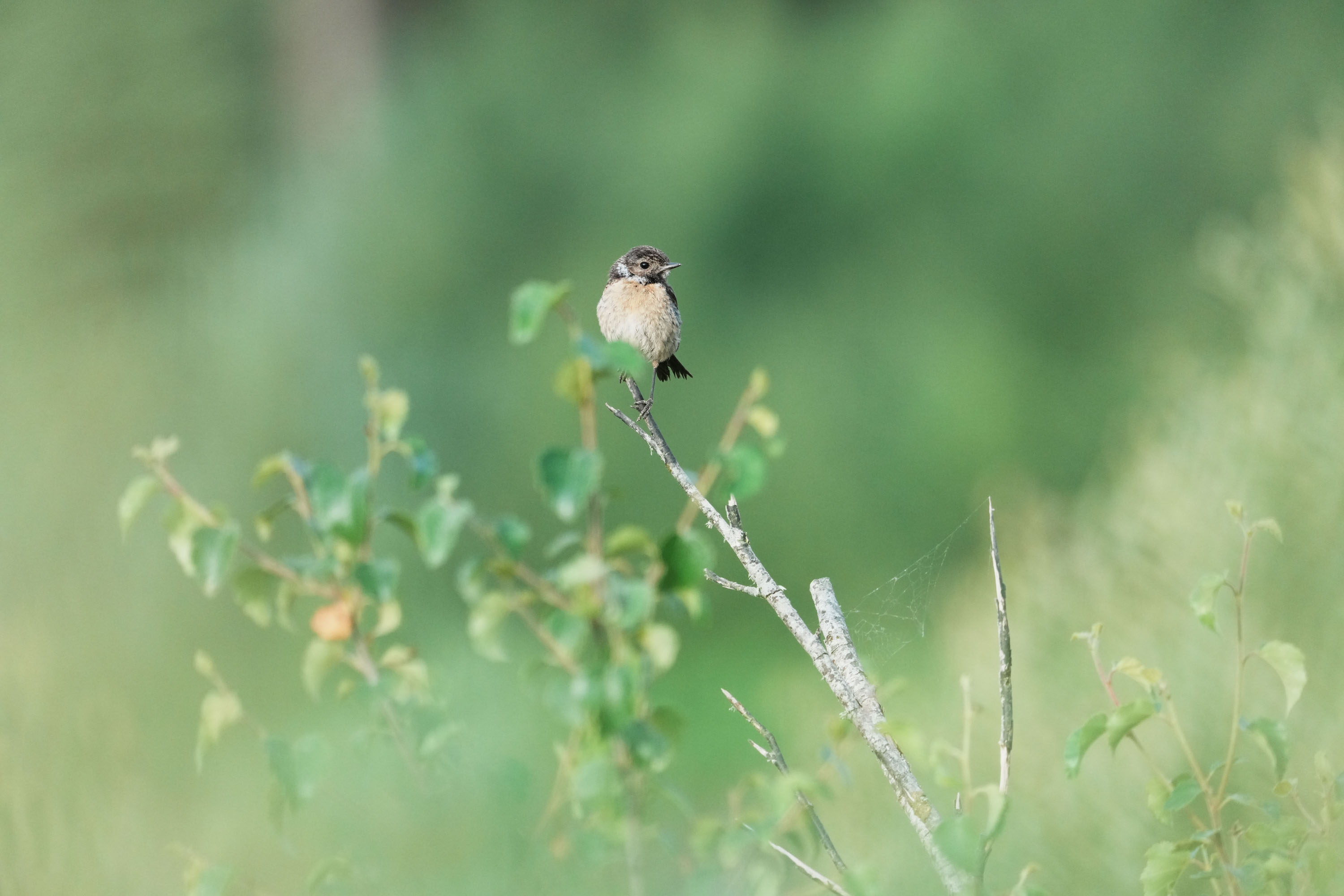
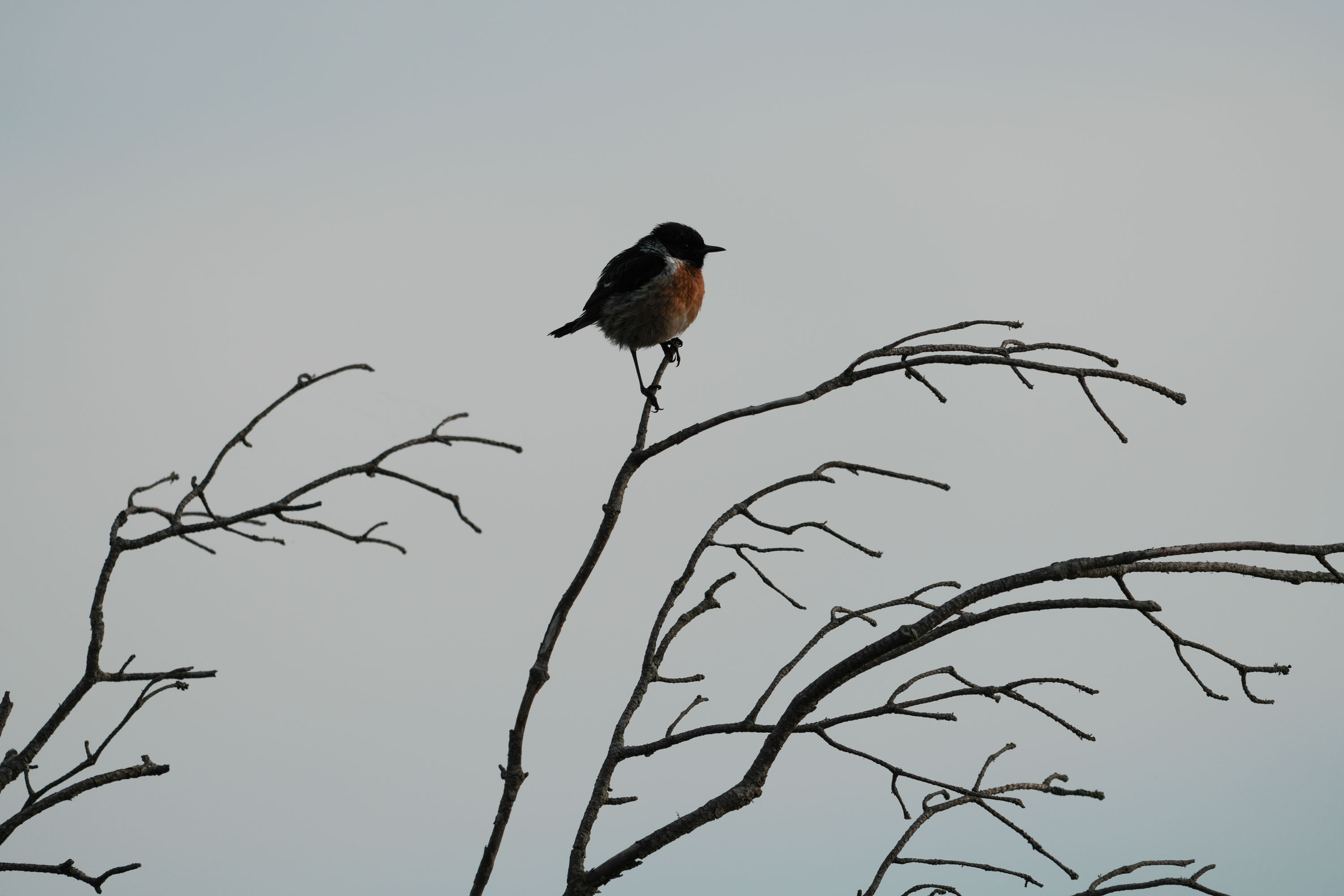
Stonechat perched on a branch in a nature reserve, shot with Sony telephoto lens
The same shot with the A7R V and 400-800mm lens set to 600mm. See how the background is dreamier in the mirrorless camera shot, despite me using a smaller apertureTim Coleman

I was majorly impressed with the RX10 V's autofocus skills. After all, it inherits the Bionz XR processor and AI chip with real-time subject detection autofocus from the recent Sony A7 V.

Bird detection autofocus was on the money, even when the isolated subjects were only taking up a small portion of the frame. It takes a little experimentation to figure out which autofocus area option yields the best results in any given situation, but with the right subject detection tracking and the best AF area option selected, you'll struggle to find more reliable autofocus performance in another camera.

I can safely say that autofocus performance is an attribute where the RX10 V matches mirrorless camera capabilities.

Burst shooting

Sony RX10 V bridge camera sample gallery, a bird in flight in a nature reserve
RX10 V photos made possible with the high-speed burst shooting drive modeTim Coleman
Sony RX10 V bridge camera sample gallery, a bird in flight in a nature reserve
Tim Coleman

The numbers for the RX10 V are impressive: up to 30fps using the electronic shutter, or 10fps with the mechanical shutter. It also has the option for an instant speed boost from a slower rate to the max 30fps when the action strikes — a feature that can be assigned to one of the custom buttons.

I played around customizing various buttons for this feature, but annoyingly couldn't find one that felt like it was logically placed, whereas Sony's recent mirrorless bodies have a custom button on the front, to the side of the lens mount, which works best. I found the RX10 V button placement awkward for this memory-saving feature.

Neither camera had the pre-capture feature, which is super handy in wildlife photography for when your reactions aren't up to speed. Sony's pre-capture can buffer for up to a second before you fully press the shutter, say in the case of a bird taking flight. For the A7R V, the lack of pre-capture is understandable — the A9 III, which came later, was the first Sony camera to have this feature. However, for the RX10 V, it's unfortunate, since other recent Sony cameras, including the A1 II, A7V and A7R VI, have it, so it feels like an oversight.

Image quality

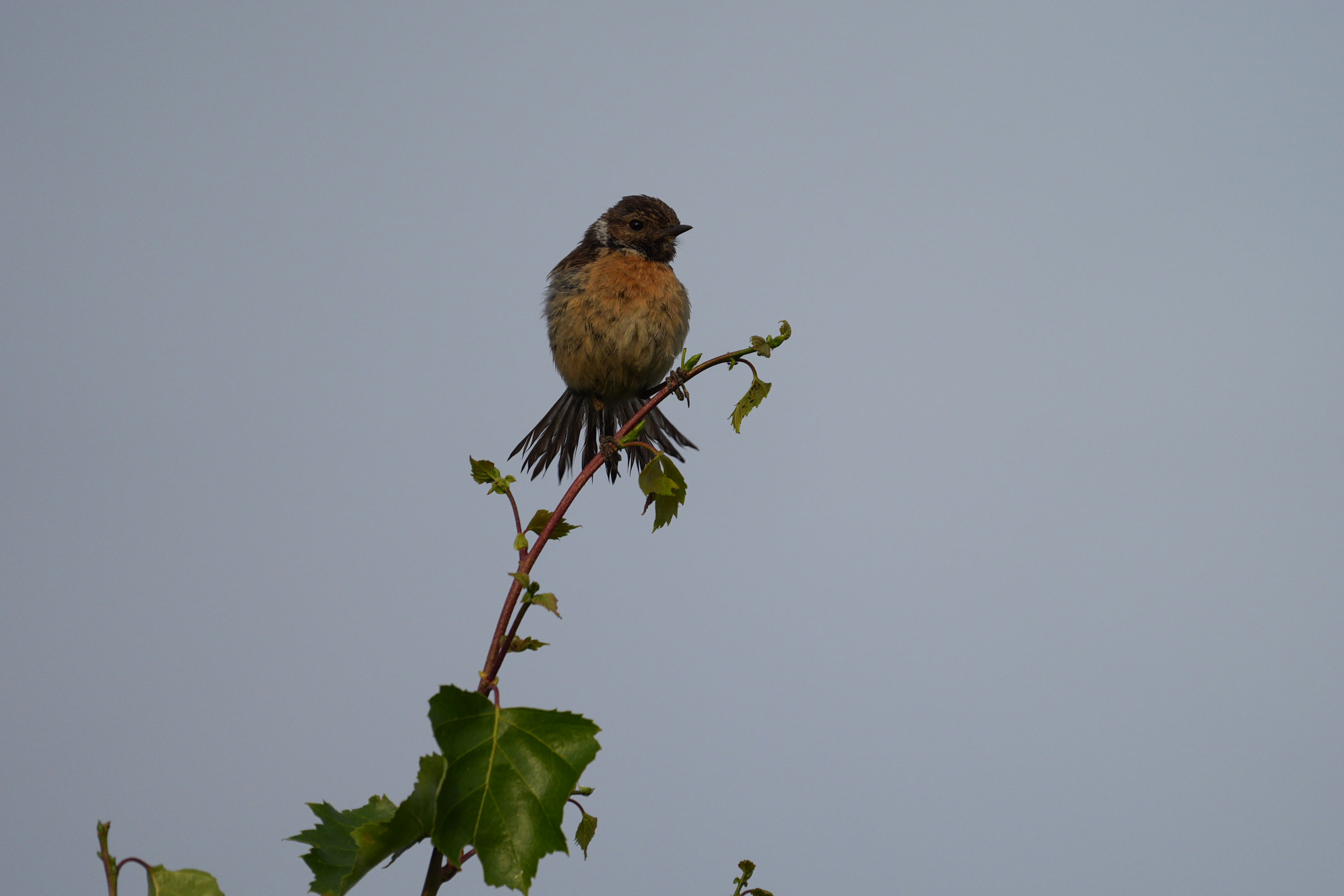
A stonechat perched on a branch in a nature reserve, photographed with a supertelephoto lens of a Sony camera
RX10 V at 600mmTim Coleman
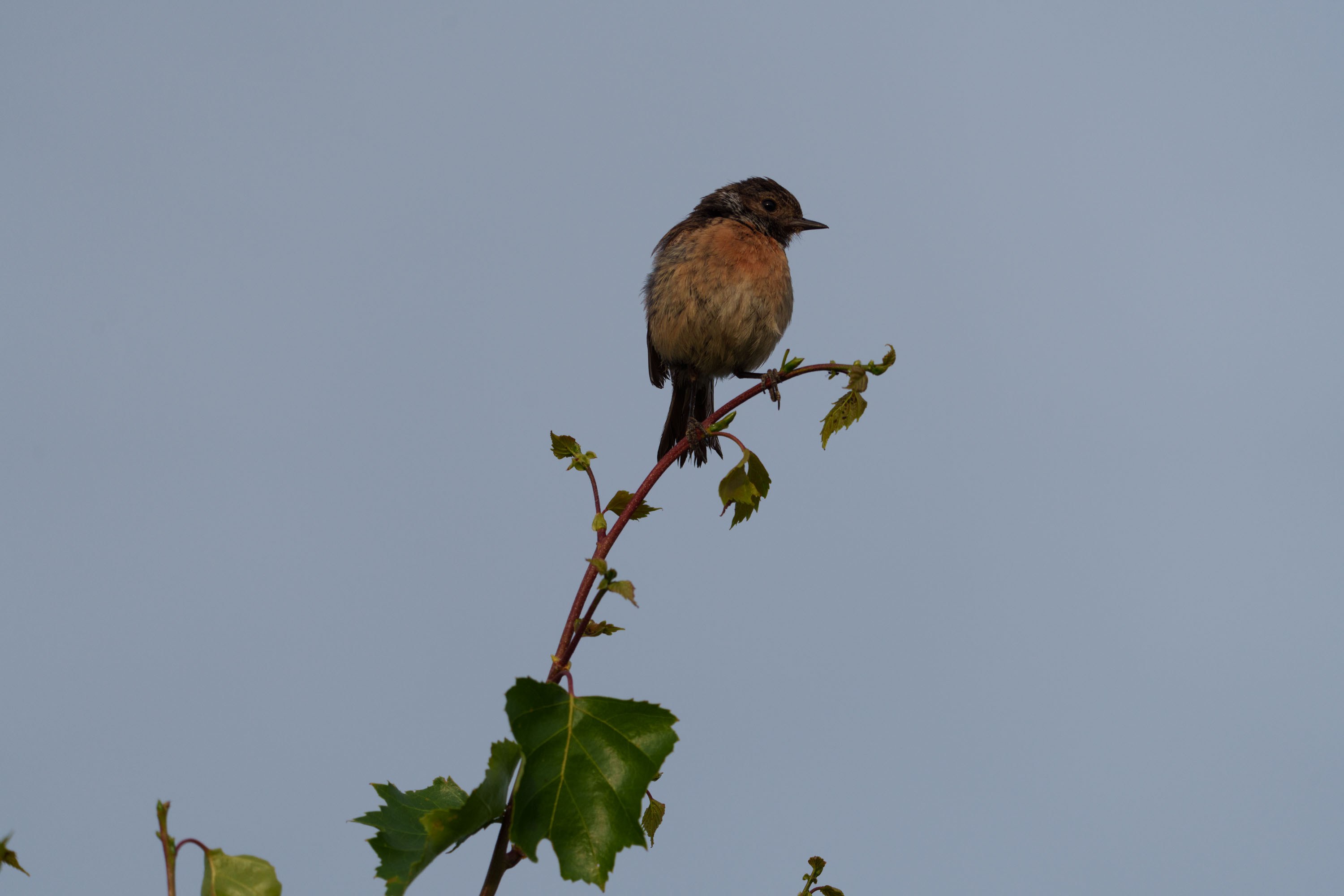
Stonechat perched on a branch in a nature reserve taken with a Sony telephoto lens
And here's the 400-800mm at the 600mm focal length. Dreamier results, but the RX10 V effort is still excellentTim Coleman
A stonechat perched on a branch in a nature reserve, photographed with a supertelephoto lens of a Sony camera
Here I've pushed the 400-800mm lens to its maximum 800mm setting, ideal for this situationTim Coleman
A stonechat perched on a branch in a nature reserve, photographed with a supertelephoto lens of a Sony camera
The RX10 VTim Coleman
A stonechat perched on a branch in a nature reserve, photographed with a supertelephoto lens of a Sony camera
The 400-800mm lensTim Coleman
A stonechat perched on a branch in a nature reserve, photographed with a supertelephoto lens of a Sony camera
RX10 VTim Coleman
A stonechat perched on a branch in a nature reserve, photographed with a supertelephoto lens of a Sony camera
400-800mmTim Coleman
A stonechat perched on a branch in a nature reserve, photographed with a supertelephoto lens of a Sony camera
RX10 VTim Coleman
A stonechat perched on a branch in a nature reserve, photographed with a supertelephoto lens of a Sony camera
400-800mm Tim Coleman
A stonechat perched on a branch in a nature reserve, photographed with a supertelephoto lens of a Sony camera
RX10 VTim Coleman
A stonechat perched on a branch in a nature reserve, photographed with a supertelephoto lens of a Sony camera
400-800mmTim Coleman

Image quality is where you might expect a real gulf to start opening up. The RX10 V shoots 20MP stills with a telephoto reach up to 600mm and a maximum f/4 aperture at this setting. Meanwhile, the mirrorless setup delivered 61MP stills (a more affordable mid-range model like the A7 IV is 33MP), and that extra 800mm reach.

Of any bridge camera, the RX10 V yields the sharpest results at 600mm and a pleasant subject separation thanks to that f/4 aperture. Compare the like-for-like mirrorless camera shots, and the RX10 V's look soft by comparison, but only when you look closely. The mirrorless camera has way more pixels to play with, meaning you can crop more severely into photos and still have high-quality output.

The 400-800mm lens is indeed sharper, and even though its maximum aperture is f/6.3 (400mm) to f/8 (800mm), which minimizes its light-gathering advantage, there's greater subject separation and dreamier results. Bokeh in foreground objects has a softer fall-off.

Another major difference is low light quality. In comparison shots taken at dawn (and nighttime photos I took later of the moon), the RX10 V images look muddier; less punchy, less sharp, just overall lesser quality. They still pass, but I would go for the mirrorless camera setup every time when the available light is minimal.

Conclusion

Sony RX10 V bridge camera alongside Sony 400-800mm lens attached to an A7R V on a boardwalk in a nature reserve at golden hour

(Image credit: Tim Coleman)

The Sony RX10 V is a truly excellent casual wildlife photography camera, with reliable subject detection autofocus and a decent telephoto reach combined with a bright f/4 maximum aperture. You can get pleasant subject separation and punchy images, when the light is good, though less impressive results when the light is dim. Overall, I'm really pleased with the quality of several photos I was able to take.

For wildlife photography, however, it was the mirrorless camera system that I enjoyed the most in the hand, and the one I wanted to use more of the two, helped by the superior end results (even with the smaller f/8 maximum aperture at 600mm). The brighter viewfinder and better button placement enhanced the experience, even if it was a weightier setup.

Yes, the RX10V is an excellent all-in-one camera — the best of its kind — but if you already own a mirrorless body and are serious about wildlife photography, picking up a supertelephoto lens like Sony's 400-800mm instead will yield better results and likely be a more enjoyable user experience — if you're willing to carry the extra weight.

I took over 1,000 shots with the Sony RX10 V across my kid’s sports day, a bird photography trip and more – here’s how Sony’s surprise new superzoom performed

Sony RX10 V: two-minute review

Just when you thought bridge cameras had been sunsetted, Sony returns after a nine-year gap with the new RX10 V — and it’s a genuine upgrade of the Cyber-shot RX10 IV, which was already the best camera of its kind.

We get the same winning combination of a 1-inch stacked 20MP sensor and 24-600mm F2.4-4 lens, but the mark V model has been enhanced with Sony's latest Bionz XR processor and AI chip, enabling improved burst shooting speed, 4K video features, and, most importantly, better autofocus performance.

Sony has also implemented multiple design tweaks to the control layout and ergonomics, and as a result the RX10 V looks much more like an Alpha camera than the RX10 IV, which feels more Cyber-shot compact, did. For a more detailed breakdown of the differences, check out my RX10 V vs Cyber-shot RX10 IV article.

There are additional exposure dials, an AF joystick has been added (thank you, Sony!), as has a USB-C terminal, and the higher-resolution viewfinder is larger, more pronounced, and easier to see.

Throw in a bigger and comfier grip, which hosts the larger NP-FZ100 battery for a 50% boost in shot life, and the RX10 V is all round a slicker camera than the discontinued RX10 IV.

Photographer and tech journalist Tim Coleman holding the Sony RX10 V bridge camera, its lens is zoomed out

The A7R VI is slightly bigger than its predecessor, with a larger grip housing a new, larger battery (Image credit: Tim Coleman)

It's not all good news, mind you, depending on which way you look at it — the weather-resistant body misses out on a built-in flash and top LCD, both of which were present in the older model.

And some of the old drawbacks remain, such as the relatively sluggish zoom of the lens, which is 'just' a 25x optical zoom. I like that range, but other lesser-quality bridge cameras zoom further, such as the Nikon Coolpix P1100.

A significant sticking point is price — the RX10 V had to cost more than its nine-year-old predecessor, which was already pricier than any other bridge camera available. It's a big price to pay for this type of camera, even if you are getting a lot of camera for your money.

All that said, I've thoroughly enjoyed my lengthy review period with the Sony RX10 V, during which I've shot everything from travel to bird and macro photography, with the camera handling those and other subjects with aplomb.

It's a neatly packaged camera, especially when you consider you're getting a 600m f/4 lens when fully zoomed in. The RX10 V is a dream all-in-one camera, especially for enthusiast wildlife photographers with deep pockets.

Sony RX10 V: price and release date

  • Announced on July 9 2026
  • It costs $2,300 / £2,200 / AU$3,499

Closeup of the Sony RX10 V bridge camera's lens, its front element

However, the A7R VI is still pretty small (Image credit: Tim Coleman)

Sony's premium RX10 bridge camera series was always pricey compared to lesser-quality alternatives, and the latest version, the RX10 V, is even pricier. I'm not surprised: the RX10 IV launched for $1,800 / £1,500 / AU$2,000 almost nine years ago, and we should expect an inflation-based price bump at least. Still, $2,300 / £2,200 / AU$3,499 for a camera of this kind is a fair whack of anyone's money, let alone the enthusiast wildlife photographers that this camera is practically perfect for.

So what else could you get for similar money? If you already own a Sony mirrorless camera, the 400-800mm super-telephoto zoom lens is worth a look, especially if wildlife and bird photography are key reasons why you're considering the RX10 V. Or, if its zoom range alone that you want, and you're less concerned about outright image quality, the Nikon CoolPix with its monster 125x zoom is another option, and it costs almost half the price.

All things considered, though, I think the RX10 V is reasonable value for money, considering what you get.

  • Price score: 4/5

Sony RX10 V specs

Sony RX10 V Specs:

Type:

Compact camera ('bridge')

Sensor:

20.1MP 1-inch stacked BSI CMOS

LCD:

3-inch tilt-touchscreen, 1.62m dots

Memory:

1x SDXC UHS-II

Video:

4K up to 60fps (no crop) / 4K 120p (cropped)

ISO range:

ISO 100-12,800

Burst shooting

30fps (electronic), 10fps (mechanical)

Viewfinder:

3.68m-dot EVF, 0.5-inch

Processor:

Bionz XR 2

Connectivity:

4k 30p live streaming, USB-C, 5GHz Wi-Fi

Dimensions:

136.4 x 94.5 x 151.3mm

Weight:

2.45lbs / 1.11kg

Sony RX10 V: Design

  • Same 24-600mm F2.4-4 optically stabilized zoom lens as the RX10 IV
  • Larger and more pronounced EVF with higher resolution and refresh rate
  • Improved ergonomics and joystick added, but flash and top LCD removed

The Sony RX10 V bridge camera on a white table with a patterned wallpaper background, it's pointing upwards and we can see the top of the camera

(Image credit: Tim Coleman)

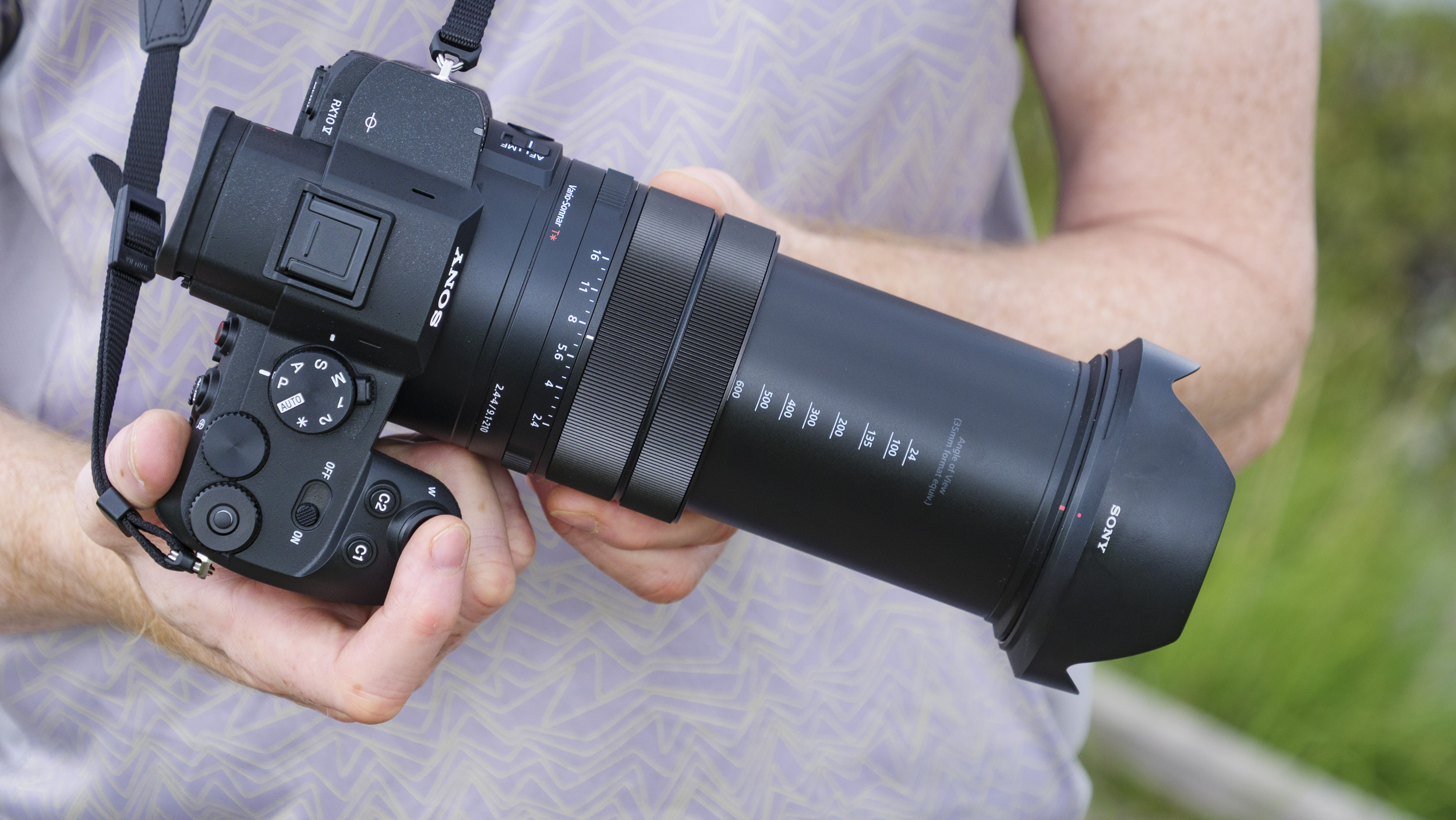
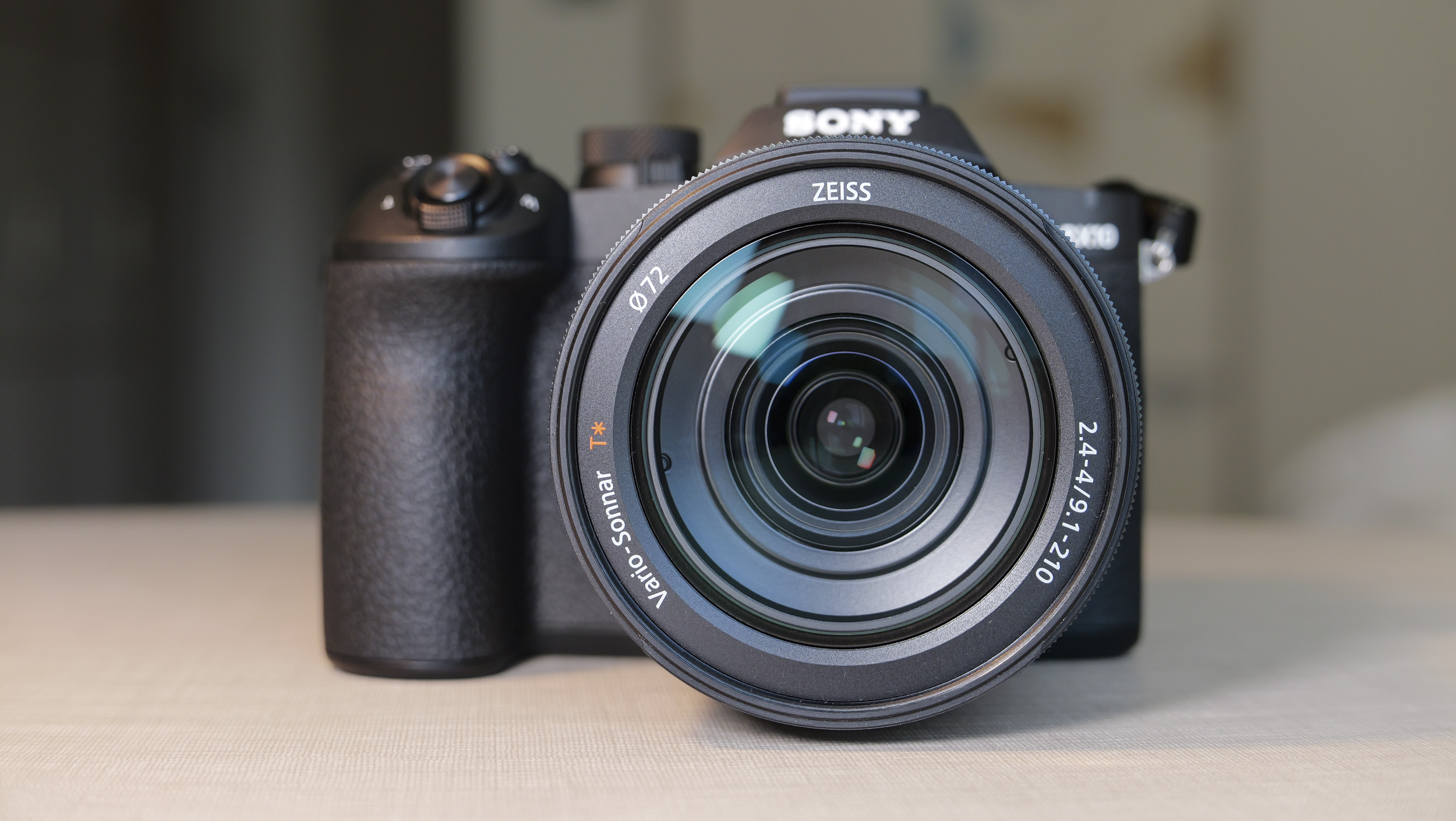
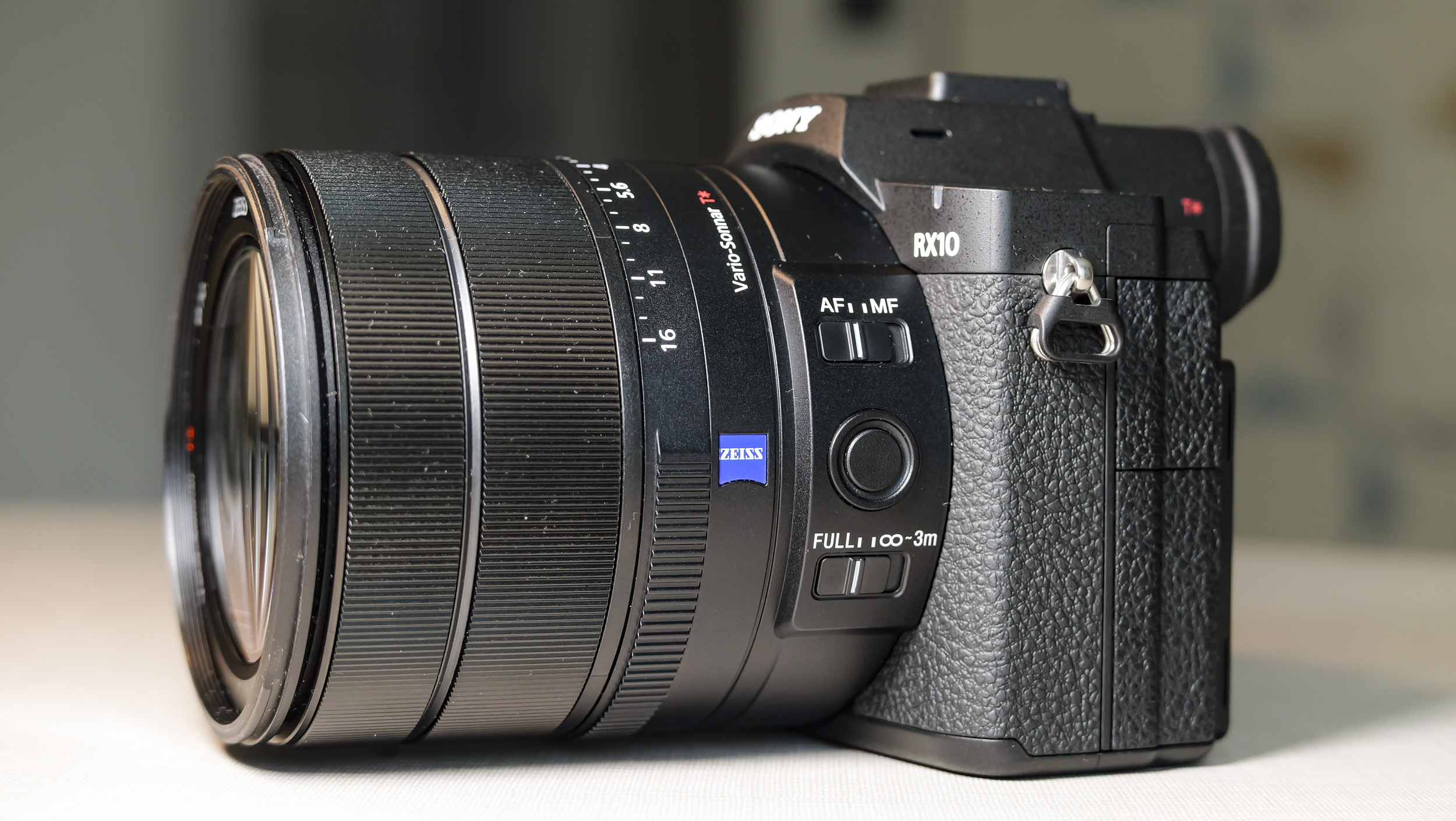
People buy a bridge camera primarily to get a superzoom lens, and the RX10 V has the exact same 24-600mm F2.4-4 lens as the RX10 IV — that’s a 25x optical zoom, with macro focusing up to a 0.49x magnification. Put simply, you’re covered for everything from landscapes and bird photography to close-ups of insects.

While the RX10 V is the same form factor as the RX10 IV, it has had a fairly major brush-up, and it feels a much better camera for it.

For one, the grip is comfier. It's a new shape with better ergonomics, and that's able to fit a physically larger battery than the previous model could, with a 50% boost in shot life.

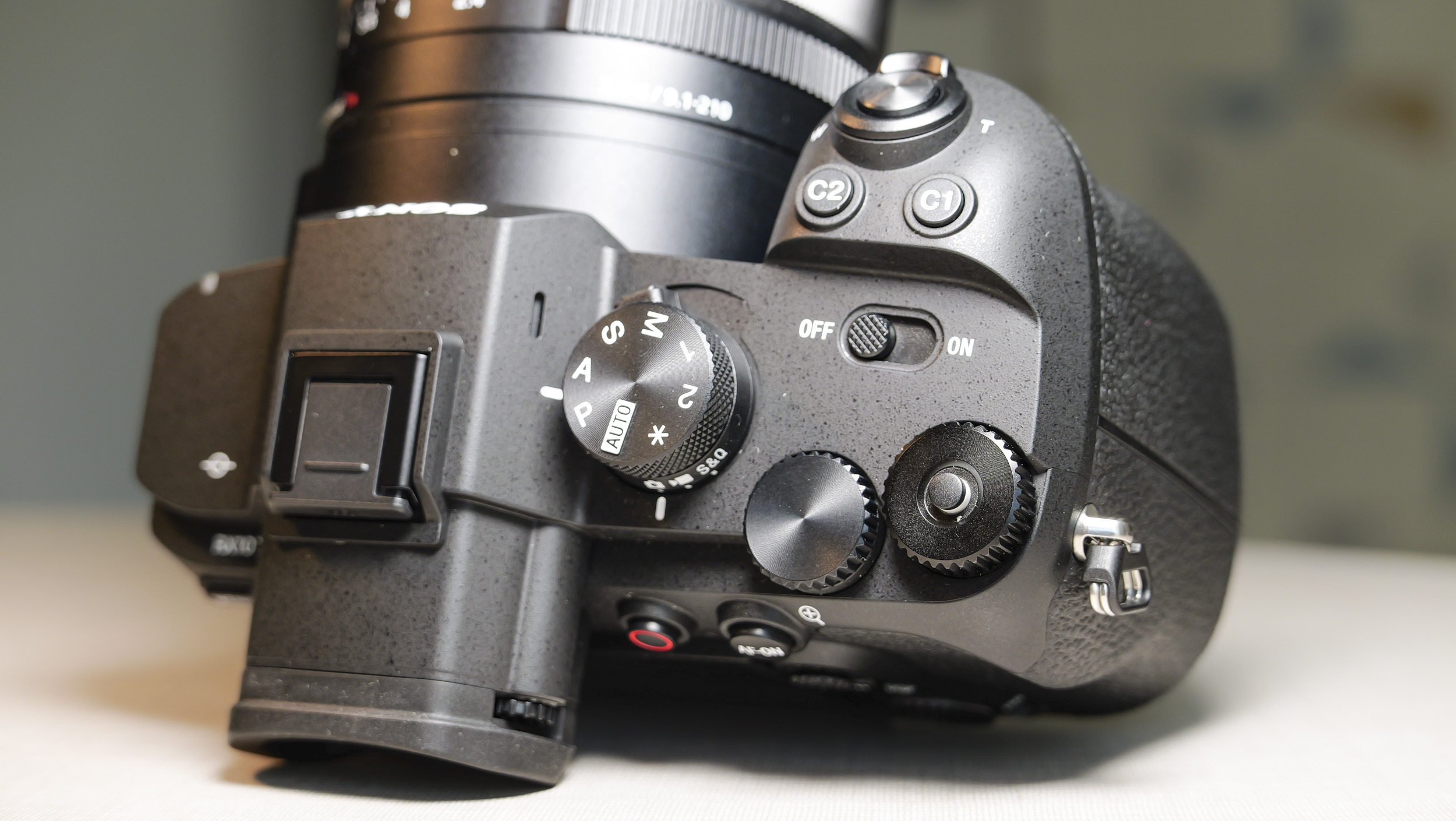
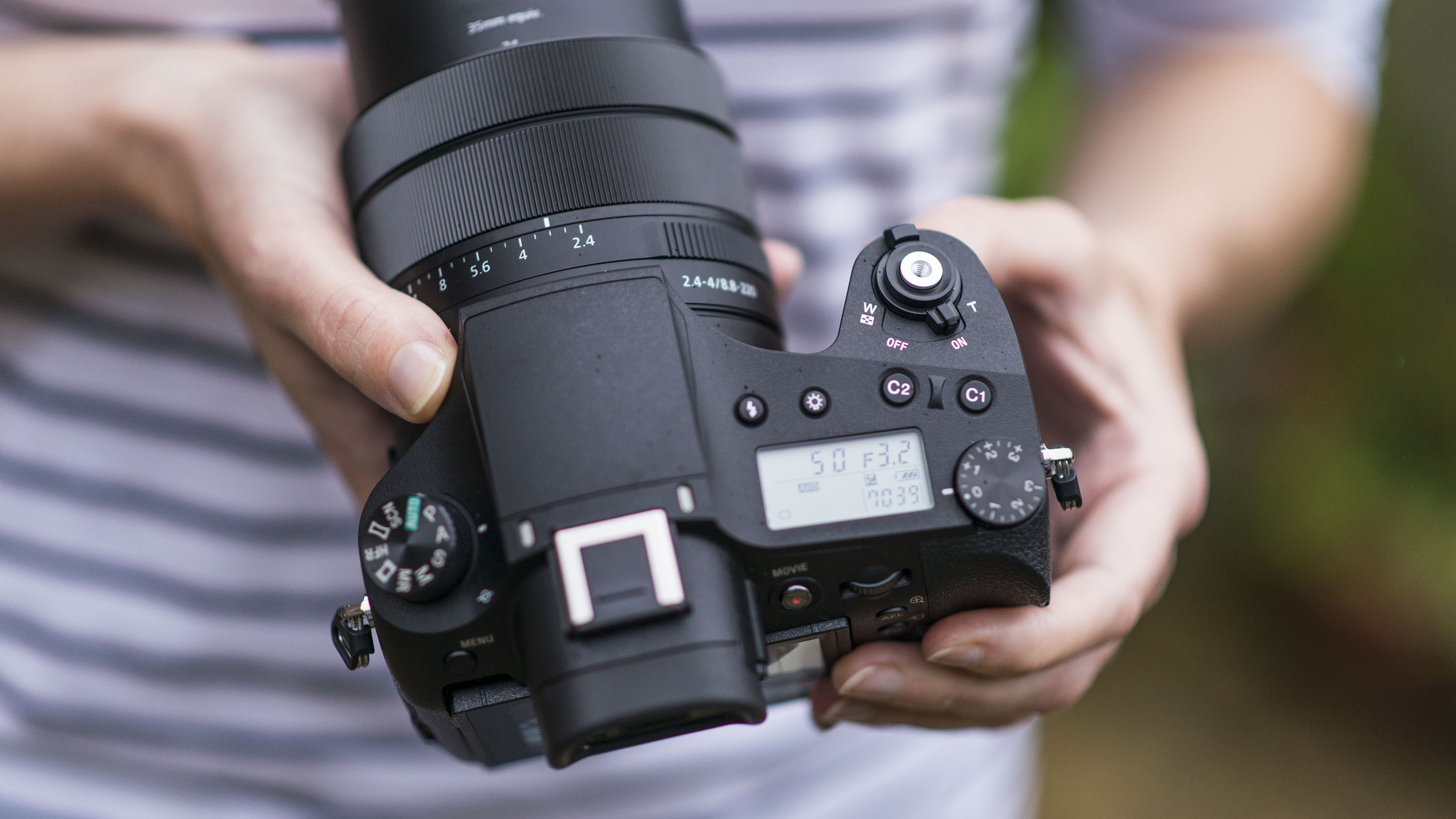
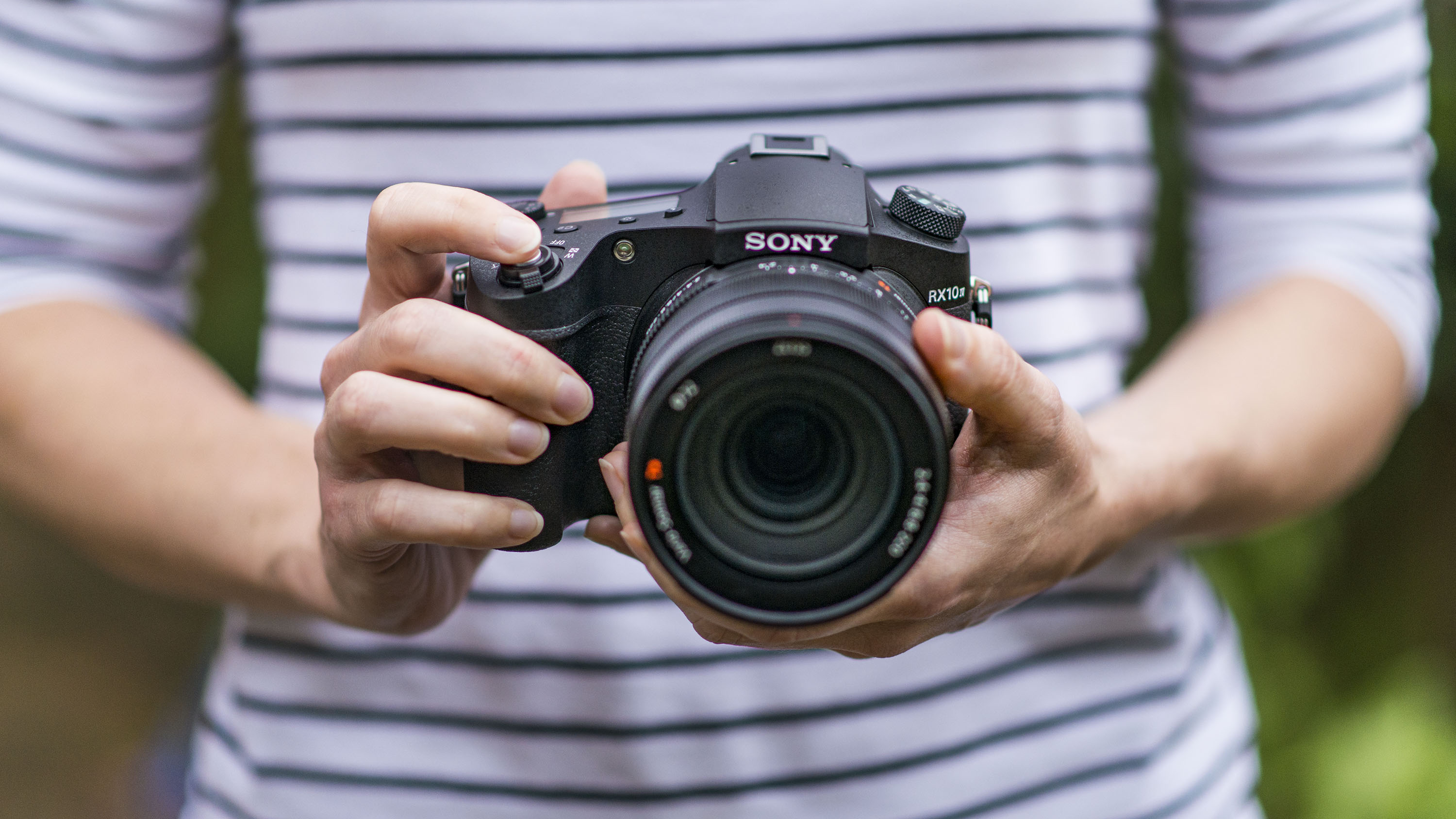
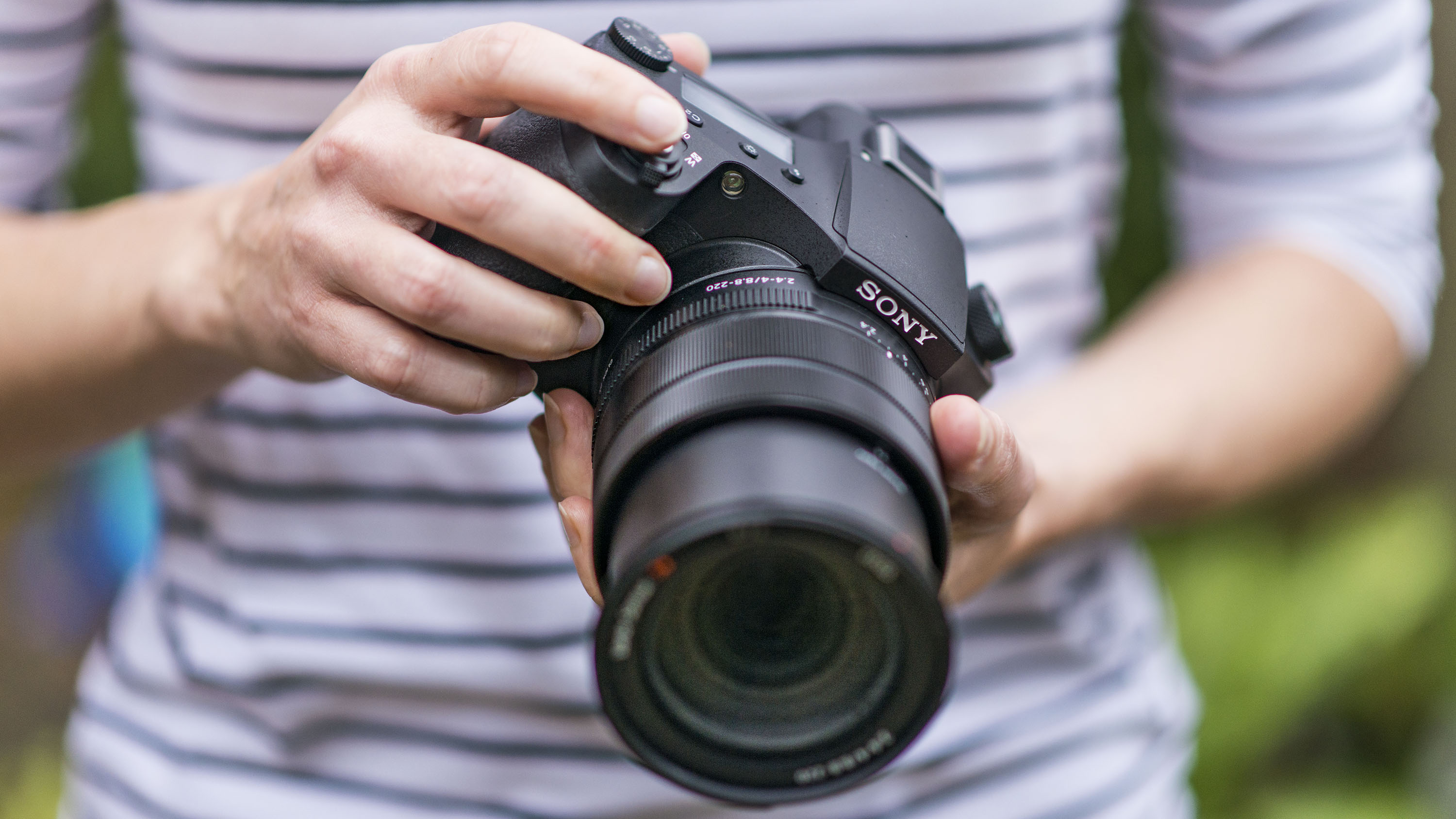
If you're familiar with the RX10 IV, the top plate of this camera will take some getting used to; there are additional exposure control dials (one of which can be locked off) making quick changes to settings easier, while the shooting mode dial has been shifted to the right-hand side where a top LCD used to be. Personally I preferred the old setup.

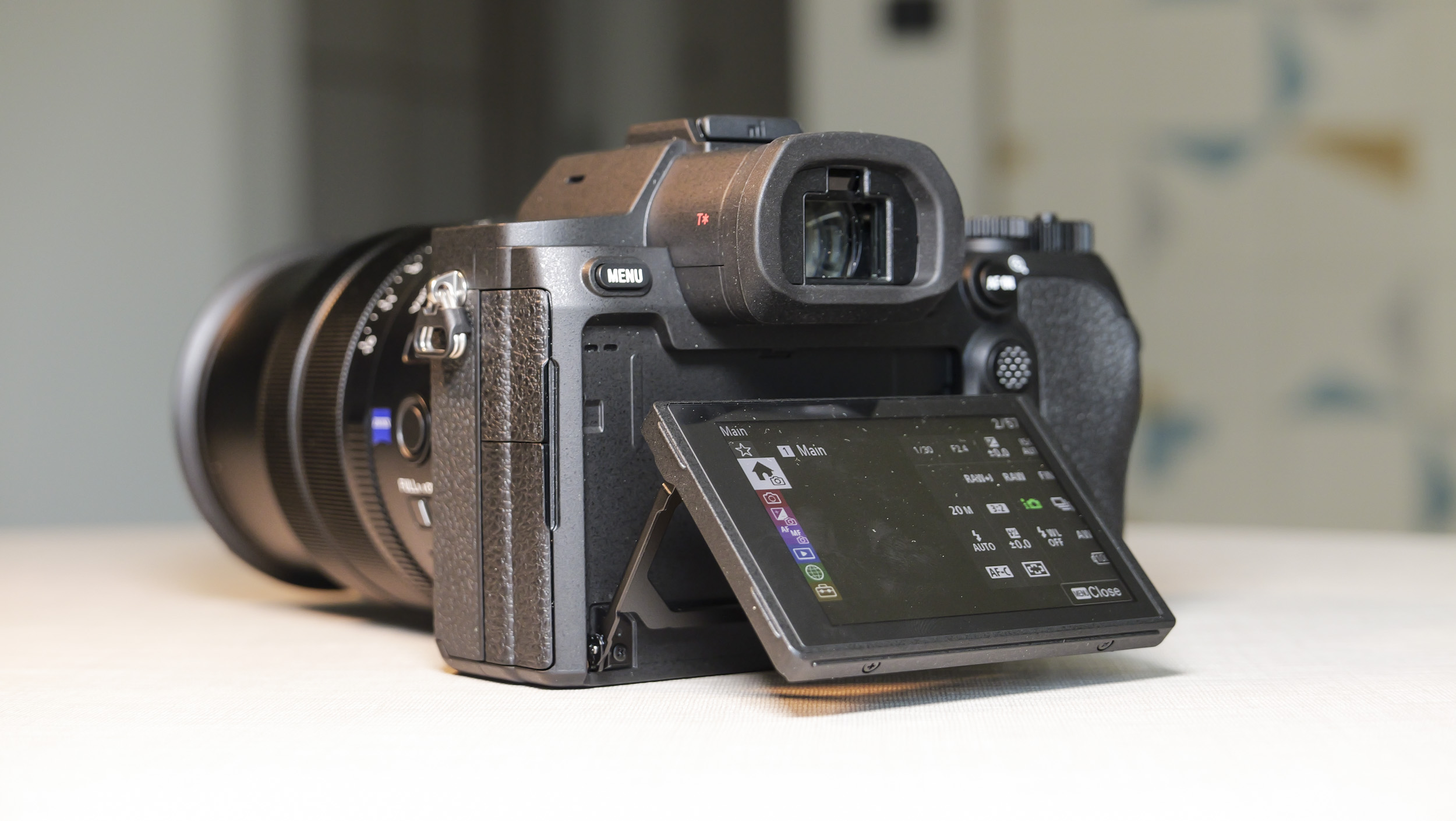
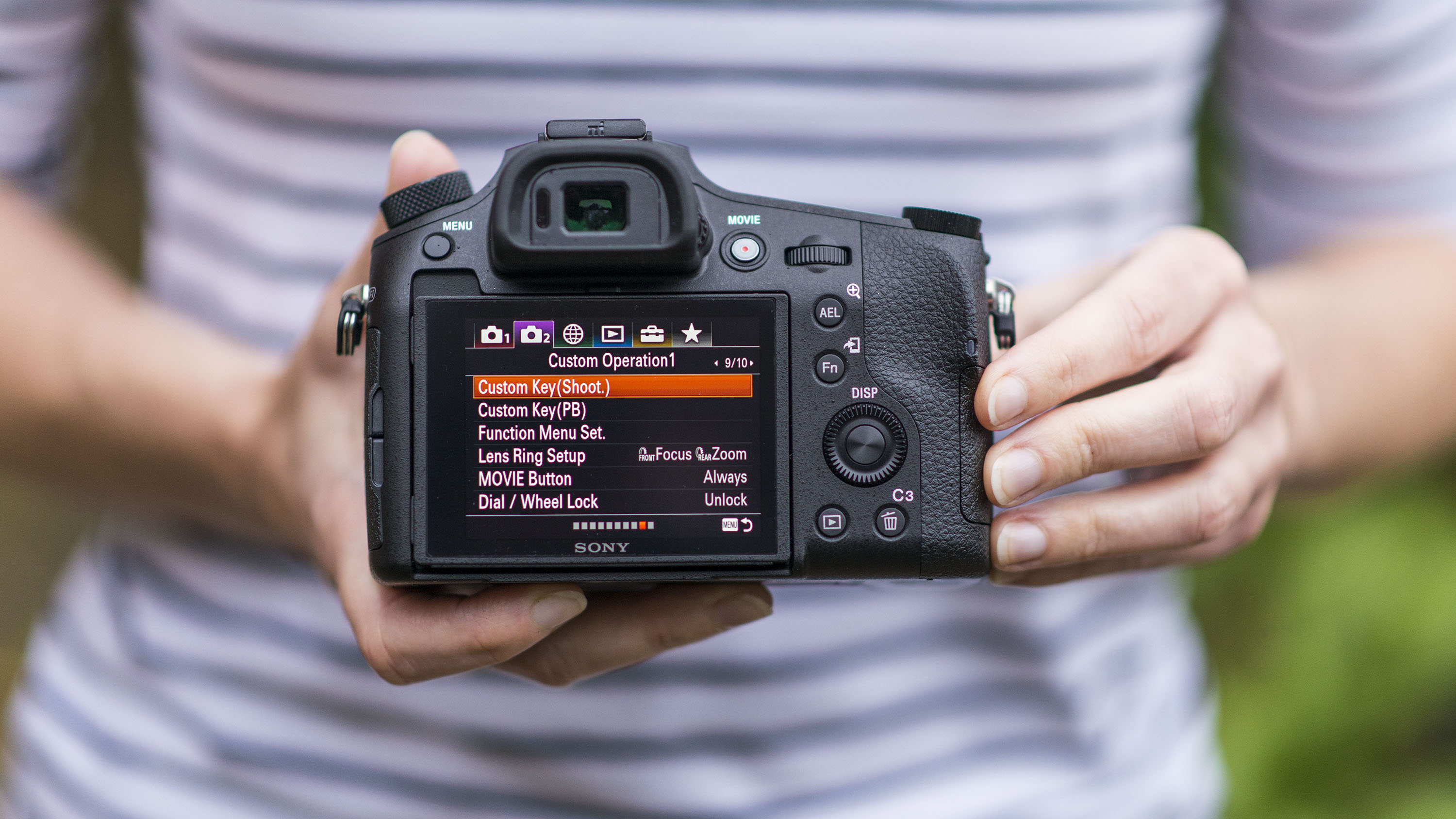
The Sony RX10 V bridge camera on a white table with a patterned wallpaper background, view of its rear, with the screen titled
A similar 3-inch tilt touchscreen to before, but with added feature such as vertical displayTim Coleman
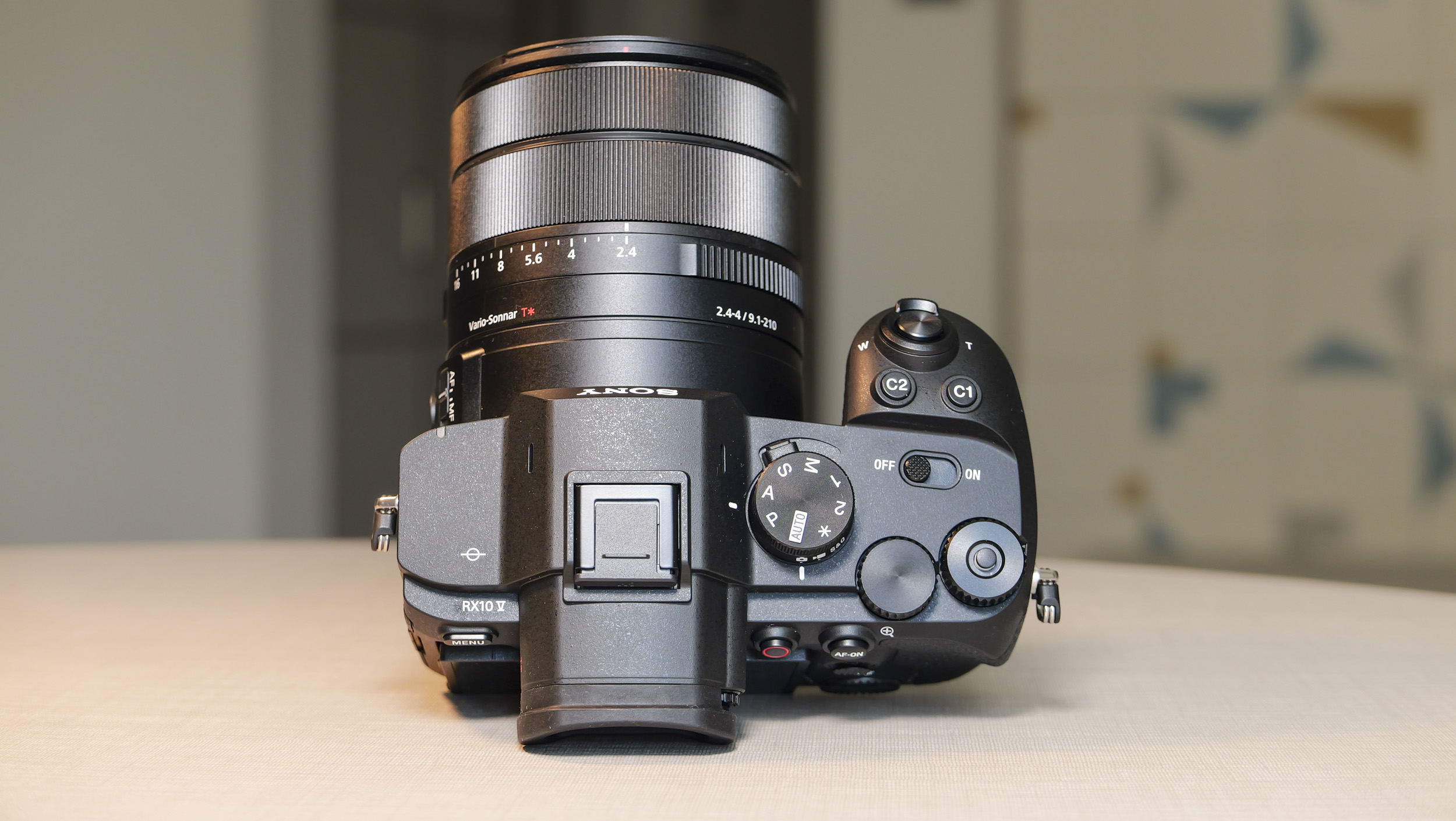
Closeup of the Sony RX10 V bridge camera's  top controls
Extra control dials added, and the new shooting mode dial shifted to the right where a top LCD used to beTim Coleman
Closeup of the Sony RX10 V bridge camera's  grip
A new shape gripTim Coleman
The Sony RX10 V bridge camera on a white table with a patterned wallpaper background
The camera's protective doors for its ports are slickerTim Coleman
The Sony RX10 V bridge camera on a white table with a patterned wallpaper background, closeup of its viewfinder
The viewfinder is physically more pronounced and the display larger than in the RX10 IVTim Coleman

Another major change is that the built-in flash has been removed, though a hotshoe remains for use with accessories such as an external flash.

Also, the viewfinder is more pronounced, which makes it easier to look into, helped by the fact that it's a larger 0.5-inch unit with more-detailed 3.68m-dot display, whereas the RX10 IV has a 2.36m-dot 0.39-inch unit. Put simply, the viewfinder is a major upgrade.

On the camera's back side, an AF joystick has been added (Sony calls it a 'Multi selector'), which is a control I love to have for the likes of manual AF-point selection. For wildlife photography, I used it a lot, and can't imagine how I would have coped so easily in such a scenario with the older camera.

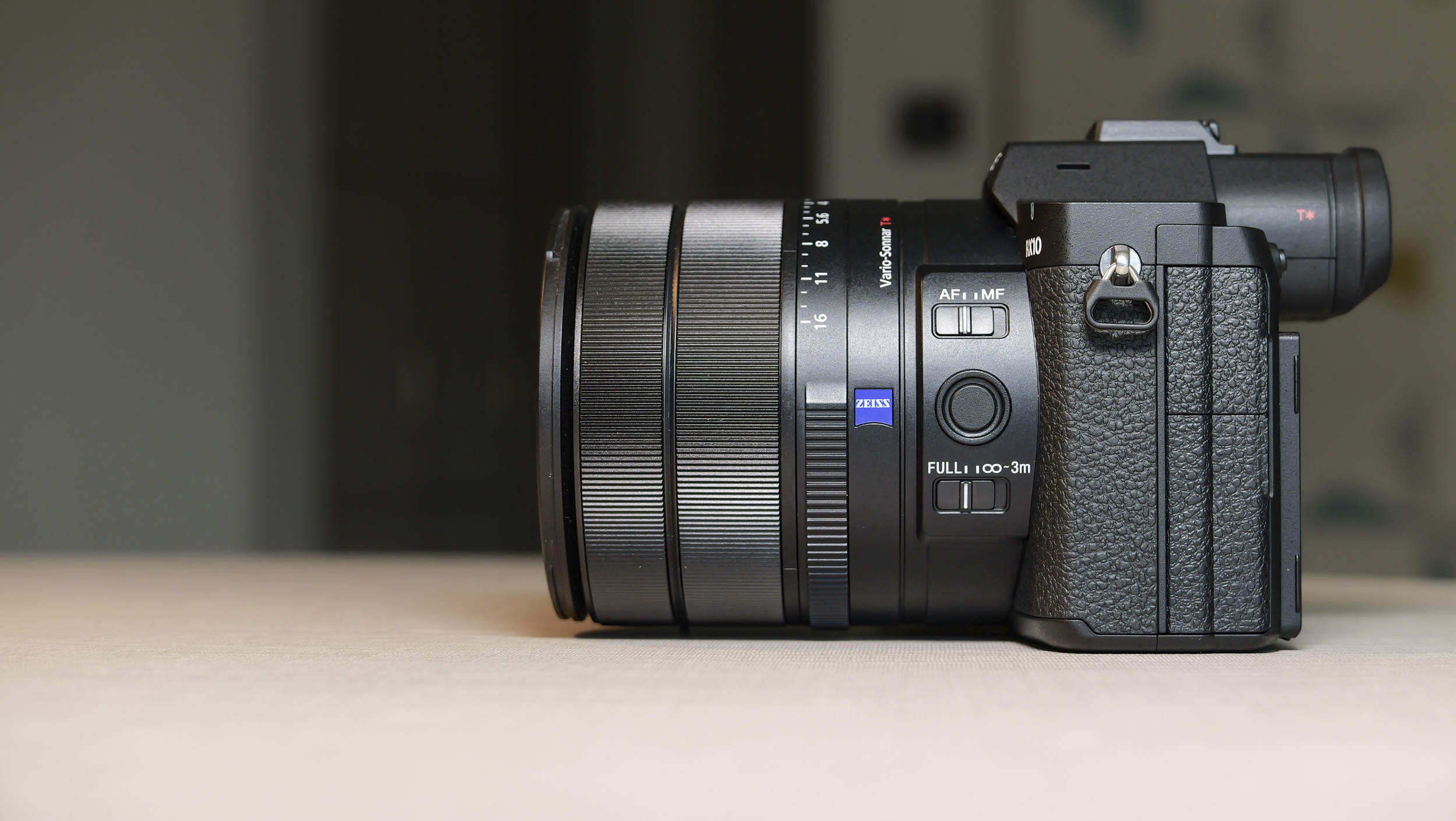
The side profile of the Sony RX10 V bridge camera, on a white table with a patterned wallpaper background, its lens is retracted
The zoom lens' position when the camera is turned offTim Coleman
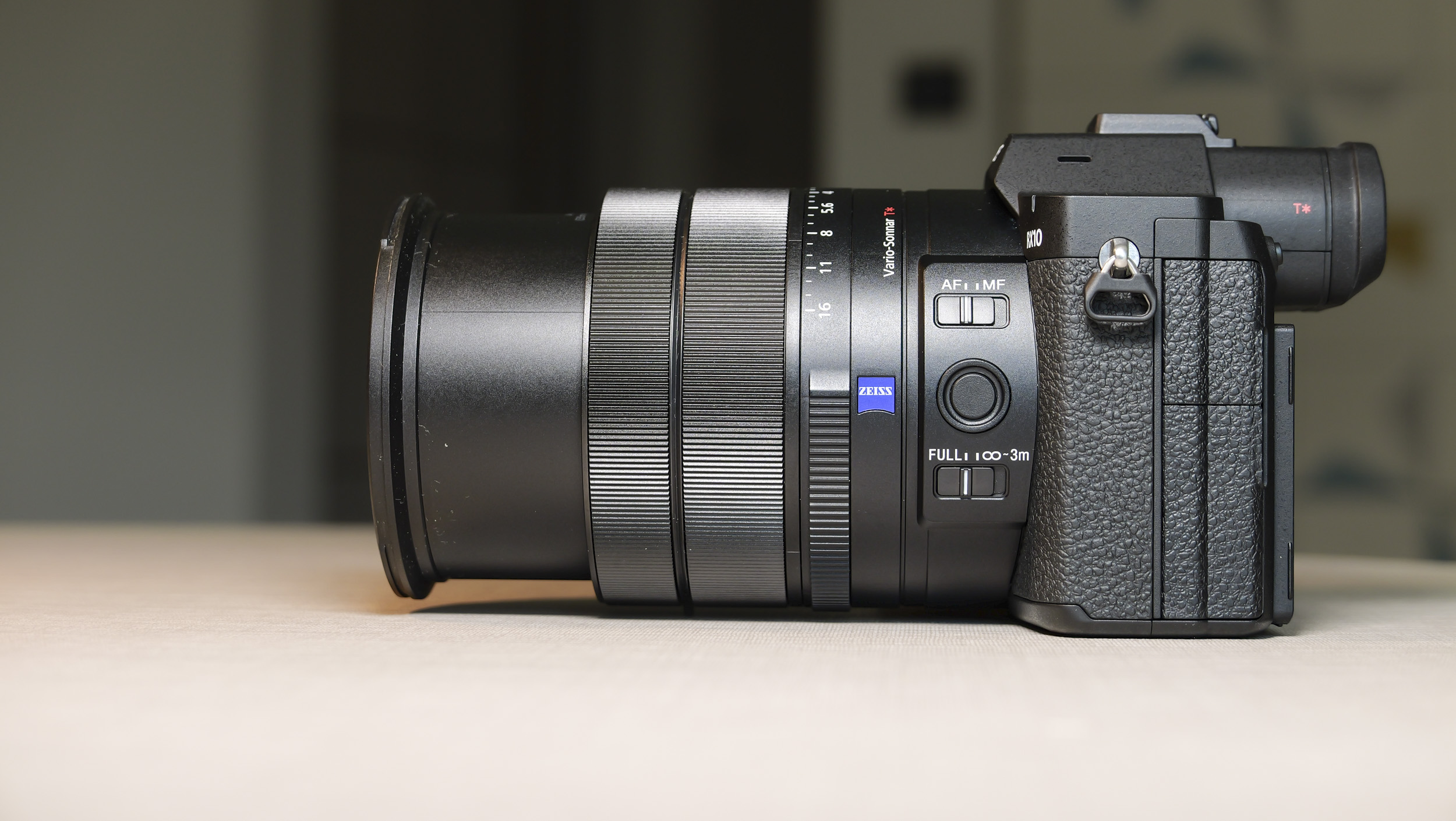
The side profile of the Sony RX10 V bridge camera, on a white table with a patterned wallpaper background, its lens is half retracted
Here the camera is on, and the lens is set to its wide 24mm selectedTim Coleman
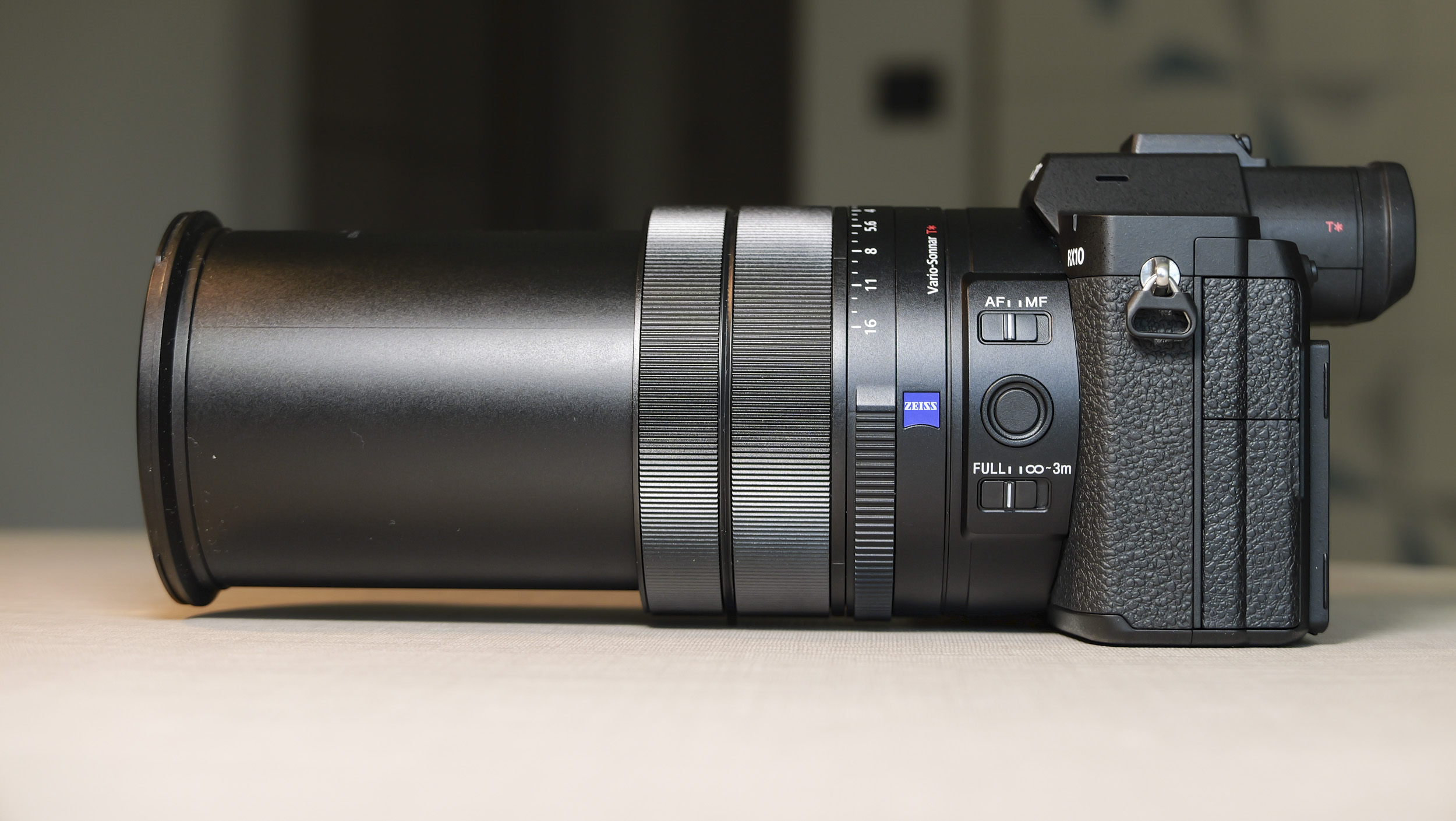
The side profile of the Sony RX10 V bridge camera, on a white table with a patterned wallpaper background, its lens is fully extended
And here's the camera's profile when the lens is zoomed all the way to the 600mm settingTim Coleman

Spin to the side, and the camera's ports are now neatly tucked away under rigid protective doors, with headphone and mic ports, plus a USB-C terminal has been added. The fact that the RX10 IV doesn't have a USB-C terminal is likely a reason it was discontinued, as per the EU's common charger regulations.

The tilt touchscreen is again a 3-inch type. It gets a small boost in resolution, and while that in itself isn't much of upgrade, its improved touch functions, and the fact that you can switch to a vertical format, are.

It’s possible to customize some of the buttons, including a speed-boost function during burst shooting — you can temporarily increase a medium speed, say of 10fps, to the maximum 30fps when the action begins. It’s a neat feature inherited from Sony's pro cameras, which minimizes how many photos you shoot, but the button placement is awkward for this feature — I would have liked a custom button on the front of the camera instead. A tally lamp has been added for video recording.

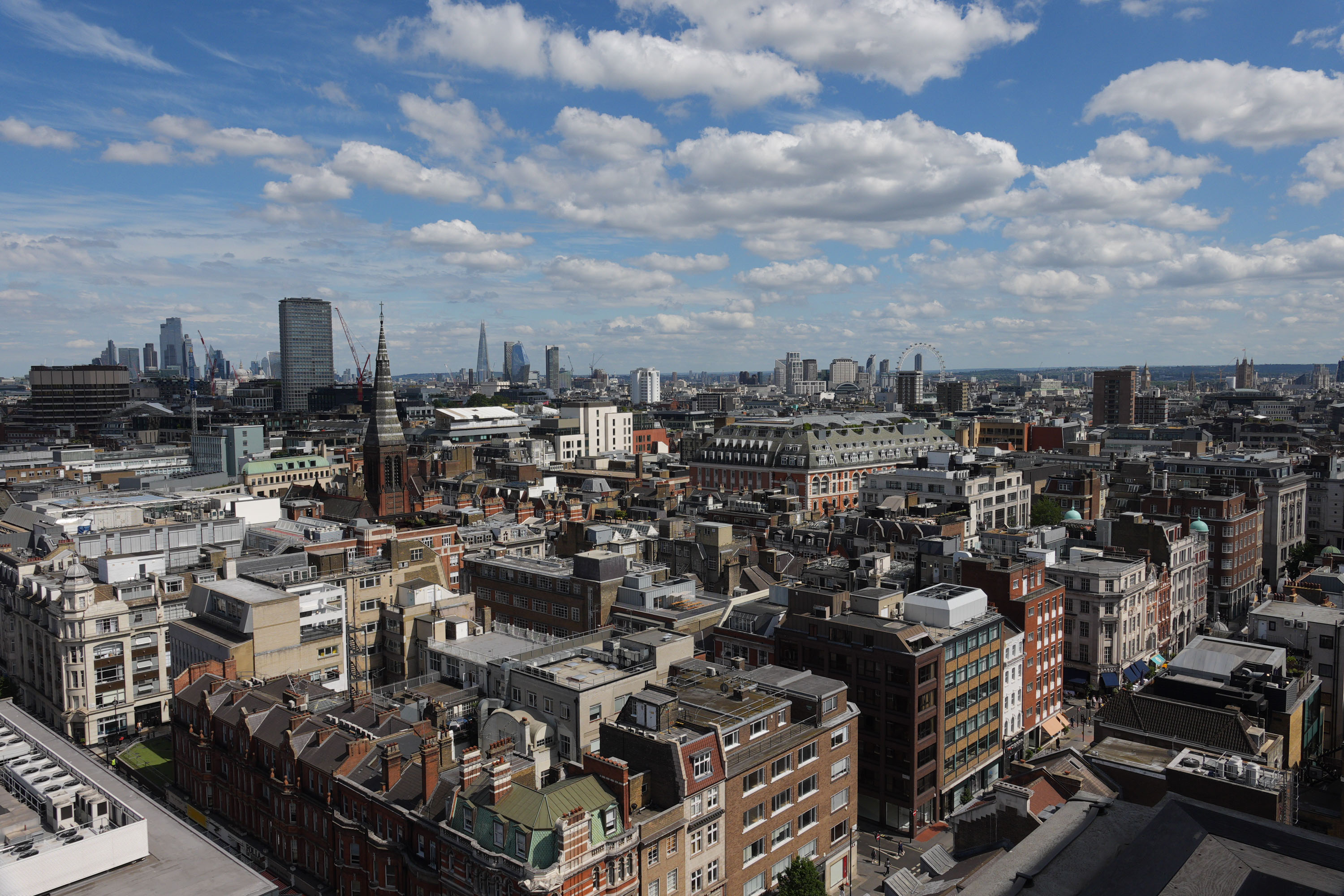
Sony RX10 V bridge camera sample gallery, high vantage point of central London
Here I've used the widest 24mm lens settingTim Coleman
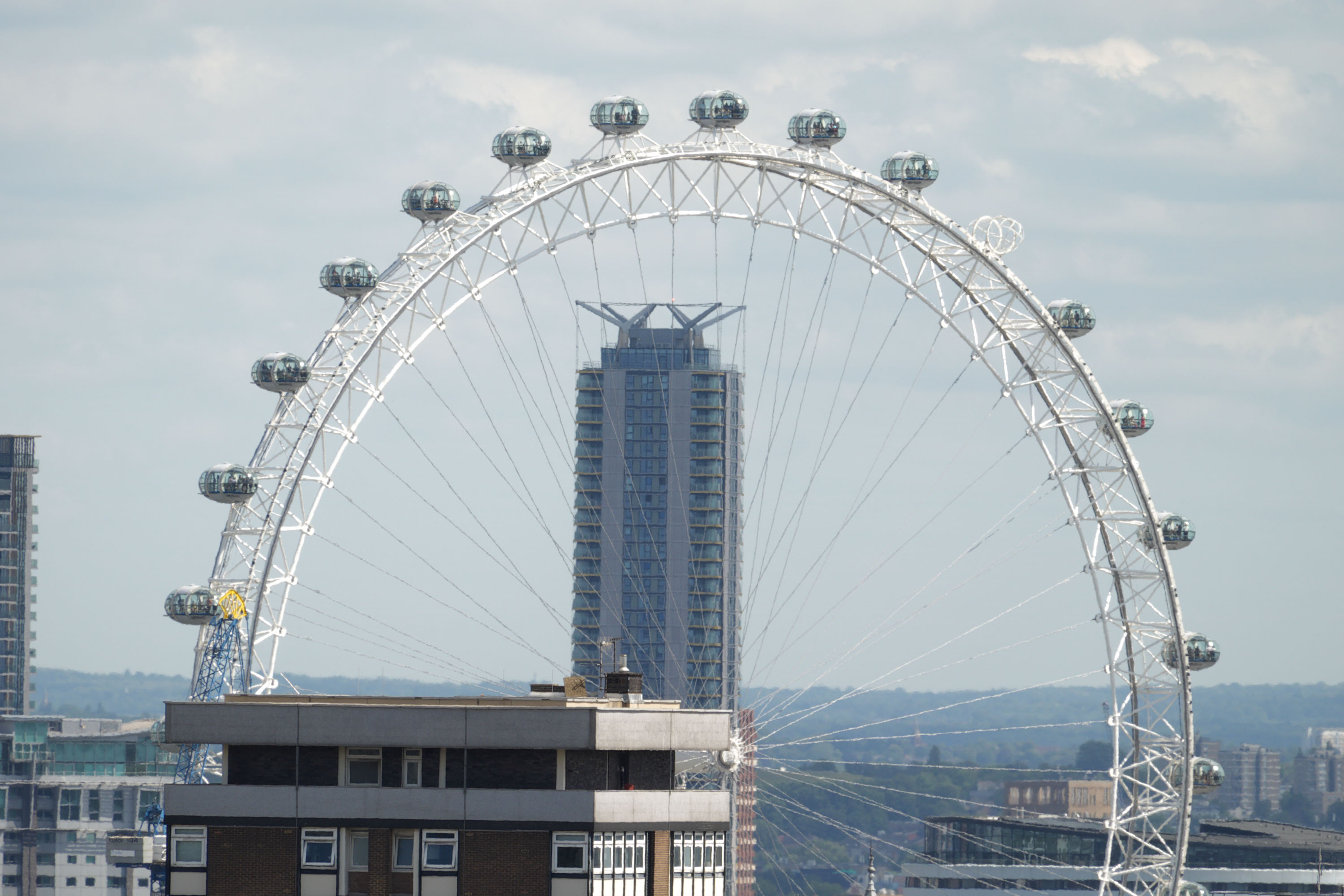
Sony RX10 V bridge camera sample gallery, distant photo of the London eye from a high vantage point
And from the same position, this is how tight the 600mm setting gets to distant subjects, in this case the London EyeTim Coleman
  • Design score: 4.5/5

Sony RX10 V: Performance

  • Sony's latest Bionz XR processor with AI chipset
  • Burst shooting upped to 30fps, with Sony's most up to date autofocus system that includes a wide range of subject detection modes
  • Now uses Sony's NP-FZ100 battery, delivering a 50% boost in shot life

Power and speed are where the major improvements are at. The RX10 V uses the same Bionz XR processor as the Sony A7 V mirrorless camera, with a combined AI chipset. The result is improved burst-shooting speeds and autofocus performance, and what Sony says is better color accuracy.

Burst-shooting speeds are boosted from the RX10 IV's 24fps to 30fps, when using the electronic shutter — which, in a camera like this with a stacked sensor, I have no problem doing. I'd hardly call this improvement in speed a reason to upgrade, though, especially since the mechanical shutter's maximum 10fps speed is enough for most scenarios.

When I was photographing action, such as for my child's sports day, or at my local nature reserve doing bird photography, I generally kept the camera to its 10fps setting, with one of the custom buttons set to a 30fps speed boost for when the action got really interesting.

This has allowed me to minimize the number of photos I've taken, while the way the camera groups burst sequences in playback makes files easier to navigate.

Something that makes the RX10 V feel like a snappier camera than the RX10 IV is that there is no viewfinder blackout, even for the 30fps setting, which is supported by continuous autofocus with Sony’s latest subject-detection autofocus.

Sony RX10 V bridge camera sample gallery, a bird in flight in a nature reserve
It was a challenge tracking this bird in flight, but with bird-detection autofocus active and the speed boost in play, I came away with some keepersTim Coleman
Sony RX10 V bridge camera sample gallery, a bird in flight in a nature reserve
Not all my photos from the sequence were sharp, but this one is also on the money. I'm not convinced I would've got as good results with the older RX10 IVTim Coleman

Compared to the RX10 IV, the RX10 V is able to detect a wider range of specific subjects with real-time recognition, including dedicated modes for birds, cats, and more.

I generally made sure I selected the specific subject when I knew that was my focus, such as with bird photography, and have been seriously impressed by how sticky autofocus is. Even when birds were small in the frame, the RX10 V was regularly able to pick them up with the camera's autofocus area set to wide.

I had more issues when photographing my child's sports day, given that there were so many faces in a lot of the photos. For such scenarios, a quick jig of the autofocus area to a small area can help to avoid the camera focusing on people in the background instead of the subject.

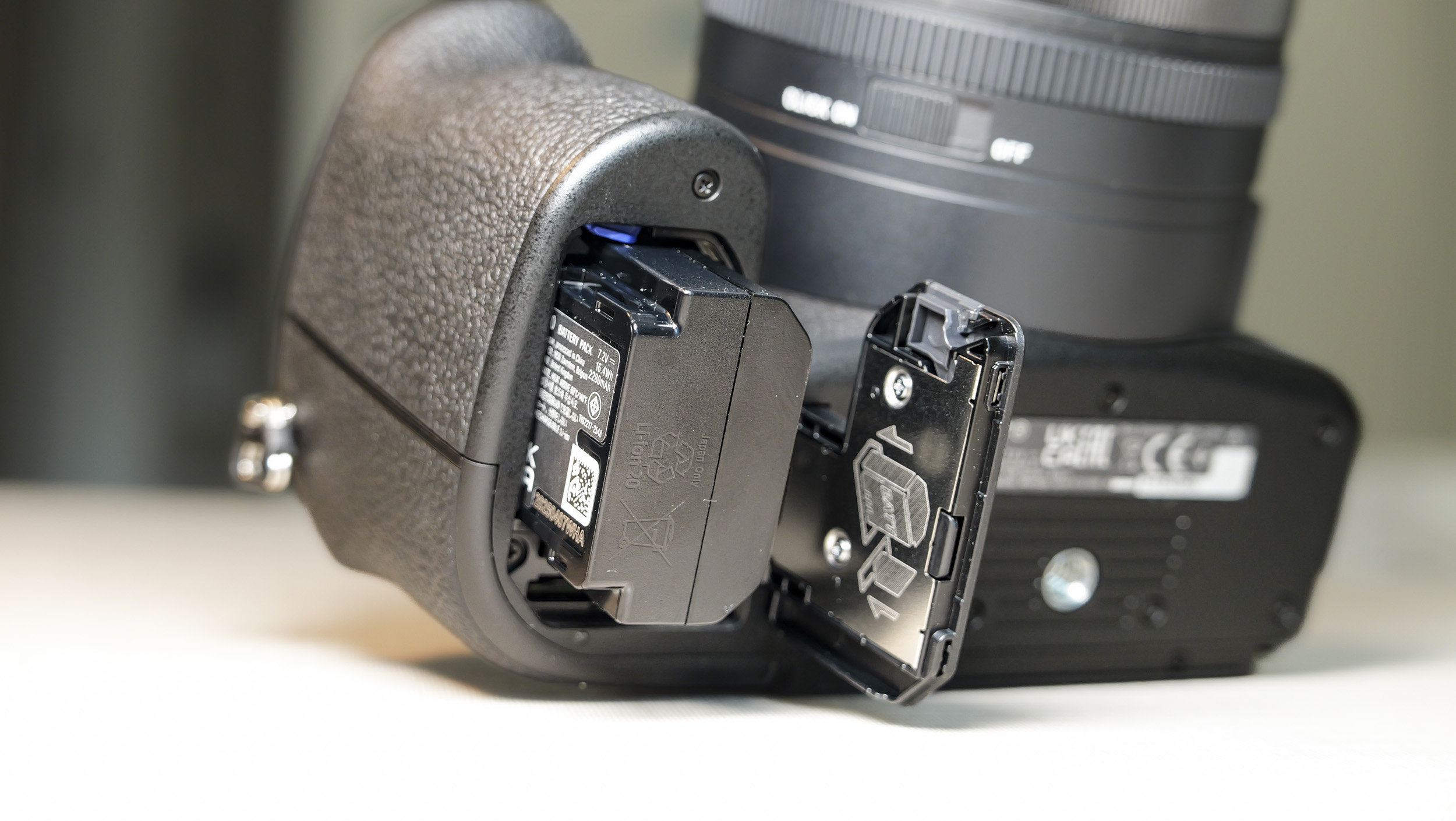
Closeup of the Sony RX10 V bridge camera's  battery door, and the battery is half out
Tim Coleman
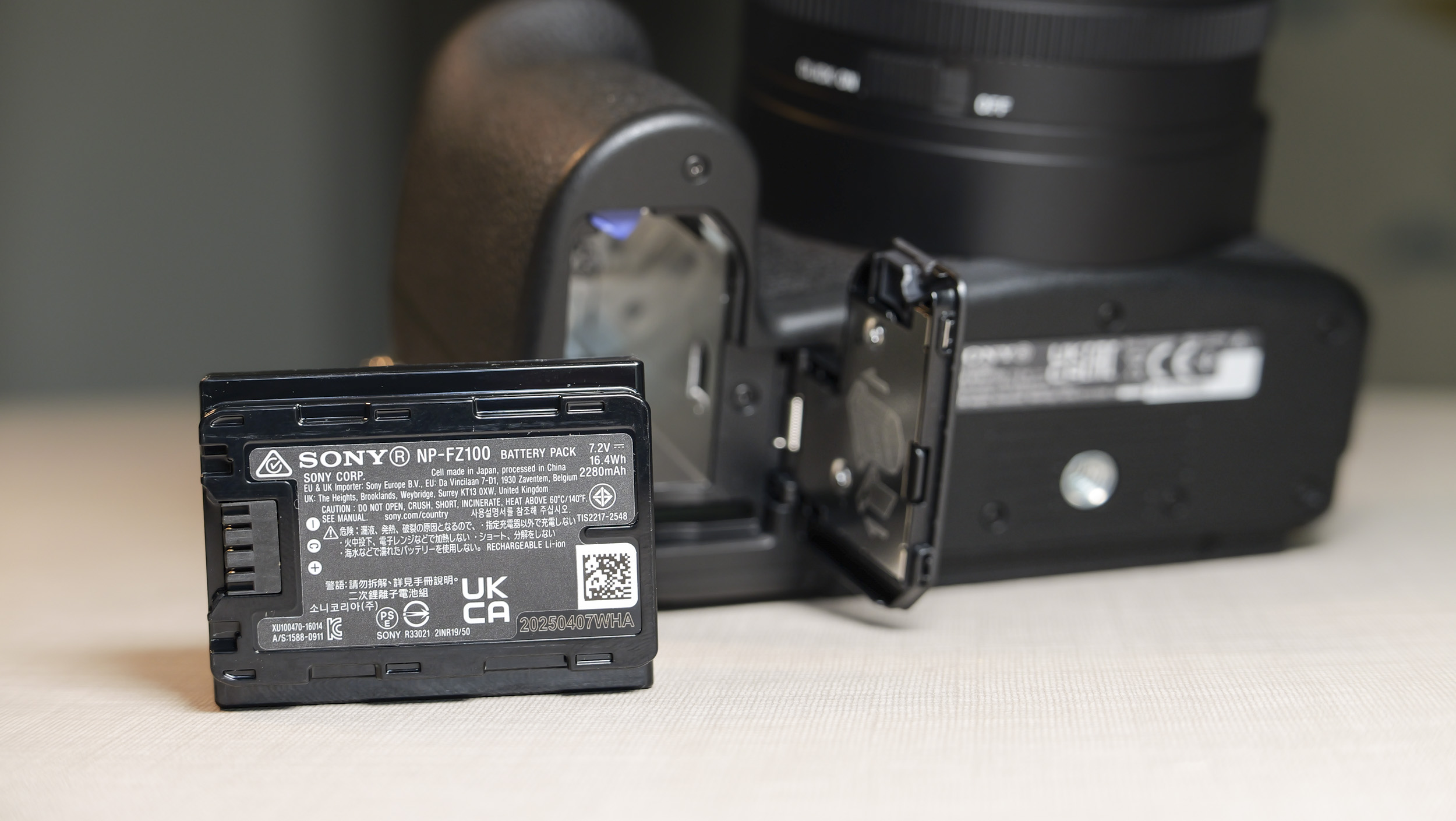
Closeup of the Sony RX10 V bridge camera's  battery door, and the battery has been removed and placed on the table in front  of the camera
Tim Coleman

I've mentioned it already, but like most of its recent mirrorless cameras the RX10 V also uses Sony’s popular NP-FZ100 battery, which is a longer-lasting unit than the NP-FZ50 in the RX10 IV.

Sony quotes shot life as up to 630 shots compared to 400 for the RX10 IV, which is a huge performance boost. Add on-the-go UBS-C charging, and the RX10 V is a better camera for heavy photography days.

For me, all the above performance improvements are key for a camera that people typically buy as an entry point for wildlife photography.

  • Performance score: 5/5

Sony RX10 V: Image and video quality

  • Same 20.1MP 1-inch sensor and 24-600mm lens as used by the RX10 IV
  • New processor boosts color and autofocus accuracy
  • 4K video frame rates upped to 60fps (no crop) / 120fps (with crop)
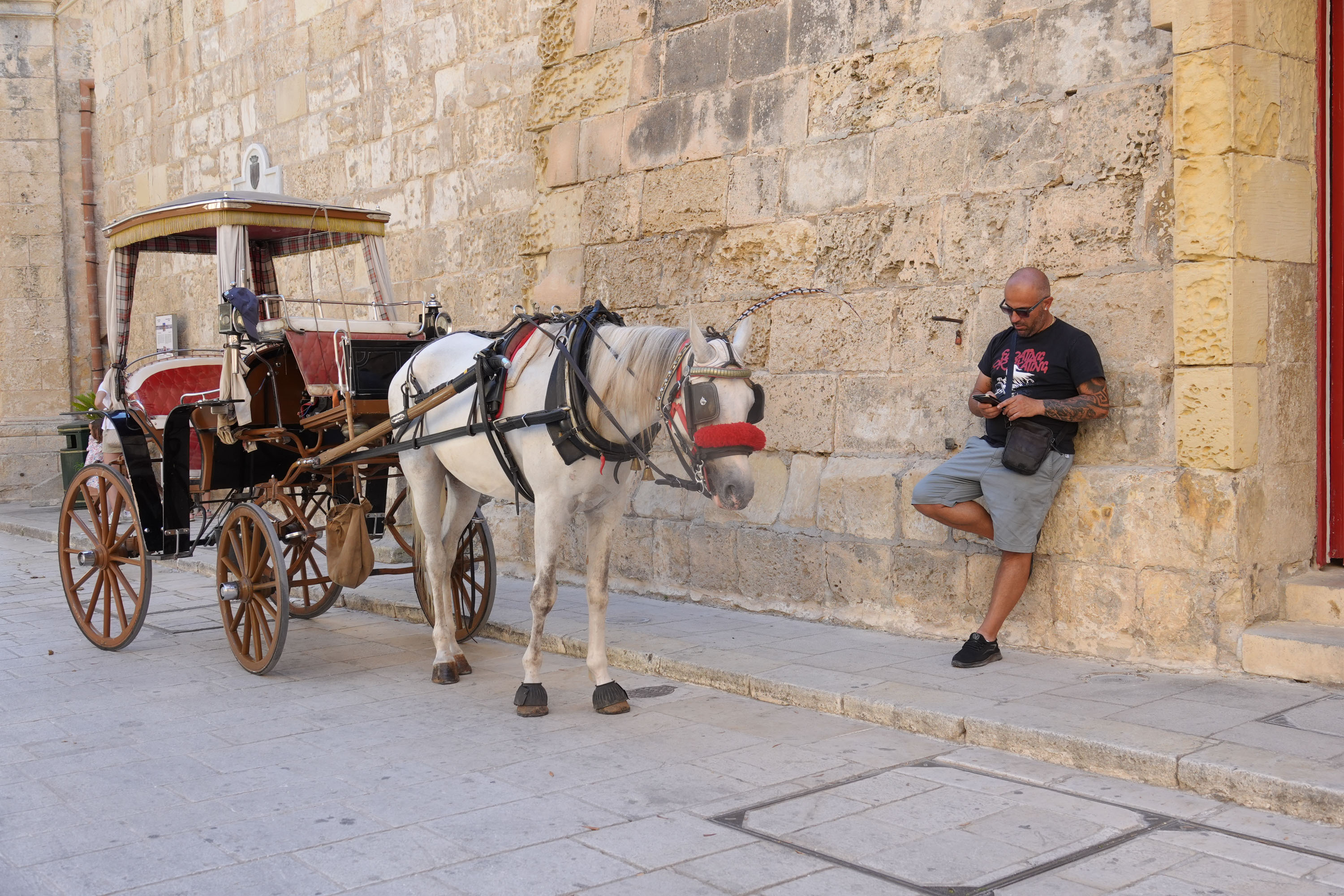
Sony RX10 V bridge camera sample gallery, can leaning against a wall texting, next to his horse and cart in ancient town
Detail is nice and sharp in this street photo shot with a moderate wide 38mm focal length Tim Coleman
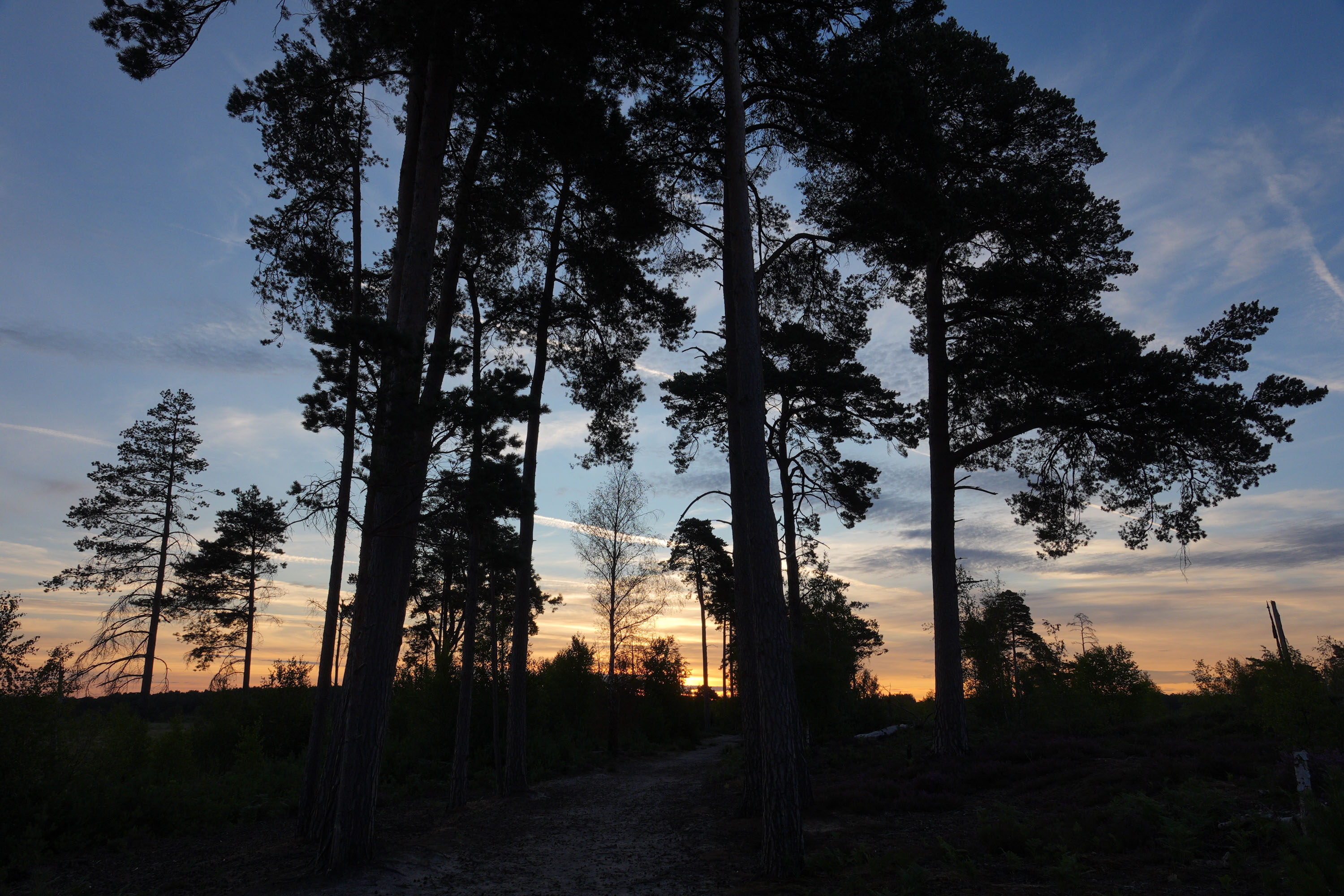
Sony RX10 V bridge camera sample gallery, silhouettes of tall trees at first light, with golden light behind them
I dialled in negative exposure compensation using one of the exposure dials here to keep the golden colorTim Coleman
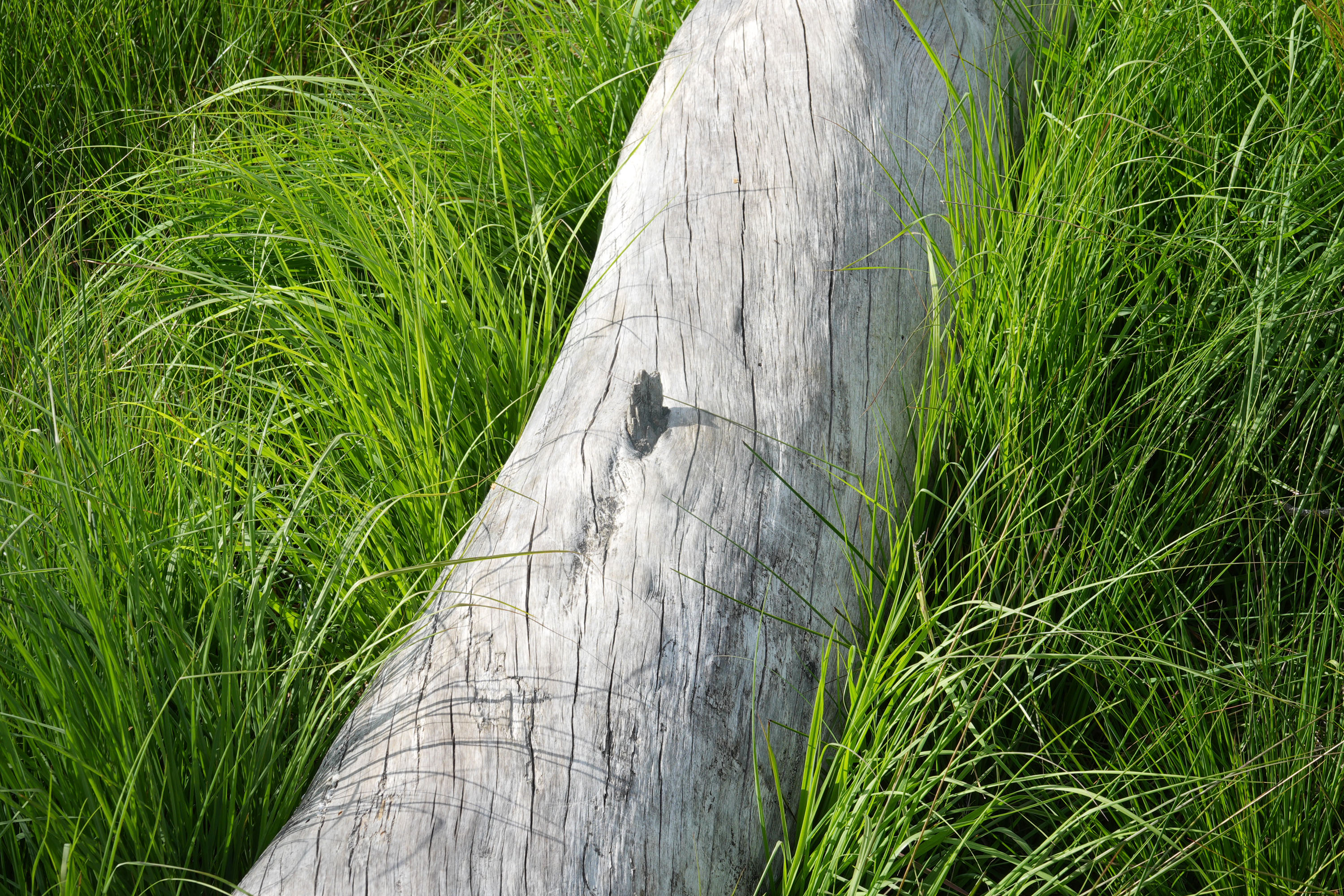
Sony RX10 V bridge camera sample gallery, a fallen tree among long grass
In this daylight scene, I stopped the aperture down to f/7.1, and detail is really crispTim Coleman
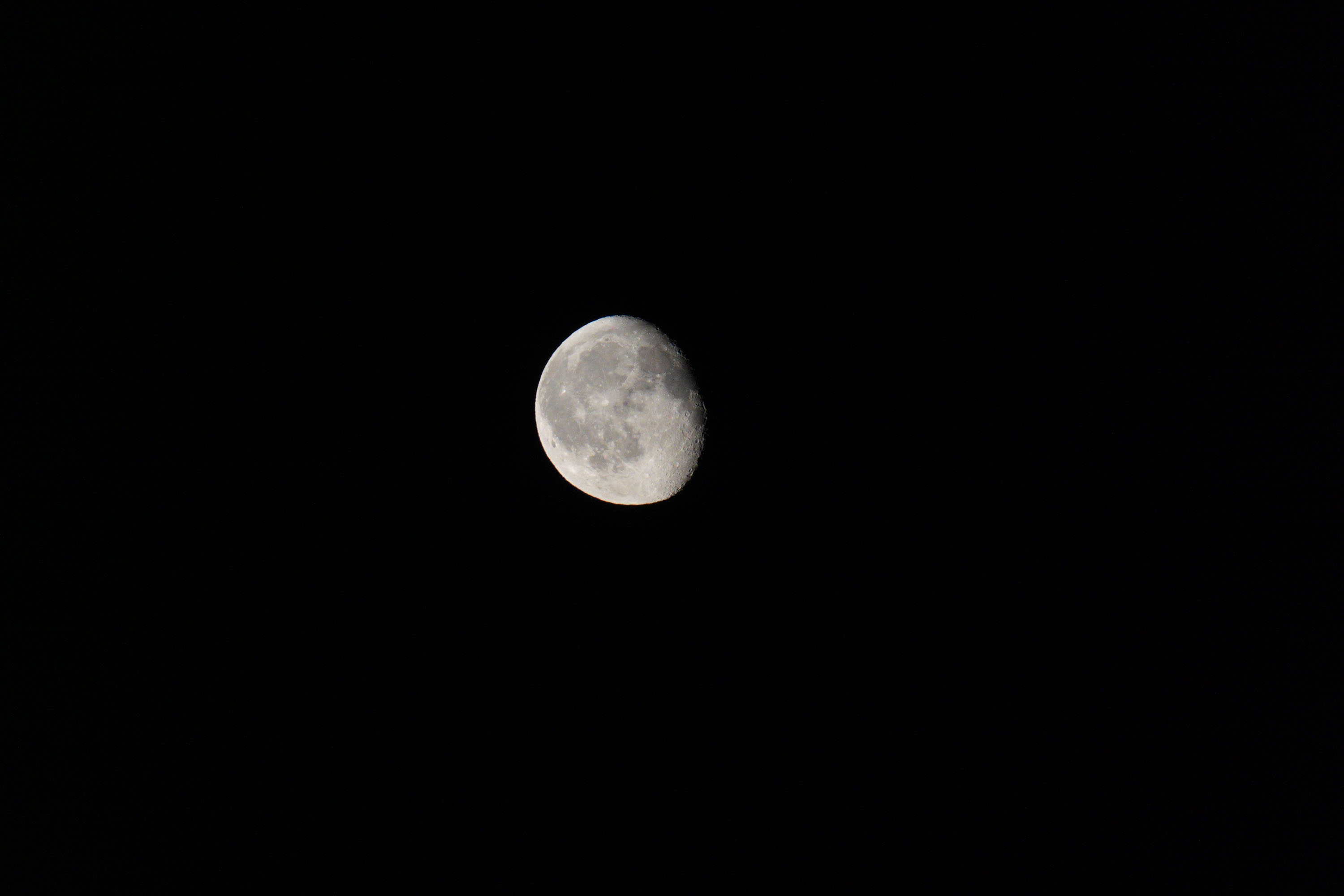
Sony RX10 V bridge camera sample gallery, closeup of the moon
This is how close you get to the moon with the 600mm focal length. I could crop down further if I wished. That said, detail in the JPEG, shot at ISO 1000, is a little muddyTim Coleman
Sony RX10 V bridge camera sample gallery, woman walking down an ancient street in Malta
The zoom range helped me frame the person down this long alleyway. A camera like the X100VI couldn't have got this shotTim Coleman
Sony RX10 V bridge camera sample gallery, an old town on a sunny day
The wide 24mm settingTim Coleman
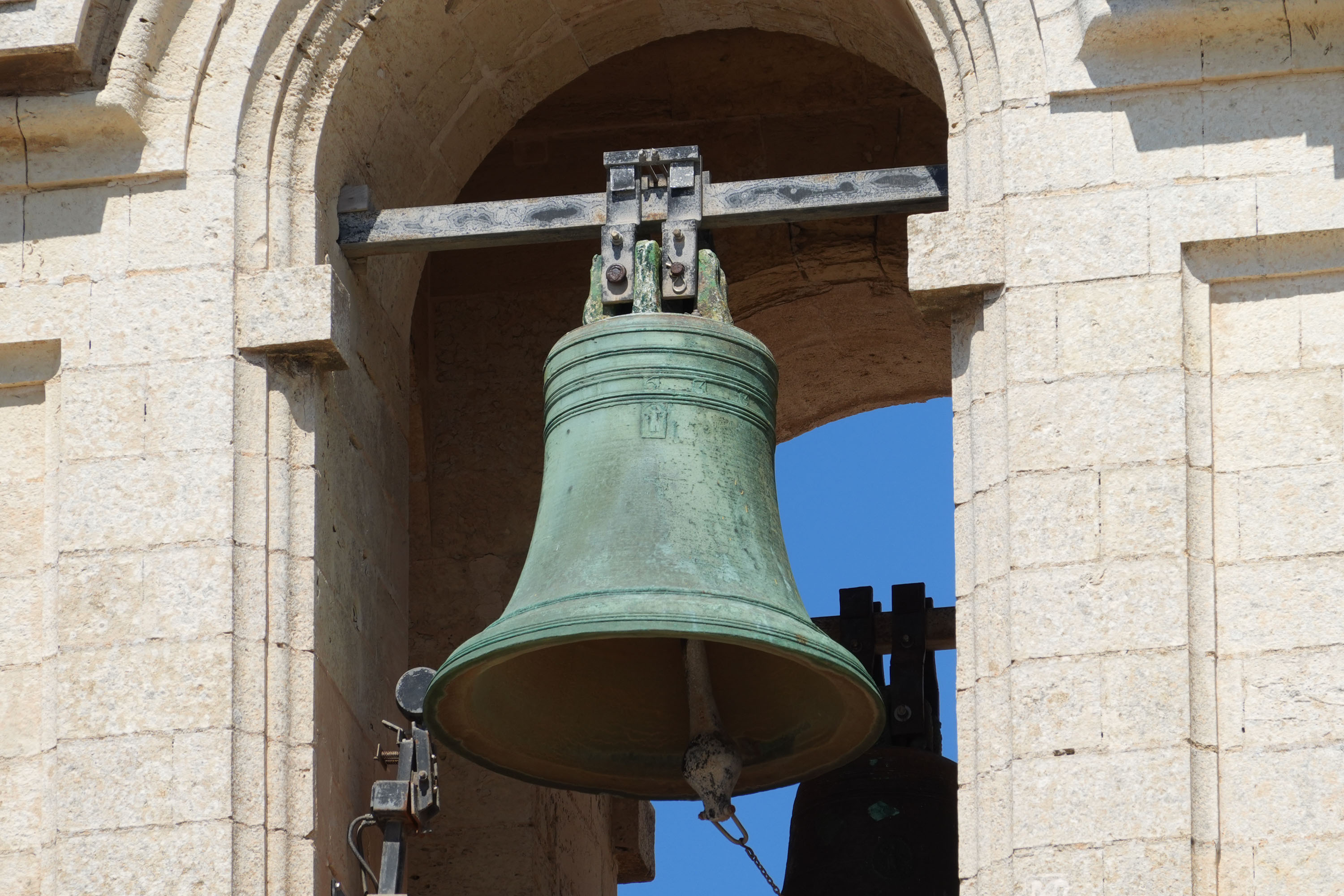
Sony RX10 V bridge camera sample gallery, closeup of a bell tower
And zoomed in to 600mmTim Coleman
Sony RX10 V bridge camera sample gallery, an old town on a sunny day, with an ancient tower
24mmTim Coleman
Sony RX10 V bridge camera sample gallery, an old town on a sunny day, with an ancient tower
70mmTim Coleman
Sony RX10 V bridge camera sample gallery, a tower in an old town
135mmTim Coleman
Sony RX10 V bridge camera sample gallery, a tower in an old town
600mmTim Coleman

Considering the versatility of the 25x optical zoom lens, image quality is impressively sharp, while the bright aperture helps with low-light quality, and is easily able to blur backgrounds when using the telephoto settings.

That being said, there are no major image-quality improvements over the nine-year-old RX10 IV; we're still getting 20.1MP photos in RAW & JPEG, and 4K video recording.

It's largely the indirect factors that positively improve image quality: better autofocus performance and subject recognition, enabling an increased hit ratio of sharp photos, and images with greater color accuracy based on detected subjects.

Sony RX10 V bridge camera sample gallery, macro image of a grasshopper on a leaf
Some macro photos. At 600mm, the maximum magnification is 0.49xTim Coleman
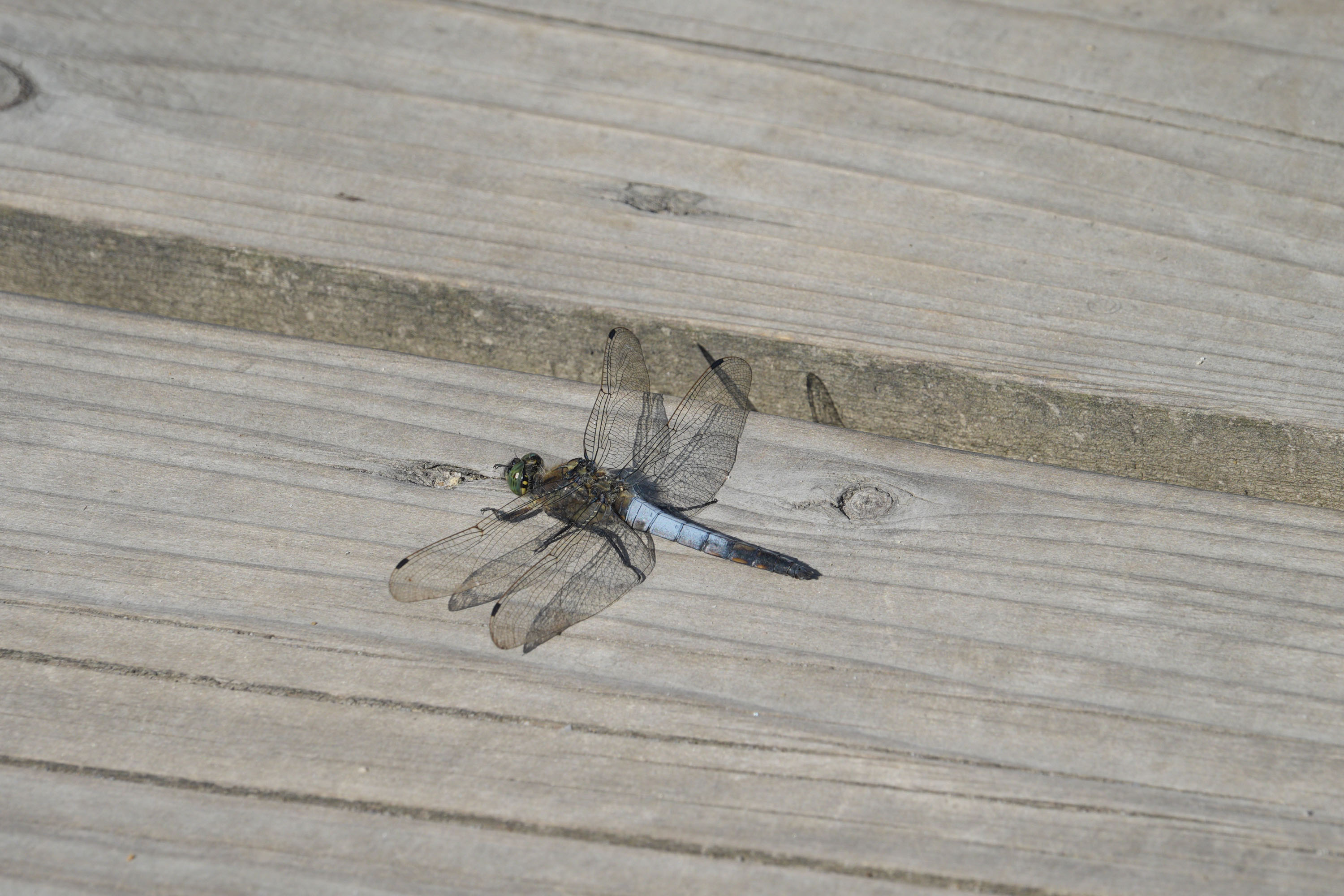
Sony RX10 V bridge camera sample gallery, a closeup of a dragonfly on a wooden boardwalk in a nature reserve
Scroll to the next photo to see how far away I was in getting this photoTim Coleman
Sony RX10 V bridge camera sample gallery, a boardwalk in a nature reserve, there's a distant dragonfly
Yep, the dragonfly is in there, I promise you!Tim Coleman
Sony RX10 V bridge camera sample gallery, closeup of a backlit butterfly on a leaf
In low light, detail can get muddy — this end of day photo was shot at ISO 5000 and I'm not sure it would pass for a big printTim Coleman
Sony RX10 V bridge camera sample gallery, closeup of a butterfly on a pink flower
Tim Coleman
Sony RX10 V bridge camera sample gallery, closeup of a catterpilar on a yellow weed
Tim Coleman
Sony RX10 V bridge camera sample gallery, closeup of a butterfly on a pink flower
Tim Coleman
Sony RX10 V bridge camera sample gallery, a closeup of a pink flower in a nature reserve
Tim Coleman
Sony RX10 V bridge camera sample gallery, a closeup of a dragonfly in a nature reserve, it's feeding on prey
Tim Coleman

Other more direct improvements include a boost in 4K video frame rates: the RX10 IV was limited to 30fps, whereas the RX10 V goes up to 60fps with no crop, or 120fps with a crop. Like before, we still get a 240fps, but only in Full HD format.

And then there are the new color profiles to choose from, including Sony's popular S-Cinetone and S-Log3 for video, and the ability to import up to 16 custom LUTs profiles.
There are a bunch of extra features that make the RX10 V a better camera for video than the RX10 IV; a tally lamp, enhanced audio workflows, and it's also now possible to record an in-camera time-lapse sequence.

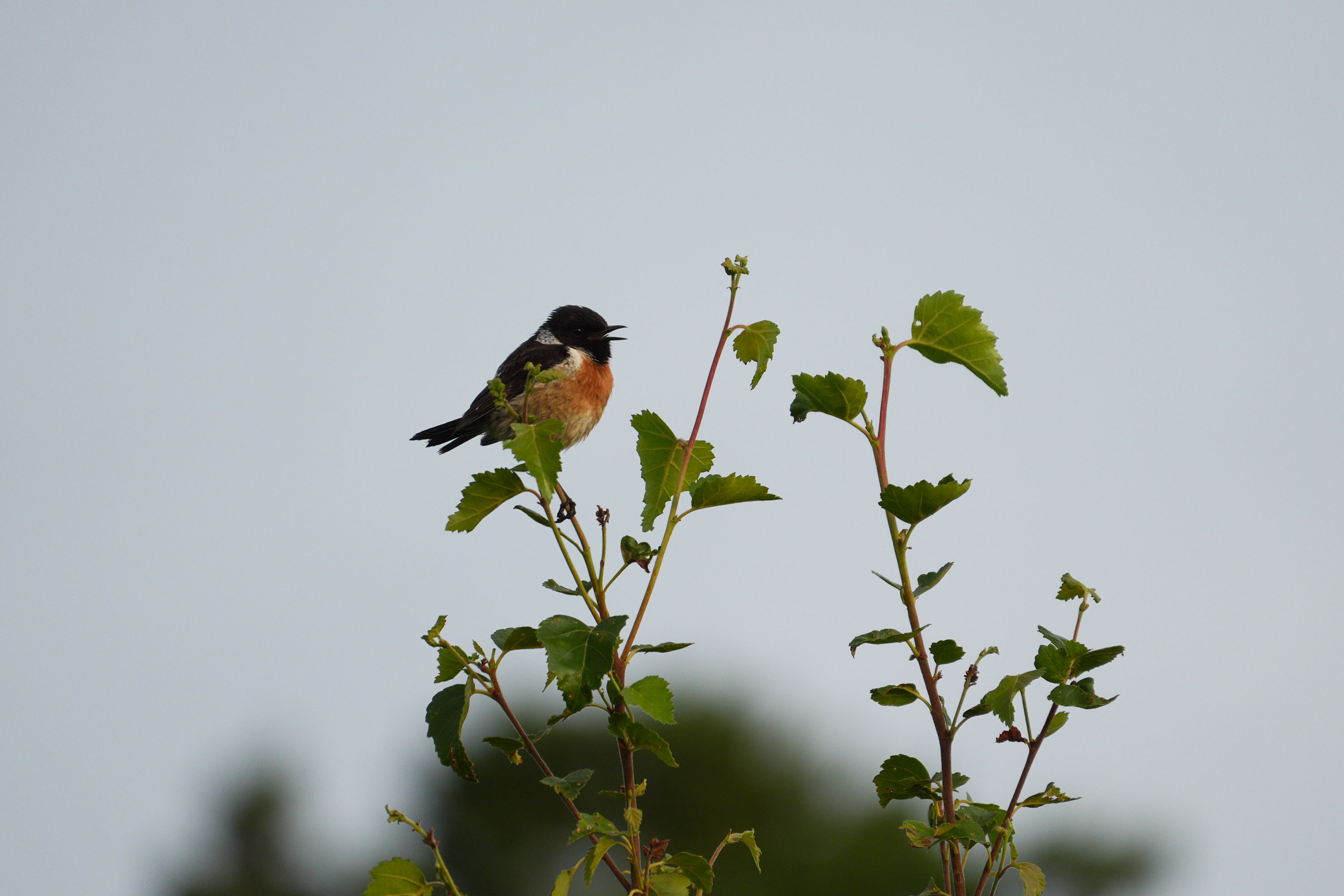
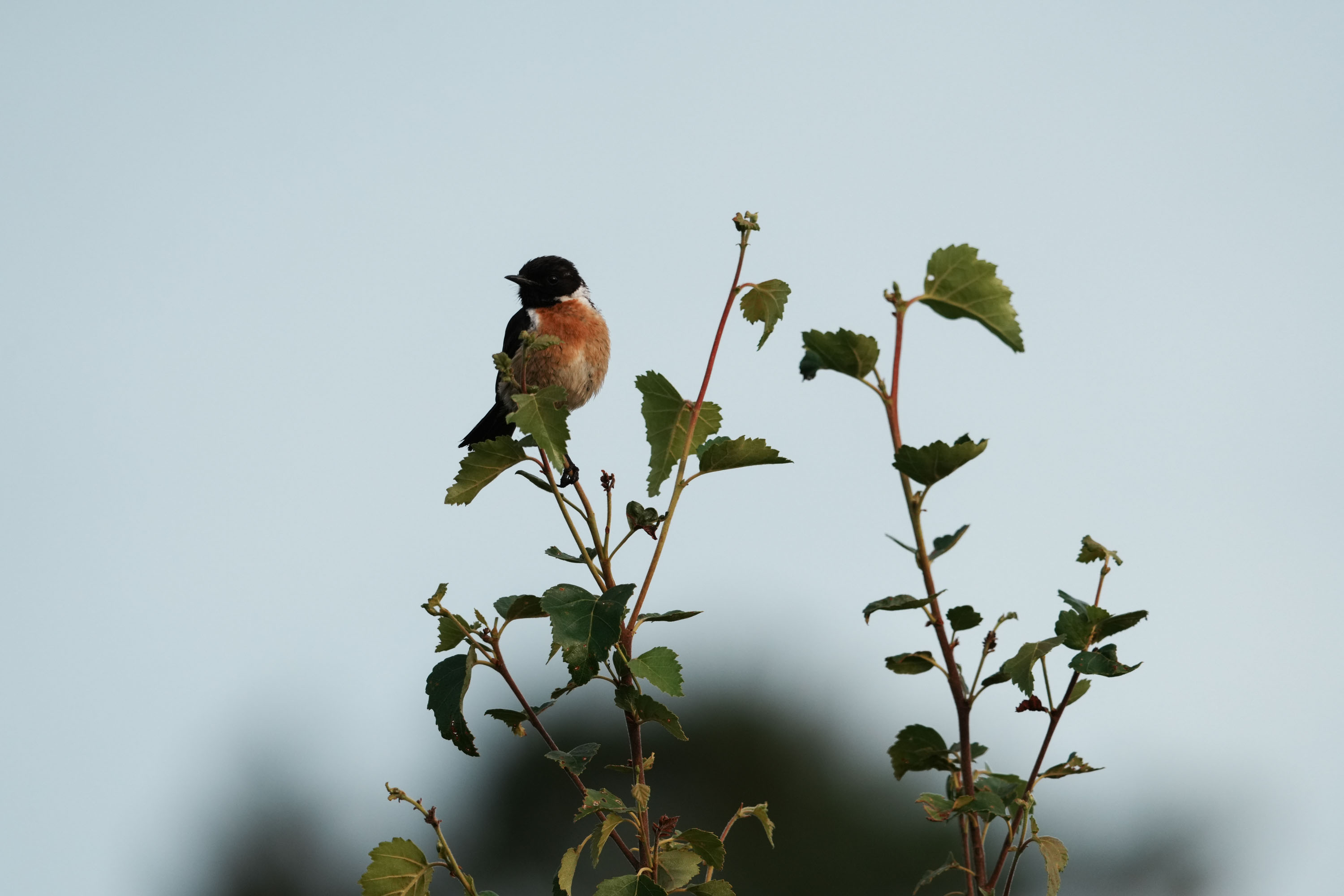
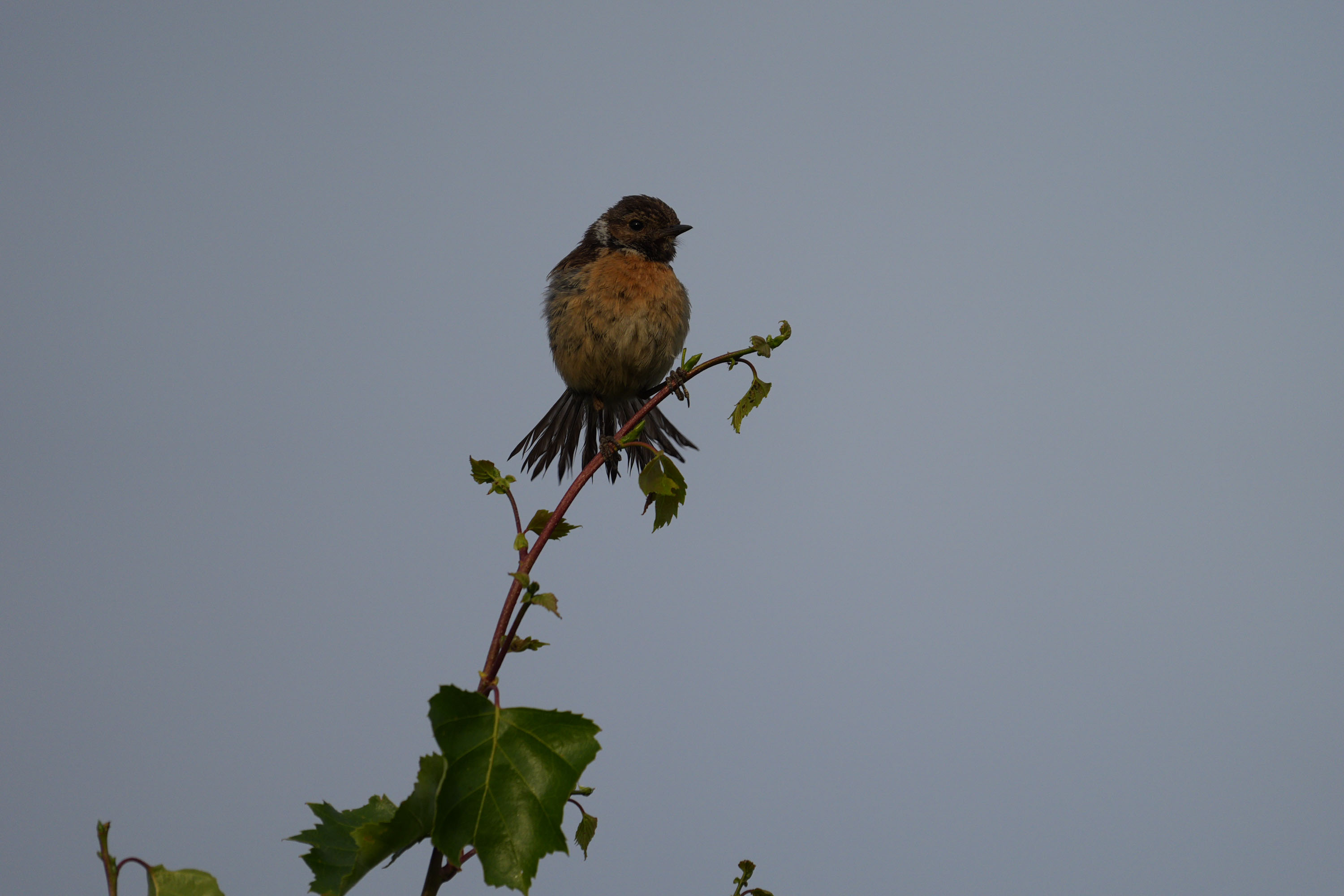
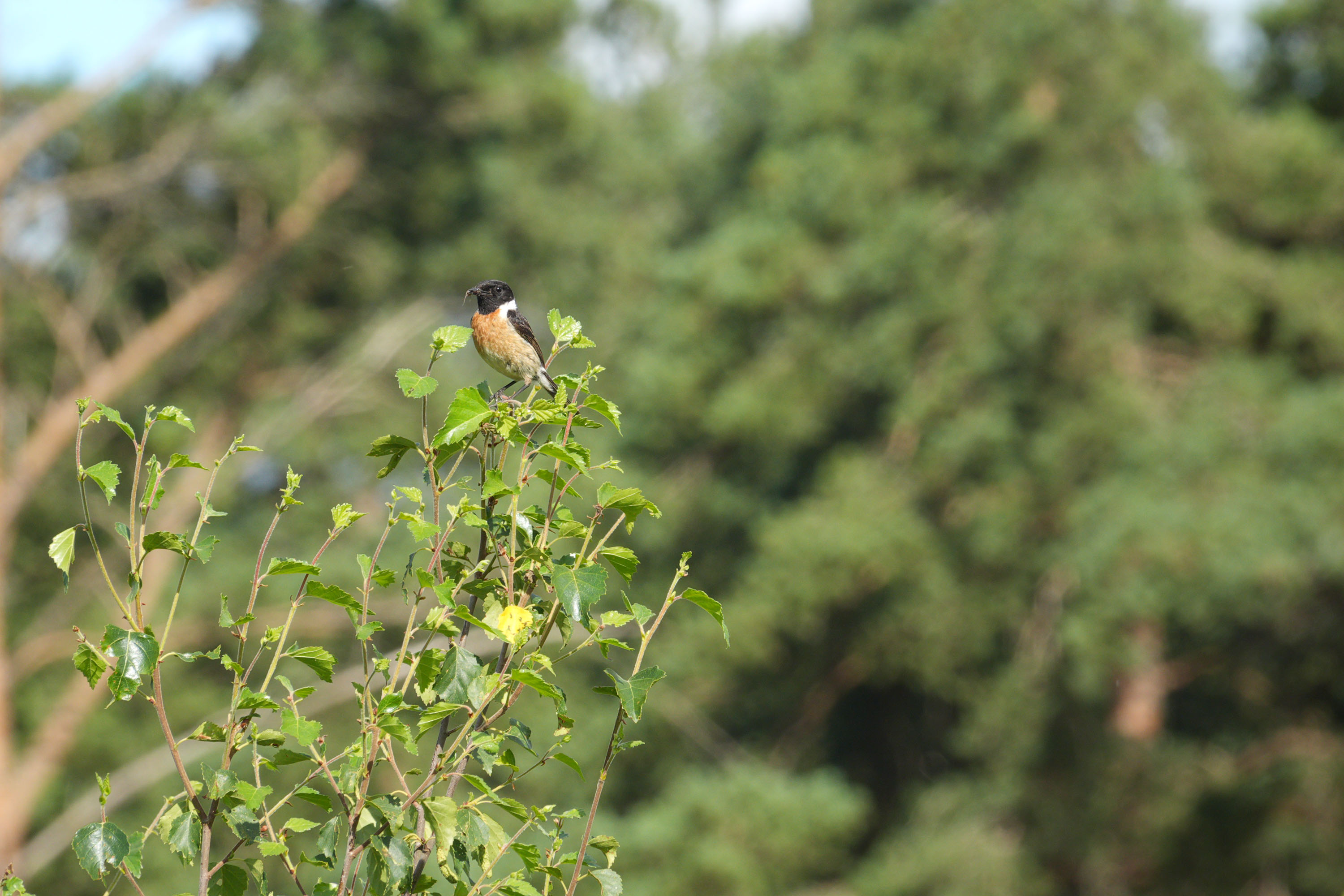
Sony RX10 V bridge camera sample gallery, a stonechat with an insect in its beak, perched on a branch in a nature reserve
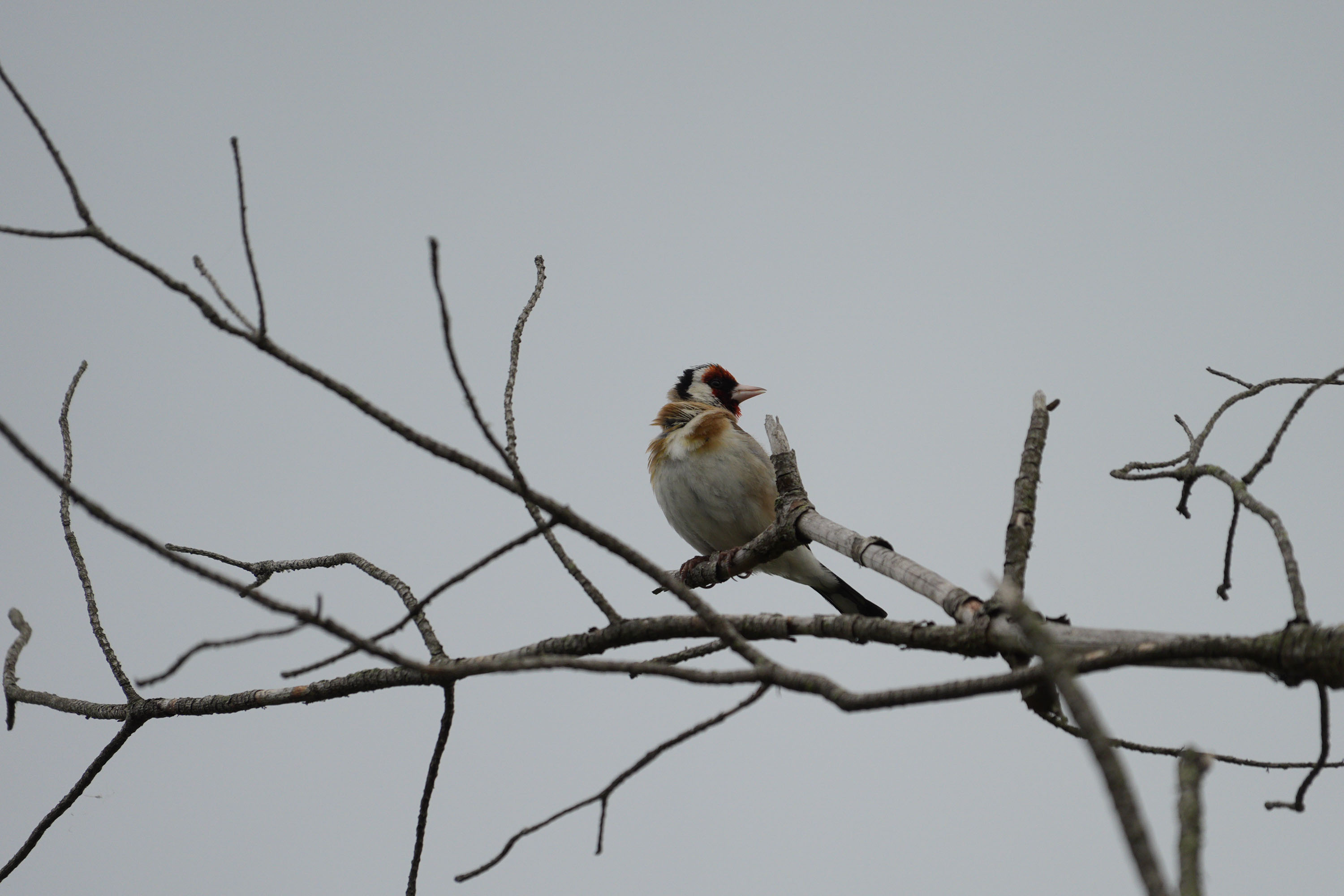
A few of my bird photos, all the original files, no editing or cropping. The camera had no problem detecting the subjects in all the following photosTim Coleman
Sony RX10 V bridge camera sample gallery, bird on a branch
Tim Coleman
Sony RX10 V bridge camera sample gallery, a stonechat perched on a branch in a nature reserve
Tim Coleman
Sony RX10 V bridge camera sample gallery,  a goldfinch on a branch in low light
Tim Coleman
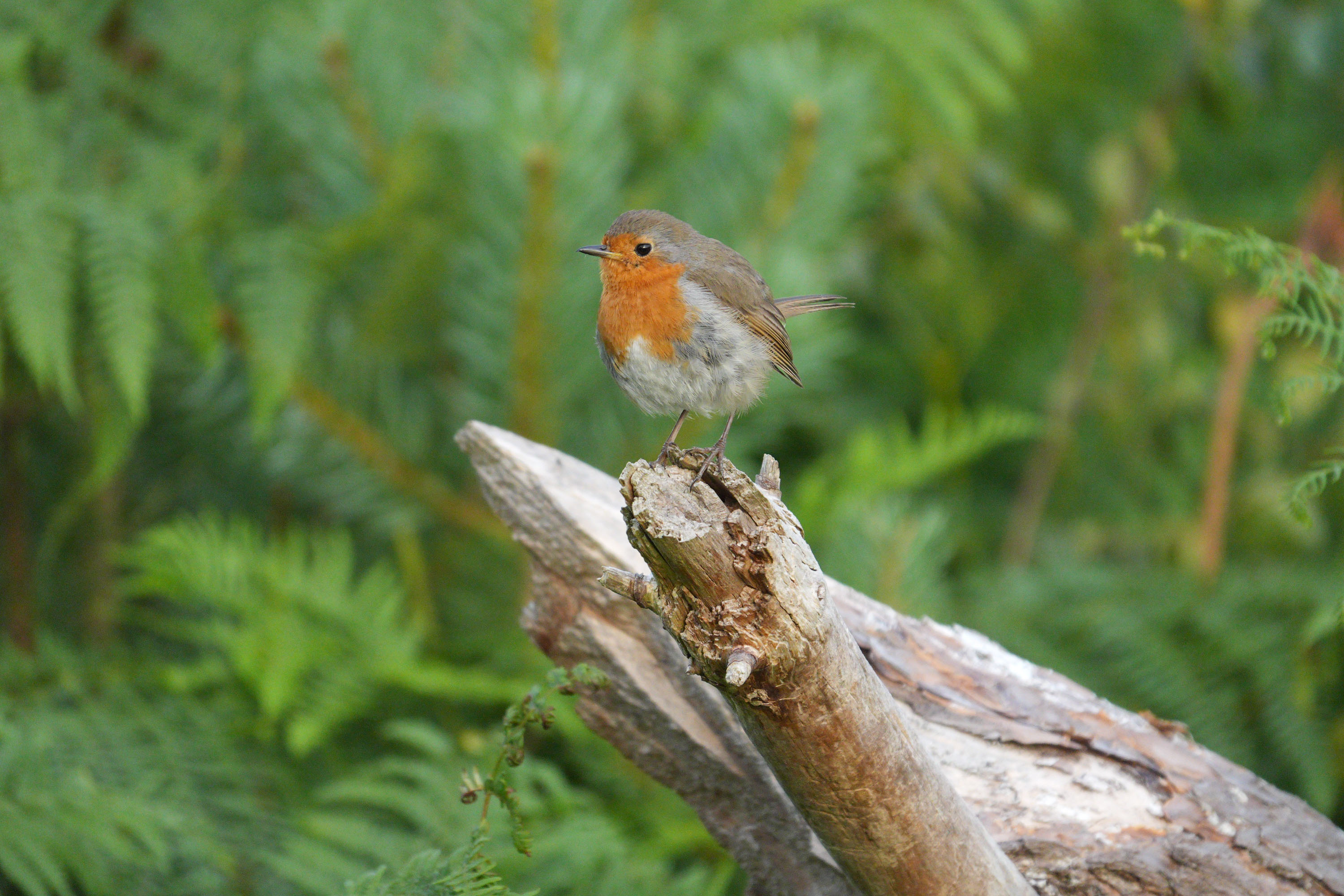
Sony RX10 V bridge camera sample gallery, a robin on a tree trunk surrounded by ferns
Tim Coleman

If you already own a mirrorless camera, you're probably wondering if the RX10 V's quality is sufficient to replace a supertelephoto lens for photographing distant subjects. I was curious to find out, so I took the same photos of birds with the Sony A7R V professional mirrorless camera and Sony's longest telephoto lens, the 400-800mm, which is a similar price to the RX10 V.

You can see the direct comparisons between the RX10 V and Sony A7R camera with 400-800mm lens in my separate write-up. But to summarize here — yes, the RX10 V's detail is impressively sharp for a camera of this kind, but there is a reasonably obvious gulf in outright clarity from the larger and pricier Sony mirrorless setup.

  • Image and video quality score: 4.5/5

Sony RX10 V: testing scorecard

Sony RX10 V

Attributes

Notes

Rating

Price

It's a lot to pay for a bridge camera, but you are getting a lot of camera

4/5

Design

Excellent design tweaks improve handling, but built-in flash and top LCD are goine

4.5/5

Performance

Sony's latest processor, autofocus and bigger battery deliver where it matters most

5/5

Image and video quality

Nine years after the RX10 IV, and we still have the same 20.1MP sensor and 24-600mm lens. Best-in-class image quality, but a mirrorless camera with telephoto zoom will be even better

4.5/5

Should I buy the Sony RX10 V?

Buy it if...

You want an all-in-one camera, but you're a regular wildlife photographer
Yes, the 24-600mm f/2.4-4 lens is super bright and versatile, but it's the telephoto settings that entice people to bridge cameras, and the RX10 V is the best of its kind.

You want a lightweight setup for wildlife photography
Bridge cameras are hardly small, but when you consider its size against a mirrorless camera with a lens that reaches up to 600mm, the RX10 V is positively tiny and lightweight.

Don't buy it if...

You own a working RX10 IV and are happy with it
If your several years-old RX10 IV is still doing the business, there are plenty of ways it matches the RX10 V, given it has the same sensor and superzoom lens.

You can stretch to a lens for your mirrorless camera instead
I would primarily use the RX10 V for wildlife photography, for which a Sony mirrorless camera with a lens like the Sony 400-800mm is a higher-quality setup, even if it is heavier and bulkier.

Sony RX10 V: also consider

Nikon Coolpix P1100

For outright zoom versatility, Nikon's Coolpix P1100 wins with its ridiculous 125x optical zoom — that's a 25-3000mm focal length range! It's also less than half the price of the RX10 V. However, this camera is much bulkier, and its sensor is tiny compared to the RX10 V's — and it shows in its lower-quality images.

Read our Nikon Coolpix P1100 coverage

Sony FE 400-800mm F6.3-8 G OSS

A left-field alternative, but if you already own a Sony mirrorless camera you'll get sharper bird photos by using the 400-800mm lens with it. Yes it's a much bigger setup, but if you're a serious enthusiast you'll want to use this lens more, and it's a similar price to the RX10 V.

Read our Sony FE 400-800mm F6.3-8 G OSS review

How I tested the Sony RX10 V

Photographer and tech journalist Tim Coleman holding the Sony RX10 V bridge camera up to his eye in a nature reserve, with dramatic clouds behind him

(Image credit: Tim Coleman)
  • Sony loaned me the RX10 V for the three weeks prior to its announcement
  • I took it travelling and on regular trips to my local nature reserve
  • I've used all the major camera and lens settings, plus made direct comparisons with Sony mirrorless gear

I made the most of my lengthy review period to properly test the RX10 V. I took it travelling where it was used in bright sunlight and hot weather, to my child's sports day, to my garden for macro photography, plus I regularly visited a nearby nature reserve which is a very popular spot for birding.

Across the various scenarios, I tested the different lens settings — the entire zoom and aperture range. I shot 20MP stills and 4K video clips, pushed the 30fps Drive Mode to its limits, tested the camera's close focusing capabilities, and shot until the battery drained.

And because I feel most people are interested in the RX10 V for wildlife photography, especially bird photography, I tested the various subject detection autofocus modes and pitted the premium bridge camera against Sony's longest lens, the 400-800mm F6.3-8, to see how it fared.

Sony RX10 V vs Sony Cyber-shot RX10 IV: I love this classic wildlife camera’s upgrades after a nine-year wait, but there’s one big drawback

Sony
RX10 V

Sony
Cyber-shot RX10 IV

Fan reacted with dismay when Sony seemingly phased out its range of bridge cameras, with the CyberShot RX10 IV being discontinued in 2024. After all, these relatively lightweight and highly versatile superzoom cameras can shoot anything from landscapes to distant wildlife and macro, and Sony's was the best of its kind.

It’s not just Sony, mind you — I’ve looked after TechRadar’s best bridge cameras guide since 2023, and this space has been pretty dormant for a while now, besides the occasional cheap Kodak model, and Panasonic refreshing an old model with USB-C charging, which left our reviewer unimpressed.

So there’s good news for those who miss the good old days of bridge cameras, with Sony springing a major surprise — a shiny new RX10 V.

The RX10 V comes nine years after the Cyber-shot RX10 IV from 2017, and I think it’s a big deal. Not just because the class-leading series is back, but because Sony has fitted the latest model with genuine upgrades that make it a better camera for its key use case: enthusiast wildlife photography. The best bridge camera just got better, and it’s in stores now.

I’ve already tested Sony’s latest superzoom, and you can read my in-depth RX10 V review for more details. It's a decent upgrade, and based on how many people I've seen clamoring for this exact camera, I think it will sell really well, even with its steep asking price.

But should you splash out? Is it the latest model worth upgrading for? Let’s take a look at how the RX10 V compares to the Cyber-shot RX10 IV — their similarities, and what upgrades you can expect.

1. The lens

Sony RX10 IV
The RX10 IVFuture
Photographer and tech journalist Tim Coleman holding the Sony RX10 V bridge camera
And the RX10 V, with the exact same lensTim Coleman
The side profile of the Sony RX10 V bridge camera, on a white table with a patterned wallpaper background, its lens is retracted
And here the RX10 V camera is turned off, with the lens retractedTim Coleman
The side profile of the Sony RX10 V bridge camera, on a white table with a patterned wallpaper background, its lens is half retracted
This is the camera turned on and at the 24mm focal lengthTim Coleman
The side profile of the Sony RX10 V bridge camera, on a white table with a patterned wallpaper background, its lens is fully extended
Whereas here it is extended to its maximum 25x zoom settingTim Coleman
  • Same 24-600mm F2.4-4 lens (25x optical zoom)
  • The cheaper Nikon CoolPix P1100 has a 125x optical zoom

Let's start with the lens — it's the feature that most people buy a bridge camera for. There’s no change whatsoever here; the RX10 V has the exact same 24-600mm F2.4-4 optic as the RX10 IV.

Versatility is the name of the game — the 25x optical zoom covers everything from wide-angle landscapes to closeups of insects and wildlife photography.

Both cameras zoom up to 600mm at the telephoto setting, with the maximum aperture still being a respectable f/4. For me, this is the minimum focal length I’d want available to me for bird photography. If image quality could be equally as good, I'd love to see the reach extend to more like a 35x zoom, should Sony make a mark VI, even if the camera was slightly bigger / the maximum aperture at the telephoto end slightly smaller.

Some other bridge cameras beat the RX10 series for zoom, such as the Nikon CoolPix P1100 with its 125x optical zoom which stretches up to 3000mm at its telephoto setting. However, that camera has a much smaller sensor, and it's physically a much bigger camera. I think the RX10 series has the better balance for size, quality and versatility.

2. Sensor and image quality

  • Same 1-inch 20.1MP sensor
  • Both shoot 4K 30p video, but RX10 V boosts frame rates up to 120fps
Sony Cyber-shot RX10 IV
One of our street photography snaps with the RX10 IVFuture
Sony RX10 V bridge camera sample gallery, can leaning against a wall texting, next to his horse and cart in ancient town
While this is with the RX10 VTim Coleman

Another similarity — both cameras are fitted with a 20.1 megapixel 1-inch CMOS stacked sensor, and are capable of shooting RAW & JPEG photos as well as 4K video.

The stacked sensor positively impacts the quality of high-speed photography and video recording. Sony never confirms exact sensor readout speeds, and is vague about this kind of information, but you can expect minimal rolling shutter distortion for high-speed photography and fast-moving subjects when shooting with the electronic shutter, with which the camera’s fastest burst shooting speeds can be enjoyed, as well as 4K video recording.

I would expect to use the RX10 V primarily for wildlife photography, especially bird photography, and so the fast sensor type is highly welcome.

Both cameras shoot 4K 30p video, but the RX10 V can also shoot up 60fps or up to 120fps with a crop. We also get more color profiles to choose from with the RX10 V, including S-Log3 and S-Cinetone, and Sony says the latest Bionz XR chip improves color fidelity compared to the RX10 IV, thanks to real-time subject detection.

3. Processor and autofocus

Sony RX10 V bridge camera sample gallery, a stonechat with an insect in its beak, perched on a branch in a nature reserve
Bird detection autofocus works a treat in the RX10 V — here it easily picked up this stonechat in my local nature reserve, despite it only taking up a small portion of the image areaTim Coleman
Sony RX10 V bridge camera sample gallery, a bird in flight in a nature reserve
Improved autofocus performance and versatile burst shooting helped me bag this tricky shot. I'm not convinced I would have got this photo with the older RX10 IVTim Coleman
  • RX10 V features latest Bionz XR processor and AI chip
  • Subject-detection autofocus expanded to more subjects, now includes auto
  • Burst shooting speeds upped from 24fps to 30fps

Here’s where some of the biggest upgrades kick in — the RX10 V is equipped with Sony’s latest Bionz XR processor and AI chipset — a combined setup just like in the A7R VI and A7 V mirrorless cameras.

The quickest shooting speeds are upped from 24fps to 30fps when using the electronic shutter, or it’s up to 10fps, as before, when using the mechanical shutter. I don't see that minor improvement as enough reason to upgrade.

There’s a major boost for autofocus performance, however, with the RX10 V enjoying Sony's latest real-time subject detection autofocus, which covers subjects as diverse as birds, animals and vehicles, with the option for ‘Auto’ subject detection added. For the best outright performance, I’d still recommend selecting the specific subject if you know that’s all you’ll be photographing, say on a bird photography excursion.

It’s now also possible to customize a button to ‘boost’ burst shooting speeds when the action strikes. For example, you can tick over at 10fps in continuous medium, but get an immediate temporary boost to 30fps by pressing a boost button. I found the placement of the available customizable buttons super awkward for this feature (C1 and C2, for example, require your index finger, leaving your middle finger to press the shutter button — not ideal), but it’s still a great option to have to avoid taking too many action shots.

4. Design

Sony Cyber-shot RX10 IV
The RX10 IV has a top LCD and built-in flashFuture
Sony Cyber-shot RX10 IV
The rear side of the RX10 IVFuture
Sony Cyber-shot RX10 IV
Future
Sony RX10 IV
Future
Photographer and tech journalist Tim Coleman holding the Sony RX10 V bridge camera, its lens is zoomed out
The RX10 V's design follows the bridge camera blueprint, but there are plenty of changesTim Coleman
Closeup of the Sony RX10 V bridge camera's  top controls
It loses the top LCD and built-in flashTim Coleman
The Sony RX10 V bridge camera on a white table with a patterned wallpaper background, closeup of its viewfinder
But gains an joystick (Sony calls it a Multi selector), more pronounced viewfinder with larger displayTim Coleman
Closeup of the Sony RX10 V bridge camera's  battery door, and the battery is half out
It's battery is also the higher capacity NP-FZ100 kindTim Coleman
The Sony RX10 V bridge camera on a white table with a patterned wallpaper background, view of its rear, with the screen titled
The 3-inch tilt touchscreen is pretty similar, with a small boost in resolution. However, its touch capabilities are improved, and it has a vertical UI option.Tim Coleman
  • New control layout, larger EVF and comfier grip feel more Alpha-like
  • USB-C port added, larger NP-FZ100 battery boosts shot life by over 50%
  • RX10 V misses out on built-in flash and top LCD

There have also been some fairly major design changes, including to the control layout, and the RX10 V looks much more like an Alpha than the RX10 IV did — that cameras feels more like a Cyber-shot compact.

I found the grip comfier, and I appreciated the extra exposure control dials, the addition of a joystick, the tally lamp for video recording, and the ports being neatly tucked away under rigid protective doors. The latest model also adds a USB-C port for charging, which is necessary under EU Common Charger regulations as of 2025, while the RX10 IV lacks this port, which is likely one of the reasons why it was removed from shelves last year.

We get a significant boost in power too, because the RX10 V uses the same NP-FZ100 battery as many recent Sony mirrorless cameras, which is a larger unit than the NP-FZ50 type used by the RX10 IV. Sony says battery life has increased by around 50% — from up to 400 shots to 630 shots. Add on-the-go USB-C charging, and the RX10 V is better equipped to last through a heavy day of photography.

The single SD memory slot is now compatible with faster UHS-II cards, while the older model only supports UHS-I. The viewfinder has a decent upgrade too — it’s a more immersive 0.5-inch 3.68m-dot unit, versus a 0.39-inch 2.36m-dot type. The viewfinder is also more pronounced, which makes it more accessible. It's still no match for the even-bigger and brighter unit in many of Sony's full-frame mirrorless cameras, as I discovered when directly comparing it to the A7R V's.

There are a couple of drawbacks to the newer model. It doesn’t have a built-in flash as the RX10 IV does, but there is a hotshoe, and the RX10 V, like its predecessor, is compatible with an external flash. We also lose the top LCD display, which was a useful reference for camera settings. I prefer the shooting-mode dial placement and top LCD on the RX10 IV, but overall the RX10 V easily handles better.

5. Price and availability

  • Cyber-shot RX10 IV discontinued — it was $1,700 / £1,500 / AU$2,000
  • RX10 V costs $2,300 / £2,200 / AU$3,499

Here comes the sting — the RX10 V is a lot pricier than the RX10 IV was when it was launched in 2017. That's to be expected given the nine years between the two cameras, but the RX10 IV was already the priciest bridge camera choice, and firmly out of reach for many of the exact kind of photographer who would want one: enthusiast wildlife photographers looking for a lightweight and versatile all-in-one kit.

The RX10 IV launched for $1,700 / £1,500 / AU$2,000 back in 2017, and it remained at that price point for many years after until it was discontinued. I've checked multiple leading camera gear stores, such as KEH (US) and MBP (UK), and secondhand RX10 IV's are a rarity.

Meanwhile the RX10 V costs $2,300 / £2,200 / AU$3,499. That’s a lot of money for such a camera, when it’s possible to pick up an older full-frame mirrorless body and secondhand telephoto zoom for little more. Or, if it's the telephoto reach you want and you already own a Sony mirrorless body, the 400-800mm F6.3-8 lens costs around the same as the RX10 V.

Conclusion

Photographer and tech journalist Tim Coleman holding the Sony RX10 V bridge camera up to his eye in a nature reserve, with dramatic clouds behind him
The RX10 V in actionTim Coleman
Sony Cyber-shot RX10 IV
And the RX10 IVFuture

The Sony RX10 V is the exact upgrade that bridge-camera fans have been asking for. Its core lens and sensor specs are identical to the RX10 IV's, but the new processor, subject-detection autofocus and larger battery deliver a major boost in performance, in the key areas that I would hope for.

Throw in a design overhaul, especially the inclusion of a joystick and larger viewfinder, and the RX10 V feels very much the bridge camera for 2026, and one that I expect to be very popular among the photographers who can afford it.

Simply the fact that the RX10 series is back is no doubt going to please many photographers who love the format for its versatility and relatively light weight. That said, if you can find the older RX10 IV for much less (good luck to you), you also won’t be disappointed — it’s still an excellent camera all these years on, offering very similar quality when it nails the shot.

Breaking: Sony is launching a new RX10 bridge camera next week! Here's what we can learn from the shock teaser

  • Sony teased a new RX10 on its Instagram, writing 'The Wait is over'
  • Its previous bridge camera was the RX10 IV from 2017, which is discontinued
  • This latest in the series will arrive on July 9 at 7am PT / 10am EDT / 3pm BST

Sony just dropped exciting news for fans of its versatile bridge cameras — a new RX10 camera will be revealed next week.

The teaser on Sony's Instagram reveals a surprising amount of detail, including the release date plus a silhouette of the next RX10, which from we can glean some info about its lens.

Perhaps the most surprising part of all is that Sony is launching a new RX10 in the first place. Its most recent bridge camera was the Cyber-Shot RX10 IV which was released all the way back in 2017, and has been discontinued for more than two years.

The RX10 IV is still regarded as the best bridge camera available, which tells you everything you need to know about this space, which has been largely dormant for years, save for a tired Lumix re-release and the occasional cheap Kodak model.

Despite the RX10 IV's skills, we can only hope that Sony has a little more in store for the next RX10, because an upgrade on the mark IV could be super interesting. The teaser (below) gives us a little snippet of what we can expect.

The most obvious point to note is the release date, which will be July 9 at 7am PT / 10am EDT / 3pm BST. I predict that putting a Sony bridge camera back in stores will be a popular move, especially among enthusiast wildlife photographers desiring a versatile telephoto lens in a lightweight setup.

Otherwise, there's one little clue, and that's the part of the teaser when the lens is extending upwards. We can't see the focal length of the lens, but we can see the aperture range, which is f/2.4 to f/16.

That aperture range is identical to the RX10 IV, which features a 25x optical zoom with a 24-600mm focal length range. The other details in that lens silhouette also look the same as those in the RX10 IV; the Vario Sonnar T* and twin control rings.

It's harder to glean much else from the teaser — the silhouette of the camera body looks similar to the one before it, but it could very well be different.

We won't have long to wait to find out more, with the next RX10 coming in less than a week.

What do you think of Sony's teaser? Is this the next Sony camera you were hoping for? Have your say in the comments.

❌