Reading view

There are new articles available, click to refresh the page.

The 11 best hi-fi upgrades of 2026 so far — we gave these speakers, turntables and DACs our highest marks after tough testing

We're halfway through 2026, which means a lot of products have passed through TechRadar's testing rooms — in total, we've reviewed a colossal 639 products in January to June 2026.

That includes a load of fantastic audio tech — including new options good enough to challenge the best wireless speakers, the best turntables, the best DACs to get more from streaming music on your PC or phone, and the best stereo speakers.

Our expert reviewers have tested a lot of stuff, and some products have proven to be the cream that rises to the top. Here are the products in these areas that scored either 5 stars or 4.5 stars in our reviews, making them best-in-class or highly recommended.

Wireless & stereo speakers

Wharfedale Diamond 12.1i
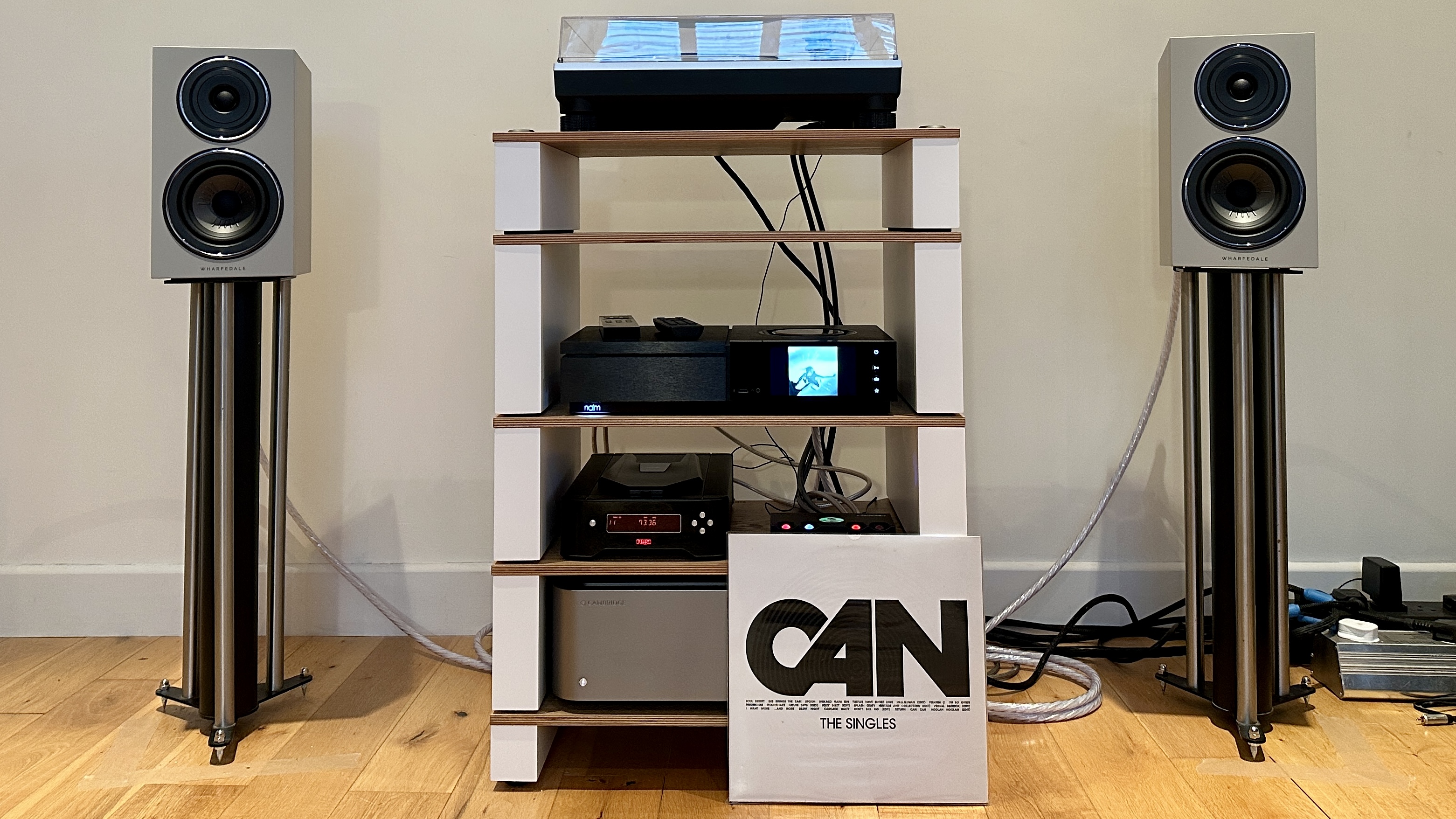
The Wharfedale Diamond 12.1i speakers on stands, on either side of a hi-fi setup with a Naim amp, plus a turntable and CD player

(Image credit: Future)
  • Score: 5 / 5
  • Price: $499 / £249 / AU$699 (pair)

What is it? The latest bookshelf stereo speakers in Wharfedale's famous 'Diamond' line, which is over 40 years old and clearly still going strong. They're two-way speakers with a 25mm tweeter, a 130mm mid/bass driver, and deliverying a frequency range of 65Hz - 20kHz. And they're easy to drive, and flexible on positioning — a great beginner hi-fi model.

What we said: "The Wharfedale Diamond 12.1i speakers turn out to be (yet another) high-achieving-yet-affordable loudspeaker option. They sound excellent, they're very unfussy about what drives them, they look and feel good, and they're extremely well priced. They're a little large for a pair of ostensibly 'bookshelf' speakers, so be warned if you're actually looking to put them on shelves, but that's easily forgiven."

Read our full Wharfedale Diamond 12.1i review

Cambridge L/R S
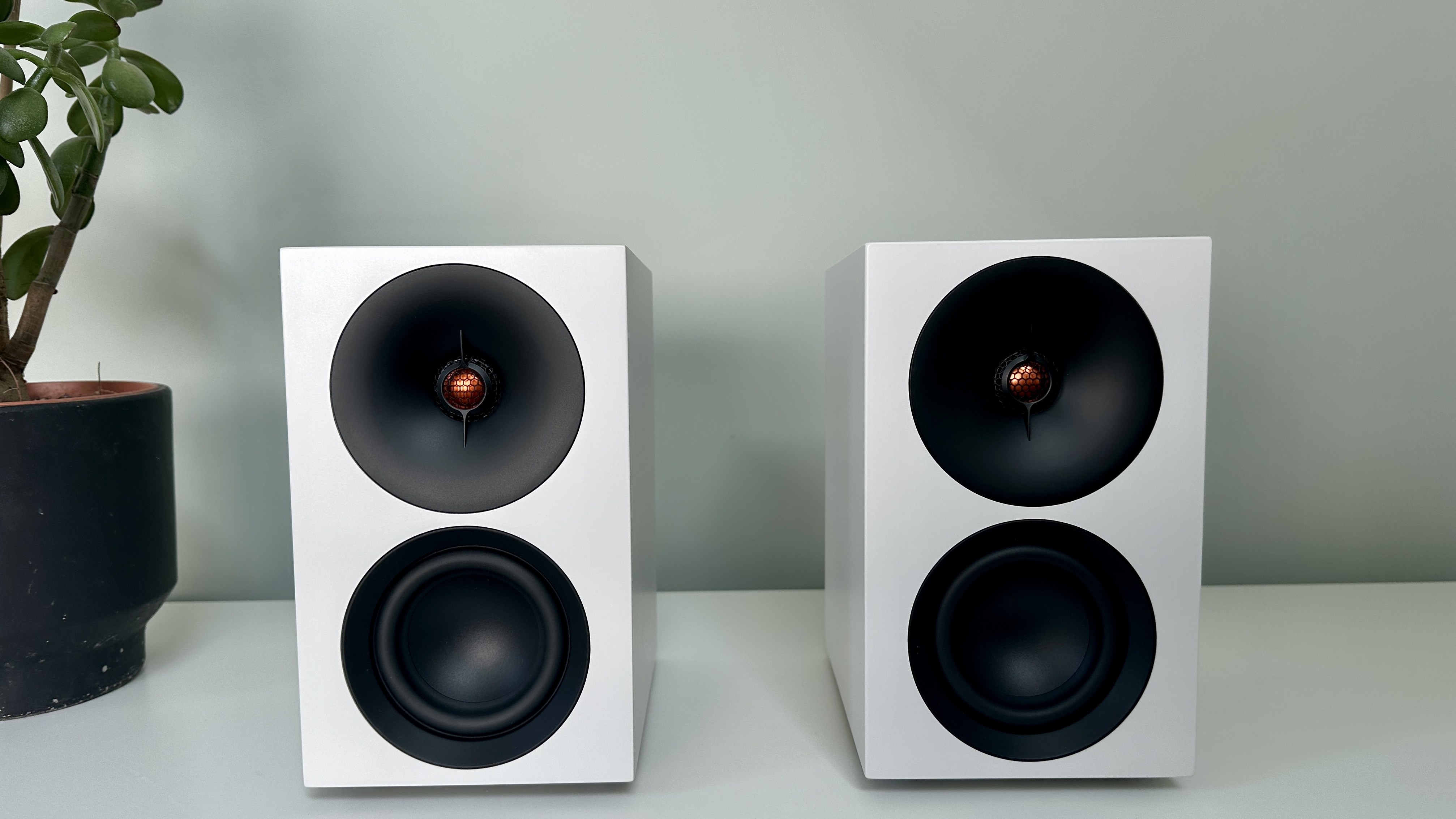
Cambridge L/R S active stereo speaker system, with a silver finish, on a white surface.

(Image credit: Future / Simon Lucas)

What is it? Small and stylish active stereo speakers with wireless connectivity as well as wired digital and analogue connections. There's 100 watts of Class D amplification powering a 21mm tweeter and 76mm mid/bass driver combo, and the connection stretch to USB-C, line-level stereo RCA, digital optical input, a pre-out for a subwoofer, and Bluetooth (with aptX HD codec compatibility).

What we said: "The Cambridge L/R S is a good-looking, well-built wireless active stereo speaker system that has the bold sound smarts to back up the fine, multi-option visuals. Sure, it's a little too confident at the bottom of the frequency range, with too much weight given to bass information, but for the money it's a genuine contender in an already-stacked market. Requires serious consideration."

Read our full Cambridge L/R S review

Sonos Play
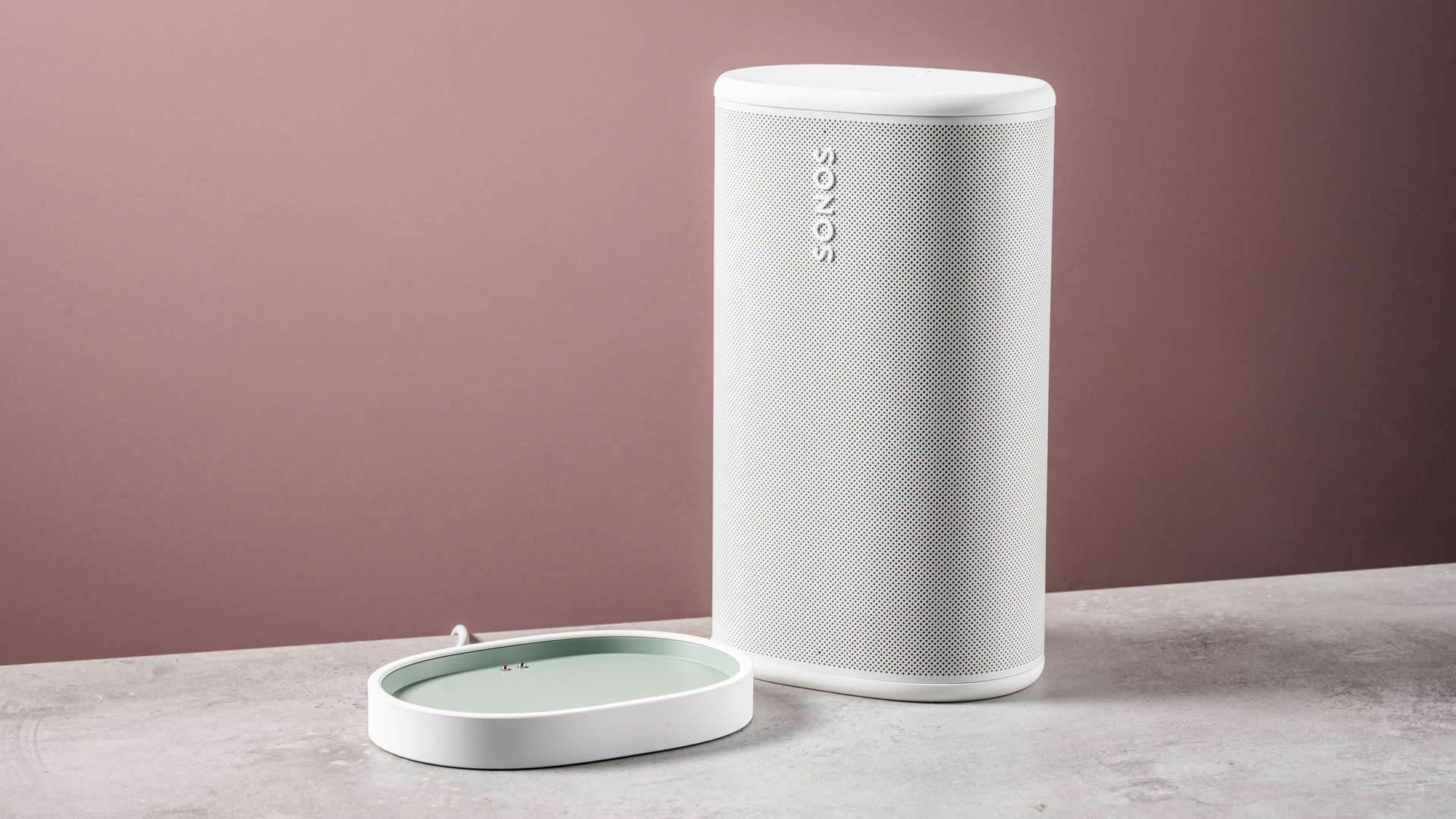
The Sonos Play speaker next to its charging cradle

(Image credit: Future)
  • Score: 4.5 / 5
  • Price: $299 / £299 / AU$499

What is it? Sonos' mid-size portable speaker, with enough power and quality to work as a home speaker, but a battery and charging cradle so you can take it away instantly. With audio input as an option over its USB-C port (via an adapter) it's incredible versatile — it's also tough and waterproof.

What we said: "The Sonos Play is a triumph of usability. It has just the right design and convenience considerations to make you pick it up and use it more often than other speakers, even great portable ones. To paraphrase a notable camera quote: the best speaker is the one you choose to listen on. The Sonos Play encourages me to listen more, in more places. It doesn't hurt that it sounds better than most portable speakers, too, and can hold its own as a home speaker."

Read our full Sonos Play review

Fluance Ri91

  • Score: 4.5 / 5
  • Price: $799 (about £640 / AU$1,270)

What is it? Big floorstanding active speakers with the power of a full hi-fi system, but no need for a separate amp or inputs. There's 150 watts of power behind two 6.5-inch mid/bass drivers and an AMT tweeter per speaker, and connections include HDMI, two RCA inputs, a subwoofer out, and Bluetooth (including aptX HD).

What we said: "The Fluance Ri91 sound great when turned up, though they can be a bit mid-focused, especially for those looking for neutral-sounding speakers. The included HDMI ARC input (quality control issues notwithstanding) are appreciated, as is the ability to stream higher-res audio over Bluetooth aptX."

Read our full Fluance Ri91 review

Denon Home 400
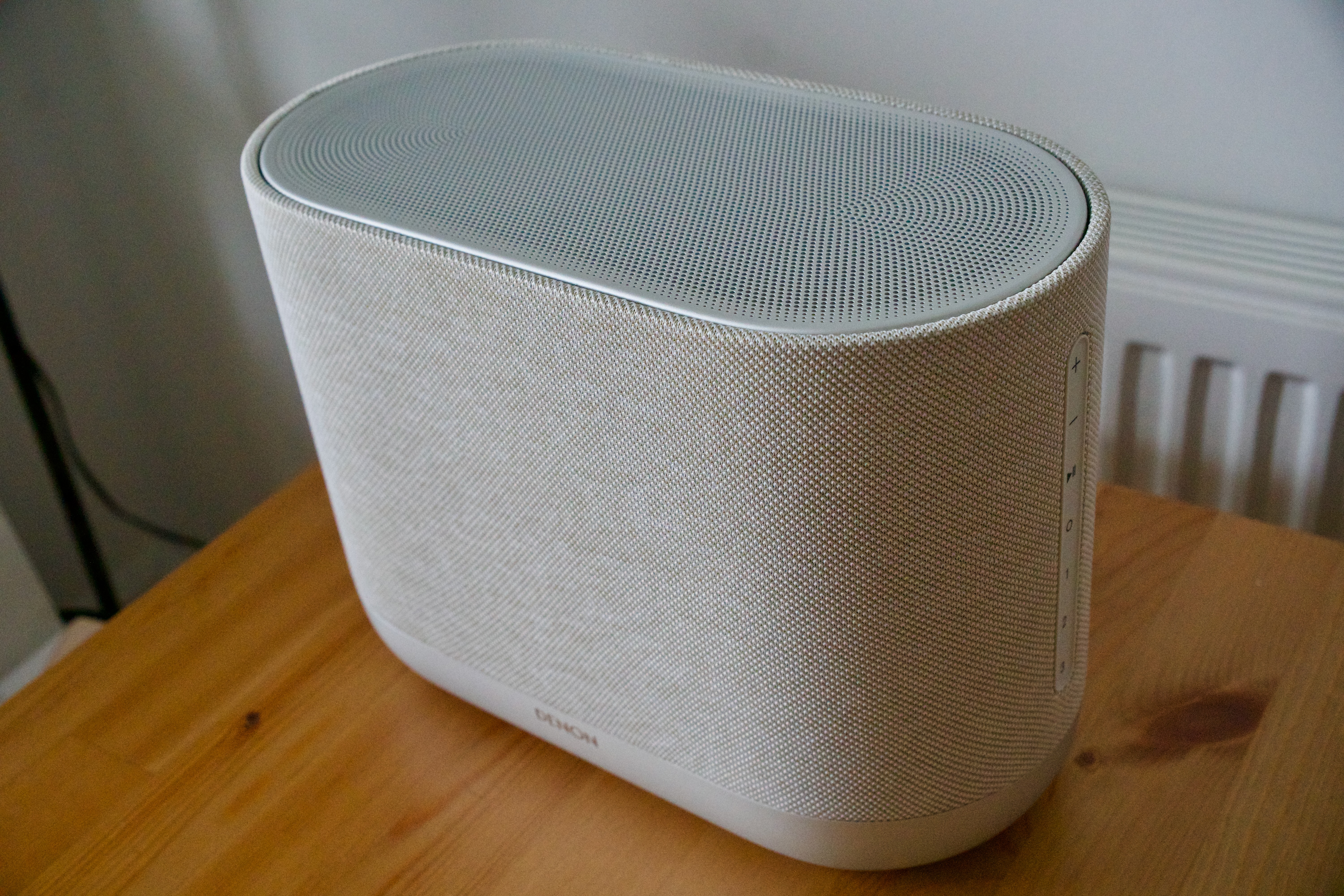
Denon Home 400 home speaker unit, on a wooden surface.

(Image credit: Future / Simon Cocks)
  • Score: 4.5 / 5
  • Price: $599 / £449 (around AU$999)

What is it? A relatively hefty and powerful wireless speaker (think of it as a fair bit bigger than a toaster), that uses six-drivers to deliver expansive Dolby Atmos spatial sound. There are left and right drivers, upfiring drive units, and two 4.5-inch woofers, all with their own Class D amplification. It uses the Denon HEOS wireless system and app, which is powerful and well-specced too.

What we said: "It's a home speaker that delivers where it counts, and is probably the most compelling single-unit spatial audio offering at this price, where it goes head-to-head with some serious competition. It offers confident, engaging and immersive spatial audio performance, a thoughtful and stylish design, and a great range of connectivity options, along with an excellent HEOS app. It sounds wonderful in its default Auto mode or the slightly more balanced Pure mode, but it really rewards those of us who tinker a bit, especially if you mess around with some of the customization options for the width and height of spatial sound."

Read our full Denon Home 400 review

Klipsch The Nines II
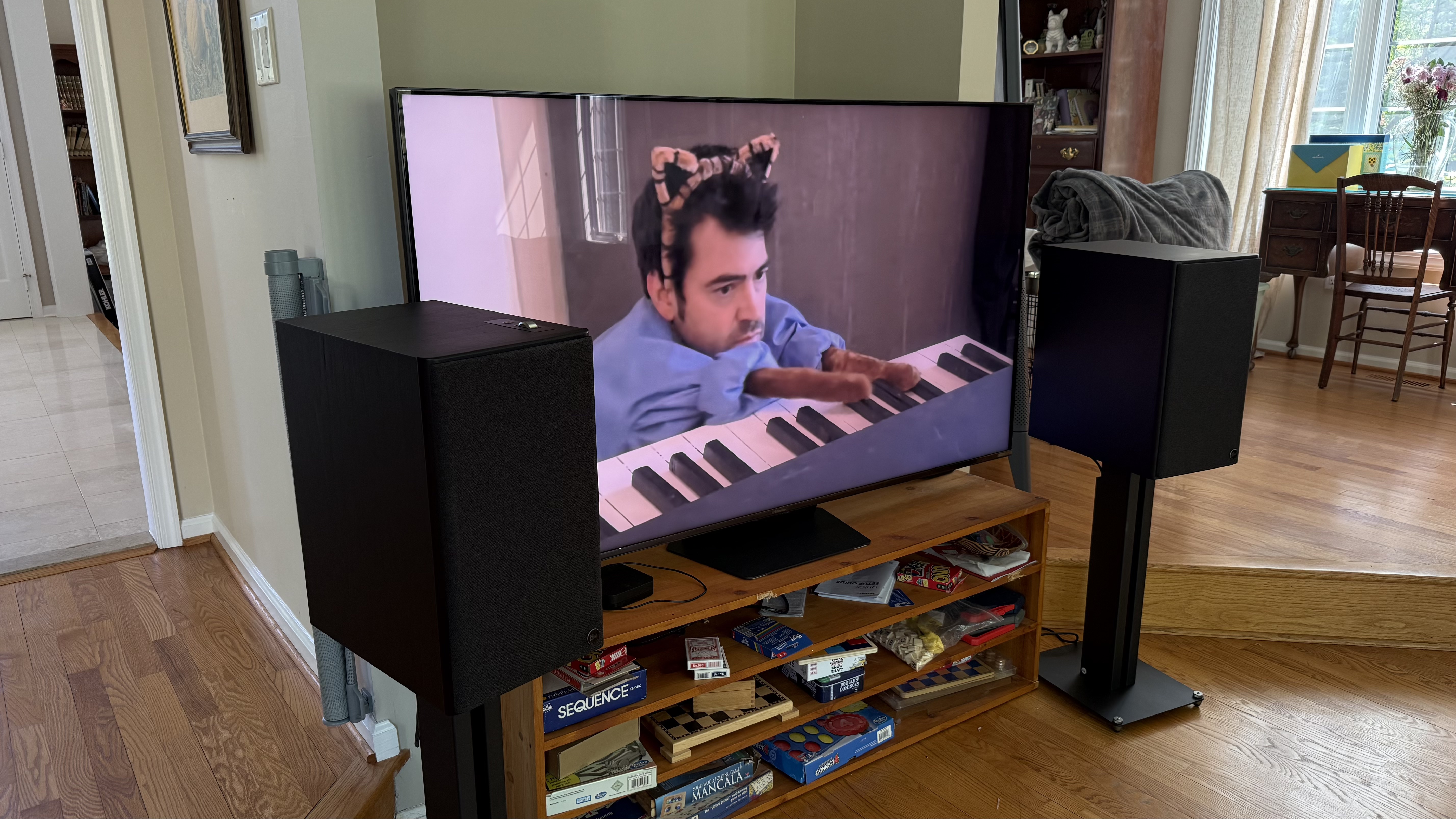
The Klipsch The Nines II showing a performance on YouTube

(Image credit: Future / James Holland)
  • Score: 4.5 / 5
  • Price: $2,399 / £2,249 / AU$4,999

What is it? A pair of active standmount stereo speakers (their size and weight maybe pushes them beyond being 'bookshelf' speakers, really) that deliver tons of power connectivity with any extra components needed. They can be a soundbar replacement with HDMI and Dolby Atmos/DTS:X support, plus they have Bluetooth and Wi-Fi for music, as well as optical, phono, USB, coaxial, and ethernet.

What we said: "The Klipsch The Nines II are an easy recommendation despite the weight and despite the price bump over the previous version. It's thanks to the immersive, robust sound and large set of features, not to mention broad connectivity — they're an excellent all-in-one hi-fi upgrade."

Read our full Klipsch The Nines II review

Sonos Era 100 SL
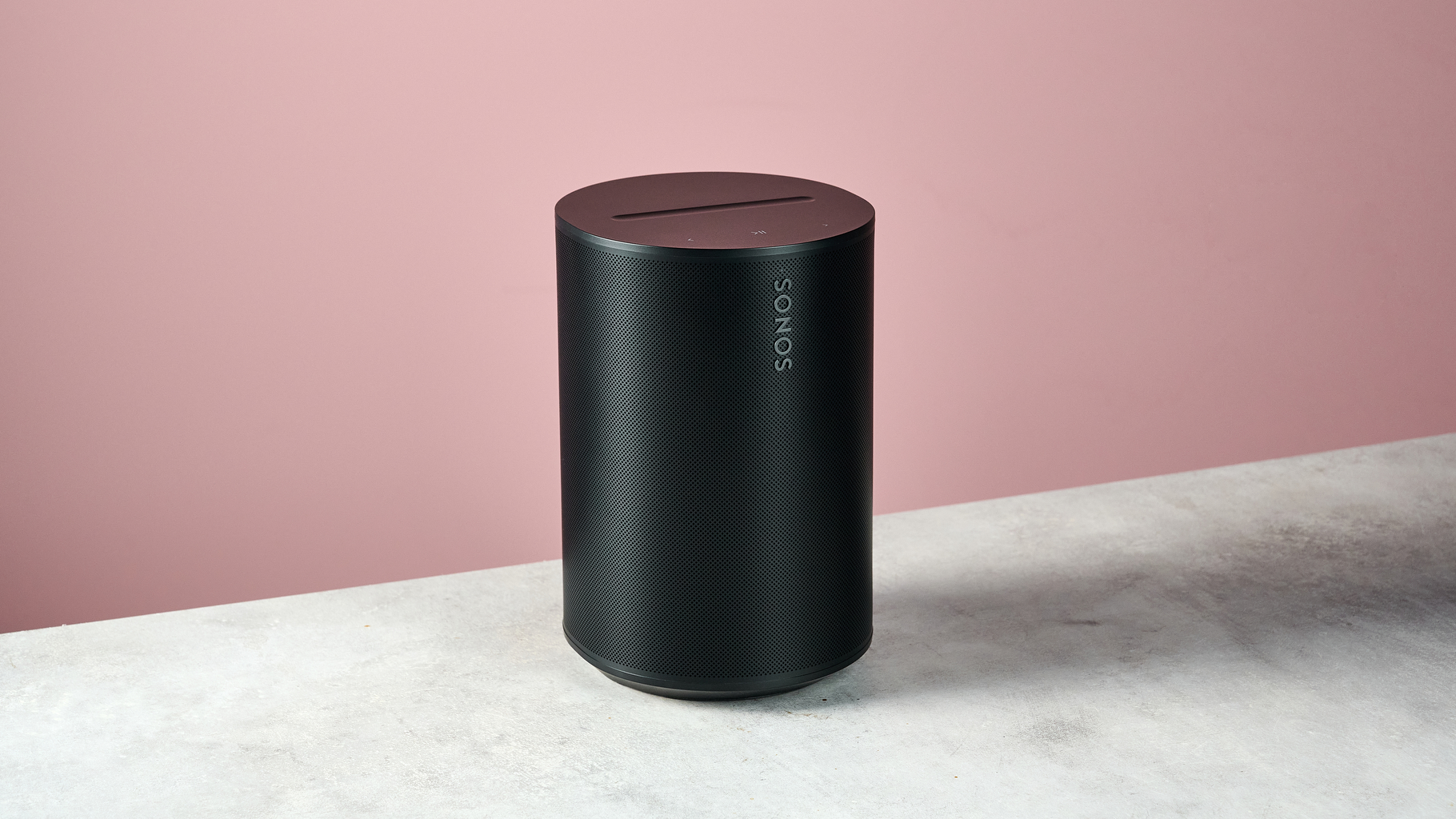
The Sonos Era 100 SL at a 3/4s angle in front of a pink background.

(Image credit: Future)
  • Score: 4.5 / 5
  • Price: $189 / £169 / AU$289

What is it? A cheaper version of Sonos' entry-level home speaker, delivering all the same connectivity as the regular Era 100 (including Bluetooth and Wi-Fi, plus line-in over its USB-C port using an adapter) and the same sound quality, but for cheaper. You lose voice control and Quick Trueplay on Android as a result, but it's hard to argue with the price.

What we said: "What Sonos has achieved with the Era 100 SL is impressive. It has managed to pack in the same quality sound, great connectivity and iconic design, while dropping the price to a more affordable level. But there are absolutely some compromises — voice control is absent here, while Android users will miss out Sonos' room correction. Despite this though, it's one of the strongest performers in its price range, making it an easy choice if you never invested in the original Era 100."

Read our full Sonos Era 100 SL review

Turntables

Sony PS-LX5BT 
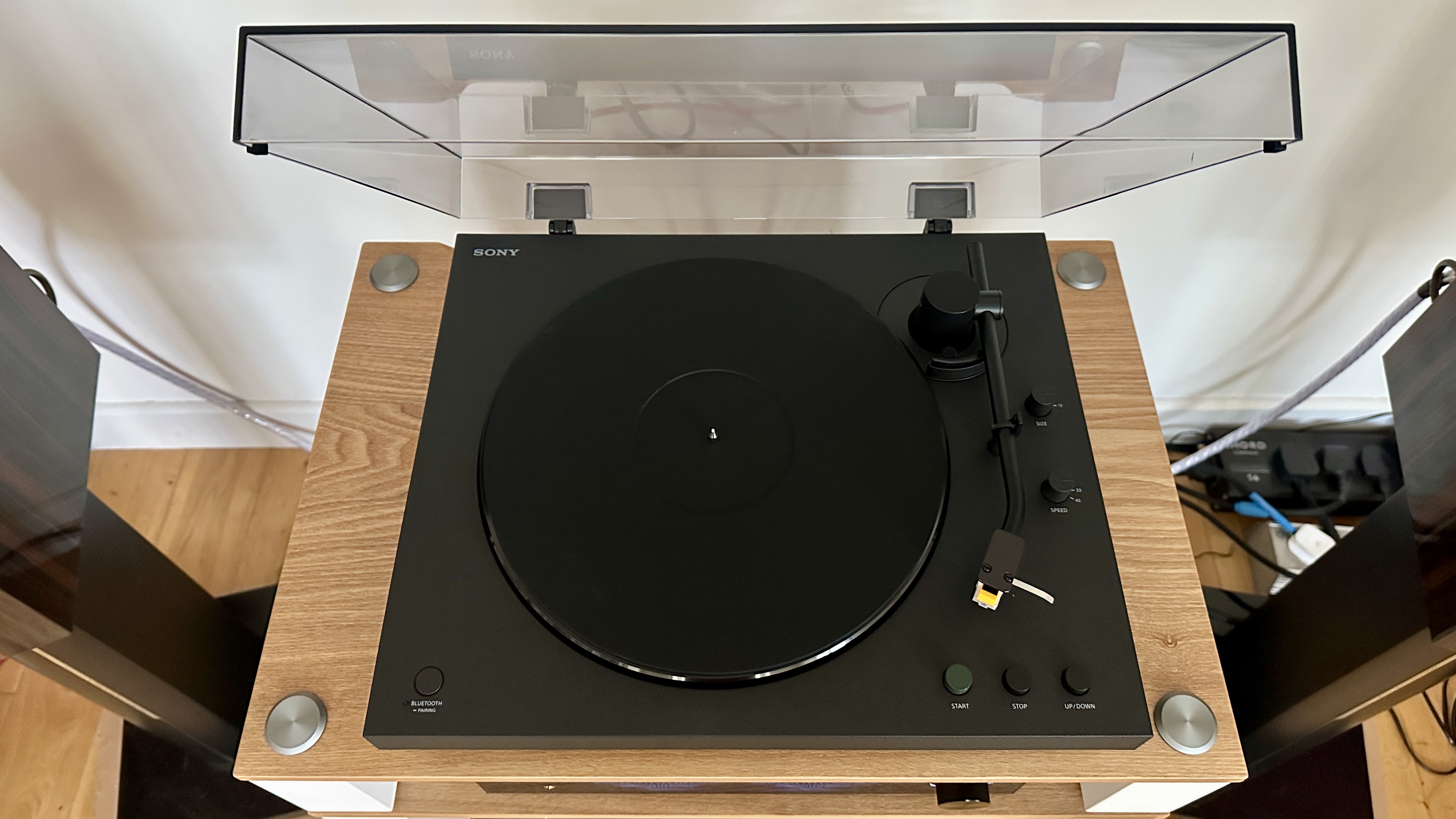
Sony PS-LX510BT turntable on a brown wood hi-fi rack, with closeups

(Image credit: Future / Simon Lucas)
  • Score: 4.5 / 5
  • Price: $499 / £399 / AU$599

What is it? Sony's successor to its previous and wildly popular affordable Bluetooth turntable, bringing fully automatic operation and Bluetooth connectivity in a sleek design. The ultimate beginner turntable? Well, there's a cheaper version that might be more tempting, but for the price, it's hard to argue with.

What we said: "The Sony PS-LX5BT picks up where the PS-LX310BT it replaces left off — as one of the best pound-for-pound Bluetooth turntables around. If you want the most painless vinyl experience possible, you’ve come to the right place."

Read our full Sony PS-LX5BT review

Goldring GR3
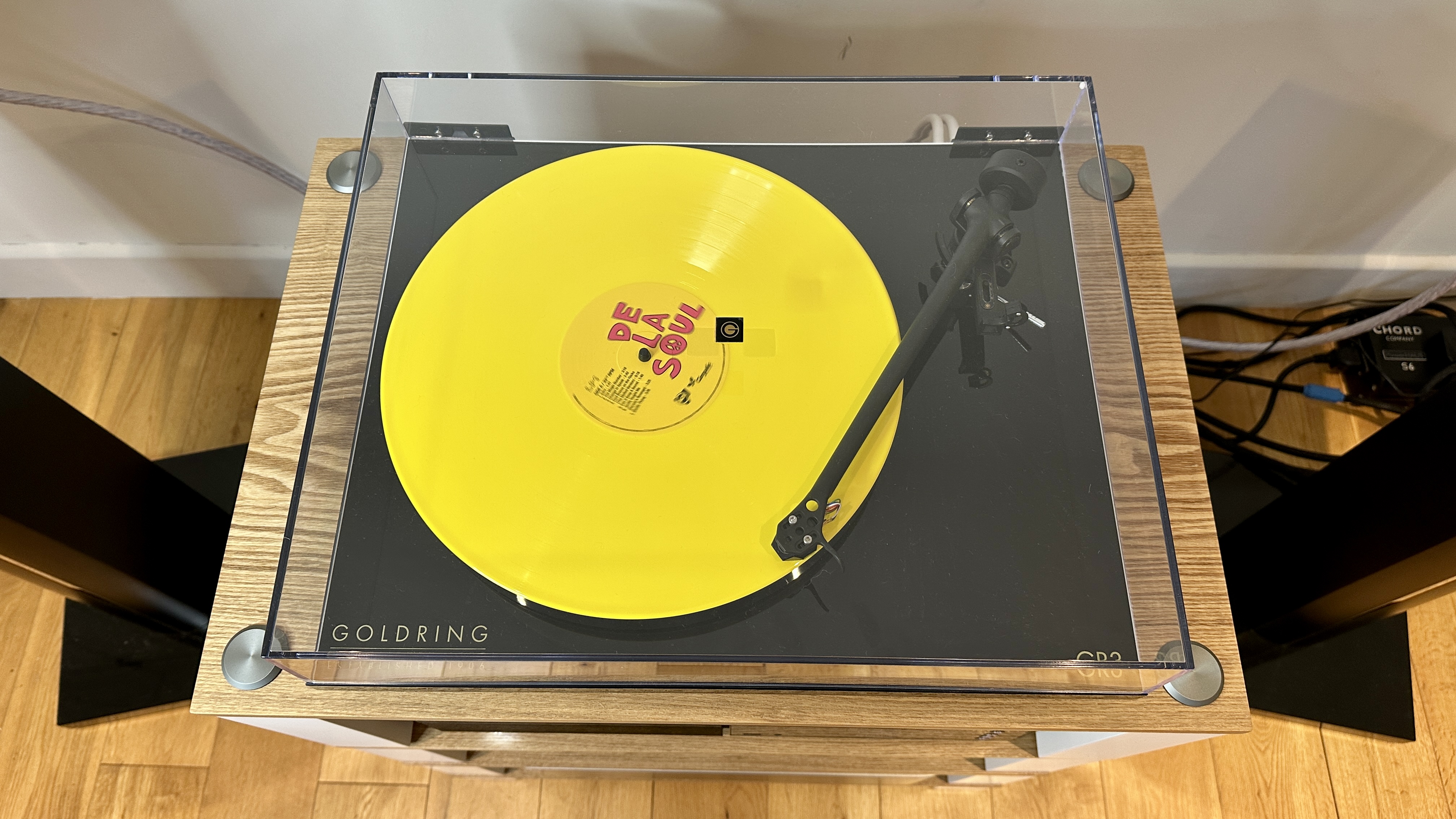
Goldring GR3 turntable, with the dust cover closed, with a yellow De La Soul record on the platter.

(Image credit: Future / Simon Lucas)
  • Score: 4.5 / 5
  • Price: $1,299 / £699 (around AU$1,599)

What is it? Goldring is one of the oldest hi-fi companies in the world, and hasn't made a turntable in several decades — and now it's back with a very well-specified and great-looking new model. A built-in phono stage and high-quality provided cartridge make it great for relative novices, though it's odd that you can't bypass that phono.

What we said: "Goldring has managed to enter a tricky area of the turntable market with a player that is distinct enough (where finish, specification and sound quality are concerned) to stand out and make quite a compelling case for itself."

Read our full Goldring GR3 review

Headphone DACs

Fiio KA15
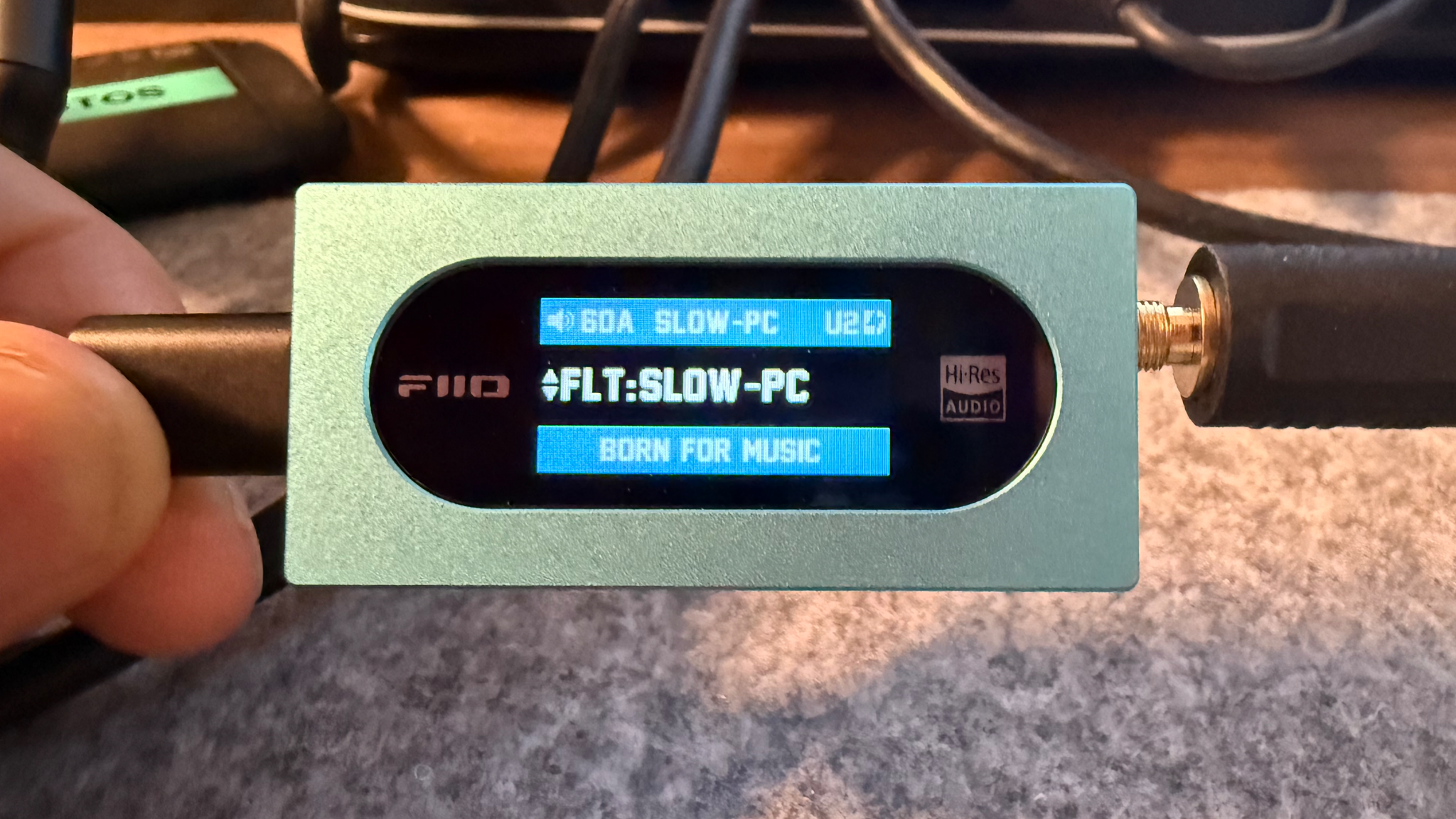
FiiO KA15 portable DAC photographed from the front to show the user interface

(Image credit: Future)
  • Score: 5 / 5
  • Price: $99.99 / £99.99 / AU$189.99

What is it? This tiny DAC blends the retro with the modern. It does a better job of converting hi-res audio to analog than your device's built-in DAC will, and has a fun little cassette animation while it plays.

What we said: "If you have big audio ambitions and a very small budget, the KA15 is excellent value for money. It's a significant upgrade in sound quality for smartphones and computers, and while it's not as powerful as a desktop headphone amp it has more than enough oomph for a wide range of headphones and IEMs so it's fairly future-proof."

Read our full Fiio KA15 review

Eversolo DAC-Z10
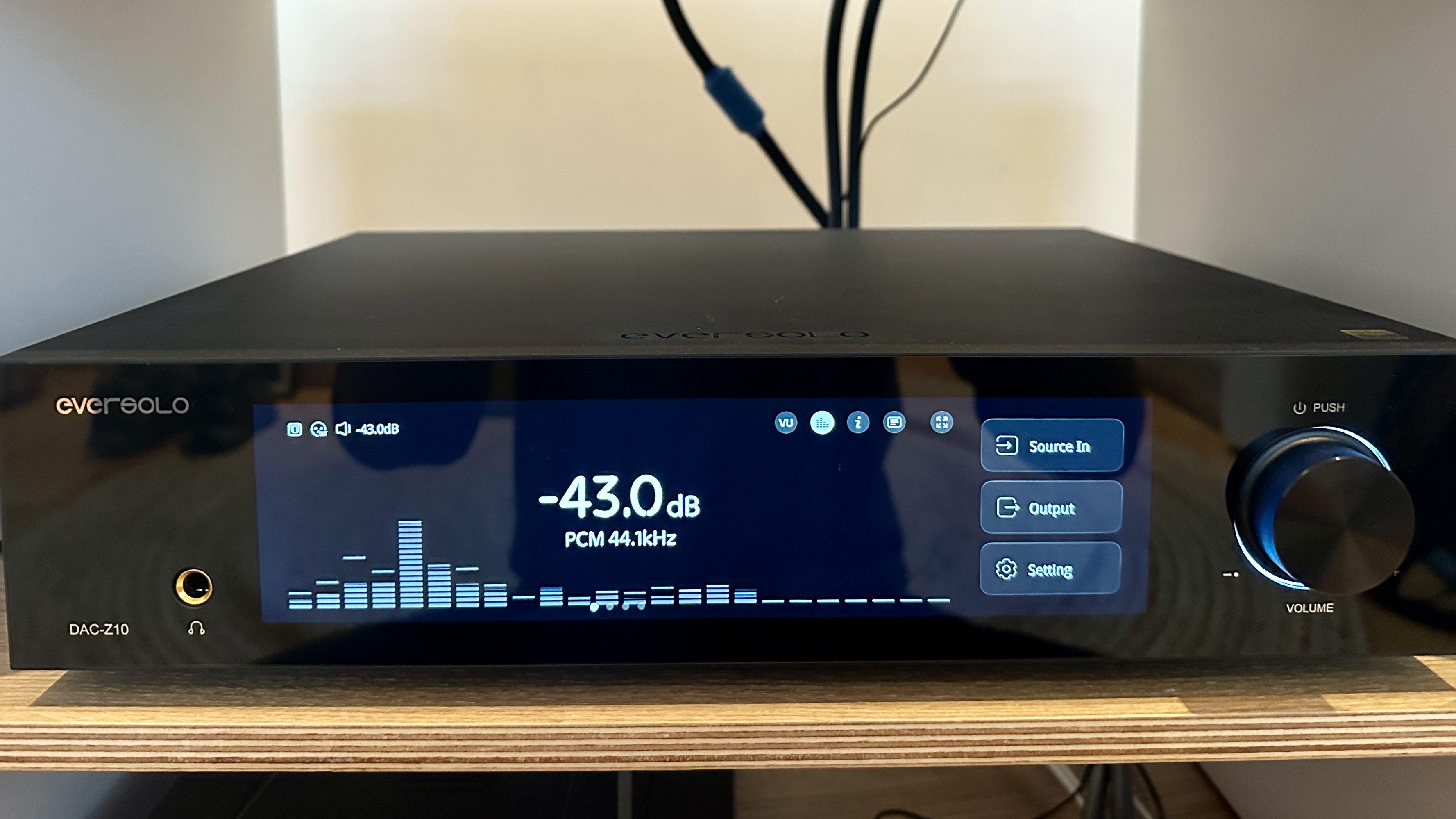
The Eversolo DAC-Z10 on a hi-fi rack, showing a frequency range readout on the screen

(Image credit: Simon Lucas)
  • Score: 5 / 5
  • Price: $1,980 / £1,939 / AU$3,339

What is it? A super-versatile addition to a hi-fi setup, providing a high-end DAC system, a pre-amp, and a powerful headphone amp all in one unit. It's pricey, but it's incredibly well-specified, making it kind of a bargain — at least as far as premium hi-fi goes.

What we said: "The Eversolo DAC-Z10 won’t fail to satisfy, provided your partnering equipment is up to scratch. It’s a premium DAC for a premium system, and offers all the bells and whistles you could hope for as a result, as well as immaculate sound quality that specializes in finding every possible grain of detail in your music. It's simply as capable a DAC/preamp/headphone amp as this sort of money can buy."

Read our full Eversolo DAC-Z10 review

iFi GO Link 2
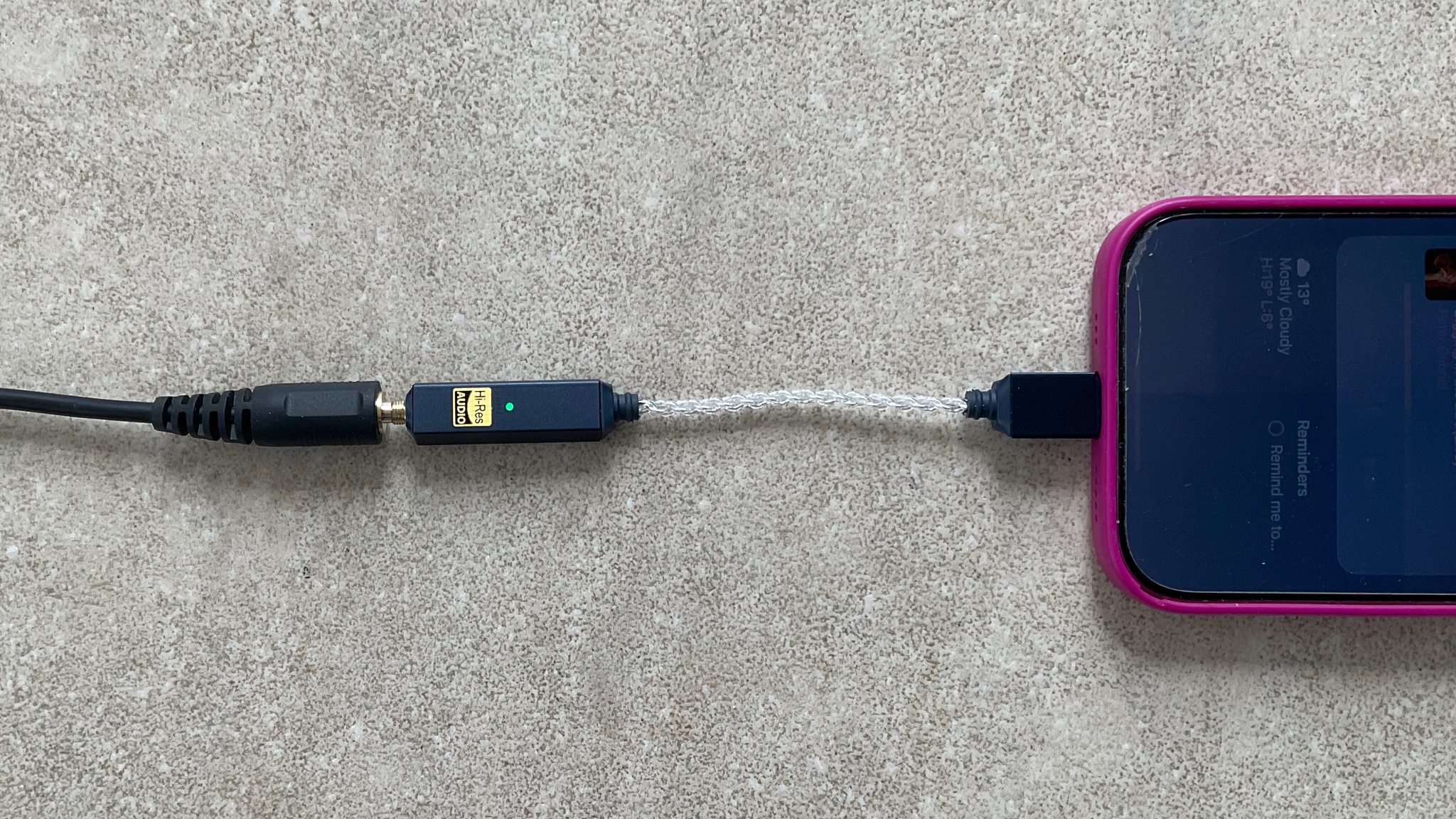
iFi GO Link 2 shot on a grey surface

(Image credit: Future)
  • Score: 4.5 / 5
  • Price: $59 / £59 (around AU$111)

What is it? A no-fuss, super-small headphone DAC to make it easy to use wired headphones and earbuds with your phone or laptop, and with an audio upgrade along the way. Oh, and it's super-cheap as a bonus.

What we said: "The iFi Go Link 2 takes everything that's great about the original and packs it into a dinky DAC that's even smaller and lighter than before. It's a fantastic audio upgrade and it's priced very keenly, too."

Read our full iFi Go Link 2 review
My favorite portable hi-fi accessory is back, but I think it’s missed a trick — the AudioQuest DragonFly DAC was my go-to for great-sounding music on the go, and I heard the new version in action, but it's made one key upgrade mistake

Not that long ago, I stumbled across my old AudioQuest DragonFly Red USB DAC when rearranging a work cupboard. Its paintwork might have seen better days, but its simple form factor took me back to a really exciting time in hi-fi — when more people were starting to care what their music sounded like again, and making better sound more portable was an important part of that.

The DragonFly line was really quite revolutionary among the best DACs of the time for that reason, and was an education piece as much as anything else. For so long, most people had accepted that the sound from their laptops and portable devices just was whatever it was — but the DragonFly, with its unintimidating, recognizable form factor, helped demonstrate the impact of dedicated audio electronics to a wider audience.

Plus it was just so convenient. I would wager I had one DragonFly model or another plugged into my laptop for most of the years between 2012 and 2018.

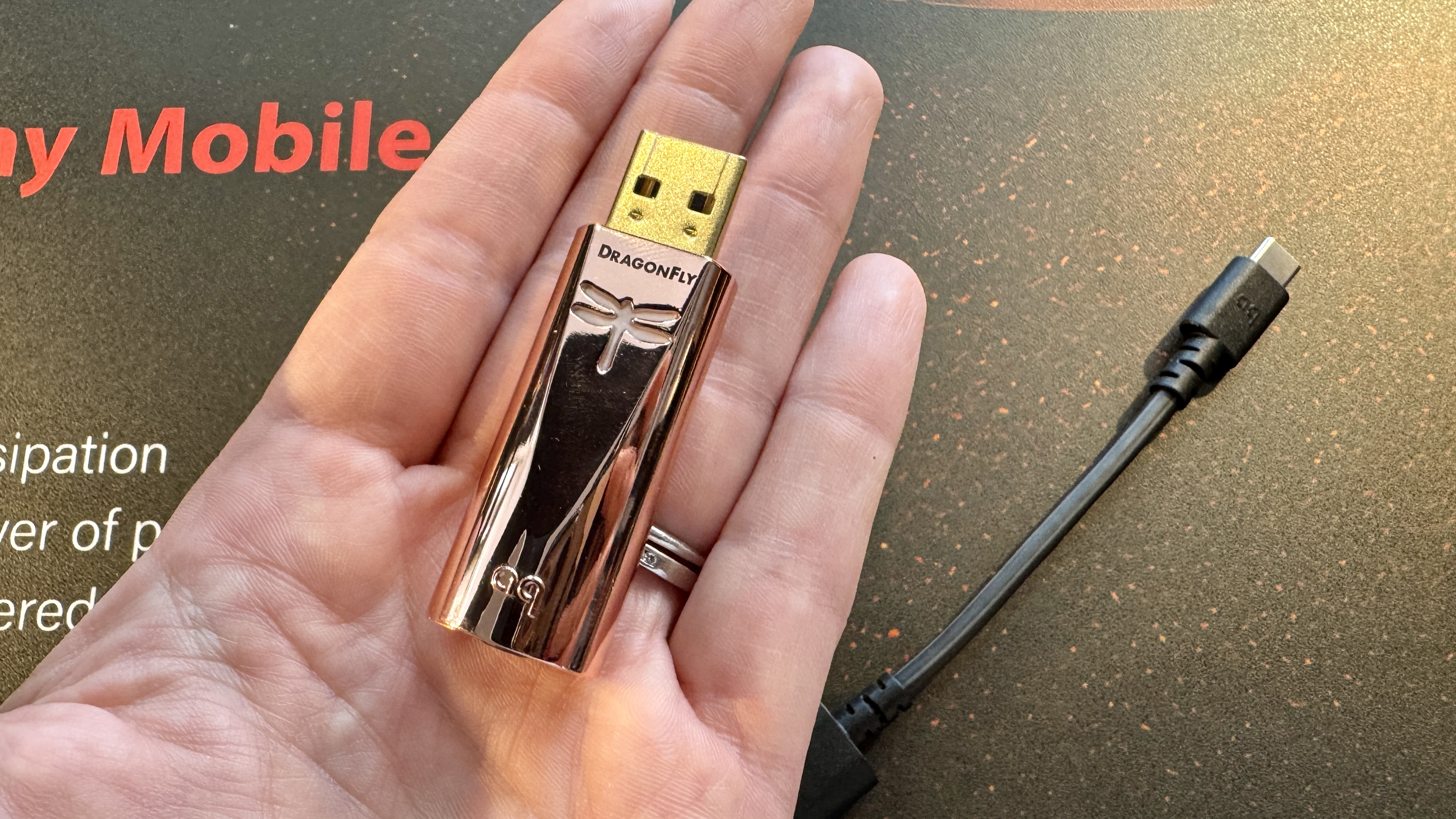
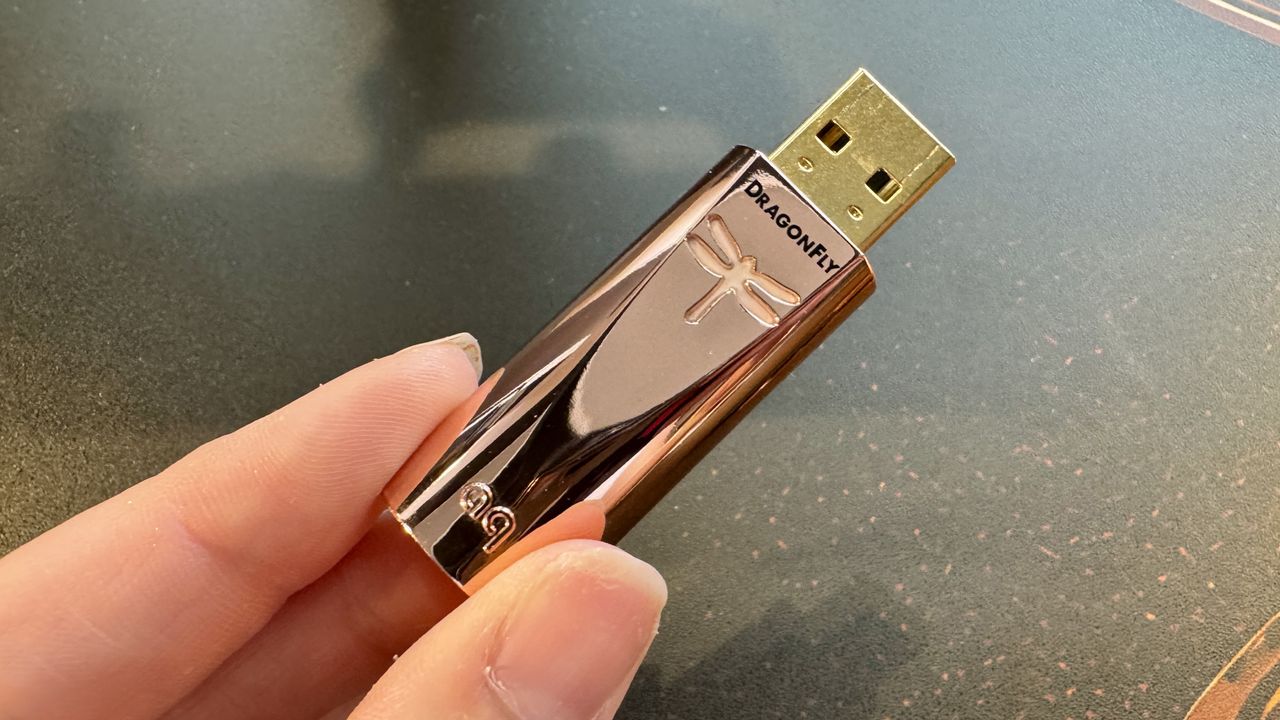
Its last model, the DragonFly Cobalt, was released in 2019, but it was eventually discontinued last year due to a rise in costs due to unpredictable US tariffs. Now, with a rethink on materials and supply chains, it’s back with a new version — and AudioQuest is promising the new DragonFly Copper is its most powerful and efficient DAC yet.

That’s because the new 32-bit ESS Sabre ES9218 DAC its outfitted with claims twice the output power of any DragonFly before it, but with a smaller processor that has helped reduce power consumption by a quarter. The new copper case, which AudioQuest says has been “informed and inspired” by the RF-draining barrels of its premium Mythical Creatures cabling, also adds to its improved performance, helping to minimize noise.

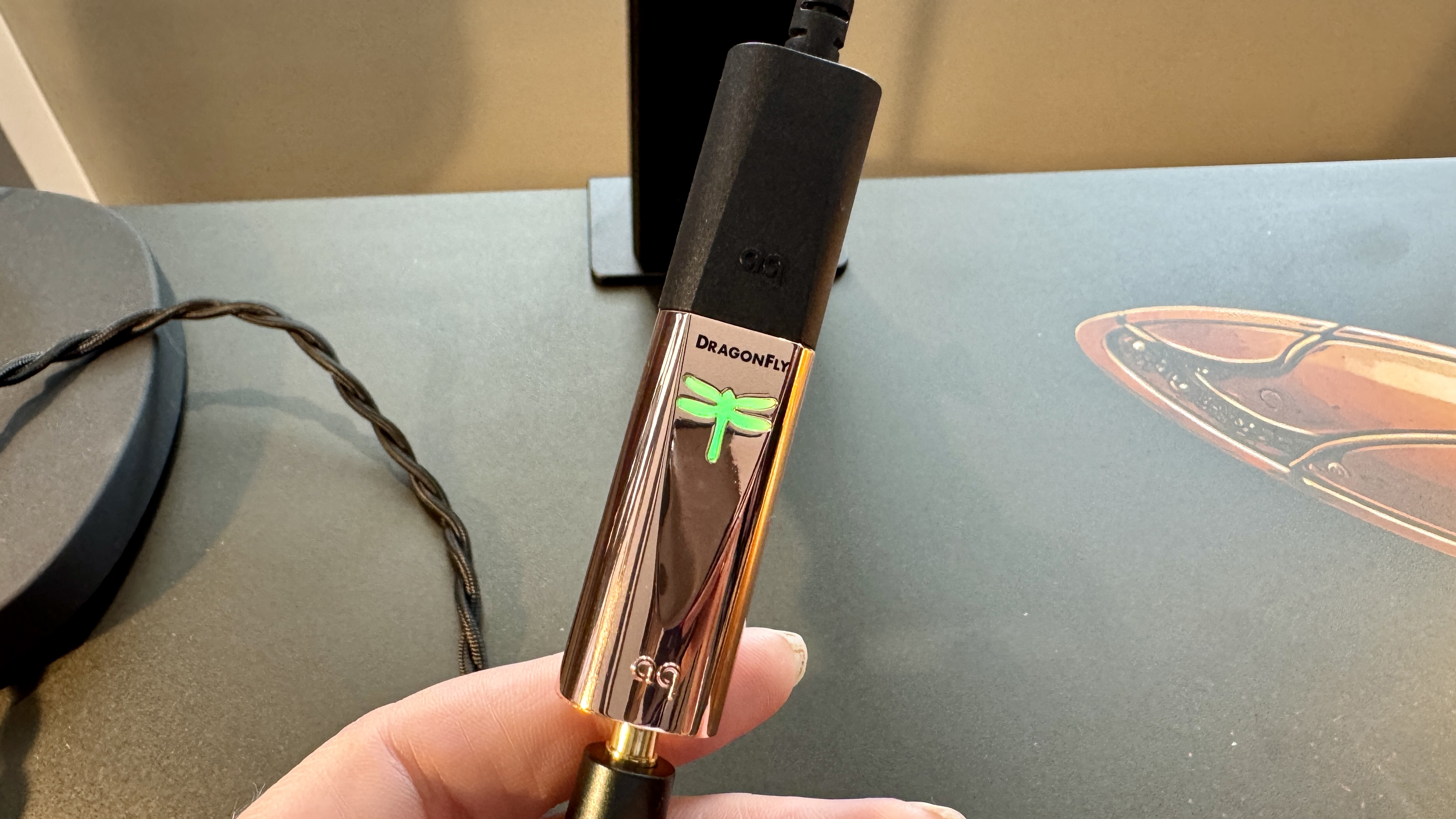
AudioQuest DragonFly Copper held in a woman's hand showing the green glow while playing music

(Image credit: Future)

It also looks pretty nice, which is a bonus, and it still has the little light-up dragonfly to let you know the sample rate you’re listening to, from green at 44.1kHz, blue at 48kHz, yellow at 88.2kHz and light blue for 96kHz.

Long-time DragonFly designer Gordon Rankin is behind the tuning of this generation too, and AudioQuest says he has optimized it in a way that reduces distortion to a level “significantly below” that of previous models.

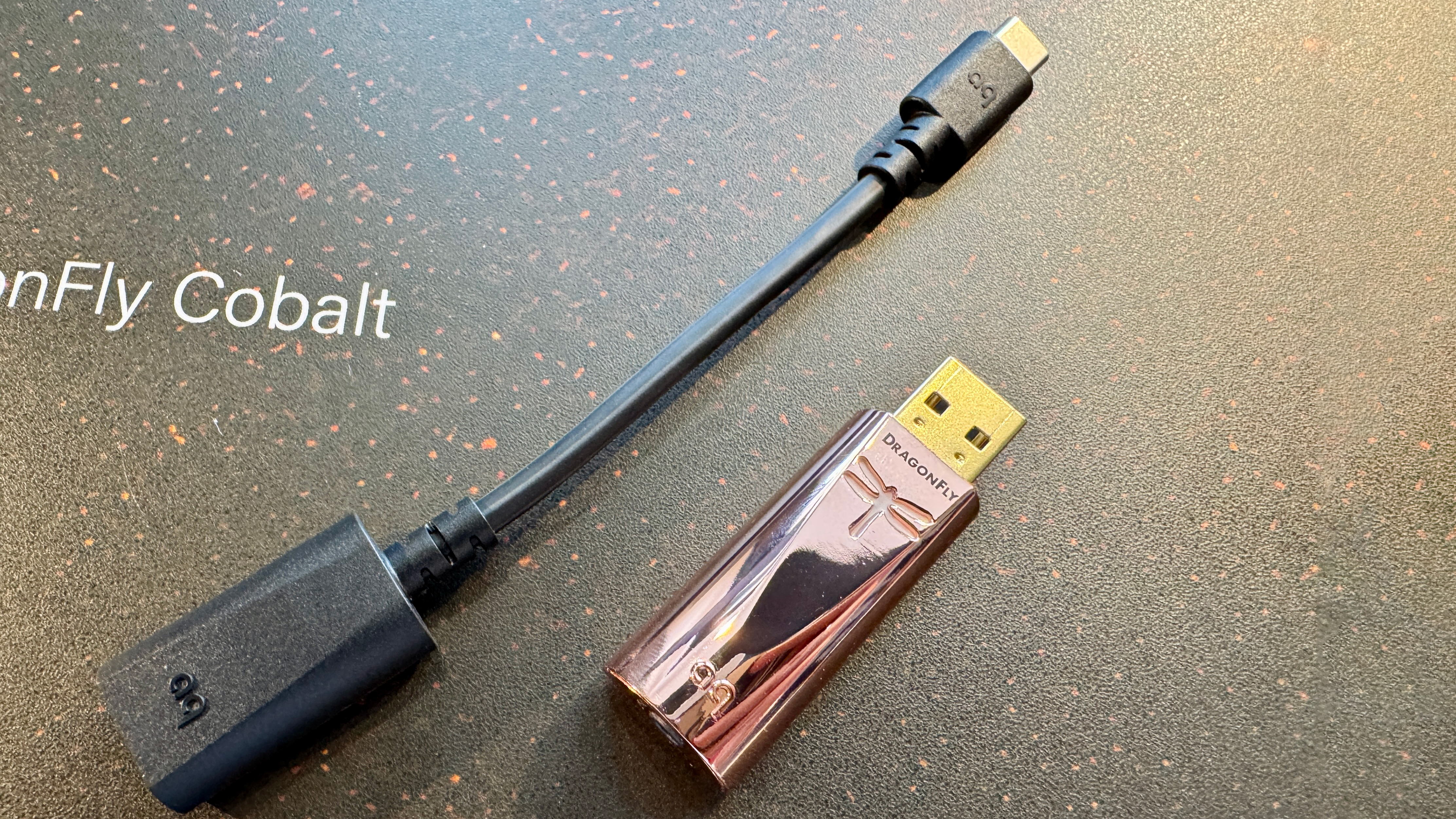
The one thing that AudioQuest hasn’t updated, though, is the need for the DragonTail USB-C converter, because the DragonFly itself is still rocking an older style USB-A connector.

While this was super-convenient for my laptop in 2015, my laptop is all USB-C now (along with my phone, and most of the rest of my life), and so some of that once-effortless form factor feels lost in 2026 (particularly because my personal chance of misplacing this necessary dongle is almost devastatingly high).

AudioQuest DragonFly Copper next to the USB-C adapter

(Image credit: Future)

AudioQuest isn’t alone here — several USB DACs on the market rely on a similarly clunky addition — but there are tons of USB-C options, and it feels like an obvious problem for the DragonFly to solve.

I asked whether it had been considered, and while I wasn’t given a firm answer, it was suggested that the smaller connector wouldn’t be great for stability and longevity, but also that maintaining USB-A also gives it greater flexibility to use with as many devices as possible.

As for how it sounds, from a first listen, it’s as promising as ever. Although I wasn’t able to do any A/B testing due to the demo using an iPad with no 3.5mm jack, listening with a pair of Austrian Audio’s The Arranger through the DragonFly Copper sounds incredibly clean and precise.

Now, these $1,100 / £900 / AU$1,759 open-back headphones are undoubtedly not-to-shabby on their own, but even if we credit them with a good chunk of the space and airiness I hear on a listen of Come Away With Me by Norah Jones, I’m certain that the amount of clarity and insight is very much aided by the DragonFly.

AudioQuest DragonFly Copper held in a woman's hand

(Image credit: Future)

Jones’ breathy voice is sweet and full of texture, as are the instruments — the DragonFly’s fine detail retrieval able to fully enunciate the leading edges of notes all the way through to their decay in a way that I’m confident you just wouldn’t hear without it.

Of course, the DragonFly Copper re-enters a market that is very different today, with more wireless headphones and much more competition in the affordable USB DAC market too. But talking to people in the hi-fi world, there’s a clear excitement for the DragonFly’s return, and I think that extends to more than just nostalgia.

I’m certainly excited to spend more time with it when it goes on sale in September for $250 / £230 (about AU$430 but there’s no confirmed Australian price as yet).

I tested it, and Astell & Kern’s new pocketable smartphone DAC is a clear winner for detail, marred just slightly by bantamweight bass

Astell & Kern AK HC5: two-minute review

Astell & Kern builds some outstanding digital audio players, and the company also knows how to charge us for them. But it’s taken pity on those of us without the wherewithal, and has developed this HC5 headphone amp/DAC.

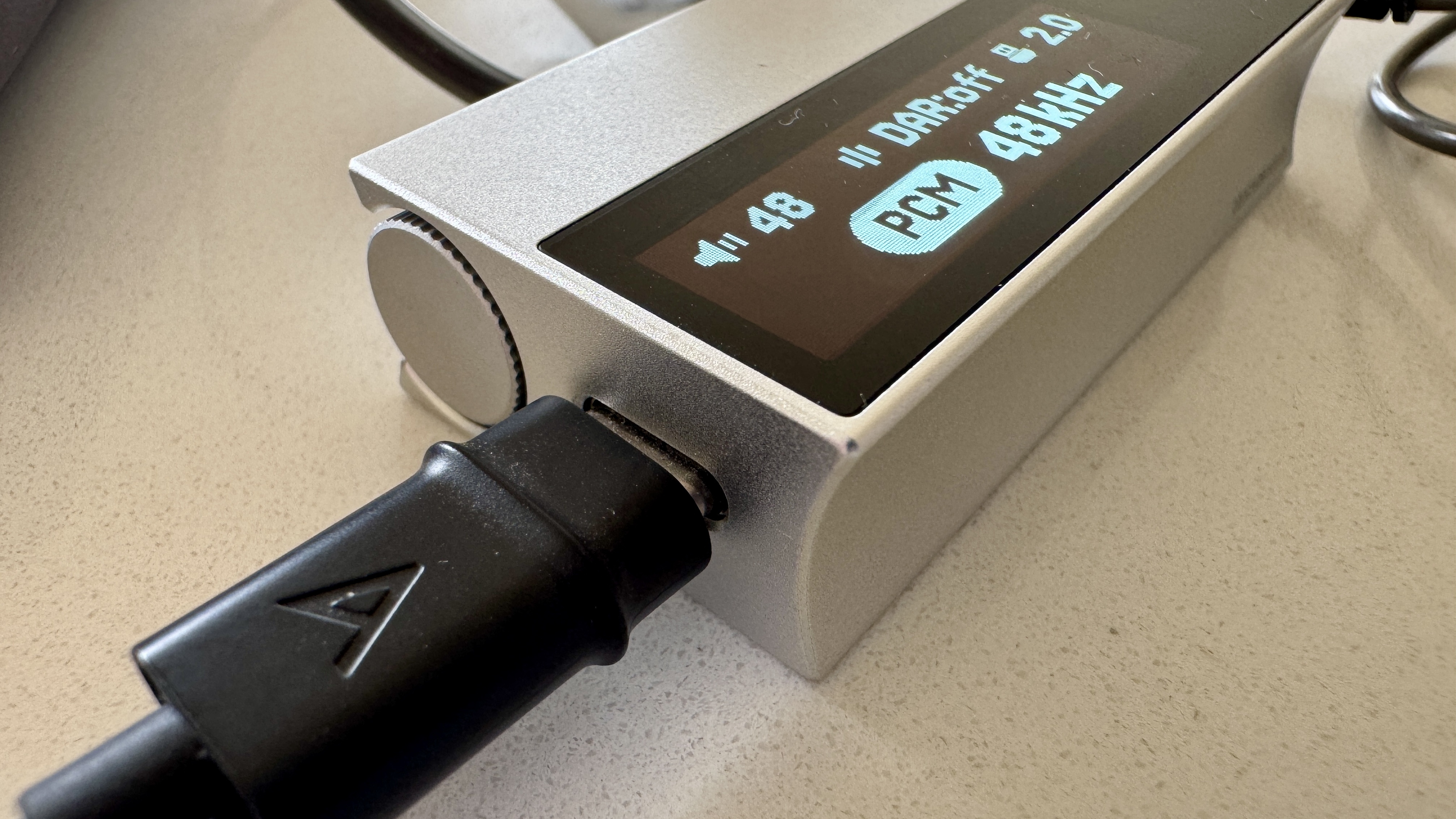
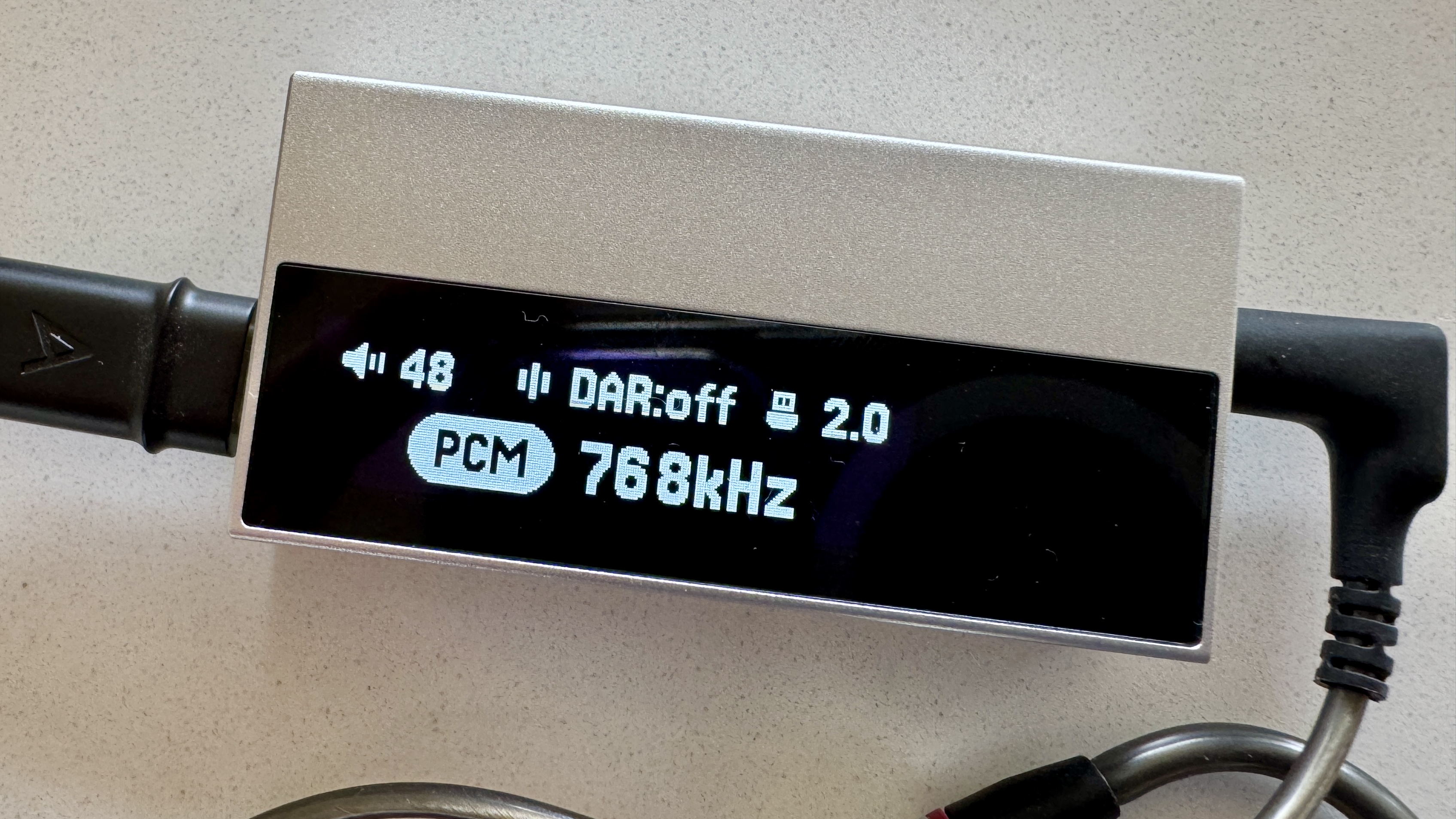
It is a portable device intended to transform your bog-standard smartphone into a viable source of hi-res audio for anyone with the wired headphones good enough to take advantage of it. With high-end AKM digital-to-analog conversion components on board, Astell & Kern’s ‘digital audio remaster’ and ‘high driving mode’ technologies included, and both balanced and unbalanced headphone outputs, the HC5 is specified to get the job done. It also features half- a-dozen digital filters, as well as a huge range of volume adjustment and some slightly imprecise-feeling physical controls that serve to undermine the robust and tactile overall nature of the device just a little.

In operation, the Astell & Kern is slightly lightweight at the bottom of the frequency range — it doesn’t have quite the heft or substance that it really should have, and can lack a little apparent punch as a result. In every other meaningful respect, though, it’s a very accomplished device indeed. It’s dynamic, lavishly detailed, creates a large and well-organised soundstage, and communicates through the midrange like nobody’s business.

If you want to turn your humble smartphone into a device that bears comparison with some of the best three-figure digital audio players around, and if you have suitable headphones too, then you ought to be after one of the best DACs around. And you should absolutely hear the Astell & Kern HC5.

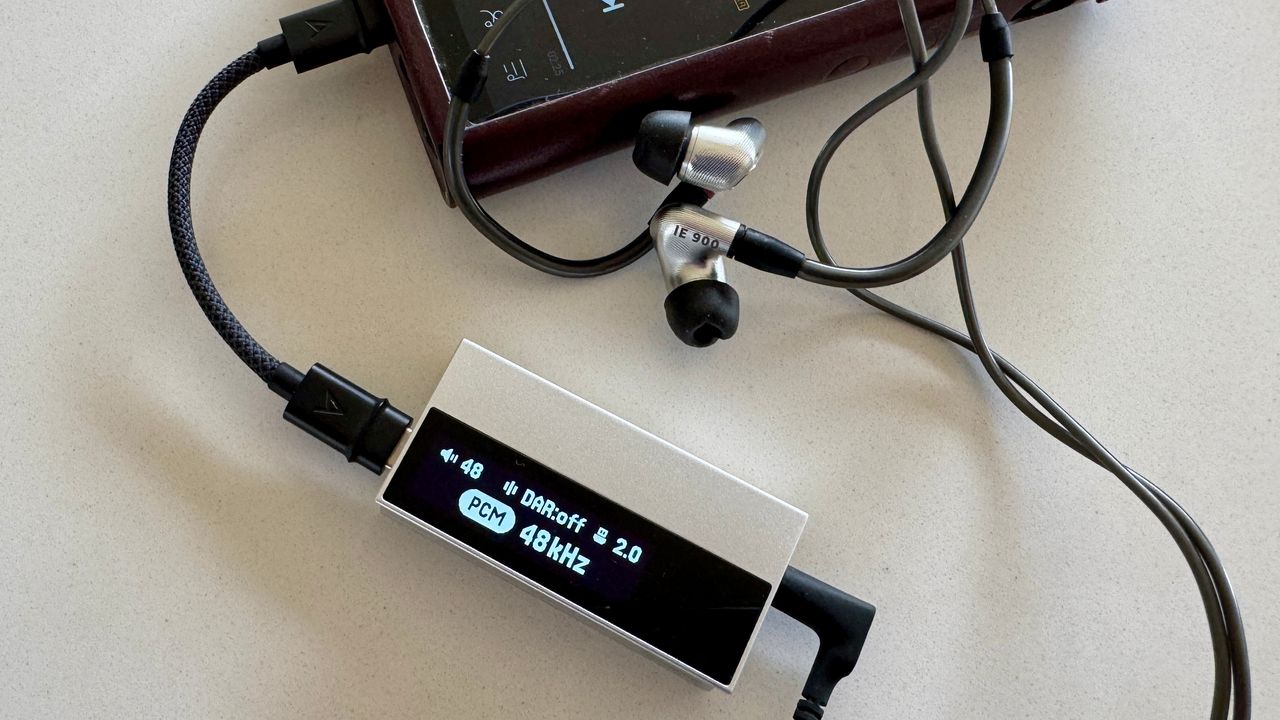
The Astell & Kern AK HC5 on a grey table, with the top plate illuminated and hooked up to Sennheiser IEMs and a FiiO digital audio player

(Image credit: Future / Simon Lucas)

Astell & Kern AK HC5 review: Price & release date

The Astell & Kern HC5 headphone amp/DAC launched at the very end of 2025 and hit shelves in January 2026.

In the United Kingdom it sells for £399. You’ll need to part with more like $489 in the United States, while in Australia the going rate is around AU$779.

This makes it a reasonable (rather than 'cheap') option, of course — at only $85 / £85 (or around AU$120) the iFi Go Link 2 Max would be an example of something more affordable, while the $4,499 / £4,499 (around AU$8,999) iFi iDSD Phantom (albeit a desktop solution) proves this A&K is hardly at the costly end of the market either.

The Astell & Kern AK HC5 on a grey table, with the top plate illuminated and hooked up to Sennheiser IEMs and a FiiO digital audio player

(Image credit: Future / Simon Lucas)

Astell & Kern AK HC5 review: Features

  • AK4191EQ digital processor
  • AK4499EX DAC- 32bit/768kHz; DSD512
  • Granular volume control

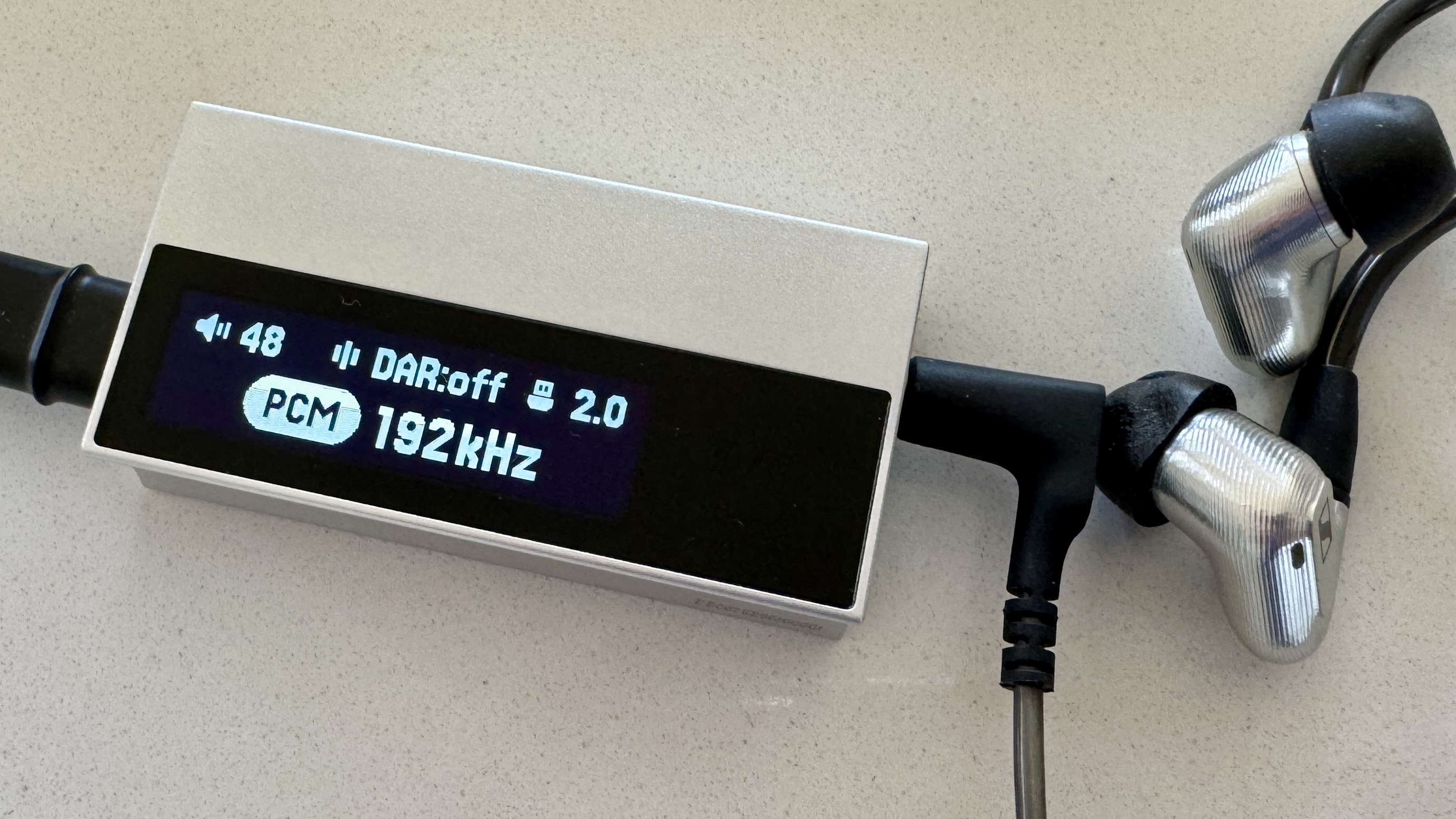
Apparently this is the first time that AKM’s flagship AK4191EQ digital processor and AK4499EX digital-to-analog converter have appeared in a product as small and as relatively affordable as this one. AKM suggests that splitting the d-to-a decoding into two stages preserves signal integrity — and Astell & Kern agrees. Mind you, that hasn’t stopped Astell & Kern bolstering the AKM chipset with its own ‘DAR’ (digital audio remaster) upsampling technology; it functions with both PCM and DSD content, increasing the sampling rate by quite a degree, and it can be switched off if you so desire. The upshot, though, is a DAC that supports 32bit/768kHz and DSD512 resolutions.

Astell & Kern’s ‘high driving mode’ technology is also making its debut appearance in an affordable product. The horizontal op-amp layout helps keep the physical size of the HC5 to a minimum, but also allows for significant driving power. It's worth bearing in mind, though, that the HC5 has no power supply of its own, and the prodigious amplification power it can muster will cut into the battery life of your source player more than somewhat.

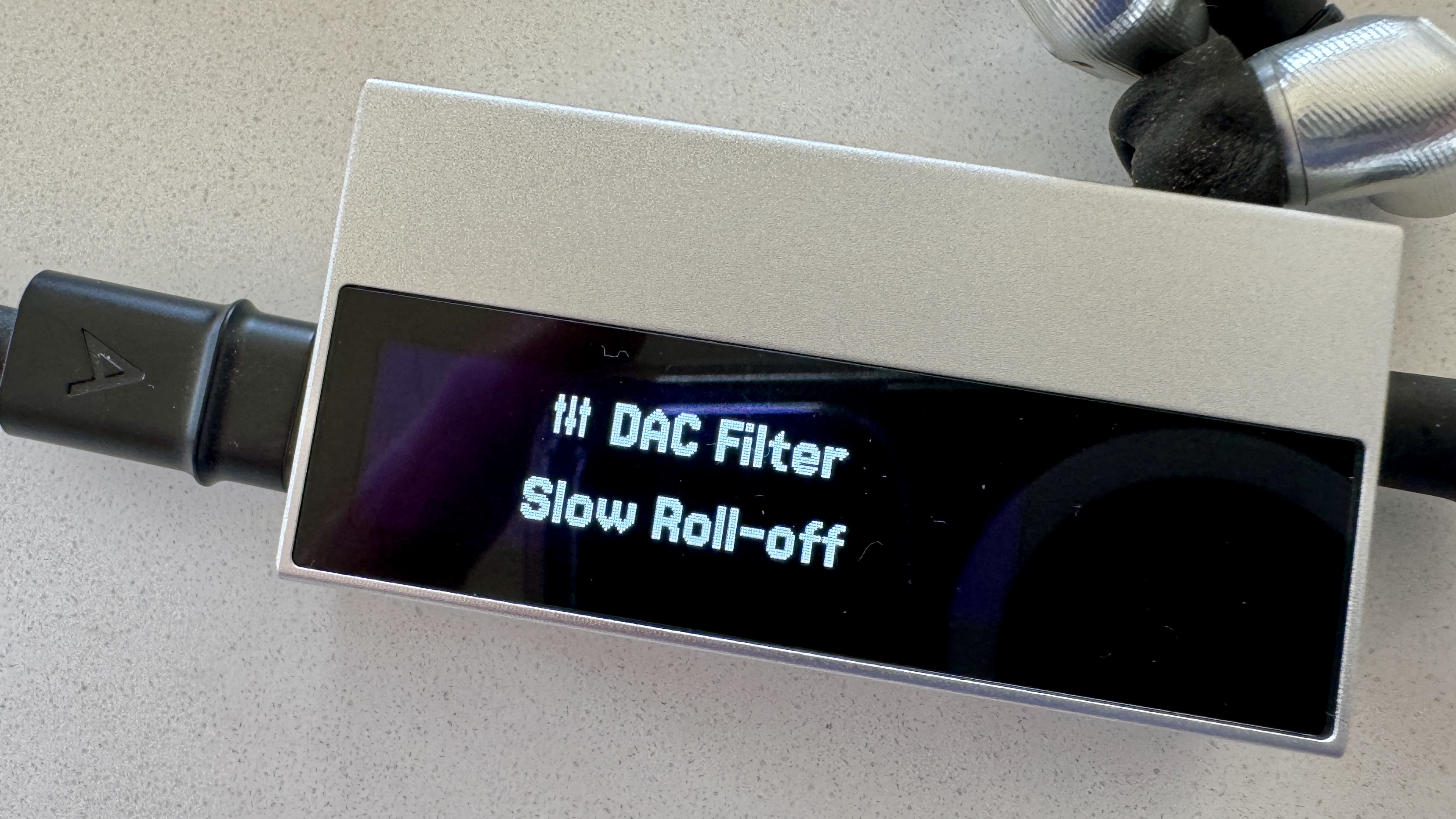
There are a total of six digital filters for the user to explore, but this is the extent to which you get to influence the sound of the Astell & Kern. Perhaps oddly, there’s no sign of the EQ adjustment that’s commonplace on quite a few of the HC5’s nominal rivals.

  • Features score: 4.5 / 5

The Astell & Kern AK HC5 on a grey table, with the top plate illuminated and hooked up to Sennheiser IEMs and a FiiO digital audio player

(Image credit: Future / Simon Lucas)

Astell & Kern AK HC5 review: Sound quality

  • Open, revealing and organised sound
  • Dynamic and detailed in more-or-less equal measure
  • Bantamweight rather than heavyweight where bass is concerned

The proof that the digital-to-analog conversion abilities of your smartphone or laptop are pretty rotten can be found in the number of extremely affordable USB DACs that are on sale now — TechRadar has rounded up the best of them, as I've previously alluded to.

But there’s no denying that spending $489 / £399 (or equivalent) on an Astell & Kern HC5 takes the sound of your laptop or smartphone to another level entirely. Provided you have the headphones to properly exploit its talents, anyway.

Load up a 24bit/48kHz FLAC file of Off Course by Oh Sees and all will rapidly become clear. When it’s dealt with by the HC5 the recording is more open and spacious, and yet somehow more singular and unified at the same time. The soundstage from which it comes is big in every direction, and the spaces and silences on it suddenly become almost as significant as the actual occurrences. Each participant has more than enough room in which to operate without crowding any other.

There’s real positivity and energy to the way the Astell & Kern delivers the recording, a sense of engagement and enthusiasm which is strongly at odds with the sound served up by a bog-standard smartphone. But at the same time the presentation is poised and balanced despite its direct and upfront nature — there’s never any suggestion the HC5 is not fully in control. This authority is especially apparent at the bottom of the frequency range, where the attack and decay of bass sounds is observed with such care that rhythmic expression is always confident and naturalistic. Down at the bottom end is where the Astell & Kern’s most significant shortcoming lurks, though. Just like the rest of the frequency range, the low end is lavishly detailed where timbre and texture are concerned — there’s more than enough information revealed and contextualised to let you know you’re getting a very full account of a recording. But there’s an appreciable shortage of body and substance to the low frequencies the HC5 generates. It can dig respectably deep but it doesn’t hit as hard, or with as much weight, as is ideal.

Otherwise, though, the frequency response is just as pleasing and convincing as everything else about the Astell & Kern. It’s articulate through the midrange, communicating the attitude and intention of a voice every bit as willingly as it reveals the details of tone and technique. The top of the frequency range is bright and similarly detailed, but carries enough substance along with it to prevent it sounding thin or aggressive — and this is true even if you like to listen at considerable volume.

There’s ample dynamic headroom available for when the attack or intensity or simple volume of a recording ramps up, and a similar facility with the less obvious (but no less important) dynamics of harmonic variation. It’s not enough for the HC5 to identify and reveal the most fleeting, most minor details in a recording - it is able to put them into the sort of context that means they serve as part of an overall picture, rather than treating them like some kind of academic exercise.

  • Sound quality score: 4 / 5

The Astell & Kern AK HC5 on a grey table, with the top plate illuminated and hooked up to Sennheiser IEMs and a FiiO digital audio player

(Image credit: Future / Simon Lucas)

Astell & Kern AK HC5 review: Design

  • 64 x 32 x 16mm (HxWxD)
  • Aluminium construction
  • 46g

There’s ‘portable’ and then there’s the Astell & Kern HC5. Unlike quite a few nominal rivals, (some of which look like hip flasks) this headphone amp/DAC is sufficiently small (64 x 32 x 16mm, HxWxD) and light (46g) enough to be taken out even by those not wearing a coat with sturdy pockets, or carrying a bag of some kind.

The aluminium construction is impeccable, the proportions are almost instinctively suitable for a palm, and those concave sides only add to the tactility. Obviously Astell & Kern is a past master at this sort of thing, but it’s nice to be reminded it can do it for a £400 product as readily as it can for something costing £4K.

  • Design score: 5 / 5

The Astell & Kern AK HC5 on a grey table, with the top plate illuminated and hooked up to Sennheiser IEMs and a FiiO digital audio player

(Image credit: Future / Simon Lucas)

Astell & Kern AK HC5 review: Usability & setup

  • Supplied with USB-C and Lightning cables
  • Clear, legible display
  • Physical controls feel imprecise

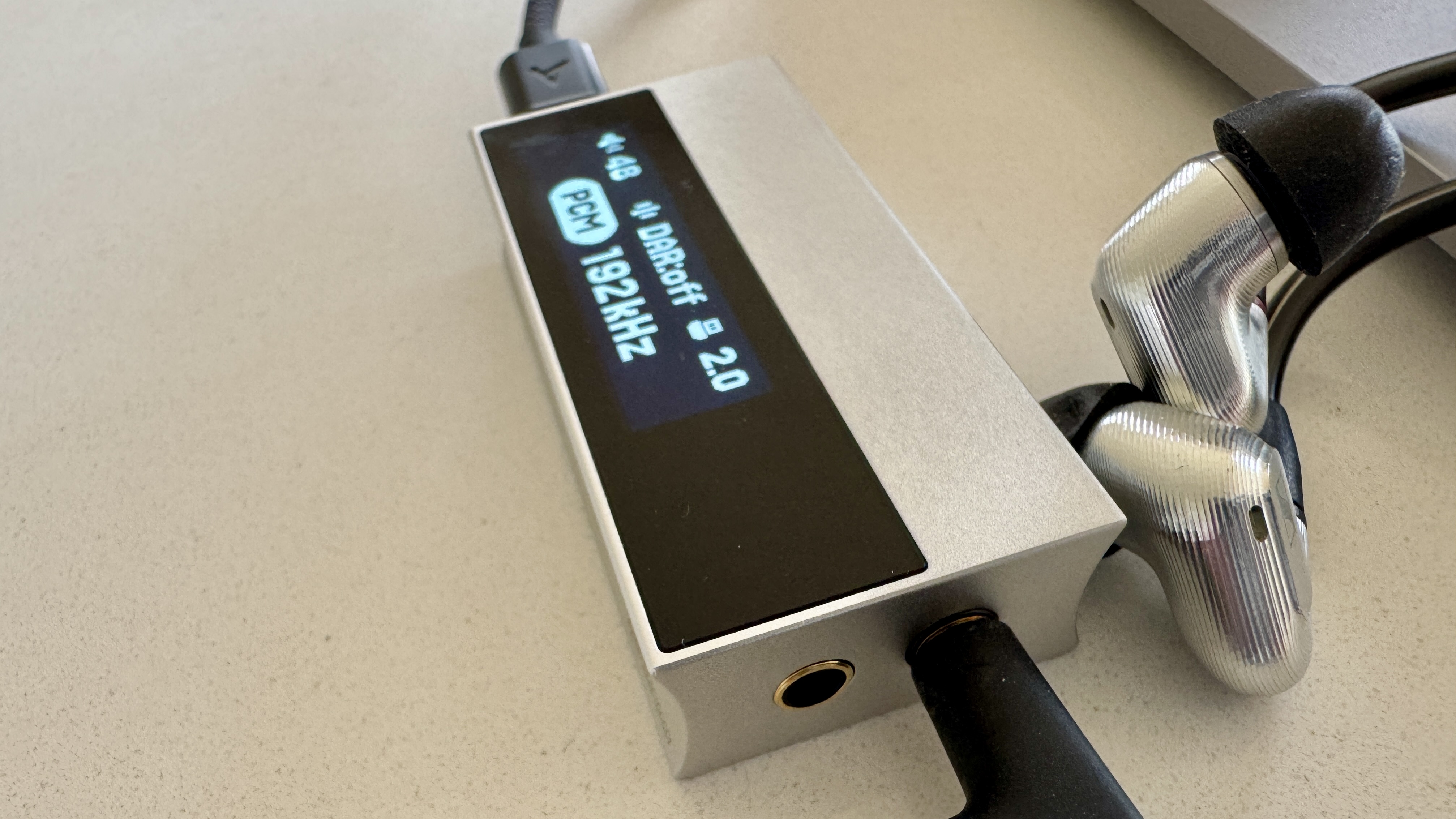
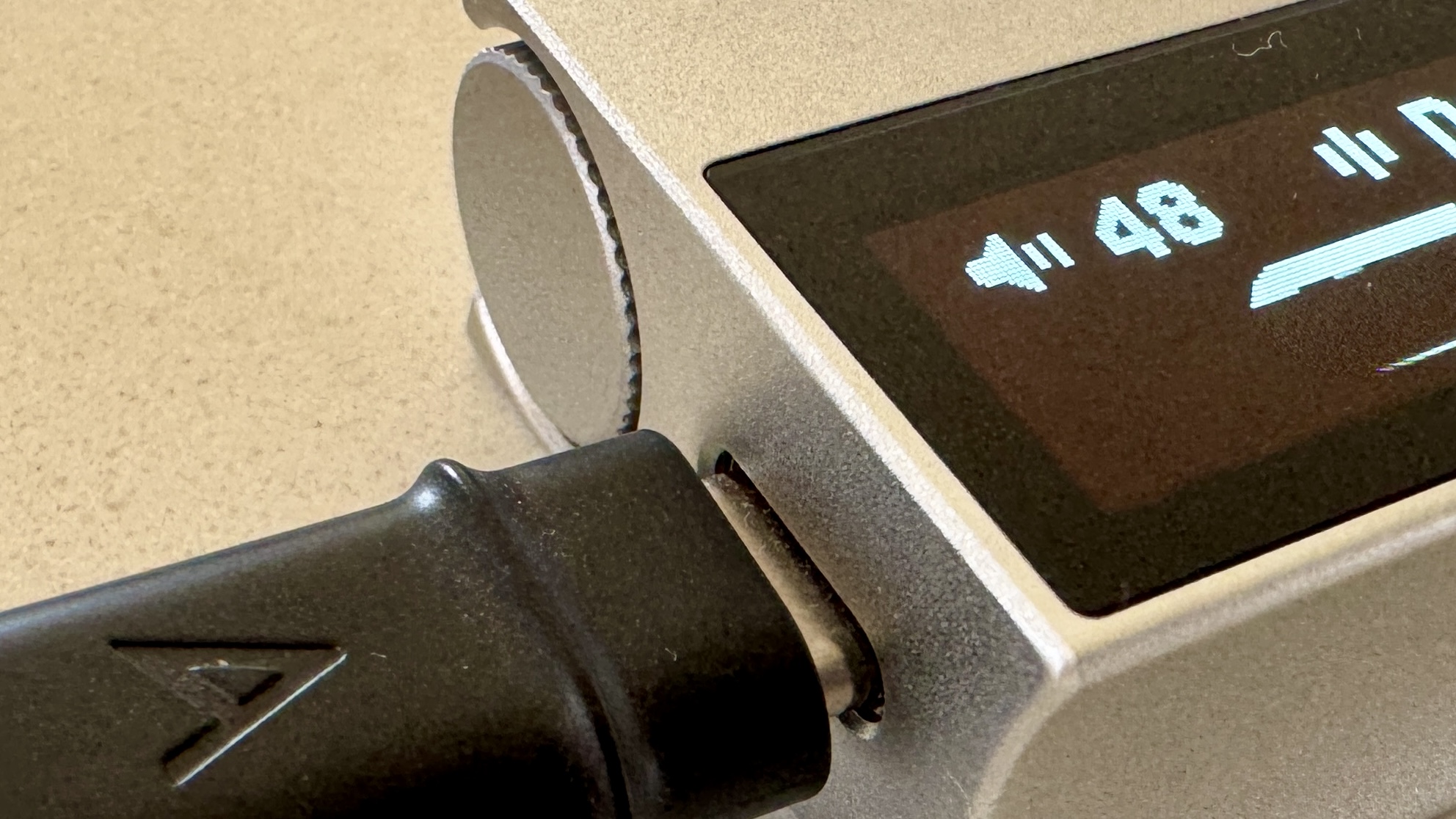
At one end the HC5 has a USB-C input — it’s supplied with both USB-C / USB-C and USB-C / Lightning cables, so you should have no problem connecting your source of music. At the other there are 3.5mm unbalanced and 4.4mm balanced headphone outputs.

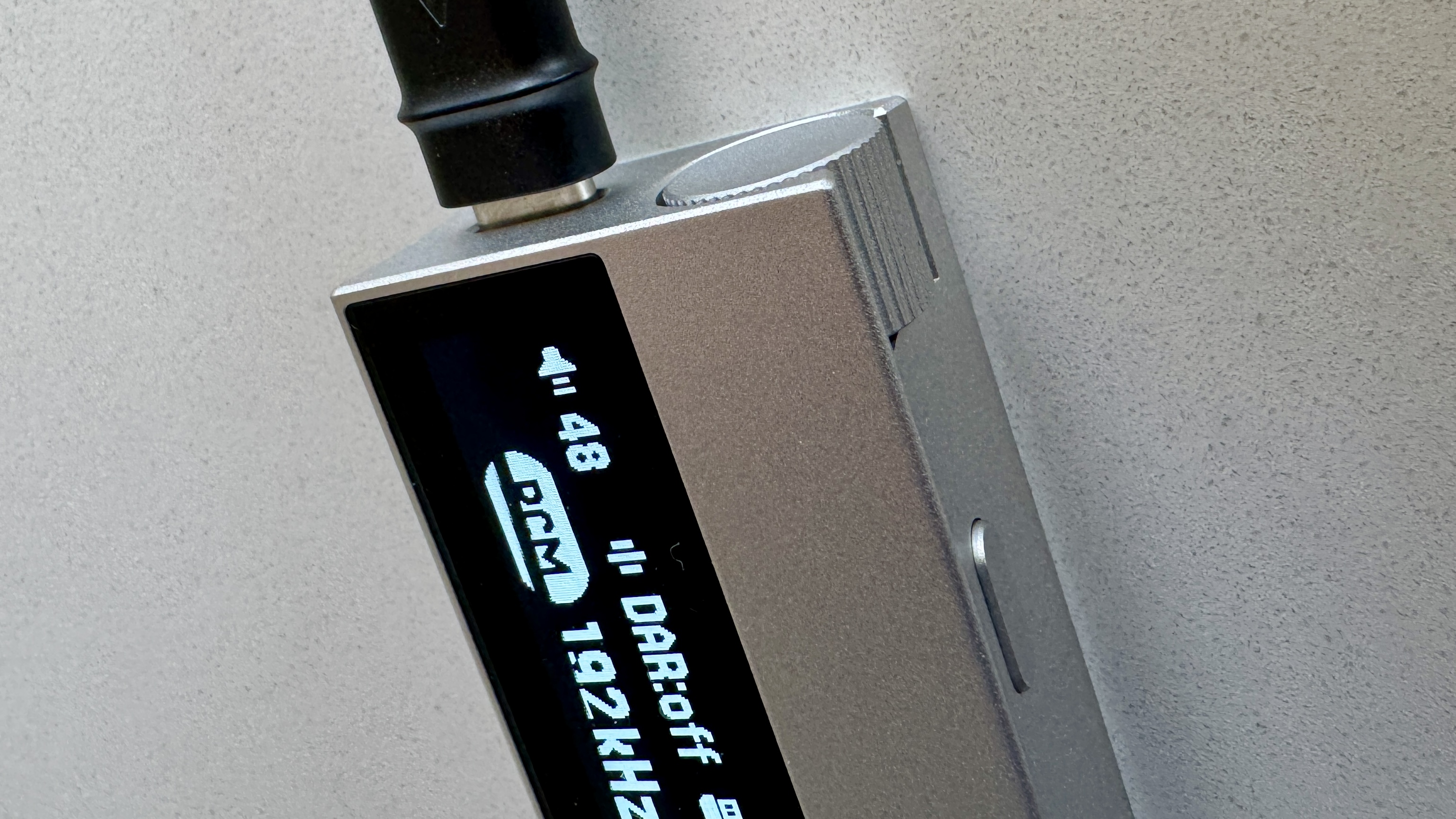
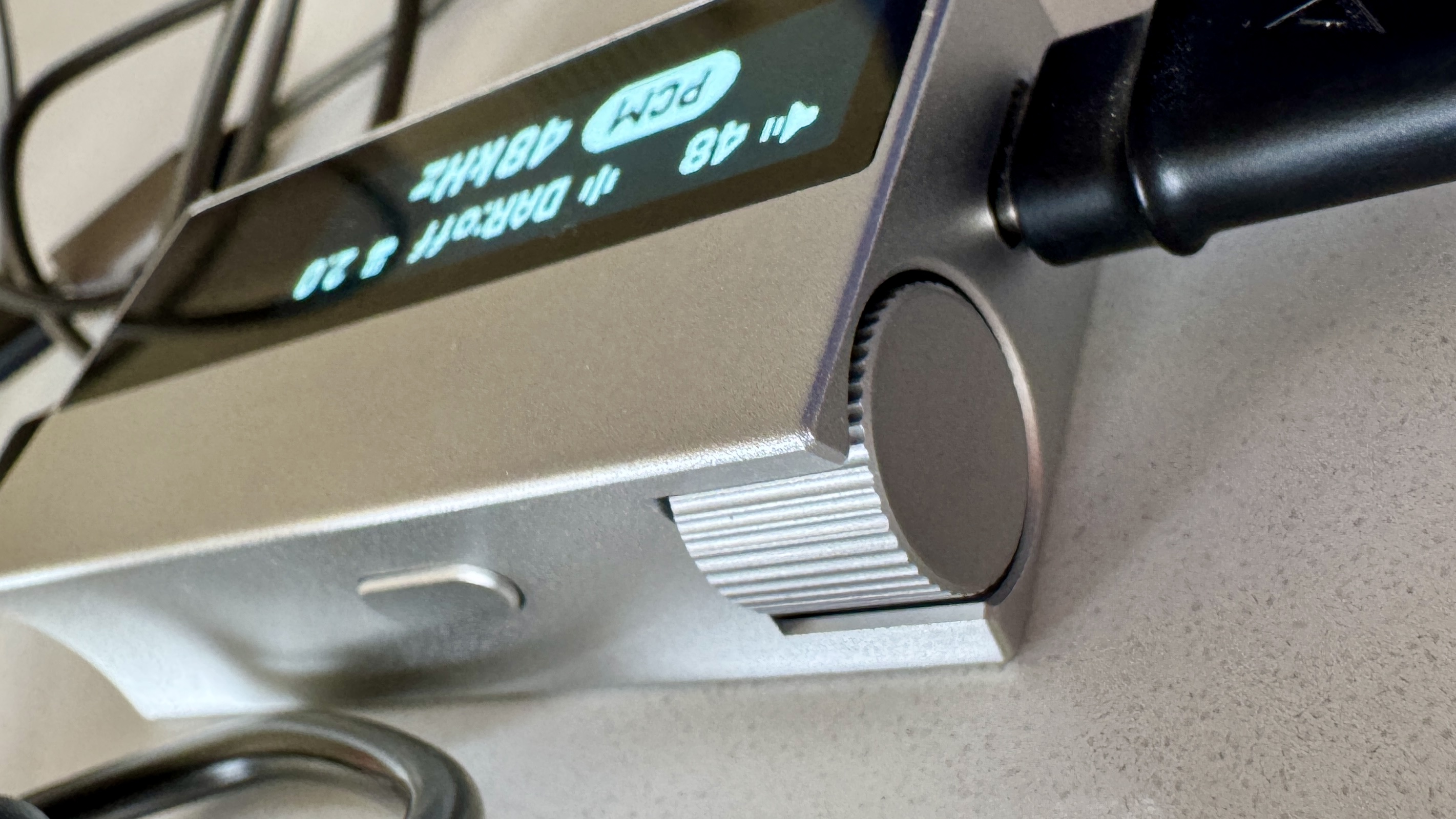
Next to the USB-C input there’s a relatively large, knurled dial that takes care of volume — the HC5 features a frankly excessive 150 steps for ultra-granular control. It feels just slightly wobbly and a little less premium than the main body of the device.

That’s also true of the little button on the side of the HC5 that is basically your control for everything that isn’t volume; it feels just fractionally imprecise. Thankfully the display it works in conjunction with, which occupies fully half of the front of the device, is crisp and bright and legible. Here’s where you’ll turn the digital audio remaster algorithm on or off, and choose between the six available digital filters — and this, in essence, is what constitutes ‘set up’ where the Astell & Kern is concerned.

  • Usability & setup score: 4 / 5

The Astell & Kern AK HC5 on a grey table, with the top plate illuminated and hooked up to Sennheiser IEMs and a FiiO digital audio player

(Image credit: Future / Simon Lucas)

Astell & Kern AK HC5 review: Value

  • It's a very little product
  • …but that is one of its biggest strengths
  • It more than levels up your phone's audio without you noticing it's there

If — and it’s quite a big ‘if’ — you have wired headphones capable of taking advantage of the HC5’s unarguable sonic abilities, and if you have a streaming service subscription that includes lots of hi-res content, then there’s no arguing with the difference the Astell & Kern can make to your portable listening experience. Which has to count as ‘value’ in anyone’s language, doesn’t it? OK there are cheaper devices out there too, but none look or feel quite as good as this one — and there are also much more expensive ones out there…

  • Value score: 4 / 5

The Astell & Kern AK HC5 on a grey table, with the top plate illuminated and hooked up to Sennheiser IEMs and a FiiO digital audio player

(Image credit: Future / Simon Lucas)

Should I buy the Astell & Kern AK HC5?

Buy it if…

You own good wired headphones
Because no good can come of plugging them straight into a smartphoneView Deal

You have access to truly hi-res content
The HC5 can deal with the biggest real-world resolutions aroundView Deal

You think ‘portable’ should mean ‘portable’
Small and palm-sized, the A&K can genuinely go anywhere without becoming a burdenView Deal

Don't buy it if…

Your headphones are on a 6.3mm jack
You’ll need an adapter to use them with the HC5View Deal

You place a lot of value on the physical interface
The feel of the physical controls isn’t as premium as it might beView Deal

Your source player doesn’t have huge battery life
The A&K uses your player’s power, and quite a bit of itView Deal

The Astell & Kern AK HC5 on a grey table, with the top plate illuminated and hooked up to Sennheiser IEMs and a FiiO digital audio player

(Image credit: Future / Simon Lucas)

Astell & Kern AK HC5 review: Also consider

Where price and performance is concerned, the most obvious rival to the Astell & Kern HC5 is the Chord Mojo 2. In absolute terms it probably has the edge over the HC5, and its EQ adjustment facility is worthwhile too — but it stretches the meaning of the word ‘portable’ quite a distance…

How I tested the Astell & Kern AK HC5

At one end I connected the Astell & Kern HC5 to an Apple iPhone 15 Pro, a FiiO M15S digital audio player, and an Apple MacBook Pro — this way I was able to access a whole lot of content of various genres and resolutions, and also to assess the device’s performance against the extremely impressive D-to-A abilities of the FiiO DAP.

At the other end I connected a pair of Austrian Audio The Arranger open-backed over-ear headphones to the 3.5mm unbalanced output and a pair of Sennheiser IE900 in-ear monitors to the 4.4mm balanced alternative.

❌