Two executives at a data extraction and digital forensics company that sold several U.S. agencies its software were arrested for allegedly lying about the fact that its technology is made in Russia.
U.S. Sens. Mark Warner (D-VA) and Ted Cruz (R-TX) introduced the Telecommunications Cybersecurity and Resilience Act on Thursday, arguing that the new effort was necessary in light of the Salt Typhoon attacks which saw Chinese hackers breach nearly all of the major telecommunications giants in the U.S.
Ardit Kutleshi, 28, was extradited from his home country of Kosovo last year after prosecutors accused him and his older brother of running Rydox — an illicit platform used by cybercriminals to sell stolen personal information, illegal access to devices and other tools for carrying out fraud.
At least four internet providers serving Kyiv and other parts of Ukraine suffered partial connectivity losses following Wednesday’s drone attack, according to internet monitoring group NetBlocks.
In May, Pornhub began using a new age assurance process to verify some users’ ages, according to an Ofcom press release. The new method relies on signals from Apple that suggest under 18s in the UK “may have completed Apple’s age checks,” the press release said.
U.S. intelligence officials found no evidence that any foreign adversary successfully interfered in the 2024 presidential election, according to sources familiar with the findings of a classified assessment.
The ShinyHunters cybercriminal organization on Tuesday replaced agency images on the FBIjobs.gov site with a photo of a Pokemon that has become the group’s defacto mascot.
Latvian police arrested a 23-year-old man suspected of hacking at least two companies, stealing personal information and attempting to extort money from the victims.
The investigation, announced Monday, will probe IDScan’s security practices and whether victim notifications were adequate under Canada’s federal private-sector privacy law, the regulator said in a press release.
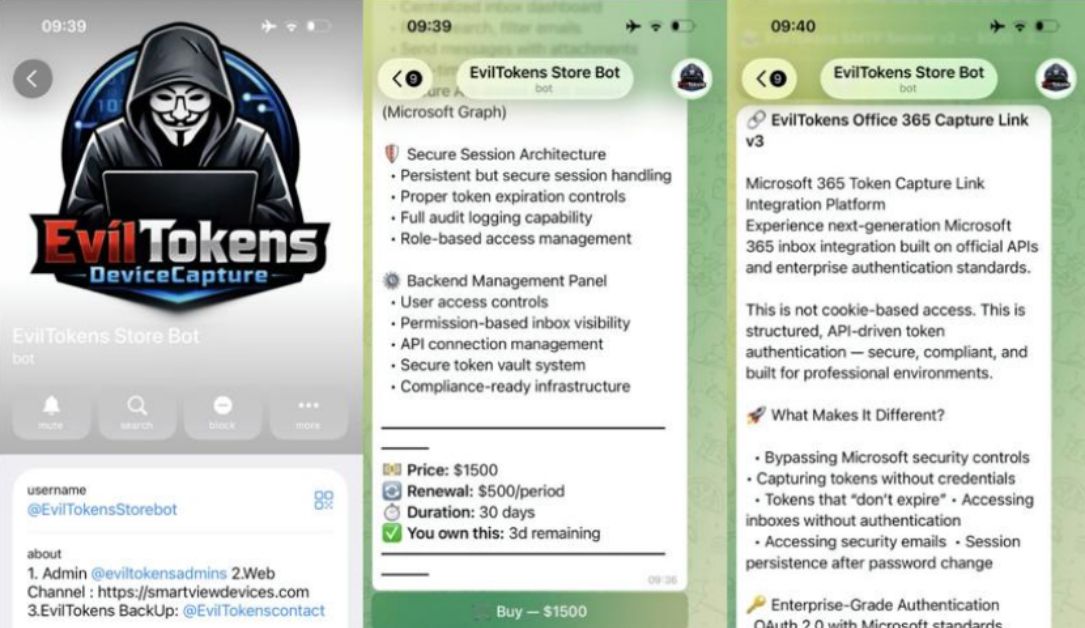
Available on Telegram for a $1,500 initiation fee and a recurring monthly $500 subscription, EvilTokens provided cybercriminals with artificial intelligence tools enabling them to compromise accounts, analyze breached inboxes and find the best methods for monetizing their access through fraud.
Dave Chismon, the NCSC’s chief technology officer for architecture, said in a blog post that the imbalance in AI means cyberattacks would likely grow as automated defenses struggle to keep pace.
Russia’s growing restrictions on mobile internet and cellular service are making it harder for people to receive warnings about incoming Ukrainian drone and missile attacks.
Ireland’s Data Protection Commission will fine Google more than €403 million ($462 million) over the tech giant’s processing of location data, concluding an inquiry into the company that began in early 2020.
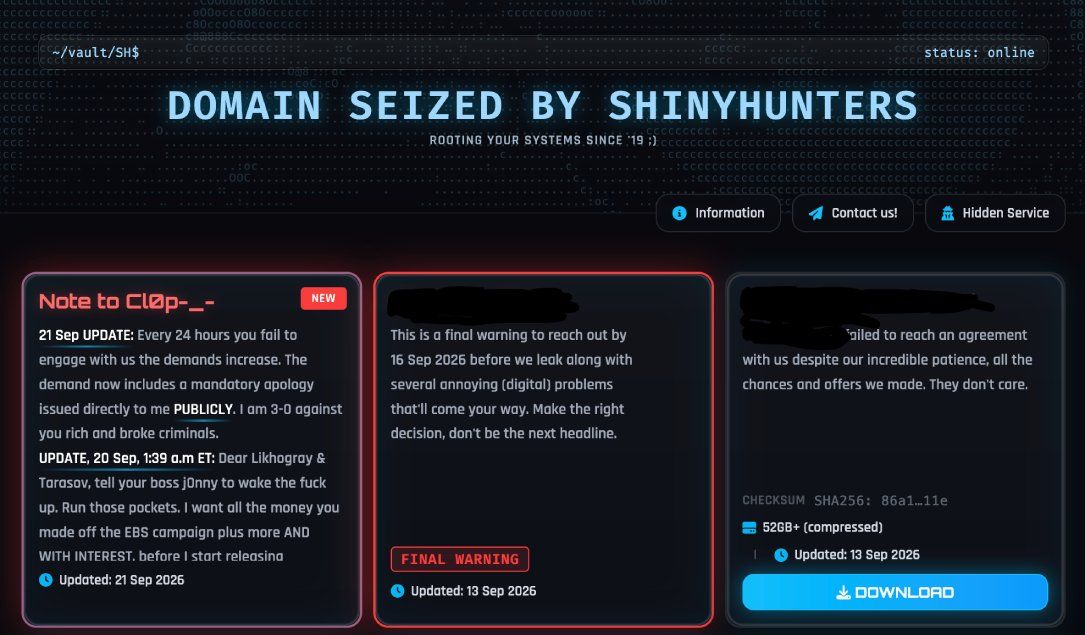
The ShinyHunters extortion group hijacked the dark web leak site of the prolific Cl0p ransomware gang, according to material posted on the site over the weekend.
The agreement between LinkedIn, ProAPIs and joint business operator Netswift also requires the firms to stop selling and transferring the data, no longer access LinkedIn through fake accounts and delete the data that was scraped, according to a senior LinkedIn executive.
A report published Wednesday said that as of July, Vietnam, Laos, Pakistan and Argentina took meaningful steps to respond to allegations involving North Korea listed in an October study.

 Login
Login