Login

SpaceX says it could build more data center compute than Google's entire lifetime capacity in just 1.5 years — and analysts think they might be able to do it
- SpaceX wants to add 10GW of data center capacity during 2027
- Analysts believe Musk's aggressive construction schedule could become reality
- Colossus 2 is already demonstrating the scale of SpaceX's ambitions
SpaceX claims it could add an extraordinary amount of artificial intelligence computing capacity within the next 18 months, potentially matching Google's cumulative development over decades.
Elon Musk believes his company can install 10 gigawatts of additional data center capacity in 2027, an ambition that has attracted skepticism.
However, analysts believe the proposed expansion is achievable, citing construction progress, internal manufacturing capabilities, and access to dedicated power generation equipment.
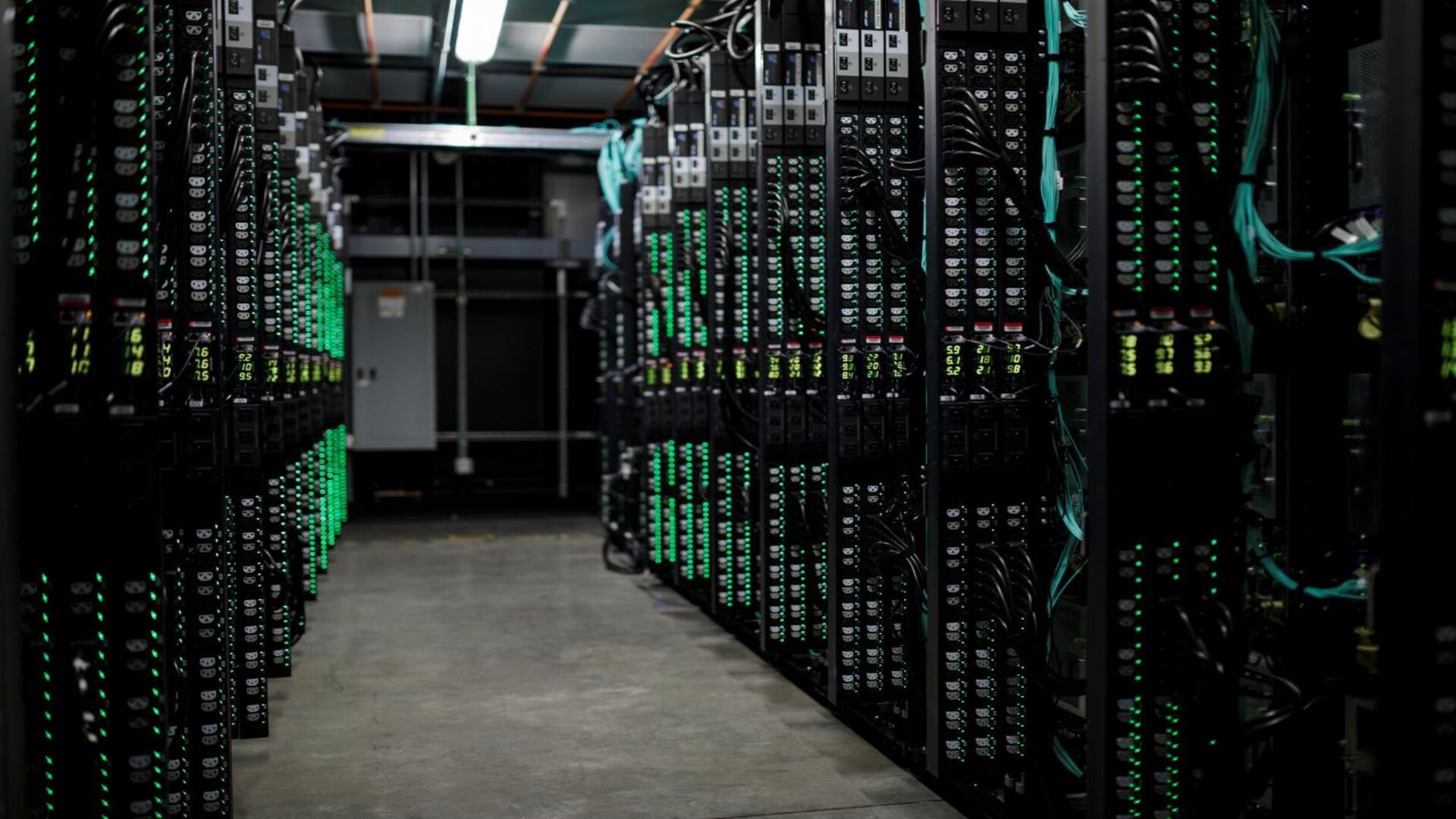
SpaceX's construction pace could change the data center race
According to SemiAnalysis, SpaceX could increase its computing infrastructure from approximately 3GW to more than 10GW through developments planned across several locations.
If achieved, that expansion would represent approximately 10GW of additional capacity within 18 months, matching what Google accumulated throughout its entire existence.
The analysts point to the rapid development of Colossus 1 and Colossus 2 as evidence that Musk's ambitious construction schedule remains achievable.
Colossus 2 offers a particularly important example, with its electricity generation capacity reportedly increasing from 0.4GW in January toward 2.4GW by December.
The facility reportedly includes 89 gas turbines capable of generating approximately 2.5GW, alongside 1,377 Tesla Megapack battery systems installed across the property.
However, environmental restrictions will eventually limit the permitted output from those turbines to approximately 1.24GW, creating additional requirements for electricity supply.
The facility is also expected to receive approximately 1.2GW from the electricity grid, although analysts estimate another 300MW remains necessary.
Battery storage could help address that difference by supplying additional electricity when demand fluctuates, alongside possible contributions from external power sources.
SpaceX reportedly has temporary permission from Mississippi authorities to operate additional turbines, provided the company phases them out by July 2027.
Tesla's manufacturing capabilities could give SpaceX an advantage
One factor potentially accelerating construction is SpaceX's relationship with Tesla, which could provide access to manufacturing capabilities and electrical infrastructure components.
SemiAnalysis suggests Tesla may be producing modular mechanical and electrical equipment, allowing installation teams to deploy completed systems without waiting for conventional suppliers.
Such an arrangement could reduce procurement delays affecting competing developers, particularly when specialized power equipment and other essential infrastructure remain difficult to obtain.
The analysts also identified approximately 9GW of potential computing capacity across the facilities included in their assessment of SpaceX's development pipeline.
Musk previously stated that Colossus 2 already operated 550,000 GPUs as of September 25, although the exact distribution across individual buildings remains uncertain.
Other developments, including Gun Range and Project SPAM, also appear to be advancing, with aerial photographs showing substantial construction activity.
Nevertheless, completed buildings do not automatically translate into operational computing capacity, particularly when electrical connections, cooling systems and server installations remain outstanding.
Microsoft CEO Satya Nadella previously explained this problem, saying, “You may actually have a bunch of chips sitting in inventory that I can’t plug in. In fact, that is my problem today.”
SpaceX must also secure sufficient GPUs, memory components and power generation equipment before its ambitious deployment schedule can become reality.
Even with substantial manufacturing resources, regulatory restrictions, construction materials and local opposition could complicate expansion across multiple locations.
Via Tom's Hardware