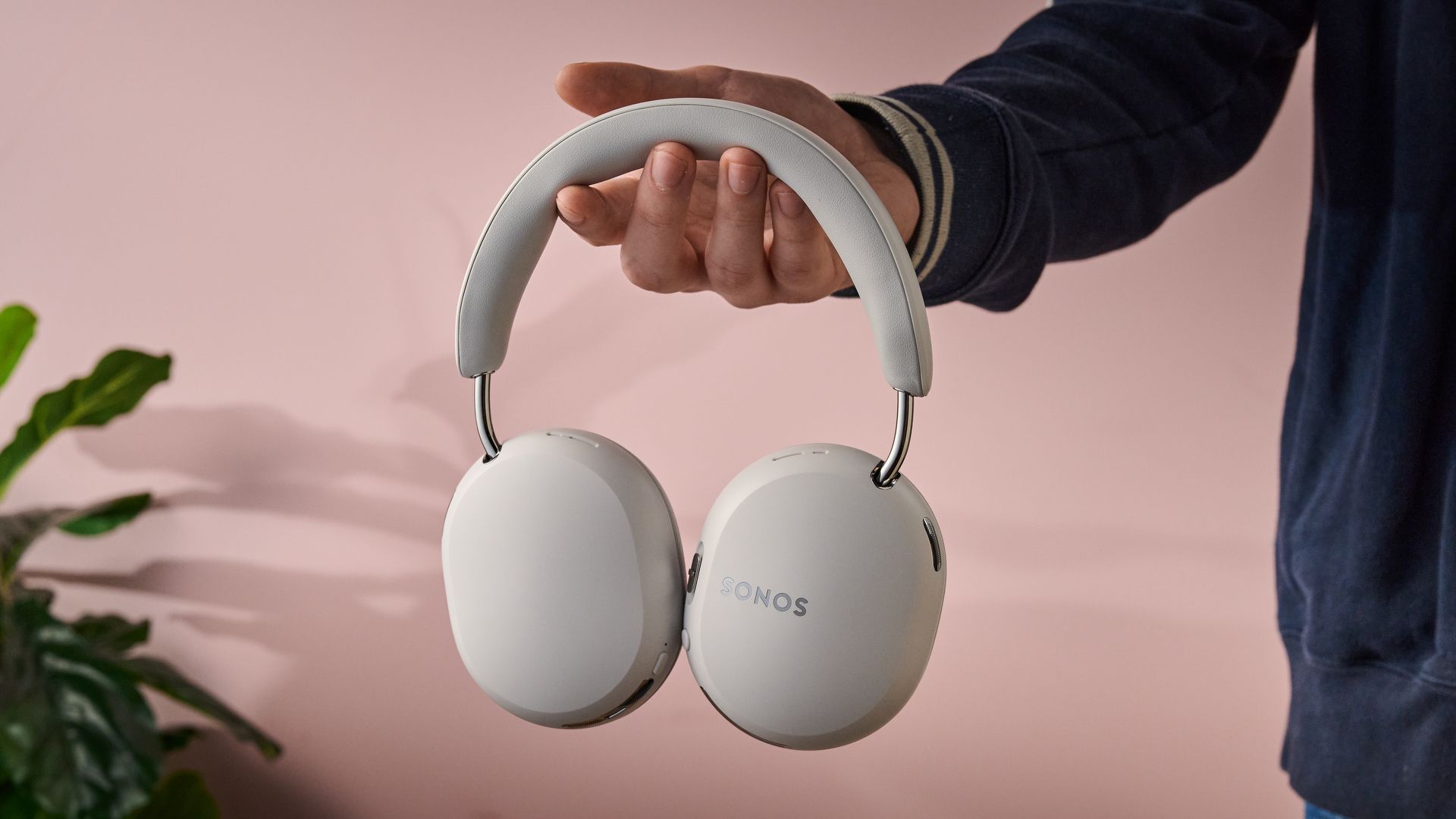
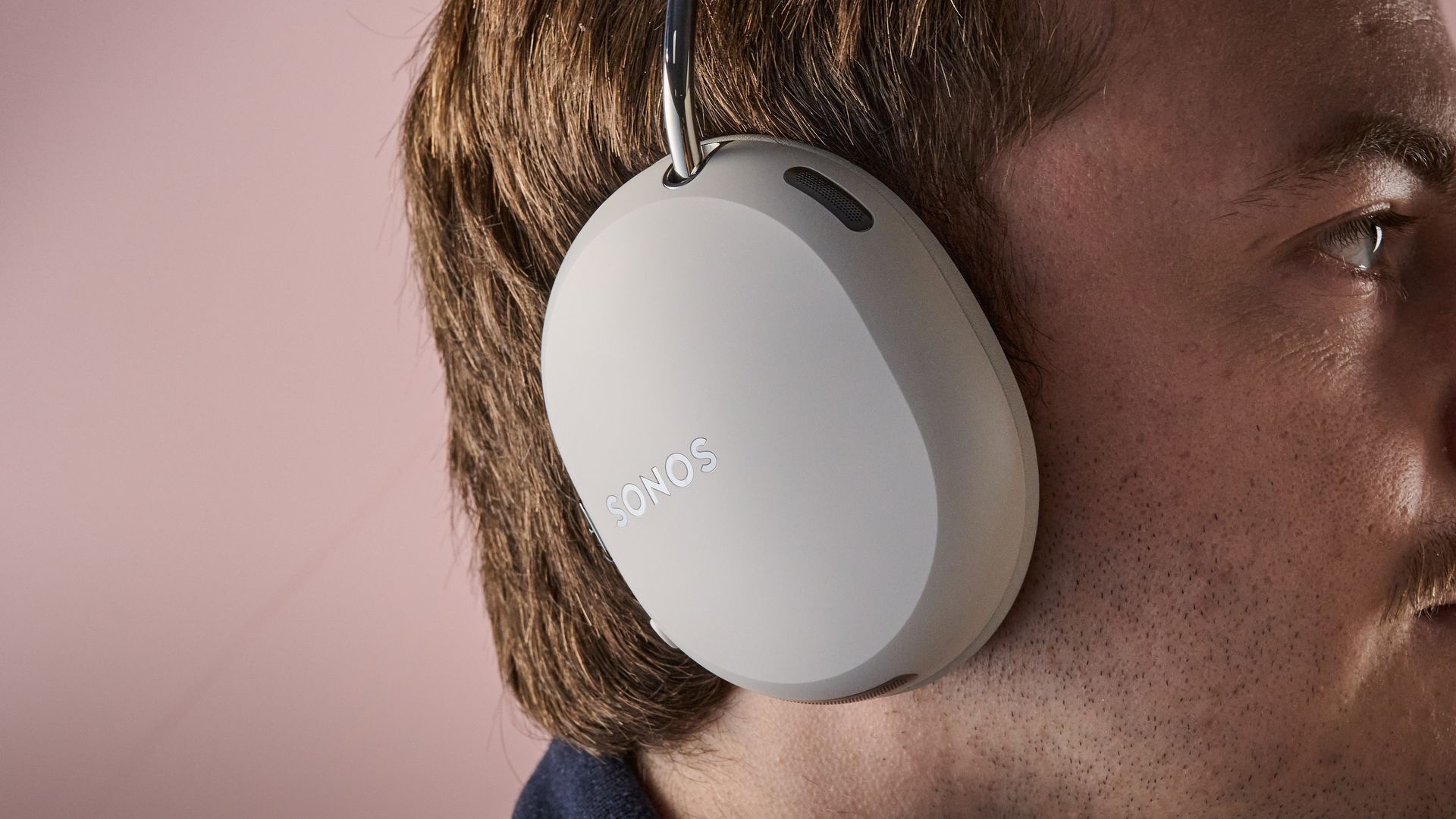
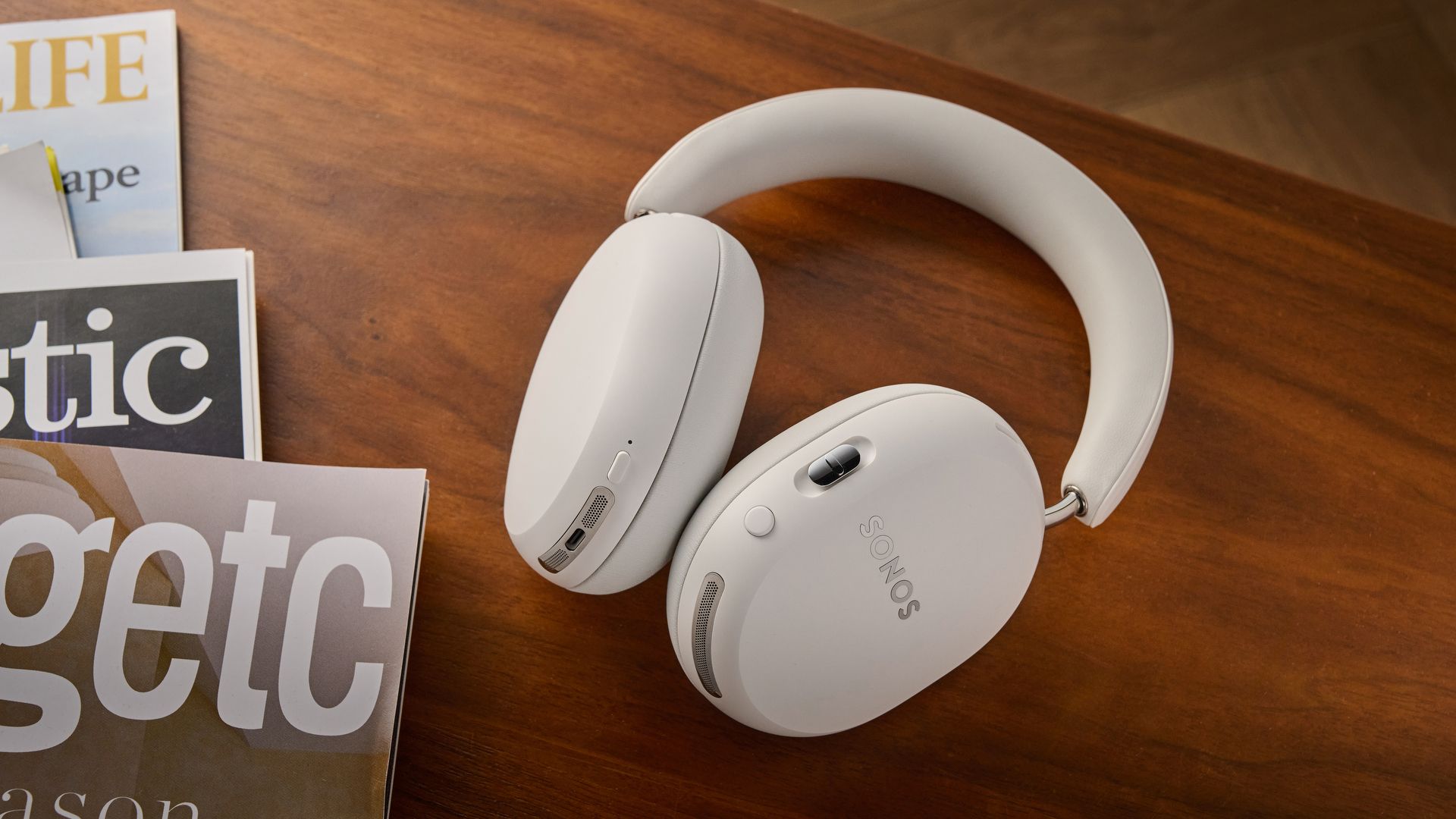
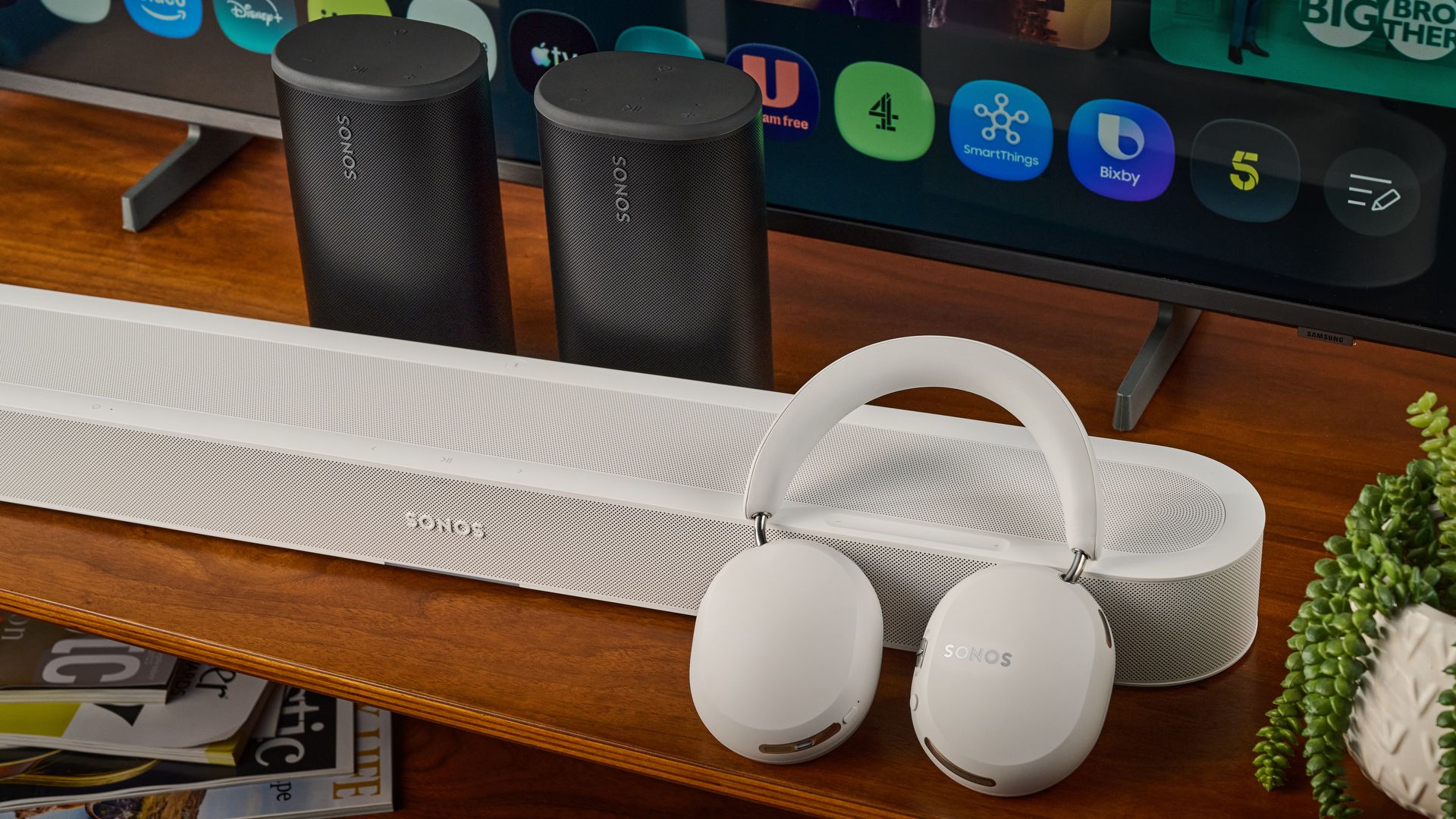
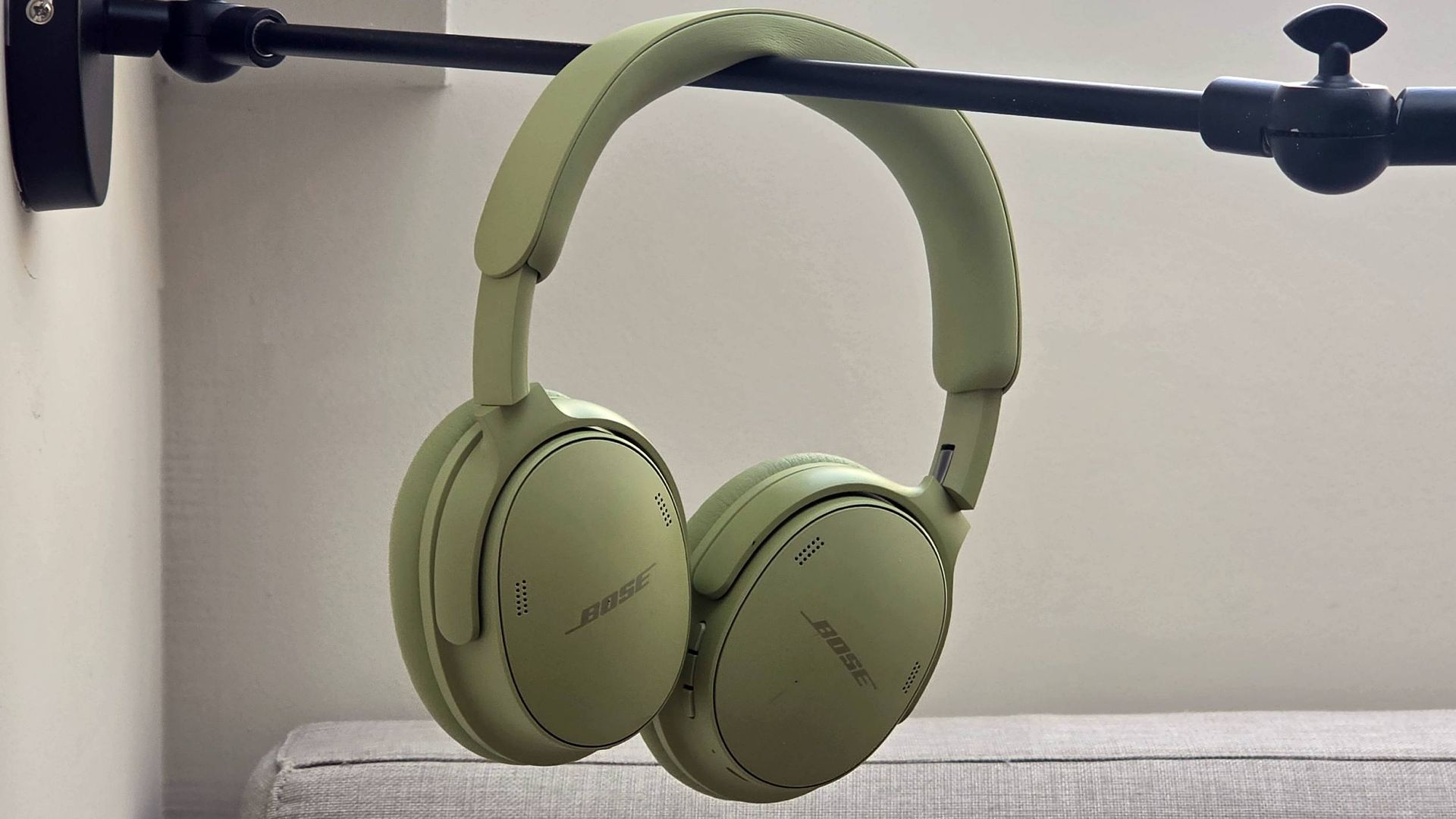
The Sonos Ace Ultra are here, and they’re beautiful. I’ve spent two weeks testing them, and to tell the truth, they really exceeded my expectations.
See, I liked the original Sonos Ace, but the Ultra bring so many meaningful upgrades to the fore, be that their expanded microphone system, fancy new drivers, or new smart features. And as you’ll see in my Sonos Ace Ultra review, I think these updates establish Sonos as a major player in the world of wireless headphones.
The standard Sonos Ace fell just short of greatness when they released due to their somewhat middling musicality, and with rivals like Sony and Bose releasing excellent iterations in the WH-1000X and QuietComfort Ultra series’ respectively, it felt like the multi-room giant couldn’t quite go toe-to-toe with the best of them.
But the Ultra have changed that, and I’m here to share my five favorite improvements that make Sonos’ new headphones an excellent option for anyone looking to buy a top-tier pair of wireless headphones — or make the step-up from the original Ace. And make sure to stick around for number five, which is the most game-changing upgrade of them all.
1. A more customizable listening experience
(Image credit: Future)
First of all, you have a lot more control over the listening experience with the Sonos Ace Ultra compared to what the original Ace allowed.
This is largely down to a far more fleshed-out equalizer, which lets users take a far more granular approach tuning-wise. That’s because the Sonos Ace Ultra feature an eight-band equalizer, letting you make adjustments to specific parts of the frequency range. Want to give those lower-mids a bit of a boost? Want to temper the upper-treble a bit? No problem — you can do that here.
Meanwhile, the Sonos Ace had very basic two-band EQ options that only let you increase the bass or treble. Sure, there’s the option to use a three-band equalizer on the Sonos Ace Ultra if you want a simpler way of making changes, but the more extensive controls on the audio specialist’s new headphones are welcome for someone like me, who wants to tailor sound to his specific tastes.
While we’re on this topic, it’s also worth flagging that the Sonos Ace Ultra have adaptive EQ. This automatically adjusts EQ to account for factors such as fit, glasses, hair, and other elements that could cause leakage. This works well and was something that the original Ace skipped.
2. Enhanced ANC
(Image credit: Future)
The Sonos Ace Ultra increase the number of microphones onboard to ten from the eight seen on the standard Sonos Ace. This results in a number of improvements, like enhanced calling, for instance. But the biggest difference is heard when it comes to active noise cancellation.
This expanded microphone system helps the Sonos Ace Ultra to deliver excellent ANC that competes with some of the best noise cancelling headphones on the market. When working in the office, sounds of typing were totally eliminated. When on walks, construction work and traffic passing by was subdued to incredible effect. And even when taking public transport, the rumble of engines and conversations surrounding me were silenced without hesitation.
It helps that the Ace Ultra also have a relatively secure (yet still comfortable) fit, providing a seal that keeps the world around you at bay. I’ve tried far more expensive cans that can’t hold a candle to the Sonos Ace Ultra in this regard, so if you want great ANC, look no further.
ANC is adjustable, so you can decide whether you want full-blast silencing or a light bit of blockage if you find that disorienting. Of course, you also get a transparency mode if you want to be more aware of your surroundings or to have a quick conversation.
3. More interplay with your Sonos system
(Image credit: Future)
The Sonos Ace Ultra offer even more interconnectivity with other Sonos products than the original headphones, in part thanks to the Ultra’s new Headphone Engine 2.
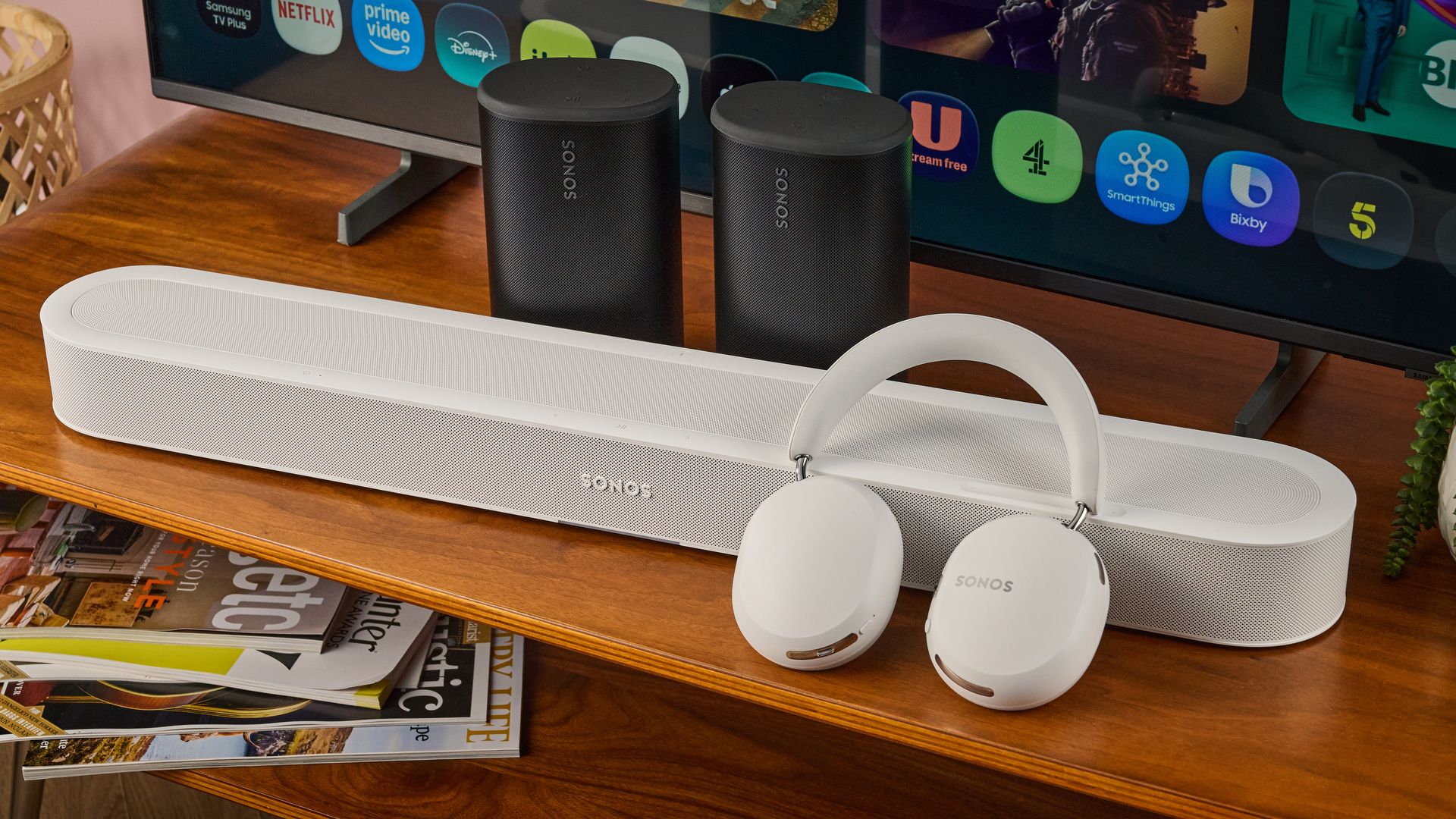
With the Ace Ultra, you unlock a new feature called Headphone Linking. This lets you seamlessly transfer audio from compatible speakers — like the Sonos Play — over Wi-Fi, directly to your headphones (or vice versa). Just a single press of a button, and you can easily transfer music or movie audio across; it's seamless and works like a dream.
Like the original Ace, you also get TV Audio Swap. This lets you connect the Ace Ultra to a compatible soundbar, like the Sonos Arc Ultra, and hear movie audio on your headphones instantly. Because the Ace Ultra support Dolby Atmos and head tracking, you get an incredibly immersive, rich listening experience here — and it's ideal if you want to enjoy private listening without disturbing anyone else in your household.
4. Better battery — and its fully replaceable
(Image credit: Future)
First of all, I should say that the battery life on the standard Sonos Ace is by no means bad. You get 30 hours of playback with ANC on, which is basically the standard for headphones in the premium price-bracket — in fact, some rivals like the AirPods Max 2 and the first-gen Bose QuietComfort Ultra fall short of this.
But the Sonos Ace Ultra provide a slight bump, with 35 hours of battery life with ANC switched on — still nothing game-changing, but certainly a welcome improvement. You also only need to charge them for three minutes to get three hours of playback, which makes them incredibly convenient when you’re on the go and need some additional battery life in a pinch.
Perhaps more interestingly, the Sonos Ace Ultra feature a user-replaceable battery. Yes, you’ll need to get some specialist kit for this, but it means that the Ultra can live on, even if the battery degrades after years of listening. That only makes your investment more worthwhile in the long run.
5. New drivers provide a huge performance upgrade
(Image credit: Future)
And now for the largest upgrade of them all: the one that truly puts the Sonos Ace Ultra head and shoulders above the first Sonos Ace. Of course, I’m talking about the significant sound quality step-up, which comes, in part, thanks to new 40mm custom drivers.
When it comes to music, the original Sonos Ace are OK. They provide relatively energetic audio, but they lack balance, often sound quite busy and disorganized, and lack the width and detail of some premium rivals. But the Sonos Ace Ultra take things up a notch. They deliver expansive, dynamic, and intricate audio, especially when using aptX codecs or wired listening.
The Sonos Ace Ultra also provide improved instrument separation, letting them handle more complex mixes with ease. Low-end sounds are more full-bodied and agile, never sounding lethargic or lacking rhythmically. Mids aren’t as overzealous as they were on the original Ace, taking a more natural, detail-oriented approach. And treble is expressive and articulate, giving higher-pitched percussion some seriously satisfying bite.
Like the standard Ace, the Ace Ultra sound impeccable for movies, delivering a three-dimensional listening experience with convincing height effects and engrossing expansiveness, and they’re probably the best wireless headphones you can buy for movies. But the Ultra’s improved musicality helps them attain greatness — even more impressive when you consider that they’ve launched at the same price as the original Ace did back in 2024.
Sonos is making a real statement of intent with its new wireless headphones, the Sonos Ace Ultra.
The multi-room master has made a whole host of improvements to this upgraded wireless over-ear model, which has arrived two years after the original Ace came to market. The Sonos Ace Ultra have enhanced custom 40mm drivers, a new headphone engine, better battery life, better noise-cancelling, and more detailed EQ to name a few things. So can they finally compete with flagship rivals from the likes of Sony and Bose to become some of the best noise-cancelling headphones we've tested? Here’s what I think after weeks of testing.
Let’s start by addressing the most important area of all: sound quality. We felt that the original Ace fell short of the best headphones around due to one main issue: their middling musicality. But the Ace Ultra have remedied that, and then some.
When listening to the Sonos Ace Ultra beside the original model, the differences were stark. Where the standard Sonos Ace sounded confined, overstretched, and unrefined, the Ace Ultra offered openness, intricate detailing, and a broader, more organized soundstage. What’s more, they provide better balance across the frequency range, with deep yet controlled bass, rich but less overzealous mids, and tight, articulate treble.
While I still consider some similarly priced competitors, like the Sony WH-1000XM6 and Bowers & Wilkins Px7 S3 to supply slightly more premium, detailed sound (for music, that is), the Ace Ultra are really not far behind. Sonos listened to the critics, and proved that it's up to the task of going toe-to-toe with the titans of the headphone world.
We already loved the original Ace for movies, though, finding that they offered immersive Dolby Atmos audio with effective head-tracking to boot. And that’s much the same on the Ace Ultra. They whip up wonderful width, strong command over height effects, and never neglect the fundamentals like clear dialogue and cinematic, pounding bass.
But what’s new on the Ace Ultra? Although music got a seismic upgrade, other alterations feel a bit more incremental — but that’s by no means a bad thing. Two more microphones have been added to the Ultra, bringing the total to ten, and ANC is great here. Wherever I was, my soundings were subdued to great effect, almost creating a bubble of silence. ANC is adaptive this time around and adjusts nicely, and the transparency mode works a treat. Call quality is strong too, as you may expect.
Battery life has also seen a boost, and you’ll now get up to 35 hours with ANC on. Is this anything groundbreaking? No. But it’s slightly above the 30-hour standard for headphones in this price bracket, and I never felt that I had to charge these cans very regularly. The battery is also replaceable, and a rapid charging mode means you can get three hours of playback if you spend three minutes juicing them up.
EQ options have also been expanded beyond the basic two-band equalizer found on the standard Ace headphones. There’s an eight-band option now as well as adaptive EQ, meaning you can genuinely tailor sound to your specific tastes.
We also need to talk about the Wi-Fi capabilities of the Sonos Ace Ultra. No, we’re still not at the point where we can directly stream tunes over a local internet connection, but there are some nifty features at play. First of all, TV Audio Swap is back, enabling you to link the headphones to a compatible Sonos soundbar, and transfer sound seamlessly. This is highly responsive and effective, and while I didn’t find myself using this feature a ton, you can avoid the latency issues you’d get from connecting headphones to your TV over Bluetooth.
The Ace Ultra also add Headphone Linking, though, which means you can also transfer sound from compatible speakers, like the Sonos Play, for instance. This is equally reliable as TV Audio Swap, and is a great option if you’re listening to music at home but want to keep listening without distracting others.
It’s clear to see that the Sonos Ace Ultra don’t look very different from the previous model, but that’s no bad thing. They’re sleek, well-built, and offer a neat combination of comfort and over-ear security. They’re not fully foldable, and the included case could be better quality-wise, but these are fairly minor pain points in the grand scheme of things.
Considering that the Ace Ultra cost the same as the original Ace at the point of launch — and actually less in the UK — they feel like a much more worthwhile investment. They’re by no means cheap, but their enhancements are meaningful and substantial, making these a great pair of headphones whether you have a pre-existing Sonos system or not. As a result, these are a great pair of headphones for music and movie lovers alike that feel worth the outlay — and are easy to recommend if you want a great all-round pair of premium wireless headphones.
(Image credit: Future)
Sonos Ace Ultra review: price & release date
Priced at $449 / £399 / AU$699
First released September 2026
The Sonos Ace Ultra were released in September 2026, about two years after the original Sonos Ace headphones. The new model is priced at $449 / £399 / AU$699, which is the same as the standard Ace cost at launch in the US and Australia, though they’re actually cheaper in the UK than the original Ace were at the point of release.
Given their price, the Ace Ultra have some extremely hot competition. For example, the Sony WH-1000XM6 are similarly priced, and offer an incredible mix of balanced, dynamic, and impactful sound alongside some of the best noise-cancelling on the market and a giant suite of features. Other competitors include the noise-crushing Bose QuietComfort Ultra Headphones Gen 2, the spacious sounding Bowers & Wilkins Px7 S3, and the ultra-detailed Sennheiser HDB 630.
Sonos Ace Ultra review: specs
Drivers
Next-gen 40mm custom
Active noise cancellation
Yes
Battery life
35 hours (ANC on)
Weight
0.7lbs / 322g
Connectivity
Bluetooth 6.0, USB-C
Frequency range
20Hz-20kHz
(Image credit: Future)
Sonos Ace Ultra review: features
Excellent ANC with adaptive mode and effective transparency option
Higher-res audio available as well as Dolby Atmos for spatial sound
TV Audio Swap and Headphone Linking works very well
The Sonos Ace Ultra boast an excellent suite of features and are a highly personalizable, smart set of headphones.
Let’s kick off with ANC, which has had quite the revamp. Now, you can toggle on an adaptive mode, which adjusts for things like fit, whether you’re wearing glasses, and if you make sudden head movements. But that’s not all.
Sonos has also boosted the number of mics for the Ultra, with ten to the original Ace’s eight. The mics can monitor your surroundings and cut out external noise in real time, and they do this to great effect. Yes, the Ace Ultra supply great ANC, and no matter my environment, I was treated to satisfying, distraction-free listening.
When out on walks, the sounds of cars passing by were totally nullified. When typing away in the office, the clacking of keyboards was fully subdued, and when travelling on public transport, engine sounds and surrounding chatter were put right to the sword. The Aware Mode is also very effective, and makes it incredibly easy to tune into your surroundings, with the new Voice Boost mode able to improve the clarity of voices around you if you toggle it on.
The upgraded microphone system also helps the Ace Ultra to handle phone calls with greater care than ever before. When taking calls when out and about, my speech was perfectly comprehensible, and never sounded obscured by background noise, even when walking in a busy part of my city.
Something else that’s received a boost is battery life. Sonos says that the Ace Ultra are capable of staying alive for 35 hours on a single charge, and my testing found this to be pretty accurate. This is a slight improvement on the original Ace, which could deliver 30 hours of use, which is essentially the standard for headphones in this price category. There’s also a rapid charging option, which gives the Ace Ultra three hours of playback from a three minute charge and a power saving mode if you want to extend the headphones’ life in a pinch.
One of the more welcome additions to the Ace Ultra is their expanded EQ options. Now, you can make use of an eight-band equalizer to customize the sound of the headphones to your specific taste. This is a big improvement on the basic two-band equalizer on the original Ace (for bass and treble levels), though there’s a more basic three-band option on the Ace Ultra if you prefer a less detail-oriented approach.
Let’s stick with sound, because there are a number of great features here that help you get the best out of both music and movies. First of all, you get all the hi-res goodness from the original Ace, with aptX codec support, as well as lossless audio via USB-C — and there’s a USB-C to 3.5mm cable bundled if you want to use them with a laptop, DJ controller, or other source device.
Dolby Atmos also returns on the Ace Ultra, enabling you to enjoy spatial audio on the go. Once again, this works an absolute treat — especially for movies, where head-tracking also helps to further immerse you in on-screen action. I tried using the TV Audio Swap feature, which enabled me to connect the headphones to the Sonos Beam Ultra, and Atmos movies sounded wonderful — more on that in the ‘sound quality’ section.
While the situations in which I’d use TV Audio Swap are admittedly niche, it's a very reliable feature. It harnesses Wi-Fi connectivity, so you don’t have to deal with the latency issues that connecting headphones to your TV over Bluetooth would bring. And you can easily switch between the soundbar, headphones, and other compatible Sonos speakers with a simple press of a button, which is highly convenient.
The Ace Ultra’s new Headphone Engine 2 also enables Headphone Linking, which allows them to directly connect to other components in your Sonos system — including compatible speakers such as the Sonos play — and move audio to and from your speakers and headphones. Like TV Audio Swap, this feels seamless and speedy to activate, and is great if you’re blasting music at home, but don’t want to disturb others if they want some peace and quiet.
On top of all of this, you get the usual good stuff: multi-point pairing, Bluetooth 6.0 connectivity, wear detection, and a relatively intuitive companion app. And when you add all of this together, I think it's fair to say that the Ace Ultra offer an incredibly fleshed-out, and well-refined feature set.
Features score: 5/5
(Image credit: Future)
Sonos Ace Ultra review: sound quality
Big improvement over original Ace with better soundstaging, detailing, and control
Deep, immersive bass, clean mids, and tight, expressive treble
Fantastic Dolby Atmos performance
While we considered the original Sonos Ace to be a good pair of headphones, their somewhat middling musicality ended up holding them back from greatness. But luckily, Sonos has listened to the criticism, implemented next-gen 40mm custom drivers, and remedied a lot of the issues we had with the previous model. The result? A genuinely great-sounding pair of headphones.
I tried comparing the Sonos Ace Ultra against the original model directly, and when I say that the difference is striking, I truly mean it. In essence, the Ace Ultra provide a significantly broader soundstage with far better organization and balance, as well as deeper, more controlled bass, and more articulate, detailed treble. I also found them to offer superior handling of dynamics and enhanced instrument separation, meaning that, for me, Sonos is closer to rivals like Bose and Sony than ever before.
Sonos has been keen to talk up the Ace Ultra’s improved bass, so I started out by listening to a house track, Get It On by Jansons. The Ace Ultra delivered palpable, pumping bass, that was rhythmic and rapid, never sounding lethargic or boomy. This never concealed other sounds across the frequency range, either, with synths in the mid-range sounding well defined and tonally accurate, and high-pitched drums coming through with precision and vigor, helping the track to maintain its high energy.
Treble was especially tighter on the Ace Ultra compared to the original model, and the wider soundstage gave each individual element more room to breathe, and this became a theme across all of my listening tests.
For instance, with the funk track Joía Rara by Brylho, the upgrade the Ultra provided was considerable. On the original Sonos Ace, the soundstage felt confined, with guitars lacking definition in the mix, and as the track built, the horns, bass, vocals, and guitars sounded slightly convoluted, resulting in a messier presentation than I’d expected. But on the Ace Ultra, things were totally different. Guitars in the intro occupied a unique pocket, bass was well-balanced, and finer percussive details were perfectly audible. Vocals were also separated to greater effect, and while they weren’t the most textured or forward, they were more than clear enough.
Are the Sonos Ace Ultra the best-sounding headphones in their price bracket? Well, they’re not far behind the competition, though I do still think a couple of models edge just ahead. For example, I tested them side by side with the Sony WH-1000XM6, and I found that Sony’s cans supplied a slightly more dynamic low-end output and detailing in the mid-range. It was very close between these two, though. Of course, if you want the most expansive soundstage, headphones like the AirPods Max 2 will edge out the Ace Ultra, but they’re slightly more expensive.
Before we move onto design, we have to talk about the Ace Ultra’s handling of spatial audio. They support Dolby Atmos as well as head tracking, really helping you to immerse yourself in your favorite movies and TV shows, and the expansiveness that the headphones supply is seriously impressive.
When using TV Audio Swap with some 4K UHD Blu-ray discs, the Ace Ultra were able to conjure up an excellent sense of width, almost like some of the best Dolby Atmos soundbars can. I started by watching Elio, and the Ace Ultra did an incredible job — voices were clear, and as characters moved across the screen, they were tracked with precision, and if I tilted my head, sound shifted dynamically as if I was speaking with characters directly. As Elio returned to earth, deep, pounding bass hit with immense power too, but didn’t sound muddy or overbearing.
With Godzilla Minus One, the sense of a plane flying overhead in the opening scene was captured far more effectively than expected. It was genuinely convincing, as if the sound was truly coming from above. Dialogue was clear again, and Godzilla’s almighty screech was both tonally accurate and controlled, rather than tinny. More generally, the movie’s action scenes had tremendous width, creating a genuinely immersive experience.
Sound quality score: 4.5/5
(Image credit: Future)
Sonos Ace Ultra review: design
Beautiful design, and very well made
Comfortable yet secure fit
Not fully foldable, but case included for added security
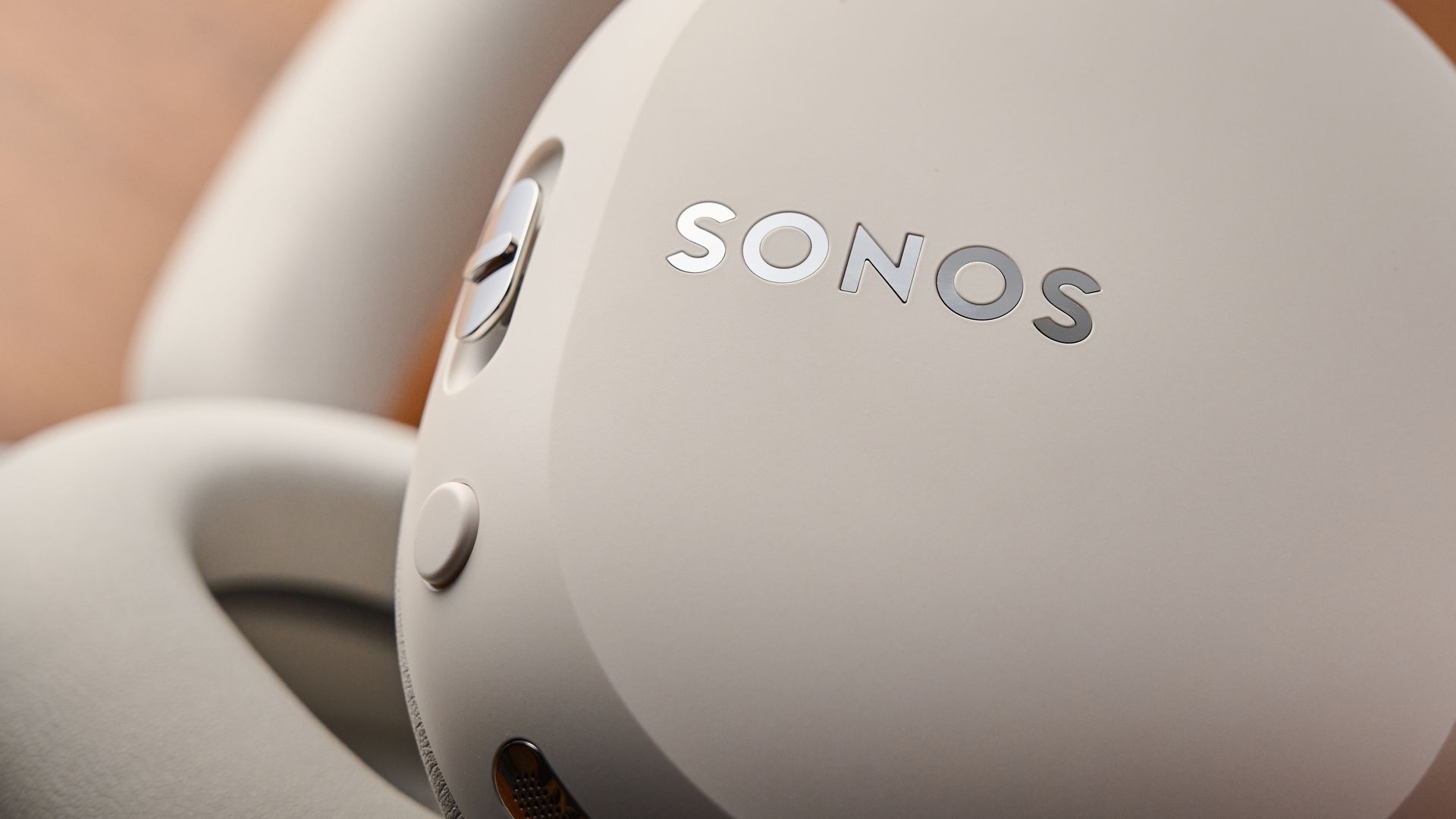
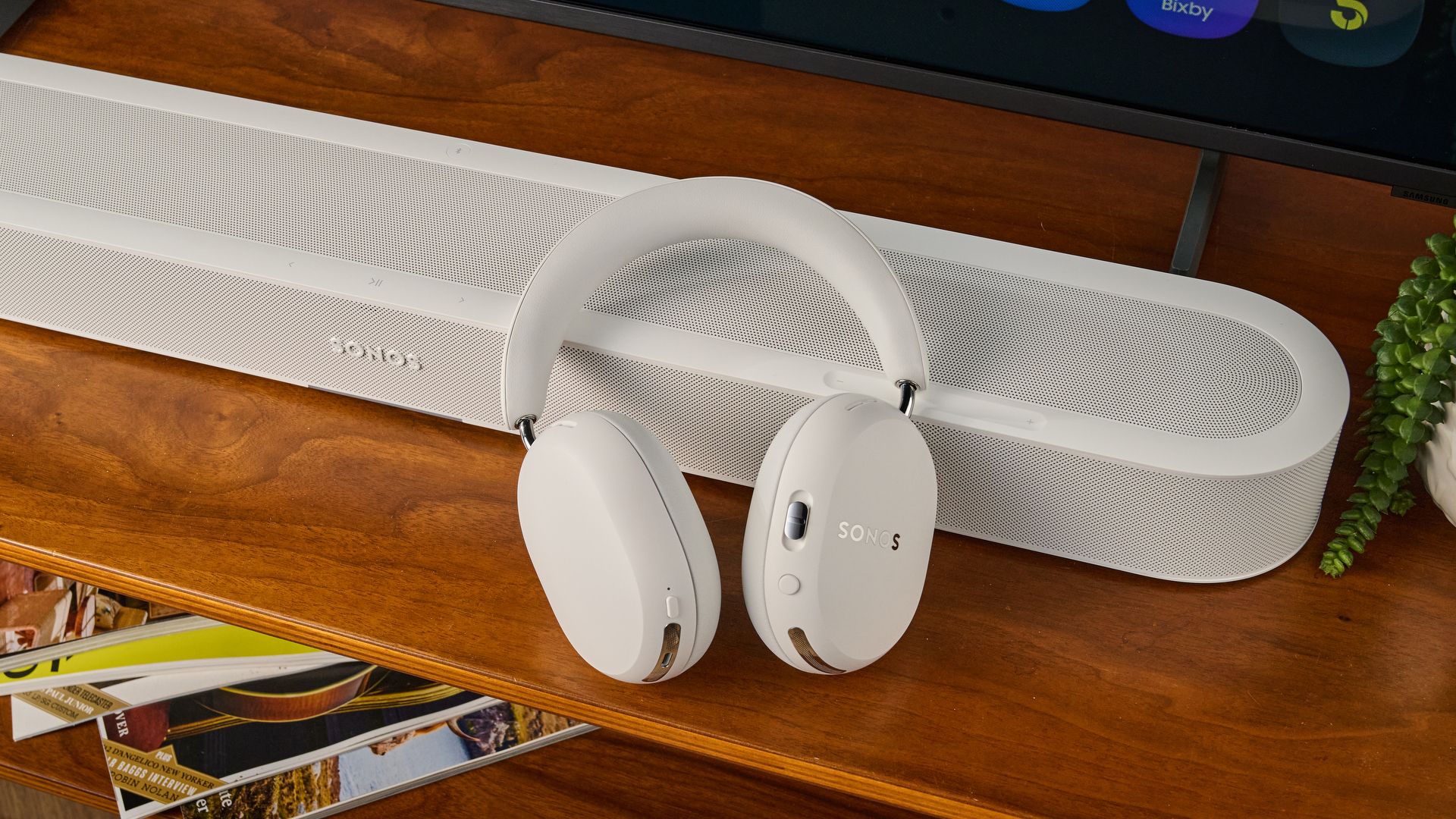
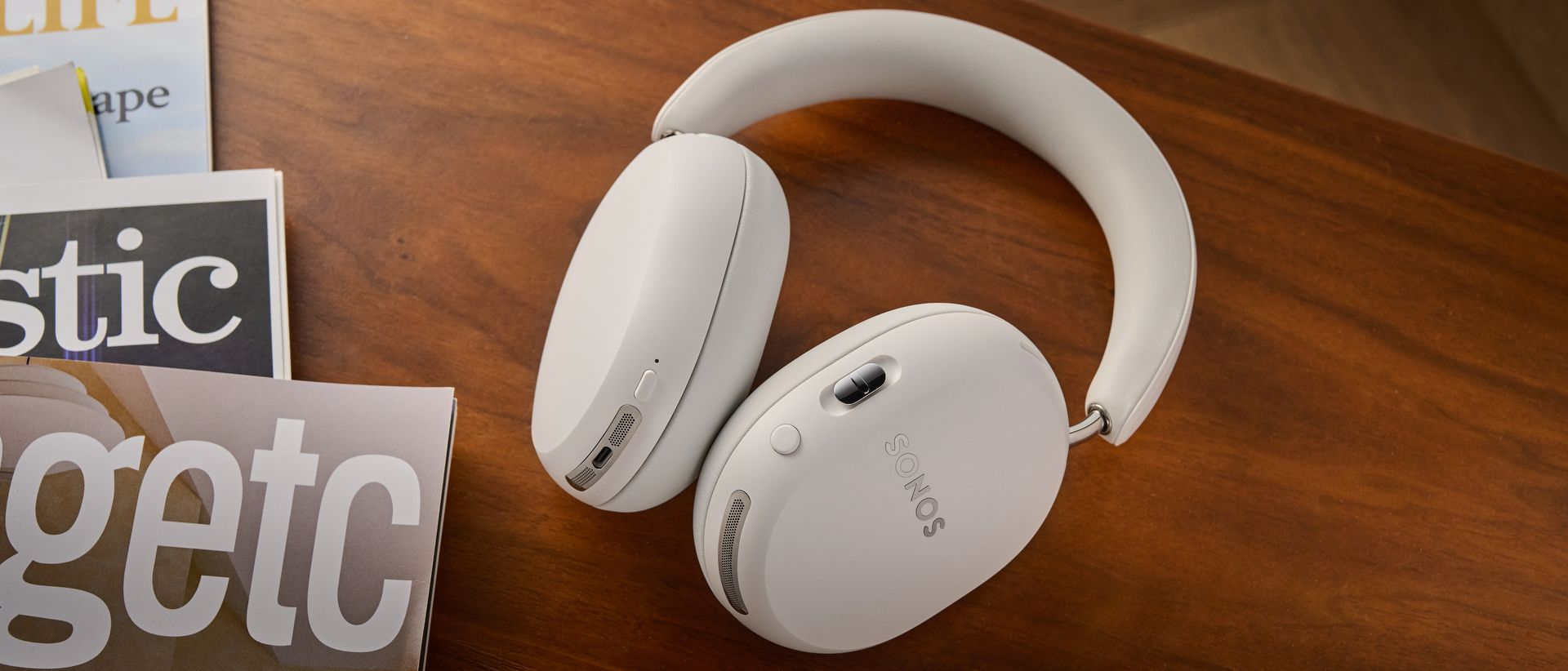
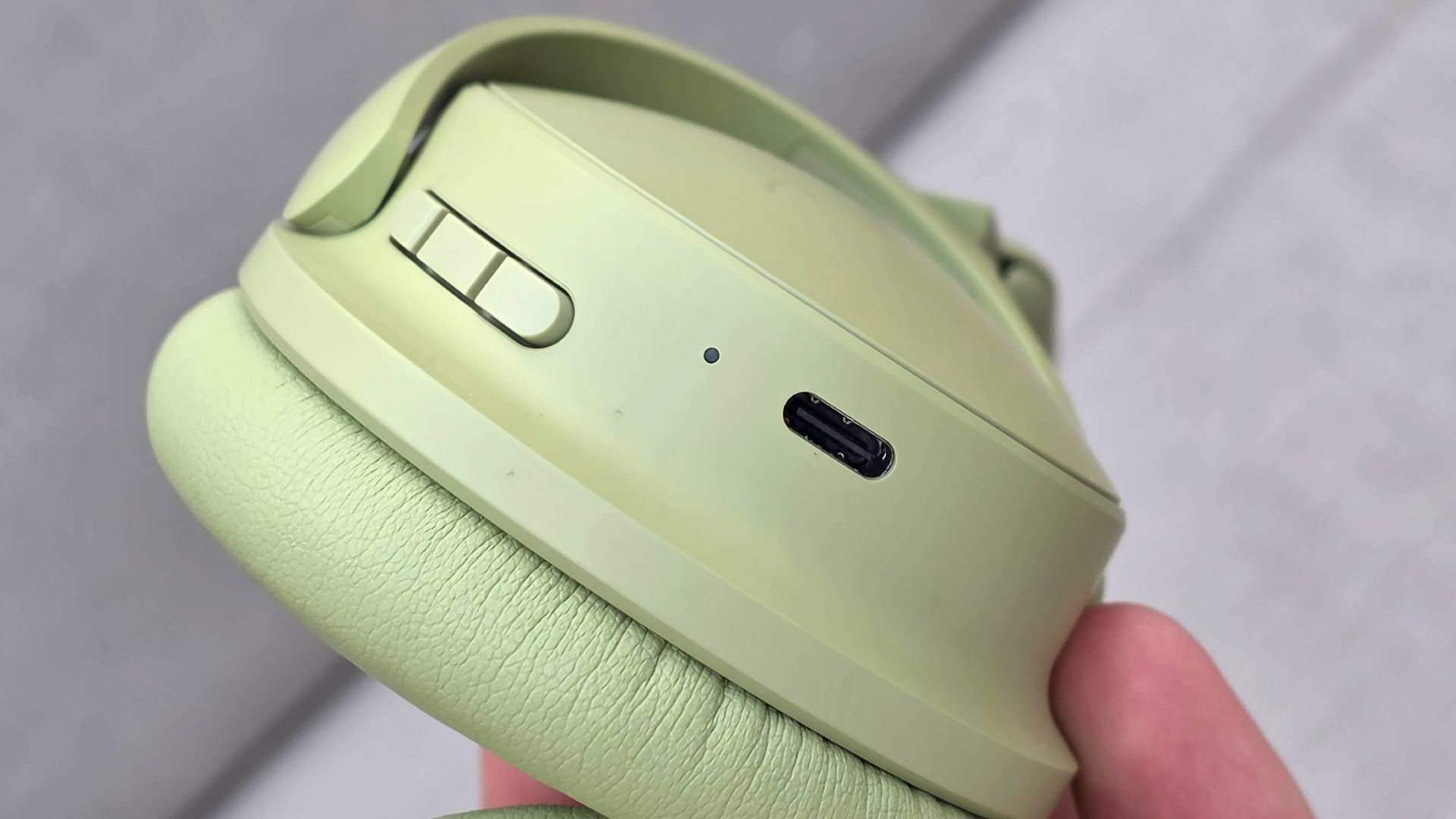
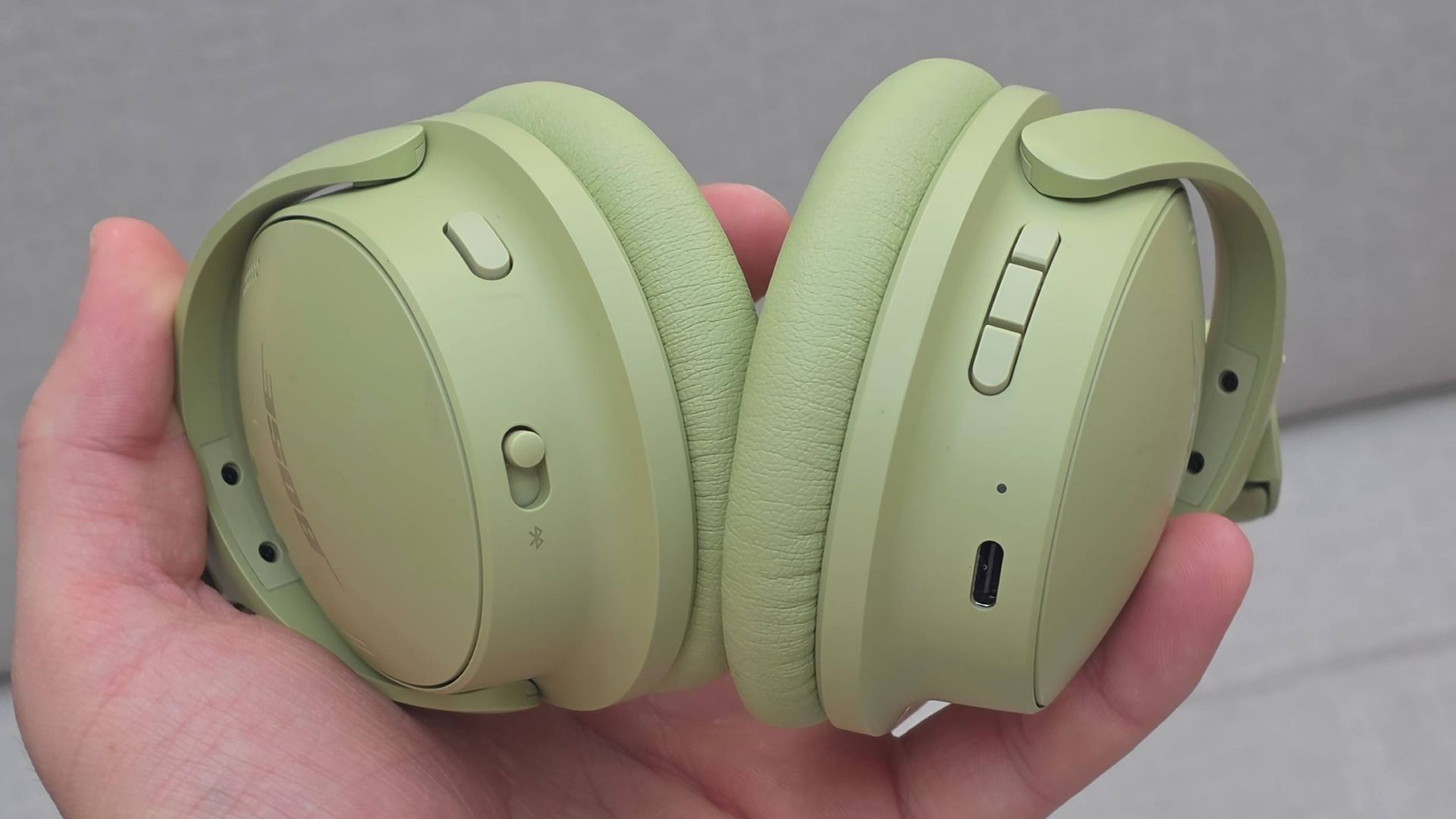
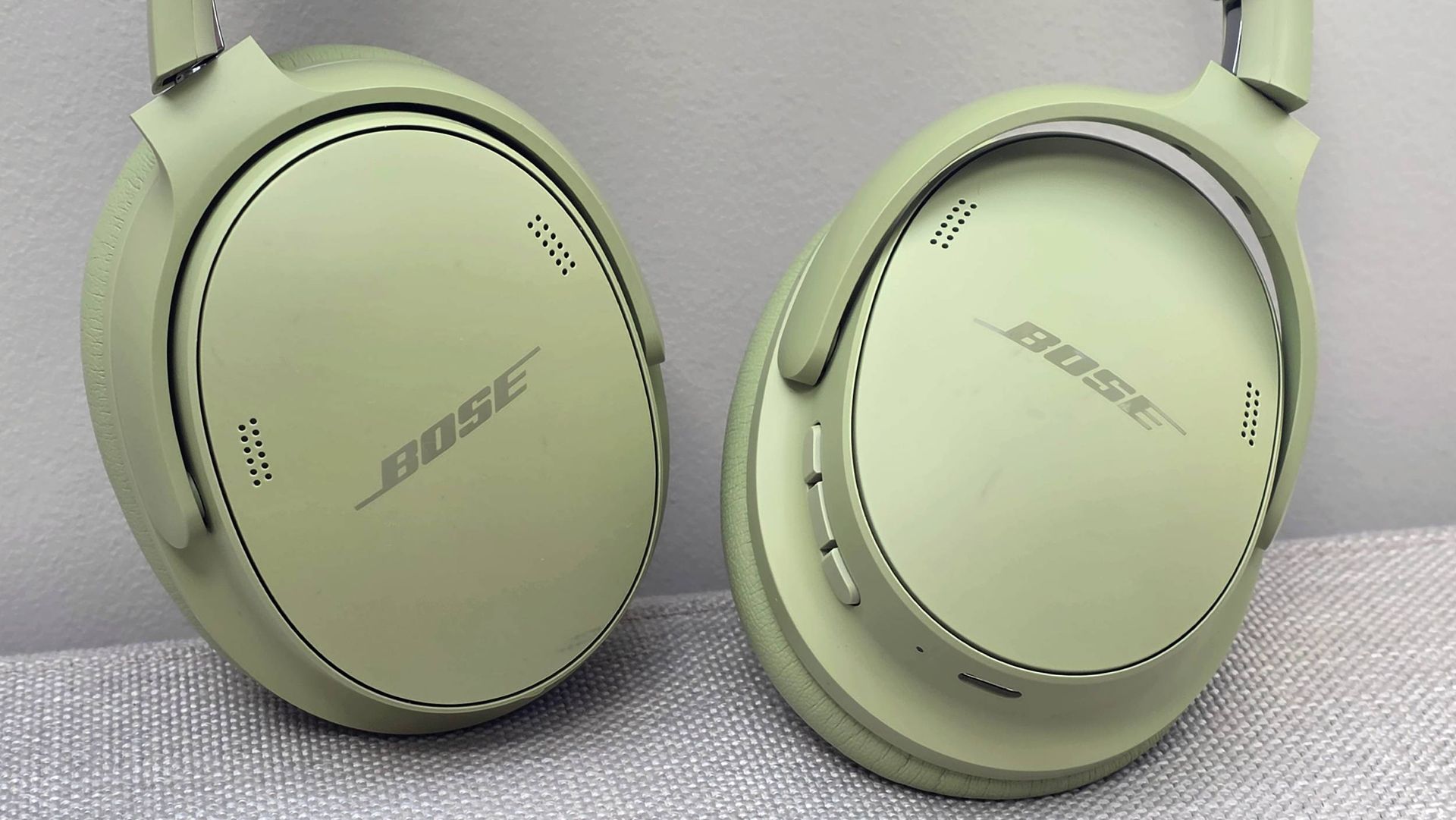
The Ace Ultra look an awful lot like the original Ace, but as someone who loved the way those headphones looked, that’s a big plus. The ear cups are relatively flat and understated, the rounded look is sleek and sexy, and the metallic details only add to the sense of premium. The button controls have shifted about slightly, but they’re incredibly easy to reach, and are all very responsive.
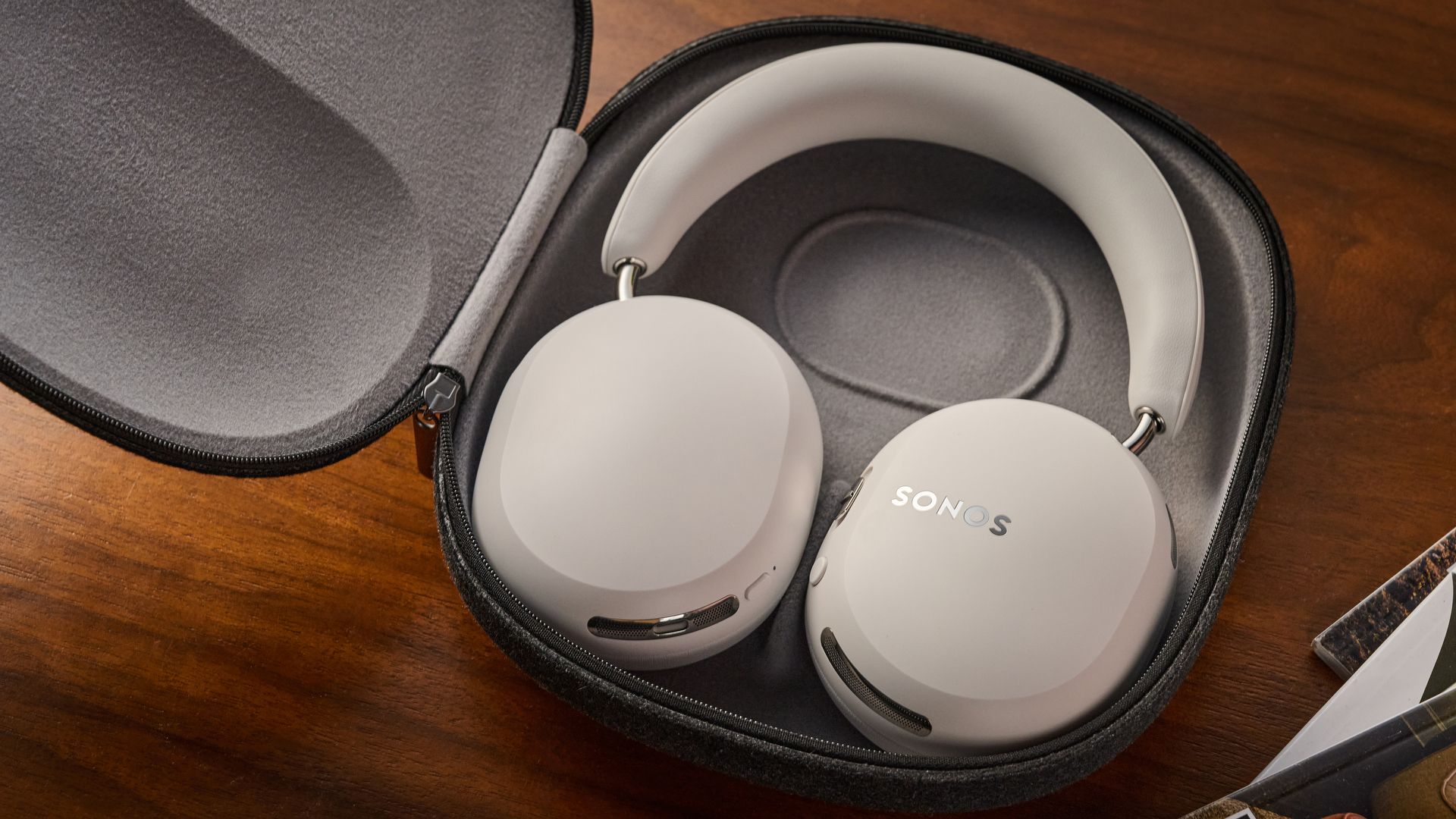
I tried the Soft White version which is stylish and modern, but the Ace Ultra are also available in Black, Agave, and Sand. All of these colorways are minimalistic and suit the luxurious vibe of the headphones to perfection.
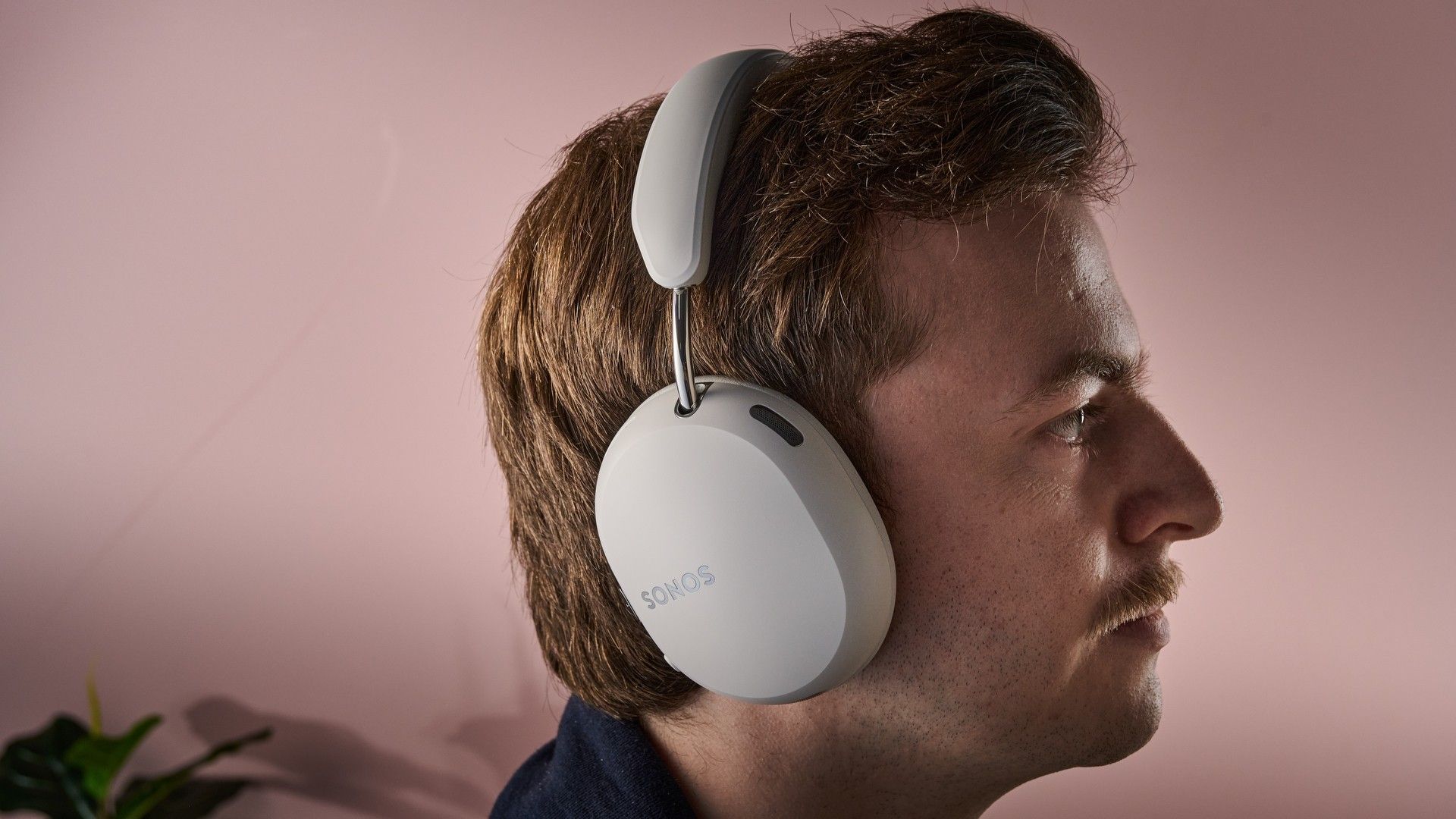
In terms of fit, the Ace Ultra strike a really strong balance between comfort and security — they’re the goldilocks of headphones, if you will. There’s enough clamping power to prevent excess sound seeping in and keep them on your head during a workout or similar, but I never found this to be overbearing. Even when I was wearing a hat, the Ace Ultra felt really snug, with the plush ear cups and padded headband helping me to enjoy my music for many hours on end.
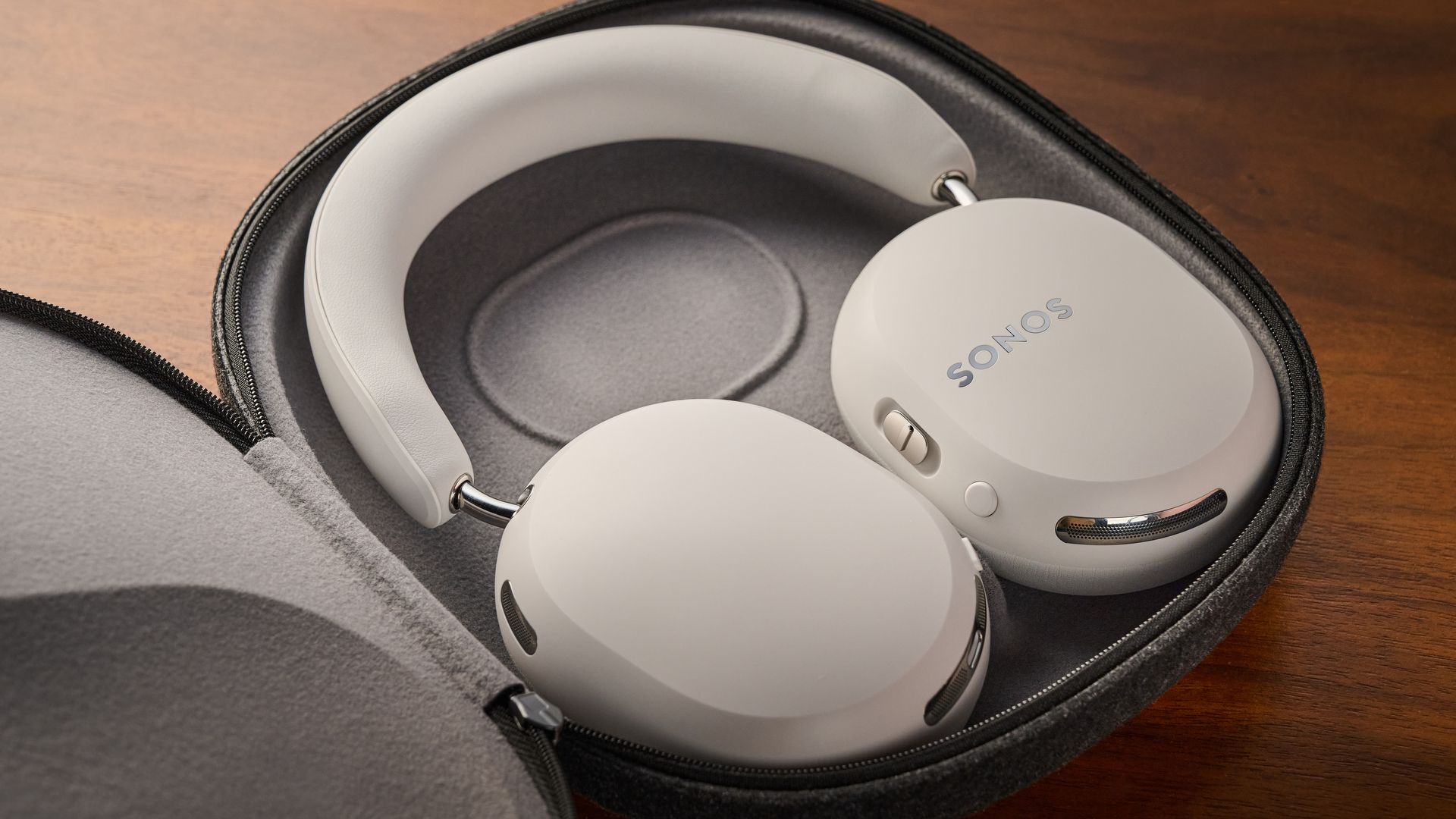
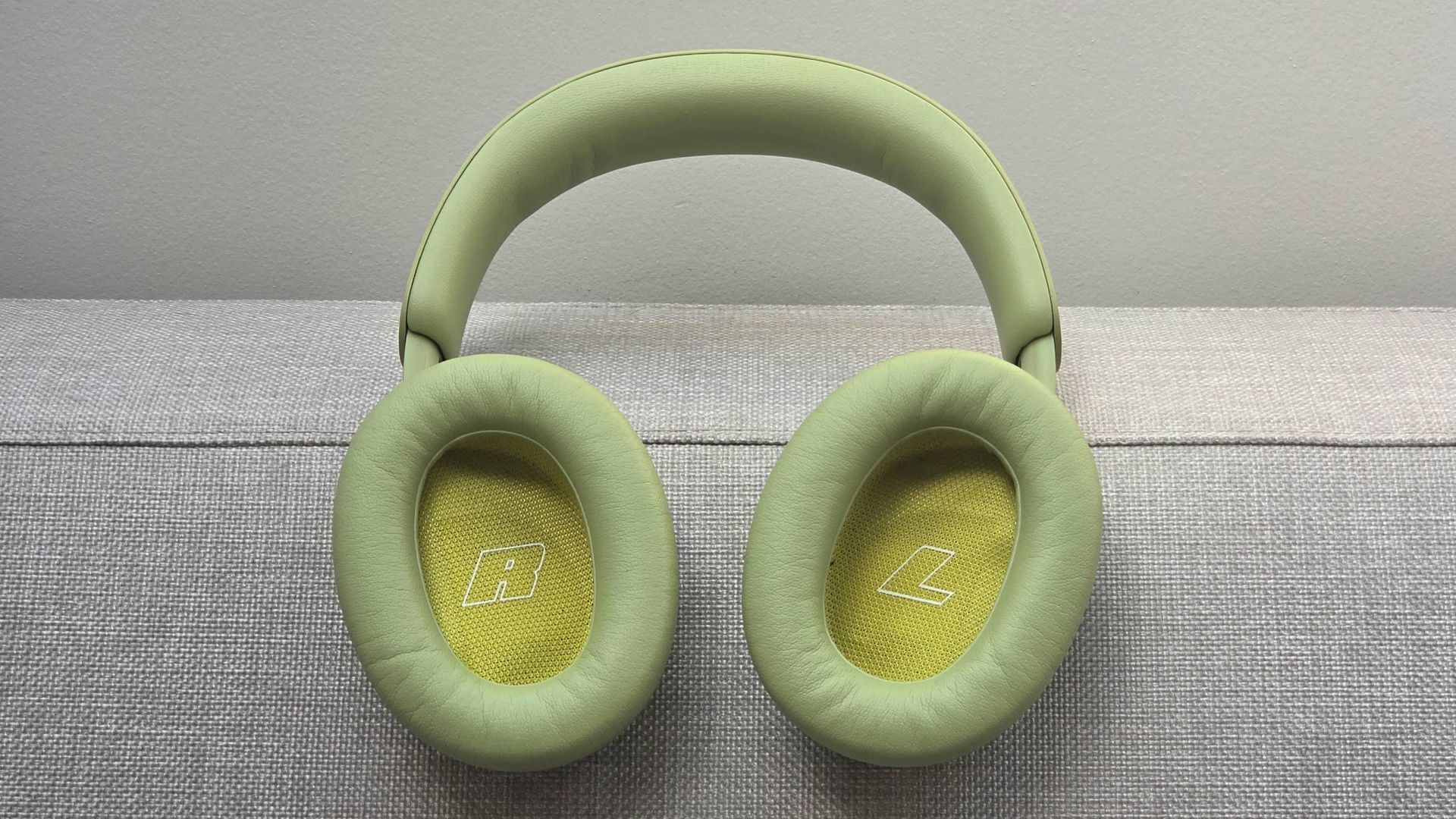
One subtle thing I like is how the inside of the right ear cup is green, making it easy to know which side is which when throwing the cans on. The right cup also features a slider, which can be used to easily adjust volume or trigger the Audio Swap feature. I usually prefer touch controls, but the tactile and reliable nature of these buttons might just have converted me.
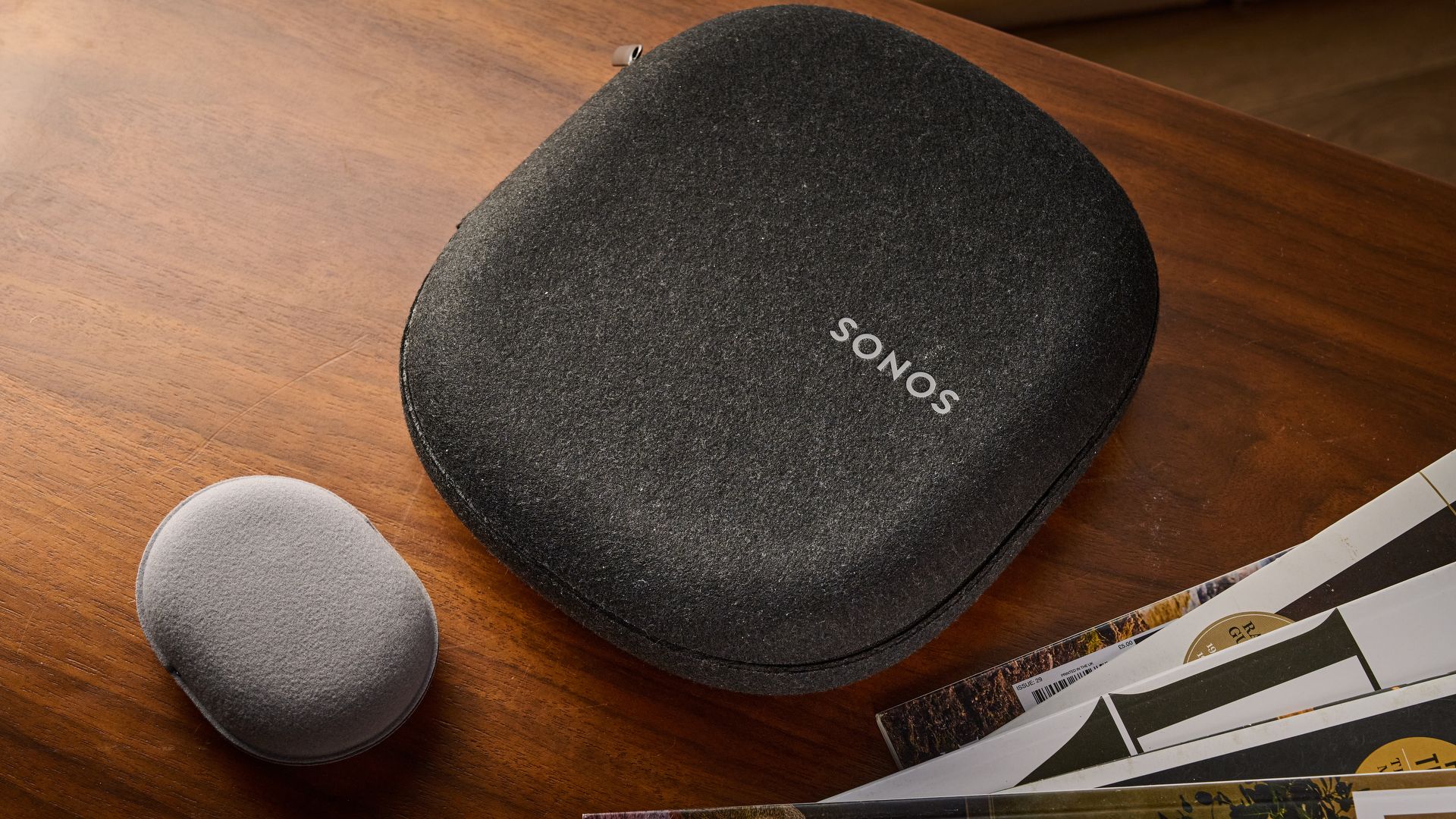
Something that may frustrated a few users is that the Ace Ultra are not foldable. Yes, the ear cups rotate flat for when you want to stow the headphones in the case, but rivals like the Sony WH-1000XM6 offer a more compact, travel-friendly design. In addition, the case itself doesn’t quite offer the quality I was expecting, with a fuzzy exterior that’s a bit prone to picking up fibers. I also found that the zip jammed a bit easily. I much prefer the magnetic case of the XM6, which is more seamless to use and has a more quality look and feel.
Design score: 4.5/5
(Image credit: Future)
Sonos Ace Ultra review: value
More fully featured and better sounding than the original Ace…
…but for the same price (at the point of launch)
A worthwhile choice for those with or without a pre-existing Sonos system
The Sonos Ace Ultra cured the single ailment that plagued the original model above else: their middling musicality. When I tested both headphones side by side, the difference was night and day. The original Ace were held back by a limited soundstage, underwhelming instrument separation, and a lack of balance across the frequency range. But the Ace Ultra sound so much more open, organized, and detailed, and truly compete with flagship rivals from Sony and Bose.
On top of that, you’re getting excellent Dolby Atmos performance, Headphone Linking and TV Audio Swap for linking up to other Sonos products, a beautiful design, and strong noise-cancelling capabilities. Considering that the Sonos Ace Ultra cost the same as the original model did at the point of launch — and less than the standard Ace initially cost in the UK — that’s pretty impressive.
At $449 / £399 / AU$699, they’re still quite the investment, of course. And I do think that some rivals, including the Sony WH-1000XM6 and Bowers & Wilkins Px7 S3 just edge above them in terms of sound quality. But those models can’t compete when it comes to movies — a big selling point of the Ace headphones. And the interactivity that these have with other Sonos products makes them a slam-dunk for owners of products like the Sonos Beam Ultra and Sonos Play.
Even if you don’t have a Sonos system, these headphones still justify their price with great all-round performance, a delicious design, higher-res audio codecs and wired lossless sound, as well as solid battery life. All in all, then, the Ace Ultra feel like a much more worthwhile investment than the original Ace, and manage to earn their price.
Value score: 4.5/5
(Image credit: Future)
Should I buy the Sonos Ace Ultra?
Attribute
Notes
Score
Features
Enhanced ANC, call quality, and battery life, better EQ options, and neat smart features like Headphone Linking.
5/5
Sound quality
Much better musicality than the original Ace and fantastic Dolby Atmos for movies.
4.5/5
Design
Gorgeous looks, comfortable and secure fit, but the carry case could be better.
4.5/5
Value
Earn their price much more than the original Ace with great performance across the board.
4.5/5
Buy them if…
You want amazing headphones for movies With Dolby Atmos compatibility and serious spatial audio skills, the Sonos Ace Ultra are arguably the best wireless headphones you can buy for movie-watching. You’ll experience expansive, three-dimensional sound with the Ace Ultra, and head-tracking will only further your immersion in any on-screen action.
You already own a Sonos system If you own Sonos products like the Sonos Beam Gen 2 or Sonos Play, then the Ace Ultra are a very sensible buy. TV Audio Swap and Headphone Linking enable you to seamlessly transfer sound across your system, giving you unrivalled control over your music-listening and movie-viewing experiences.
Don’t buy them if…
You want the best-sounding headphones in this price-bracket While the Sonos Ace Ultra offer great musicality, they can still be beaten. The Sony WH-1000XM6 provide a bit more bite and detailing, while the Bowers & Wilkins Px7 S3 provide even more nuanced soundstaging and instrument separation.
You want the best possible cans for travel The Sonos Ace Ultra supply awesome ANC and do come with a carry case, but unlike some rivals, they’re not fully foldable. Rivals like the WH-1000XM6 are much more compact if you’re on the go and don’t have much space in your bag, for instance.
Sonos Ace Ultra review: also consider
Sonos Ace Ultra
Sony WH-1000XM6
Bowers & Wilkins Px7 S3
Price
$449 / £399 / AU$699
$449 / £399 / AU$699
$479 / £399 / AU$699
Drivers
Next-gen 40mm custom
30mm dynamic
40mm dynamic
Active noise cancellation
Yes
Yes
Yes
Battery life
35 hours (ANC on)
30 hours (ANC on)
30 hours (ANC on)
Weight
0.7lbs / 322g
0.6lbs / 254g
0.7lbs / 300g
Connectivity
Bluetooth 6.0, USB-C
Bluetooth 5.3, 3.5mm
Bluetooth 5.3, USB-C
Frequency range
20Hz-20kHz
20Hz-20kHz
10Hz-22kHz
Sony WH-1000XM6 The Sony WH-1000XM6 are true all-rounders, boasting some of the best ANC in the game, beautifully balanced audio, and a huge range of features. They’re fully foldable, offer exceptional call clarity, and support the LDAC codec for higher-res Bluetooth listening. At this price-point, they still feel like the best headphones that you can buy for the money. Read my full Sony WH-1000XM6 review.
Bowers & Wilkins Px7 S3 For me, the Bowers & Wilkins Px7 S3 are probably the best-sounding headphones you can buy in this price-range, with an exceptionally spacious, nuanced soundstage, impeccable detailing right across the frequency range, but dynamic and exciting enough to keep you engaged for hours on end. They also look truly premium, supply USB-C audio passthrough, and have an excellent control app — though their ANC isn’t anything special. Read our full Bowers & Wilkins Px7 S3 review.
How I tested the Sonos Ace Ultra
(Image credit: Future)
Spent about two weeks testing
Compared to competitors and original Sonos Ace
Predominantly streamed music over Tidal; also watched Dolby Atmos movies
I spent about two weeks testing the Sonos Ace Ultra headphones, during which time I exhausted their various features, like TV audio swap, watched a handful of movies with Dolby Atmos soundtracks, and listened to hours worth of music.
When listening to music, I predominantly streamed tunes over Tidal on my Xiaomi 17 phone, which supports aptX codecs. To start with, I sifted through the TechRadar testing playlist, but I also listened to a wide variety of tracks from my personal library. On top of this, I compared the Sonos Ace Ultra to some of their major competitors, like the Sony WH-1000XM6, as well as the original Sonos Ace.
More generally, I’ve spent years testing gadgets here at TechRadar, where I serve as a Senior Reviews Writer. I’ve tested a wide range of audio gear, including other premium headphones like the Sony 1000X The Collexion, party speakers like the Marshall Bromley 750, Dolby Atmos soundbars like the JBL Bar 1300MK2, and more.
Bose often seems to pay more attention to its Ultra-suffix devices, which absolutely make up some of the best noise-cancelling headphones we've tested. And that is perhaps why the second-generation Bose QuietComfort Headphones — that is to say, those launched in the post-QC 35 II era — took three years to come to market, following the launch of the older QC Headphones in 2023.
These are basically the QuietComfort Ultra Headphones Gen 2 for people who don’t want to pay an arm and a leg for their sound, and given how I only ever see the non-Ultra cans when I’m out and about in the UK (a fact my editor also confirms), I’d wager that this new release is the model people have been waiting for.
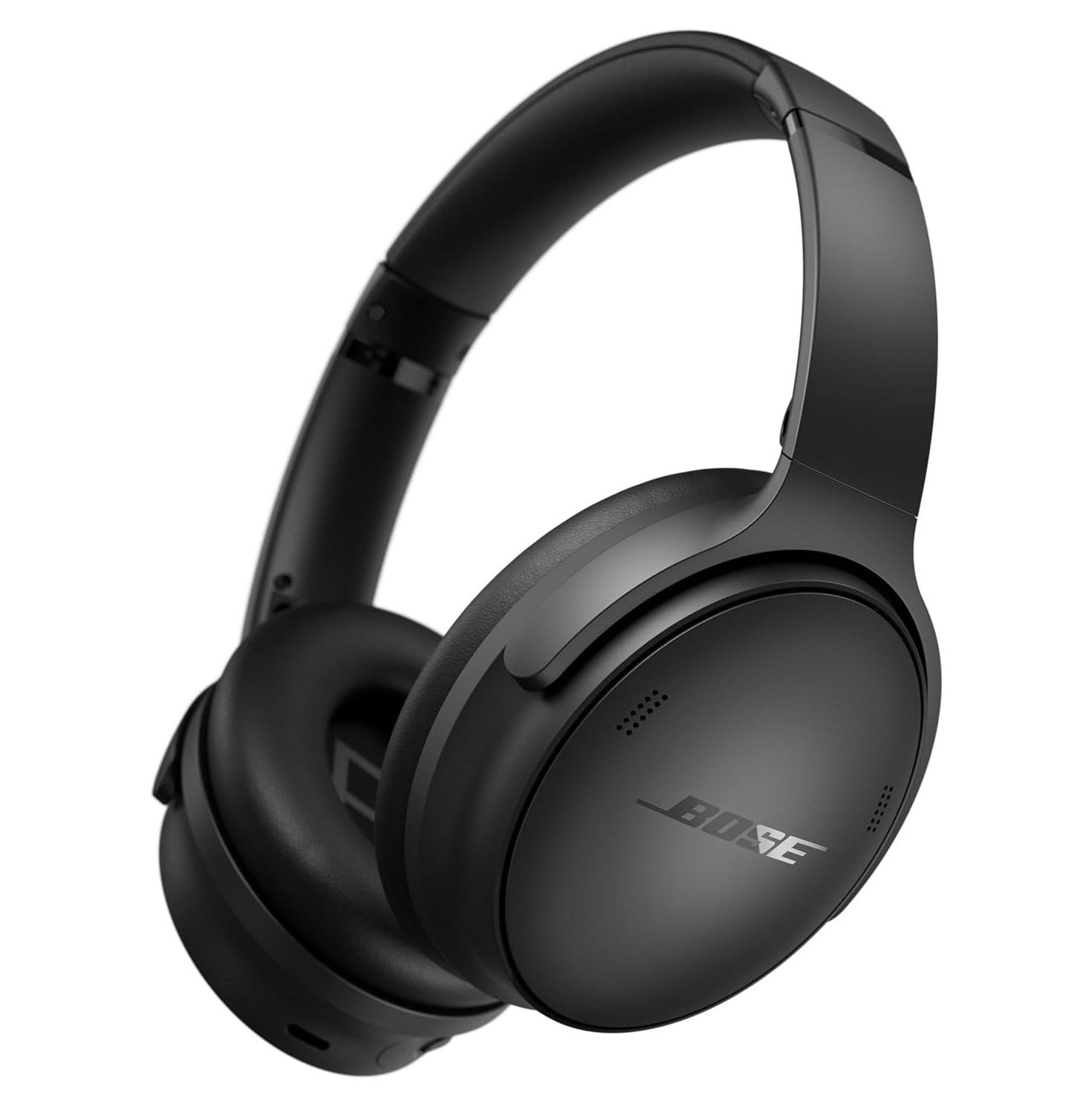
Meet the QuietComfort Headphones (2nd Gen), so named because they’re quiet, thanks to Bose’s sought-after Active Noise Cancellation, and comfortable (thanks to the use of soft protein leather for pads and bands).
Having used them for several weeks, I can say that the latter is definitely true: these are incredibly easy to use for hours on end, without your ears aching or the top of your head feeling sore. You can basically use them until the battery runs down, although that’s partly because the 24-hour battery life is rather poor in 2026.
I’m not convinced on the ANC sell though. Bose has a reputation for industry-leading noise cancellation, and the Headphones Gen 2 are supposed to match the Ultra Headphones Gen 2 in this department. However, after testing the cans on multiple flights, train rides and around several cities, I’m not fully sold on the claim. They’re great at removing background sound, but not flawless; other brands have caught up, and those similarly-priced competitors surpass them in a few ways.
That’s not to say ANC is an actual problem with the QC Headphones Gen 2, but there are several departments which will raise eyebrows. The cans feel quite cheap, rattling in the hand and offering some odd gaps in the body which shouldn’t be there. They’re also quite light in the feature department, more so than you’d expect for the price.
So why have I given the Bose a four-star review? Well, despite a seemingly-unchanged driver set-up from the older models, and an EQ which barely offers you any control over your music, these cans sound fantastic. They offer detailed and precise treble and energetic and punchy bass. Because of this, listening to tune after tune on them never gets old. The spatial audio is great too, adding an immersive slant to the already-great sound.
Despite quirks, I really enjoyed using the Bose QuietComfort Headphones Gen 2; you will too if you can find them for a price that makes sense. I’m not sure they justify the premium price tag right now, but if you find them discounted, they’re a must-buy.
Bose QuietComfort Headphones (2nd Gen) review: Price and release date
(Image credit: Future)
Launched in August 2026
Sells for $359 / £299 / AU$549.99
Comes with carry case and two cables
The Bose QuietComfort Headphones (2nd Gen) were announced on August 6, 2026. That’s three years after the first-gen model came out, and a year after the Ultra Gen 2.
Despite not being the ‘Ultra’ member of the family, the ‘standard’ QuietComforts aren’t cheap. You can pick up the cans for $359 / £299 / AU$549.99, which is cheaper in the UK but more expensive in the US than the last-gen models (and the same cost in Australia). It is, of course, cheaper than the Ultra Gen 2 model, which launched for $449 / £449 / AU$699 and haven’t seen a massive price cut since.
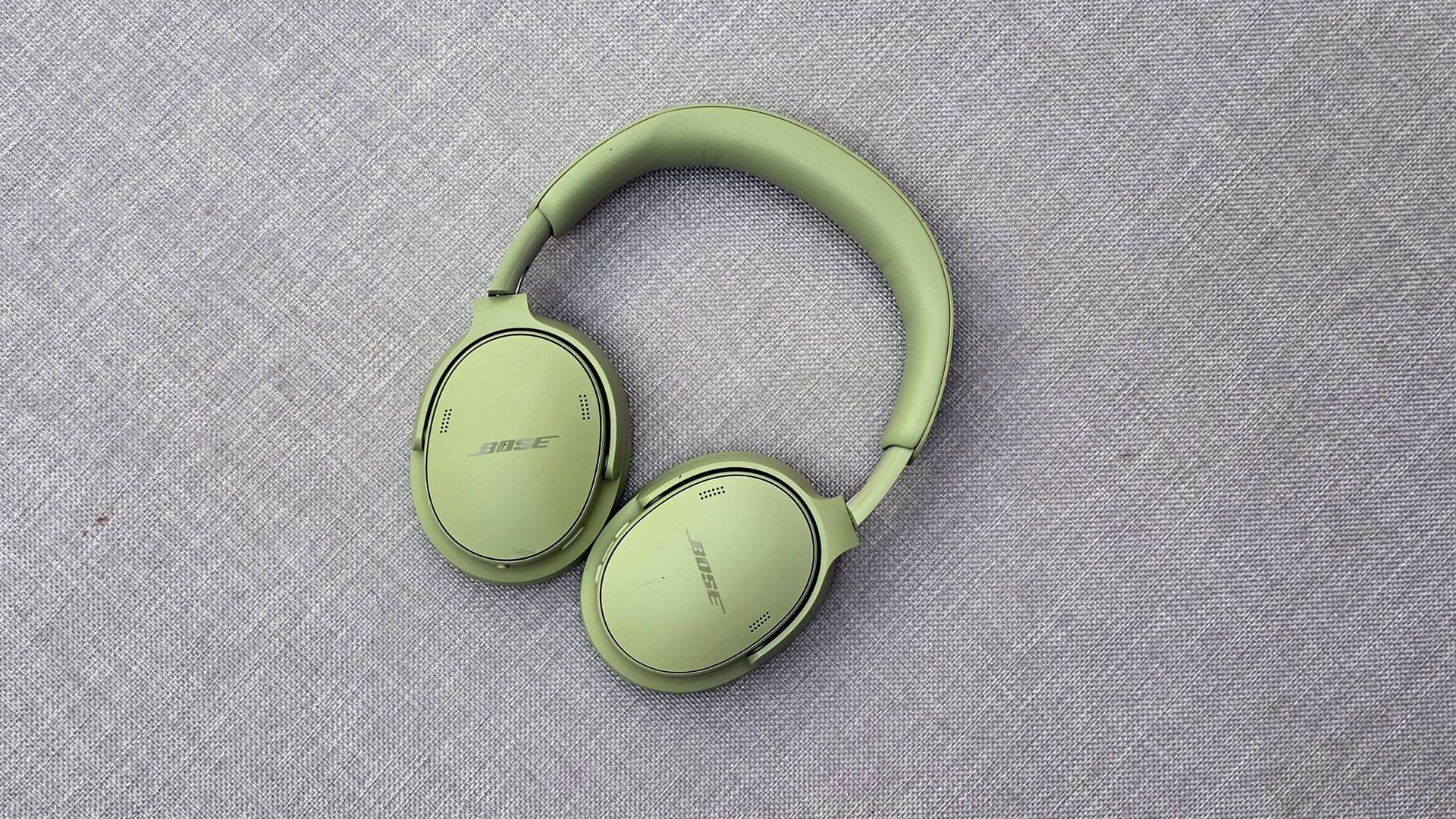
You can pick the cans up in five color options: black, white, mauve, mint and green you see depicted. In the box you get a protective carry case, USB-C to USB-C wire and a USB-C to 3.5mm cable.
Bose QuietComfort Headphones (2nd Gen) review: Features
(Image credit: Future)
ANC great, but not best
Poor 24h battery life
App doesn't offer that much
At 24 hours, the Bose QuietComfort Headphones (2nd Gen) don’t have a very long battery life. I’ve tested other options this year which last for literally 100 extra hours; don’t buy these if you need something for a long-haul flight. That listening time is with ANC turned on; you’ll get a few hours more if you turn it off, but less if you use some of the other listening features.
You charge the cans via their USB-C port, which takes 3 hours according to Bose. A new feature for the Gen 2 model is that you can also enjoy wired audio from this port, which is a real get for people who like high-quality audio. It almost makes up for the lack of a 3.5mm jack!
I suppose we should discuss that ANC. As mentioned in the introduction, it was good but not great, and certainly not the best I’ve ever used in over-ear headphones. The difference was small but noticeable: on a flight, I could hear the hum of the engines more than in some other cans I’ve tested, and surrounding sounds would creep into my music more often than I’d like.
They’re not bad by any means, and they’re still some of the better ANC headphones I’ve tested. But they’re not the best, and that’s a surprise given the name and the price point.
The headphones offer a range of listening modes beyond ‘standard’ ANC (which it calls Quiet mode), but I was surprised by how much most of these also affected audio quality. I’d recommend only sticking to Quiet or Aware, which lets in some surrounding sound.
(Image credit: Future)
You can toggle between these modes in Bose’s app, which has a few other tools. You can set up multi-point connection, change what that shortcut button does, check the battery life, set up immersive audio and play with the equalizer.
If your ears perked up at the mention of EQ, don’t get too excited. The custom mode only offers 3-band control, and there are four presets which change these three bands for bass or treble reduction or boost. It’s a surprisingly lightweight amount of customization for premium headphones, and people who like to tweak their audio sound will be greatly disappointed.
To be honest, that’s my general takeaway from the Bose app: it offers only a fraction of the tools, features and customization that you’d get from cans costing a third of the price.
One stand-out is Immersive Audio though. In the past, I've found similar offerings from rival brands a tad gimmicky, but Bose’s works very well. You can choose between Still or Motion (depending if you’re still or in motion), and it’ll deliver an encompassing sound that spreads the sound of your music or movie around you. It’s not so overt as to be distracting, and makes music a little more immersive — though I much preferred Still mode, which had a more audible spread which changed as I moved my head.
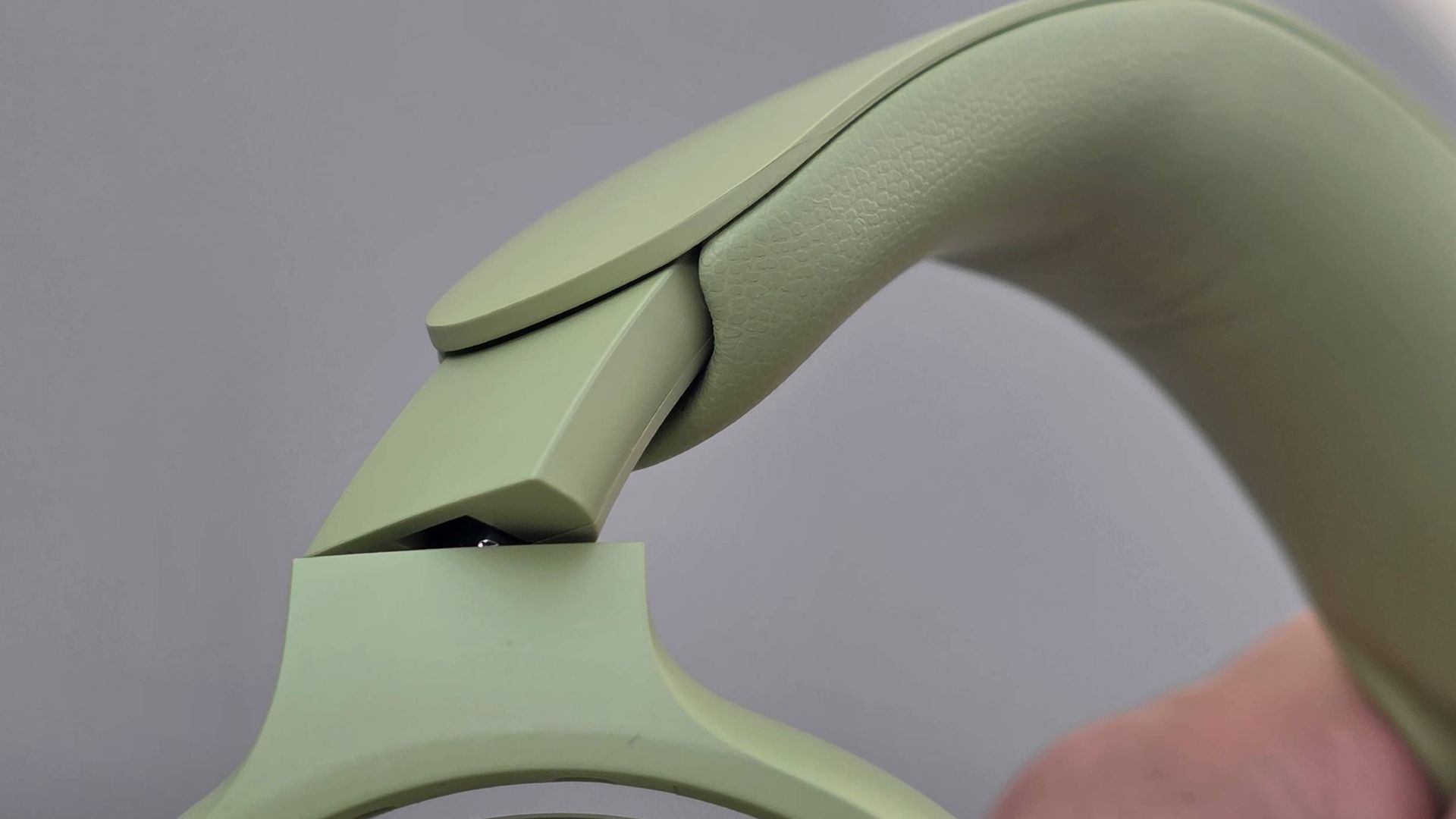
The second-gen Bose QuietComfort Headphones (2nd Gen) look pretty similar to the original pair, but with some refinements in the looks department. Hinges and the retractable arm are better hidden, and the headband’s padding looks better integrated. The cans make the older model look like a prototype.
Oddly, though, the headphones feel pretty cheap. The cups rattle, there’s a noticeable seam between the headband and pad, and parts of the headphones flop around unsupported when you hold the gadget by its headband. There are a few other similar traits which make the buds feel loose, most noticeably that there’s a worrying amount of flex in the band. After several weeks of testing, I’ve yet to have these traits manifest in any actual problem, but I’m constantly surprised by how the build quality flags behind half-priced rivals.
I do appreciate that they're based on a design many users have loved, for many years — and this is likely the key reason they've largely been kept as-is (or was). But still, in the intervening years competing design teams have worked hard on other, newer headphones, and the Bose QuietComfort Headphones (2nd Gen) feel a little flimsy and clunky in direct comparison today.
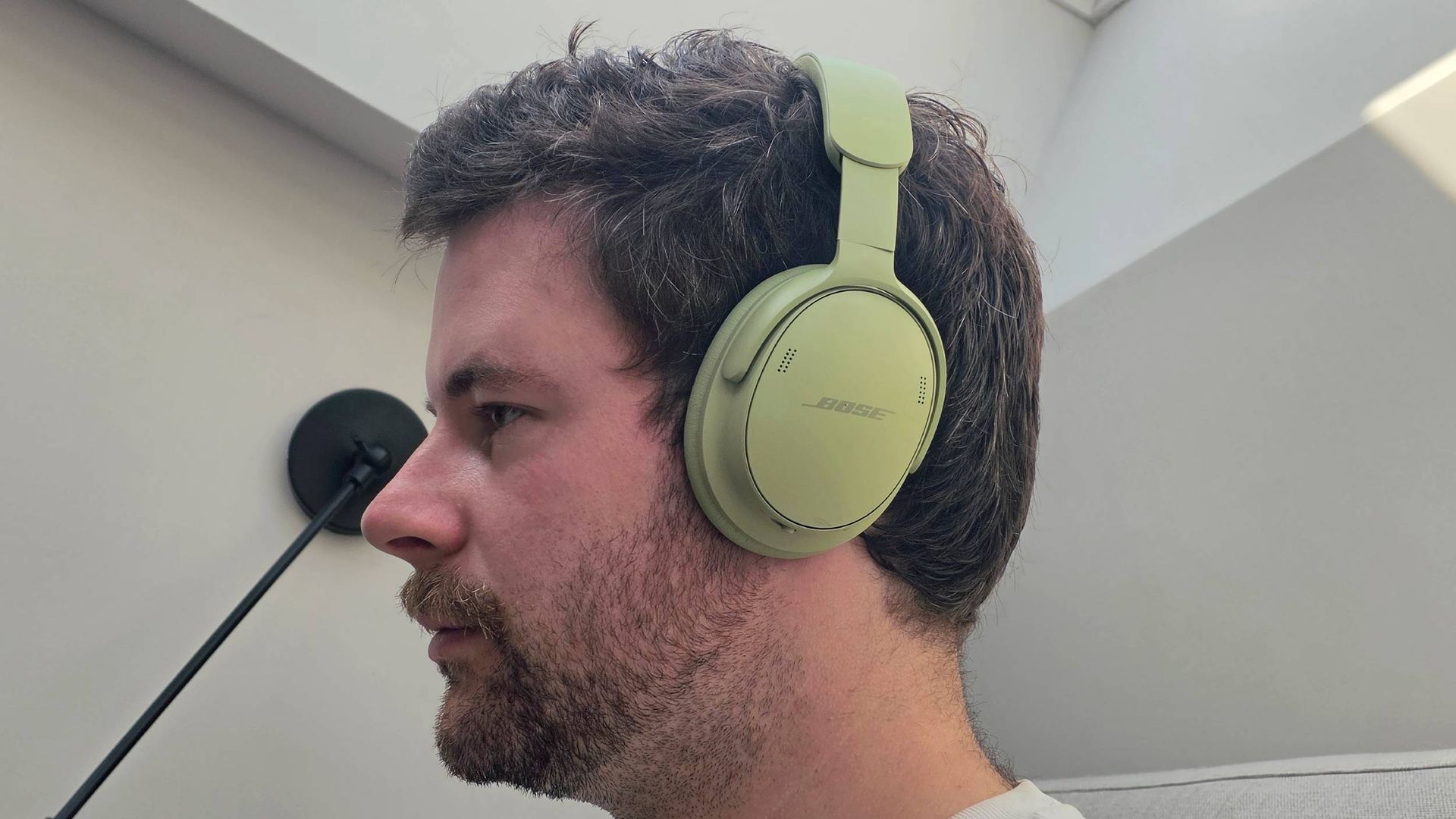
At least the QuietComfort are supremely comfortable to wear. The padding which rests across the top of your head, and the soft cups, both go a long way in ensuring you can listen for long periods of time without getting any aches or strains. It gives the impression of them being light, even though at 241g, they weigh about the same as many other pairs.
(Image credit: Future)
When you’re wearing the cans, the right cup has the volume and pause/play buttons; their prominence is different so you can easily tell what button your finger is on. The right edge has the shortcut button, and power slider; I love this latter, as it’s easy to flick to instantly turn the cans on, without needing to press and hold like you do on most rivals. Bose has really nailed the buttons here, which I admit is a small detail, but that is where the devil is according to the idiom.
There’s a decent amount of malleability here: you can rotate the cups a fair way left and right, and the band is quite extendable (though it’s fairly stiff, so you’ll have to give it a hearty tug). The cups don’t move much up and down, but they still fit my head well.
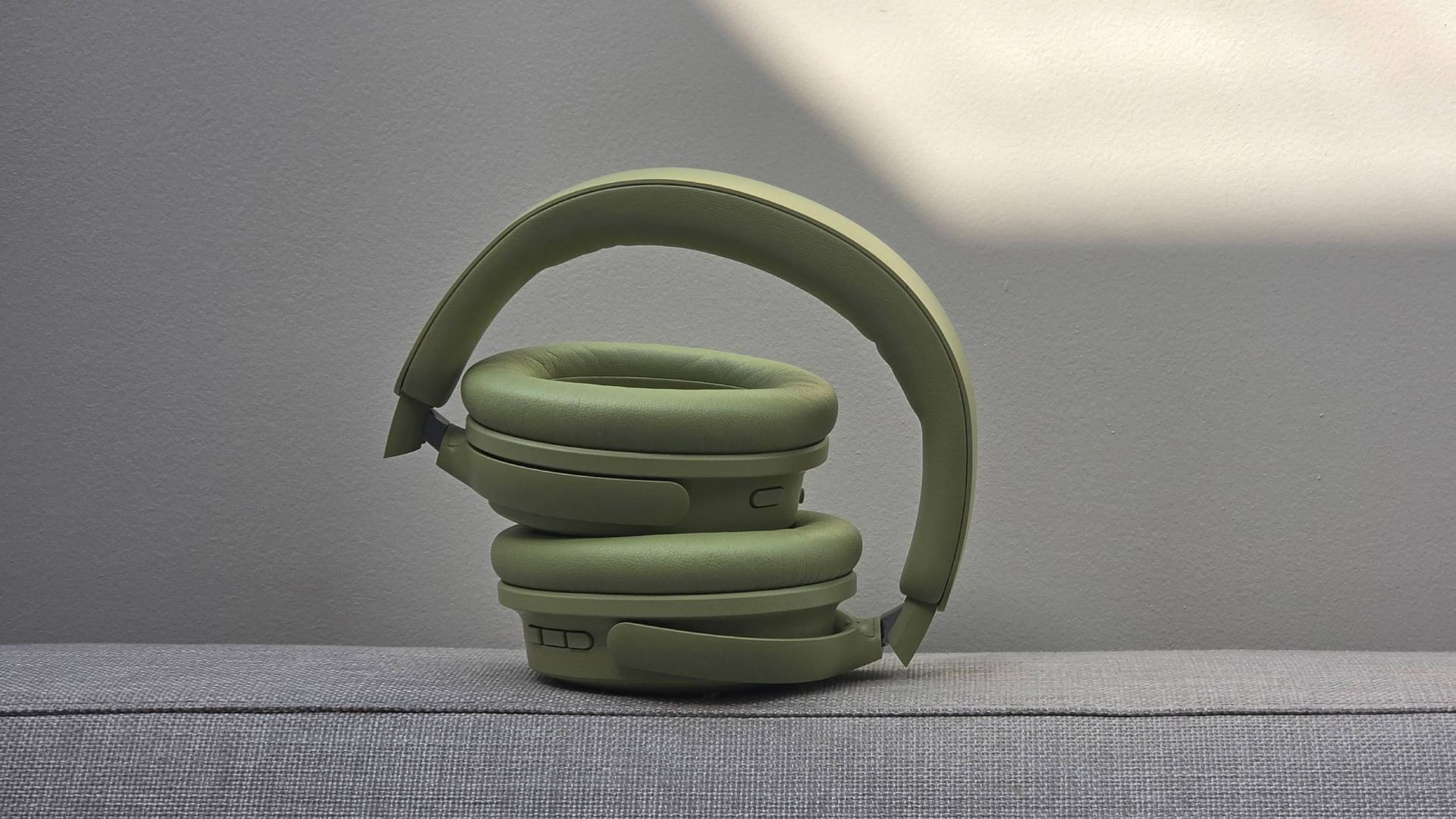
You can fold down the QCs to make them more portable, or put them in the travel case. My aforementioned issues with the ‘loose’ feel of the cans returns here; you can’t stack them on a flat surface without them falling over.
If you’ve read the design and features sections of this review, you’ll know I’ve had compliments and criticisms in each department. Not so for audio quality.
Bose hasn’t detailed the driver in the QuietComfort Headphones (2nd Gen), but the previous-gen model had a 40mm unit, and the brand hasn’t boasted any audio improvements beyond generations. It doesn’t need to; the previous models sounded fantastic and the new ones do too.
Out of the box, you’re getting V-shaped sound from the QuietComfort Headphones. Treble is crisp, sharp and detailed, letting you hear tremolo and tones that many other cans miss. Bass is hefty and punchy, but with a precision and control which avoids lower frequencies drowning out the rest of your song.
(Image credit: Future)
As is generally the case with headphones offering V-profile audio, the mids lack just a little bit. I’d often notice guitars playing harmonies, piano accompaniments or high alto/low tenor backing vocals that’d be missing the ‘oomph’ I’d like them to have. But you’re not buying the Bose for a neutral sound: this is for fun and energetic music.
The sound set-up of the QuietComforts is best shown in songs like Fitz and the Tantrum’s Man on the Moon, which has hard-hitting vocals and bass but loses its rhythm guitar and strings a little, or The Hoosiers' Automatic Glow, which sees its harmonic synth line dropped to the back of the mix, in favor of the energetic sung word, and rising hook.
To return to the Bose app, you can use the EQ to try and add some emphasis on mids, but I found this only a limited solution which didn’t have much of an effect on the music.
Sound quality: 5/5
Bose QuietComfort Headphones (2nd Gen) review: Value
(Image credit: Future)
Should be top-value earbuds
Unfortunately, longevity isn't guaranteed
If your headphone equation is simply “I’ll spend more money for better audio”, the Bose QuietComfort Headphones Gen 2 will be a good option. They sound great and they’re comfortable, so you can enjoy music for a long time (at a fairly high cost).
But to me, a few aspects of these headphones make the premium price seem a little too high. The loose-feeling build quality, lack of app features and poor battery life all point to the cost being higher than it should be. If you see the Bose discounted by about $100 / £100 / AU$200, then these will be good-value cans. Alternatively, the previous-gen models should be enjoying a decent price cut due to being a bit older.
As it stands, the Gen 2 are still good buys, but I’d personally save money and buy cheaper headphones. Which in particular? Well, thankfully there's a competition section below…
Value: 3.5/5
Should I buy the Bose QuietComfort Headphones (2nd Gen)?
Bose QuietComfort Headphones (2nd Gen) score card
Attributes
Notes
Rating
Features
The noise cancellation is great, but the lack of other tools and poor battery life let the Bose down.
3/5
Design
The QuietComfort is certainly comfortable, with some smart elements but a cheap-feeling design.
4/5
Sound quality
Most people will find these perfect for music.
5/5
Value
They're great, but you'd be right to expect a little more for the price.
3.5/5
Buy them if…
You find other headphones uncomfortable Many people struggle with headphones because they don't want their head in a musical vice. Try the QCs, they're your best bet.
You want great noise cancellation It may not be the best in the biz, but it's still very good: if you need solid ANC, you won't be disappointed.
You love immersive audio features Always listen to your music with spatial enabled? You'll really like how Bose handles the function.View Deal
Don’t buy them if…
You need something long-lasting Many people will find the 24-hour battery life insufficient. Luckily, it's one of the shortest figures I've seen on earbuds; you can do better.
You like tweaking your audio profile The QC Headphones' equalizer doesn't offer you much control over your music, nor any kind of listening test.
Bose QuietComfort Headphones (2nd Gen) review: Also consider
Looking for alternative over-ears? Here are a few we've tested and would recommend.
Bose QuietComfort Headphones (2nd Gen)
Soundcore Space 2
Sony WH-1000XM6
Drivers
Not specified
40mm
30mm
Active noise cancellation
Yes
Yes
Yes
Battery life (ANC on)
24 hours
50 hours
30 hours
Weight
241g
264g
254g
Connectivity
Bluetooth 5.4, USB-C
Unspecified Bluetooth, 3.5mm
Bluetooth 5.3, 3.5mm
Waterproofing
Not specified
Not specified
IPX4
Soundcore Space 2 This affordable pair of cans costs half the amount of the QC Headphones, and its comfort and ANC match Bose. The audio quality isn't quite on par, however, and nor is the spatial audio. Read our full Soundcore Space 2 review
Sony WH-1000XM6 Bose's closest rival is from Sony; this set costs a little more and also offers fantastic noise cancellation, an incredible sound and useful button controls. Read our full Sony WH-1000XM6 review
How I tested the Bose QuietComfort Headphones (2nd Gen)
Tested for roughly four weeks
Paired with Android phone for Bluetooth, Android tablet for audio
Used on walks around neighborhood, at work, on flights and on trains
To write this full review, I used the Bose QuietComfort Headphones (2nd Gen) for just over four weeks, which gave me time to fully put them through their paces.
For the majority of the testing time, the buds were paired with my Fairphone 6 Plus smartphone, though I plugged them into a Xiaomi tablet using the cable for some wired audio. Over the course of the review I tested them on multiple flights, countless train and bus journeys, while working at home and on various walks around my city.
I listened on Spotify, to my own digital library, for movies on Now TV and videos on YouTube, and various games.
I've been testing gadgets for TechRadar since early 2019, and in that time have used countless pairs of over-ears.
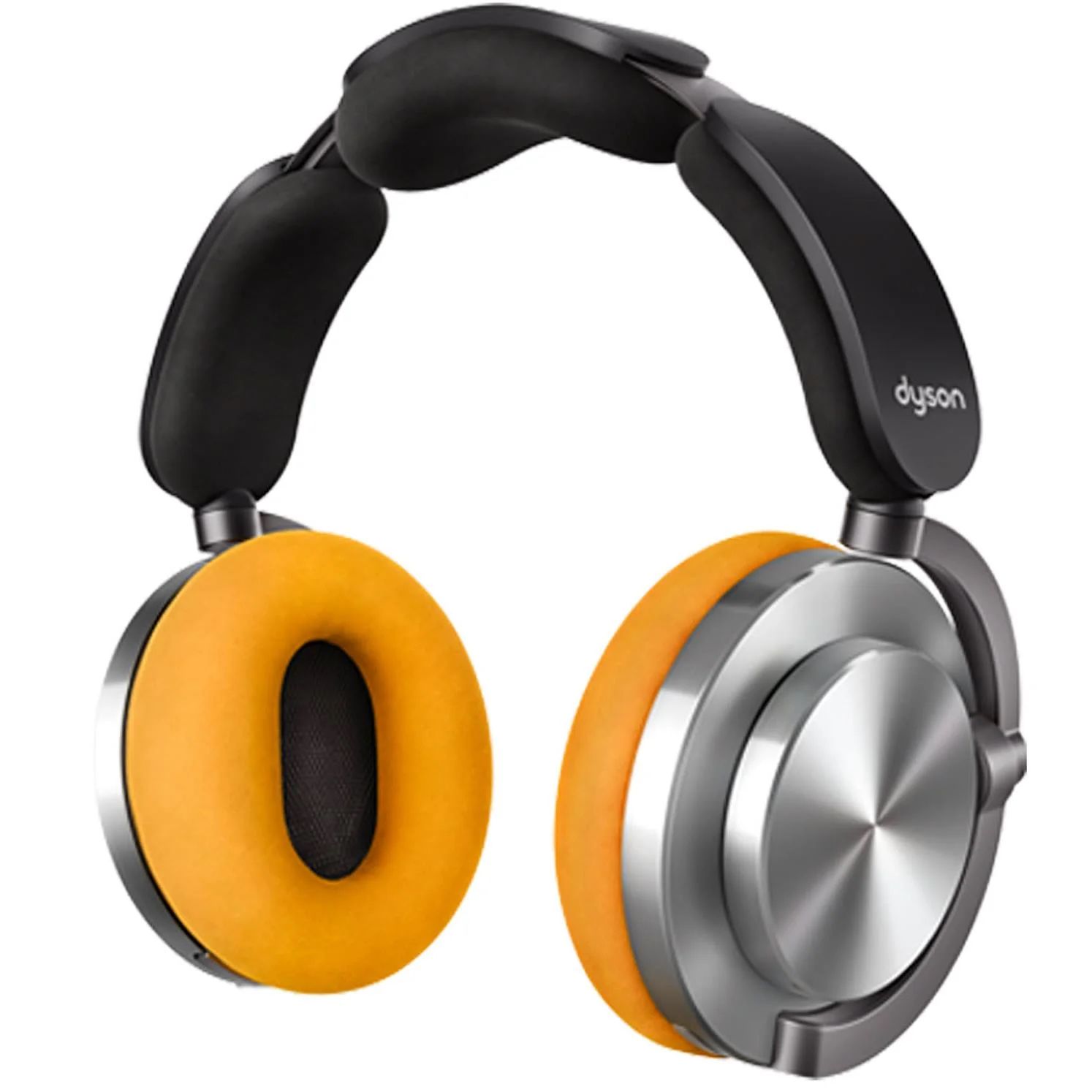
It’s been just over two years since Dyson introduced its second pair of headphones, the OnTrac, to the world. While they were a significant improvement — both in terms of sound and general design — over the Zone, I ultimately found in my Dyson OnTrac review that they still couldn’t quite challenge the class leaders — namely Sony and Bose.
A strong factor in that realisation was their exorbitant AU$799 price tag. Not only was that too much for the Dyson headphones (regardless of brand name), it also allowed other manufacturers to charge AU$700 or more for their premium cans — here’s looking at you, Sony, Bose and Sennheiser.
Now, two years later, the Dyson OnTrac has plummeted to a much more acceptable AU$299 during Dyson’s Spring Sale event. At this price, I think they’re worth a look. The noise cancellation is very good, and a 55-hour battery life gives them greater stamina than the closest competitors. I also can’t really fault the ability to customise them, since it’s a feature that’s still pretty unique. That being said, they’re incredibly heavy, so I found I could only wear them for short stints.
At this price, the Dyson OnTrac becomes a lot easier to recommend, although I’d still tread with caution. Their looks may make them stand out from the crowd, but where audio quality is concerned, they can be beaten. Although I don’t see them getting any cheaper, even during Black Friday 2026 sales in Australia later this year.View Deal
However, for your AU$300, or thereabouts, you’re not short of great alternatives. So, if you’ve got a burning desire to invest in a new set of mid-priced headphones, take a look at my top recommendations below.
For just under AU$200 (for the white model), the Nothing Headphone (a) are a terrific buy. A vast improvement over the Headphone (1), this newer set delivers a detailed, expansive soundstage coupled with good noise cancellation. Plus, their 135-hour battery life eclipses the OnTrac by some margin. View Deal
QuietComfort SC: was $499.95 now $349.99 Nearly as good as the premium QuietComfort Ultra, the SC misses out on the Immersive Audio mode — though they do come with a soft case. They have dropped to well below AU$300 before, which could happen during the next Prime Day sales event. View Deal
If your budget can stretch, the Sony WH-1000XM5 will reward you with superior sound quality, incredible comfort and excellent ANC. They’re comfortable to wear for long periods and benefit from a smartphone app that opens up a huge world of customisation.View Deal

 Login
Login