❌

Reading view

There are new articles available, click to refresh the page.

These new wireless earbuds prove that wired tech isn't the be-all, and they come with some incredibly premium specs

  • Wired audio is a growing revival trend, but not everyone's on board
  • Noble Audio unveils Astrid, wireless IEMs with three drivers and a fit test
  • Breggz's new Zohn 2 sport dual drivers and IMAX Enhanced certification

Are you getting a bit tired of this wireless audio resurgence? Are you glad of the option to forego tangling cables, starting to shirk a source device that isn't your phone, or finding it ironic that Sony's new Walkman headphones don't work with actual older Walkmans? You're not alone.

On the same day (today, November 10), two premium audio brands have come to market with two high-end wireless earbuds, (hopefully) giving audiophiles something to enjoy without the tangling cables.

Meet the Noble Audio Astrid and Breggz Zohn 2. And keep your eye on your bank account, because neither of these earbuds sit within the budget category.

The Noble Audio Astrid is available to buy right now for $539 / Β£499 (about AU$1,000 β€” ouch!) but the Breggz is even more expensive, yours for Β£549 (about $600, AU$1,100). Zohn 2 will hit shelves in the UK from November 17, and will be rolling out to other countries through 2027, so US and Australian buyers will likely have to wait just a little longer for these earbuds.

Noble Audio Astrid: what you need to know
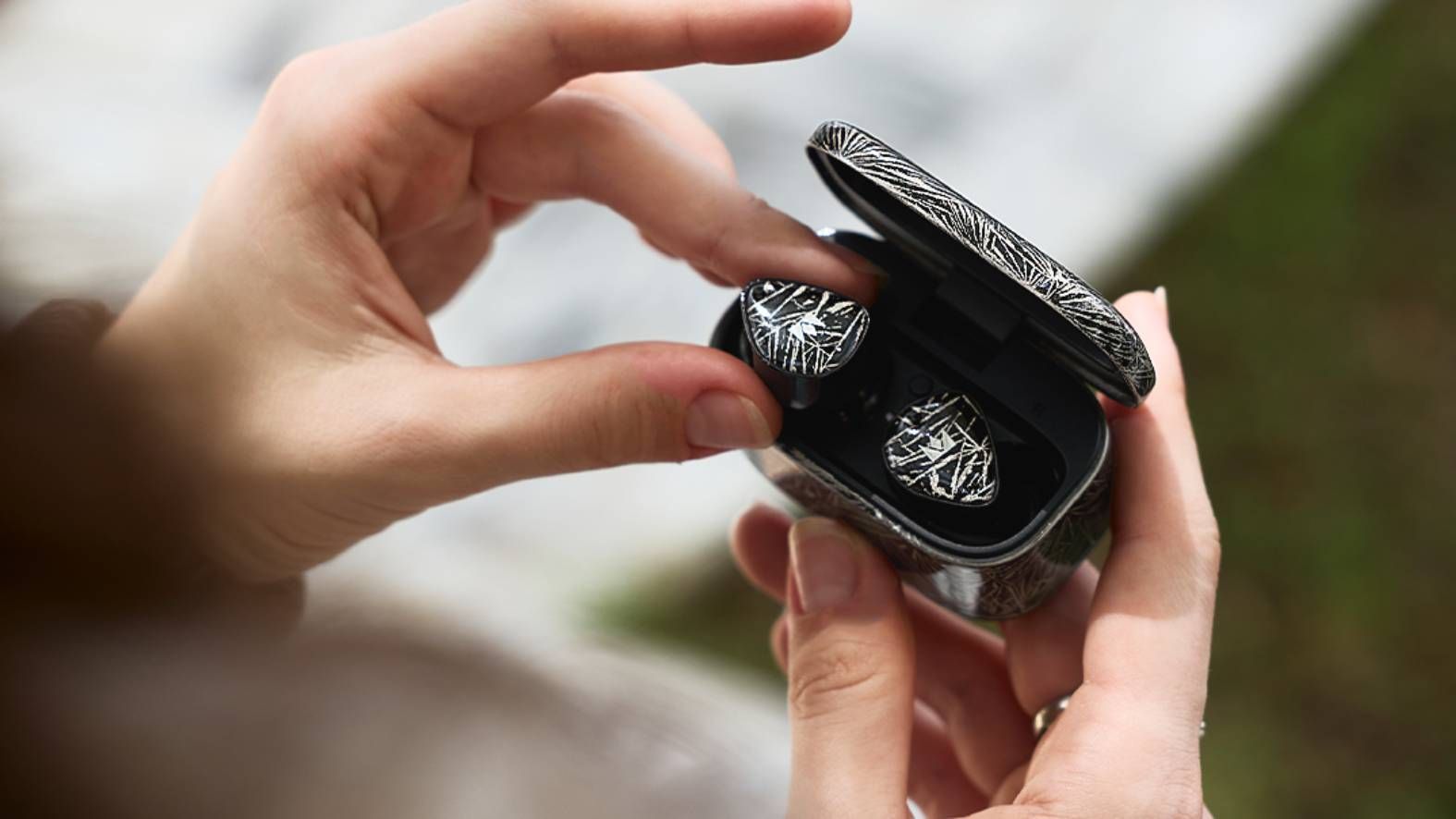
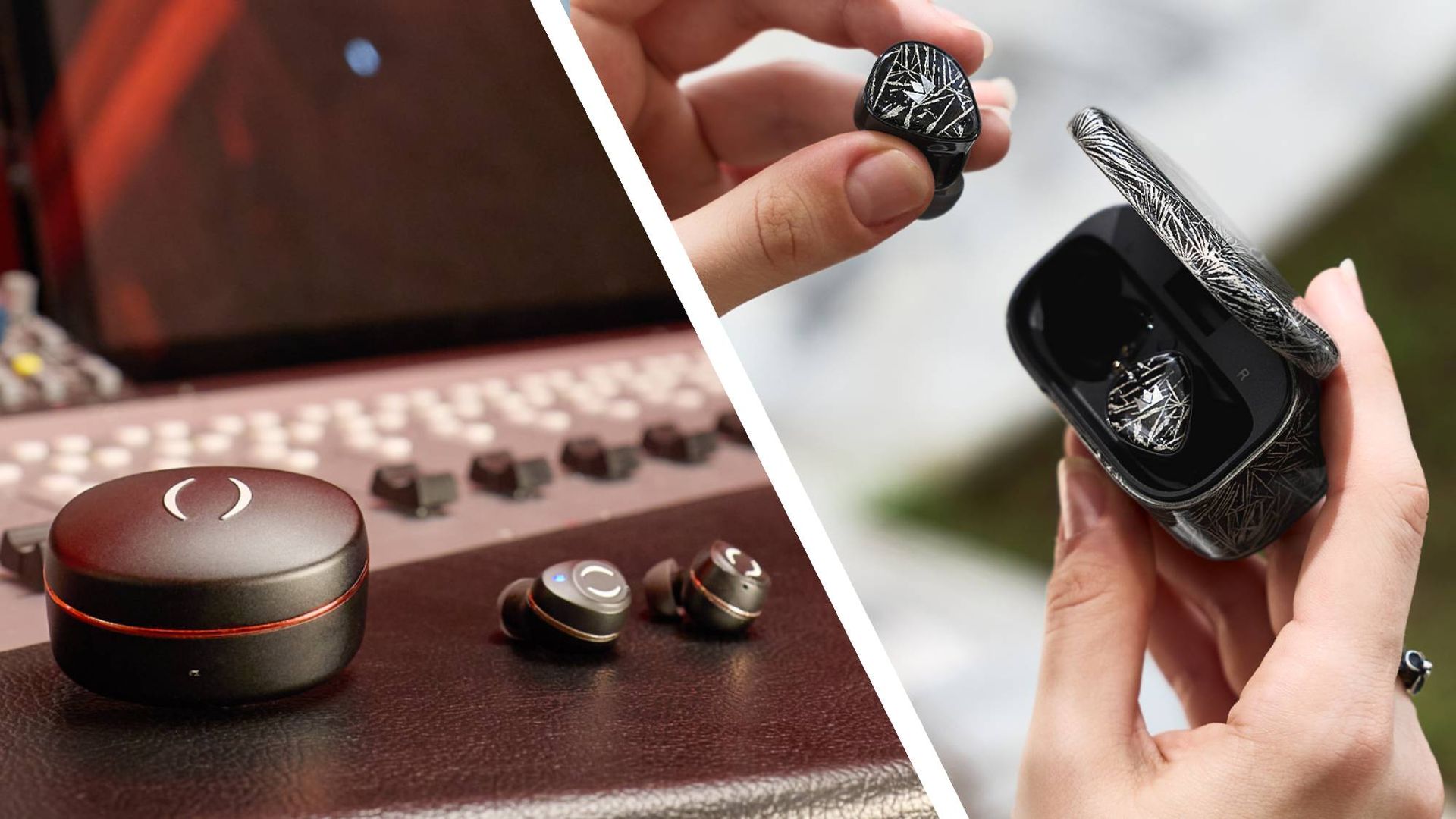
The Noble Astrid in their case, in a woman's hands.

(Image credit: Noble Audio)

Let's look at Noble's Astrid first; partly because you can buy them right now, and partly because I've tested some similar buds in the form of the Noble Osprey.

These premium IEMs have three drivers per bud: an 8.3mm dynamic driver, 6mm planar driver and balanced armature unit, which means they can cater to the broad audio range.

But that's not the best bit: Noble has continued its partnership with Audiodo, who helped on the Noble FoKus Artemis, to bring a personalized listening test and equalizer. This'll let you fine-tune the buds to best cater for your ears, so you can make those buds work for you.

The earbuds have 11-hour battery life, ANC and, as with previous Noble buds, have a lovely textured design for the buds and case β€” something that looks like a high-end IEM headshell but without the wires. This time, said design flourish looks like petrified palm fronds, or the natural cracks on a crystal. Nice.

Breggz Zohn 2: what you need to know
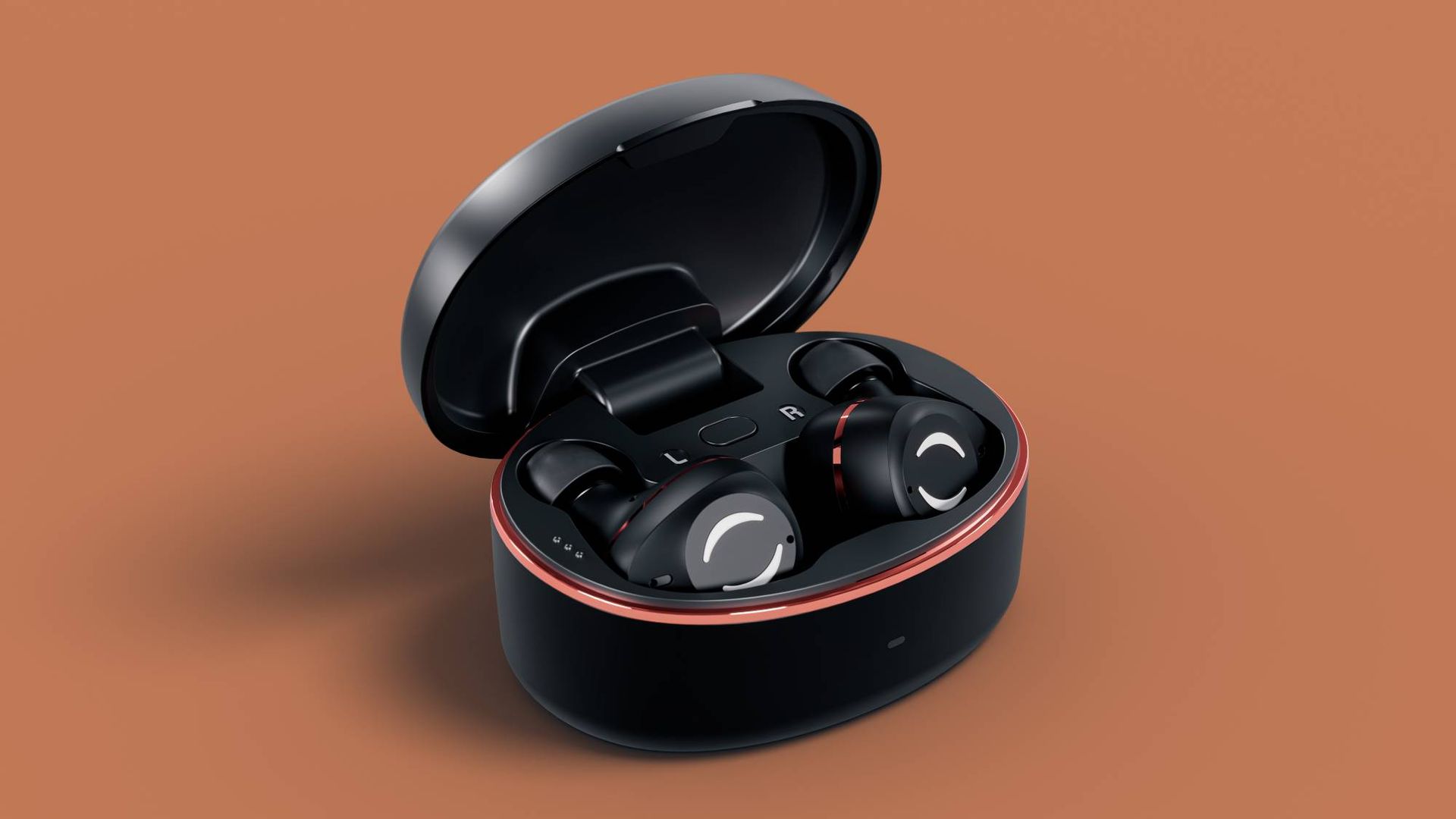
The Breggz Zohn 2 in their case, on an orange background.

(Image credit: Breggz)

Next up, Dutch brand Breggz is here with an expensive model... that's way cheaper than its $1,750 Zohn-1 which launched in 2024, and the new model also quietly ditches the 'in-ear computer' mantra its predecessors failed to make waves with.

No; the Breggz Zohn 2 are here for enhanced movie watching and more. At least, that's certainly the implication behind their IMAX Enhanced certification, making them the second buds to receive this award after the original pair (it's a title usually saved for soundbars and AV receivers). This certifies that the buds meet IMAX's audio standards for movie watching, so if you want to watch The Odyssey on your iPhone, say, they'll give you the true listening experience.

The earbuds also have five drivers per bud including a 10mm dynamic, 6mm planar driver and three BA drivers for detail. What they don't have is ANC, so the buds seem to be designed for home listening rather than the great outdoors (though there is a transparency mode).

Hidden in the press release, Breggz also confirms that its carry case has a replaceable battery, so the Zohn 2 are repairable to a certain degree. For buds at that price, it's a great thing to add, so one fault won't wipe them out. They have a 7-hour battery life, but the average IMAX movie is only about five hours, so you're safe.

Will they challenge some of the best earbuds we've tested? And can the audio beat any of the best wired earbuds on the market? Time will tell. Let's see…
The Gadhouse Eric CD player is affordable and feature-packed

  • Gadhouse unveils Eric (a new CD player, not a robot)
  • It's about a third of the price of other portable options we've seen
  • Bluetooth, multiple headphone jacks, an FM radio receiver and a screen

I write one piece of audio news every day of the week for TechRadar's audio editor, and it's been ages since I covered any new earbuds or headphones for her. Why? Because so many new CD players, turntables and cassette players are launching. It's like I'm working in the 80s.

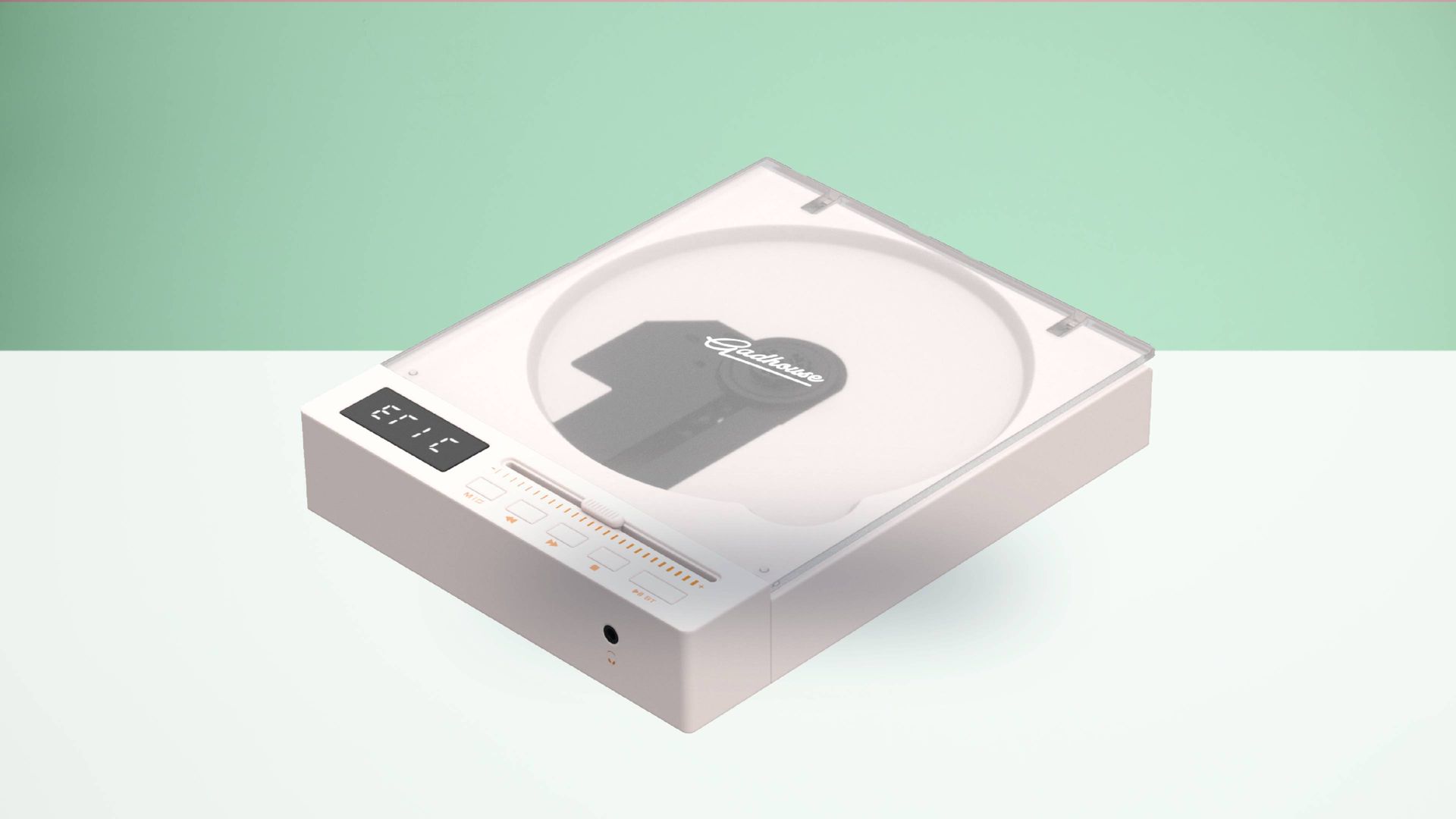
Taking the spotlight today is Eric. Not any old Eric; the Gadhouse Eric, with unconfirmed reports (which I've only just made up) saying that it was named after a man down the pub. Gadhouse is apparently turning into a madhouse for the physical media revival, after showing us the Gadhouse Miko cassette player earlier this year β€”Β and let's not forget last year's Gadhouse Duke & Roy powered speakers and turntable combo for vinyl lovers.

The Gadhouse Eric is set to cost just $84.50 / Β£59.99 (about AU$120), so it's a lot cheaper than the likes of the Shanling EC Player or FiiO DM13; they're both about three times the price.

At that money, this could be the budget portable CD player to beat. It's on sale right now, though Gadhouse says that it'll be launching new color options through 2027.

A range of extra features and tools

You want a CD player to do one thing: play CDs. Eric does that, sorted. Wait, it does more?

That's right, Gadhouse has slapped an FM radio receiver into the Eric, so you can skip the doomsday prepping with a hand-cranked option and use this if you'd prefer. This is presumably arranged via its little display, and the slider you can see in the picture.

What else does it do? Well, it lets you connect wirelessly using Bluetooth, which I bet your grandad's CD player doesn't do. It also has not one, but two 3.5mm audio jacks; you can connected to two headphones at once to share music, or connected to a hi-fi system if you'd prefer.

If there's any potential problem I foresee, it's that the battery life is only 4 hours long, so you're going to struggle taking this travelling. It can be recharged via a USB-C port in the back.

The Audiolab 6000CDT MKII is a new CD transport β€” further proof that the physical media revival is in full swing

  • Audiolab unveils new 6000CDT MK II
  • It's a CD transport, dedicated to processing a disc (not the full player)
  • Requires a DAC and other separates to let you play the music

I'm writing constantly about the physical media revival, and cover new CD players every week, but new disc buyers might not be aware of how frail these things can really be. One scratch can wipe whole songs off an album, and a cheap CD player might be putting undue risk on your collection.

For that β€” and several other reasons β€” CD transports exist, and Audiolab has just unveiled a new model in the form of its 6000CDT MK II. No, I'm not talking about those wallets which you used to use to carry hundreds of discs around with you.

These are, to a certain extent, CD players: they have disc drives and let you control your tunes. But they don't have Digital-to-Analog converters, or DACs, which are vital for converting the sound from your physical media into something your amplifier and speakers (also not included here) can understand.

So why buy a CD device which can't play music from the box? Well firstly, housing the CD reading tech away from other electricals can ensure a clean and stable read, and it also lets audiophiles pick their favorite sound by choosing their own DAC, amp stage and speakers.

Transport you to the (Audio)lab

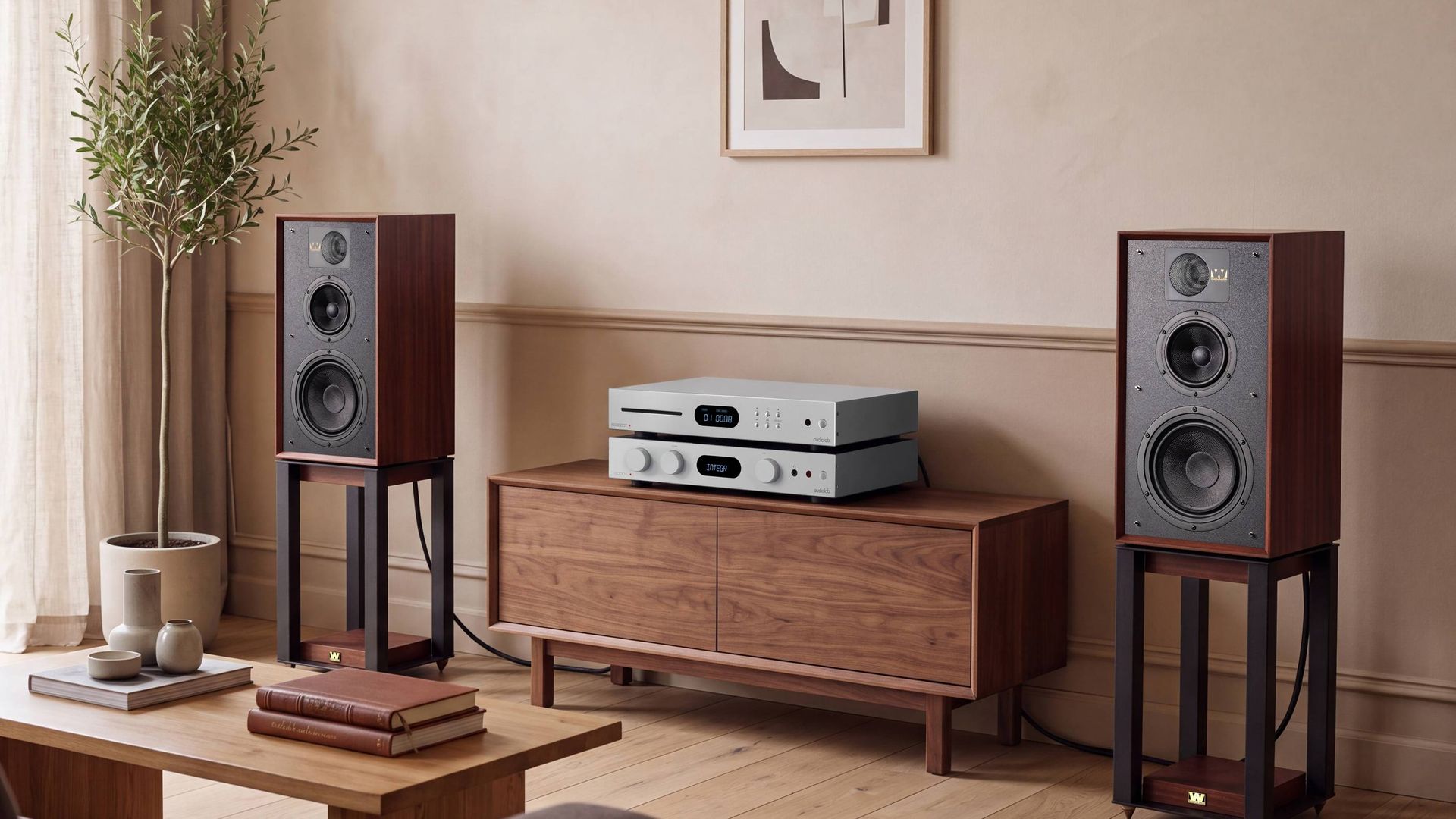
The Audiolab 6000A and 6000CDT between two large speakers.

(Image credit: Audiolab)

It also lets the CD transport focus on what it does best: reading discs. Everything in the Audiolab 6000CDT MKII is designed around the process; this lets you get the best from the medium, and ensures your little slivers of music are protected while they're in the machine.

Audiolab has rebuilt the device from the original to make sure all the components like the laser, spindle and disc loader are stable, make no noise and are consistent. The laser correction, which counters any unpredictability in the spin of the disc, has been designed to avoid any unnecessary actions, again making sure no noise gets in the way of your playback.

Looking at the technical specs, the 6000CDT MKII supports standard CDs as well as CD-R and CD-RWs (rewritable discs, basically, for which support can often be unreliable).

The device is set to go on sale at the end of November, for a price of Β£399 (about $540, AU$800, and we're waiting on exact global pricing).

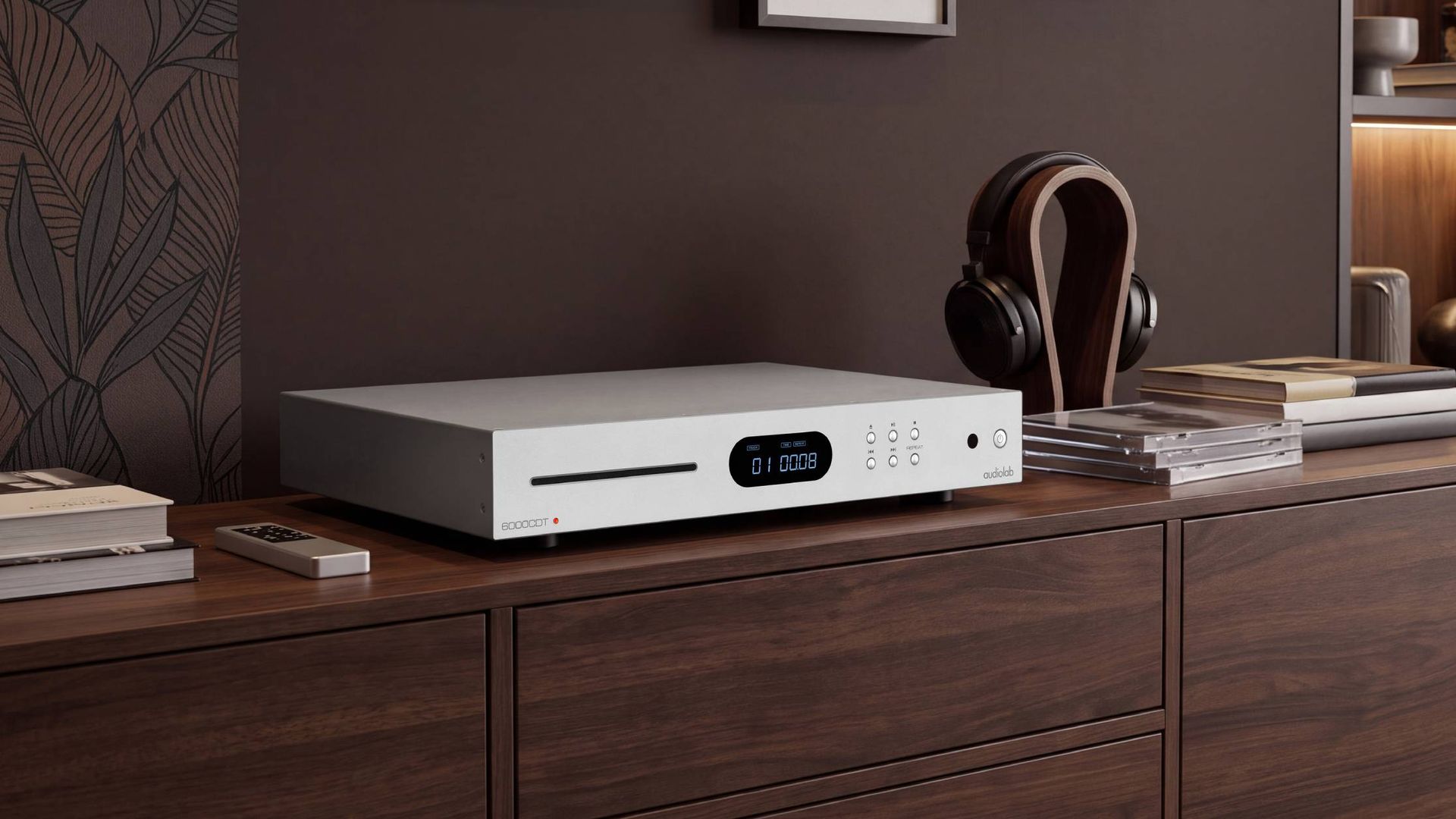
Of course, if you buy it, you'll also need to pick up the other necessary accoutrements, but Audiolab would love to nudge you towards its very own similarly-styled 6000A MKII amplifier, which has a DAC built in β€” and judging by press pictures, the company is really hoping you'll pick up both. Fair warning though: it may sound very, very good . And his runs the risk of starting a bona-fide hi-fi collection, which can be quite a slippery slope.

Obviously, you'll also need some pretty nice speakers to appreciate them with. Fortunately, I have listed a few below…

❌