Login
Login
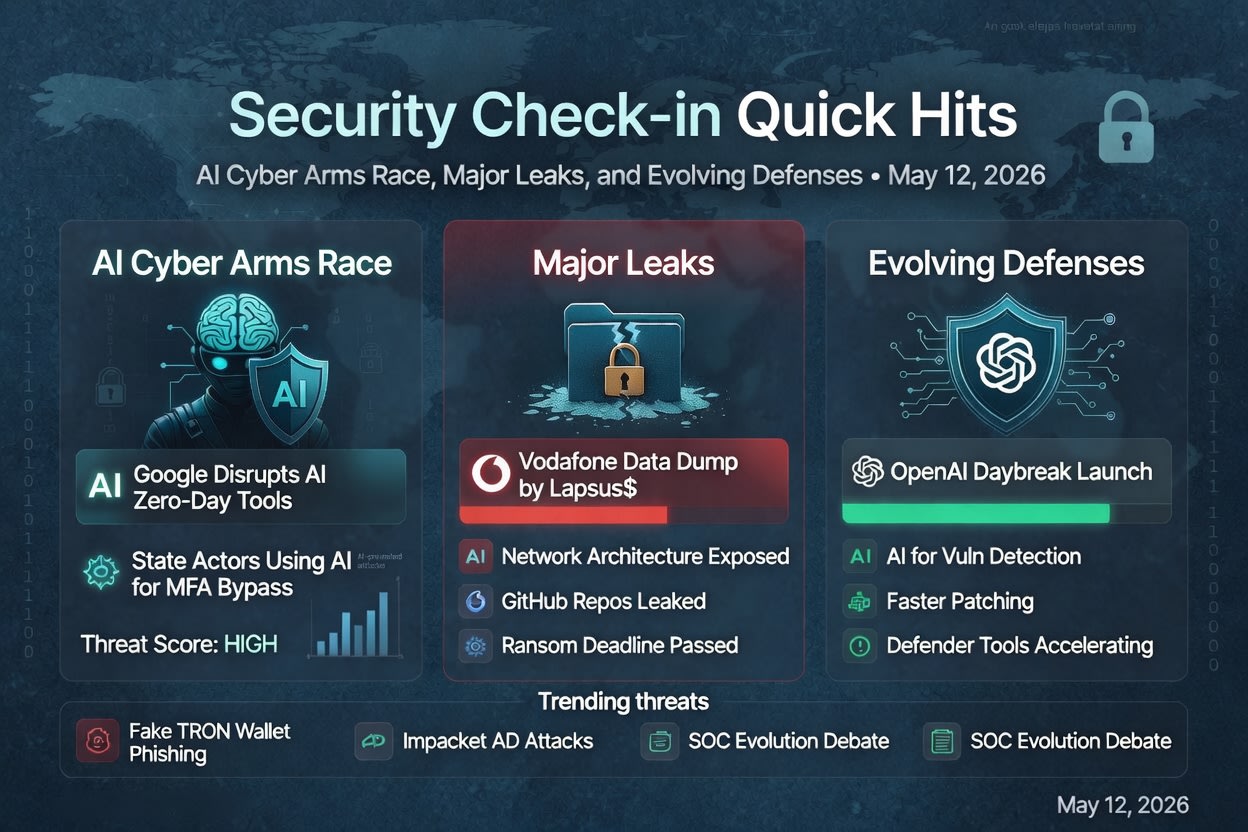
Security Check-in Quick Hits: AI Cyber Arms Race, Major Leaks, and Evolving Defenses
AI-Powered Zero-Days Go Mainstream: Google Sounds the Alarm on Cybercriminals Building Hacking Tools with AI
Cybercriminals are increasingly leveraging AI to create sophisticated tools, including exploits for zero-day vulnerabilities, according to warnings from Google.
Key Details: Reports highlight actors—some linked to state-backed groups from China and North Korea—using AI to bypass multi-factor authentication, generate convincing lures, and develop powerful offensive capabilities at scale. This marks a shift where AI isn’t just a defensive tool but a routine part of offensive operations. Google has already disrupted such campaigns.
Rod’s Blog is a reader-supported publication. To receive new posts and support my work, consider becoming a free or paid subscriber.
Implications: The speed and accessibility of AI lower the barrier for advanced attacks, turning what was once nation-state territory into something more democratized for criminals. Organizations must prioritize AI-specific security assessments, anomaly detection in code/tools, and rapid patching. This “AI vs. AI” dynamic is here—defenders need to accelerate their own use of automation to keep pace.
Takeaway for Readers: Audit your AI tool usage (both internal and third-party), invest in behavioral analytics, and stay vigilant for AI-generated phishing or deepfakes. The arms race is accelerating.
Vodafone Hit Again: Lapsus$ Leaks Massive Trove of Network and Code Data After Ransom Refusal
Hacking group Lapsus$ has publicly released a large volume of Vodafone data, including detailed network architecture and internal GitHub code repositories, after the telecom giant declined to pay a ransom.
Key Details: The incident follows an April 2026 breach where the group gave Vodafone 15 days to comply. With the deadline passed, files appeared on services like AnonFiles. This is the second major hit on Vodafone by the same group (previously in 2022). Customer data impact remains unclear as of now.
Implications: This underscores the persistent risk from ransomware/extortion groups that follow through on leaks. Exposed code and network details could enable further attacks, supply-chain compromises, or targeted follow-ons. Telecom infrastructure remains a high-value target due to its scale and connectivity.
Takeaway for Readers: If you’re in a critical sector, review third-party exposure and incident response plans. Assume breaches will lead to public leaks—focus on segmentation, code security, and proactive monitoring for your own assets.
OpenAI Launches Daybreak: Frontier AI Aimed at Supercharging Cyber Defense
OpenAI unveiled Daybreak, a new AI system combining its most capable models with Codex to help security teams detect vulnerabilities, accelerate software fixes, and keep pace with threats.
Key Details: Positioned as a tool for defenders to “move at the speed defense demands,” it integrates with security partners. This arrives on the same day as reports of offensive AI use, highlighting the dual-use nature of the technology.
Implications: Defensive AI could help close the gap against automated attacks, enabling faster vulnerability management and code hardening. However, it also raises questions about over-reliance and new attack surfaces in AI systems themselves.
Takeaway for Readers: Explore integrating AI-driven security tools into your workflows, but pair them with human oversight and robust governance. This could be a game-changer for under-resourced teams.
Ongoing Phishing Campaigns Target Crypto Users (e.g., Fake TRON Wallet Extensions)
Threat actors continue aggressive phishing, with SlowMist warning of fake TronLink browser extensions stealing wallet credentials via cloned interfaces and remote scripts.
Key Details: These campaigns mimic legitimate tools, tricking users into granting access to crypto assets. Broader trends show AI-enhanced phishing increasing in volume and sophistication.
Implications: Crypto and wallet users face heightened risks as extensions and apps become common vectors. This ties into larger patterns of credential theft feeding ransomware or further breaches.
Takeaway for Readers: Verify extensions/downloads directly from official sources, use hardware wallets where possible, enable 2FA (preferably hardware keys), and monitor for unusual activity. Education remains the first line of defense.
Broader Trends: SOC Evolution Questions and Classic Technique Abuse
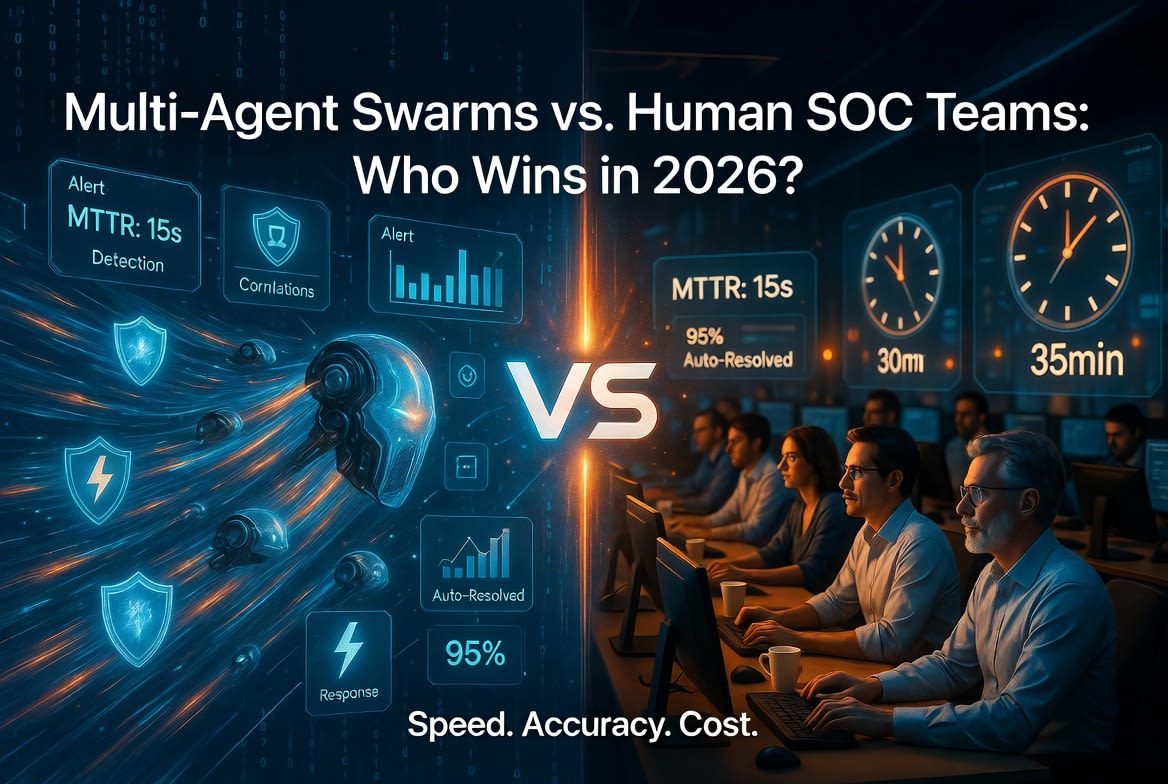
Discussions are heating up on whether traditional Security Operations Centers (SOCs) are becoming obsolete in an AI-first world, with calls for sovereign architectures. Meanwhile, tools like Impacket highlight ongoing risks from Active Directory misconfigurations (e.g., ForceChangePassword abuse for privilege escalation).
Key Details: These reflect perennial issues amplified by modern tech—legacy permissions meet new AI capabilities.
Implications: Hybrid approaches blending AI automation with skilled analysts will likely win out. Basic hygiene (permissions, monitoring) still matters immensely.
Takeaway for Readers: Reassess your SOC maturity, prioritize AD hardening, and balance innovation with fundamentals.
Stay safe out there—cyber threats evolve daily, but informed vigilance and layered defenses make a real difference. Follow up on these stories as they develop, and consider subscribing for more quick hits.
Rod’s Blog is a reader-supported publication. To receive new posts and support my work, consider becoming a free or paid subscriber.