Login
Login
Samsung Galaxy S26 FE review: false economy
Samsung Galaxy S26 FE: Two-minute review
Picking the Samsung Galaxy S26 FE to be your next phone would be a good decision. But whether it’s the best decision is the chewier question.
As has been the case for the past several years, Samsung has launched one final version of its Galaxy S flagship phones just before summer is out (in the US and UK, at least). This “Fan Edition” device aims to provide a more streamlined experience, focused on camera capabilities and AI, at a more approachable price.
However, Samsung has this all backwards. The Galaxy S26 FE’s cameras range from OK to weak, and the AI tools will soon be available on older models. Plus, the price hike this year makes the phone a little less of a bargain.
Arguably, the real reasons you’ll want a Galaxy S26 FE are its big screen, fast charging, strong battery life, and surprisingly good gaming performance. But then, if those are your priorities, you may still be better off looking elsewhere.
Confused yet? Hopefully the rest of my Galaxy S26 FE review will clear things up.
Samsung Galaxy S26 FE review: Price and availability
- Starts at $699 /£699 / AU$1,149
The Galaxy S26 FE first went on sale on September 4, 2026. It costs $699 / £699 / AU$1,149 for the standard version, which is $50 / £50 / AU$50 more than the Galaxy S25 FE cost when it launched.
As a result, it means there’s a $200 / £180 / AU$400 difference between this phone and the cheapest full-fat Samsung Galaxy S26, or a $400 / £400 / AU$700 gap if you compare it to the similarly-sized Galaxy S26 Plus. However, those Galaxy S26 models have twice as much storage as the S26 FE by default, which makes direct comparison a little complicated.
Also, keep in mind that you get six free months of Google AI Pro (worth about $120 / £114 / AU$200 at current subscription prices) with the purchase of the S26 FE. It’s an offer worth taking advantage of for the 5TB of cloud storage capacity alone, let alone the extra Gemini powers.
Samsung Galaxy S26 FE pricing
US price | UK price | AU price | |
128GB | $699 | £699 | AU$1,149 |
256GB | $799 | £799 | AU$1,299 |
512GB | Not available | £949 | AU$1,599 |
- Value score: 3.5 / 5
Samsung Galaxy S26 FE review: Specs
Before we continue, here’s a rundown of the Galaxy S26 FE’s hardware.
Dimensions: | 161.6 x 76.9 x 7.4mm |
Weight: | 193g |
Display: | 6.7-inch FHD+ Dynamic AMOLED 2X |
Resolution: | 1080 x 2340 |
Refresh rate: | 60/120Hz |
Peak brightness: | 1,900 nits |
CPU: | Exynos 2500 |
RAM: | 8GB |
Storage: | 128GB / 256GB / 512GB |
OS: | Android 17 with One UI 9, 7 years of updates |
Cameras: | 50MP wide (f/1.8), 12MP ultra-wide (f/2.2), 8MP 3x telephoto (f/2.4) |
Selfie Camera: | 12MP front camera (f/2.2) |
Battery: | 4,900mAh |
Charging: | 45W wired, 15W wireless |
Colors: | Blueberry, Graphite, Pistachio |
Samsung Galaxy S26 FE review: Design
- No major updates from previous model other than new colors
- Worthy of the Galaxy S name in terms of looks and durability
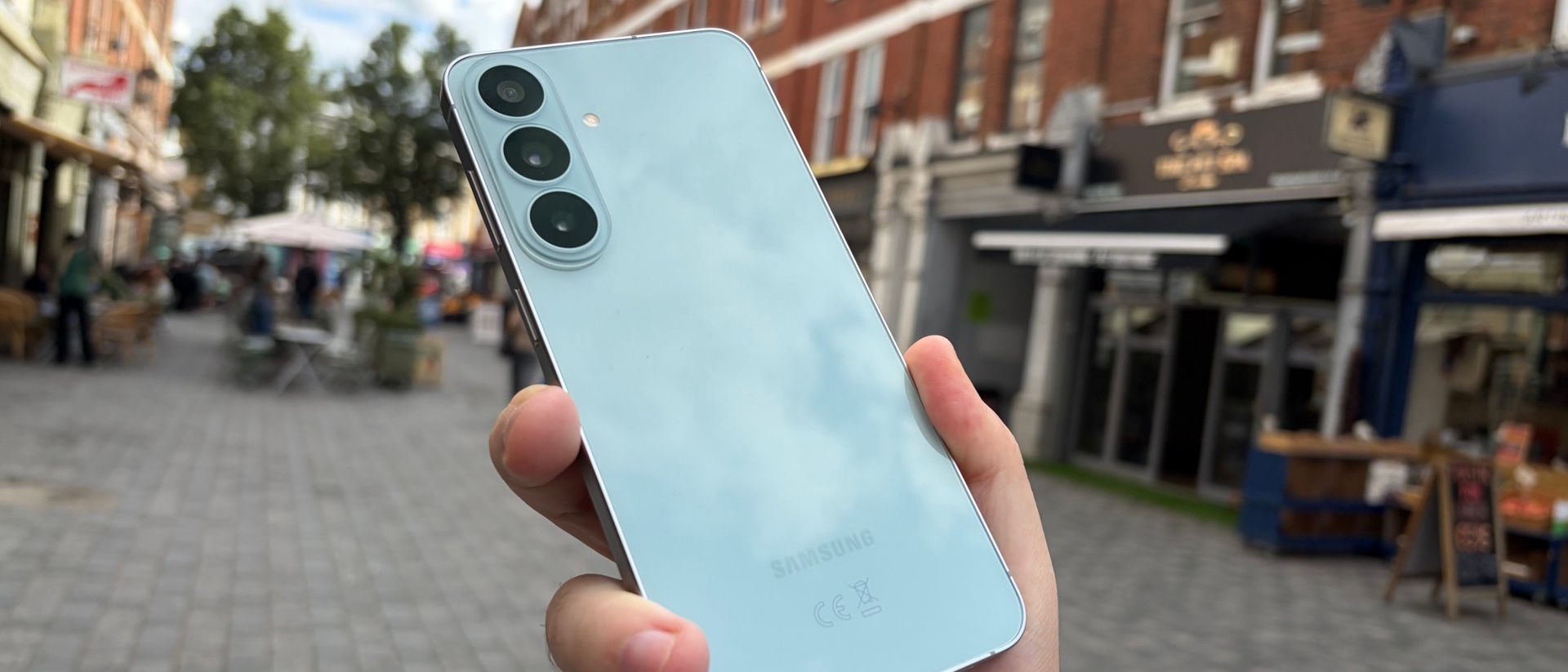
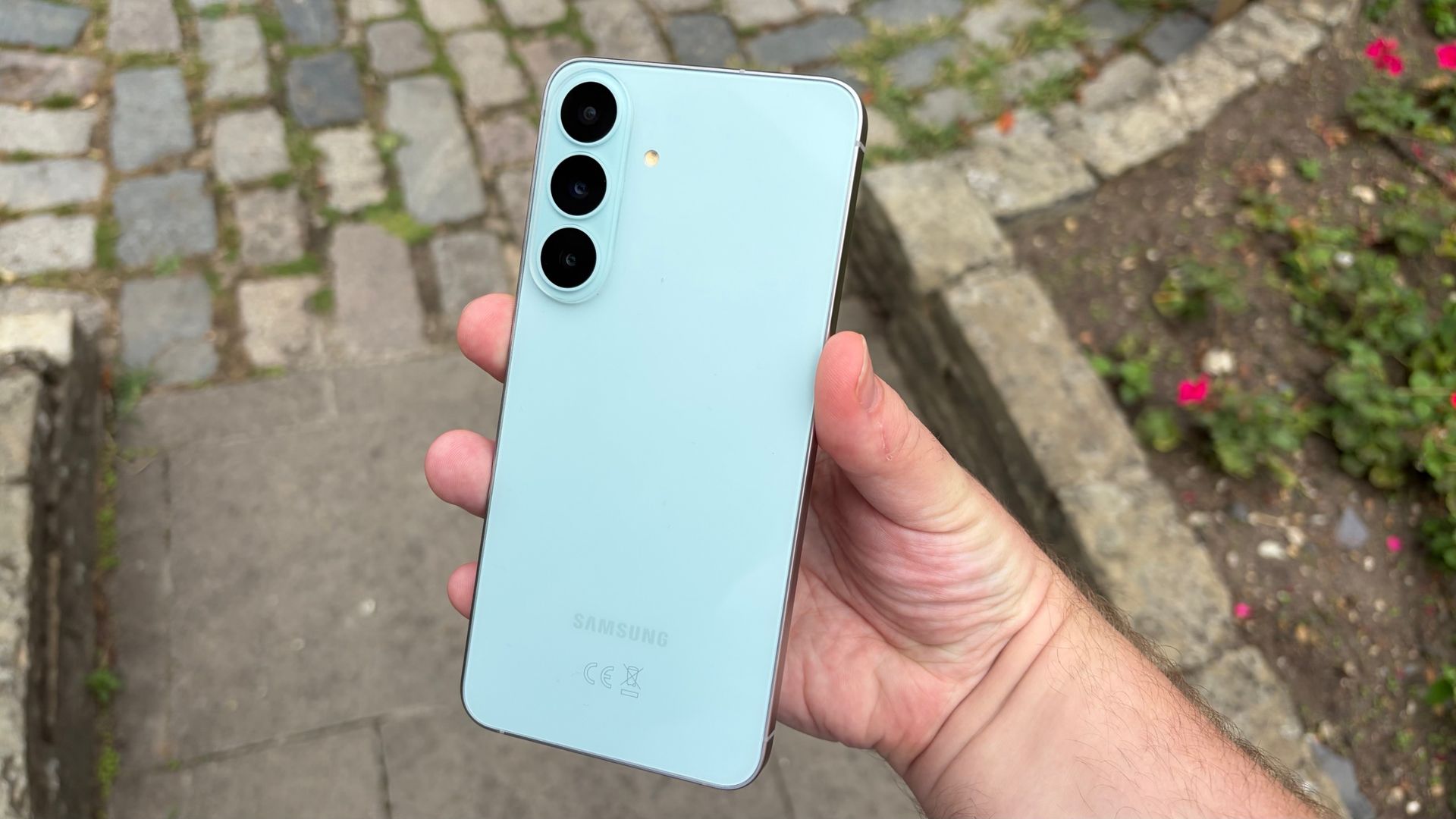
Looks-wise, there are no major body changes between the Galaxy S26 FE and the S25 FE — not that Samsung really needed to make any.
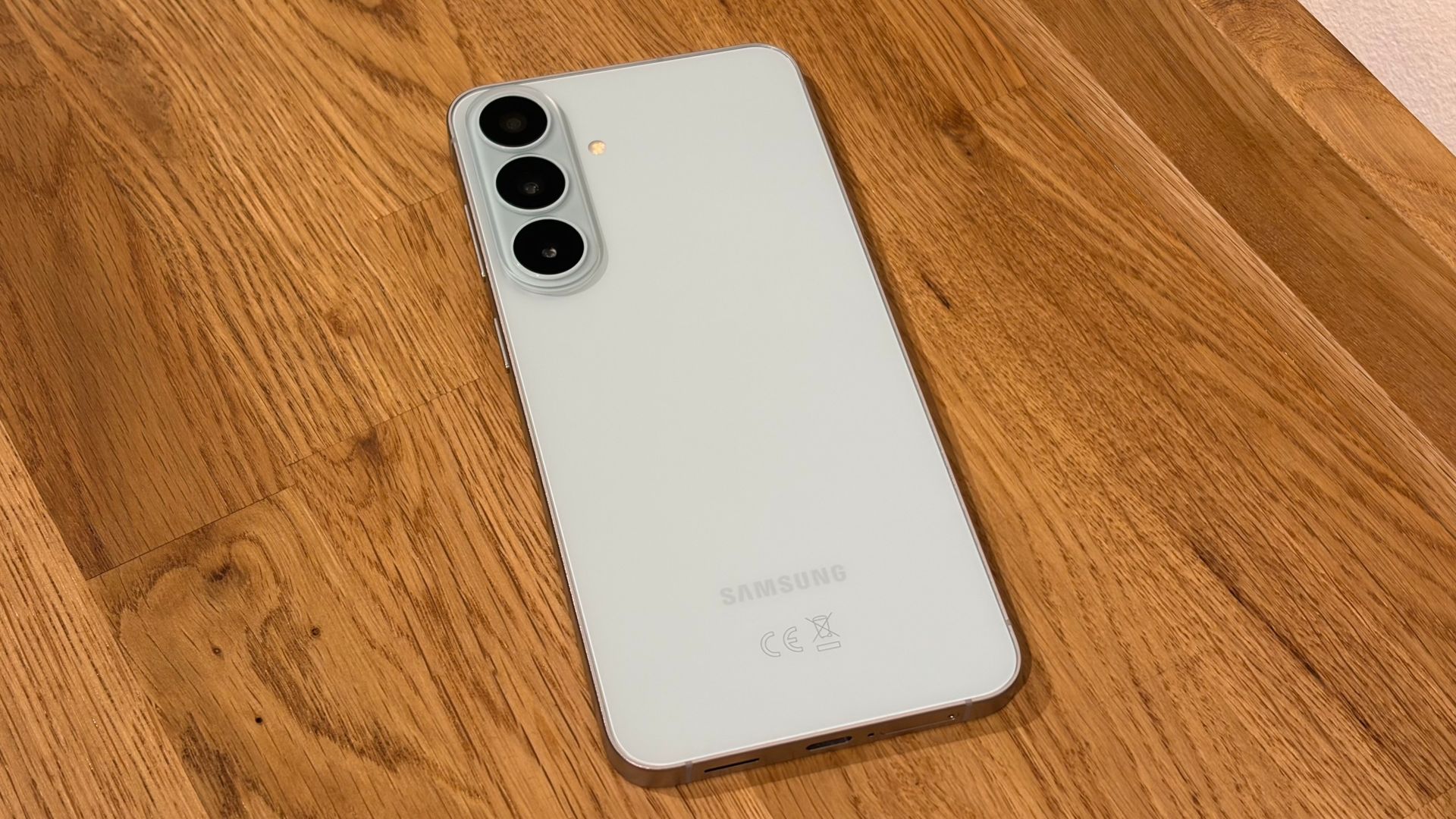
You still have three camera lenses embedded directly into the back of the phone, then flat rails with rounded corners around the sides, leading to a big display with a single centered selfie camera on the front.
Unless you’re able to tell the S26 FE apart from a regular S26 by the color of the handset, the big telltales that you’re holding an FE are the shiny back panel, instead of a matte texture, and the larger chin bezel under the display.
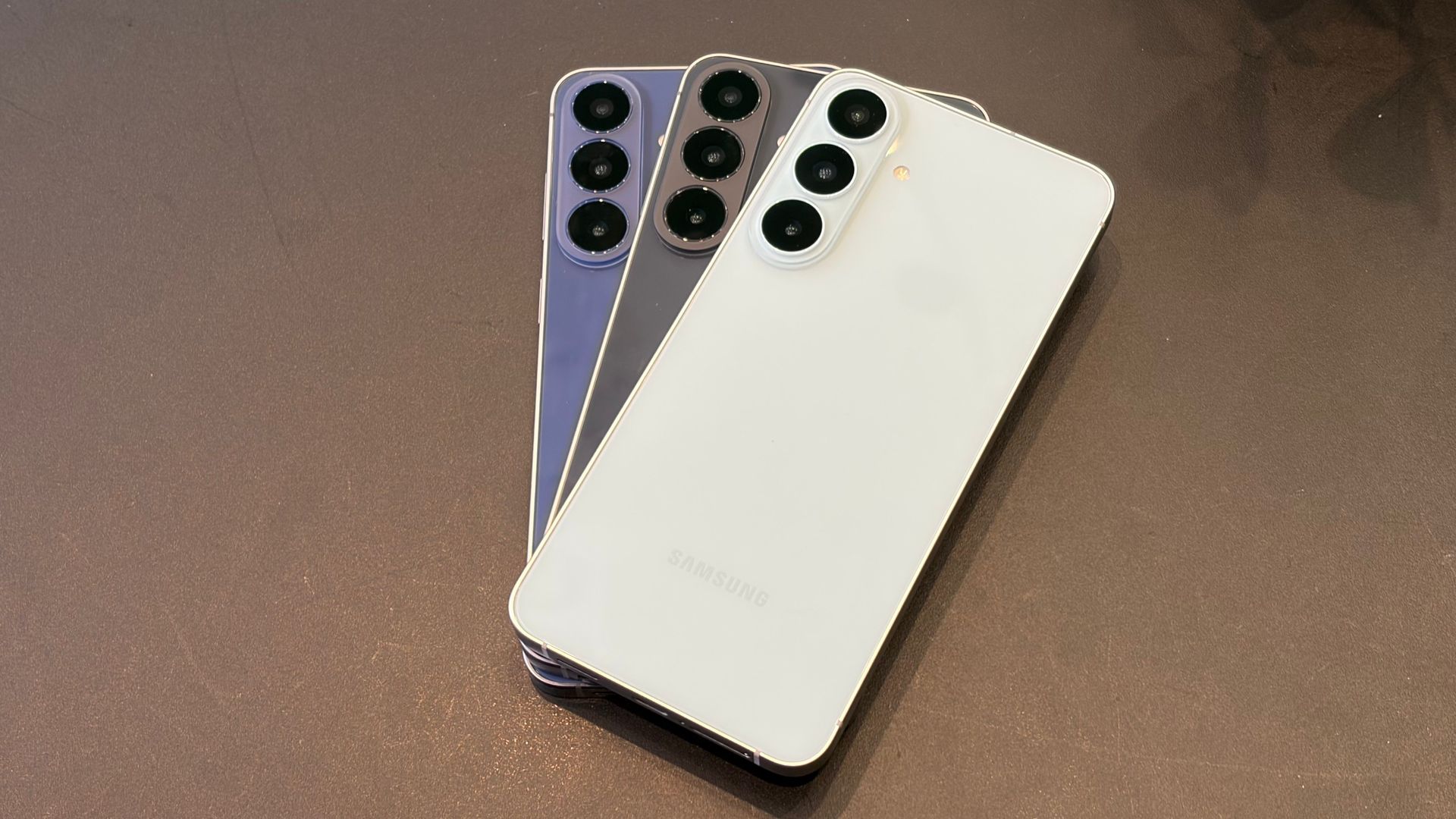
Speaking of colors, Samsung’s three offerings are Graphite, Blueberry and Pistachio (pictured). The gray option will satisfy anyone who isn’t fussed about the color of their phone, or who knows they’ll be using a case to add some style to their new handset, but I do like both the blue and pale green options for the balance they strike between boldness and subtlety.
Like the other Galaxy S26 models, the S26 FE is rated IP68 for water/dust-resistance, which we expect from any flagship phone launching today. However, it uses Gorilla Glass Victus Plus on both sides to protect against scratches and smashes, which is a generation behind what you get on the S26 or S26 Plus.
- Design score: 4 / 5
Samsung Galaxy S26 FE review: Display
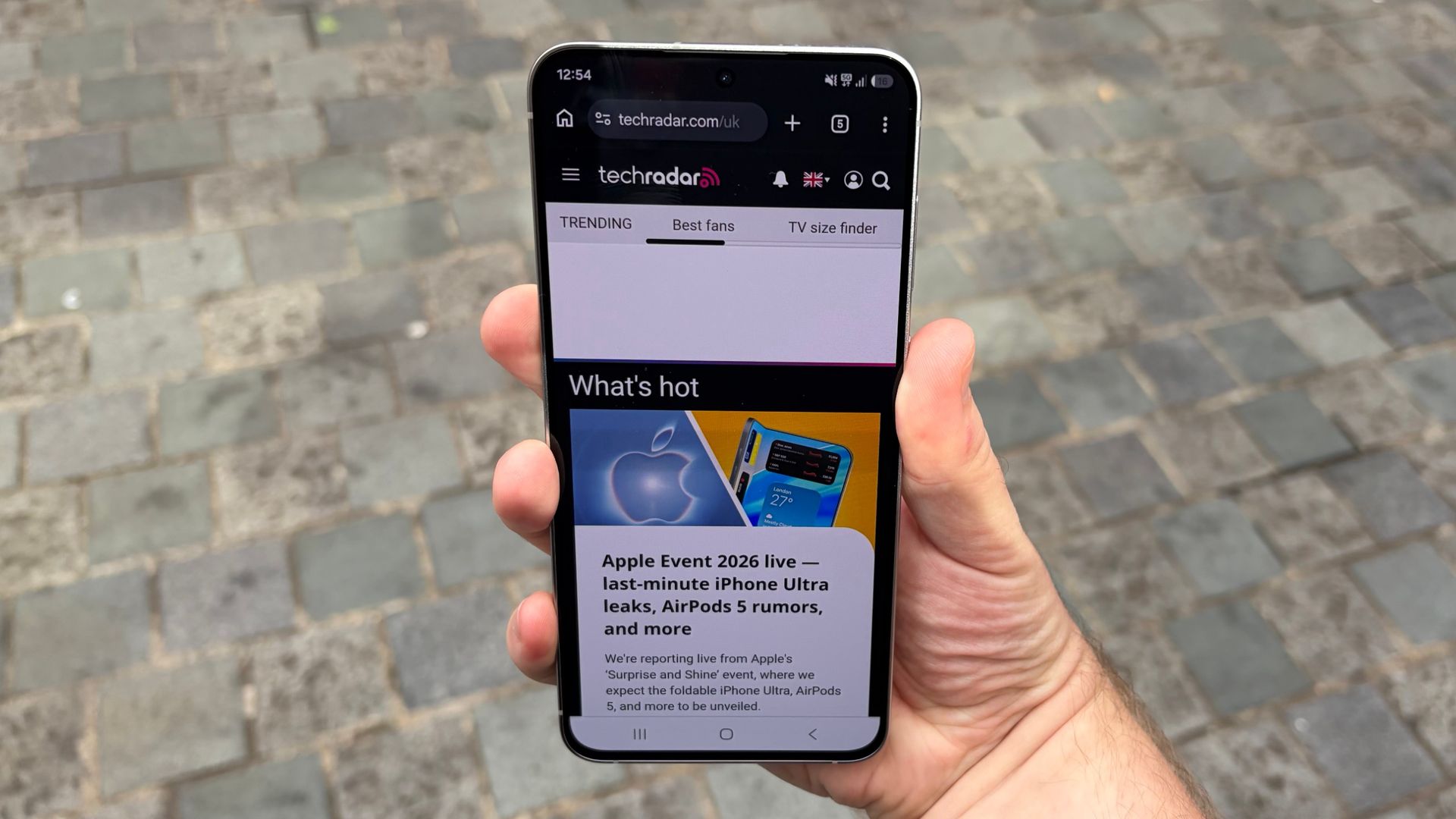
- Big and colorful, but lower-spec resolution and brightness
- Larger bezels than other Galaxy S phones
The 6.7-inch AMOLED display of the Galaxy S26 FE matches the size of the Galaxy S26 Plus’ display, but that’s where the similarities end. The FE’s panel only reaches an FHD resolution, rather than the Plus’ more detailed QHD, and peaks at 1,900 nits of brightness according to Samsung’s testing, rather than the 2,600-nit rating of the other S26 models.
Even though the S26 FE can’t deliver as much brightness or as many pixels as Samsung’s top-tier displays, the detail and the colors of the FE’s panel are still strong, and the screen remains fairly legible even out in what remains of the summer sun.
The bezels around the Galaxy S26 FE’s display are thicker than they are on the Galaxy S26 Plus or other premium Samsung phones, which is an understandable limitation given the FE’s lower price. It doesn’t interfere with whatever you want to watch on the screen, but it’s a difference you’ll notice if you have used other recent Galaxy S phones.
- Display score: 3.5 / 5
Samsung Galaxy S26 FE review: Software
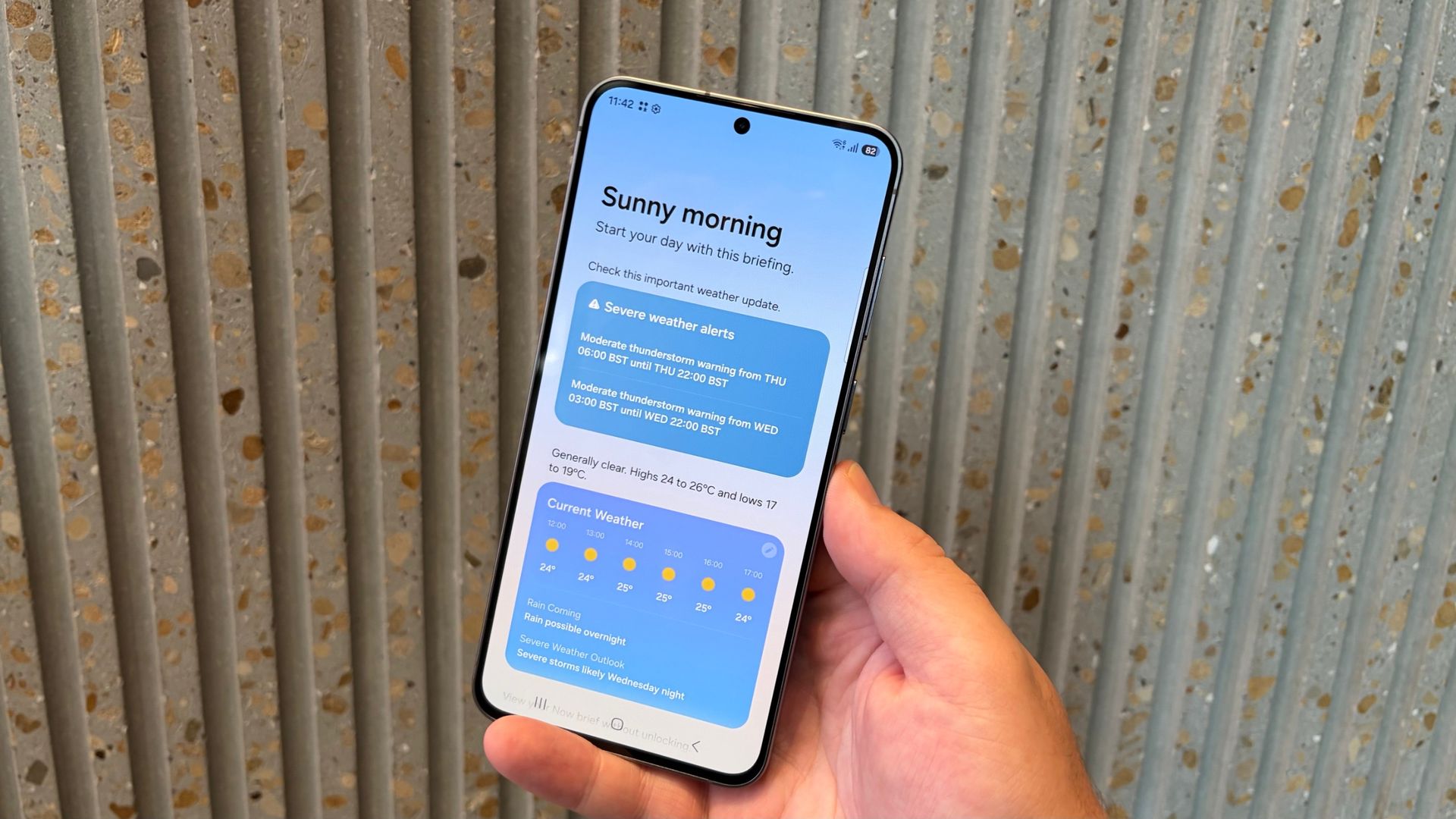
- Samsung’s latest OS comes pre-installed
- Seven more generations of updates have been promised
The Galaxy S26 FE comes pre-installed with OneUI 9, Samsung’s take on Android 17. That actually puts it ahead of the other Galaxy S26 models, which currently can only access OneUI 9 as a beta version.
OneUI 9 gives the FE a lot of tools to play with. My FanCam — the video subject tracking tool which just debuted on the much more expensive Galaxy Z Fold 8/ Galaxy Flip 8 series — is here and works just as capably. That’s joined by other AI-powered editing features like Photo Assist and Audio Eraser.
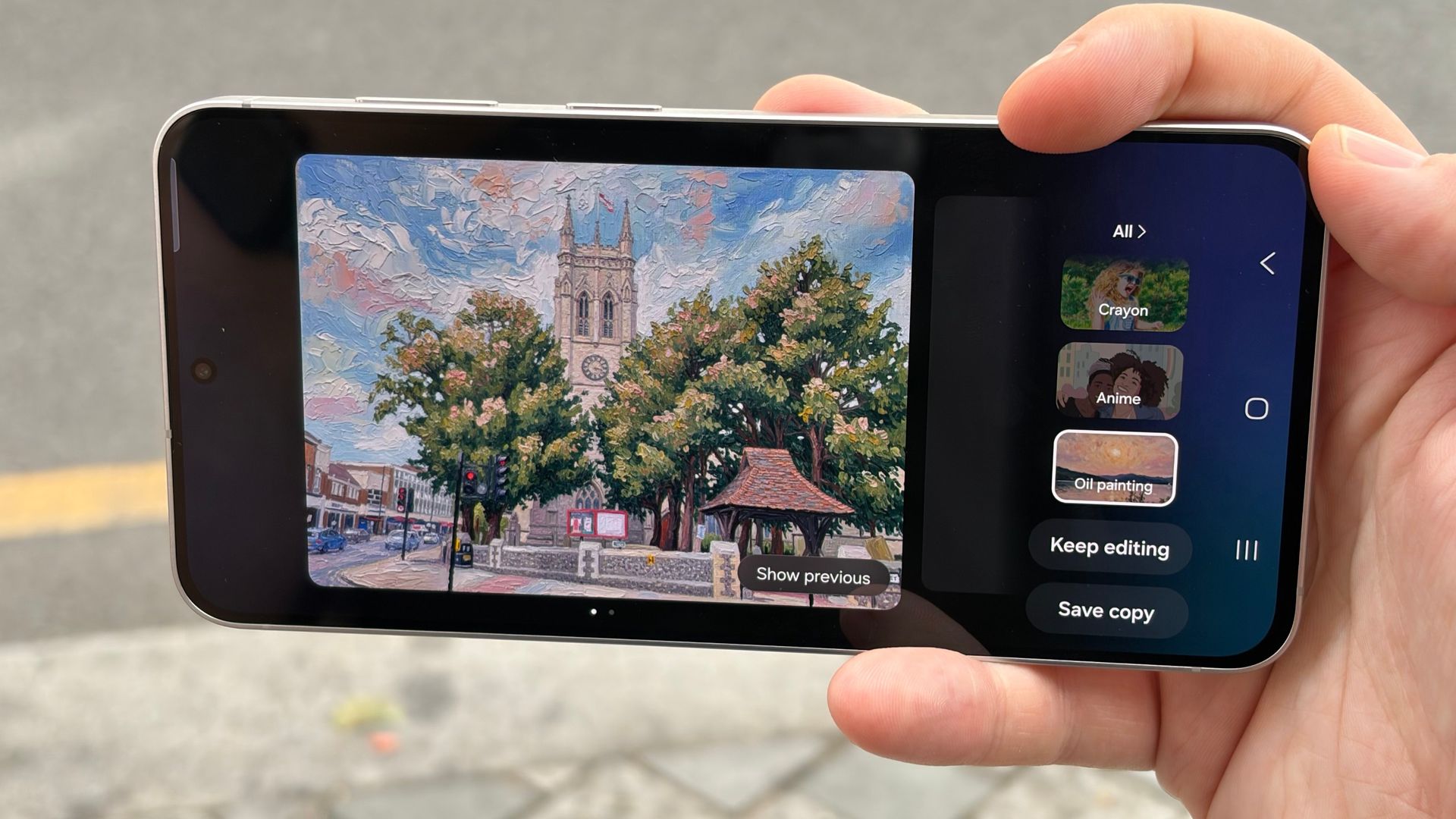
Meanwhile, for productivity, you have Now Brief and its new custom cards option to give you even more personalized updates all in one place, more supported apps for Now Nudge, plus expanded cross-app functions and Gemini.
Perhaps most importantly for the Galaxy S26 FE, it comes with Samsung’s full seven generations of Android and seven years of security updates promise. That’s the same as other Galaxy S models, and one additional year over what the cheaper Galaxy A57 gets, which is crucial for the value proposition of the S26 FE.
- Software score: 4 / 5
Samsung Galaxy S26 FE review: Cameras
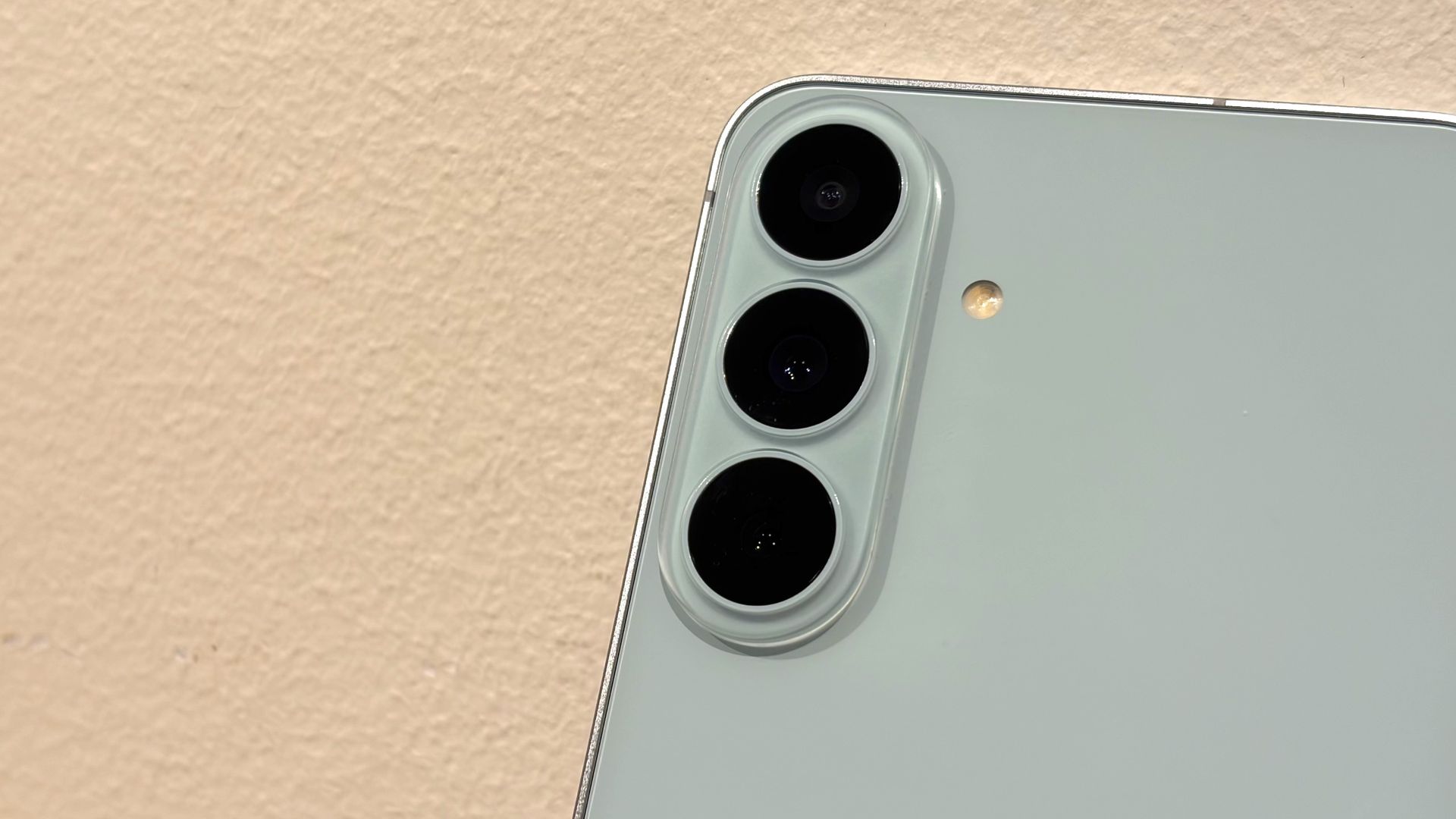
- Minor upgrades but identical sensors to previous model
- The main and selfie cameras are good, but the ultra-wide and telephoto cameras lag behind
The Galaxy S26 FE’s camera loadout has a 50MP main rear lens as its centerpiece. You also have 12MP ultra-wide and 8MP 3x telephoto cameras on the back, as well as a 12MP selfie camera embedded in the display. This is the same basic setup as the Galaxy S25 FE, and also what you'll find on the Galaxy S26 and Galaxy S26 Plus, except that the more expensive phones get a higher-resolution 10MP zoom camera instead.
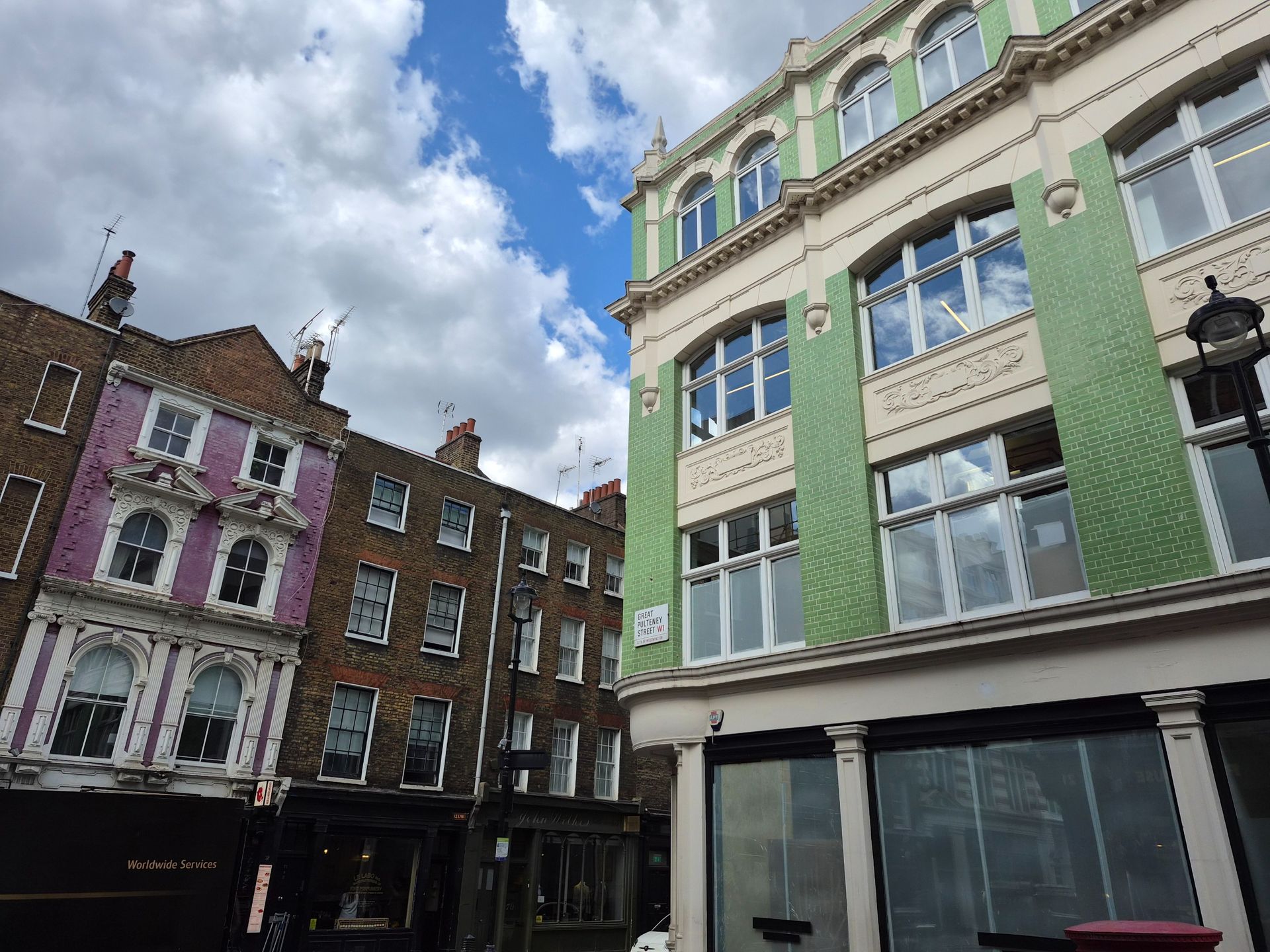



Our first example is a main camera shot of some brightly colored buildings in London’s Soho neighborhood. It’s a tricky one for any camera to balance due to the shaded shopfronts on the left side and the sky and brightly lit building in the center and right side. The Galaxy S26 FE still has some detail to offer in the shadowed brickwork, but Samsung’s strength in bright colors is on full display on the other half of this particular image.
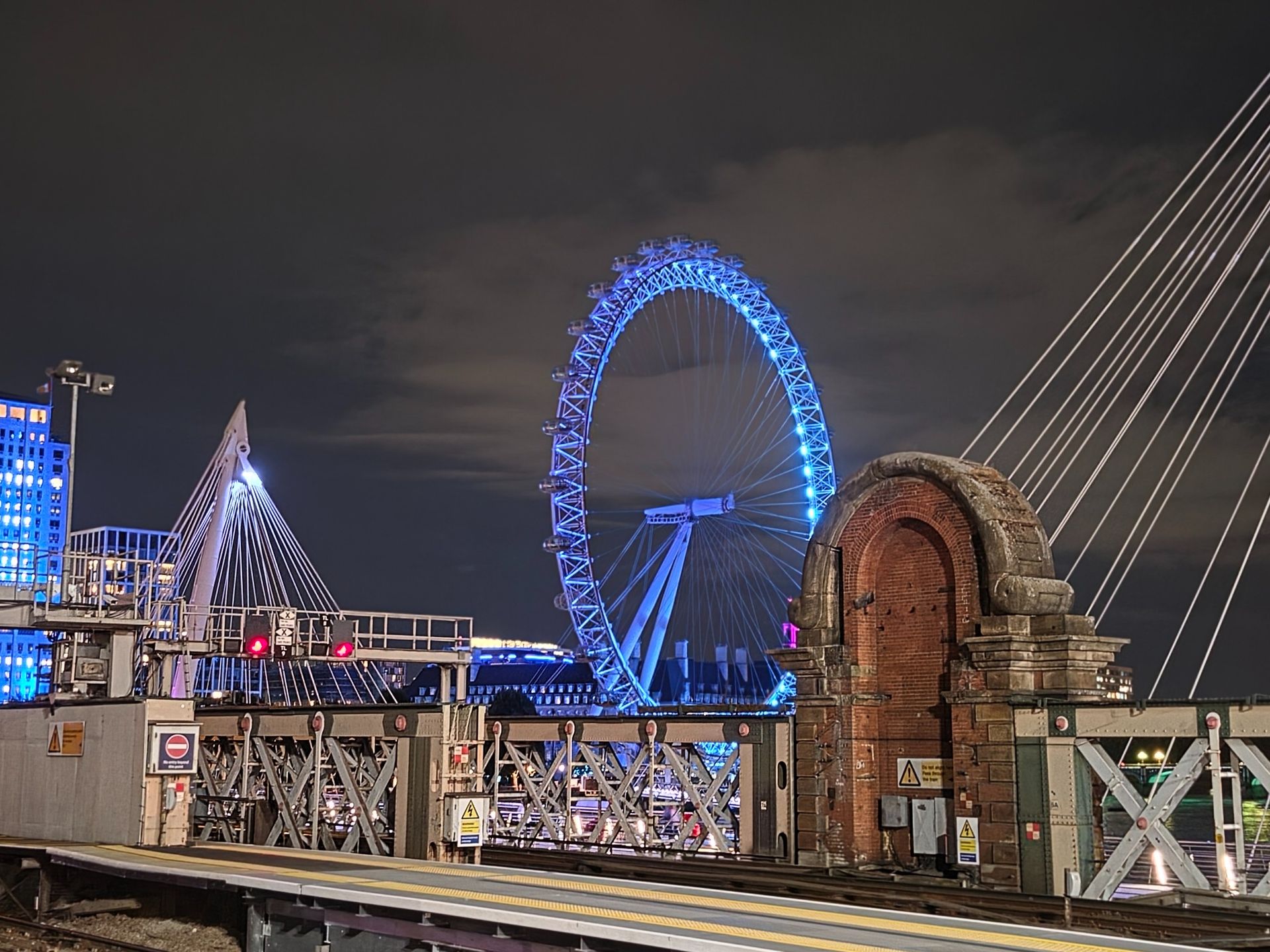
Keeping with the main camera but looking out at the London Eye at night, we see another strong attempt from the Galaxy S26 FE. There’s some softness in the details, but the balance of colors between the lights and the night sky still makes for an appealing shot.
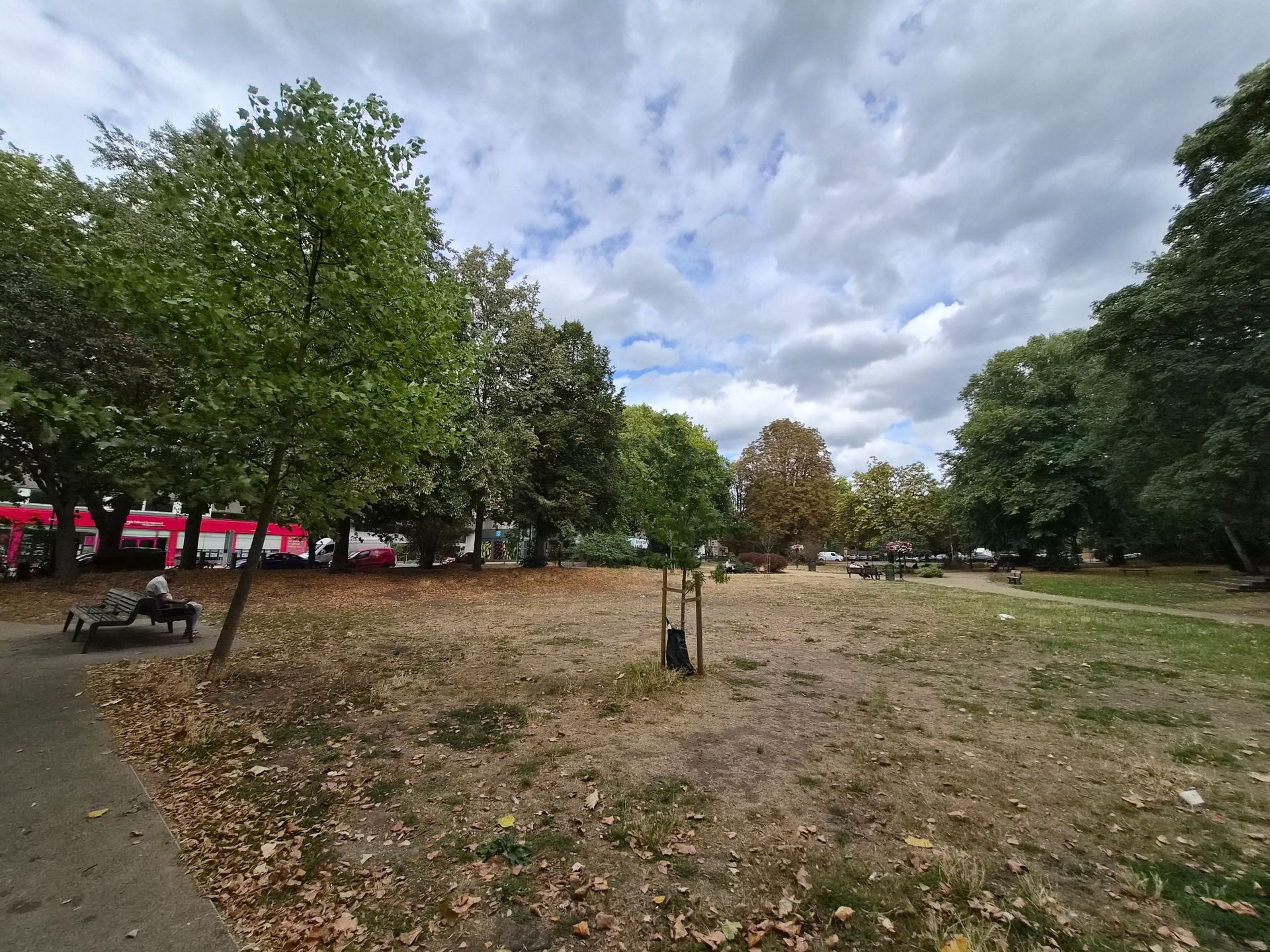
Looking across a sun-scorched park with the ultra-wide camera, we see a shot with plenty of scenery in it, with little to no distortion at the edges. The brightness and colors could use work, though, as even accounting for the patchy grass and overcast sky, things look overly drab.
The two shots of the church bell tower, one at 2x magnification using the S26 FE’s main camera and the other using the 3x telephoto camera, reveal how best to zoom in with this phone’s particular cameras. The in-sensor 2x zoom still keeps the subtleties of the colors and markings within the brickwork and foliage of the shot, thanks to the 50MP main sensor having plenty of pixels to spare even when zoomed in. However, while the telephoto camera has greater reach, the resulting image is darker and flatter, as you might expect from the lower-resolution sensor. It’s more of a trade-off than I’d like to see on a flagship phone’s zoom camera.
I’m normally a fan of Samsung selfies, but I’m not sure I like how the highlights are exposed in this particular shot. Samsung’s excellent portrait algorithm has applied the perfect level of bokeh to this image, however, cutting around my head, and especially my glasses, accurately and applying a gentle blur to the leaves behind.
Having gone through these samples, you’ll see that the Galaxy S26 FE’s photography potential is reasonable, at least for what are arguably the two most important cameras. For future generations of S FE, though, Samsung could do with upping its game if it wants to continue claiming this is a flagship product.
- Camera score: 3 / 5
Samsung Galaxy S26 FE review: Performance
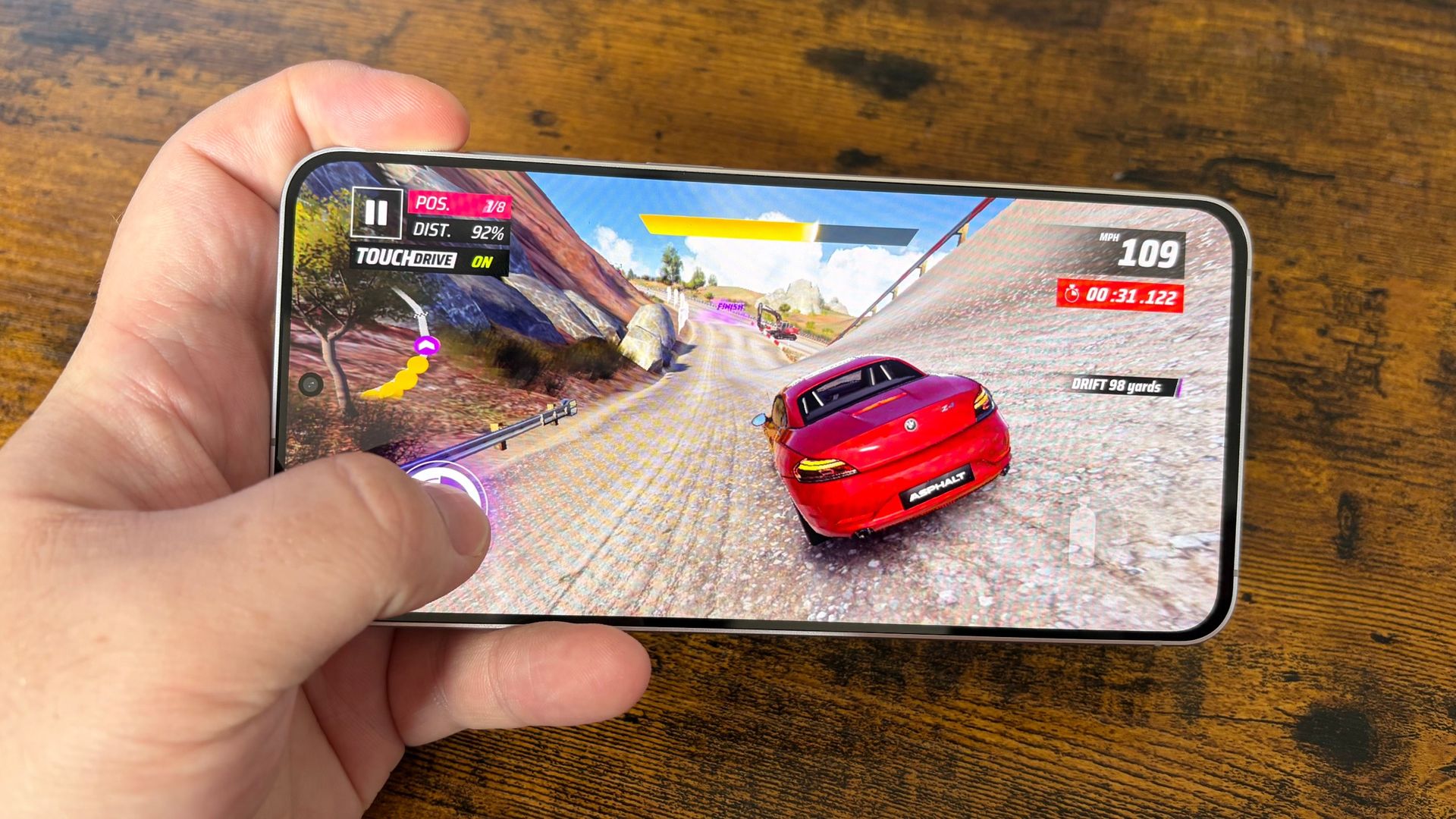
- The Exynos 2500 chip is a good performer, especially for graphics
- 8GB of RAM is limiting for a premium phone in 2026
Here’s an area where I was pleasantly surprised by the Galaxy S26 FE. Samsung’s own Exynos 2500 chipset sits inside the S26 FE, rather than the Snapdragon 8 Elite Gen 5 chip that basically all the other top Samsungs of 2026 are using. But that hasn’t stopped the S26 FE from turning in some decent scores.
As the table below reveals, the Exynos 2500 lags behind slightly in CPU single-core results, but is on par with or ahead of the pack on the rest of the tests. It’s a long way out in front on the Solar Bay benchmark, no doubt thanks to the Exynos’ GPU, which is well-suited to the ray-tracing graphics that this test focuses on.
Samsung Galaxy S26 FE benchmark scores
Samsung Galaxy S26 FE | |
Geekbench 6 single-core | 2,361 |
Geekbench 6 multi-core | 7,831 |
3DMark Wild Life Extreme Stress Test best | 5,116 |
3DMark Wild Life Extreme Stress Test low | 3,456 |
3DMark Solar Bay | 10,526 |
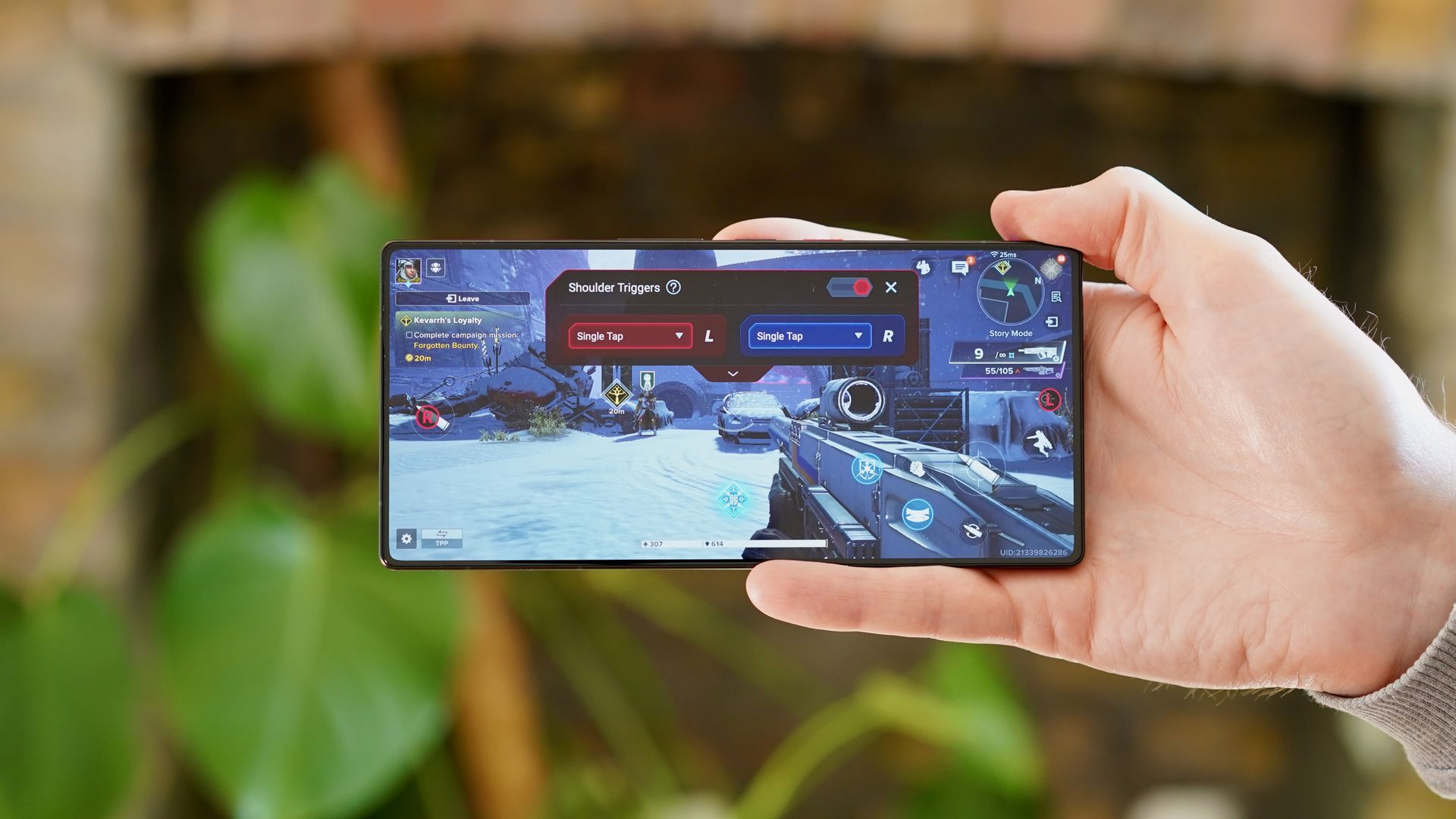
Bearing only 8GB of RAM compared to the 12GB in other premium Samsung phones, the Galaxy S26 FE does struggle with multitasking or intensive apps. While you can still game on this phone happily, it’s not a handset you’ll want to do anything more practical on than standard browsing and messaging.
- Performance score: 4 / 5
Samsung Galaxy S26 FE review: Battery
- The same battery/charging hardware as the more expensive S26 Plus
- Battery life day-to-day is good, while charging is plenty fast enough
Samsung offers the same 4,900mAh battery capacity in the Galaxy S26 FE as it does in the Galaxy S26 Plus. However, according to Samsung’s official battery estimates, the S26 FE doesn’t offer the same battery life, managing 29 hours of video playback compared to the S26 Plus’ 31 hours or the S26’s 30 hours.
For me, I used about 40% of the phone’s battery during a typical day’s use. This included some work, some photography, and some social media scrolling and video watching. The Galaxy S26 FE could definitely survive two days of regular use before needing to charge, as you would hope from a phone with this size of battery.
The Galaxy S26 FE is still equipped for 45W wired charging and 15W wireless charging. That’s the same wired speed as the S26 Plus and Ultra, but the wireless charging is slower, since the FE is not Qi2 compatible.
Using a 45W charger, Samsung estimates a 69% refill for the S26 FE in half an hour. In my own test, I found the S26 FE managed to fill to 43% in 15 minutes and to 100% in 58 minutes. Considering the battery life this phone can manage, a complete refuel in under an hour and getting over two-fifths full in a quarter-hour isn’t bad at all, even if faster options are out there.
- Battery score: 4 / 5
Should you buy the Samsung Galaxy S26 FE?
Samsung Galaxy S26 FE scorecard
Attributes | Notes | Rating |
Value | The cheapest Galaxy S26 model, although not by much post-price hike. | 3.5/5 |
Design | Looks like any other Galaxy S26, except with some fun, unique colors and slightly less durable materials. | 4/5 |
Display | Big and colorful, but lacking detail. | 3.5/5 |
Software | Samsung’s best features come pre-installed, but will soon be available on older phones too. | 4/5 |
Camera | The main and selfie cameras produce strong photos, but the phone’s let down by its ultra-wide and telephoto lenses. | 3/5 |
Performance | A below average RAM capacity is understandable for the price, and the phone still plays games really well. | 4/5 |
Battery | Less efficient than other S26 models, but still long-lasting and fairly fast-charging. | 4/5 |
Buy it if…
You want the big premium Samsung experience for the smallest possible price
The Galaxy S26 FE is the cheapest Galaxy S26, and joint second largest. If you want a big display and long battery life from Samsung for less, then this is the model for you.
Exclusive software and AI features don’t interest you
You do get some excellent tools and toys to play with within One UI 9, but since this update will come to older Samsungs soon enough, this isn’t a phone to buy for this reason alone.
Your performance needs are about average
If you like to play games on your phone, or know you’ll spend long days away from a charger, the S26 FE will suit you well. It doesn’t offer the very best in either power or battery life, but arguably it’s a case of diminishing returns if you spend any more than this.
Don’t buy it if…
You care about photography
Taking snaps with the main and selfie cameras on the S26 FE is easy and results in great photos. But if you want more detail or know you like taking ultra-wide or zoom shots, there are many other phones that will suit you better.
You want the best long-term value
While the S26 FE is cheaper to buy right now, we’d recommend looking at one of Samsung’s more expensive S26 models, or those of another Android brand, if you’re hoping to get as many happy years out of your new phone as possible.
If you’re willing to spend even a few dollars/pounds more
The Galaxy S26 FE sits just below the starting price of typical flagship phones. That means you could save yourself 100 bucks or so, or you can spend the extra and unlock the next tier of hardware and features that could provide far more value to you.
Samsung Galaxy S26 FE review: Also consider
Samsung Galaxy S26 Plus
It’s quite a bit more expensive, but as an investment, it may be worth spending the extra money over the Galaxy S26 FE’s price to secure a phone that outperforms it on every important metric.
Read our full Samsung Galaxy S26 Plus review
Samsung Galaxy S26
Costing only two hundred bucks more than the S26 FE, the standard S26 gives you the premium Samsung experience at the best possible price, even if the display is quite a bit smaller.
Read our full Samsung Galaxy S26 review
Samsung Galaxy S26 FE | Samsung Galaxy S26 Plus | Samsung Galaxy S26 | |
Price (at launch): | $699 / £699 / AU$1,149 | $1,099 / £1,099 / AU$1,849 | $899 / £879 / AU$1,349 |
Dimensions: | 161.6 x 76.9 x 7.4mm | 158.4 x 75.8 x 7.3mm | 149.6 x 71.7 x 7.2mm |
Weight: | 193g | 190g | 167g |
Display: | 6.7-inch Dynamic AMOLED 2X | 6.7-inch Dyanmic AMOLED 2X | 6.3-inch Dynamic AMOLED 2x |
Resolution: | 1080 x 2340 | 3,120 x 1,440 | 2340 x 1080 |
Refresh rate: | 60/120Hz | 120 Hz adaptive | 120 Hz adaptive |
Peak brightness: | 1,900 nits | 2,600 nits | 2,600 nits |
Processor: | Exynos 2500 | Qualcomm Snapdragon 8 Elite Gen 5 for Galaxy | Qualcomm Snapdragon 8 Elite Gen 5 for Galaxy |
RAM: | 8GB | 12GB | 12GB |
Storage: | 128GB / 256GB / 512GB | 256GB, 512GB | 256GB, 512GB |
OS: | Android 17 with One UI 9, 7 years of updates | Android 16 with One UI 8.5, 7 years of updates | Android 16 with One UI 8.5, 7 years of updates |
Cameras: | 50MP wide (f/1.8), 12MP ultra-wide (f/2.2), 8MP 3x telephoto (f/2.4) | 50MP main (f/1.8), 12MP ultra-wide (f/2.2), 10MP telephoto with 3x optical zoom (f/2.4) | 50MP main (f/1.8), 12MP ultra-wide (f/2.2), 10MP telephoto with 3x optical zoom (f/2.4) |
Selfie cameras: | 12MP front camera (f/2.2) | 12MP (f/2.2) | 12MP (f/2.2) |
Battery: | 4,900 mAh | 4,900 mAh | 4,300mAh |
Charging: | 45W wired, 15W wireless | 45W wired, 15W wireless | 25W wired, 15W wireless |
Colors: | Blueberry, Graphite, Pistachio | Cobalt Violet, Sky Blue, White, Black, Silver Shadow, Pink Gold | Cobalt Violet, Sky Blue, White, Black, Silver Shadow, Pink Gold |
How I tested the Samsung Galaxy S26 FE
☑️ 100s of smartphones reviewed
☑️ 15 years of product testing
☑️ Over 16,000 products reviewed in total
☑️ Nearly 200,000 hours testing tech
I reviewed the Samsung Galaxy S26 FE over the course of two weeks as a work phone, using it for writing stories, answering emails and messages, watching video and playing games. I did this both at home and on the move with a SIM card installed.
Specific tests included running Geekbench 6 CPU benchmarks and 3DMark graphics benchmarks, a charging speed test using a compatible third-party charger, the taking of hundreds of photos across all of the S26 FE’s cameras to test image quality, and the careful monitoring of battery drain during use to figure out how reasonable the manufacturer’s battery life promises are.
First reviewed: September 2026