❌

Reading view

There are new articles available, click to refresh the page.

I’m sick of Google running my life, but the /e/OS Fairphone wasn't the de-Googled solution I needed

I don’t know what I’d do without Google.

I rely on its search engine for answers to all my questions; I’m writing this article up using Google Docs; its Calendar and Gmail apps help run my life; my phone and tablet are both powered by Android; Chrome is my go-to browser of choice; Google manages my passwords and is my authenticator app for 2FA, and I watch an ungodly amount of YouTube — I could go on, but you get the picture.

It’s scary if you sit and think about Google's stranglehold over our daily lives for too long, and so I’ve been desperate to try and de-Google where possible. I was glad, then, when the Fairphone 6 Plus came across my desk.

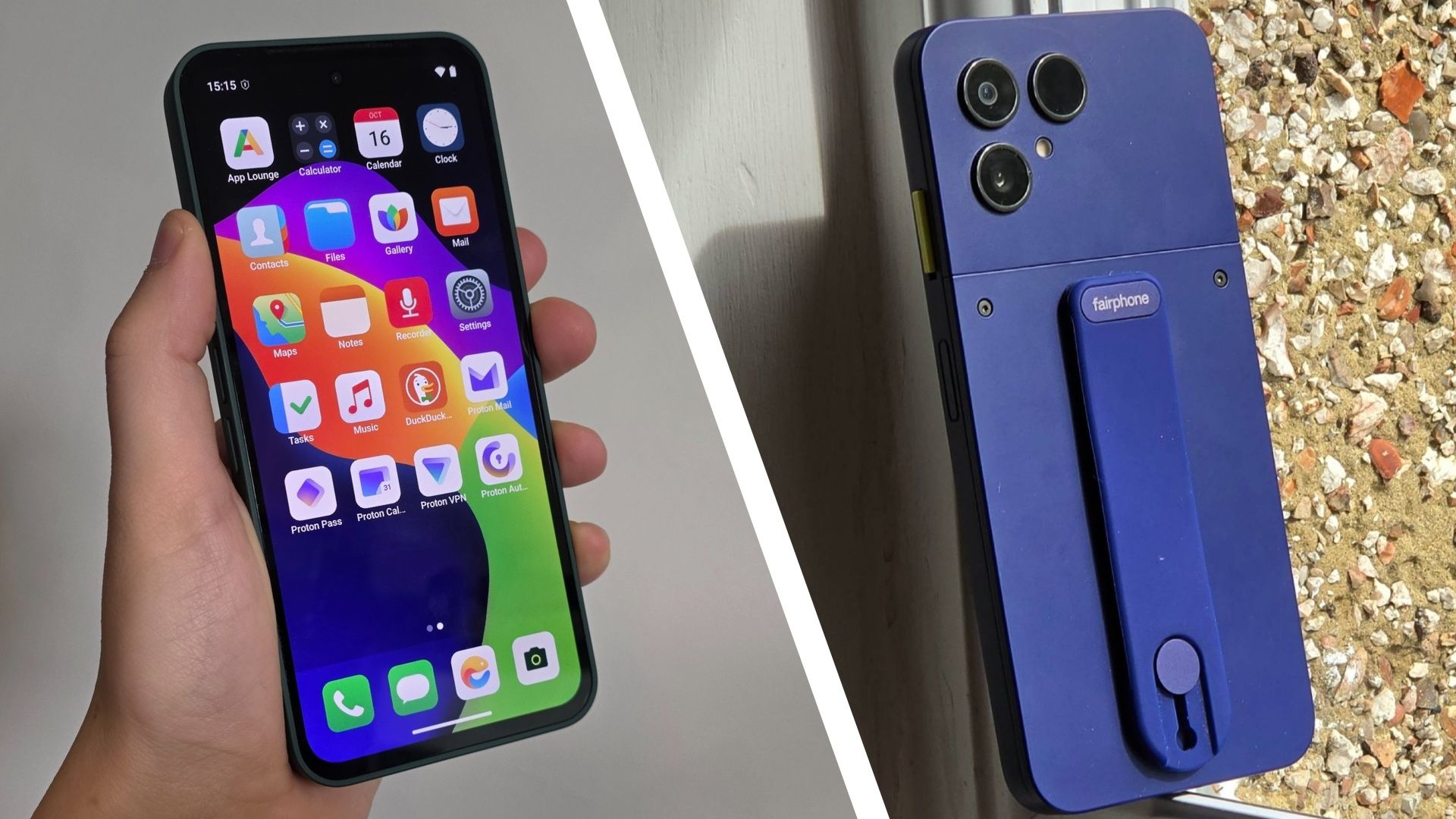
The standard Fairphone 6 Plus runs Android 16, but the model I’ve been testing for the past month comes preinstalled with /e/OS. This custom mobile OS removes all proprietary Google services, tracking, and built-in Google apps, but is still technically a fork of Android, which means it plays nice with many Android-compatible apps (solving one of the biggest hardware barriers to de-Googling).

The /e/OS Fairphone 6 Plus is available exclusively through Murena for $699.99 / £583 (around AU$1,009); that's slightly more than the standard model, which retails for $649.99 / £569 (roughly AU$1,100).

Armed with this Google-free phone and a list of apps to install, I was ready to see if I could de-couple from Google once and for all.

But after one month of trying, I’ve given up.

What is de-Googling?
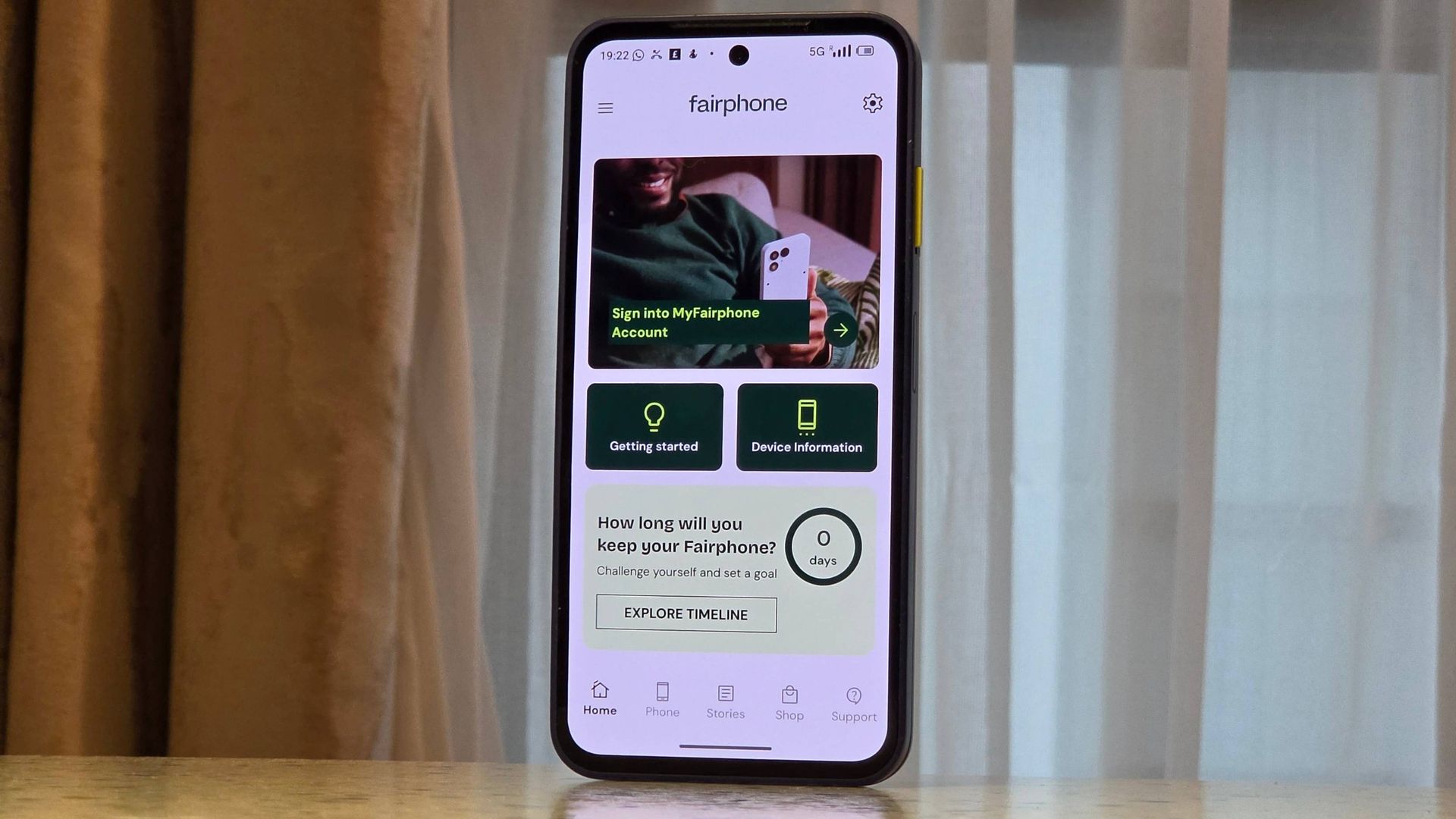
The Fairphone 6 Plus on a table, showing the Fairphone app.

The Fairphone 6 Plus is available in a de-Googled /e/OS confuguration (Image credit: Future)

This steadily growing trend is, as the name suggests, an approach to choosing software and hardware that's devoid of Google’s interference — specifically, de-Googling involves choosing options that have stronger privacy protections for users and less data-tracking services.

But this isn't just a matter of hopping over to Apple's iOS ecosystem and calling it a day (iPhones, of course, can access almost all Google services). It’s about maximizing privacy in a way that doesn't lock you into a walled garden. For some, de-Googling is also about de-Americanizing — that is, finding hardware and software produced outside of the United States.

Especially in the wake of the US government sanctioning International Criminal Court (ICC) lawyers, which left them unable to access essential online services, and previous efforts to ban non-US citizens from accessing the top-tier AI models, it's understandable that some people want to find tech alternatives produced either in their home region or by more stable allies.
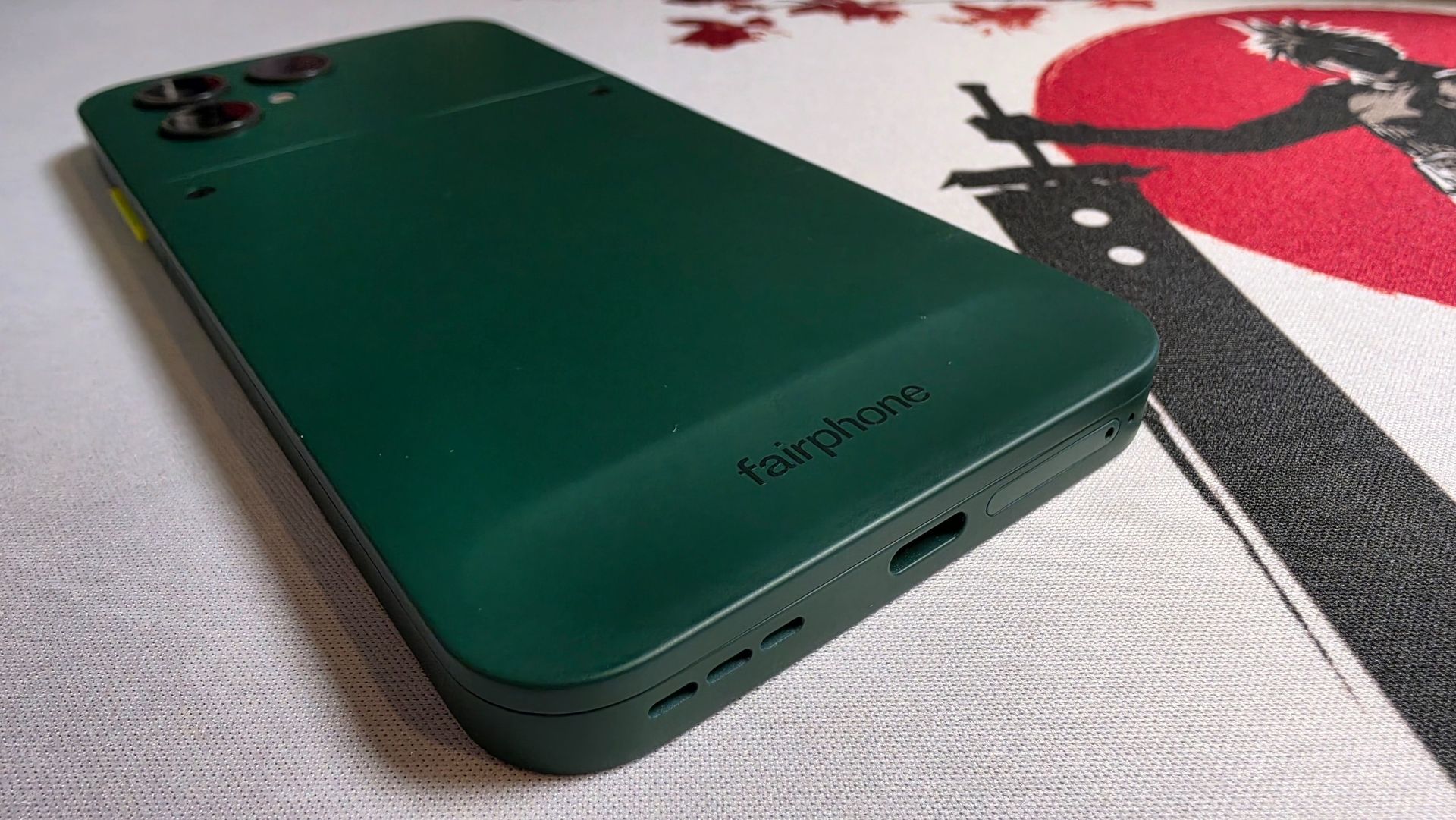
The Fairphone 6 in green running /e/ OS

The Fairphone 6 Plus in Forest Green (Image credit: Future)

In my case, I used the Fairphone 6 Plus as my day-to-day smartphone, swapped my default search engine to DuckDuckGo, and installed services like Proton to manage my mail.

Instantly, I was glad to be able to access the /e/OS and platforms like its App Lounge (its built-in app store) without a login, which kept my activity anonymous to some extent.

I also liked the neat Advanced Privacy widget, which not only lets you block in-app trackers, hide your IP address, and disguise your location on the fly, but also includes a neat graphic showing how many data leaks you've been shielded from over the last 30 days. It gamifies the experience of de-Googling in a fun way.
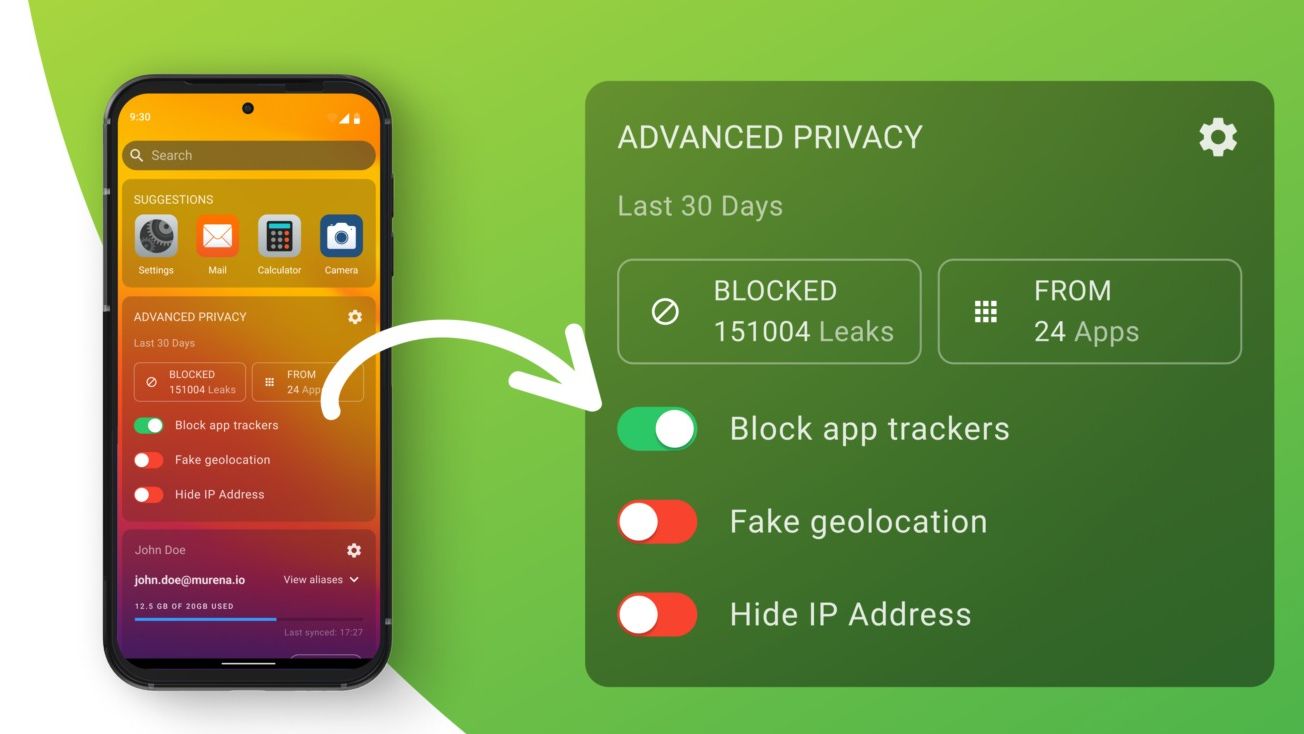
A graphic showing the Advanced Privacy feature in /e/OS

The Advanced Privacy widget in /e/OS (Image credit: Murena)

And while Proton offers paid tiers, I was able to trial its encrypted mail service with a free account, keeping my costs just as low as they were before I switched from my previous Android phone (albeit with a more limited service).

But for all of these early wins, I started to rub up against the more frustrating realities of de-Googling just as quickly.

/e/OS lacks some must-have Android optimizations — even simple ones, like the option to arrange apps how you want across pages (instead, it takes the Apple approach of apps automatically filling up pages; you can’t create gaps or custom arrangements beyond folders and reordering them).

Others on Reddit have also flagged the jankiness of the aforementioned App Lounge and the difficulty in finding navigation apps comparable to Google Maps. I don't live in a major city, so this hasn't been a big red flag for me, but it's true that most Google Maps alternatives lack the coverage and public transport integration to be relied upon.

Plus, while you can use a free version of services like Proton (like I did), I’d need to pay $12.99 / £10.39 / AU$20.79 a month (or equivalent to $9.99 / £7.99 / AU$15.99 if billed annually) for the experience I got from Google for free, which does add up at a time when costs are rising, and I’d ideally be tightening my purse strings. Remember, too, that this is not a cheap phone.
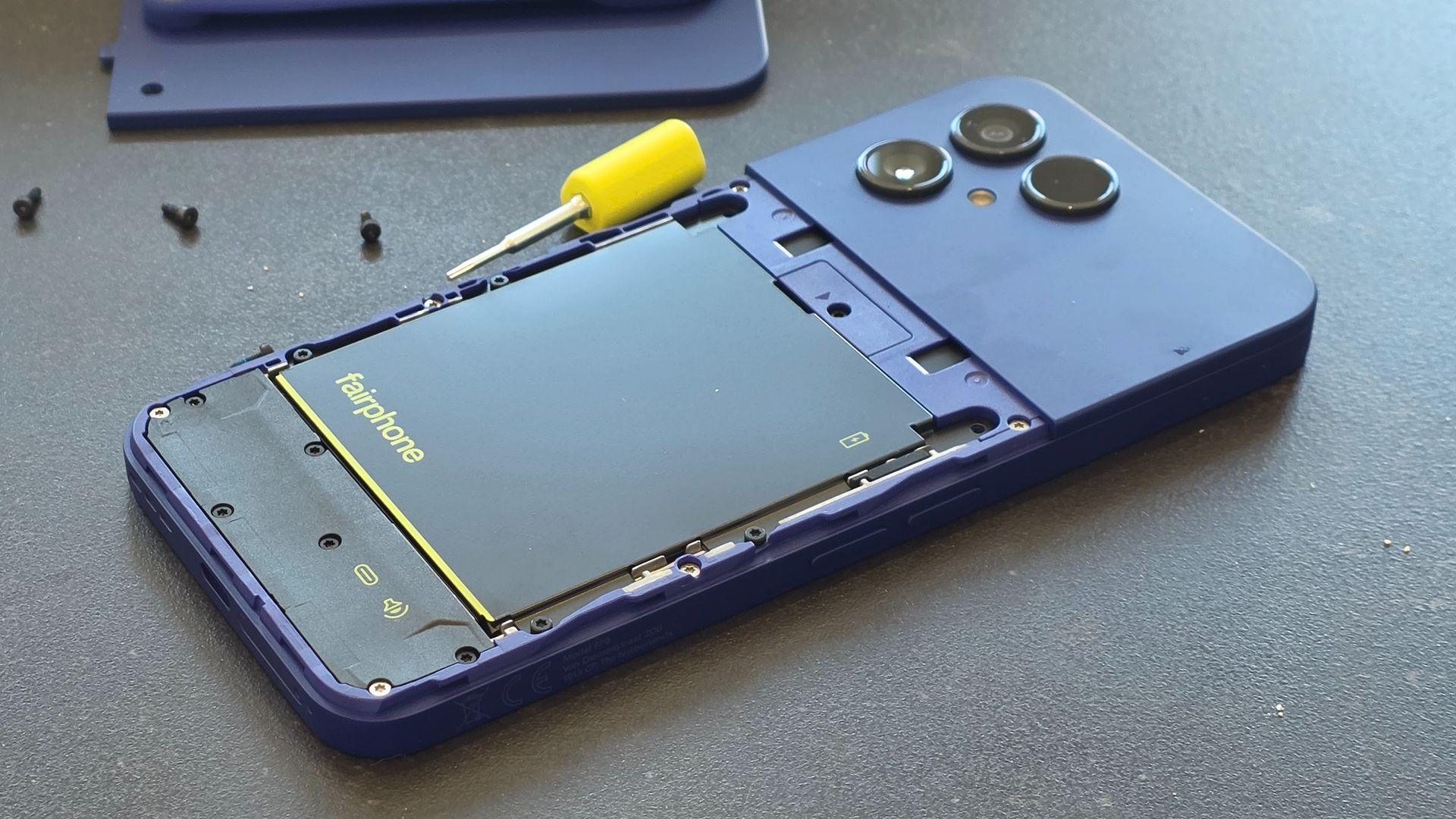
The Fairphone Gen 6 Plus resting on a black table

The Fairphone 6 Plus is a modular, easily repairable smartphone (Image credit: Future)

My frustrations also went beyond the general chore of untangling Google from my life.

I butted up against issues with the Fairphone 6 Plus specifically — its sluggish chipset and good-but-not-great cameras left me wanting to go back to my Android-powered Samsung Galaxy Z Fold 8 Ultra on several occasions.

I do appreciate the Fairphone's modular, eco-friendly construction, and in our Fairphone 6 Plus review, we noted that its Snapdragon 7s Gen 4 chipset "starts sluggishly" before finding its feet in general use.

I'm also lucky enough to be able to test the best Android phones (like the Galaxy Z Fold 8 Ultra) on a regular basis, so I've perhaps been spoiled by their flagship-level performance straight out of the box.

You may, therefore, not encounter the same hardware frustrations, but trying to de-Google on the Fairphone 6 Plus felt like a double-whammy of difficulty.

In for a penny…

The problem with de-Googling is that it’s full of friction points. And I’ve found that when it comes to tackling that friction, people are very binary — they either want next to none, or, if they’re willing to accept some, they’d also be willing to accept a lot to make their privacy-focused tech dreams a reality.

That is to say, if people want to go the proper de-Googling route — and my 'people', I mean the folks willing to put in the effort to find the best app alternatives, and change out their hardware — they are also likely willing (and have the technical confidence) to take the step of installing GrapheneOS on a Google Pixel phone.

The GrapheneOS/Pixel combination still has its drawbacks, but its privacy features are more robust than those you'll find in /e/OS, and newer Pixel models like the Pixel 10 Pro and Pixel 10a edge out the Fairphone 6 Plus in terms of hardware (which, crucially, would be the only Google involvement in this solution).
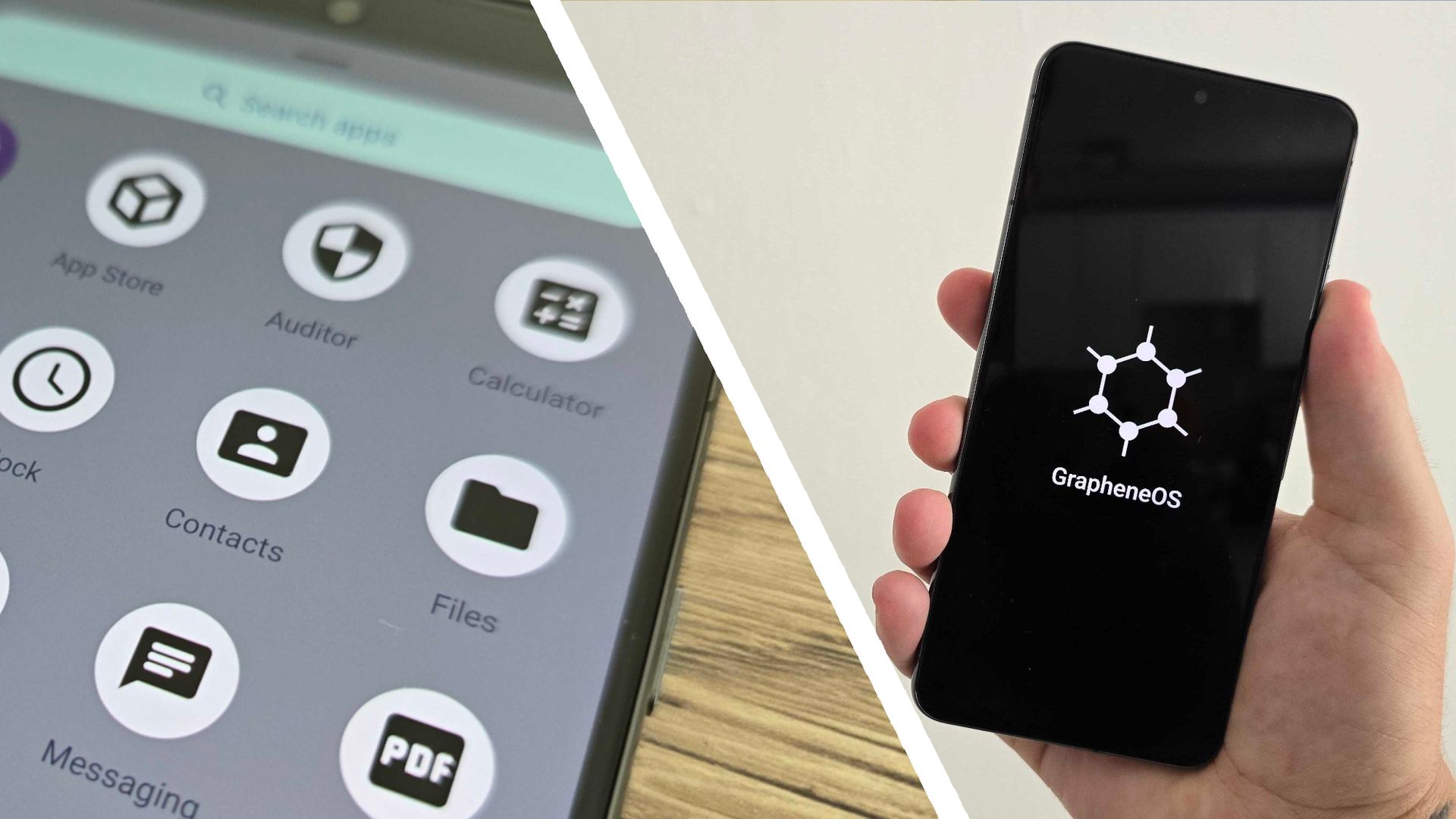
GrapheneOS showing on a Pixel 8 Pro

GrapheneOS is a free, open-source operating system focused on privacy and security (Image credit: Future // Rob Dunne)

Meanwhile, anyone wanting to take the easy route could just switch to Apple.

The Cupertino company's privacy promises are bold (even following its push into AI), and while picking up an iPhone wouldn't technically be de-Googling in purists' eyes, iPhones are slightly better options than regular Android phones for the mildly privacy-conscious.

That leaves the /e/OS Fairphone 6 Plus caught between two paths.

Its privacy features are great, and again, Fairphone deserves credit for offering a truly sustainable smartphone solution. But as someone who was genuinely excited to try to de-Google, I'm not sure whether the trade-offs in both software convenience and hardware quality are worth the hassle.

Still, with some tweaks made to /e/OS and a more flagship-level Fairphone, I'd be willing to try again.
Samsung Galaxy S26 FE vs Samsung Galaxy S26: which should you buy?

Samsung
Galaxy S26 FE

The Samsung Galaxy S26 FE is the cheapest way in to the Galaxy S26 line and benefits from a big screen and battery, but it's a notable step down from the standard S26 in most other ways.

Pros

  • Big 6.7-inch screen
  • Relatively high capacity battery
  • Cheapest entry point

Cons

  • Less powerful chipset
  • Less capable cameras
  • Slightly worse screen
Samsung
Galaxy S26

The Samsung Galaxy S26 is a powerful phone with a great screen and capable cameras, but while not the most expensive model in the S26 series, it does cost a fair bit more than the FE.

Pros

  • Top-end chipset
  • Great triple-lens camera
  • Superb — if small — screen

Cons

  • Costs quite a lot
  • Lower capacity battery
  • Slower charging

Samsung's Galaxy FE line has always been a slightly odd proposition. In theory, these phones are cheaper alternatives to standard numbered Galaxy phones, offering Plus-sized screens at an affordable price. But they've steadily gotten more expensive over the years, and some FE phones are more well-rounded than others.

That makes choosing between a Samsung Galaxy S26 FE and a Samsung Galaxy S26 more complicated than just choosing between a pricier phone and a cheaper one.

In this guide, then, we'll walk you through the key differences between these two phones, comparing their displays, designs, performance credentials, and more.

Samsung Galaxy S26 FE vs Samsung Galaxy S26: specs comparison

The table below provides a brief overview of how the Galaxy S26 FE and Galaxy S26 compare in terms of specs.

Samsung Galaxy S26 FE

Samsung Galaxy S26

Dimensions:

161.6 x 76.9 x 7.4mm

149.6 x 71.7 x 7.2mm

Weight:

193g

167g

Display:

6.7-inch Dynamic AMOLED 2X

6.3-inch Dynamic LTPO AMOLED 2X

Refresh rate:

60Hz–120Hz

1Hz-120Hz

Peak brightness:

1,900 nits

2,600 nits

Chipset:

Exynos 2500

Snapdragon 8 Elite Gen 5 / Exynos 2600

RAM:

8GB

12GB

Rear cameras:

50MP main, 12MP ultra-wide, 8MP telephoto

50MP main, 12MP ultra-wide, 10MP telephoto

Front camera:

12MP

12MP

Battery:

4,900mAh

4,300mAh

Charging:

45W wired, 15W wireless

25W wired, 15W wireless

Storage:

128GB / 256GB / 512GB

256GB / 512GB

Samsung Galaxy S26 FE vs Samsung Galaxy S26: price and availability

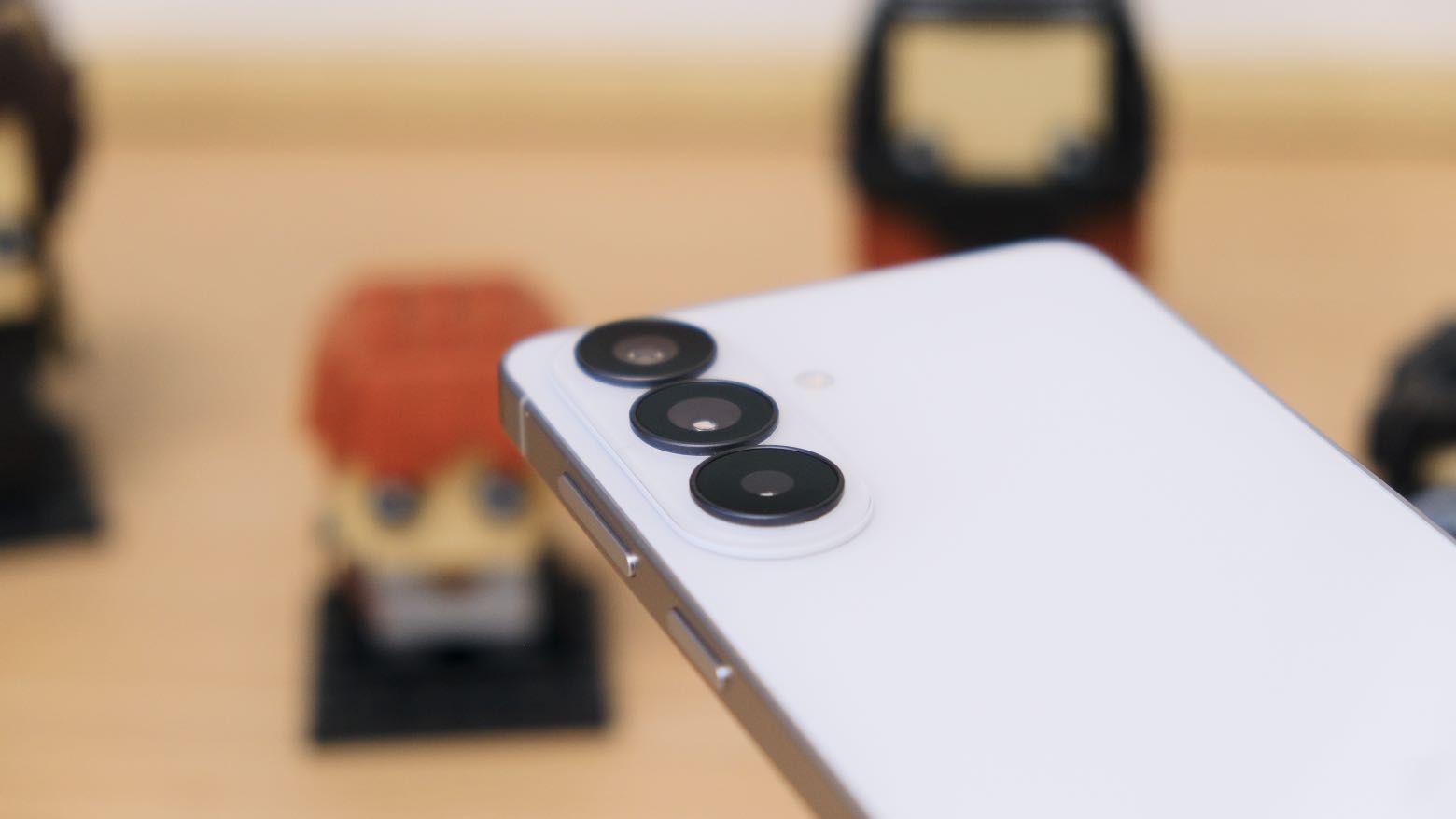
Samsung Galaxy S26 FE back
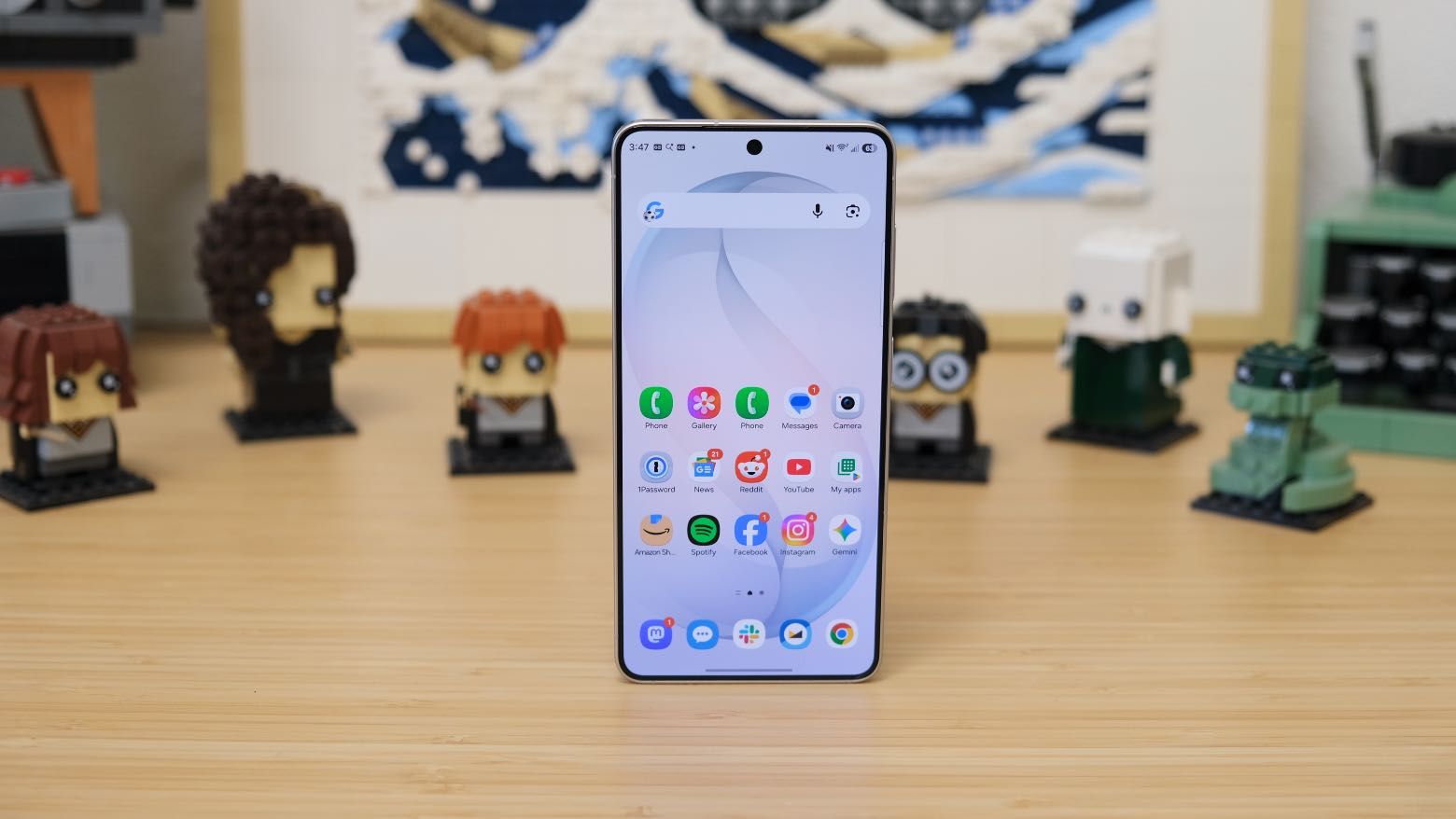
The Samsung Galaxy S26 FERichard Priday / TechRadar
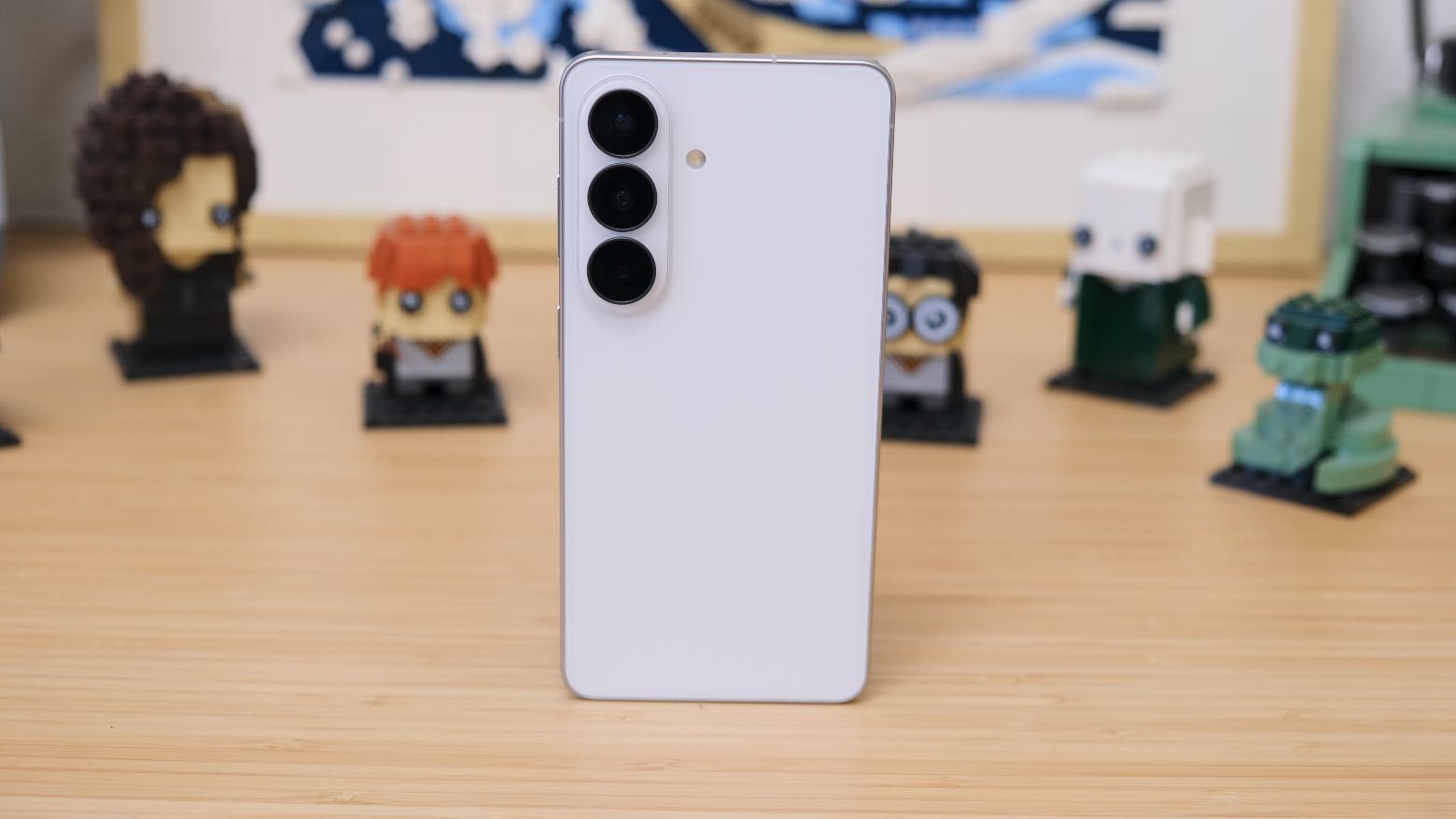
The Samsung Galaxy S26 resting on a wooden table
The Samsung Galaxy S26Future

The Samsung Galaxy S26 FE was announced in late August 2026 and shipped in November, with the phone now widely available. It starts at $699.99 / £699 / AU$1,149, which gets you a model with 128GB of storage. But there’s also a 256GB model for $799.99 / £799 / AU$1,299 and a 512GB model for £949 / AU$1,599 — though this version is not available in the US.

The Samsung Galaxy S26 went on sale in March 2026 and is also available globally. It costs $999.99 / £959 / AU$1,649 for a 256GB model, rising to $1,199.99 / £1,129 / AU$1,949 for a 512GB version. It’s worth noting that the Galaxy S26 actually cost less than $999.99 / £959 / AU$1,649 at launch, but thanks to the ongoing RAM crisis, its price has since gone up, rather than down.

In any case, that makes the starting price of the Galaxy S26 FE some $300 / £260 / AU$500 less than that of the Galaxy S26, but that’s for a model with just 128GB of storage, which is less than the Galaxy S26 comes with as standard. Looking at the 256GB models of each phone, the Galaxy S26 FE costs $200 / £160 / AU$350 less.

Samsung Galaxy S26 FE pricing

Storage

US price

UK price

AU price

128GB

$699.99

£699

AU$1,149

256GB

$799.99

£799

AU$1,299

512GB

Not available

£949

AU$1,599

Samsung Galaxy S26 pricing

Storage

US price

UK price

AU price

256GB

$999.99

£959

AU$1,649

512GB

$1,199.99

£1,129

AU$1,949

Samsung Galaxy S26 FE vs Samsung Galaxy S26: design

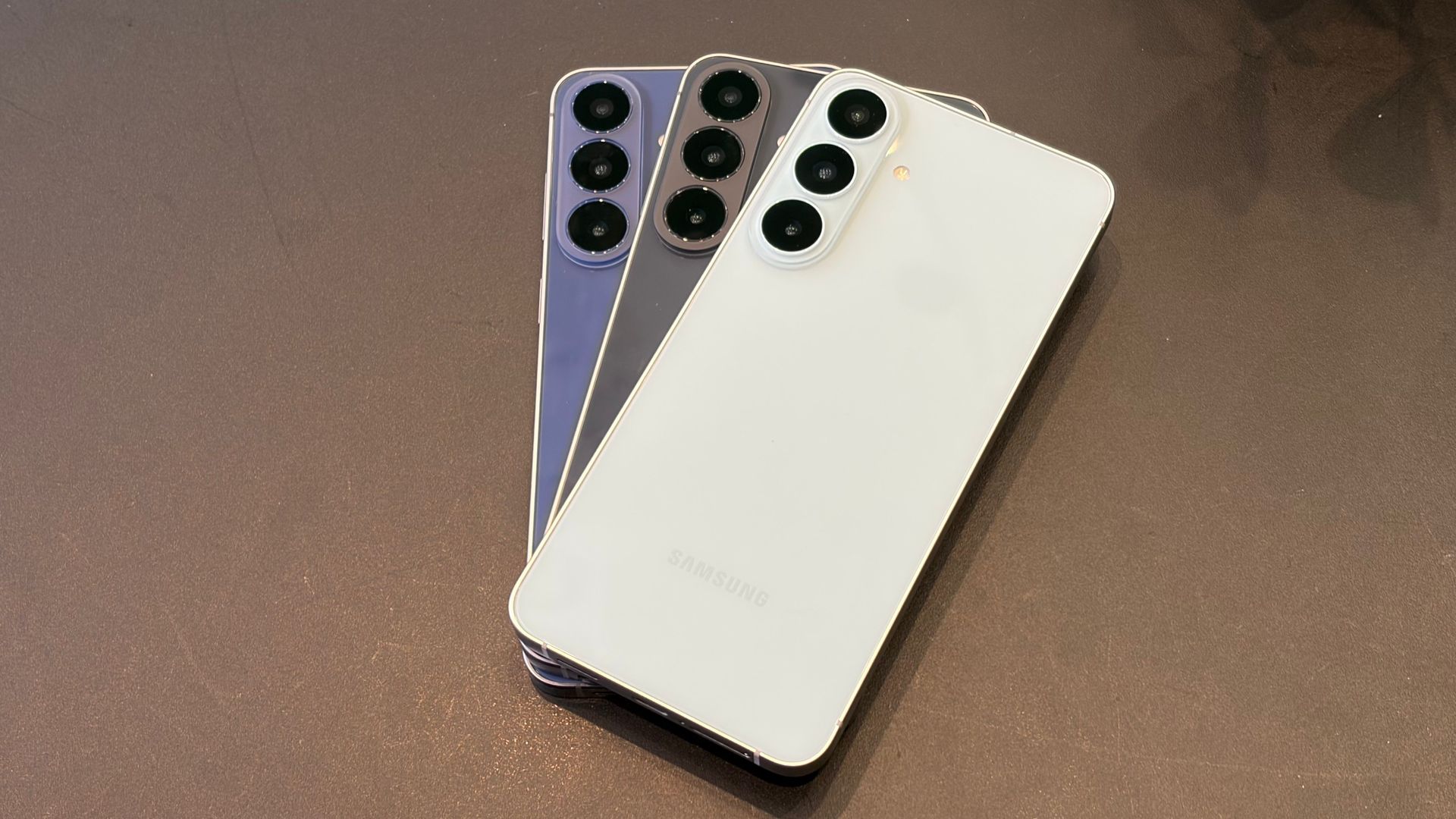
Samsung Galaxy S26 FE colors
The Samsung Galaxy S26 FERichard Priday / TechRadar
The Samsung Galaxy S26 resting on a wooden table
The Samsung Galaxy S26Future

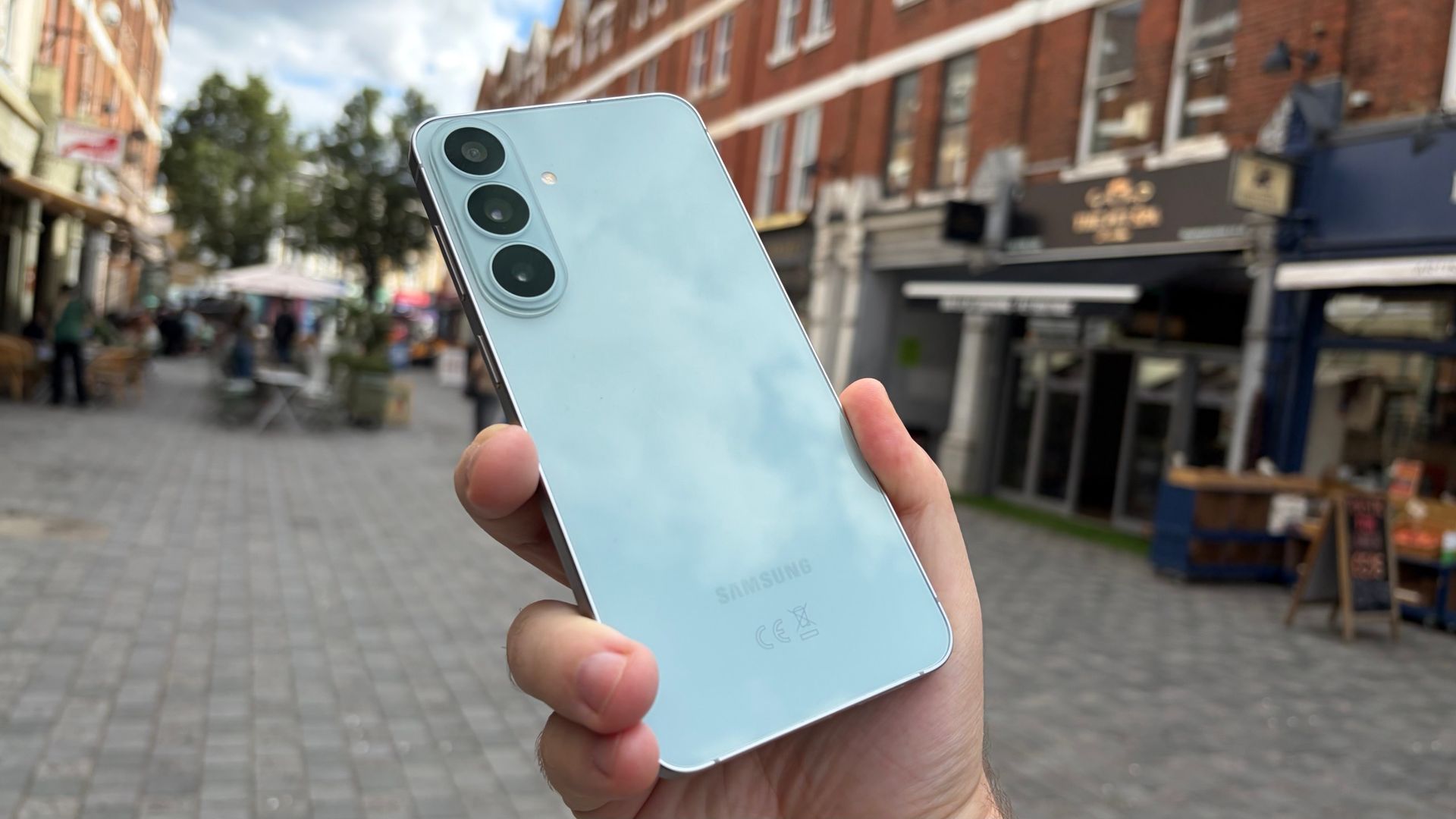
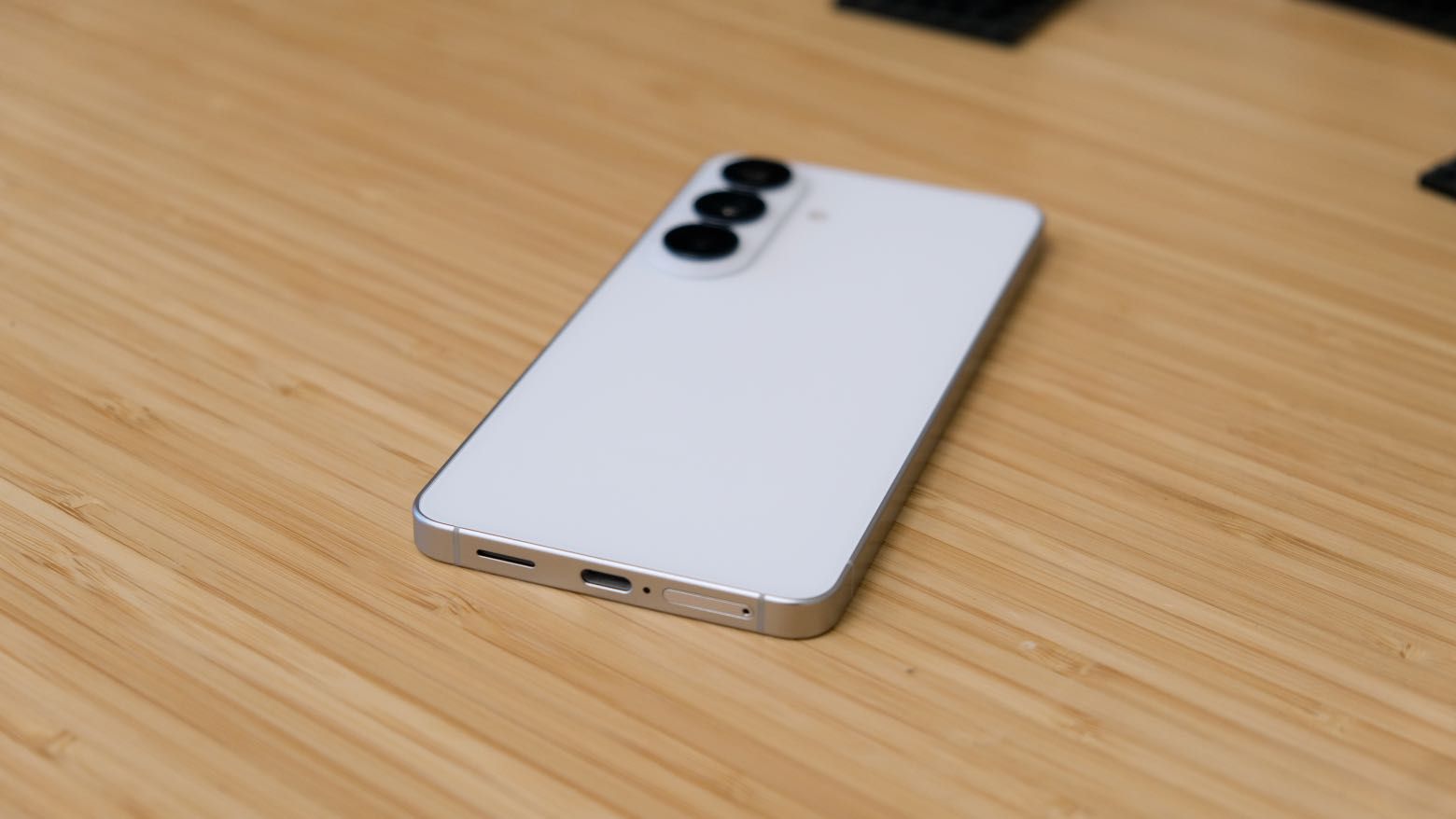
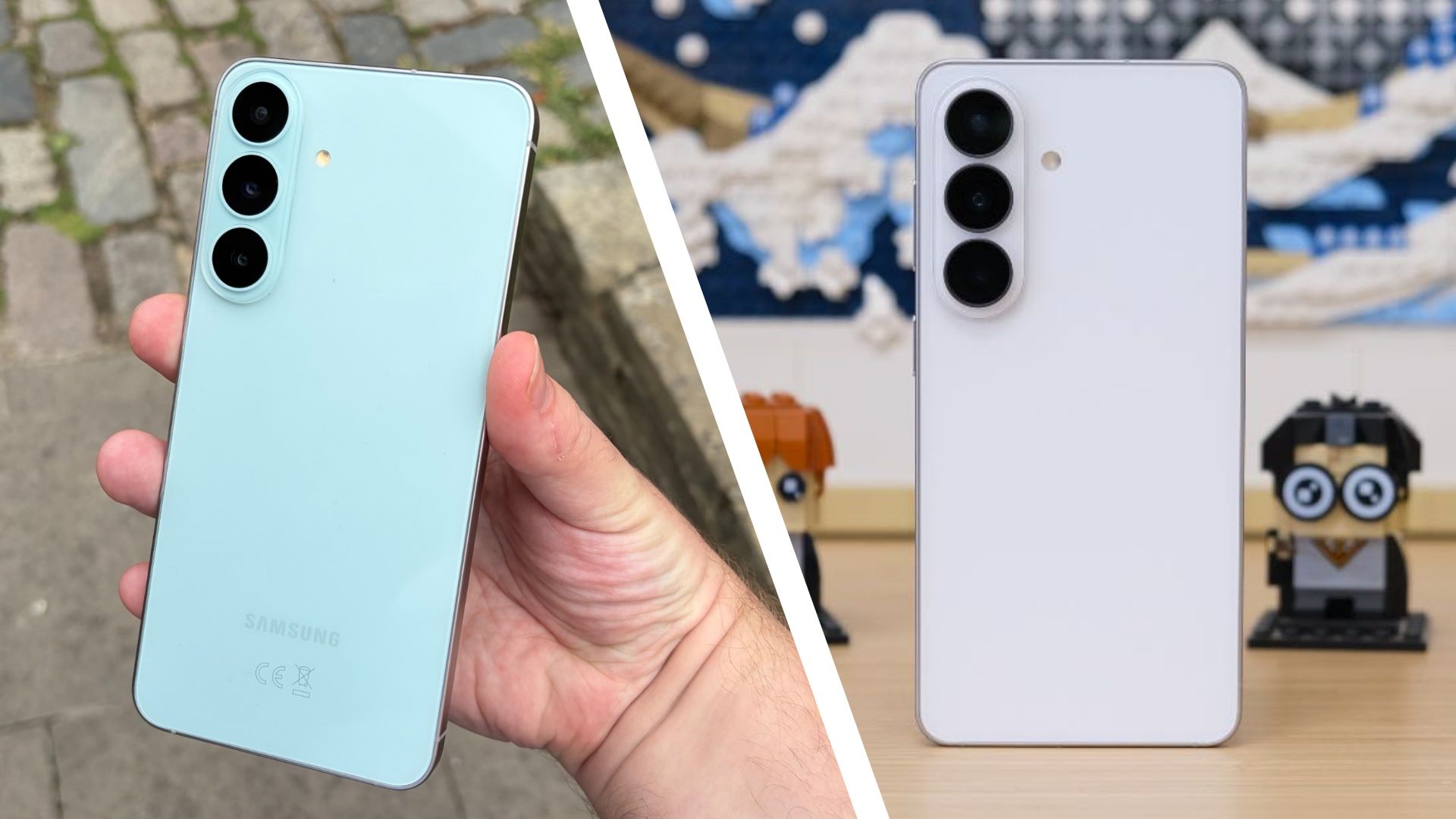
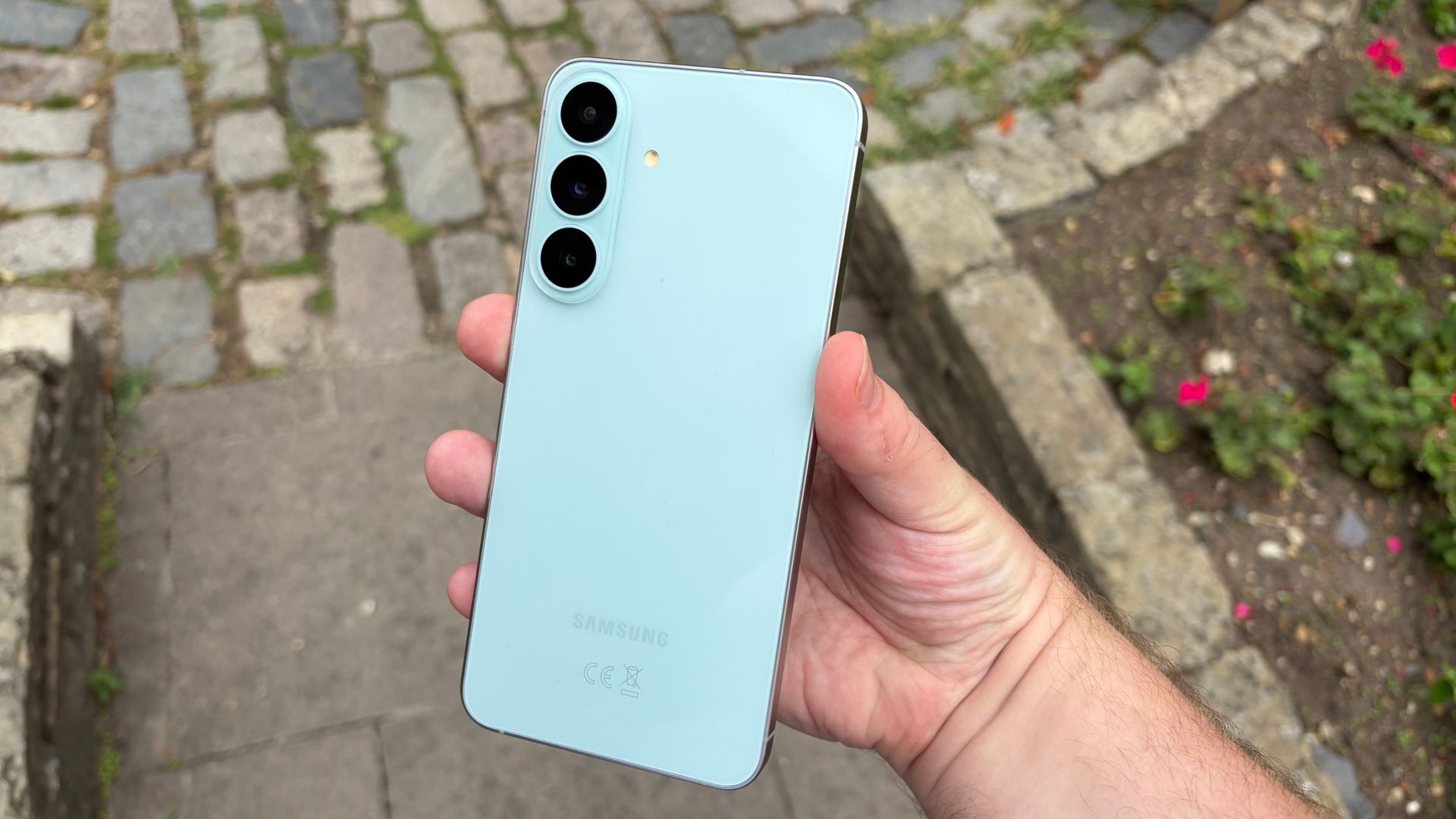
The Samsung Galaxy S26 FE and Samsung Galaxy S26 have quite similar designs, with flat screens, punch-hole cameras at the top of their respective displays, and triple-lens cameras arranged vertically on their rear panels.

They also both have glass backs and aluminum frames, as well as IP68 ratings — meaning they’re dust-tight and can be submerged in up to 1.5 meters of water for up to 30 minutes.

However, the Samsung Galaxy S26 should be slightly tougher than the FE overall, as it has Gorilla Glass 2 protection, while the FE uses Gorilla Glass+.

There are bigger differences in their colors, though, with the Galaxy S26 FE being sold in Blueberry, Graphite, and Pistachio, and the Galaxy S26 available in Cobalt Violet, Sky Blue, Black, White, Silver Shadow, and Pink Gold.

And their weights and dimensions differ too: the Galaxy S26 FE measures 161.6 x 76.9 x 7.4mm and weighs 193g, while the Galaxy S26 measures 149.6 x 71.7 x 7.2mm and weighs 167g. So the FE is bigger, thicker, and heavier — but it does also have a larger screen.

In our Samsung Galaxy S26 FE review, we described it as “worthy of the Galaxy S name in terms of looks and durability,” while in our Samsung Galaxy S26 review, we praised “a tried-and-true design that looks great.”

Samsung Galaxy S26 FE vs Samsung Galaxy S26: display

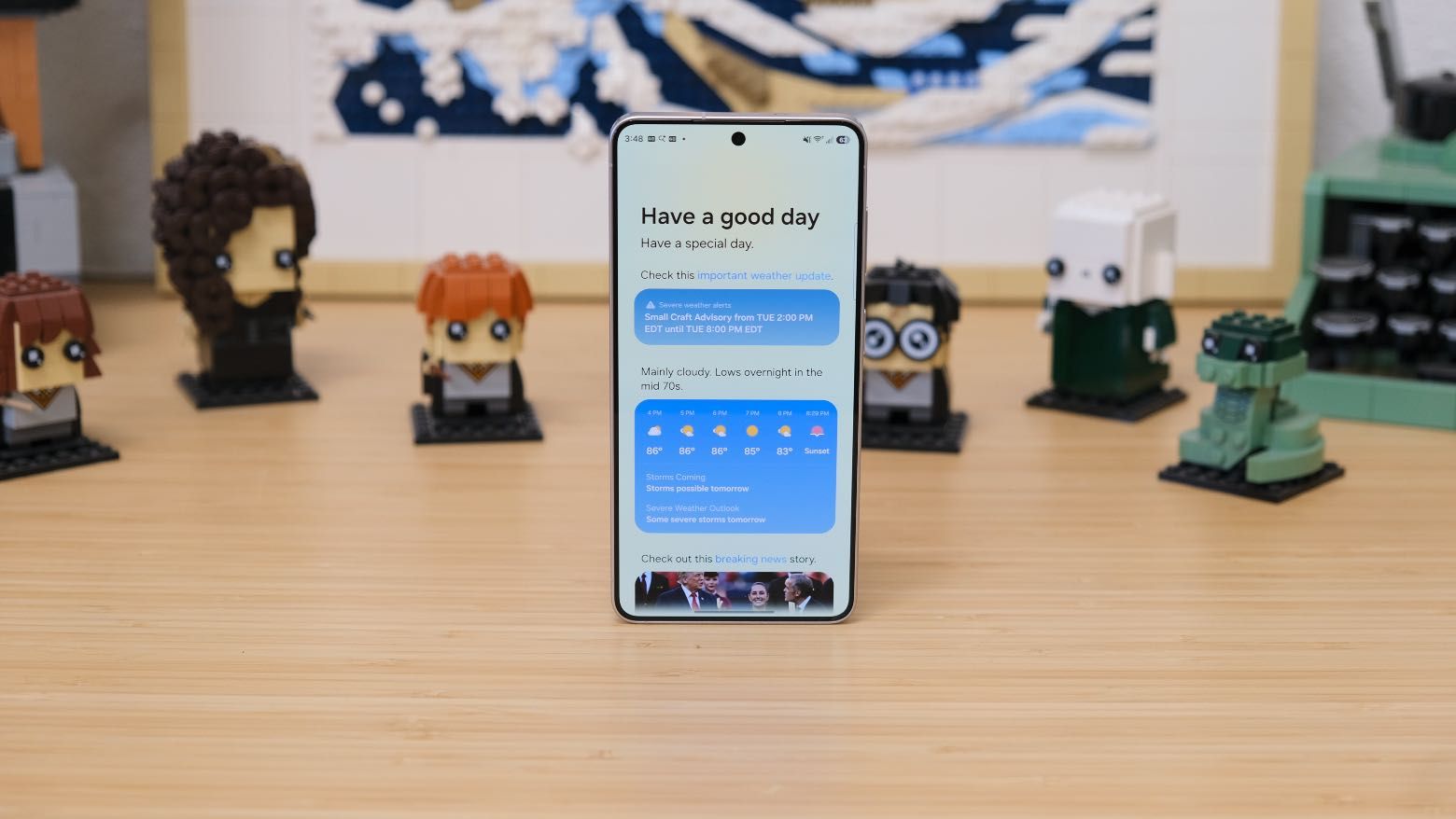
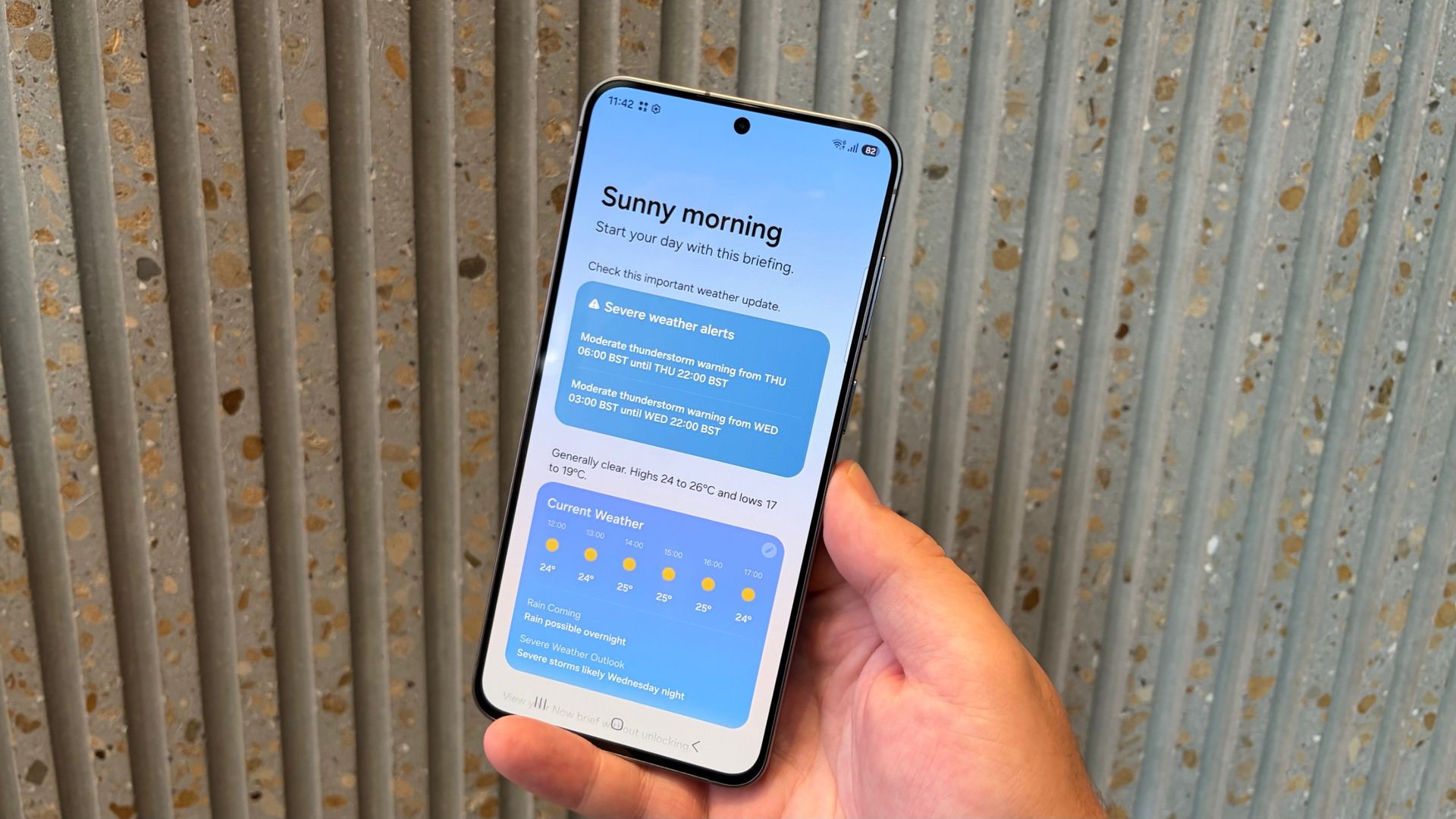
Samsung Galaxy S26 FE Now Brief
The Samsung Galaxy S26 FERichard Priday / TechRadar
The Samsung Galaxy S26 resting on a wooden table
The Samsung Galaxy S26Future

The Samsung Galaxy S26 FE has a 6.7-inch 1080 x 2340 AMOLED screen with a 120Hz refresh rate, around 385 pixels per inch, and a peak brightness of 1,900 nits.

The standard Samsung Galaxy S26 is smaller, with a 6.3-inch 1080 x 2340 AMOLED screen that has a 120Hz refresh rate, roughly 411 pixels per inch, and a peak brightness of 2,600 nits.

So these two screens use similar tech and are the same resolution, but in being smaller, the Galaxy S26’s display is also slightly crisper, and it has a higher peak brightness. Plus, while the Galaxy S26 can switch its refresh rate from 1Hz all the way to 120Hz depending on what the screen is displaying, the Galaxy S26 FE only has static 60Hz and 120Hz capabilities.

Our Samsung Galaxy S26 FE review described its screen as “big and colorful, but lacking detail,” while our Samsung Galaxy S26 review said it has “a display that hits all the marks of what you’d want in a flagship phone.”

So the standard Galaxy S26 has the better screen overall, but if you want a massive display, then the Galaxy S26 FE is the obvious choice out of these two phones.

Samsung Galaxy S26 FE vs Samsung Galaxy S26: cameras

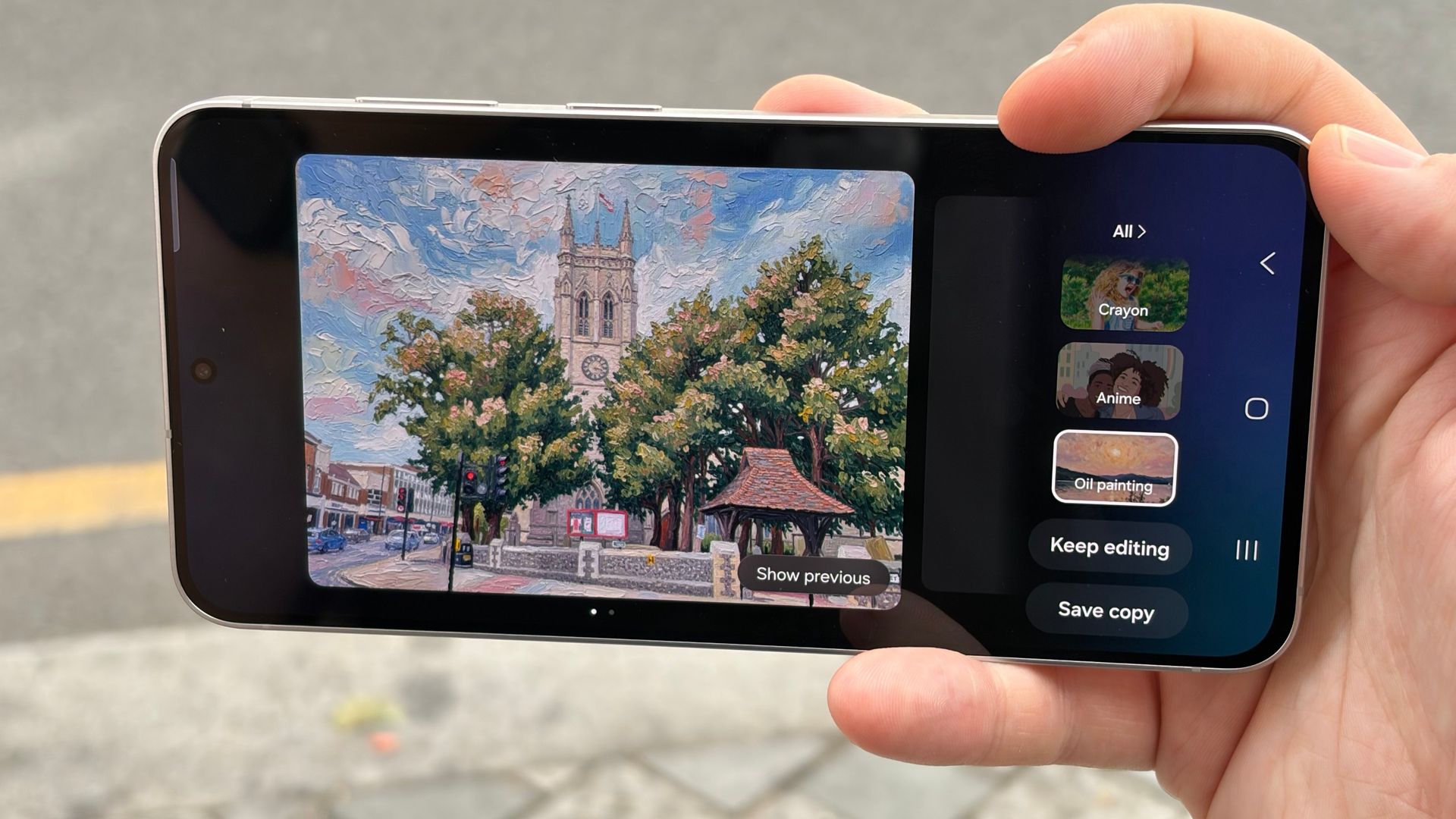
Samsung Galaxy S26 FE AI image editing
The Samsung Galaxy S26 FERichard Priday / TechRadar
The Samsung Galaxy S26 resting on a wooden table
The Samsung Galaxy S26Future

Both of these phones have triple-lens cameras, with the Samsung Galaxy S26 FE having a 50MP f/1.8 wide snapper, a 12MP f/2.2 ultra-wide (with a 123-degree field of view), and an 8MP f/2.4 telephoto with 3x optical zoom.

The Samsung Galaxy S26, meanwhile, has a 50MP f/1.8 wide camera, a 12MP f/2.2 ultra-wide with a 120-degree field of view, and a 10MP f/2.4 telephoto with 3x optical zoom. Both phones also have 12MP f/2.2 front-facing cameras.

So their camera hardware isn’t drastically different, but in practice, the Galaxy S26’s lenses performed better in our tests. Our Samsung Galaxy S26 FE review noted that “the main and selfie cameras produce strong photos, but the phone’s let down by its ultra-wide and telephoto lenses,” while in our Galaxy S26 review, we said that “all three cameras take solid pics, but don’t rely on the telephoto past 3x.”

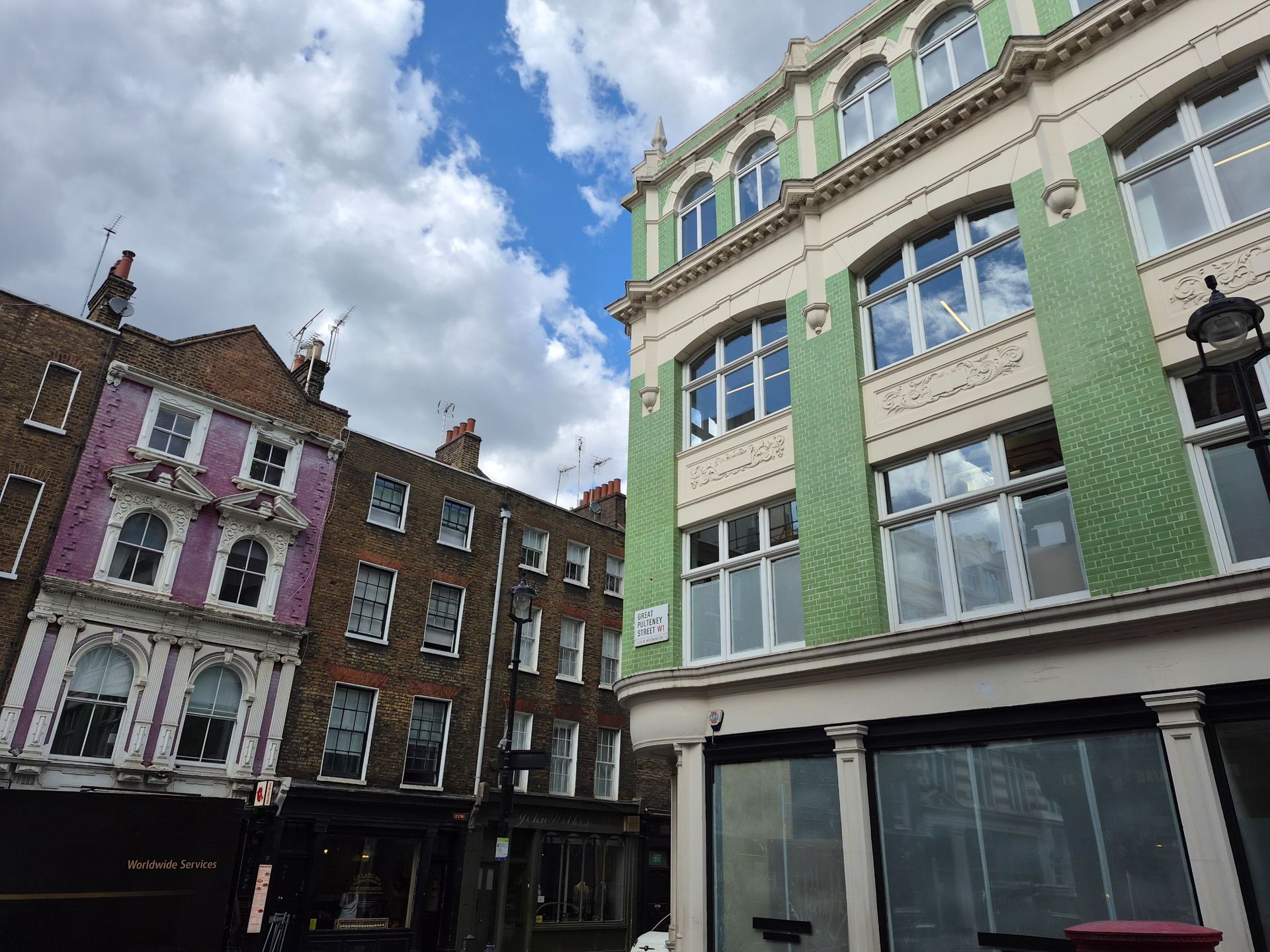
Samsung Galaxy S26 FE camera samples

Samsung Galaxy S26 FE photo sample main
Richard Priday / TechRadar
Samsung Galaxy S26 FE photo sample low light
Richard Priday / TechRadar
Samsung Galaxy S26 FE photo sample ultrawide
Richard Priday / TechRadar
Samsung Galaxy S26 FE photo sample 2x zoom
Richard Priday / TechRadar
Samsung Galaxy S26 FE photo sample 3x zoom
Richard Priday / TechRadar
Samsung Galaxy S26 FE photo sample selfie portrait
Richard Priday / TechRadar

Samsung Galaxy S26 camera samples

Photos of a car, plant, and man taken on the Samsung Galaxy S26
Future
Photos of a car, plant, and man taken on the Samsung Galaxy S26
Future
Photos of a car, plant, and man taken on the Samsung Galaxy S26
Future
Photos of a car, plant, and man taken on the Samsung Galaxy S26
Future
Photos of a car, plant, and man taken on the Samsung Galaxy S26
Future
Photos of a car, plant, and man taken on the Samsung Galaxy S26
Future
Photos of a car, plant, and man taken on the Samsung Galaxy S26
Future
Photos of a car, plant, and man taken on the Samsung Galaxy S26
Future

Samsung Galaxy S26 FE vs Samsung Galaxy S26: performance and software

Samsung Galaxy S26 FE gaming
The Samsung Galaxy S26 FERichard Priday / TechRadar
The Samsung Galaxy S26 resting on a wooden table
The Samsung Galaxy S26Future

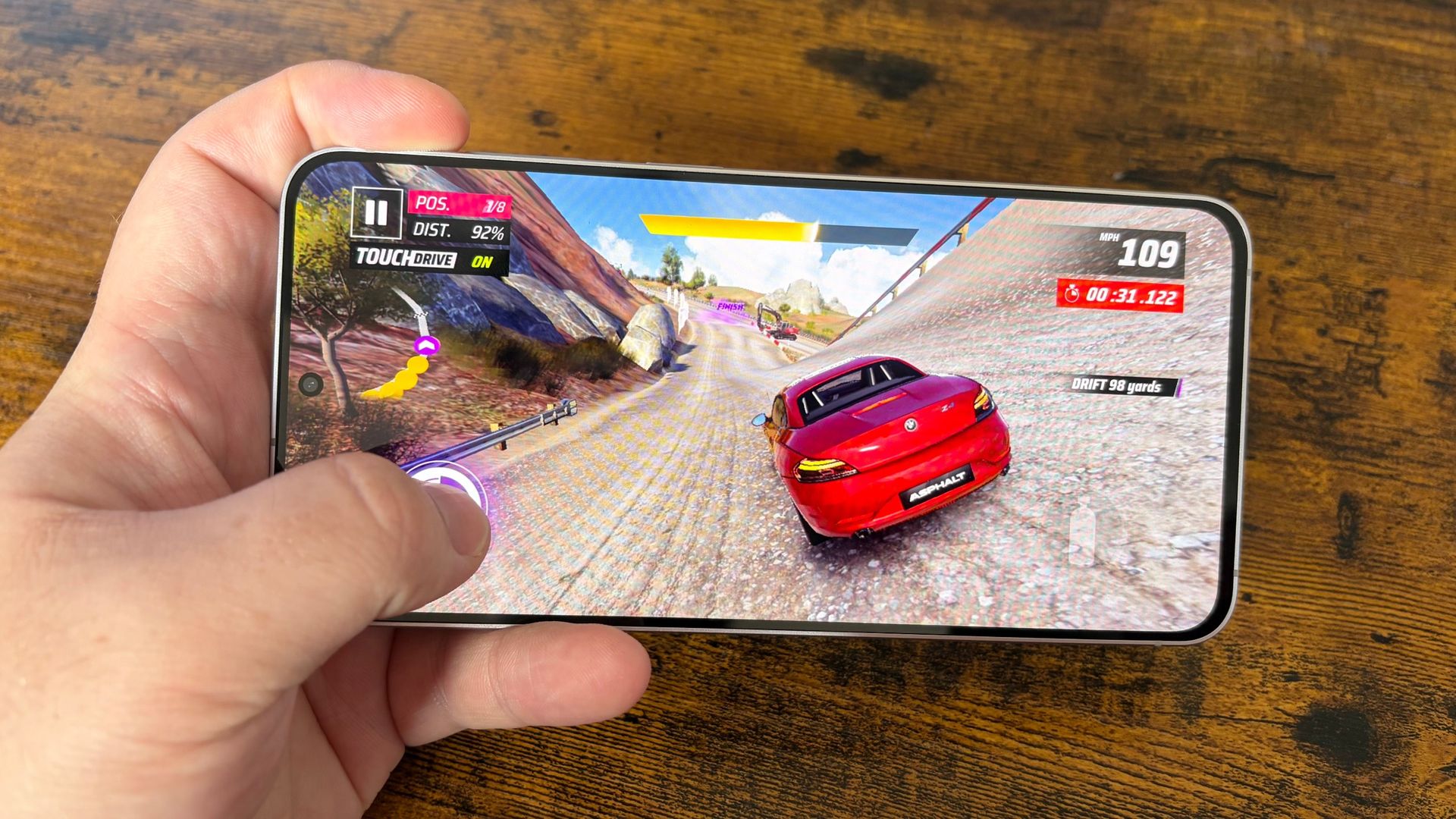
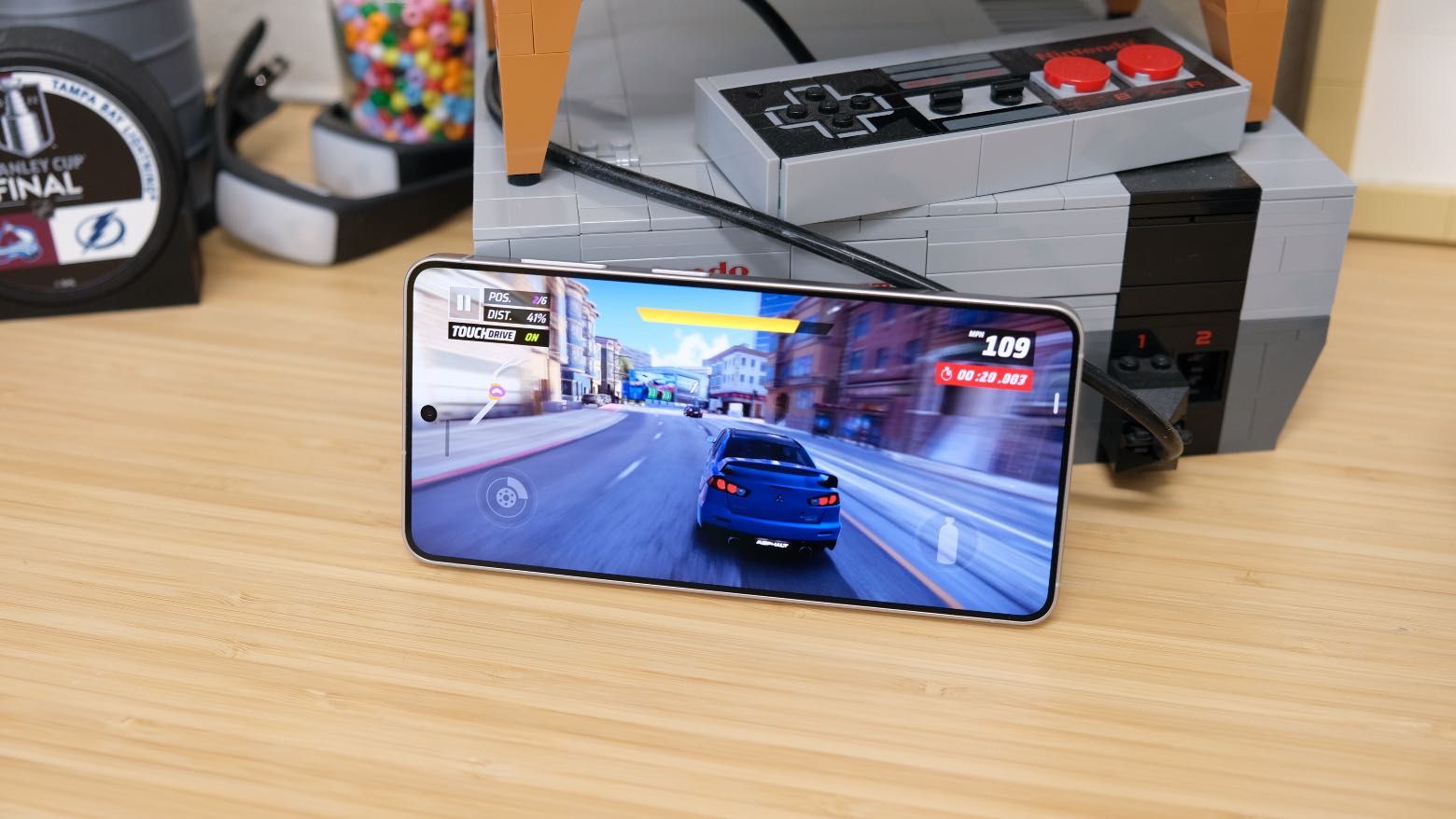
With the Samsung Galaxy S26 FE, you’re getting an Exynos 2500 chipset paired with 8GB of RAM, while the Samsung Galaxy S26 has either a Snapdragon 8 Elite Gen 5 (in the US) or an Exynos 2600 (in most other regions) paired with 12GB of RAM.

So, whichever region you’re in, you’re getting a faster chipset in the standard Samsung Galaxy S26, along with an extra 4GB of RAM, and that could make a real difference for AI and high-end games. But despite that, these phones both generally perform well.

Our Samsung Galaxy S26 FE review noted that its chipset is “a good performer, especially for graphics,” while acknowledging that “8GB of RAM is limiting for a premium phone in 2026.”

Of the Samsung Galaxy S26, we said it’s “quick and powerful, but the phone does get hot during intense tasks.”

What’s not so different between these two phones is their software, with both running Android 17 and Samsung’s One UI 9 overlay. Both the Galaxy S26 FE and Galaxy S26 also come with the promise of seven major Android version updates — though the latter phone has already received one of those.

Samsung Galaxy S26 FE vs Samsung Galaxy S26: battery

Samsung Galaxy S26 FE
The Samsung Galaxy S26 FERichard Priday / TechRadar
The Samsung Galaxy S26 resting on a wooden table
The Samsung Galaxy S26Future

The Samsung Galaxy S26 FE has a 4,900mAh battery, and it supports 45W wired or 15W wireless charging, while the Samsung Galaxy S26 has a 4,300mAh battery with 25W wired and 15W wireless charging. So the Galaxy S26 FE has a higher-capacity battery, with more charging power.

In practice, we found that the Samsung Galaxy S26 still had “all-day battery life,” though we lamented its slow charging speeds, while for the Galaxy S26 FE, we said the battery is “long-lasting and fairly fast-charging.” So this is one area where the FE arguably has a slight edge.

Samsung Galaxy S26 FE vs Samsung Galaxy S26: verdict

The Samsung Galaxy S26 FE and Samsung Galaxy S26 being held in the hand

(Image credit: Future)

The Samsung Galaxy S26 is more powerful than the Samsung Galaxy S26 FE, plus it has a slightly superior screen and — based on our testing — better cameras. It’s also slightly more durable, thanks to Gorilla Glass 2.

That said, the Samsung Galaxy S26 FE has a bigger screen, a higher-capacity battery, faster charging, and it costs less, while offering a similar software experience.

Overall, the Samsung Galaxy S26 is the better phone — indeed, we scored it higher in our reviews, with the device achieving 4 stars while the Galaxy S26 FE got 3.5.

But if you want a big screen on a mid-range budget, or simply don’t want to pay what the Galaxy S26 costs, then the Samsung Galaxy S26 FE is still a good option.

❌