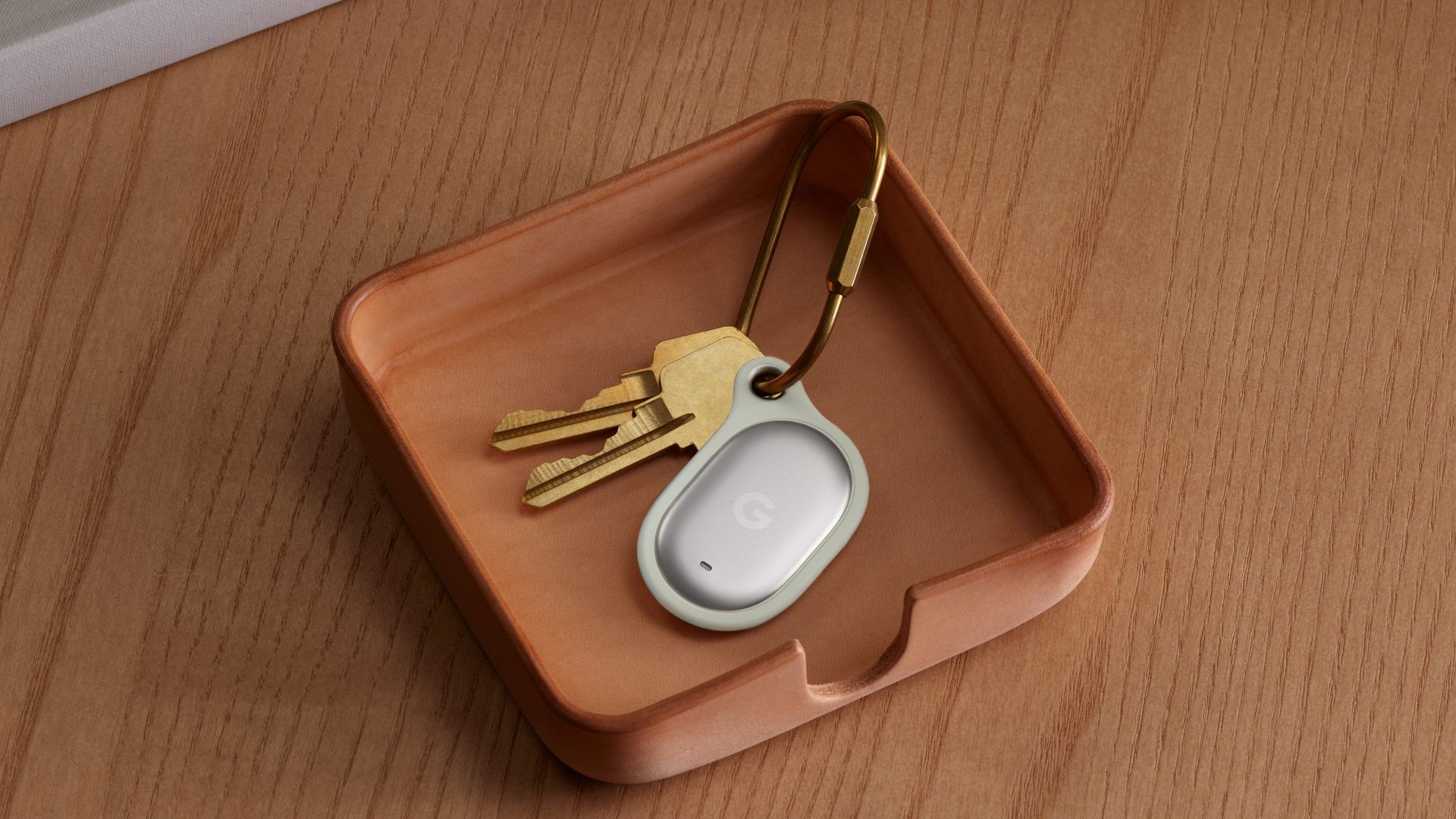
It costs $29 / £29.99 / AU$49, or you can get four for $99 / £99 / AU$169
It's largely similar to rival trackers, but with some notable differences
Following its announcement at the Google Pixel 11 launch back in August, the Pixel Tag is finally available to buy — but has the long wait been worth it, or are you better off sticking with one of its Android-compatible rivals?
We can’t definitively answer that question until we’ve reviewed Google’s new item tracker, but it does have some promising specs and features.
It weighs just 11.8g, has an IP67 rating (which gives it moderate water resistance), and has a replaceable coin cell battery that should last over a year. It can play a sound to help you locate nearby items, or you can view it on a map when it’s further away, using Find Hub’s crowdsourced network of over one billion Android devices to locate it.
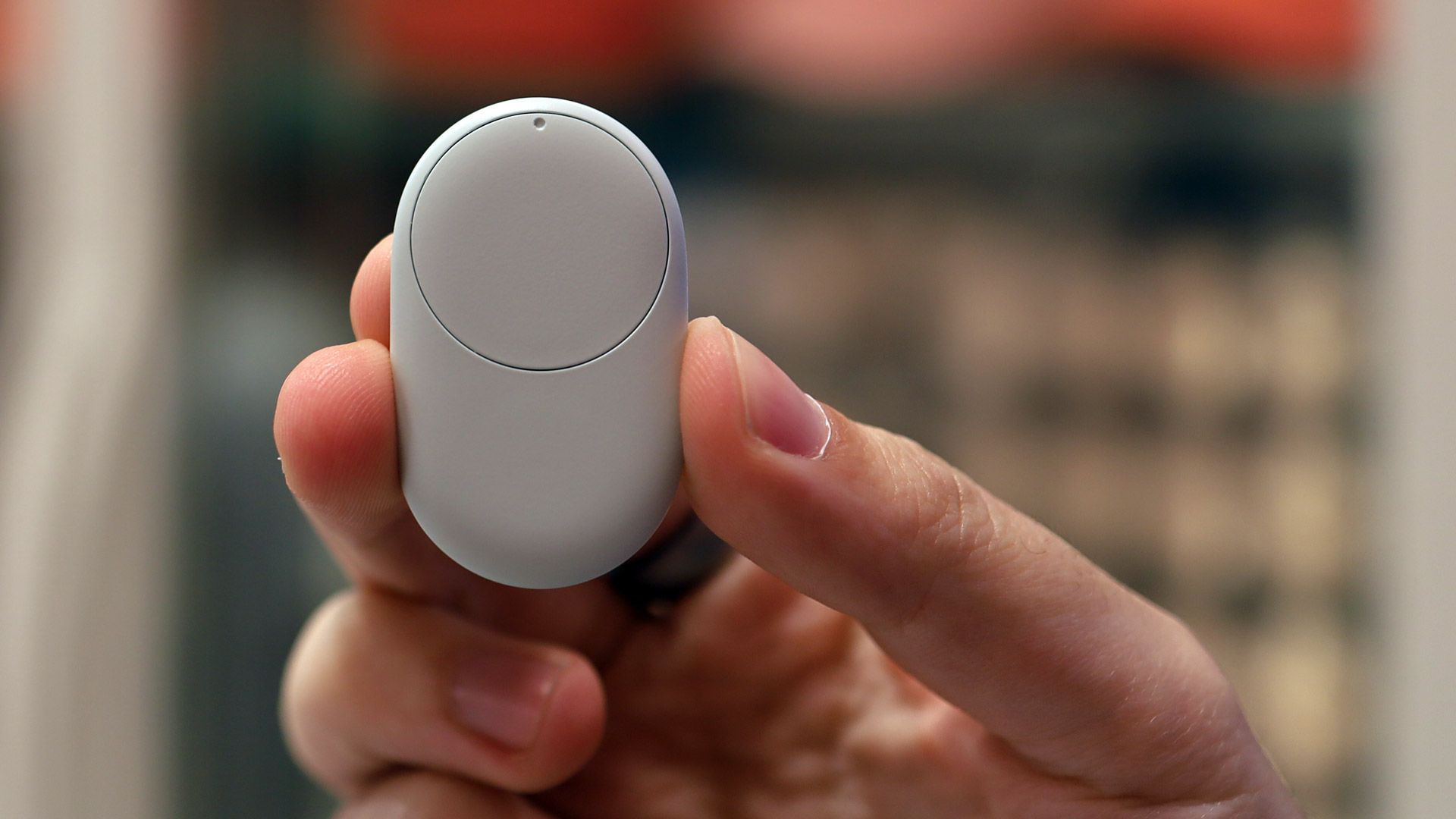
The Google Pixel Tag also has Ultra Wideband (UWB) support for precise tracking when it’s nearby, complete with directional arrows pointing to it on your phone screen. Or, if you need to find your phone, you can press a button on the Pixel Tag twice to ring your handset.
The Pixel Tag weighs just 11.8g (Image credit: Google)
There’s also the option to get a notification when you leave behind tagged items, and the ability to mark a Pixel Tag as lost, and then get a notification when the Find Hub network locates it.
Shared items can be tagged too, with multiple people able to track them, and you have the option to share the location of tagged items with airlines or anyone with a Google account.
Similar specs
Android tracker specs comparison
Google Pixel Tag
Moto Tag 2
Galaxy SmartTag 2
Dimensions:
28 x 46.1 x 5.4mm
31.9 x 31.9 x 8mm
28.8 x 52.44 x 8mm
Weight:
11.8g
8.5g
13.75g
Colors:
Fog
Pantone Arabesque / Pantone Laurel Oak
Black / White
IP rating:
IP67
IP68
IP67
Connectivity:
Bluetooth 6.0 with Channel Sounding and UWB
Bluetooth 6 and UWB
Bluetooth LE 5.3 and UWB
Speaker:
Yes
Yes
Yes
Battery:
Replaceable CR2032, over one year
Replaceable CR2032, over 600 days
Replaceable CR2032, up to 500 days
Compatibility:
Android phones
Android phones
Samsung phones
Price:
$29 / £29.99 / AU$49
$29.99 / £29.99
$29.99 / £34 / AU$55
As you can see in the chart above, the Pixel Tag’s specs are largely similar to those of existing Android trackers. But Google's tracker supports all Android phones running Android 9 and above, while the Samsung GalaxyTag 2 is limited to Samsung phones, and the Pixel Tag is widely available, while the Moto Tag 2 isn't available in Australia.
That said, the Moto Tag 2 does have slightly better water resistance, and both that and the Galaxy Tag 2 may have better battery life, while pricing is similar for all three.
It's also worth noting that Samsung has announced the Galaxy SmartTag 3, which adds iOS compatibility, though this device isn't expected to launch widely until sometime in 2027.
If you do want a Pixel Tag, you can grab one for $29 / £29.99 / AU$49, or get four for $99 / £99 / AU$169, which is the going rate for object trackers these days (even Apple's newest AirTag costs $29 / £29 / AU$49).
We'll be putting Google's tracker through its paces in the coming weeks, so stay tuned for our verdict on its value for money.
Samsung is reportedly testing a paid Galaxy AI Premium service
It's said to add Gen Video, Bixby Action, and Daily Briefing to Samsung's suite of AI tools
It will also apparently give you higher usage limits for free tools
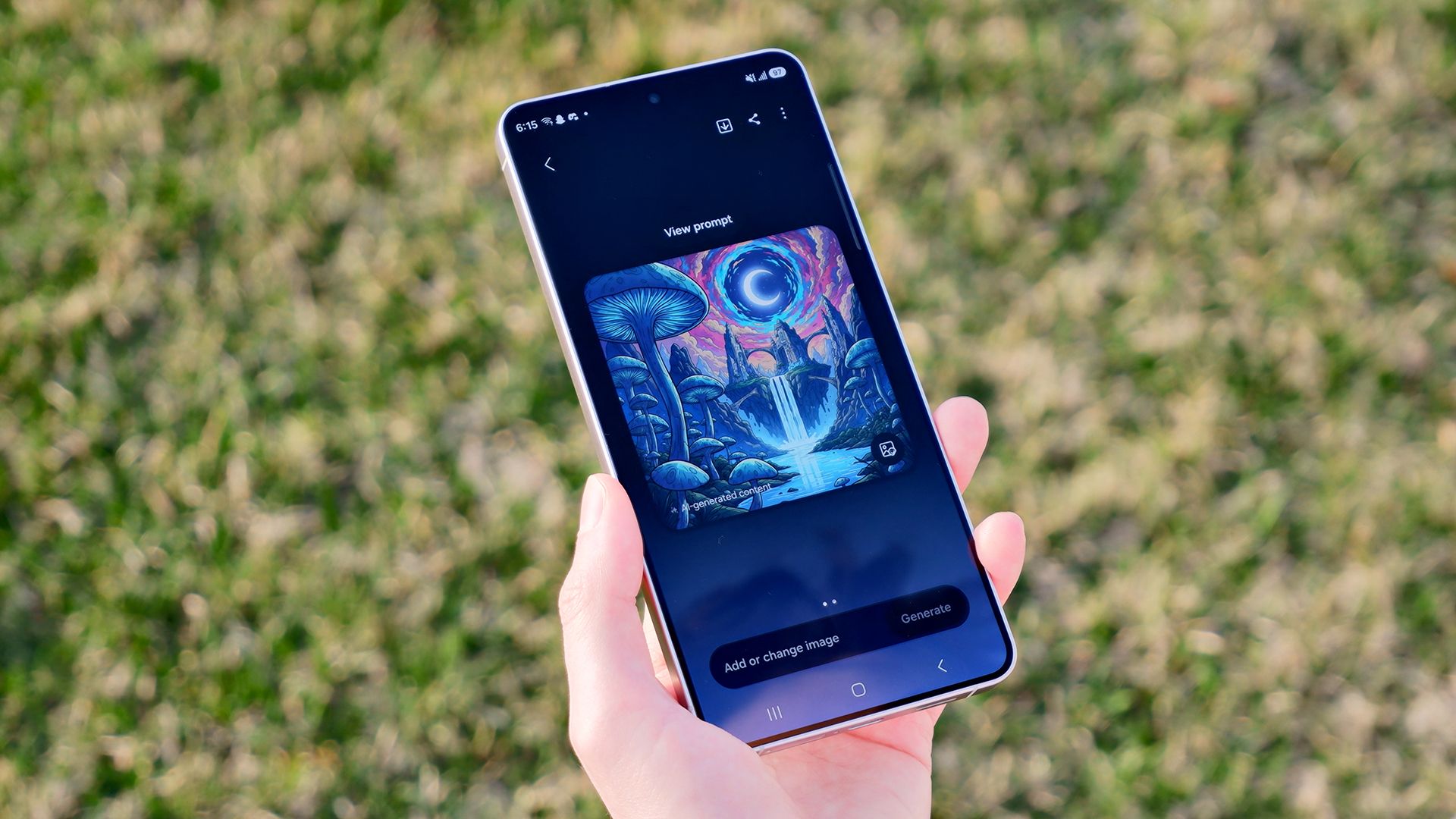
It was inevitable that Samsung would start charging for some of its AI tools sooner or later, and lo and behold, the company is reportedly now testing a paid premium version of Galaxy AI.
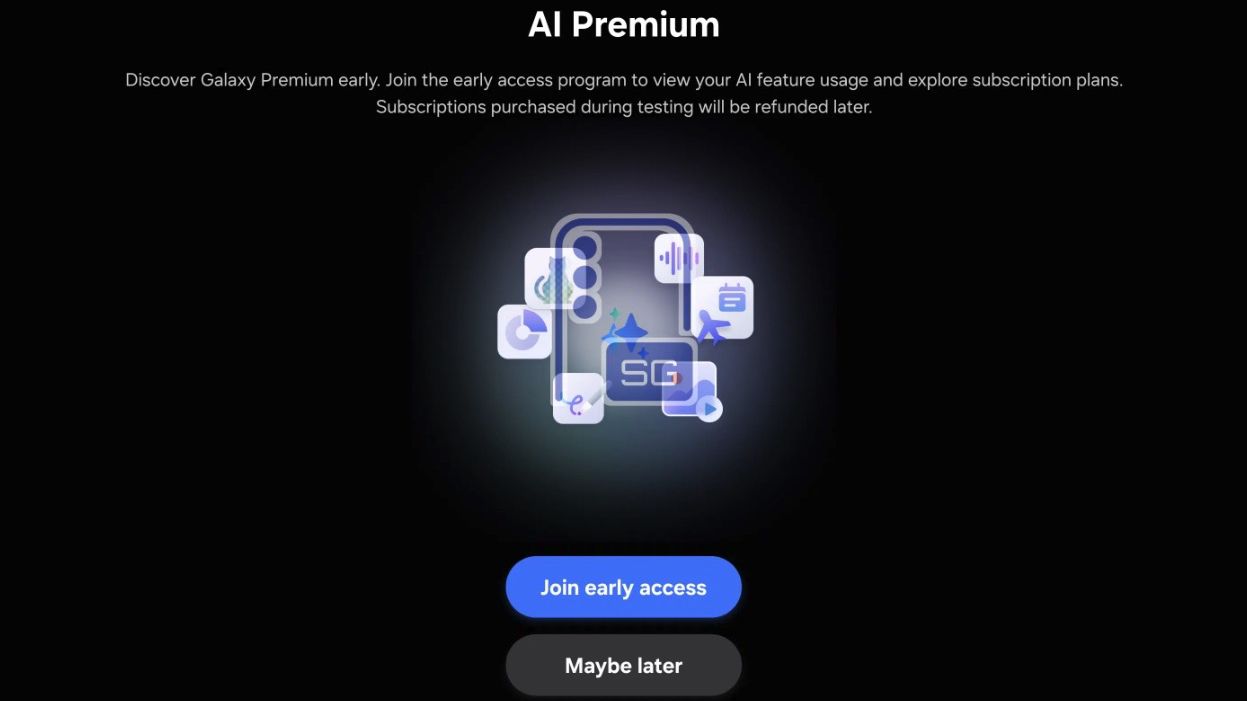
SammyGuru has found evidence of a Galaxy AI Premium subscription service, which the company looks set to launch into early access soon, and which will seemingly give users access to new AI features, along with four times higher usage limits on existing ones.
Those new features reportedly include Gen Video, which is described as letting you “generate AI videos from your photos,” Bixby Action, which will “automate tasks across your apps,” and Daily Briefing, which doesn’t include a description.
Based on code strings it discovered, SammyGuru expects Galaxy AI Premium to be priced at $4.99 (roughly £3.75 / AU$7.25) per month or $47.99 (around £35 / AU$70) annually, and the service might at least initially be exclusive to the Samsung Galaxy S27 series.
(Image credit: SammyGuru)
Your existing tools should remain free
The site reports that Browsing Assist, Now Brief, Creative Studio, Smart Capture, Samsung Keyboard, Photo Assist, and Personal Agent are listed within the Galaxy AI Premium interface as tools that will remain free — albeit with usage limits that you’ll have to pay to increase.
But for what it’s worth, Samsung has previously said that all the Galaxy AI features that are "on your phone by default" will always be available for free, and that’s a longer list, which you can find on Samsung’s site. It includes Live Translate, Note Assist, Zoom Nightography, Writing Assist, Chat Assist, Drawing Assist, AI Select, Now Brief, Now Bar, Audio Eraser, Photo Assist, AI Enhanced Wallpaper, Browsing Assist, Voice Recorder, Transcript Assist, Health Assist, Auto Zoom, Auto Framing, and Suggested Replies.
So, assuming Samsung sticks to its word, all of those features will remain free despite the launch of Galaxy AI Premium — though added usage limits could degrade the experience for free users.
Unsurprisingly, this news of a premium subscription hasn’t been met with much fanfare, especially as it sounds like it only adds a few features. On Reddit, comments include “good luck with that,” “not a single one of their AI features [is] worth paying for,” “ewwww, no thanks,” and “dead on arrival,” among other similar sentiments.
Of course, one Reddit thread doesn’t represent the wider world, so it will be interesting to see whether there’s actually much interest in Galaxy AI Premium if and when it launches.
The chairman of T-Mobile and CEO of its parent company has commented on Starlink Mobile
He argues that a $200 billion investment in spectrum and infrastructure is needed for it to compete
Despite that, he's taking it seriously and sees parallels with Tesla and the car industry
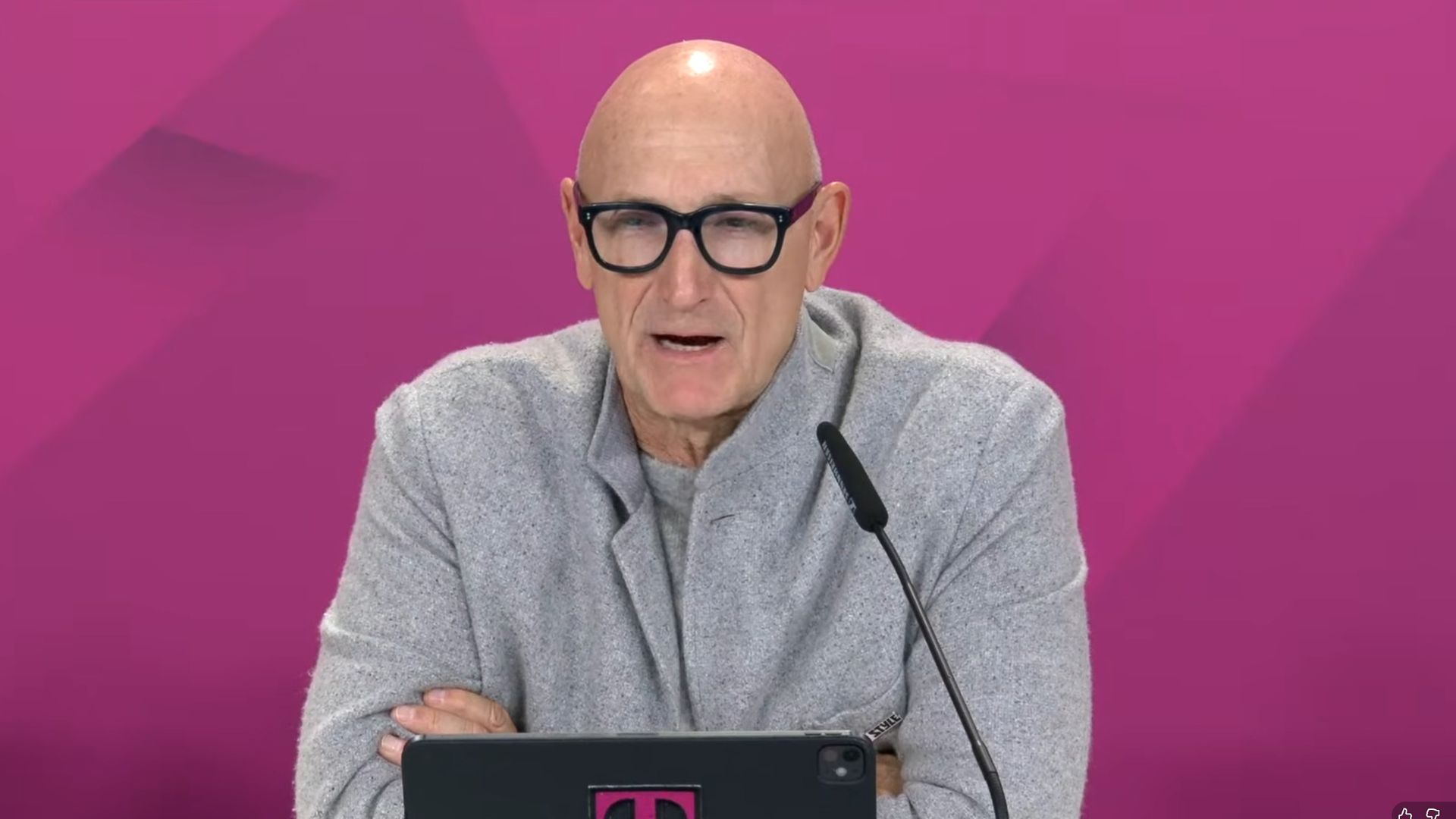
Between partnering with Qualcomm and getting the green light to operate internationally, SpaceX has taken some major steps towards making Starlink Mobile a rival to the big carriers. And that's just been acknowledged by Tim Höttges — the chairman of T-Mobile and CEO of its parent company, Deutsche Telekom — in a recent earnings call where he said that “I take his [Elon Musk] attempt serious [sic].”
In the Deutsche Telekom conference call, Höttges went on to highlight just how much work — and investment — will be required for this attempt to actually deliver a real rival.
Firstly, Starlink Mobile will likely require a lot more spectrum than it currently has, with Höttges saying “he [Musk] has now bought 76 megahertz of spectrum. By the way, we have 400 megahertz. So if you now say, okay, he can buy the spectrum prospectively, do your math. These are kind of triple digit billions, which are needed to gain the spectrum position.”
A "$200 billion" investment
(Image credit: SpaceX)
And it’s not just spectrum — Starlink Mobile will also need a lot of infrastructure on the ground, with Höttges explaining that "then he has to build a network. I can tell you, we have 85,000 towers. No, he can rent towers, no question. But this is another $20 billion to $30 billion, which are required. Put antennas on it. Okay, you can buy antennas and you can get maybe even in a cheaper way or you construct it in a new way, but you need money for that."
Between all that, Höttges concludes that Starlink Mobile will need “at least minimum $200 billion” to “play” in this industry, and likely more. And even then, it’s an industry which Höttges argues T-Mobile and the other major carriers have “professionalized over the last twenty years” — suggesting that even with that investment, Starlink Mobile will lack the experience of the other carriers.
Still, it doesn’t sound like Höttges is totally counting Musk’s telecom dreams out, remarking at the end of all that “welcome to the party.” So this looks set to be a long and expensive road for SpaceX and Starlink Mobile — and experts mostly agree that becoming the fourth big mobile network in the US will be a major challenge...
Analysis: A long game, but there are Tesla parallels
(Image credit: Pexels)
From electric cars to aerospace, Elon Musk has an unrivaled track record of disrupting industries — but turning Starlink Mobile into a true rival to the network giants could be one of his biggest challenges yet.
"There are a wide variety of challenges and roadblocks that stand in the way of Starlink Mobile," Ookla's Lead Industry Analyst, Mike Dano, told us. "For example, it must build radios based on Qualcomm’s technology. Then it must affix those radios atop cell towers nationwide. Then it must launch thousands of new satellites that support the spectrum it’s working to purchase from EchoStar," he said.
And that's far from the end of the list. "Then it will need to sell phones that support the various spectrum bands it hopes to use in its network. Then it will need to create an effective retail strategy to entice customers away from existing cellular providers in the U.S. And there’s still an outstanding question about whether a future Starlink Mobile network will be robust enough to support users’ needs," he added.
However, Dano says that Starlink Mobile's Qualcomm agreement this week was a big step towards it becoming "a credible fourth nationwide mobile network provider in the U.S", even if that process will "take several years".
Telecoms expert Tim Farrar, President at TMF Associates, agrees that an EchoStar deal is the most likely key to unlocking the spectrum that T-Mobile's Tim Höttges referred to in the earnings call. "I think a purchase of the remaining EchoStar spectrum assets and a settlement with the tower companies is the easiest and quickest way to go about that", he said, referring to those missing pieces for Qualcomm's equipment.
(Image credit: T-Mobile)
Still, we can expect this story to develop quickly in 2027, and Tim Höttges is well aware of the parallels with the car industry, which Tesla disrupted with new technology. "I would compare it with let's say inventing Tesla and bringing electromobility into a kind of legacy combustion engine industry. That is the same moment we have and this moment is now here," he said.
"We have a new kind of player who is coming to the ecosystem. He has chipsets, he has data centers, he has AI, he has satellites, he wants to go for mobile services and he goes for handsets. He will go as well for maybe integrating social media or at least agent models into his service. So he is creating a new way of communication services — it's not that you can compare it 'mobile to mobile'," he added.
"That is why I'm saying I take that super serious because I was witnessing what happened to the car industry — they were ignoring it for too long and we have to face the situation." In other words, expect this to be a major theme of 2027, even if the full story could take years to play out.
The Samsung Galaxy S26 FE is the cheapest way in to the Galaxy S26 line and benefits from a big screen and battery, but it's a notable step down from the standard S26 in most other ways.
Pros
Big 6.7-inch screen
Relatively high capacity battery
Cheapest entry point
Cons
Less powerful chipset
Less capable cameras
Slightly worse screen
Samsung
Galaxy S26
The Samsung Galaxy S26 is a powerful phone with a great screen and capable cameras, but while not the most expensive model in the S26 series, it does cost a fair bit more than the FE.
Pros
Top-end chipset
Great triple-lens camera
Superb — if small — screen
Cons
Costs quite a lot
Lower capacity battery
Slower charging
Samsung's Galaxy FE line has always been a slightly odd proposition. In theory, these phones are cheaper alternatives to standard numbered Galaxy phones, offering Plus-sized screens at an affordable price. But they've steadily gotten more expensive over the years, and some FE phones are more well-rounded than others.
In this guide, then, we'll walk you through the key differences between these two phones, comparing their displays, designs, performance credentials, and more.
Samsung Galaxy S26 FE vs Samsung Galaxy S26: specs comparison
The table below provides a brief overview of how the Galaxy S26 FE and Galaxy S26 compare in terms of specs.
Samsung Galaxy S26 FE
Samsung Galaxy S26
Dimensions:
161.6 x 76.9 x 7.4mm
149.6 x 71.7 x 7.2mm
Weight:
193g
167g
Display:
6.7-inch Dynamic AMOLED 2X
6.3-inch Dynamic LTPO AMOLED 2X
Refresh rate:
60Hz–120Hz
1Hz-120Hz
Peak brightness:
1,900 nits
2,600 nits
Chipset:
Exynos 2500
Snapdragon 8 Elite Gen 5 / Exynos 2600
RAM:
8GB
12GB
Rear cameras:
50MP main, 12MP ultra-wide, 8MP telephoto
50MP main, 12MP ultra-wide, 10MP telephoto
Front camera:
12MP
12MP
Battery:
4,900mAh
4,300mAh
Charging:
45W wired, 15W wireless
25W wired, 15W wireless
Storage:
128GB / 256GB / 512GB
256GB / 512GB
Samsung Galaxy S26 FE vs Samsung Galaxy S26: price and availability
The Samsung Galaxy S26 FE was announced in late August 2026 and shipped in November, with the phone now widely available. It starts at $699.99 / £699 / AU$1,149, which gets you a model with 128GB of storage. But there’s also a 256GB model for $799.99 / £799 / AU$1,299 and a 512GB model for £949 / AU$1,599 — though this version is not available in the US.
The Samsung Galaxy S26 went on sale in March 2026 and is also available globally. It costs $999.99 / £959 / AU$1,649 for a 256GB model, rising to $1,199.99 / £1,129 / AU$1,949 for a 512GB version. It’s worth noting that the Galaxy S26 actually cost less than $999.99 / £959 / AU$1,649 at launch, but thanks to the ongoing RAM crisis, its price has since gone up, rather than down.
In any case, that makes the starting price of the Galaxy S26 FE some $300 / £260 / AU$500 less than that of the Galaxy S26, but that’s for a model with just 128GB of storage, which is less than the Galaxy S26 comes with as standard. Looking at the 256GB models of each phone, the Galaxy S26 FE costs $200 / £160 / AU$350 less.
Samsung Galaxy S26 FE pricing
Storage
US price
UK price
AU price
128GB
$699.99
£699
AU$1,149
256GB
$799.99
£799
AU$1,299
512GB
Not available
£949
AU$1,599
Samsung Galaxy S26 pricing
Storage
US price
UK price
AU price
256GB
$999.99
£959
AU$1,649
512GB
$1,199.99
£1,129
AU$1,949
Samsung Galaxy S26 FE vs Samsung Galaxy S26: design
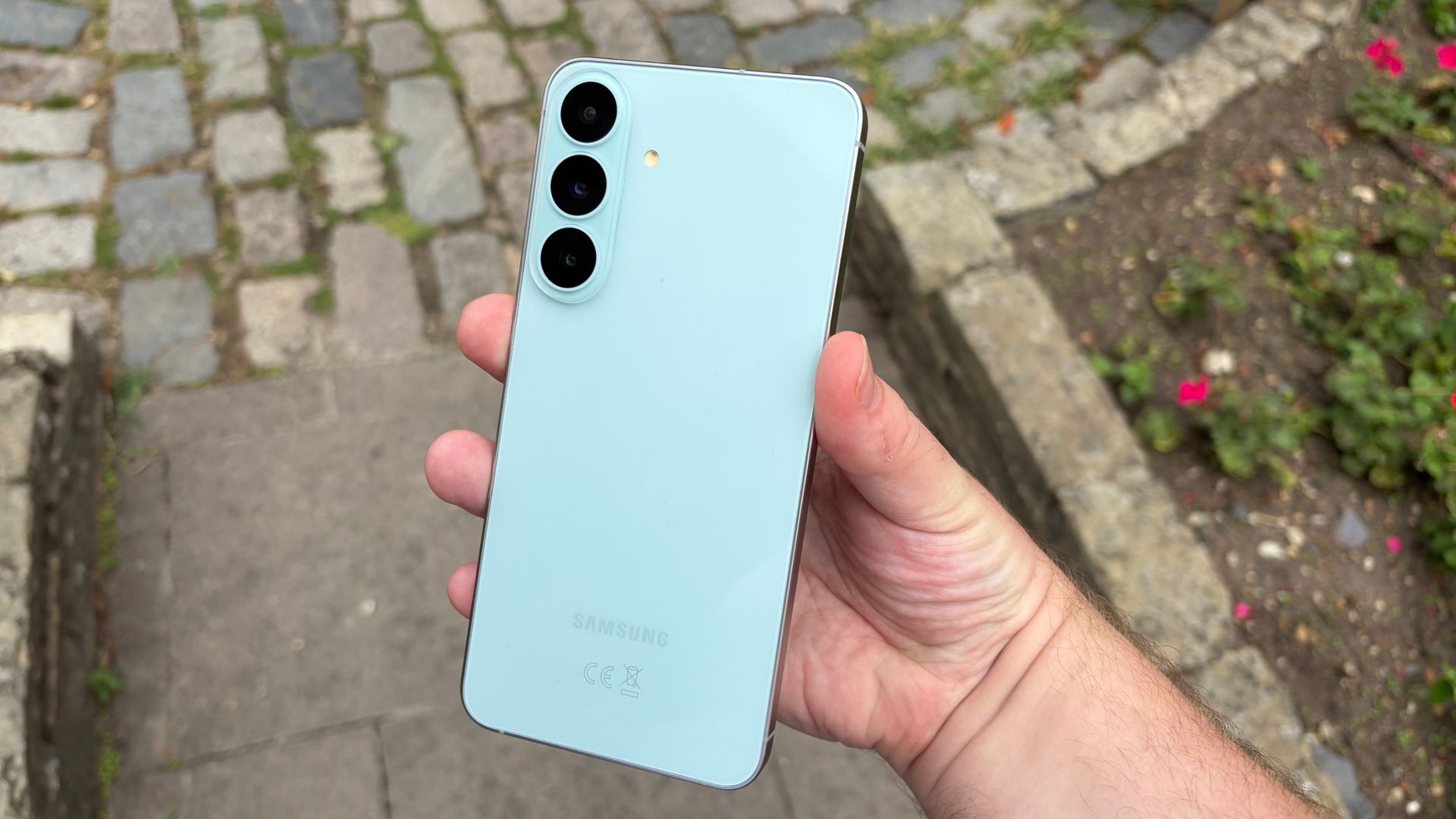
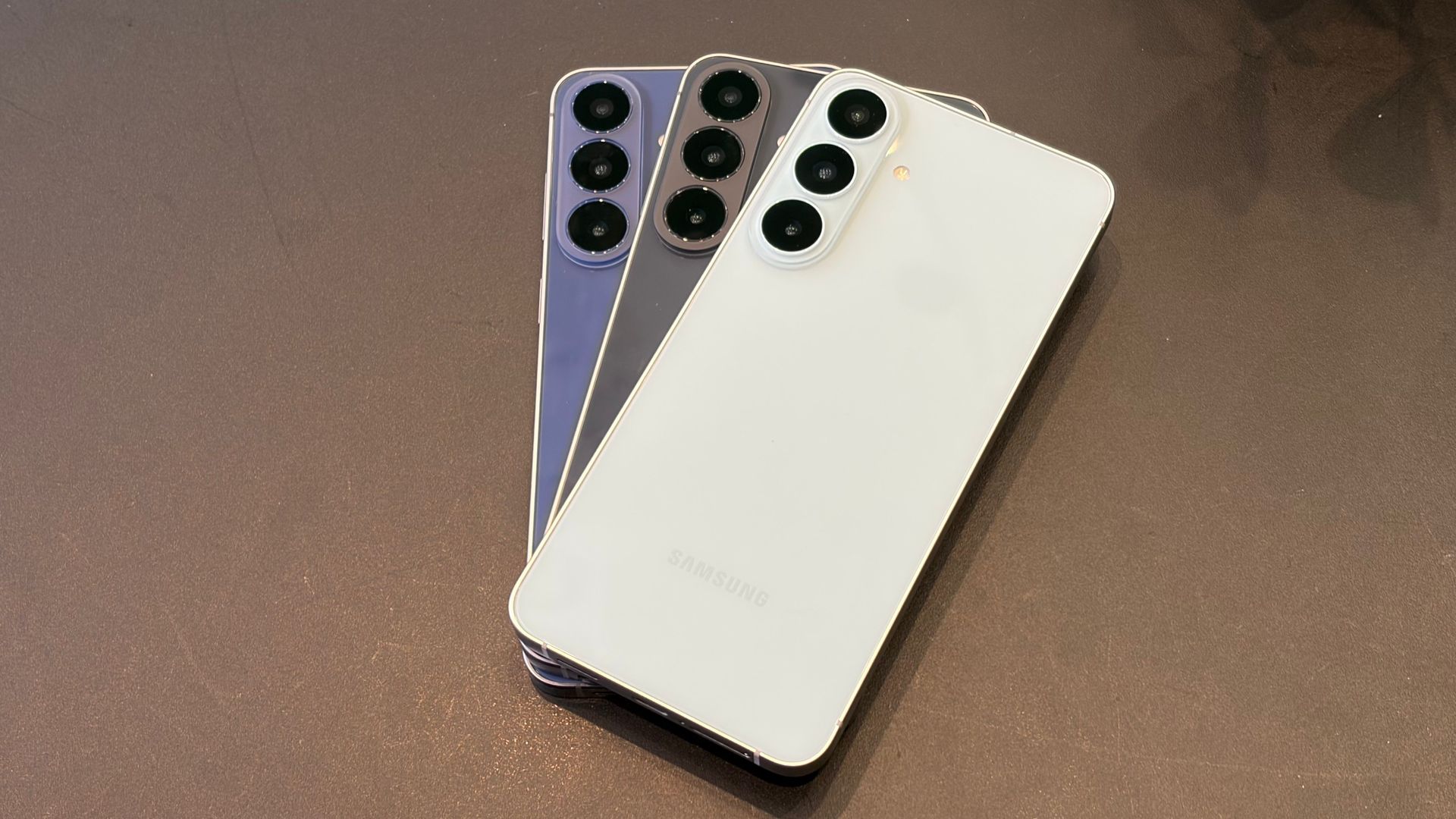
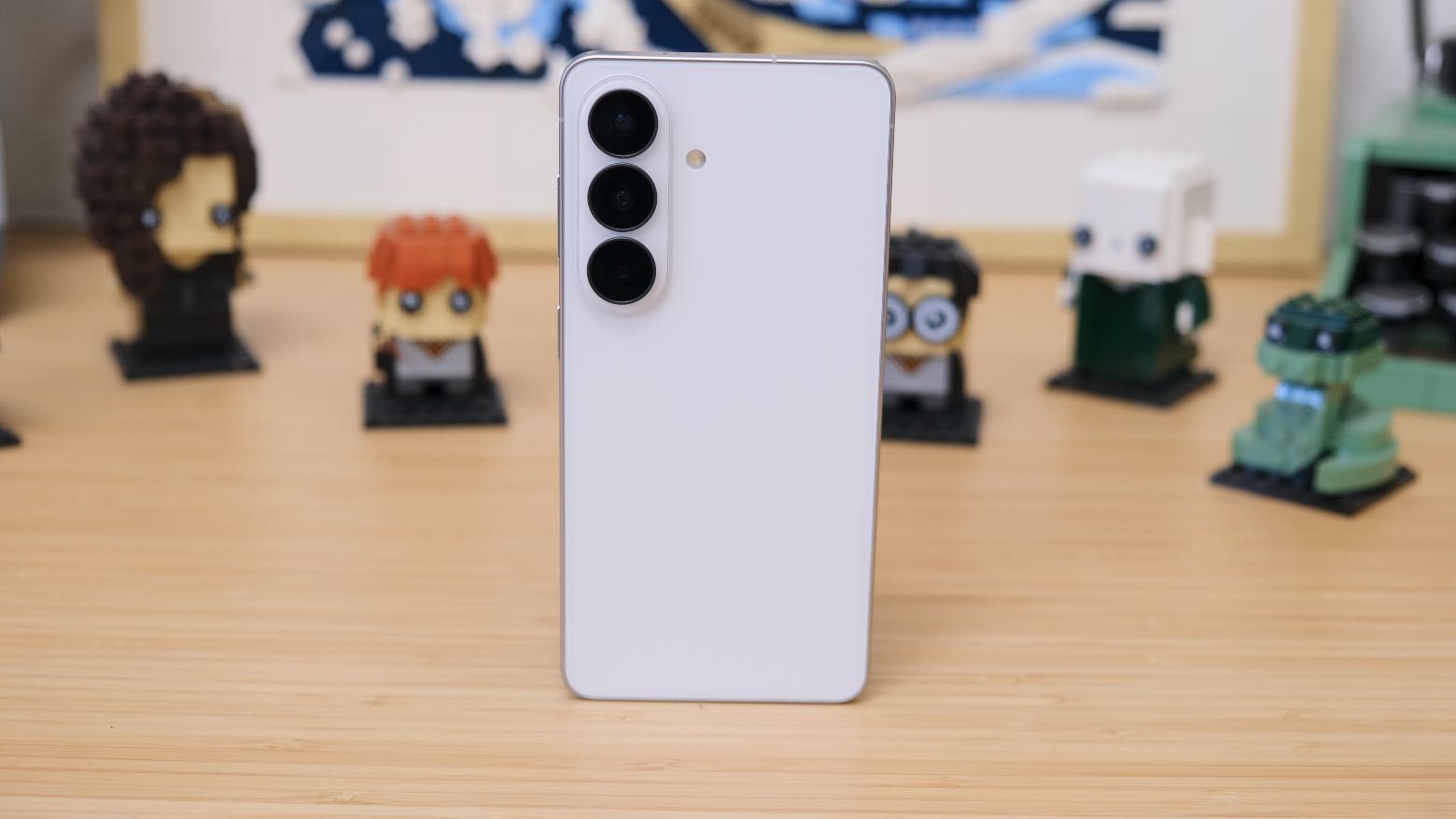
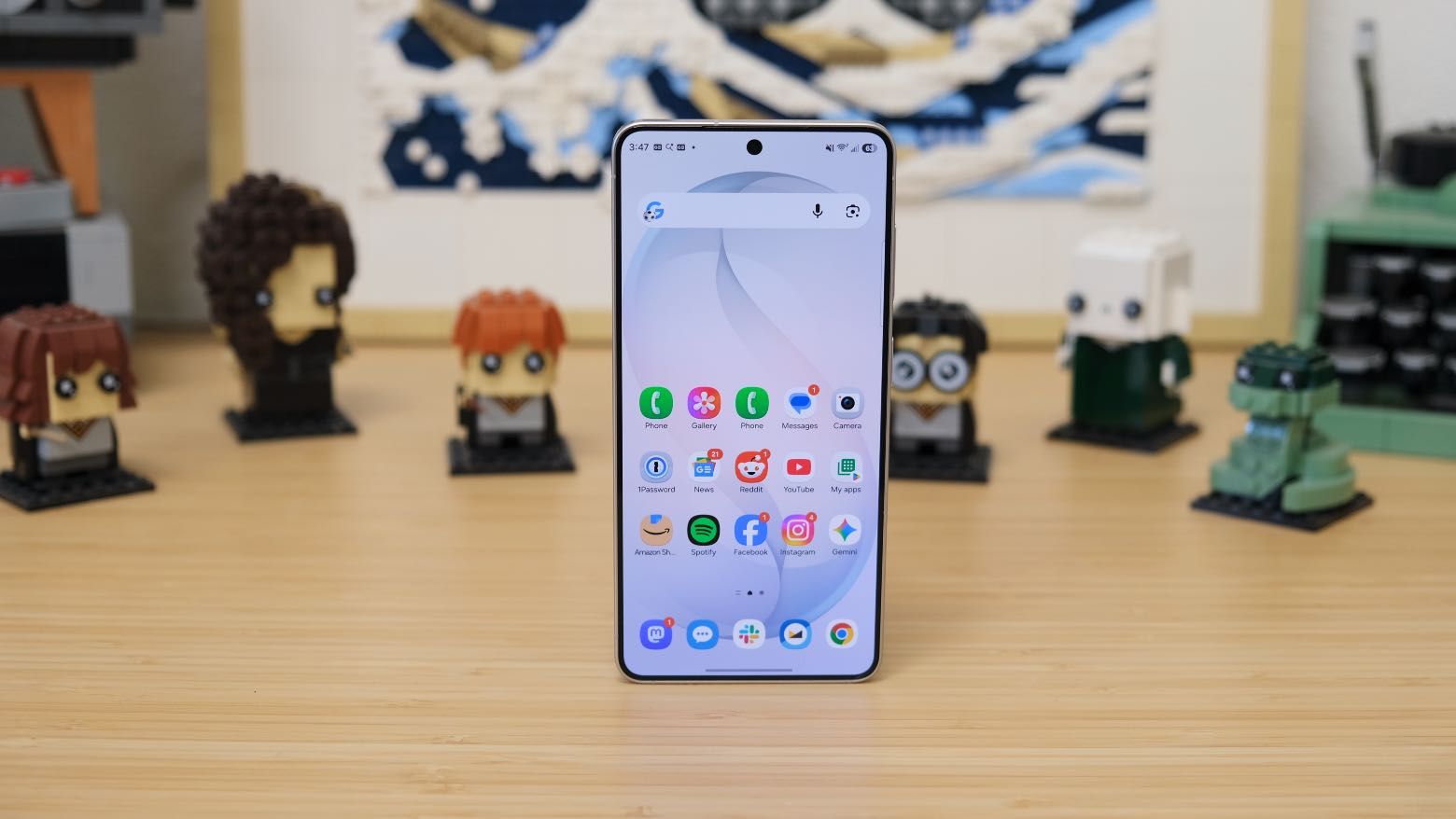
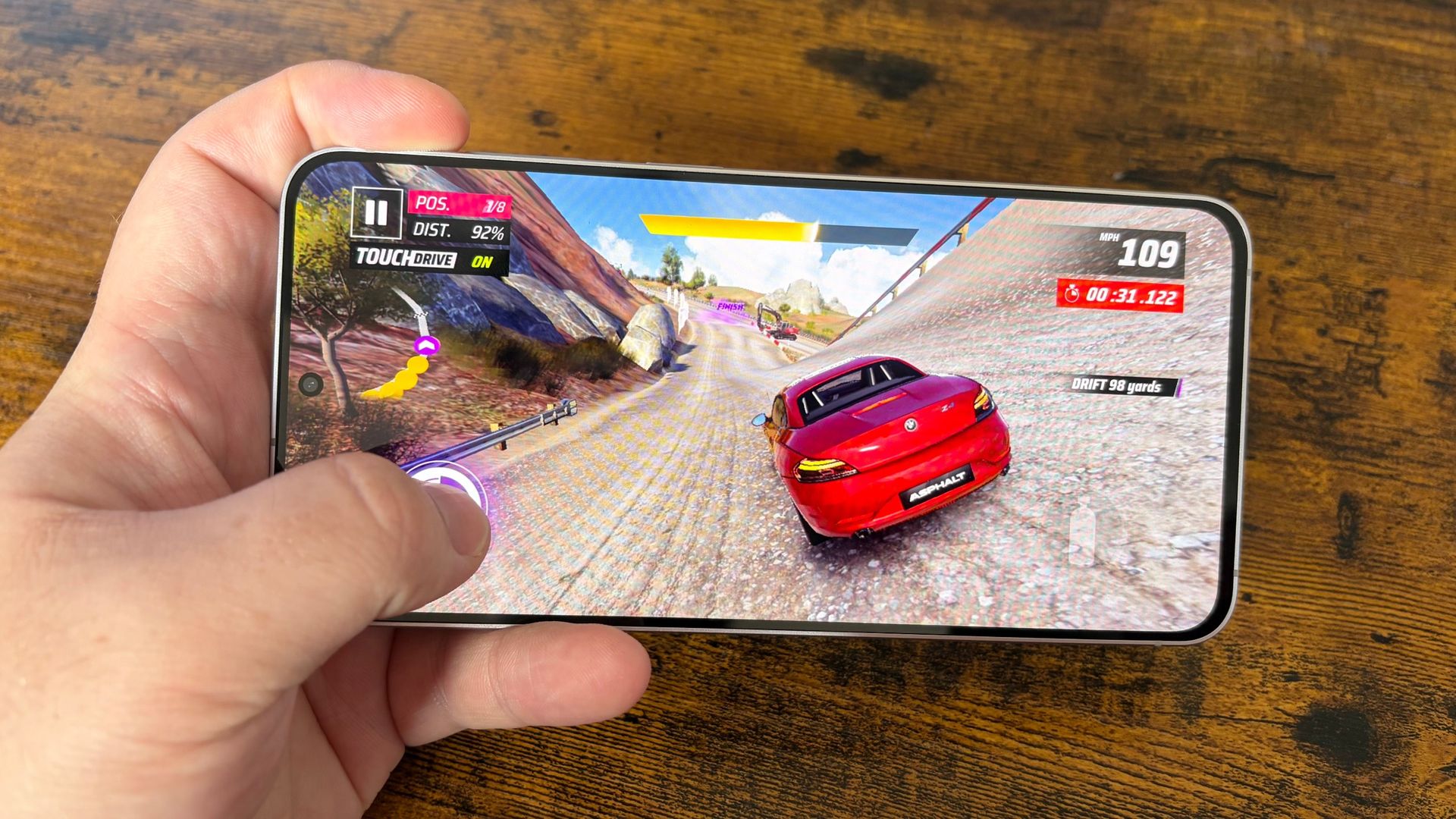
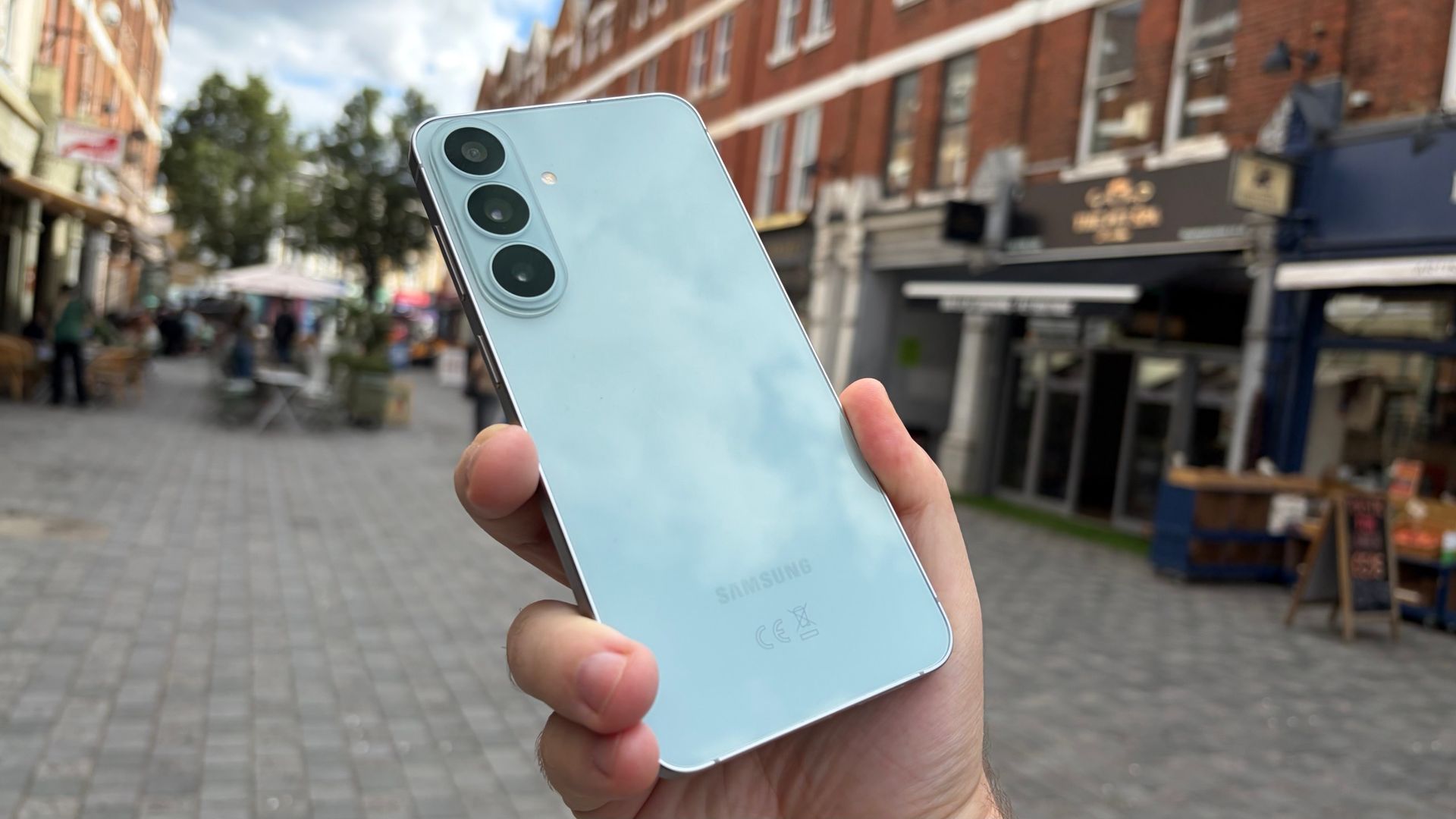
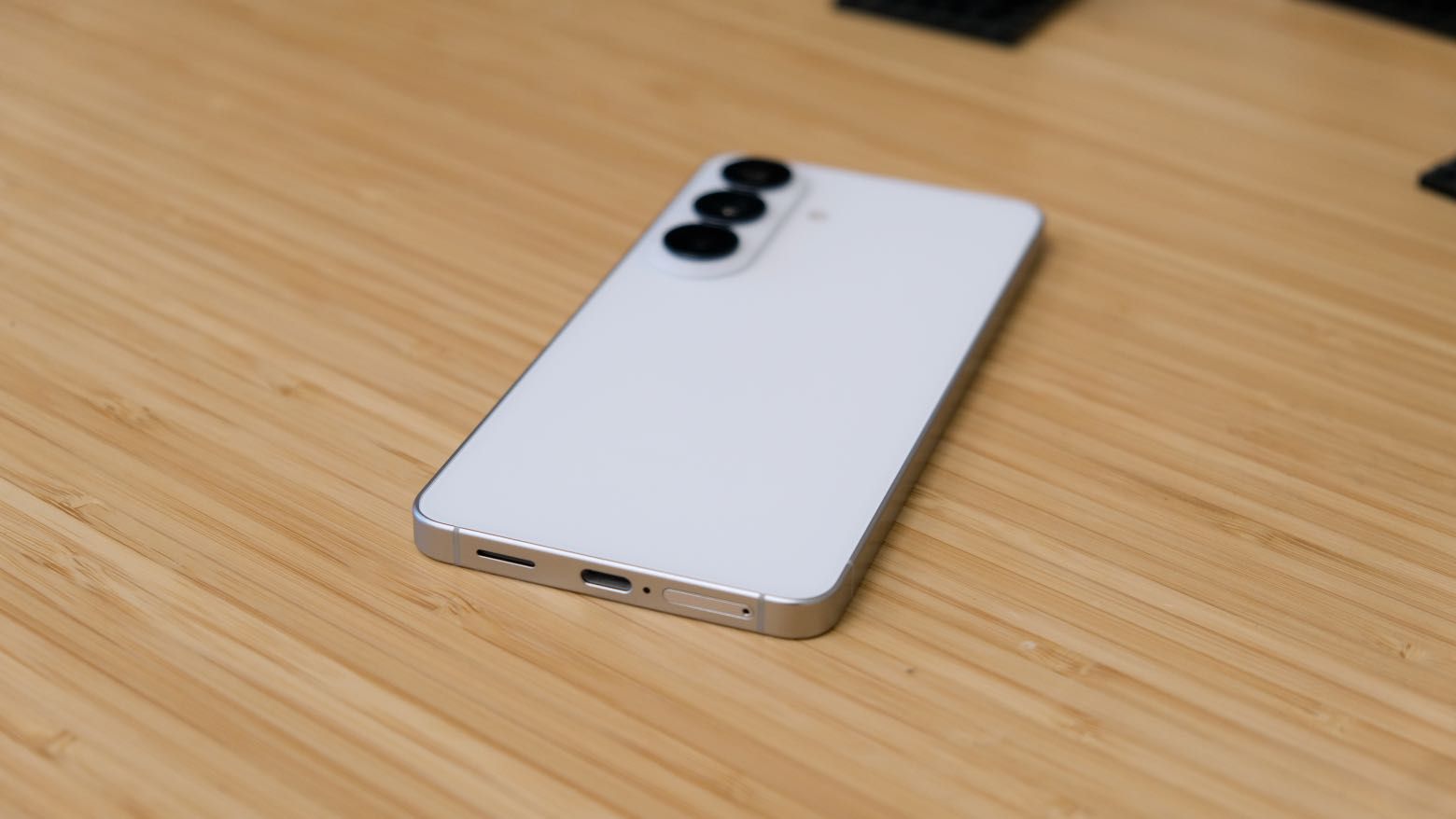
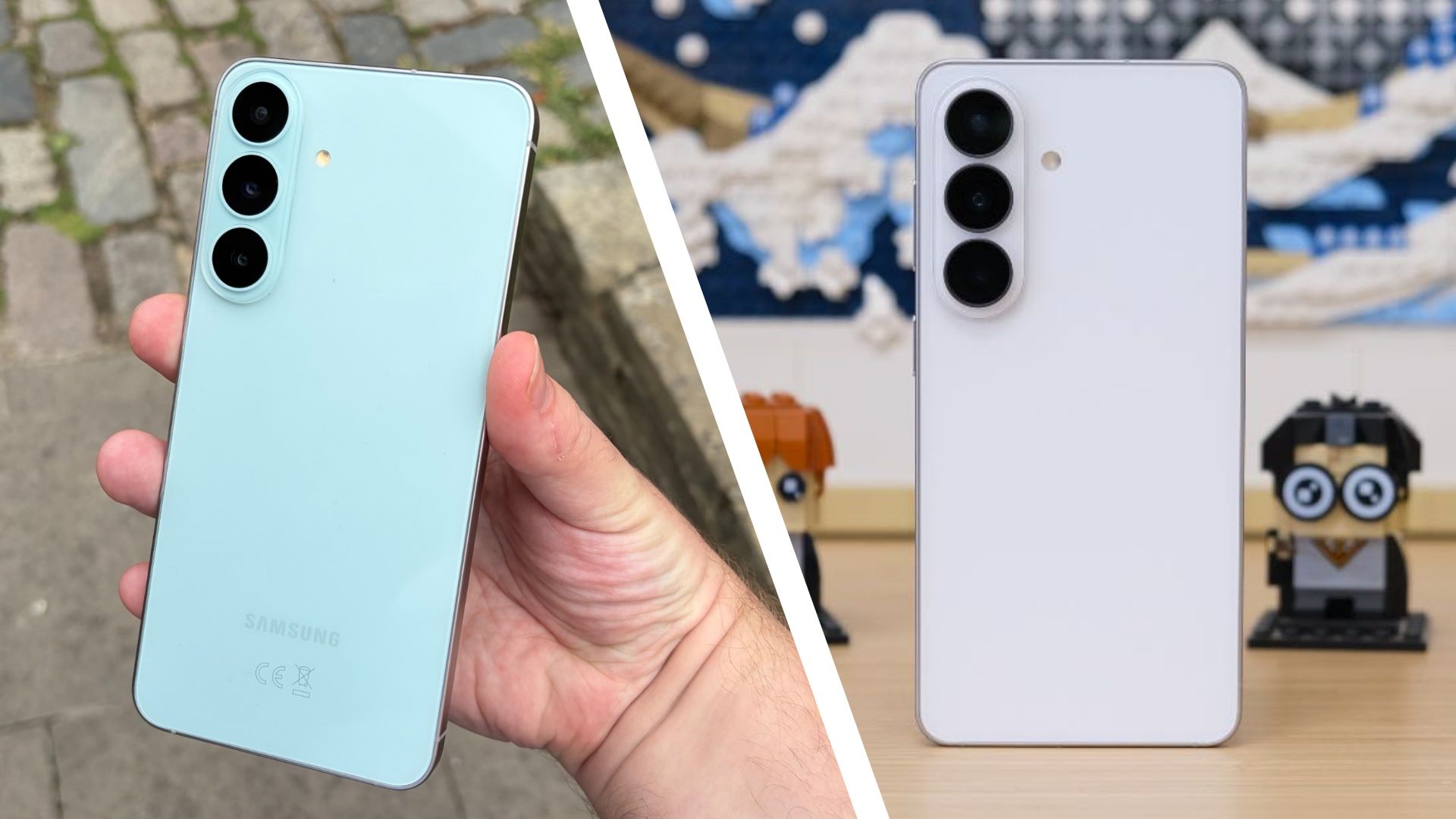
The Samsung Galaxy S26 FE and Samsung Galaxy S26 have quite similar designs, with flat screens, punch-hole cameras at the top of their respective displays, and triple-lens cameras arranged vertically on their rear panels.
They also both have glass backs and aluminum frames, as well as IP68 ratings — meaning they’re dust-tight and can be submerged in up to 1.5 meters of water for up to 30 minutes.
However, the Samsung Galaxy S26 should be slightly tougher than the FE overall, as it has Gorilla Glass 2 protection, while the FE uses Gorilla Glass+.
There are bigger differences in their colors, though, with the Galaxy S26 FE being sold in Blueberry, Graphite, and Pistachio, and the Galaxy S26 available in Cobalt Violet, Sky Blue, Black, White, Silver Shadow, and Pink Gold.
And their weights and dimensions differ too: the Galaxy S26 FE measures 161.6 x 76.9 x 7.4mm and weighs 193g, while the Galaxy S26 measures 149.6 x 71.7 x 7.2mm and weighs 167g. So the FE is bigger, thicker, and heavier — but it does also have a larger screen.
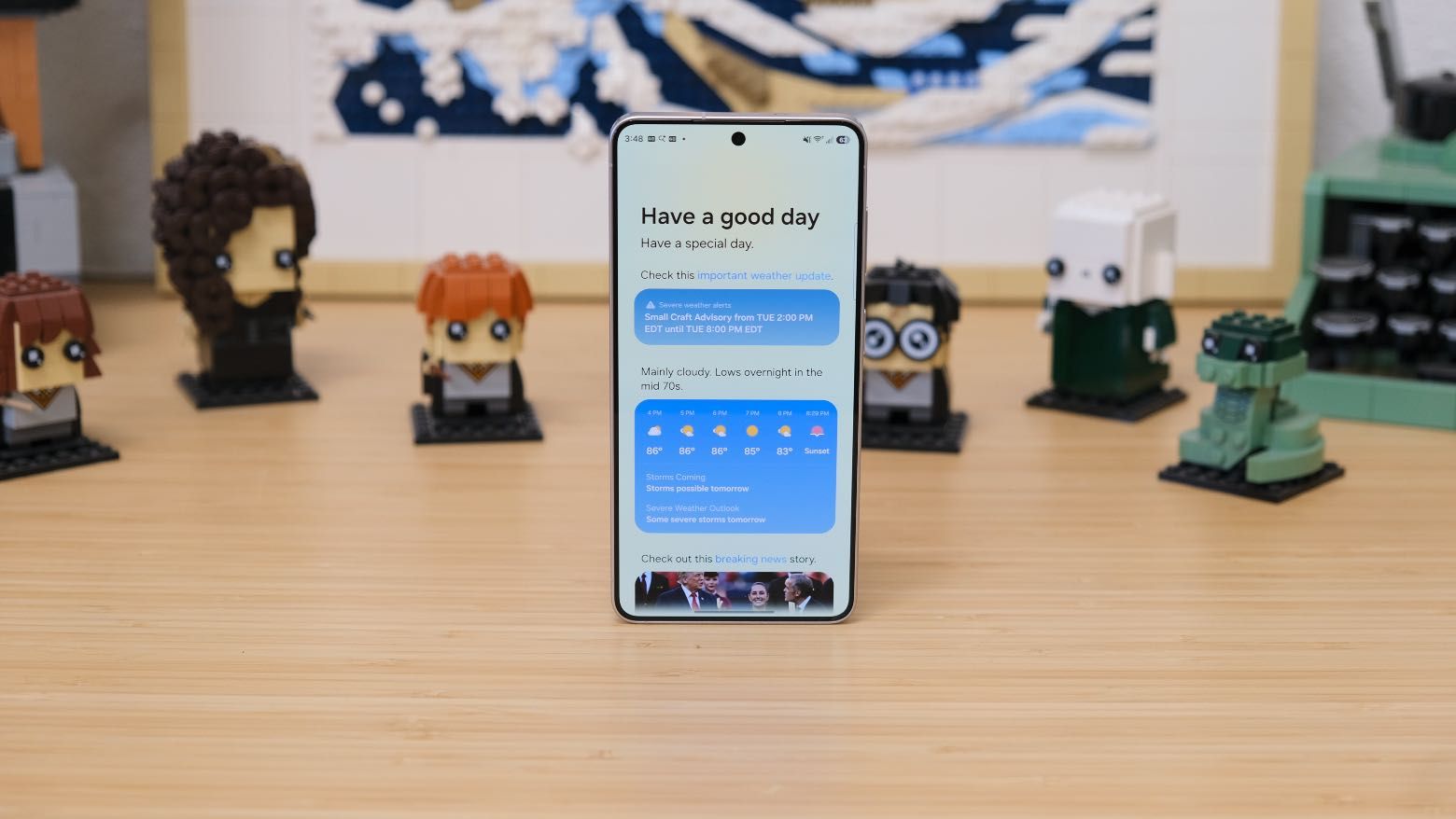
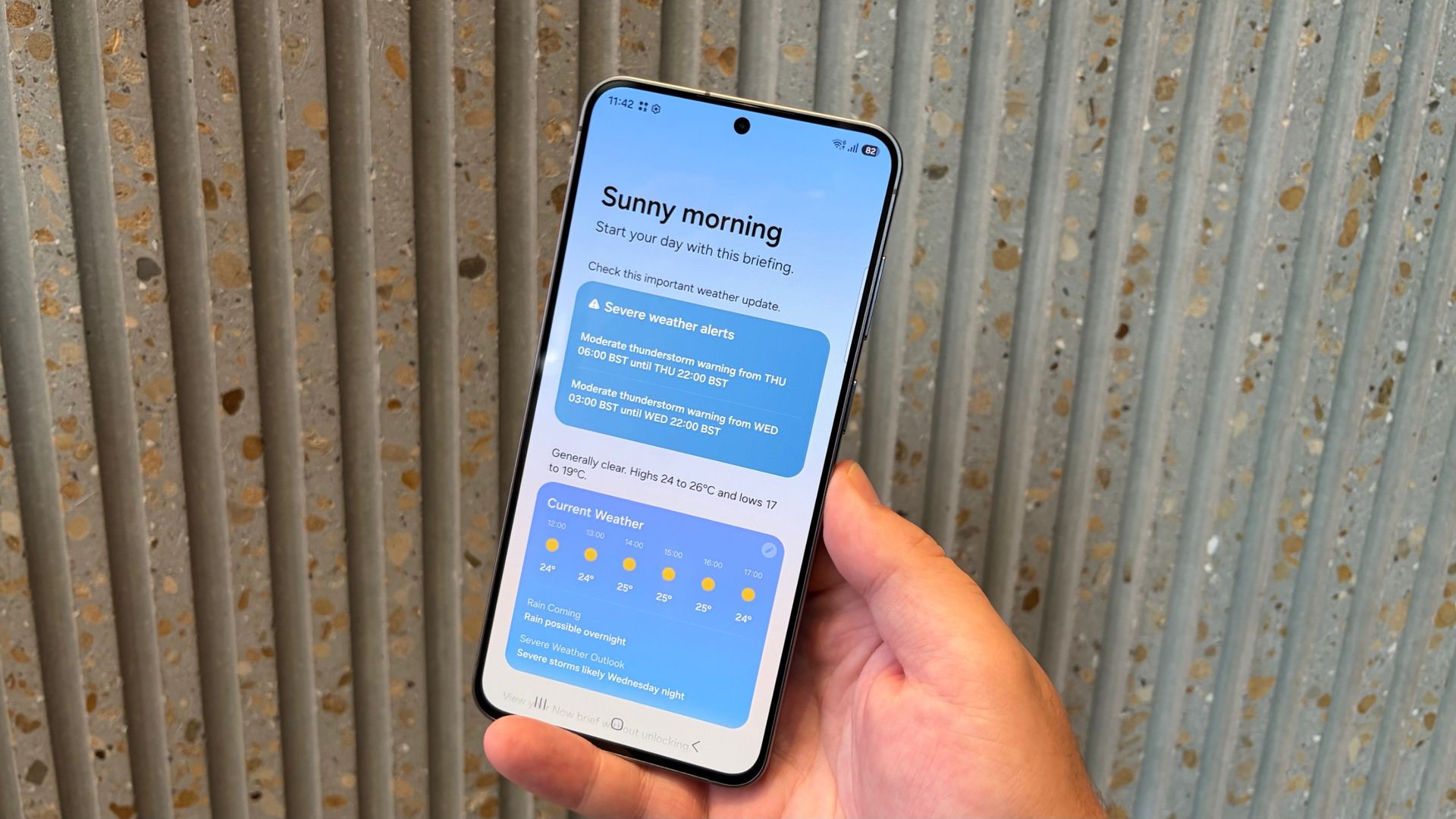
The Samsung Galaxy S26 FE has a 6.7-inch 1080 x 2340 AMOLED screen with a 120Hz refresh rate, around 385 pixels per inch, and a peak brightness of 1,900 nits.
The standard Samsung Galaxy S26 is smaller, with a 6.3-inch 1080 x 2340 AMOLED screen that has a 120Hz refresh rate, roughly 411 pixels per inch, and a peak brightness of 2,600 nits.
So these two screens use similar tech and are the same resolution, but in being smaller, the Galaxy S26’s display is also slightly crisper, and it has a higher peak brightness. Plus, while the Galaxy S26 can switch its refresh rate from 1Hz all the way to 120Hz depending on what the screen is displaying, the Galaxy S26 FE only has static 60Hz and 120Hz capabilities.
Our Samsung Galaxy S26 FE review described its screen as “big and colorful, but lacking detail,” while our Samsung Galaxy S26 review said it has “a display that hits all the marks of what you’d want in a flagship phone.”
So the standard Galaxy S26 has the better screen overall, but if you want a massive display, then the Galaxy S26 FE is the obvious choice out of these two phones.
Samsung Galaxy S26 FE vs Samsung Galaxy S26: cameras
Both of these phones have triple-lens cameras, with the Samsung Galaxy S26 FE having a 50MP f/1.8 wide snapper, a 12MP f/2.2 ultra-wide (with a 123-degree field of view), and an 8MP f/2.4 telephoto with 3x optical zoom.
The Samsung Galaxy S26, meanwhile, has a 50MP f/1.8 wide camera, a 12MP f/2.2 ultra-wide with a 120-degree field of view, and a 10MP f/2.4 telephoto with 3x optical zoom. Both phones also have 12MP f/2.2 front-facing cameras.
So their camera hardware isn’t drastically different, but in practice, the Galaxy S26’s lenses performed better in our tests. Our Samsung Galaxy S26 FE review noted that “the main and selfie cameras produce strong photos, but the phone’s let down by its ultra-wide and telephoto lenses,” while in our Galaxy S26 review, we said that “all three cameras take solid pics, but don’t rely on the telephoto past 3x.”
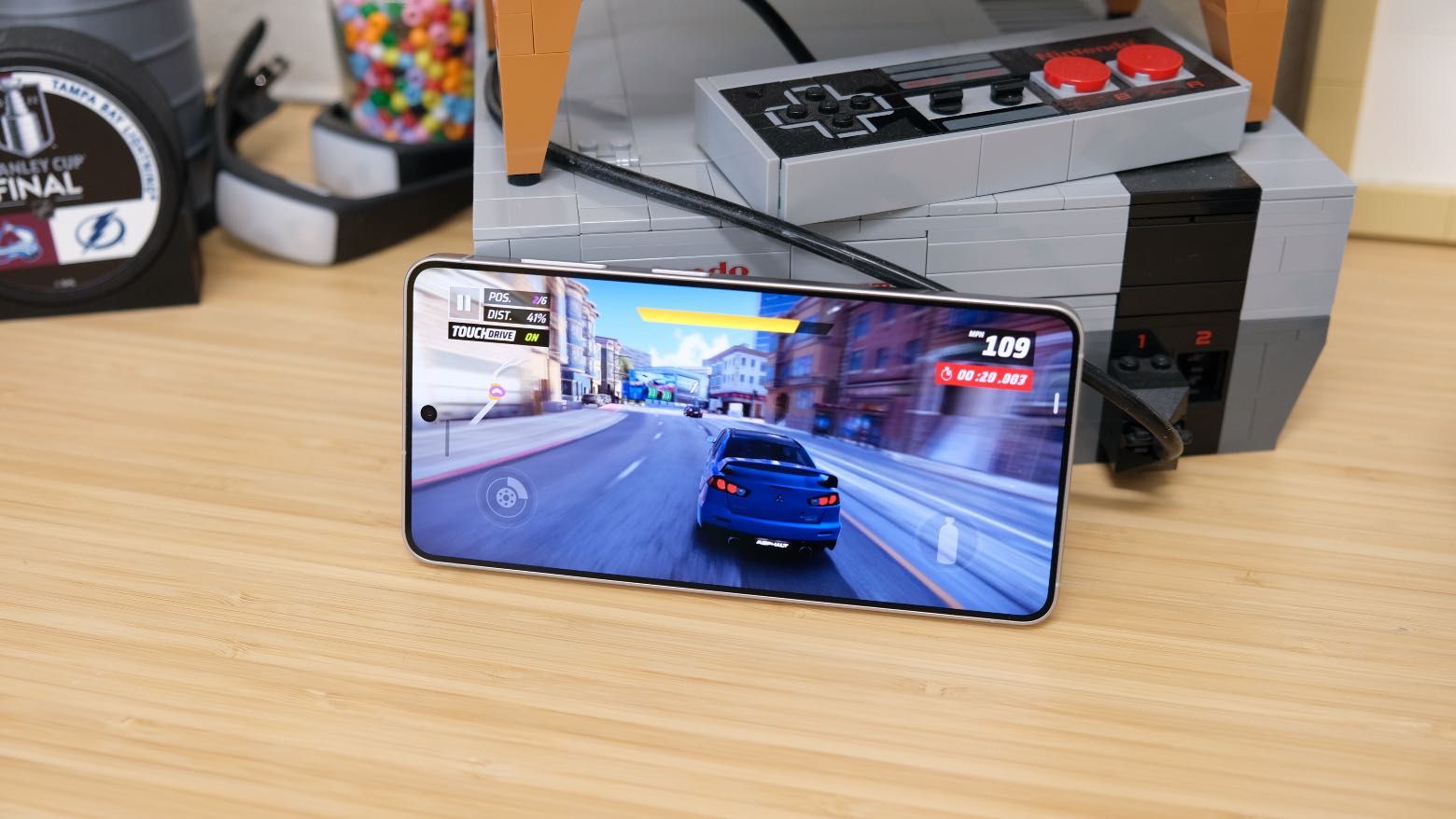
With the Samsung Galaxy S26 FE, you’re getting an Exynos 2500 chipset paired with 8GB of RAM, while the Samsung Galaxy S26 has either a Snapdragon 8 Elite Gen 5 (in the US) or an Exynos 2600 (in most other regions) paired with 12GB of RAM.
So, whichever region you’re in, you’re getting a faster chipset in the standard Samsung Galaxy S26, along with an extra 4GB of RAM, and that could make a real difference for AI and high-end games. But despite that, these phones both generally perform well.
Our Samsung Galaxy S26 FE review noted that its chipset is “a good performer, especially for graphics,” while acknowledging that “8GB of RAM is limiting for a premium phone in 2026.”
Of the Samsung Galaxy S26, we said it’s “quick and powerful, but the phone does get hot during intense tasks.”
What’s not so different between these two phones is their software, with both running Android 17 and Samsung’s One UI 9 overlay. Both the Galaxy S26 FE and Galaxy S26 also come with the promise of seven major Android version updates — though the latter phone has already received one of those.
Samsung Galaxy S26 FE vs Samsung Galaxy S26: battery
The Samsung Galaxy S26 FE has a 4,900mAh battery, and it supports 45W wired or 15W wireless charging, while the Samsung Galaxy S26 has a 4,300mAh battery with 25W wired and 15W wireless charging. So the Galaxy S26 FE has a higher-capacity battery, with more charging power.
In practice, we found that the Samsung Galaxy S26 still had “all-day battery life,” though we lamented its slow charging speeds, while for the Galaxy S26 FE, we said the battery is “long-lasting and fairly fast-charging.” So this is one area where the FE arguably has a slight edge.
Samsung Galaxy S26 FE vs Samsung Galaxy S26: verdict
(Image credit: Future)
The Samsung Galaxy S26 is more powerful than the Samsung Galaxy S26 FE, plus it has a slightly superior screen and — based on our testing — better cameras. It’s also slightly more durable, thanks to Gorilla Glass 2.
That said, the Samsung Galaxy S26 FE has a bigger screen, a higher-capacity battery, faster charging, and it costs less, while offering a similar software experience.
Overall, the Samsung Galaxy S26 is the better phone — indeed, we scored it higher in our reviews, with the device achieving 4 stars while the Galaxy S26 FE got 3.5.
But if you want a big screen on a mid-range budget, or simply don’t want to pay what the Galaxy S26 costs, then the Samsung Galaxy S26 FE is still a good option.

 Login