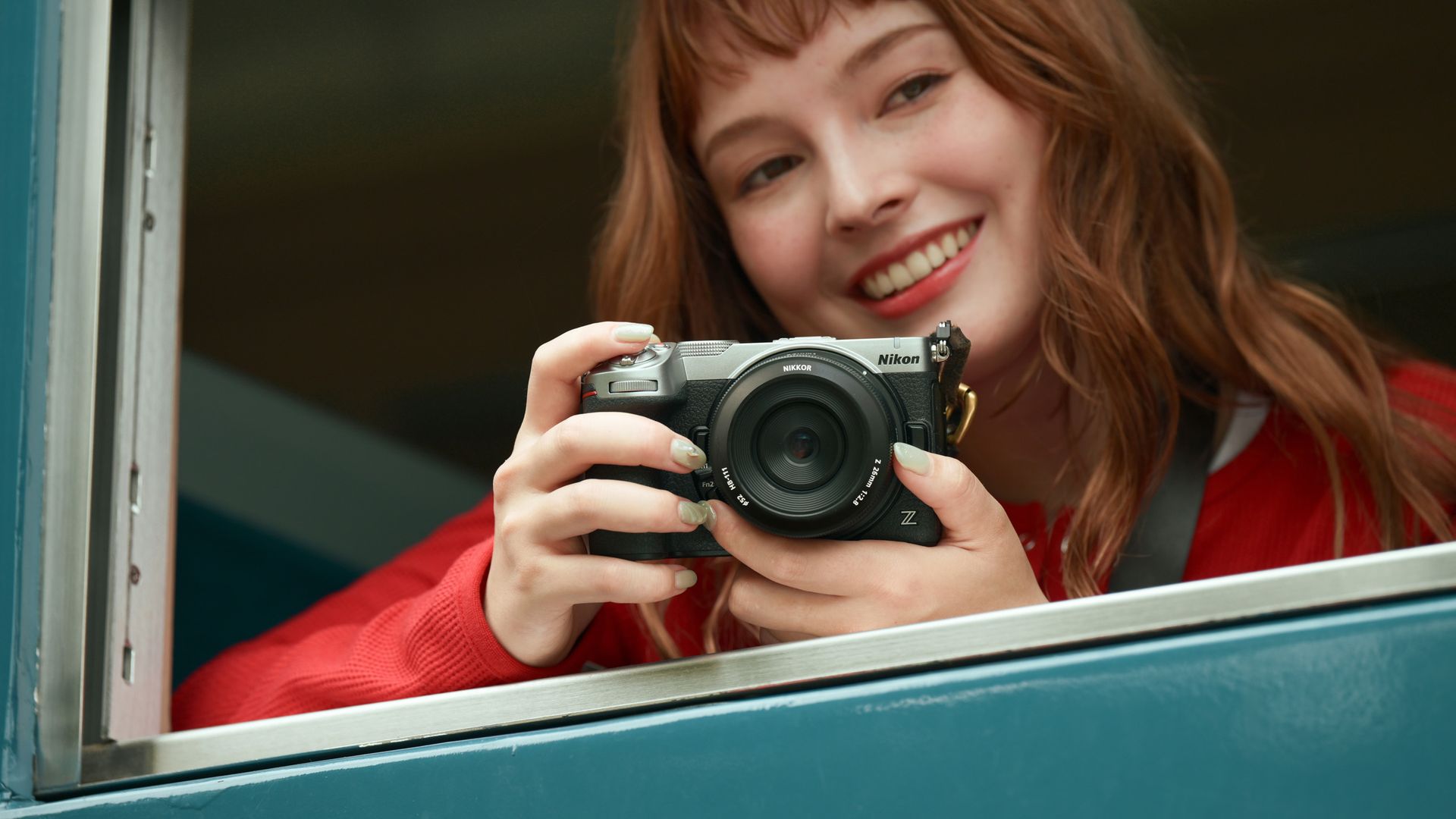
The Z5 II C is a lighter version of the full-frame Nikon Z5 II, without a viewfinder
Prices start at £1,349 / AU$2,399 (US pricing TBC), on-sale date mid-October
It's available in black or black/silver colorways, and numerous lens kit options
Nikon redefined entry-level full-frame cameras with the Z5 II, which scooped our Camera of the Year 2025 award. Now the company is upending the notion that full-frame is just for pros with its most affordable and compact model in this format yet, the Z5 II C.
As its name suggests, the Z5 II C is a ‘compact’ version of the Z5 II, and the key difference is that it doesn’t have a viewfinder (and it has a single card slot rather than dual slots). This means the ‘C’ model is smaller, lighter and cheaper.
It still has a tough magnesium-alloy body with a chunky grip, is sealed for dust and moisture resistance, and packs a healthy 3.2-inch, 2.1m-dot vari-angle LCD, all carried over from the Z5 II. The cameras share identical features too; the same 24.5MP full-frame sensor with image stabilization that’s rated up to 7.5EV.
Nikon UK's Training Specialist Ricci Chera briefed me on the camera ahead of its September 24 announcement and mid-October on-sale date, emphasizing that the Z5 II C is about choice, offering certain users the “benefits of full-frame, without paying for something they’re never going to use [a viewfinder]”.
Is Nikon onto something here? Is the £1,349 / AU$2,399 asking price (I'll update this article with US pricing when I have it) enough of a gap to tempt first-time buyers, or sway them from the Z5 II?
NikonNikon
So, full-frame is for beginners now?
The low £1,349 / AU$2,399 asking price of the ‘C’ version seems pretty appealing, especially given the spec and features you're getting: the Z5 II C has the same sensor as the Z5 II and Nikon’s latest processor, while its subject-detection autofocus can recognize subjects even when they take up as little as 3% of the frame, and which is low-light sensitive to -10EV (with a new ‘fish’ detection mode added — that’s a first),
There's also 14fps with a mechanical shutter (30fps electronic) and 4K video with 12-bit N-RAW internal recording, and much more. Besides the Lumix S9, I can't think of a better-value full-frame camera, and not one that launched for such a low price.
The price and compact size are the major selling points of this full-frame model, which Nikon says is about offering users "choice" — the pricier and larger Z5 II with a viewfinder and dual card slots, or the cheaper and smaller viewfinder-less Z5 II C. I get the logic.
However, I’d still stump up the extra cash for the Z5 II — its viewfinder is bright, big and immersive, it has the extra card slot, and I personally don’t mind the extra size and 100g in weight (the Z5 II C is around 600g with card and battery inserted while the Z5 II is around 700g).
Video-first users and even smartphone upgraders who've never experienced a viewfinder might not feel the same way, and for them the Z5 II C could prove to be the wiser choice, and one of the hits of 2026. We'll bring you our review of Nikon's latest full-framer soon.
Vivo launched the flagship X500 series of phones, with three new models
A new monitoring screen comes in the X500 Pro Max photographer's kit, or it can be purchased separately
At launch, all the phones and accessories are China-only, with a wider rollout TBD
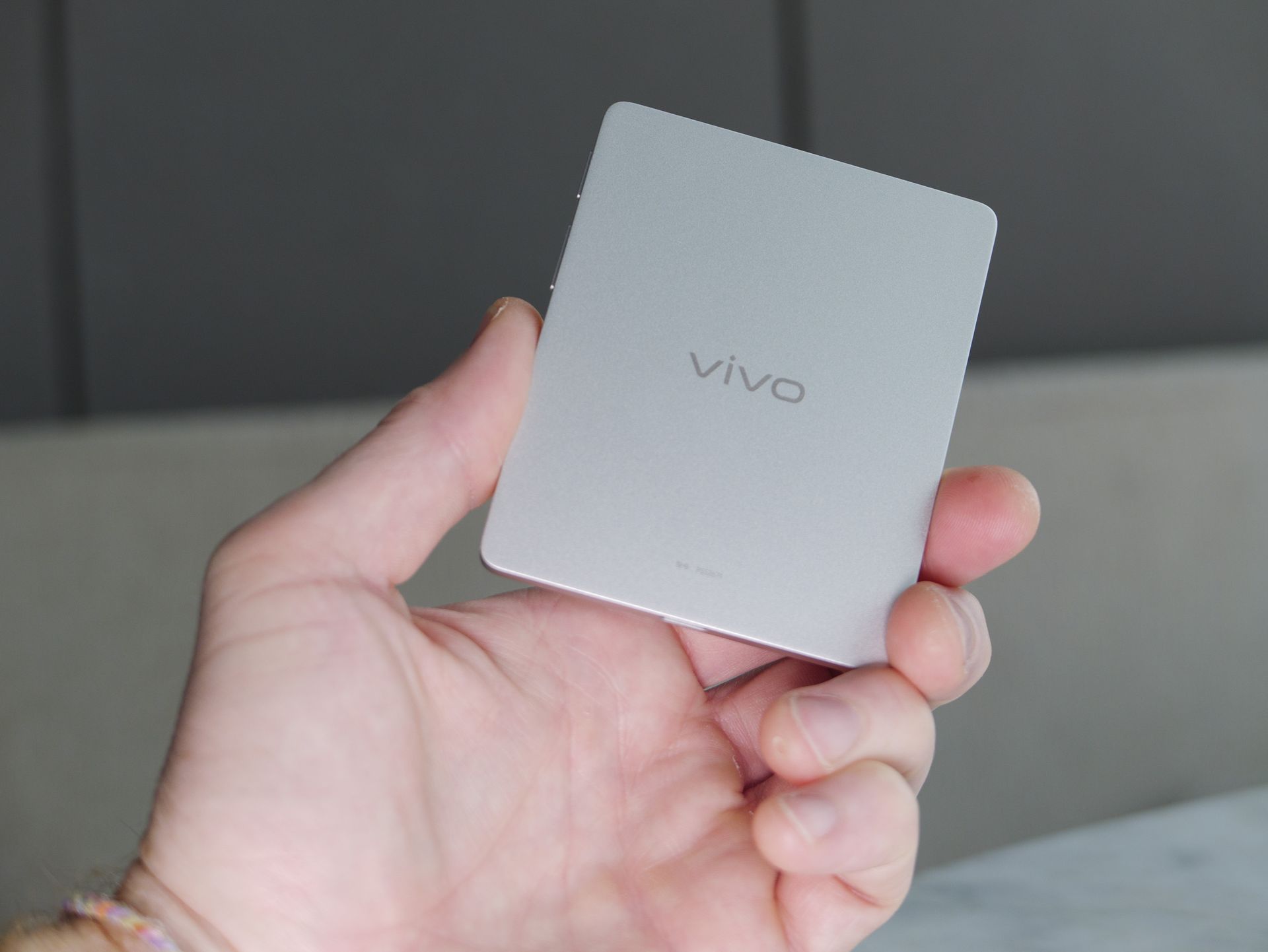
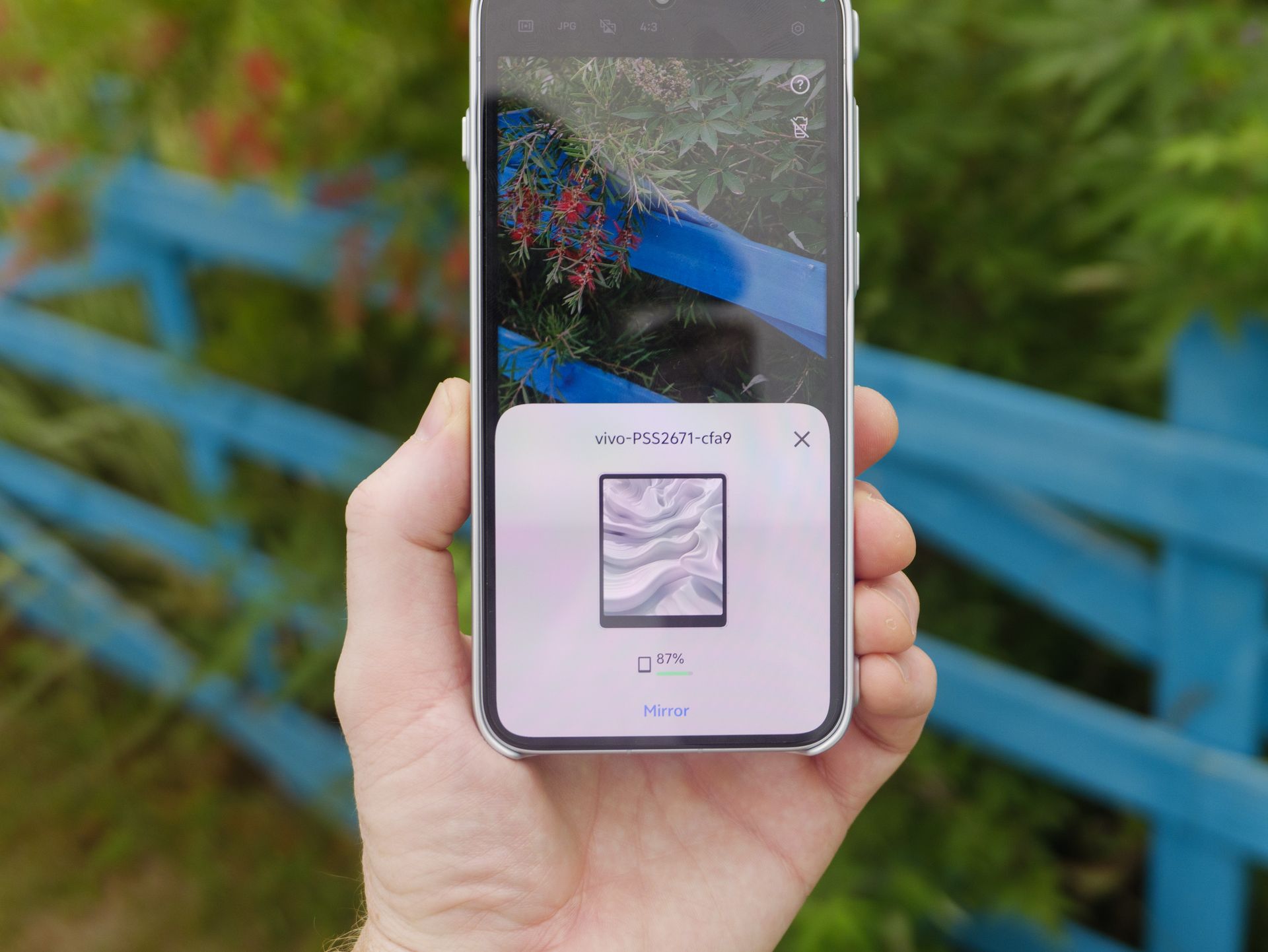
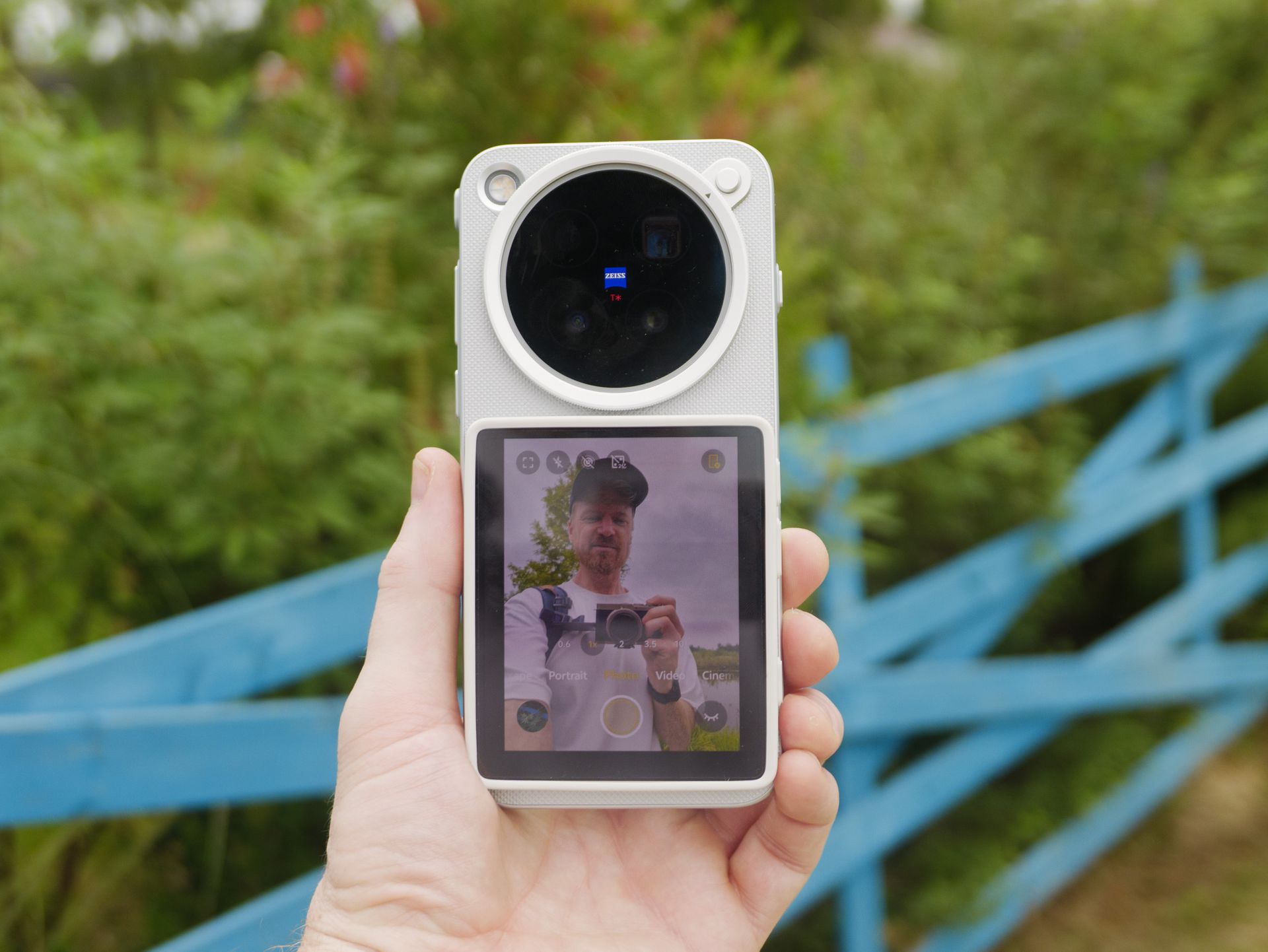
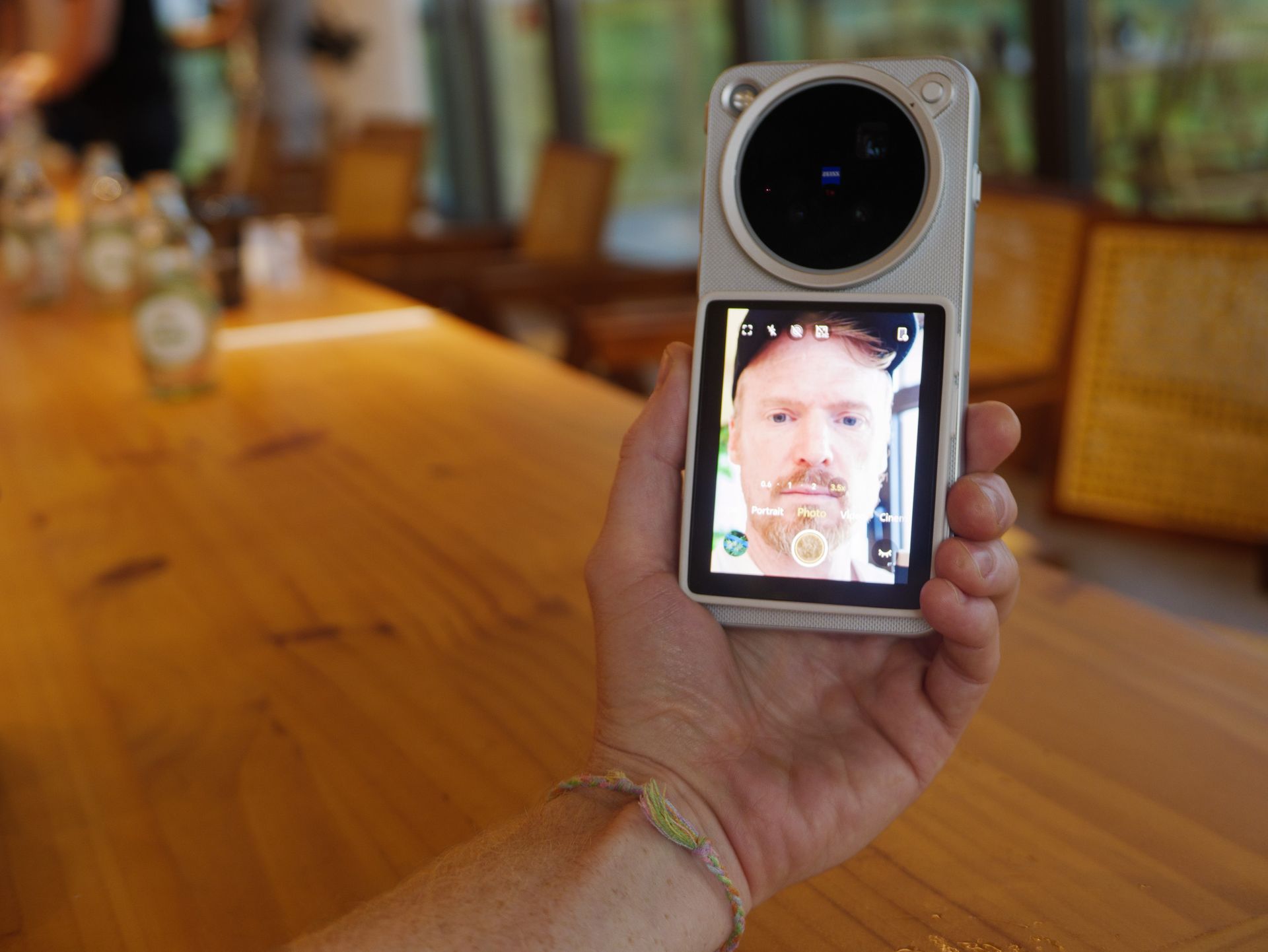
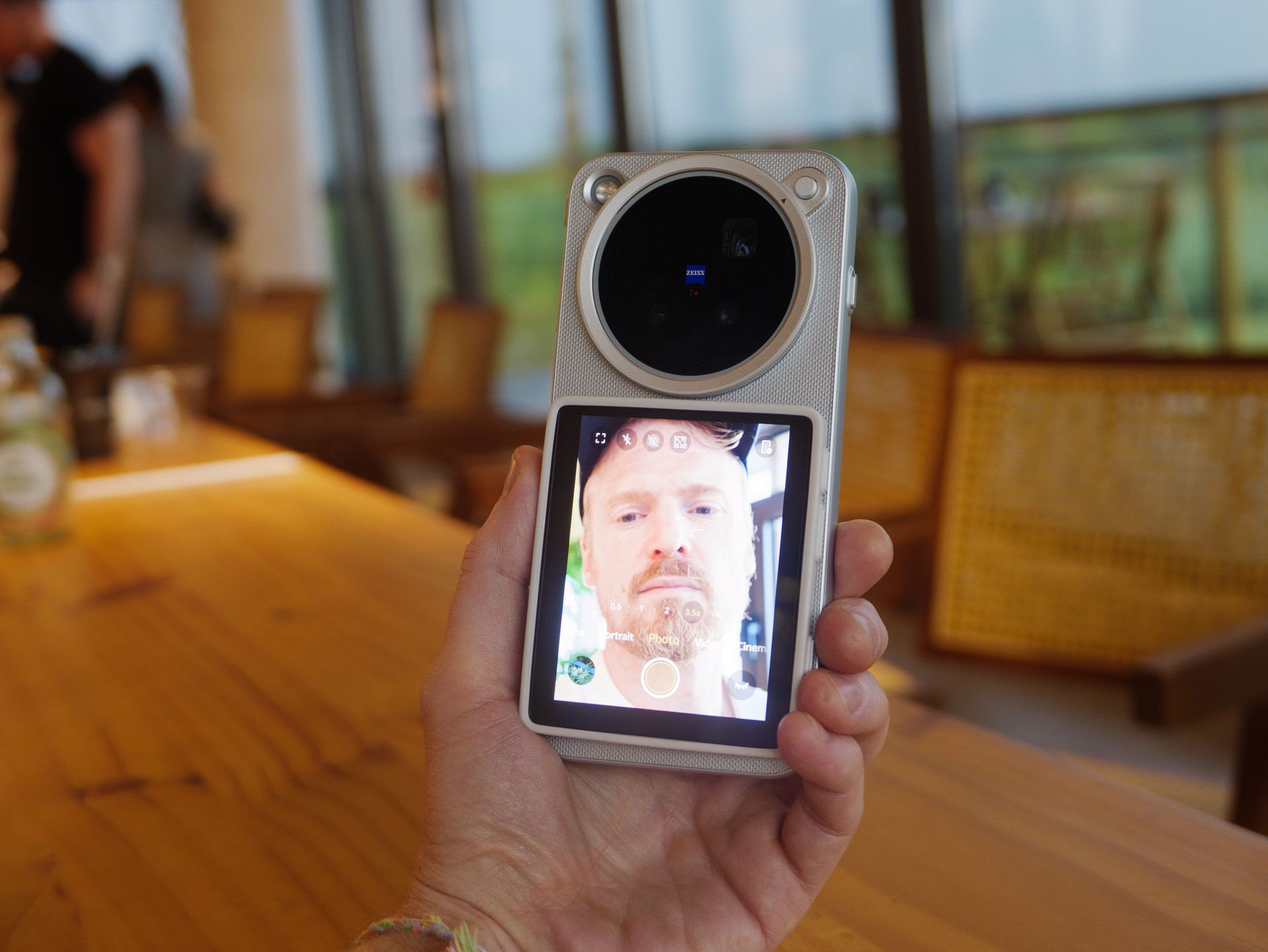
Vivo quietly launched a really neat accessory alongside its new flagship X500 series of phones — an ultra-slim and light Bluetooth monitoring touchscreen — and, having paired it with the new X500 Pro Max, I wish it were compatible with my phone.
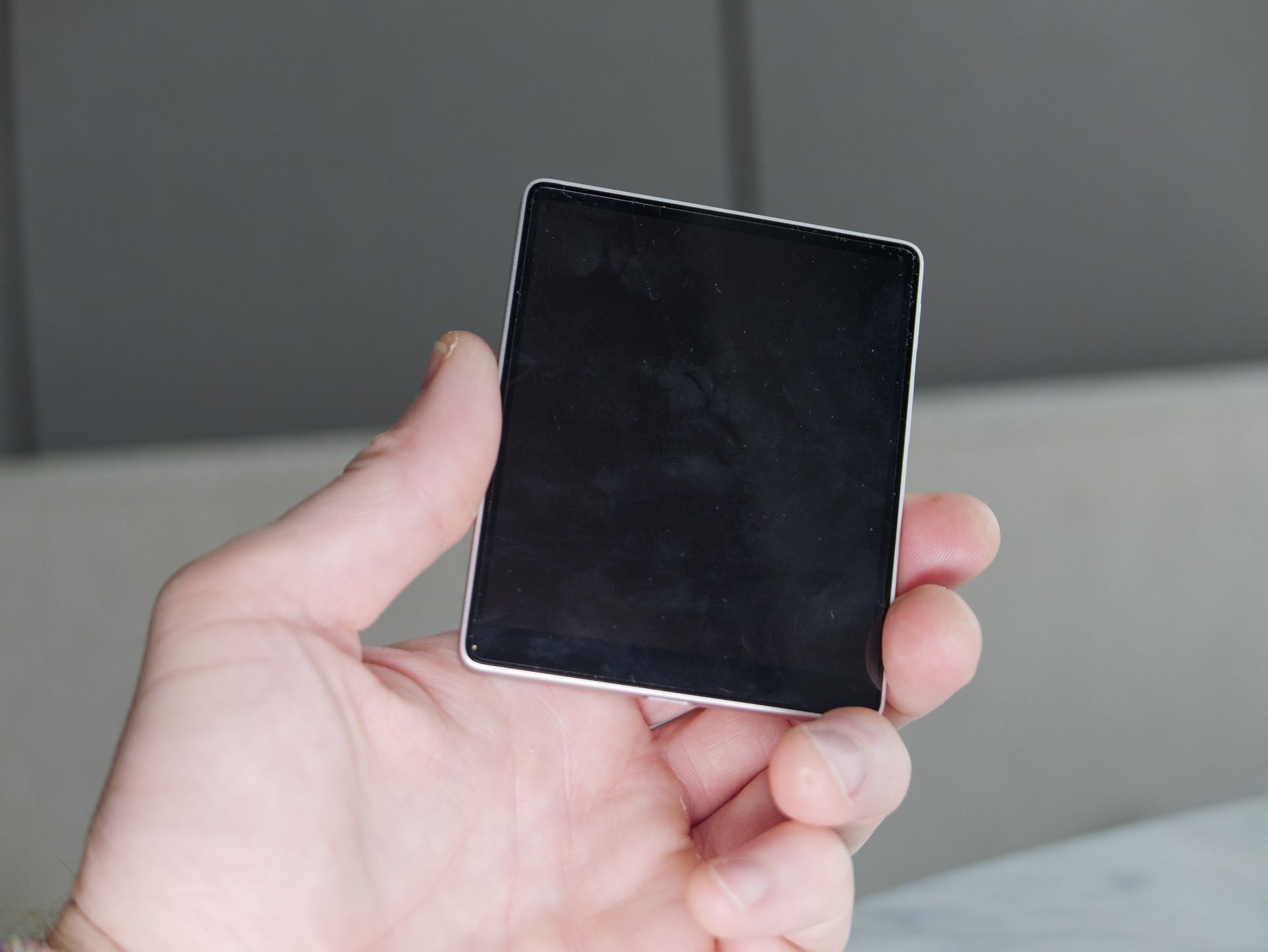
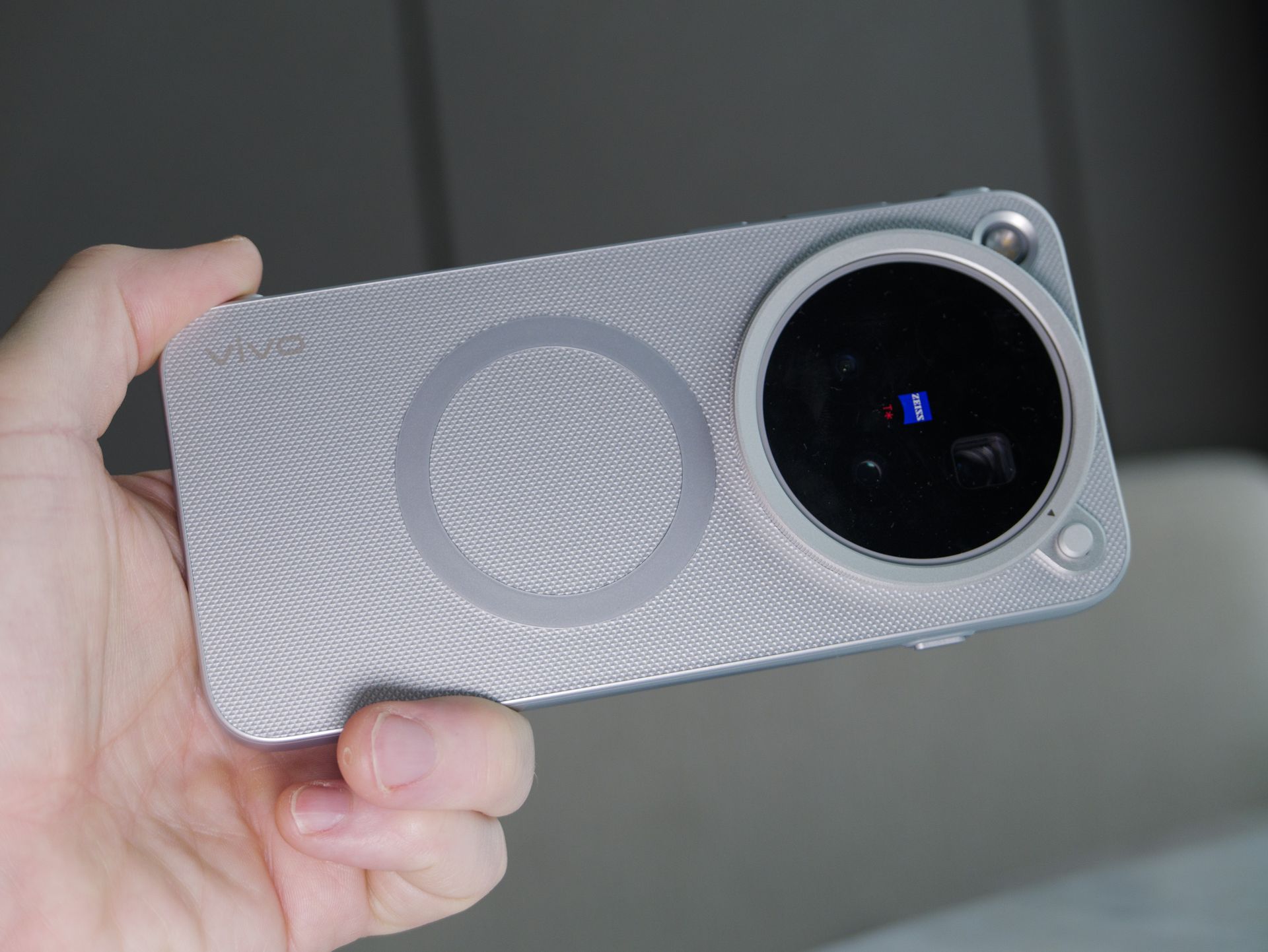
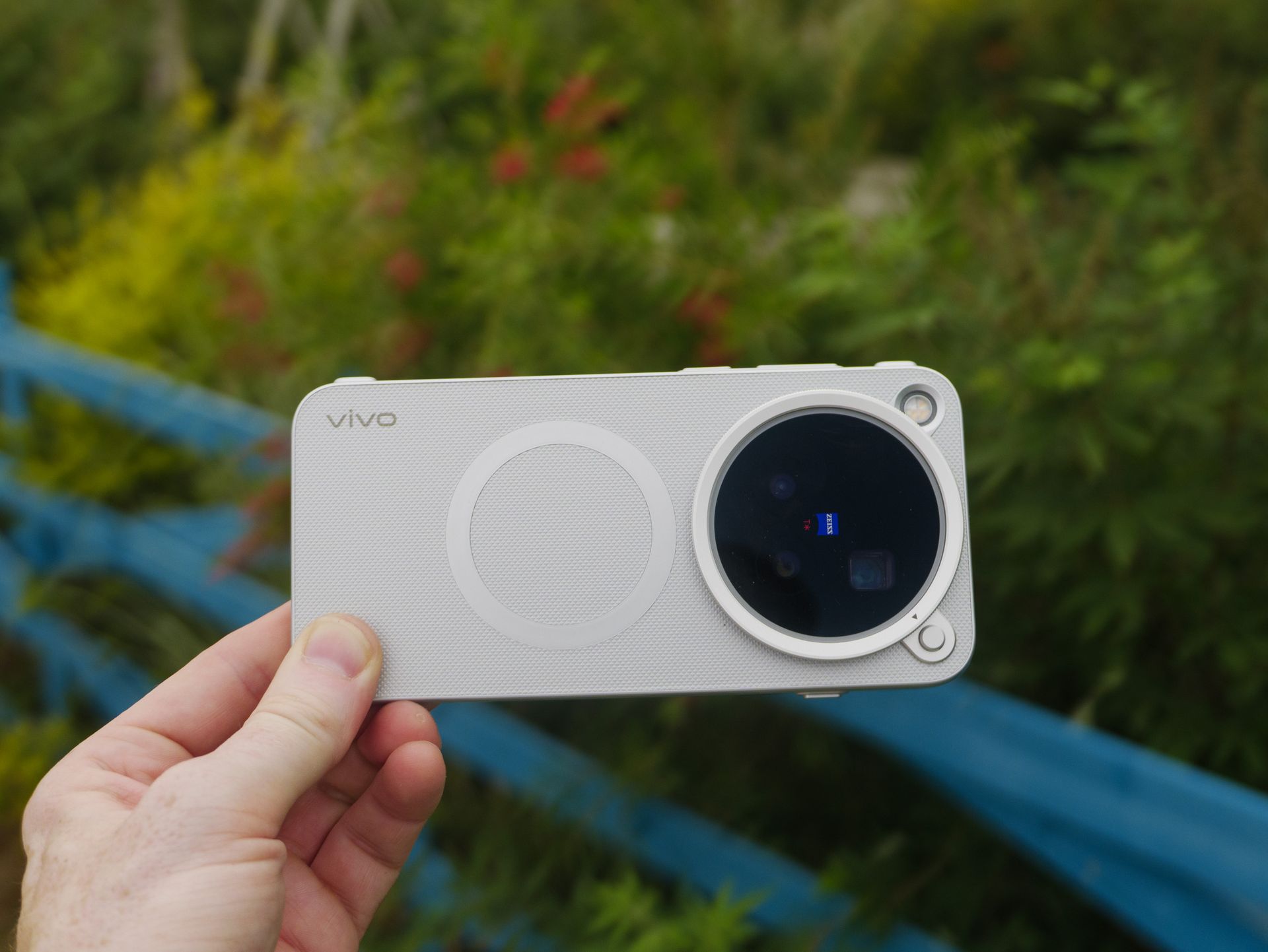
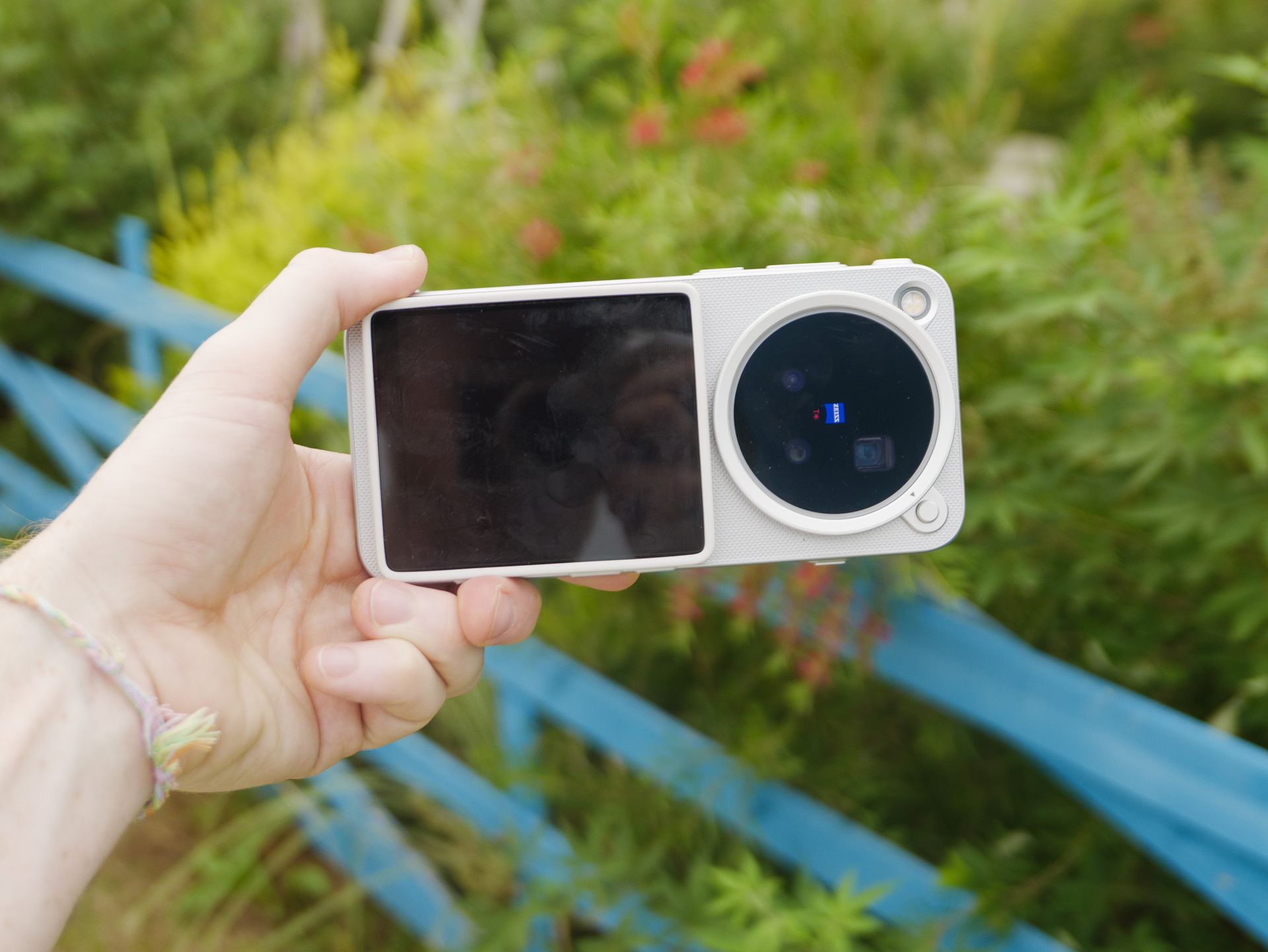
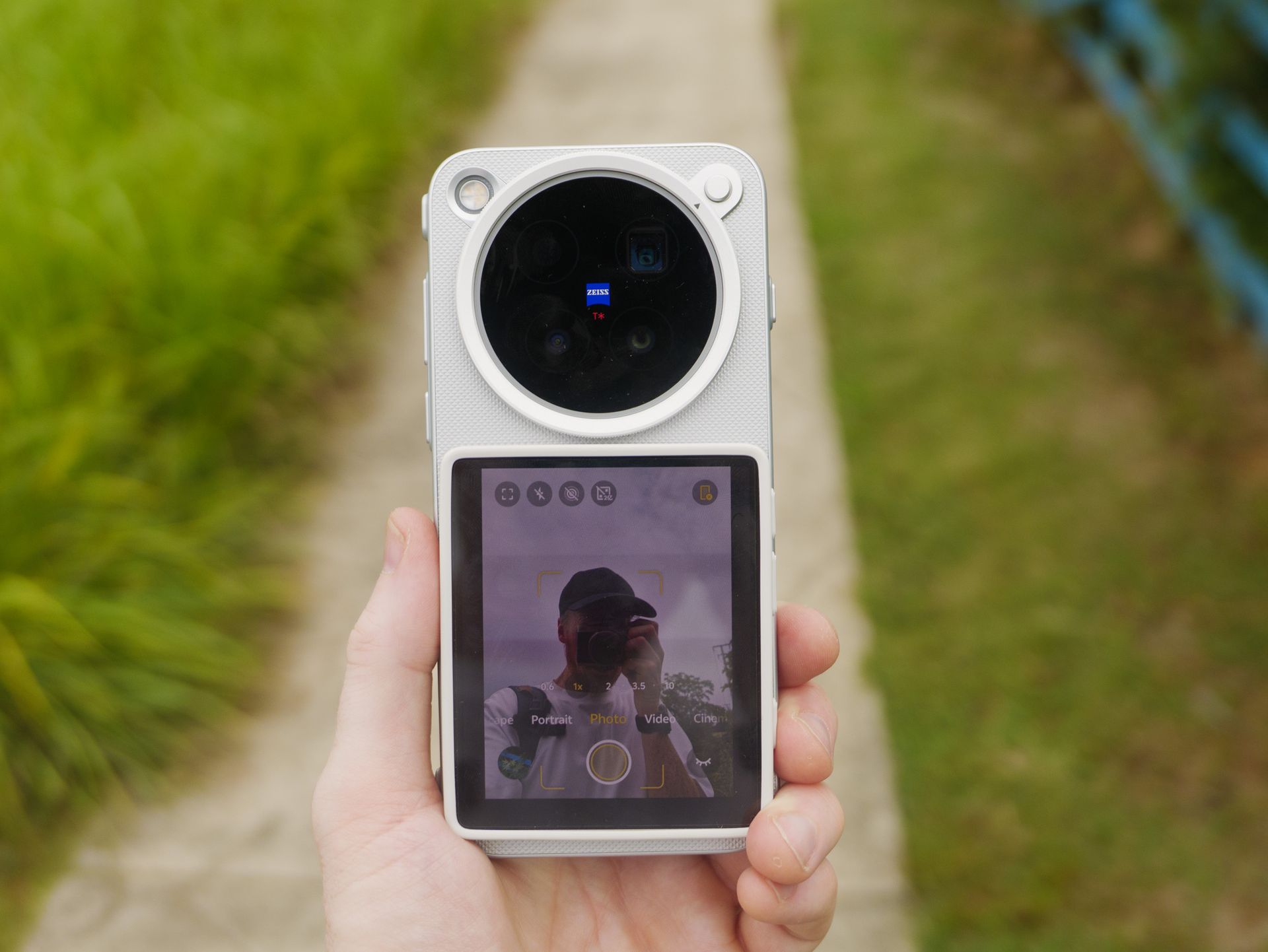
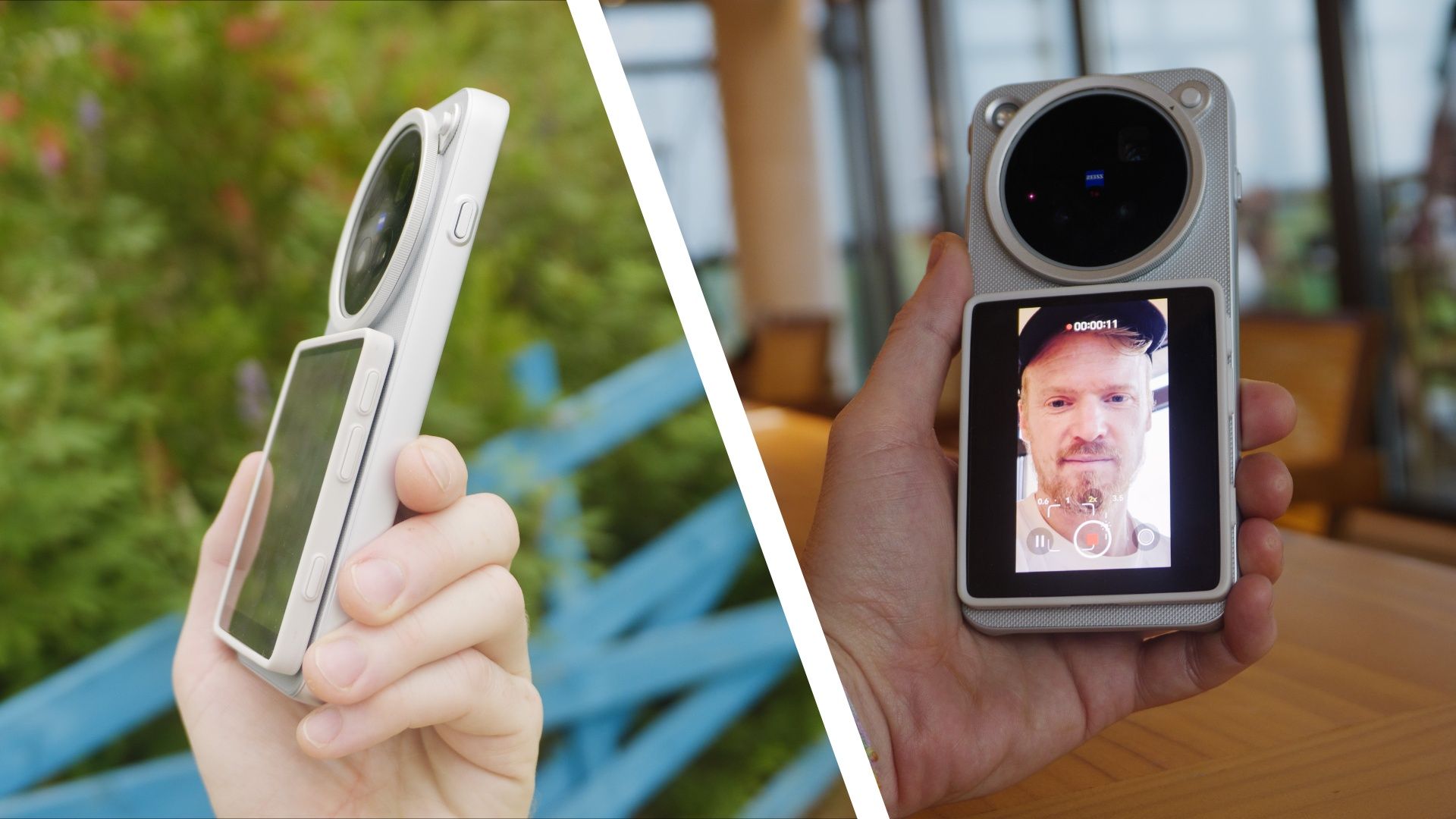
The monitoring touchscreen, aka a selfie screen, mirrors your phone's camera app, complete with touchscreen control over key camera settings and subject tracking, and can be attached to the phone magnetically or used as a remote monitor within its Bluetooth range.
Why not just use your phone's selfie camera instead, you ask? Well, the quality of the rear-facing selfie camera is always inferior to the front-facing cameras, as are the camera settings available.
A selfie screen, on the other hand, unleashes the device's superior front cameras — in the case of the Vivo X500 Pro Max, a triple array including a 50MP main camera and a 200MP 3.5x telephoto camera.
We've seen this kind of selfie screen tech before; Insta360's Snap Selfie Screen comes to mind. However, it needs a cable to connect to a phone, it has an annoying protective cover that flaps around when the screen is in use, and the display is smaller and harder to see. The new Vivo accessory, however, is better and more sophisticated in every way.
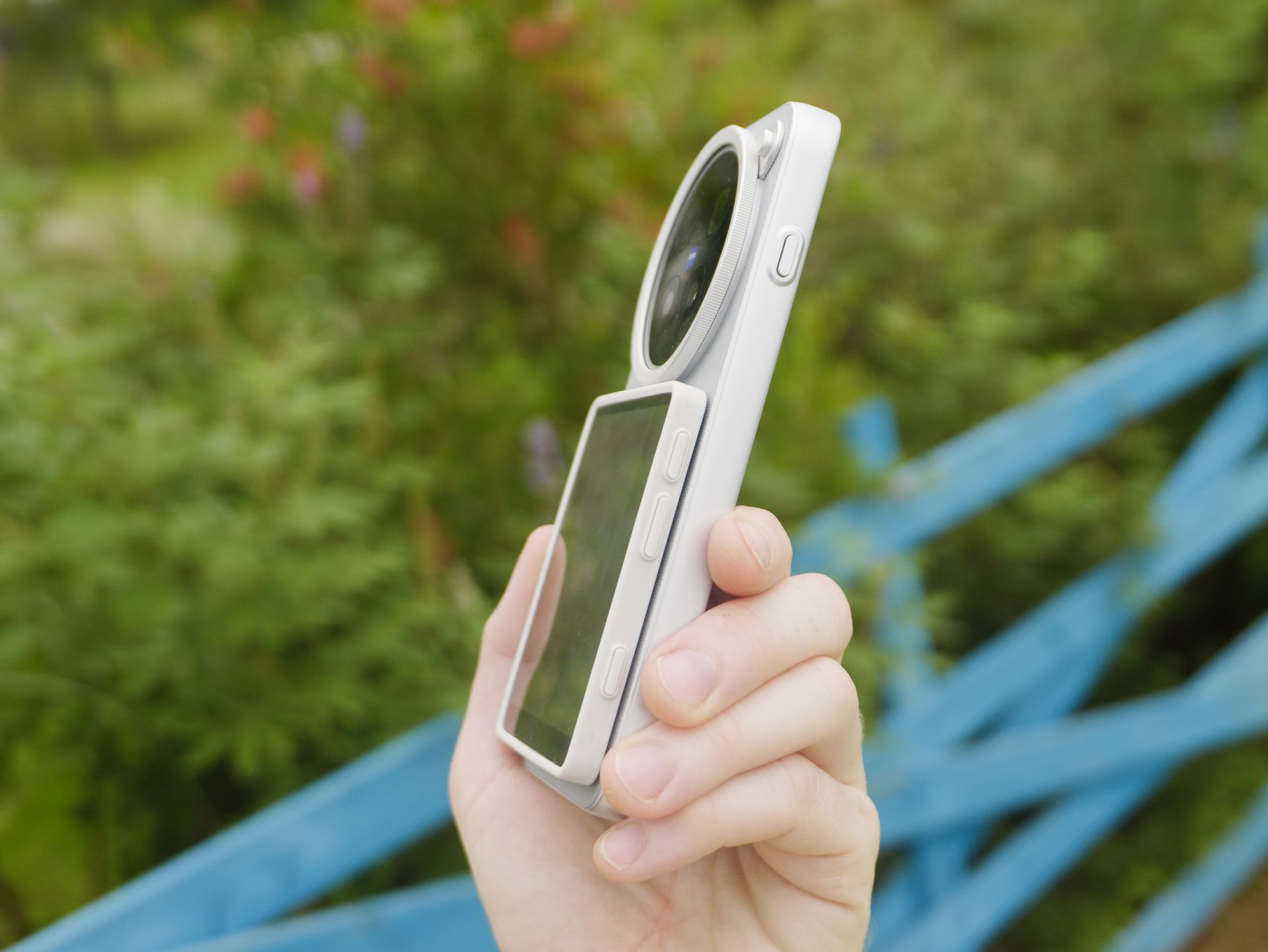
The selfie screen without its magnetic rubber caseTim ColemanTim ColemanTim ColemanTim ColemanThe dedicated case Vivo makes to magnetically attach accessories such as the selfie screenTim Coleman
The best mobile accessory for 2026 so far?
Vloggers should take note of Vivo's new selfie screen. For one, it can snap onto the device magnetically, or be used by hand, so long as a Bluetooth connection is possible. No cable needed.
Used as a remote monitor, you can position your phone somewhere, say, on a tripod, and then walk into the shot and see what your phone is seeing, no cameraperson needed. (Great for group photos as well, by the way.)
It's clearly a trend — the Insta360 Luna Ultra vlogging camera features a removable touchscreen and controller module (which also has a built-in mic), while DJI launched a remote controller with a screen for its Pocket 4 series.
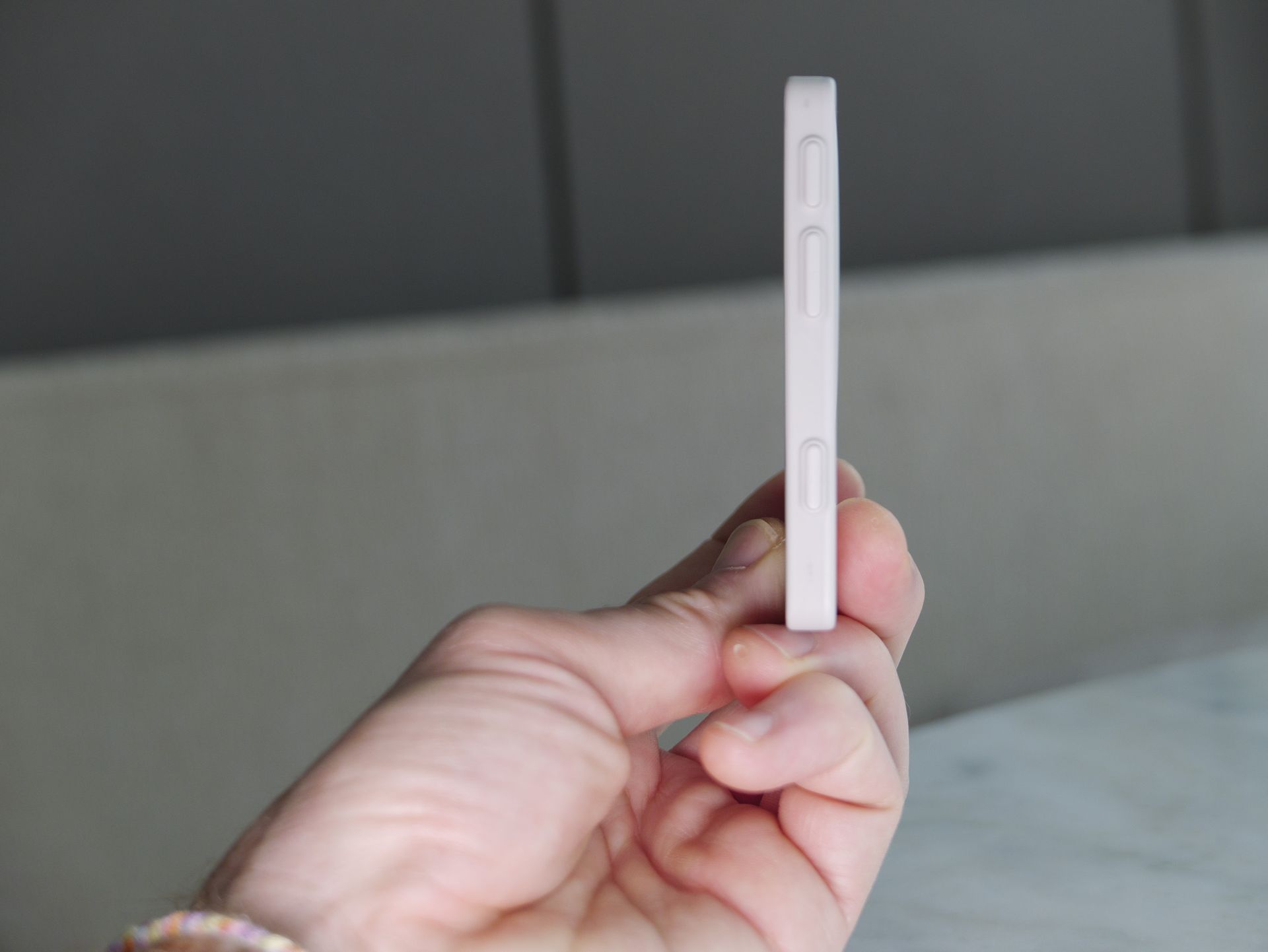
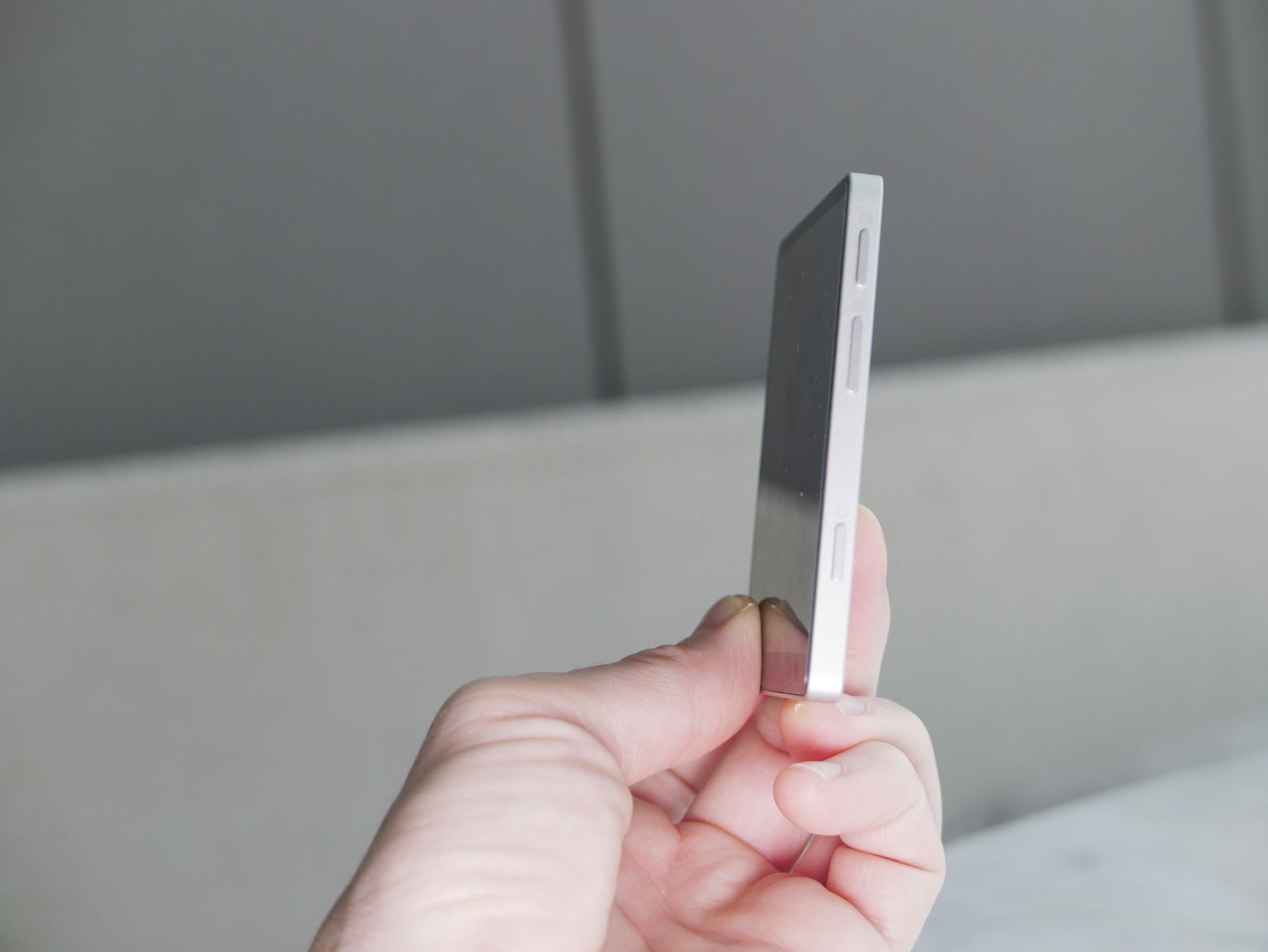
Whether used remotely or attached magnetically, the Vivo selfie screen's 3.92-inch AMOLED display with 419 pixels per inch (PPI) is clear and crisp. It’s also super light and thin, measuring just 5.65mm thick and weighing 68g — you'll barely feel it on the phone.
Tim ColemanTim ColemanTim ColemanTim ColemanTim ColemanTim Coleman
It has a USB-C port for charging, plus three side buttons, including a recording button and one for adjusting the screen's brightness levels. Otherwise, that's it.
What's unclear at this stage is which devices are compatible with the monitoring screen, besides the Vivo X500 series, if any.
There’s one major drawback to using it with the Vivo X500 Pro Max — neither device is MagSafe, meaning you need a dedicated case for the phone and monitor for them to stick together!
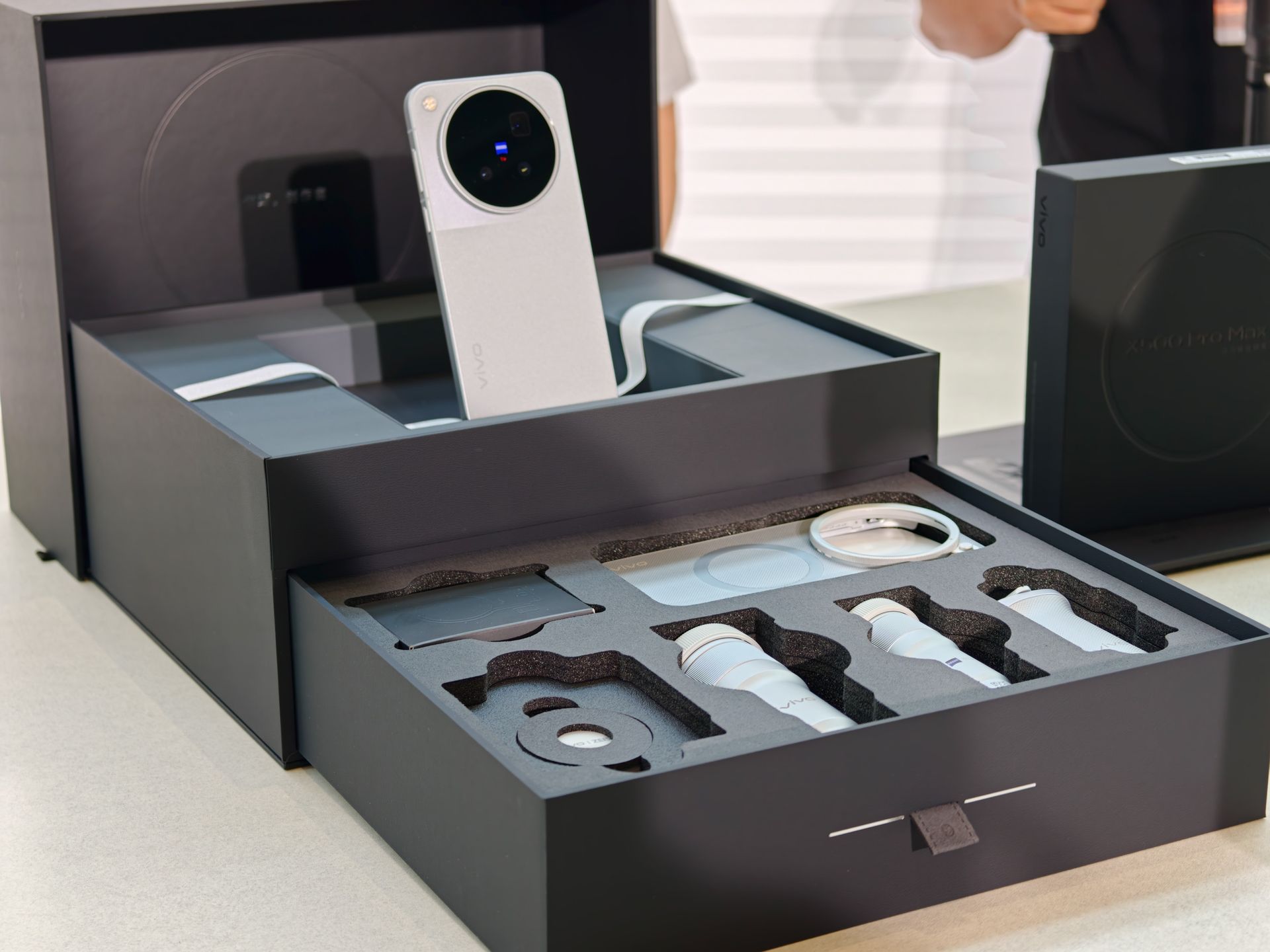
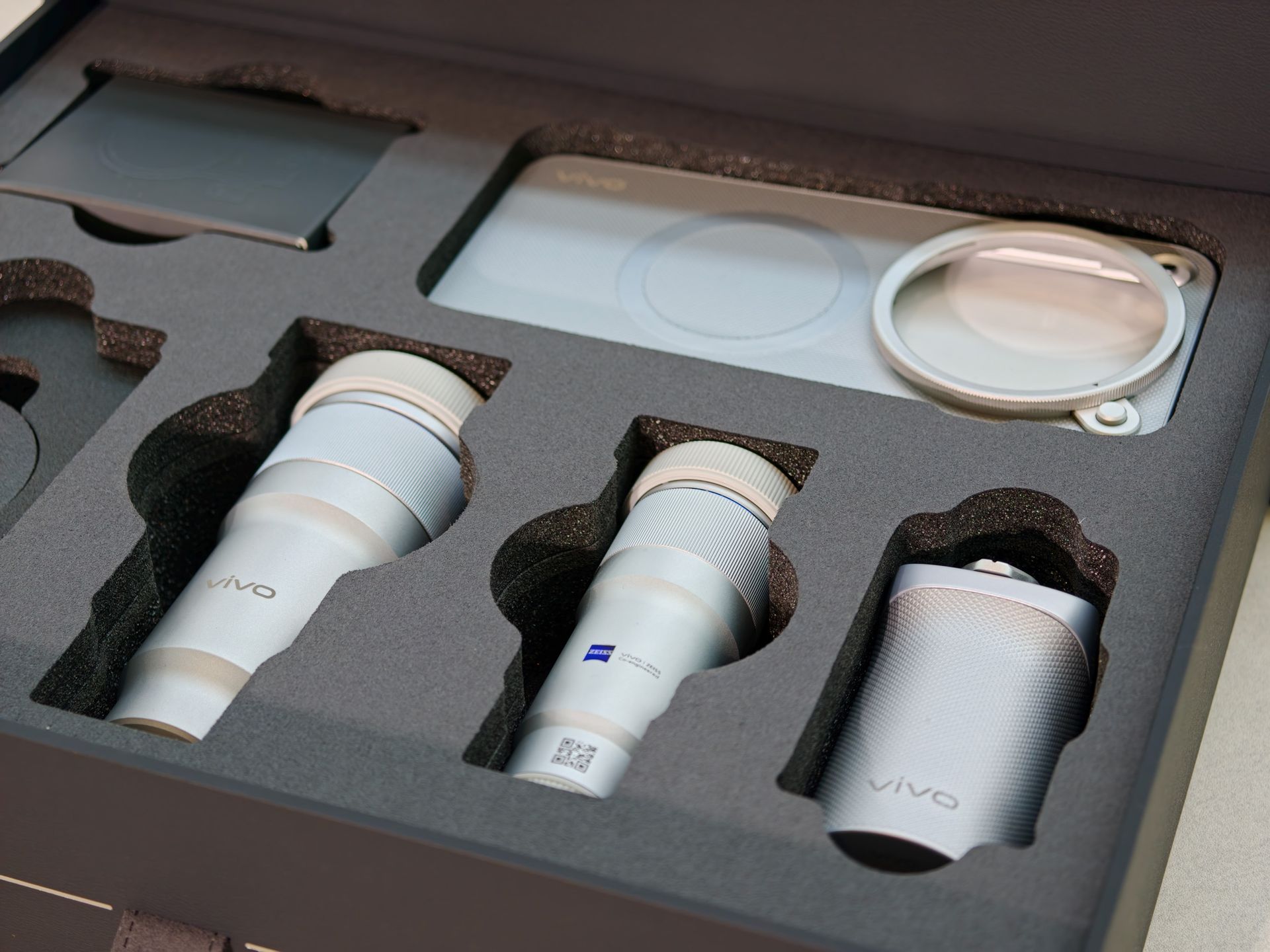
Vivo sells a case (and the monitor) separately, or they're included in a photographer’s kit which also includes two teleconverter lenses. Meanwhile, the monitor is supplied with a magnetic MagSafe-style rubber case. Vivo says the monitor costs 699 Chinese Yuan (a price conversion is $105 / £78 approximately, though international pricing will be higher).
Tim ColemanTim Coleman
Compared to the other similar devices I've tried, I found the Vivo vlogging monitor lighter, has a clearer display, and I appreciated its wireless connectivity, with options for remote or MagSafe-styler setups.
If you ever shoot selfie content and wish you could more easily use your phone’s superior front camera, then a selfie screen is a great option, and Vivo looks like it has just made the best one. If it turns out to be compatible with your device, then it could be the best phone accessory you buy all year — I'll update this page once I know more about the availability and compatibility of the screen.
Over 1,000 small drones are being added to the British Army’s modernized battlefield surveillance kit
245 FOXE-NATO drones from Evolve Dynamics in Hampshire, England, have been ordered by the Ministry of Defence (MoD), with a further 670 built by California-based Skydio
A further £400 million investment in “long-endurance surveillance drones” has also been announced
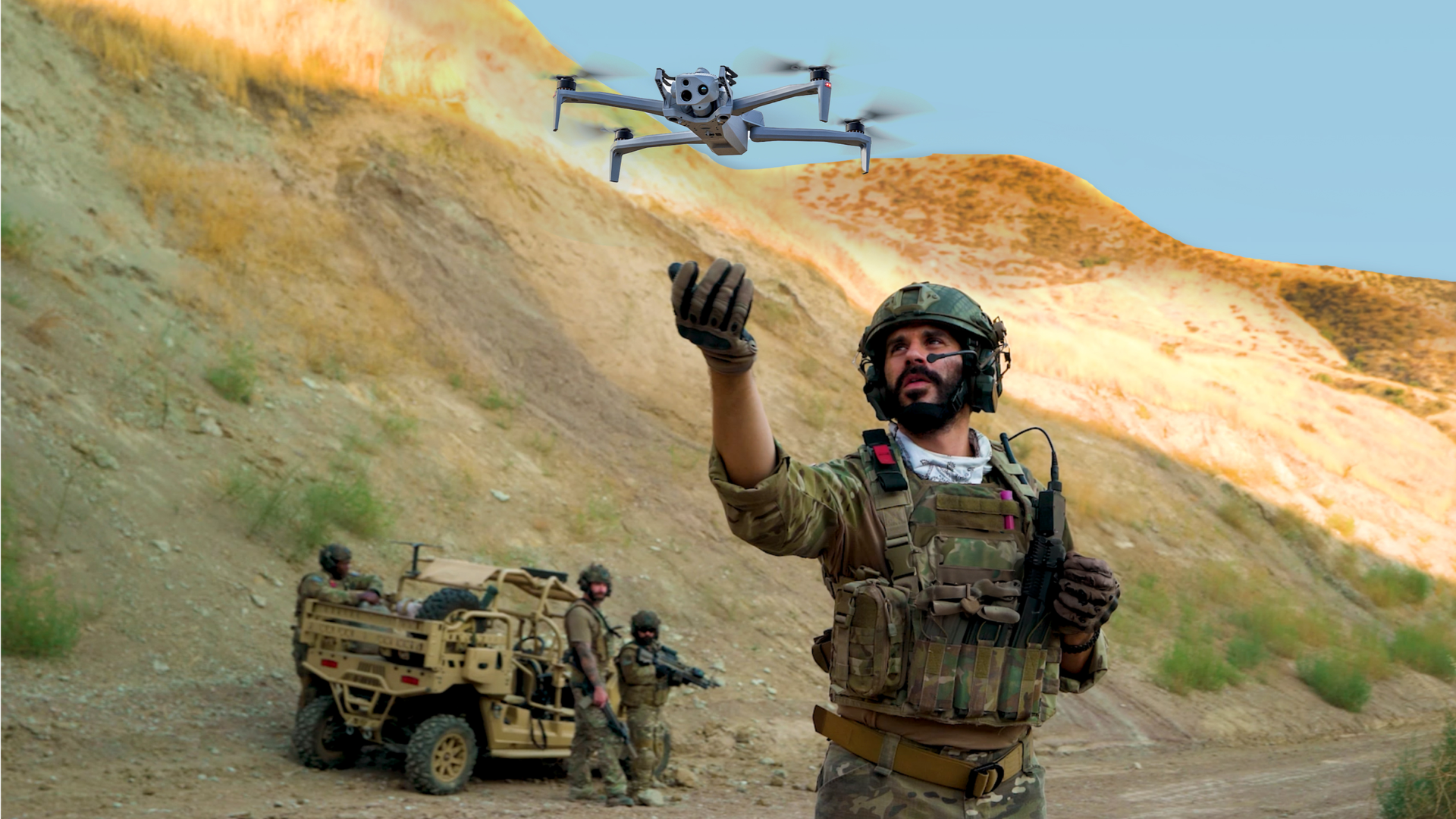
The British government has announced spending on over 1,000 small surveillance drones for the British Army, as part of its Defence Investment Plan. This includes compact, lightweight devices assembled at UK-based Evolve Dynamics, designed for fast deployment.
Announcing the spending plans and investment, the UK’s Ministry of Defence has emphasized the use of what it terms Intelligence, Surveillance and Reconnaissance (ISR) drones as a step forward in detecting emerging threats.
In addition, a huge £400 million is being invested in replacing the Watchkeeper Uncrewed Air System. This unmanned drone surveillance program has been in operation since 2014, and is being retired in 2027.
UK companies handling delivery
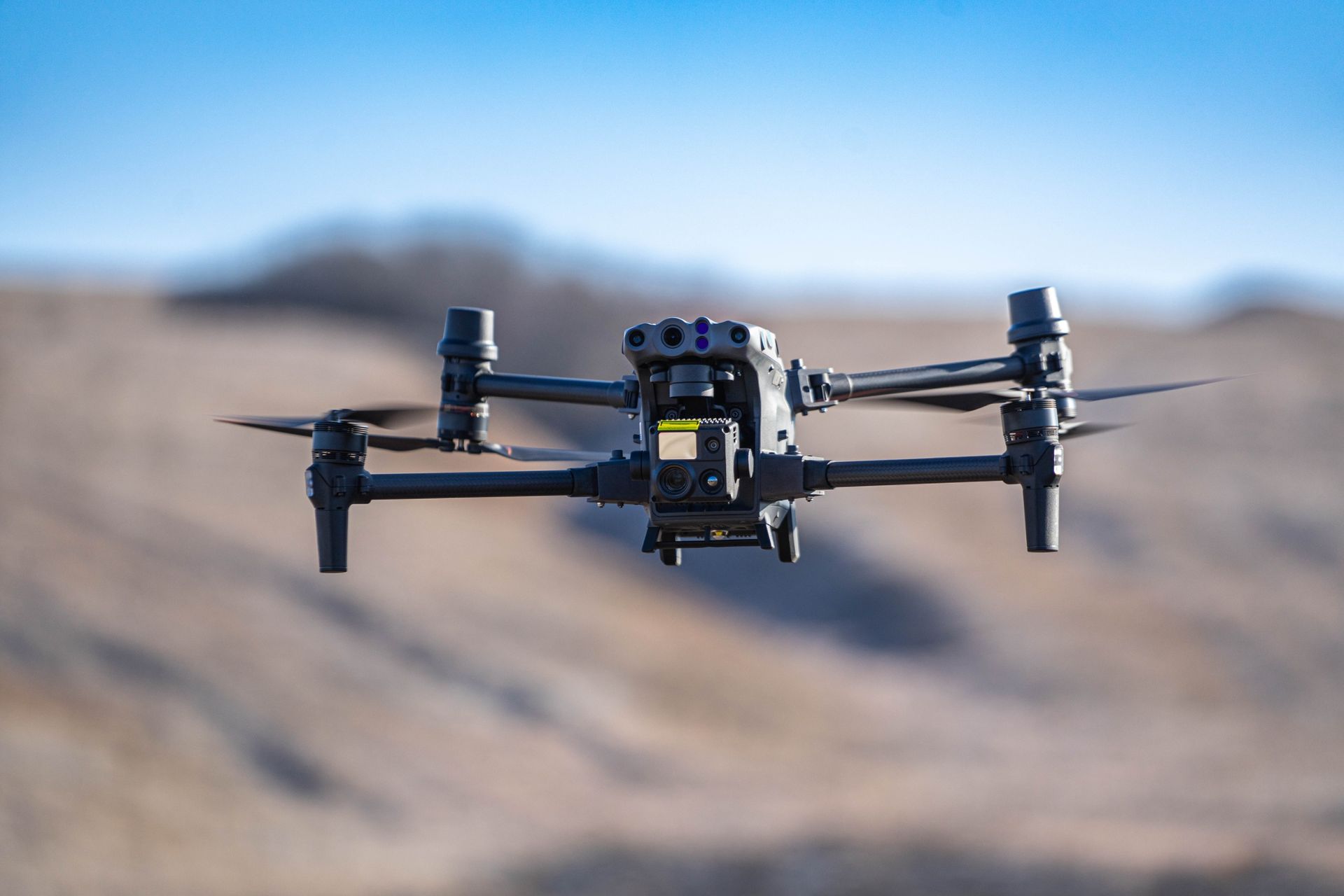
In total, 1,025 smaller drones are being procured in the £16 million deal, which involves deals with a trio of UK-based companies. Among these small and medium sized companies is Evolve Dynamics, a Hampshire-based company which is supplying the army with 245 FOXE-NATO drones. Weighing under 250g and equipped with infrared cameras for nighttime use, the FOXE-NATO drones are also designed for quick deployment from a backpack or pouch.
Meanwhile, Marlborough Communications Limited, in Surrey, England, is supplying the MoD with 670 Skydio X10 INTL drones, also capable of a fast deployment and speeds of up to 45 mpg. Skydio is a California-based company.
Finally, Exeter-based Brigantes Consulting and and Harmattan AI are delivering 110 SONORA drones. These are training devices, to prepare soldiers for using field-ready drones.
“Our soldiers deserve the best technology, and that’s what we’re delivering,” said Luke Pollard MP, the UK’s Minister for Defence Readiness and Industry.
“From small drones giving troops eyes on the enemy, to the AR5 offering commanders better intelligence over the battlefield, we’re transforming the Army’s ability to see, understand and act first.”
“This is defence procurement that backs British industry, creates skilled jobs and keeps our Armed Forces ahead of our adversaries.”
Long-endurance
Joining the smaller surveillance and training drone expenditure, the MoD has announced a £400 million spend on a fleet of Tekever AR5 surveillance drones (initially six, rising to 24 by 2029), designed and built for endurance. These craft have already seen action in Ukraine.
“We are proud to be delivering the AR5 to the British Army at this critical moment for national security,” said Tekever UK’s Managing Director Karl Brew. “This investment allows us to grow our UK operations, create hundreds of skilled jobs and bring cutting-edge surveillance technology, proven on the battlefield in Ukraine, into service with British forces.”
These units, capable of carrying up to 50kg of cameras and sensors, are being assembled at Swindon, UK, and the contract is expected to create 1,000 jobs at sites around the UK, including sites in the South West, Edinburgh, and London.
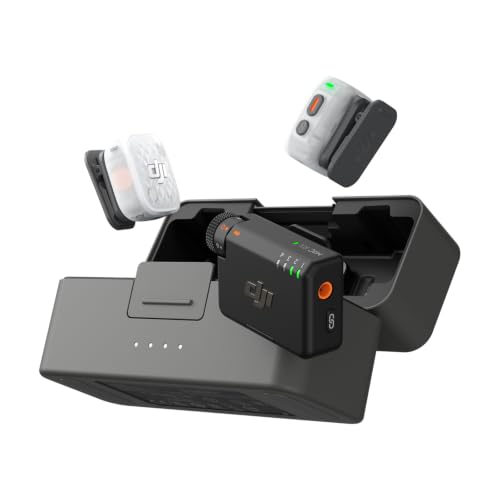
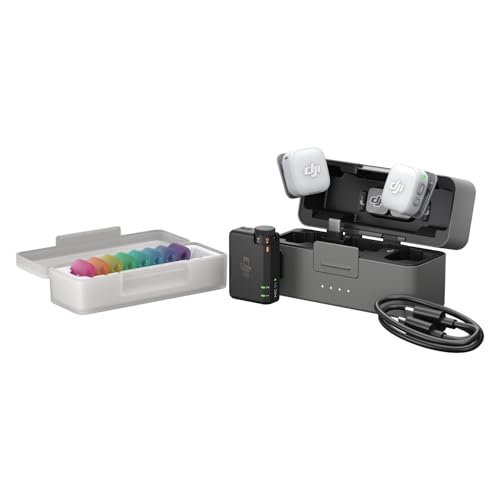
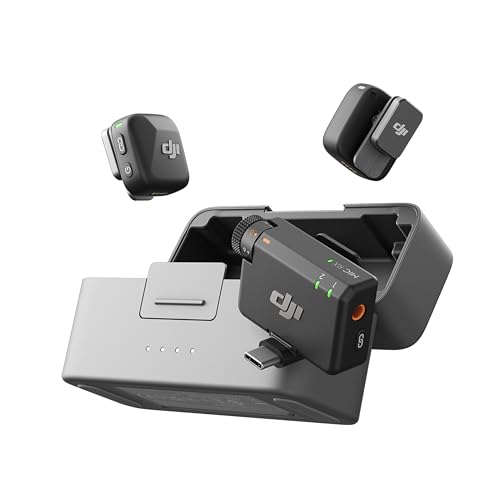
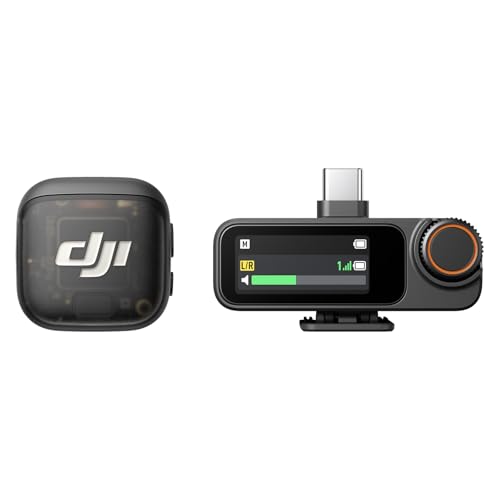
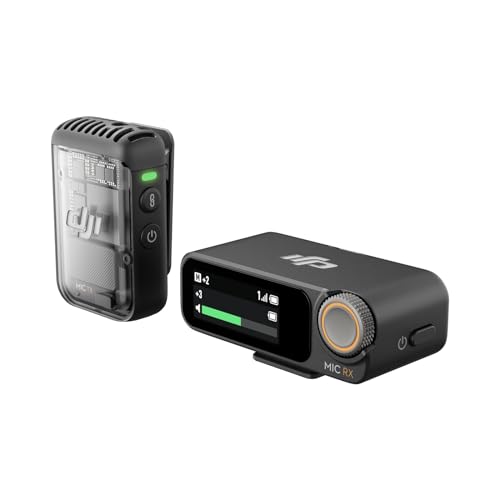
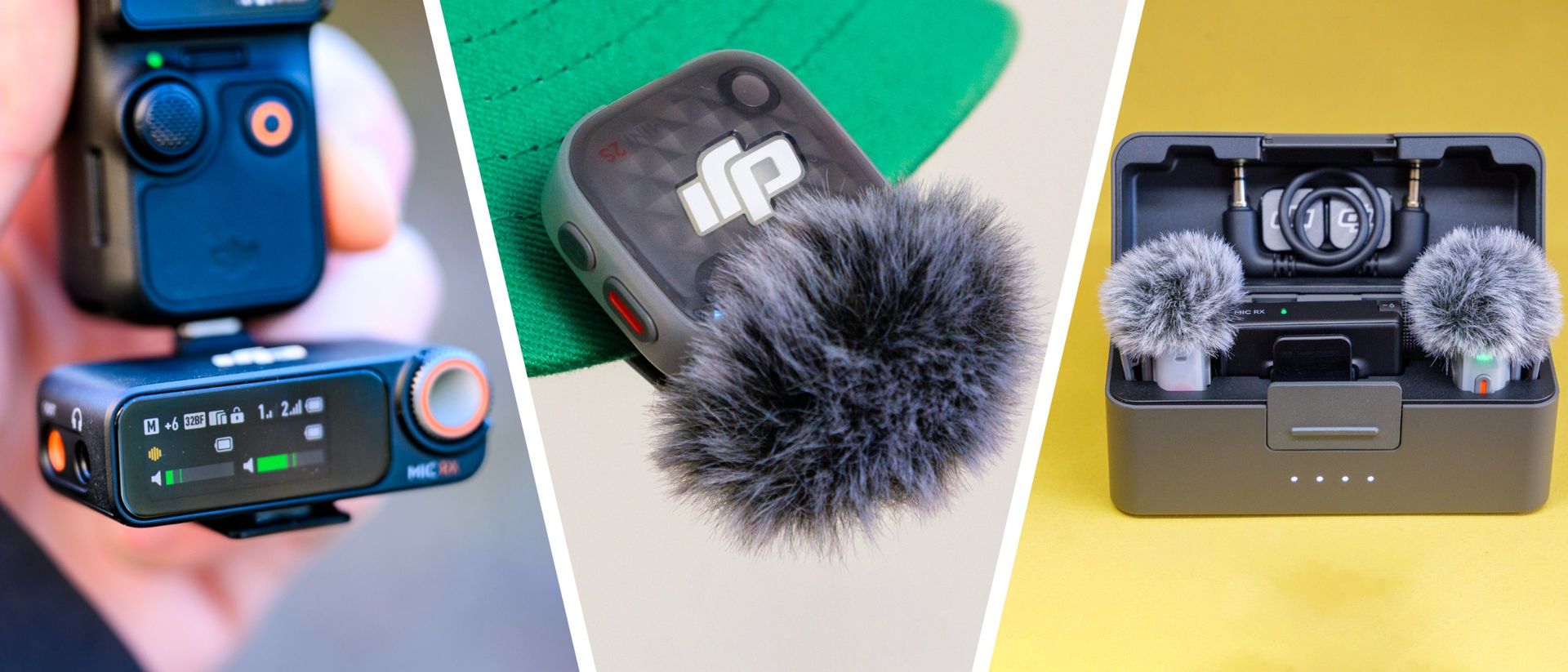
DJI built its name on drones, but nowadays it has firmly established itself in multiple other content creator gadget markets too. That includes mics. The brand makes a selection of microphones, including two models released this year. Our testers have been extremely impressed with all of them — so much so, we awarded every single one a perfect five stars in their respective reviews.
If you're a content creator looking to upgrade your audio so it's just as good as your video, how do you choose between them? There's no dud option here, but certain models will be better than others depending on your needs. Below, you'll find an overview of the brand, links to find out more about each one, and a handy specs comparison table. Here's everything you need to know about DJI's microphone range.
DJI mic range
There are two main microphone lines: Mic and Mic Mini. The former is more pro-friendly, larger and higher specced (details vary by model, but expect superior audio quality, more adaptable noise cancelling and features like timecode and built-in storage). The latter is more compact and lightweight — although note the main Mic models aren't exactly bulky — and an excellent entry-level choice.
Scroll down for more details, and tap the View details button for a summary of each model, plus a link to read the full reviews.
In the main range the Mic 2 (launched 2024) and Mic 3 (launched 2025) are still widely available. In the Mini range, it's the Mic Mini (launched 2024), Mic Mini 2 and Mic Mini 2S (both released 2026). We awarded every single one of them a perfect five stars in our reviews, so you can expect a very capable mic no matter which one you go for.
Broadly speaking, within each lineup it's the newer the model, the more advanced the specs — although the gaps between some generations are bigger than others. The Mini 2S came out more recently than the Mini 2, and offers a number of upgrades over that model, most notable of which is internal recording.
For each model, you can also choose from various bundles of transmitters (TX), receivers (RX) and charge cases. These elements can, broadly speaking, also be purchased individually.
DJI Mics: specs compared
Model:
Mic Mini 2S
Mic Mini 2
Mic Mini
Mic 3
Mic 2
Launched:
2026
2026
2024
2025
2024
Range:
With standard RX: up to 400m / with mobile RX: up to 300m
With standard RX: up to 400m / with mobile RX: up to 300m
400m
400m
250m
Connectivity:
USB-C / Lightning, 3.5mm jack
USB-C / Lightning, 3.5mm jack
USB-C / Lightning, 3.5mm jack
USB-C / Lightning, 3.5mm jack
USB-C / Lightning, 3.5mm jack
Bluetooth:
Yes (Bluetooth 6.0)
Yes
Yes
Yes
Yes
Battery:
11 hours (TX), 10 hours (RX), 40 hours w/case
11.5 hours (TX), 10.5 hours (RX), 48 hours w/case
11.5 hours (TX), 10.5 hours (RX), 48 hours w/case
10 hours (TX), 8 hours (RX), up to 28 hours with fully charged case
Scaleout's onboard AI let a BAE Systems ALMA drone rank, select, and strike an armored engineering vehicle in a January 2026 demo
Humans set the mission, started the system, and kept a pilot in reserve, but did not ultimately use them during the test
The test underscores how small AI models can essentially take over not only the target-selection part of the equation, but also perform the actual mission end-to-end without human intervention needed
A small drone flying over a snow-covered Swedish test range in January 2026 found several objects, ranked an armored engineering vehicle as the most valuable, and made a beeline for it before dropping an explosive.
There was no human involvement in the entire process, which included selection, targeting, and then neutralization by the drone, making it a considerably more autonomous approach than what the current battlefield uses.
The flight, part of BAE Systems Bofors' Affordable Loitering Modular Ammunition (ALMA) program with onboard AI supplied by Uppsala-based Scaleout Systems, resurfaced this month as AI safety became a key topic among industry and government stakeholders alike.
A growing threat and capability for modern militaries
Scaleout Systems tested the AI in question with a pilot on standby and a continuous connection throughout the exercise, during which the drone used AI to detect, identify, and geolocate potential threats.
Depending on how you frame it, you can argue that this is both a threat to modern militaries and a boon: an autonomous drone that can select targets without oversight or a backlink is essentially immune to jamming, offering a much higher likelihood of completing its mission than alternatives.
At the same time, it becomes riskier when it is completely cut off from communications, malfunctions, or fails to select the correct target without human oversight.
Interestingly, BAE Systems Bofors' own release on Winter Demo 2026 does not mention the strike at all. It frames the three-day Karlskoga event around roughly 20 startups and technology companies, with Swedish Defense Minister Pål Jonson joining a panel and saying, "We need more actors and entrepreneurs in the defense industry."
The test, despite lacking human interaction in its end-game, still relied on human input to some degree: a user pushed a button to start the exercise, and humans set the parameters overseeing the entire exercise.
This isn't the first machine to choose its own target, however; Israel's Harpy loitering munition, fielded since the 1990s, can autonomously detect and attack radar emitters whose locations were unknown at launch.
This is awkward timing for regulators, to say the least: on September 5, the 128 states party to the Convention on Certain Conventional Weapons agreed on a non-binding text on lethal autonomous weapons, after the United States and Russia pushed late changes, including to a section on human judgment and control.
As a result, Nicole van Rooijen of Stop Killer Robots told Reuters that three years of work had been "substantially diluted in the last hours." For now, Scaleout has shown that detection, ranking, and targeting can run on a small airframe without a data link, within parameters that people set.
Whether this makes it to a modern battlefield is increasingly likely, even as the Russia-Ukraine conflict becomes more reliant on autonomous machines. The more pressing question is one that will be answered sooner or later: how does such a drone make decisions if it is jammed from its source without any human oversight?
Drone technology has rapidly advanced in the last five years. They are recording sports events, helping to track the movements of wildfires, and even delivering McDonalds. But their rise has a far more sinister side.
As the war in Ukraine has demonstrated on sea, land, and in the air, their capacity as warfighting tools is evolving, with high-precision first-person view (FPV) drones being used for targeted strikes in warzones around the world.
But the drone industry relies heavily on Chinese hardware - with China's DJI commanding an 80% global market share - and with that comes the risk of supply chains being cut, costs increasing, or malicious software being secretly installed.
Drones over 25 kilograms or with thermal imaging capabilities now face a 100% tariff, while those smaller in size without “certain capabilities that particularly implicate national security” face a 25% tariff. The 25% tariff also applies to drone components.
But Trump - not wanting to strain relations with allies further than they already are - has applied a 15% tariff for drones and components from the European Union, Japan, Liechtenstein, Republic of Korea, Switzerland, and Taiwan. The United Kingdom has also received a much more lenient tariff of just 10%.
But the question remains on how drone manufacturers in the US will adapt to increased import costs and how the tariffs will affect manufacturing while addressing the growing demand for drones from civilian, law enforcement, and military markets.
Latronix provides compute, System-on-Module platforms, and flight-ready reference designs for drones and Unmanned Autonomous Vehicles (UAVs). I spoke to Latronix CEO Saleel Awsare to understand the challenges facing domestic component suppliers and how the tariffs will affect competition at home and abroad.
As soon as I heard of Trump’s new tariffs on foreign-made drone parts, I immediately thought of the supply chain issues the US encountered after the tariffs imposed towards the start of 2025. How adaptable is the US drone supply chain to these new tariffs, and does the grace period provide enough time for adaptation?
The broader supply chain impact is that the market is being pushed toward more regionalized, transparent, and trusted sourcing rather than globally optimized sourcing based purely on cost. Drone manufacturers will have to look much more closely at where key components are designed, manufactured, assembled, and supported.
At Lantronix, we are well positioned because our System-on-Modules (SOMs) are dual-use platforms designed for a broad range of commercial and defense applications, helping ensure customers aren't exposed to unnecessary regulatory or supply-chain risk. Our SOMs are already production-ready embedded compute platforms, and our Drone Reference Platform is designed with NDAA and Trade Agreements Act (TAA) compliance in mind. With U.S. manufacturing options also coming online, we can give customers a path toward American-made SOM solutions without sacrificing the performance, software support, and scalability next-generation drone platforms require.
Lantronix is already positioned with compliant SOM and reference-platform solutions, but the grace period could still be challenging for customers because qualifying and designing a new compute platform into a production drone takes time, even when a compliant alternative is available today.
What challenges and benefits do you see the US drone industry encountering as a result of these tariffs?
Challenges: The biggest short-term impact will hit the consumer and commercial drone market, where cost-sensitive products still rely heavily on foreign motors, electronic speed controllers, batteries, cameras and electronics. Tariffs could make affordable alternatives difficult to source until U.S. or allied suppliers scale. Defense suppliers should be better positioned because many already design around NDAA, Blue UAS and trusted-supply-chain requirements that are already in place.
Benefits: Longer term, the tariffs should accelerate a stronger U.S. and allied drone supply chain, with more focus on trusted sourcing, controlled bills of materials (BOMs) and domestic manufacturing. This creates an opportunity for Lantronix because our solutions already provide compliant, production-ready compute platforms with long lifecycle support and North American engineering.
Do you see the lesser tariffs on US allies hindering or helping competition within the US drone industry, and are there key component industries (software or hardware) that will be affected to a greater extent?
The lower tariffs on U.S. allies should help the drone industry stay competitive while domestic capacity grows, giving manufacturers continued access to trusted suppliers in Taiwan, Japan, Korea, Europe and the UK.
Hardware will be affected far more than software, especially motors, batteries, ESCs, sensors and structural components where China has significant scale.
The tariffs should also accelerate investment in U.S. manufacturing and technologies like additive manufacturing. For Lantronix, this is favorable because we can provide trusted, compliant compute platforms while still leveraging established U.S. and allied semiconductor supply chains, rather than competing in the hardware categories facing the most disruption.
What effect will the US Commerce Department's onshoring exemption have on the competition with existing domestic suppliers, particularly with reference to the reduced duty rates they will receive?
The onshoring exemption should benefit companies that were already proactive about compliance, supply-chain planning, and U.S. operations. Lantronix already had a plan in place to bring SOM production to our Plymouth, Minnesota facility, so the exemption strengthens our ability to support compliant U.S.-based drone programs. Companies with the right operational infrastructure and trusted supply chains should not be negatively impacted, and, in many cases, should be better positioned to grow and support the U.S. drone market.
What effects will these tariffs have on the US drone industry's exports? Do you see US allies shifting purchases towards the US drone market or turning away as a result of these tariffs?
There is a potential downside internationally. Some EU and other non-U.S. customers could view U.S. localization requirements as a precedent or competitive threat, particularly if more countries begin mandating local manufacturing. It would be difficult for the industry to operate efficiently if every market required its own domestic supply chain.
Today, many international markets have less restrictive component-origin requirements than the U.S. does, but this could change as governments look to reduce dependence on Chinese or other sole-source suppliers. Longer term, we may see more emphasis on regional manufacturing, trusted allied supply chains, and diversified sourcing rather than purely global supply chains.
Is the US drone industry better positioned to compete within the global market? Where can the US offer greater value in its drone manufacturing over the economies of scale driving drone production for DJI and China?
The US is now better positioned to compete, but historically there was not the same urgency to rebuild domestic drone manufacturing and supply chains. That is rapidly changing, although the timeline is challenging because moving and qualifying supply chains takes time.
There is also a wide range of critical components: from motors, batteries and electronics to magnets, rare-earth materials and other underlying resources. Additionally, there is a need for domestic or trusted-allied capacity to ramp up production. The US may not match DJI and China purely on cost and scale in the near term, so the greater opportunity is to compete on trusted supply chains, advanced AI and autonomy, cybersecurity, customization, and engineering support. For companies like Lantronix, that creates an opportunity to provide compliant, production-ready compute platforms with U.S.-based engineering and expanding domestic manufacturing support.
Vivo reveals its new flagship X500 series of phones, with three new models
The X500 Pro Max is the priciest model, succeeding the X300 Ultra
They're only available in China at launch, with wider availability coming later
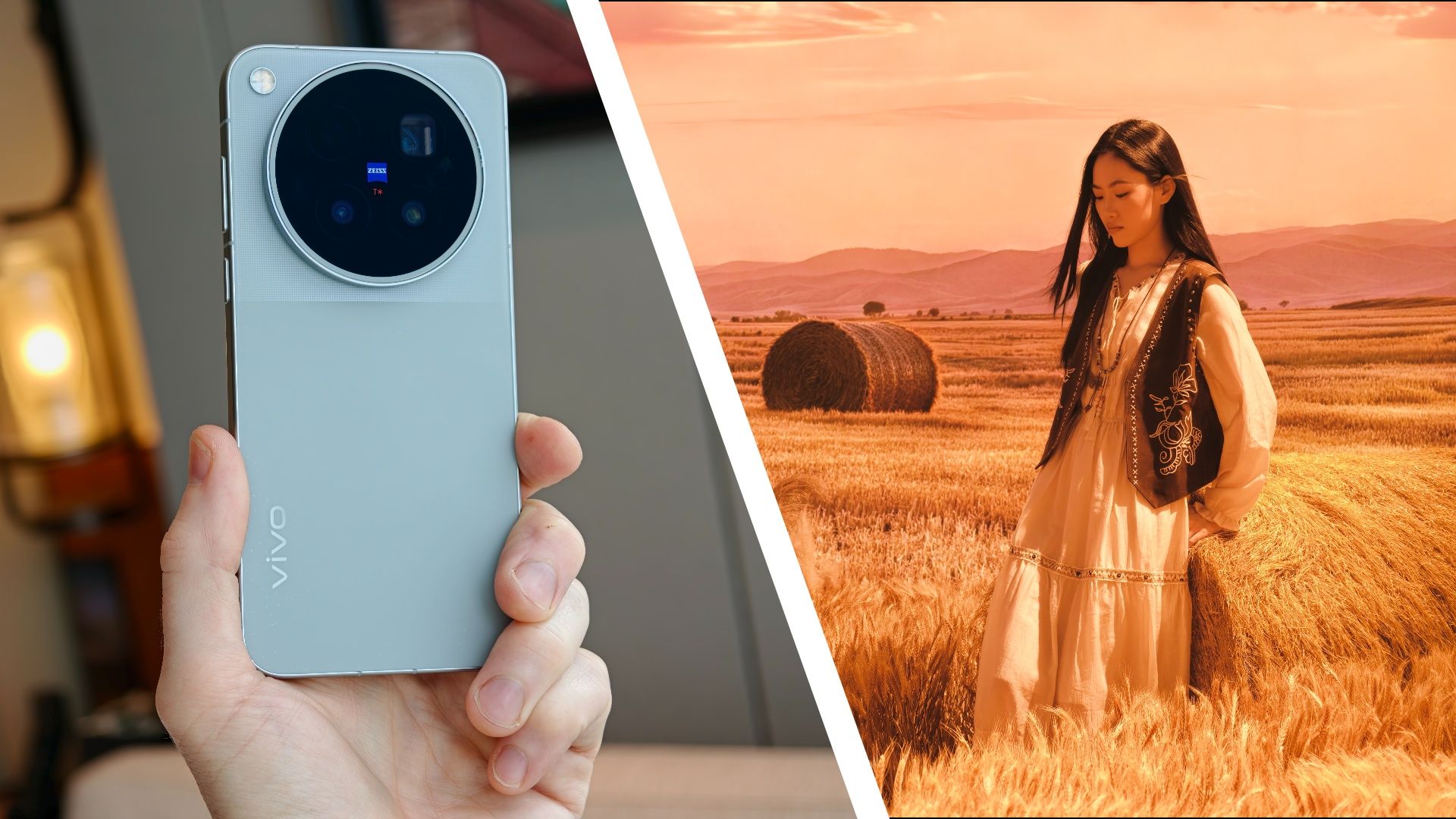
It's no longer a secret that some of the best camera phones are coming out of China, and Vivo is very much competing with Oppo and Xiaomi with its flagship 'X' series — it has just revealed the latest crop; the X500, X500 Pro and X500 Pro Max.
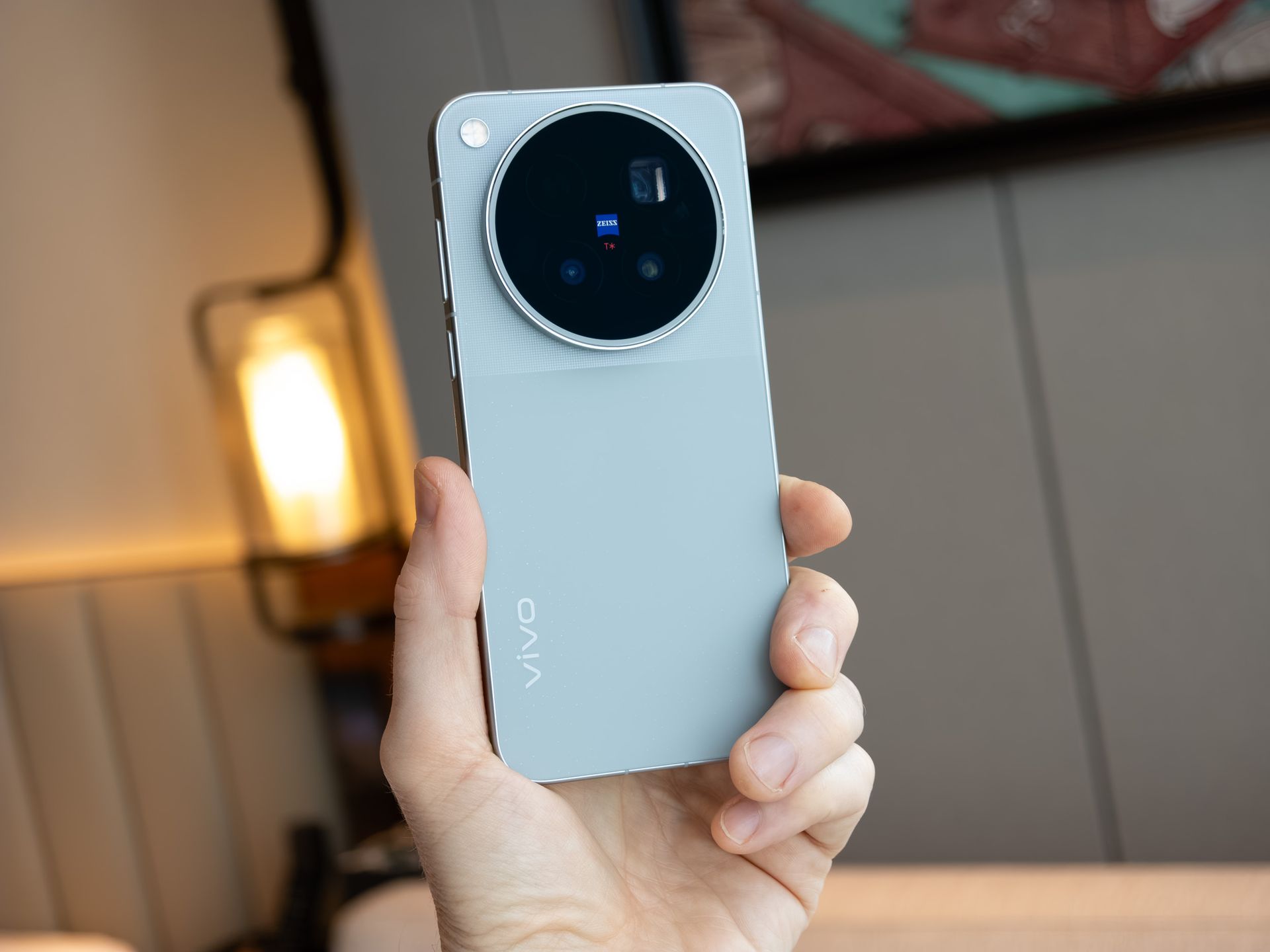
I'm at the launch event in Shanghai, China, and have already had 24 hours with the Vivo X500 Pro Max, which effectively replaces last year's X300 Ultra. Like the previous flagship, it features a triple front camera array comprising ultra-wide, main, and telephoto Zeiss optics, only this time, the main lens has a 24mm focal length, like most other flagship wide cameras (whereas the X300 Ultra stood out with a tighter 35mm main camera lens).
The 3.5x telephoto lens has an 85mm equivalent focal length — a well-loved focal length by portrait photographers — and a mode which unleashes a 200MP resolution, while the 50MP boosted resolution is available for the ultra-wide and main cameras.
Tim ColemanTim ColemanThe Vivo X500 Pro Max photographer's kit, in lavish black presentation box. It includes two telephoto converters, grip, additional cases and moreTim ColemanThe 4.7x teleconverter lens (left), 2.35x lens (middle) and grip (right)Tim Coleman
I'll be bringing you an in-depth camera comparison soon with the Vivo X500 Pro Max, Vivo X300 Ultra, and the Oppo Find X9 Ultra (a top camera phone from last year) soon, plus more details on the former. In the meantime, I've included some of my favorite photos that I've taken with the X500 Pro Max already, so you can begin to see what it's capable of.
The X500 series was announced on September 21 and, at launch, is exclusive to China, with a wider rollout expected later, although it's unlikely to come to the US. With the Oppo Find X9 Ultra and Xiaomi 17 Ultra, both now available in the UK, I'll be keeping an eye out for Vivo's release plans with the X500 models.
Vivo X500 Pro Max sample gallery
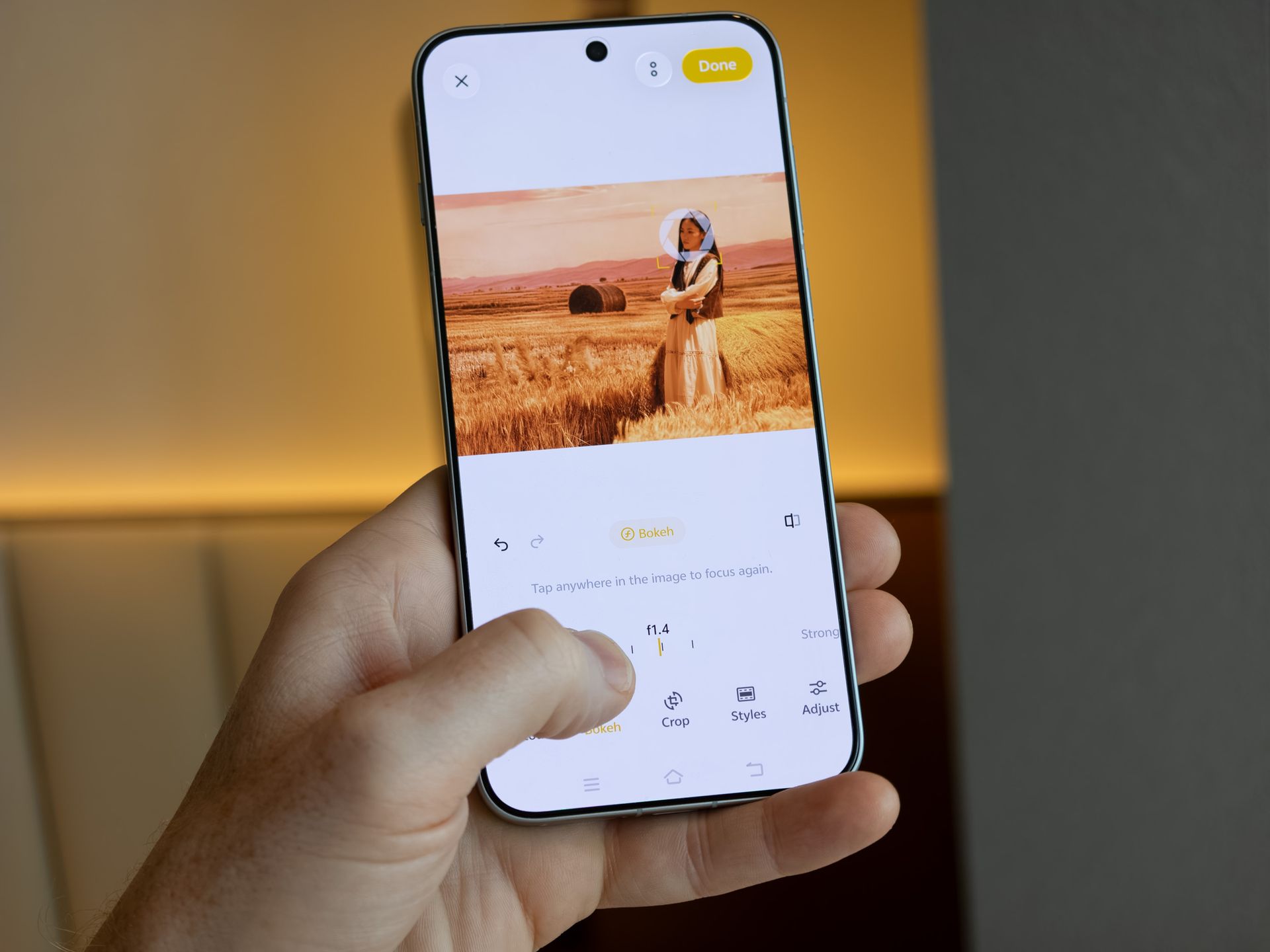
I shot this photo using the phone's Portrait mode. I set the bokeh effect to natural and maxed it to f/0.95. However, bokeh effect edits can be made afterwards to photos shot with the Portrait mode (see photo of the phone, above) — I could reduce the strength of the effect if I wanted to. (Image credit: Tim Coleman)
The Landscape & Night mode enables high-resolution shooting. I upped the resolution to 50MP and used the B/W color style — taking the exposure reading from the bright part of the sky to get the low key effect. (Image credit: Tim Coleman)
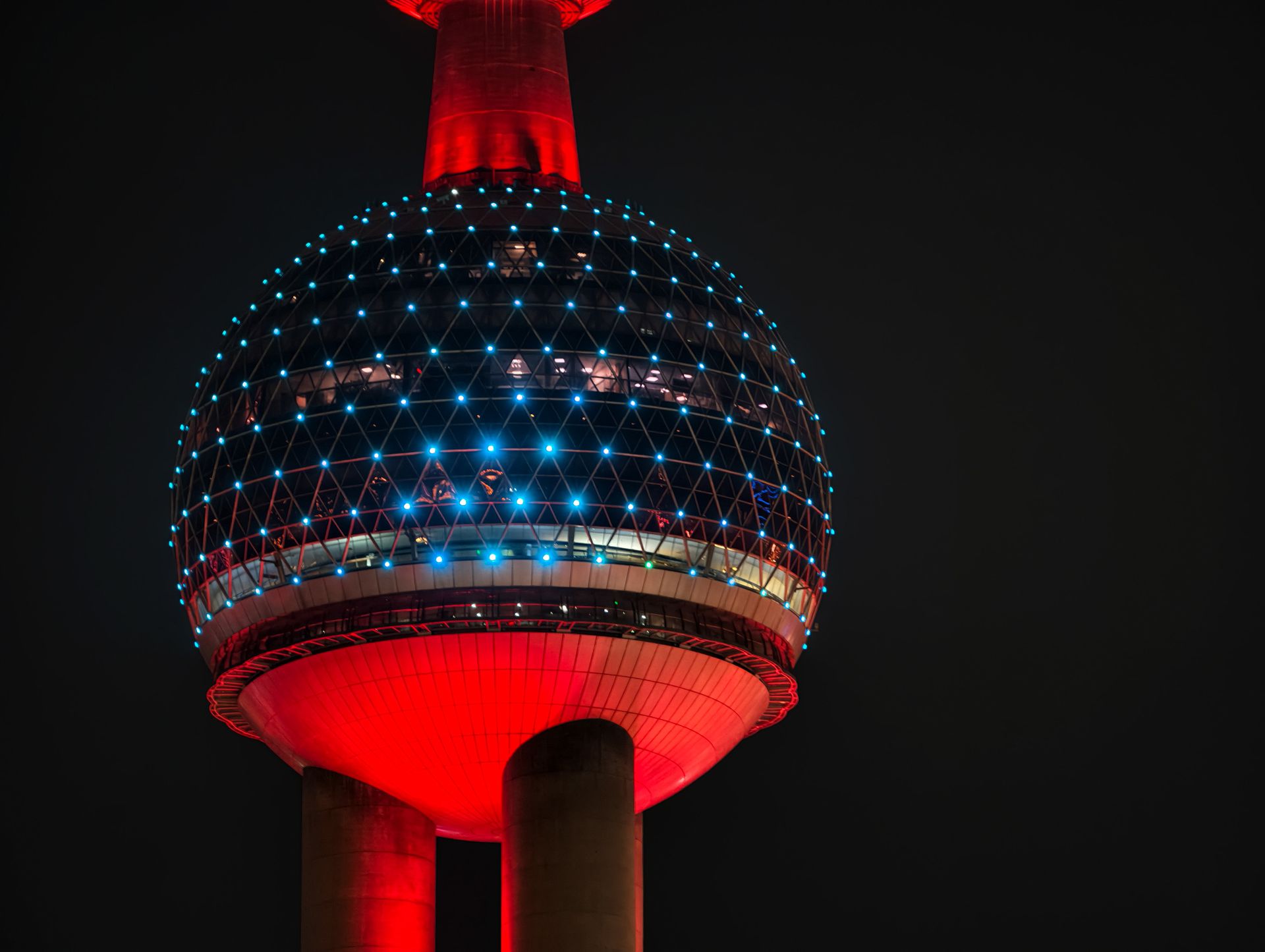
I used the regular Photo mode here, and left the phone to its own devices, and the results are really good — color is pleasant, and the HDR effect not overly aggressive. (Image credit: Tim Coleman)The famous Bund skyline in Shanghai. I used a long exposure effect for the vistaTim ColemanAnd here I add the 4.7x teleconverter lens, which works with the 3.5 zoom camera for a 400mm effective focal length. This was shot handheld and the image is still pretty sharpTim ColemanThe telephoto camera is a 3.5x zoom optic, with an equivalent 85mm focal length. Tim ColemanHere I've used the 10x zoom setting, which is a digital zoom from the 3.5x telephoto Zeiss lensTim Coleman
And here's a cute kitty with longest coat, well, just because! (Image credit: Tim Coleman)
If you followed the release of the new Canon EOS R8 Mark II, you might be wondering what the feature pre-continuous shooting is, otherwise known as pre-capture (Sony and Nikon), Pro Capture (OM System), Pre-Burst (Panasonic) or Pre-shot ES (Fujifilm).
The feature has been around for a while now having been introduced by OM System (Olympus), and it’s slowly worked its way across brands and into affordable models, including the R8 II, Sony A7 V and Nikon Z5 II.
I'm here to explain pre-capture, and show you the benefit of this feature with images I wouldn’t have otherwise been able to capture without it. Let’s dive in.
What is pre-capture and how does it work?
Picture this — you’ve got your camera fixed on a subject, poised for the action to happen; athletes on the 100m start line, a kingfisher on a branch that could take flight at any moment, a potential goal in a soccer match.
Sometimes your reactions aren’t up to speed to capture the key moment, and it's gone before your finger has pressed the shutter button. It’s exactly these scenarios that pre-capture is designed for, and it's the feature that helped me get the images of birds in flight, where previously I’d have missed the moment or simply settled for ones of them perched on branches.
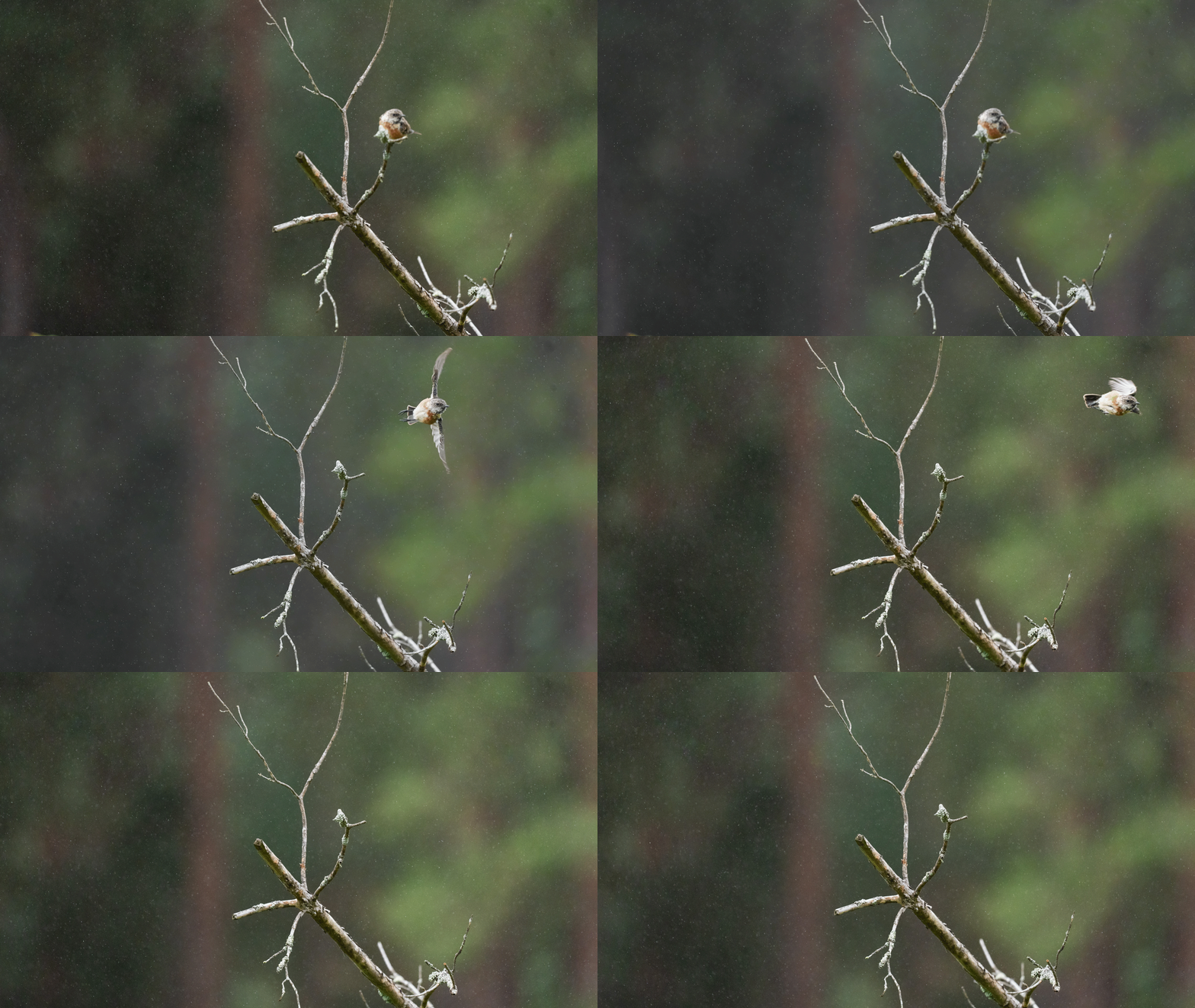
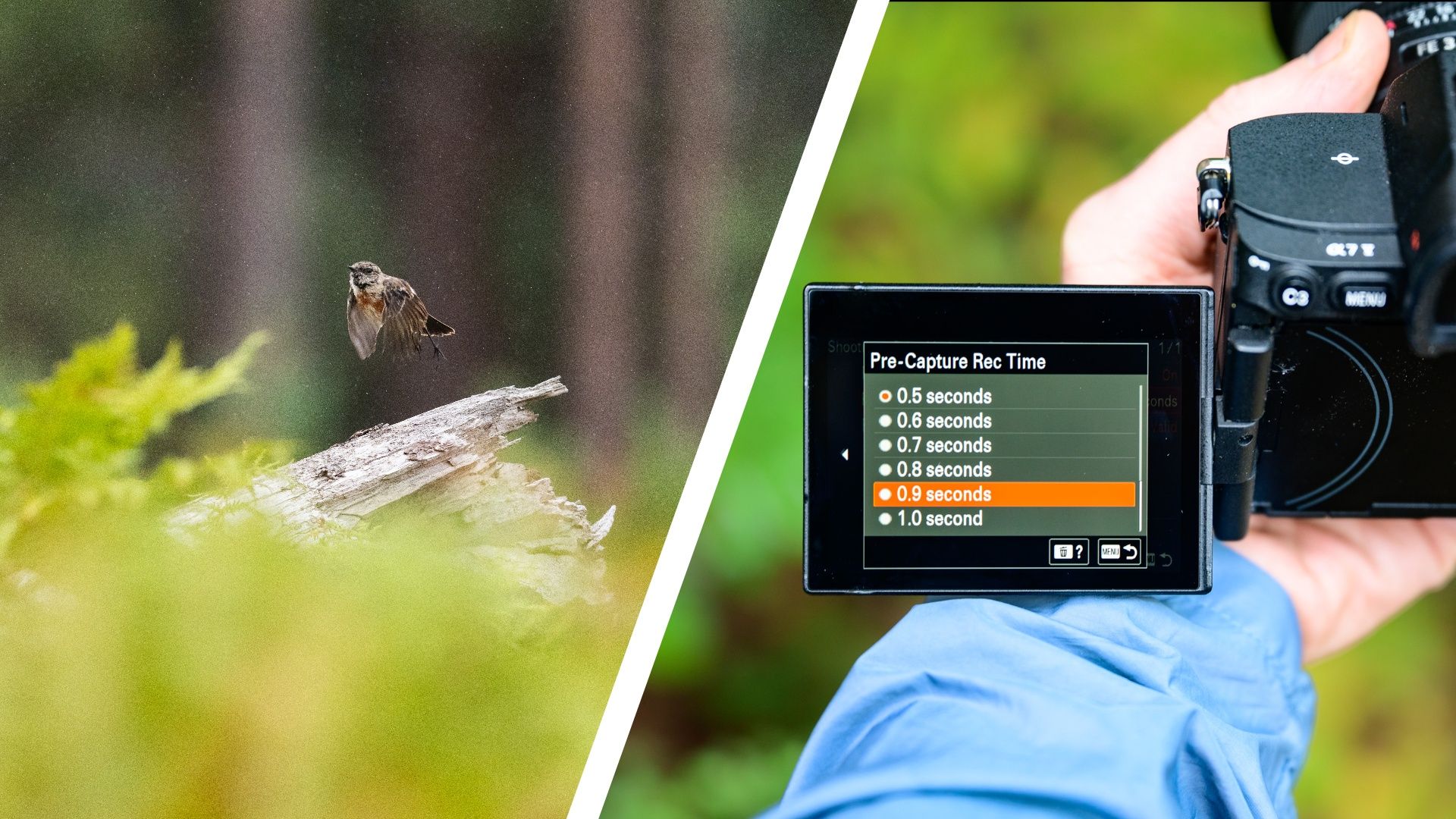
Pre-capture gives you up to a 1 second head start (depending on the model) before the shutter is pressed, continually shooting (to a temporary buffer) before you press the shutter button, at which point the images shot in the specified time before the shutter button was fully pressed are recorded retrospectively.
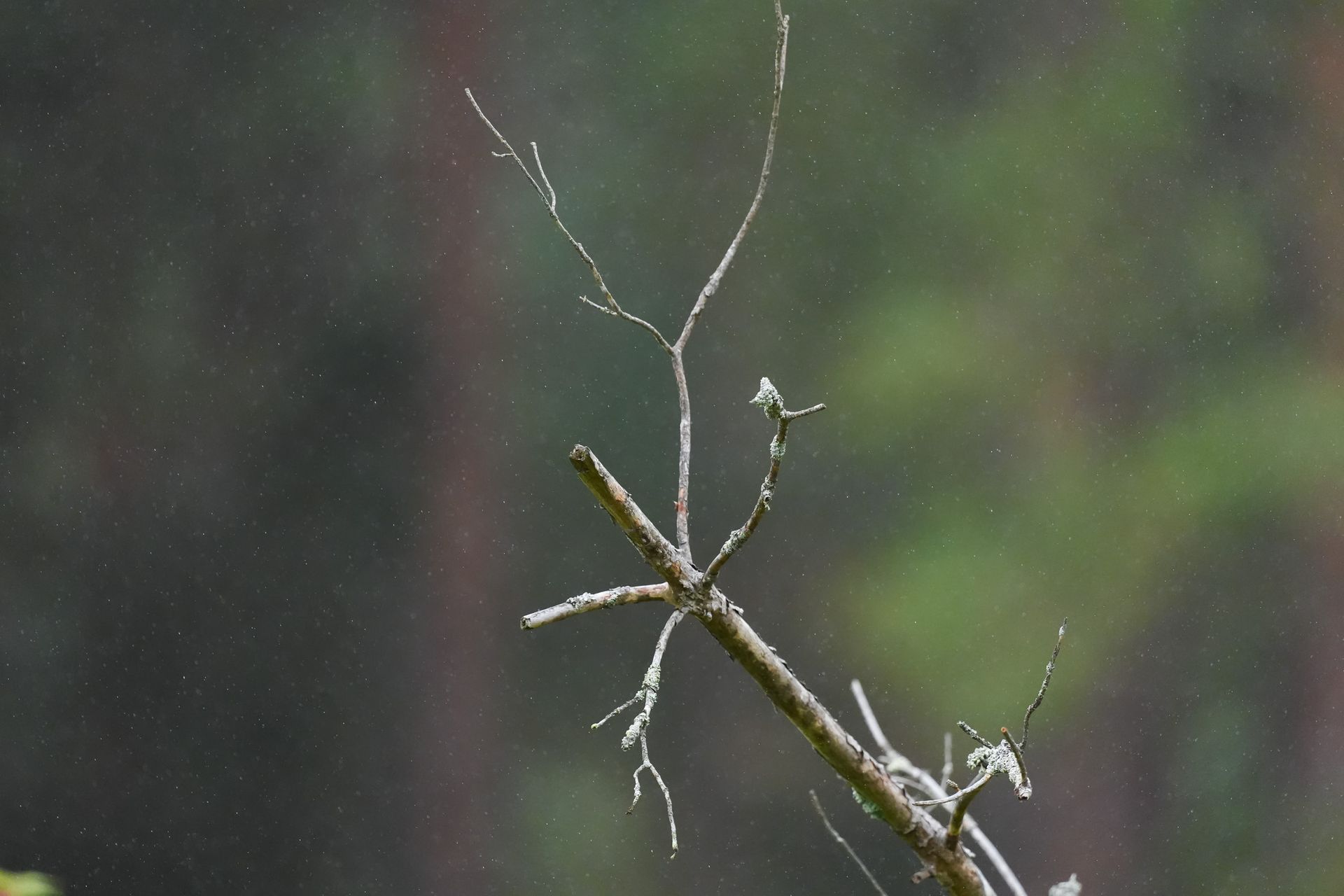
What would've happened without pre capture (Image credit: Tim Coleman)
With pre-capture on, it's typically initiated by half pressing the shutter button (or fully pressing an assignable button, such as the autofocus button), as is the case with the Sony A7 V I used to take the pictures in this feature.
The Canon EOS R8 Mark II, for example, can shoot up to 40fps and offers up to 0.5 second pre-capture, meaning you can retrospectively record a 20 photo sequence in the half second before you press the shutter button. The Sony A7 V can shoot up to 30fps with up to 1 second pre-capture, so that’s up to 15 images.
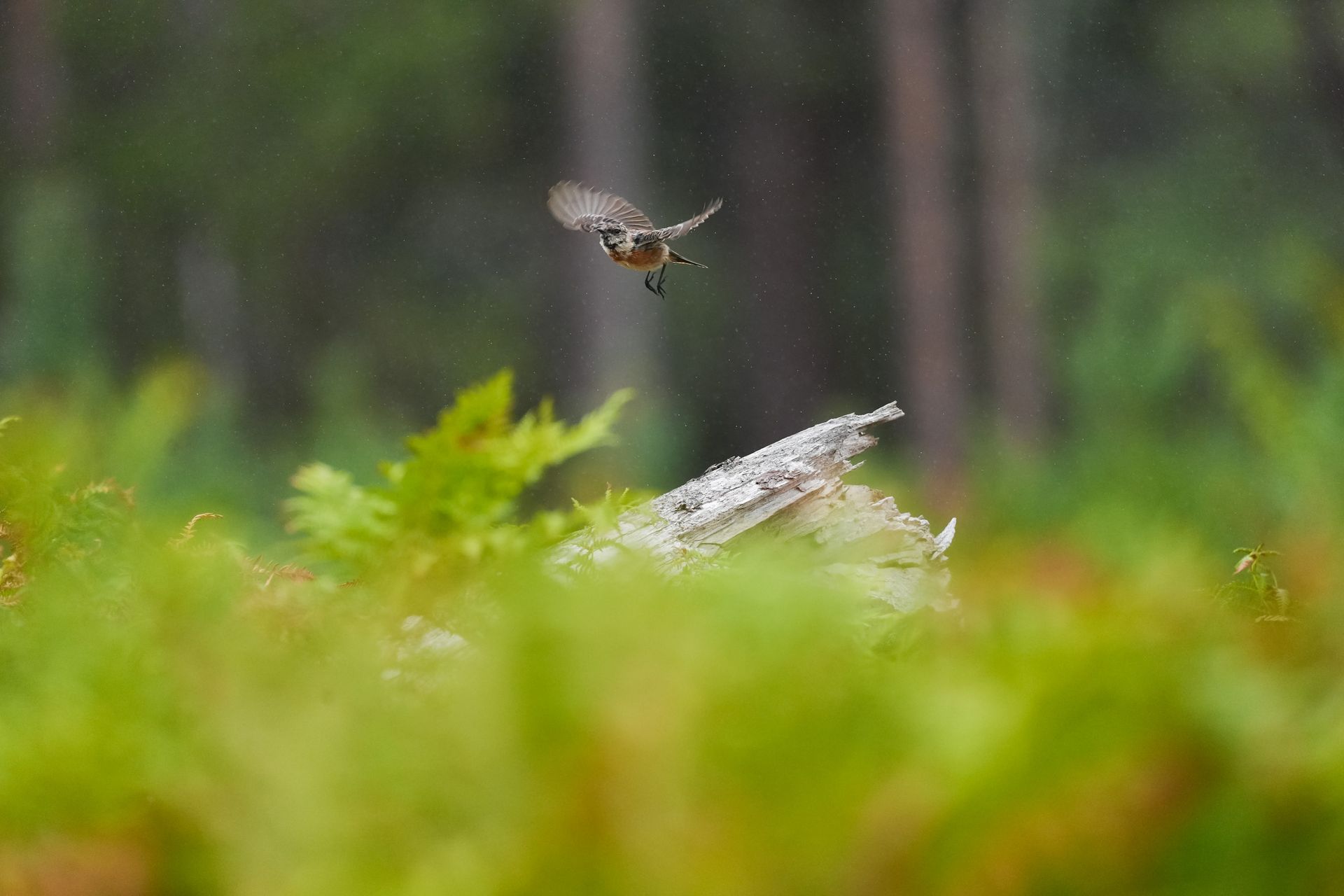
(Image credit: Tim Coleman)
How to use pre-capture effectively
I recently got into bird photography and it didn’t take me long to bag some beautiful photos of the varied birdlife in my local nature reserve and wetland, using some superb review gear — including the Sony 400-800mm F6.3-8 super telephoto zoom lens.
As enjoyable as this hobby is (and it really is), soon enough I was considering how I could mix up the kind of photos I was making, besides stationary birds on branches. Pre-capture came to mind. How about capturing photos of the birds taking flight?
Birds in flight is one of the toughest photography challenges — as I found out during a recent hands-on with the Fujifilm XF 400mm F4.5 R LM WR lens at a birds of prey experience. And that was when I had some idea of where the birds would be flying. But wild birds in flight? Nigh on impossible, I thought.
I chose the most appropriate autofocus mode (in this case bird subject detection), the continuous high drive mode (30fps), set a suitably fast shutter speed to freeze movement (1/1000sec, wasn't fast enough it turned out) and, of course, activated pre-capture. I started with the maximum time possible of 1 second, though the camera in question has options from 0.1 sec to 1 sec in full decimal points.
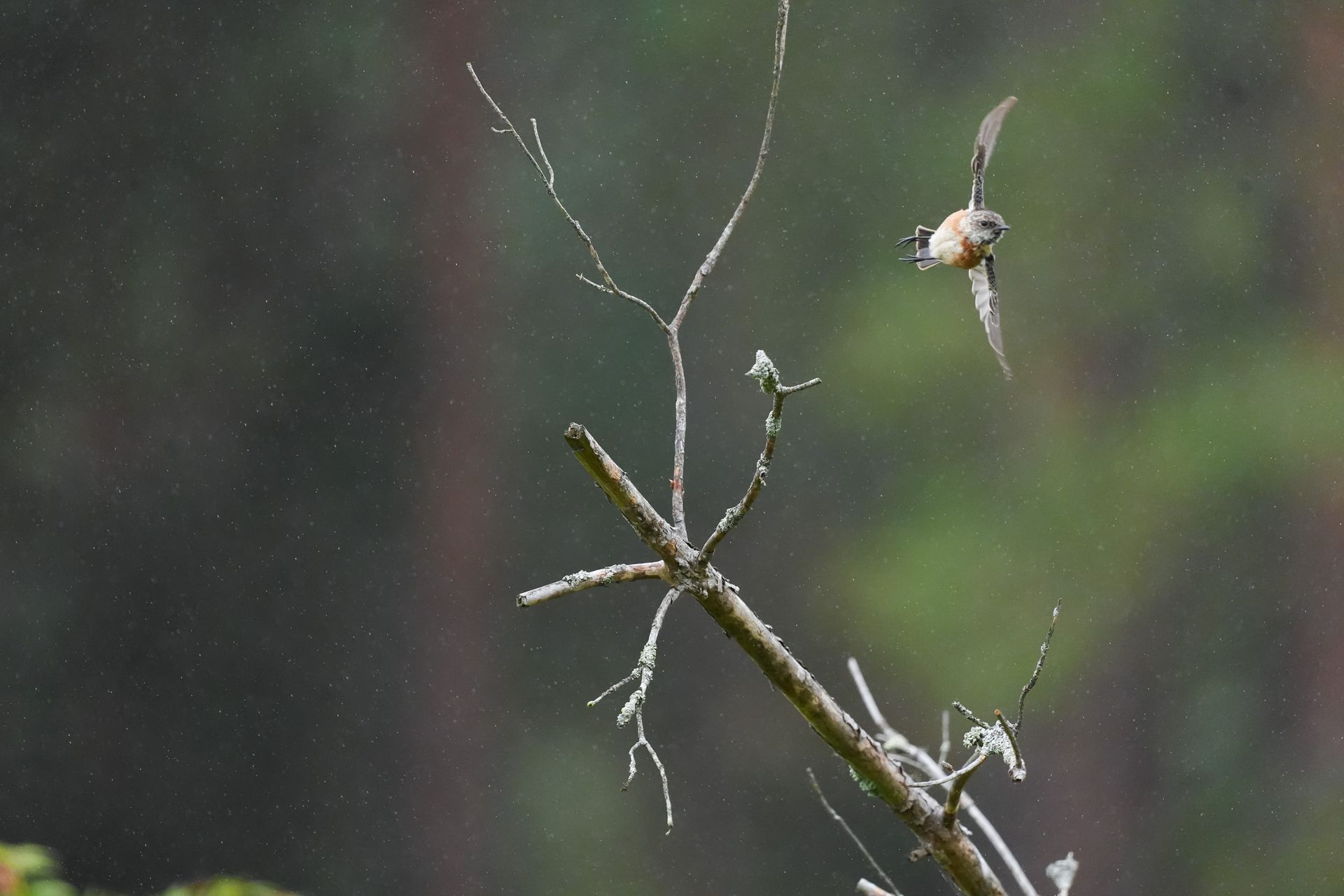
(Image credit: Tim Coleman)
Pre-capture helped me get the shots you see in this article, but there were a couple more non-technical ingredients in the recipe: an eye for the shot and, ultimately, patience.
Once I had the composition and subject I liked, I kept the camera locked in with the shutter half pressed and waited for the bird to take flight. Many times the bird was content for several minutes, and I could feel my finger / thumb burning by the time it moved.
On my first attempt I thought I had missed the moment even with pre-capture active, but low and behold my slow reactions were redeemed.
I think my patience has paid off. Yes, the photos of the birds stationary are still lovely, but the ones of them in flight in an already well-composed scene take them to new heights.
There are plenty of other scenarios that benefit from pre-capture, and if you’re a keen sports or wildlife photographer it’s well worth trying out — I’ve included a list of recent cameras equipped with the feature, plus shopping links, below.
Tim ColemanTim ColemanTim Coleman
Cameras with pre-capture
The following cameras are listed as having each company's version of pre-capture:
Canon EOS R1, EOS R5 Mark II, EOS R6 Mark II, EOS R6 Mark III, EOS R8 Mark II
Nikon Z9, Nikon Z8, Nikon Z6 III, Nikon Z5 II, Nikon Z50 II
Sony A9 III, Sony A1 II, Sony A7R VI, Sony A7 V
OM System OM-1, OM1 Mark-II, OM-5 Mark II, Olympus OM-D E-M1 X, E-M1 Mark III, E-M1 Mark II, E-M5 Mark III, Tough TG-6, Tough TG-7
Panasonic Lumix G9, Lumix G9 II, Lumix S5 II / X, Lumix S1 II, Lumix S1 II R
Fujifilm X-T5, X-T4, X-T3, X-T30 III, X-T30 II, X-T30, X-H2S, X-H2, X-Pro3, X100VI
The iPhone 18 Pro Max main camera's new variable aperture is a huge deal and, in my limited experience, I can already see that it could transform iPhone photography. Still, to know why this matters, you need to understand how it works.
The best analogy is your eyes.
If you've ever squinted to read something, you understand how an aperture works. The more open your pupil, the more light that comes in, but it's widely scattered, making objects in the distance out of focus. If you squint, that cuts the amount of light coming into your eye, but it also removes more of the scattered light, leaving only the sharper light and imagery. On a camera, the open aperture (represented by lower f-stop numbers) has the same effect as your wide-open pupils. Lots more light, but only stuff nearest you is in focus. A smaller aperture, represented by higher f-stop numbers, is the eye-squint: less light but more focus throughout the frame.
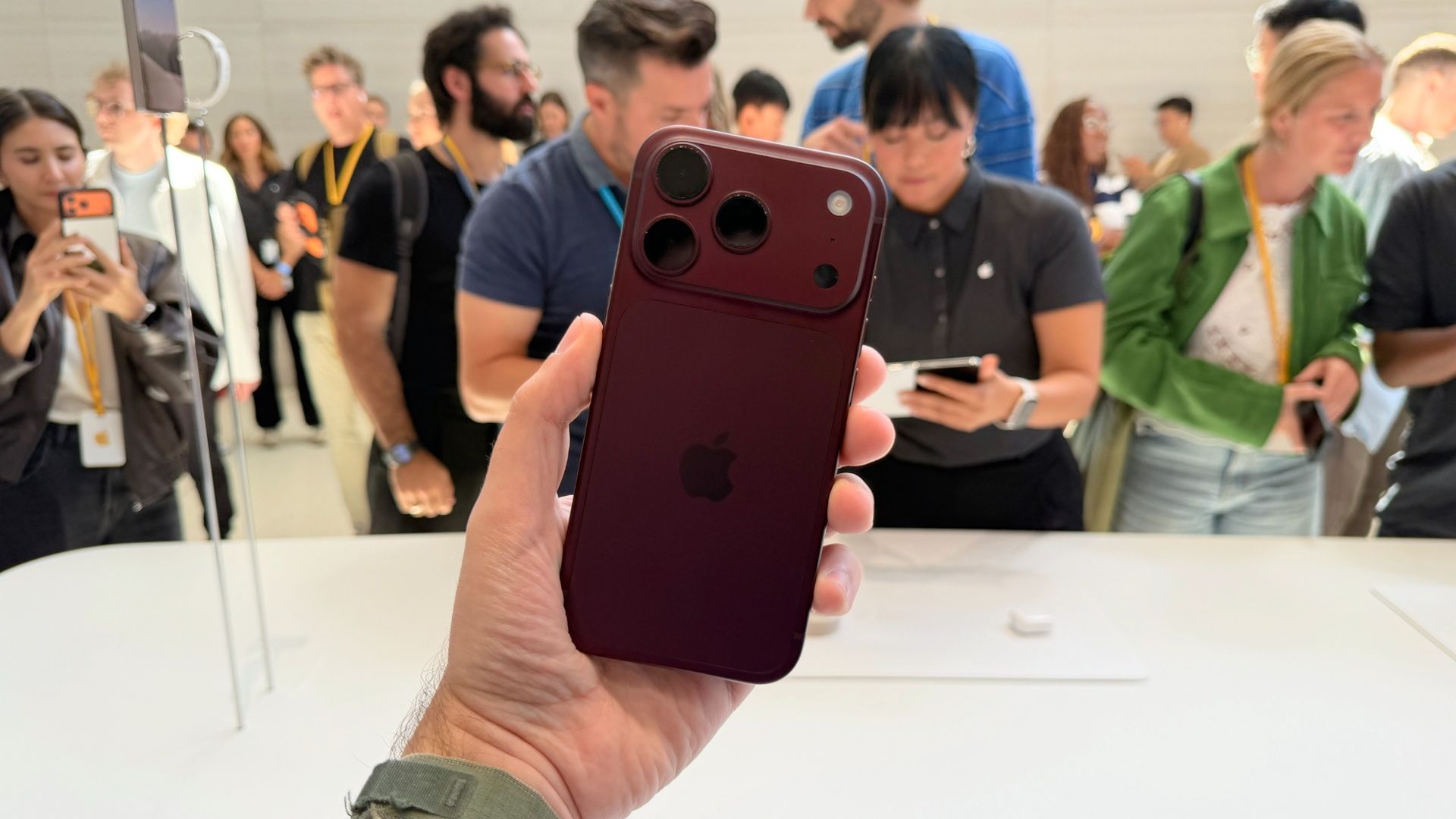
Ever since Apple announced the iPhone 18 Pro (and Pro Max's) big camera update, which also includes voluminous Pro-level controls, I've been itching to try them. As soon as I got my iPhone 18 Pro Max in black, I ran outside to see if the update makes an appreciable difference in photography quality and possibilities.
The short answer is yes.
Understanding this new variable aperture
A few things you should know about this new hardware feature. First, it's only on the 48MP main lens, so the 48MP, 4x telephoto, and 48MP ultrawide cameras only have fixed apertures: ƒ/2.8 and ƒ/2.2, respectively. Those are decently wide apertures, but the Main camera has Auto, ƒ/1.48, ƒ/1.8, ƒ/2.8, ƒ/4.0. That's a wide range. It's not quite DSLR-level, where you can stop down to, say, ƒ/11, which can be useful for deep focus and for capturing ultra-bright objects like the moon at night.
It's also worth noting that these are physical f-stops. The iPhone 18 Pro Max Main camera aperture features an array of interlocked blades thinner than a human hair, and they slide over each other as the aperture opens and closes. It's an engineering marvel. In the right light, you can see them adjusting.
I think it's fair to wonder why we need a physical, variable aperture when many of the iPhones since the iPhone 7 Plus have included portrait mode technology. In the early days, it used information from its wide and telephoto lenses to craft a bokeh effect. Eventually, Apple started using software to analyse the image and create a portrait mode with just a single lens (see 2020's iPhone SE). No matter how the iPhones have done it over the years, it's impressive and, for most users, good enough.
(Image credit: Jacob Krol/Future)
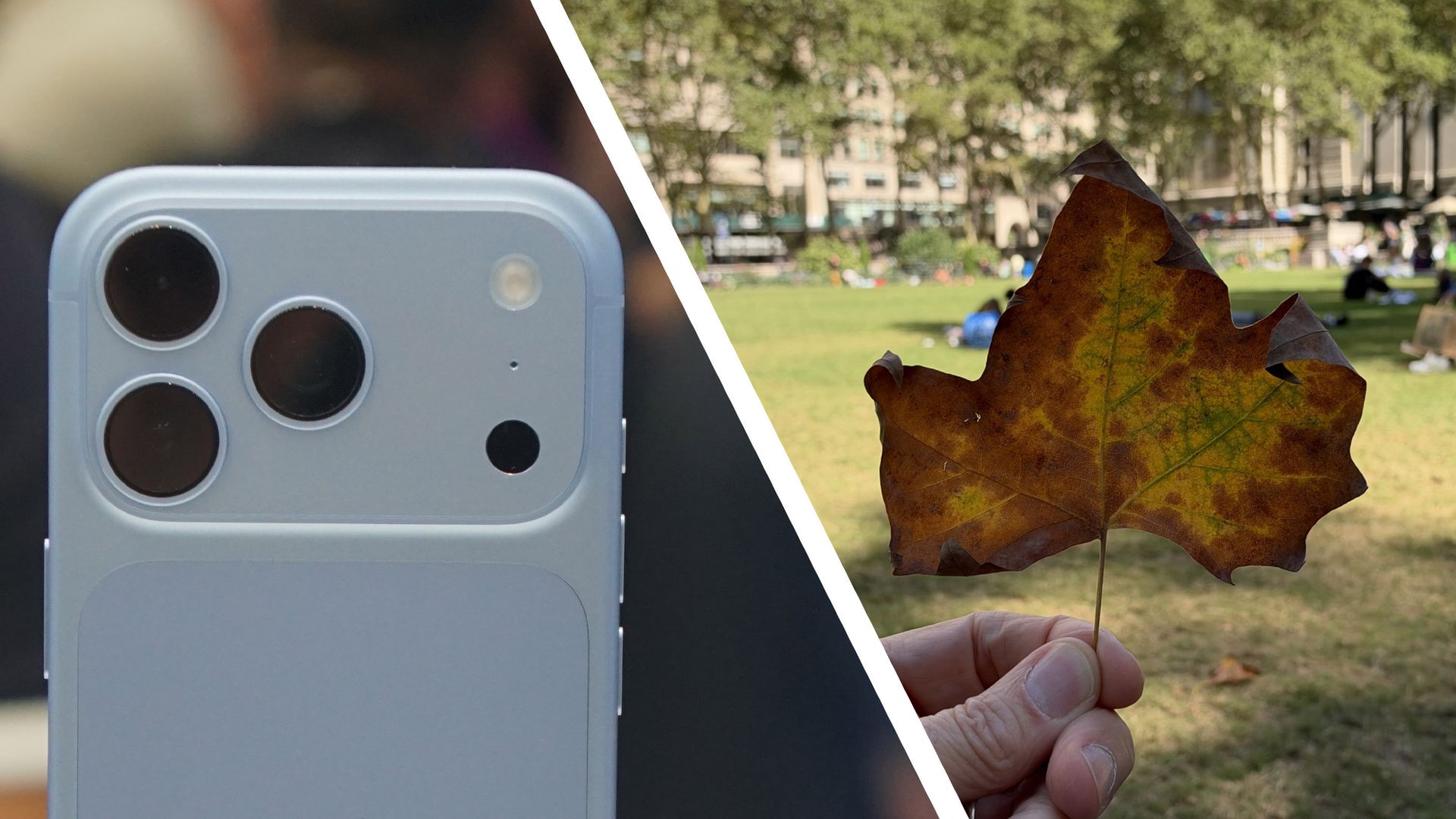
My goal, though, was to see how the portrait mode on the iPhone 18 Pro Max might differ from variable aperture photography (my preferred setting was f1.48). In other words, software vs. hardware. I did also fiddle with the other f-stops, but in bright daylight, the bokeh effect on ƒ/1.8 and ƒ/2.8 is quite subtle.
I took pictures of myself, photos of statues, and the image above of a drying leaf. That photo, or rather that one compared to the Portrait Mode shot of the same leaf, is what convinced me: this is a game changer.
When you use Portrait Mode on an iPhone, you can adjust the bokeh before or after photography. It's a reminder that this is, at least in part, a software effect that can include or discard as much background sharpness as you desire.
iPhone 18 Pro Max variable apertureLance UlanoffPortrait modeLance Ulanoff
A new leaf
Using the variable aperture is more akin to traditional photography. You have the lens, the aperture settings, and, now, if you choose, shutter speed, exposure, and focus. In the initial images, I left everything alone except for the aperture. To access it, you select the grid menu in the camera app, choose Aperture, and then select the aperture opening of your choice.
iPhone 18 Pro Max variable apertureLance UlanoffPortrait modeLance Ulanoff
I chose f1.48 and snapped a photo of the same leaf.
The result, which you can see above, was two pretty good pictures, but closer examination reveals how Portrait Mode struggled with the curling leaf. Look at the stem. It's almost gone. By contrast, on the variable aperture shot, it was clear that the phone wasn't trying to apply some software magic to separate the leaf from the background and create the bokeh. The leaf is complete. The whole image looks natural and, honestly, the hardware does what it would do on a traditional camera: let the lens and aperture opening make the call.
The leaf is in stark, colorful focus, and the background, while not as blurred as you get from Portrait Mode's default settings, is pleasantly out of focus.
iPhone 18 Pro Max variable apertureLance UlanoffPortrait modeLance Ulanoff
I saw similar results with my selfies. Again, Portrait Mode goes hard on the background blur, but because it's largely computational, some artifacts remain. In particular, the space between the right stem of my glasses and my head is oddly sharp. And, if I'm being honest, the default level of bokeh sort of disconnects me from the background environment.
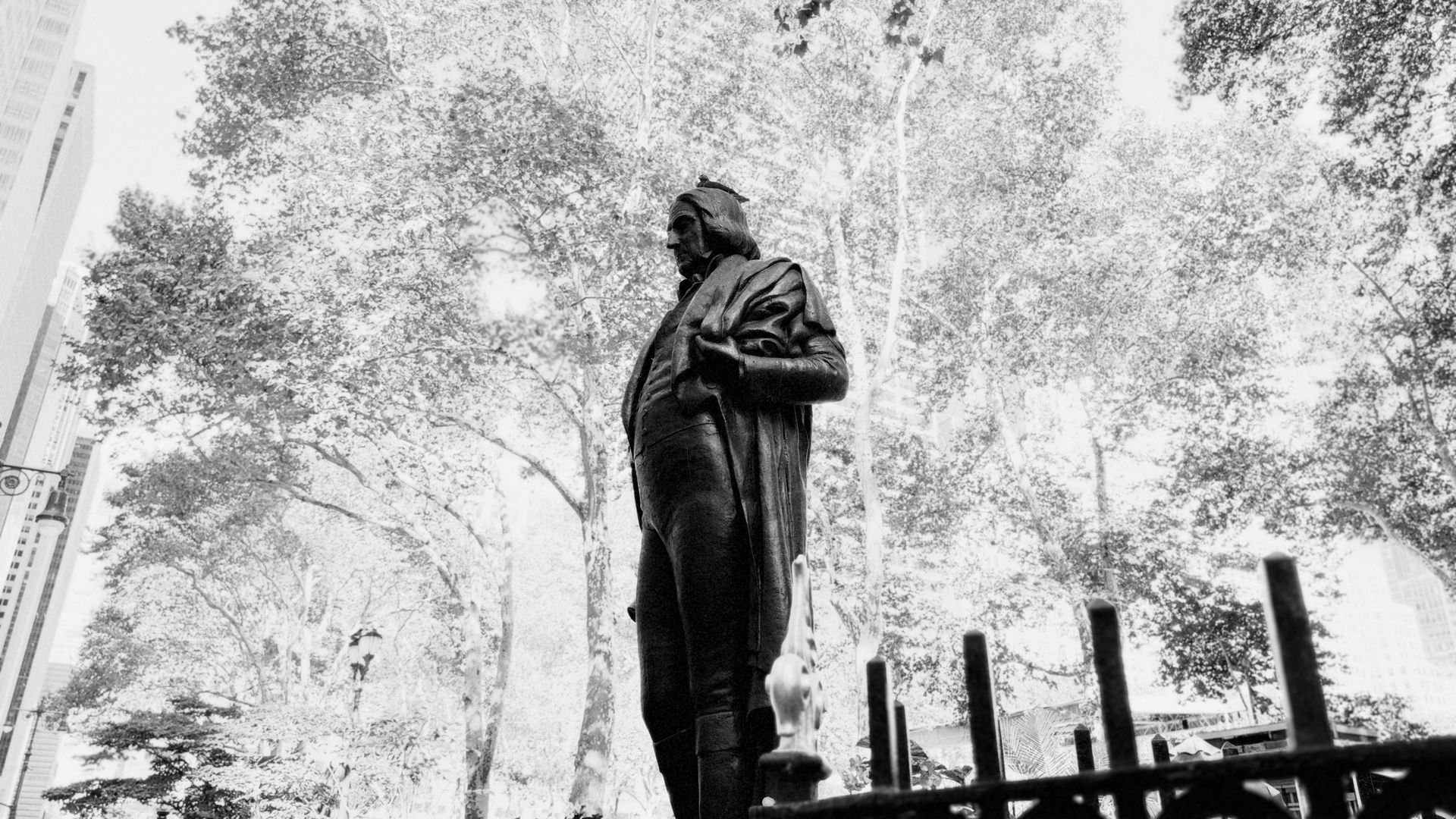
The results on the Gertrude Stein statue are less equivocal. The default portrait mode seems to favor the figure a bit more, though I still like the variable apertures' more realistic background blur.
Let's go Pro
Later, I started fiddling with a combination of aperture settings, shutter speeds, exposures, and focus. There are limits on all of these tools, but that's really the limitation of a smartphone camera. Without the really big sensor, wider space between the lens, aperture, shutter, and sensor, there's only so much you can do.
Still, I was impressed. My variable aperture shots look closer than ever to pro-level photography, and the additional pro controls are just so much fun to play with.
For this black and white style image, I adjusted the shutter speed to 1/223s with f1.8Lance UlanoffHere, the shutter speed is just 1/121s with f2.8Lance Ulanoffshutter speed 1/602s at f1.8Lance UlanoffF2.2 at a slow 1/60s.Lance UlanoffThis is a high-speed shot (1/2088s) at f1.48.Lance UlanoffEven though there was a lot of shadow, I used the Pro settings to push this to 1/693s with an f1.48 aperture.Lance UlanoffF1.48s with high shutter speed (1/14286s).Lance Ulanoff
If there's any disappointment here, it's that we have just one variable aperture. I could do amazing things with more f-stops on the telephoto lens. Ah well, there's always next year.
Check out my gallery to see some of what I shot on my first day with the iPhone 18 Pro Max.
Camp Snap's new 110D is a screen-free camera inspired by pocket 110 film cameras from the 1970s
It costs $74.95 at launch (about £56 / AU$105) and is available for pre-order
Camp Snap is promising 'near-instant shutter button response', addressing a common complaint about its previous cameras
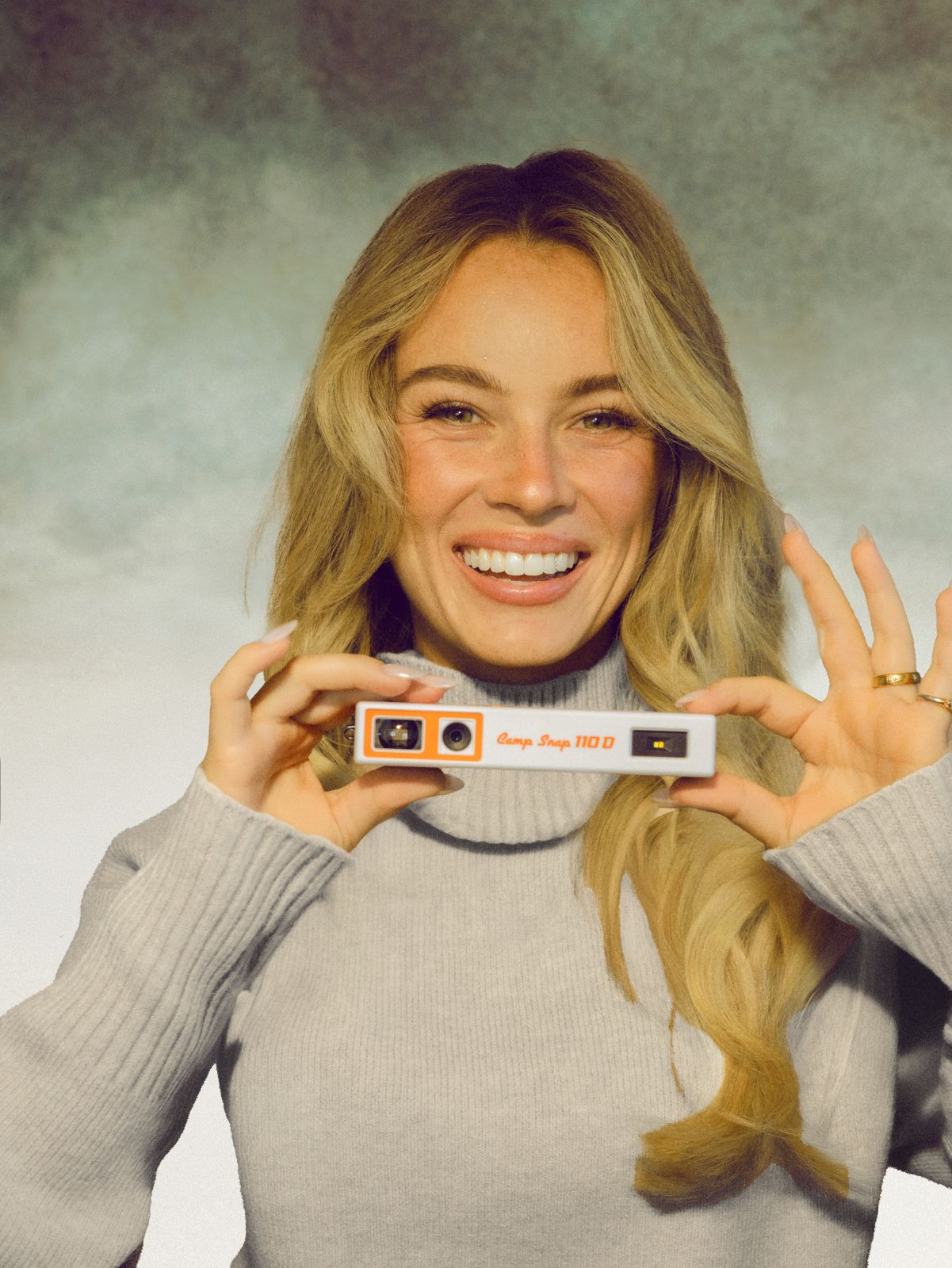
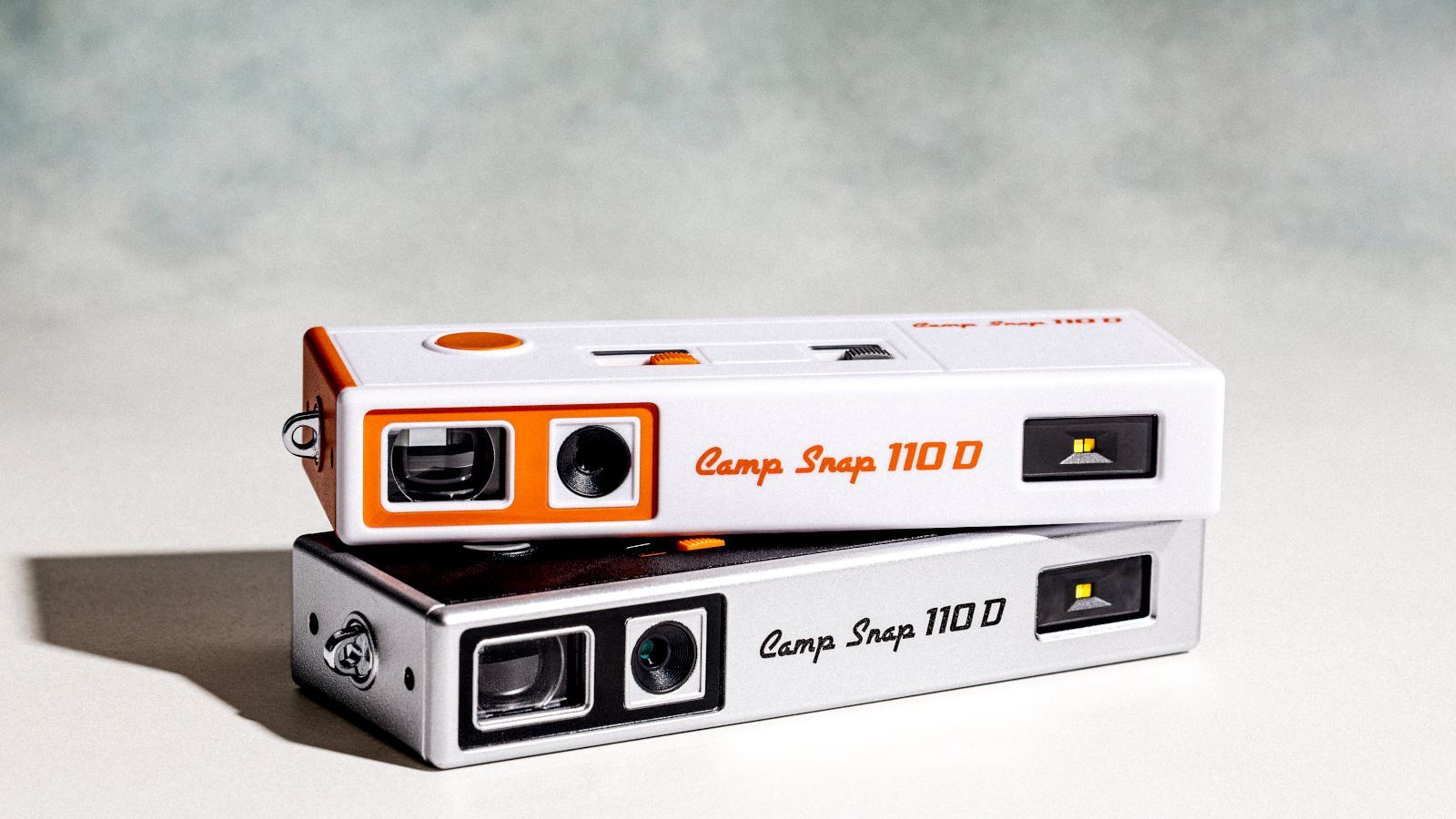
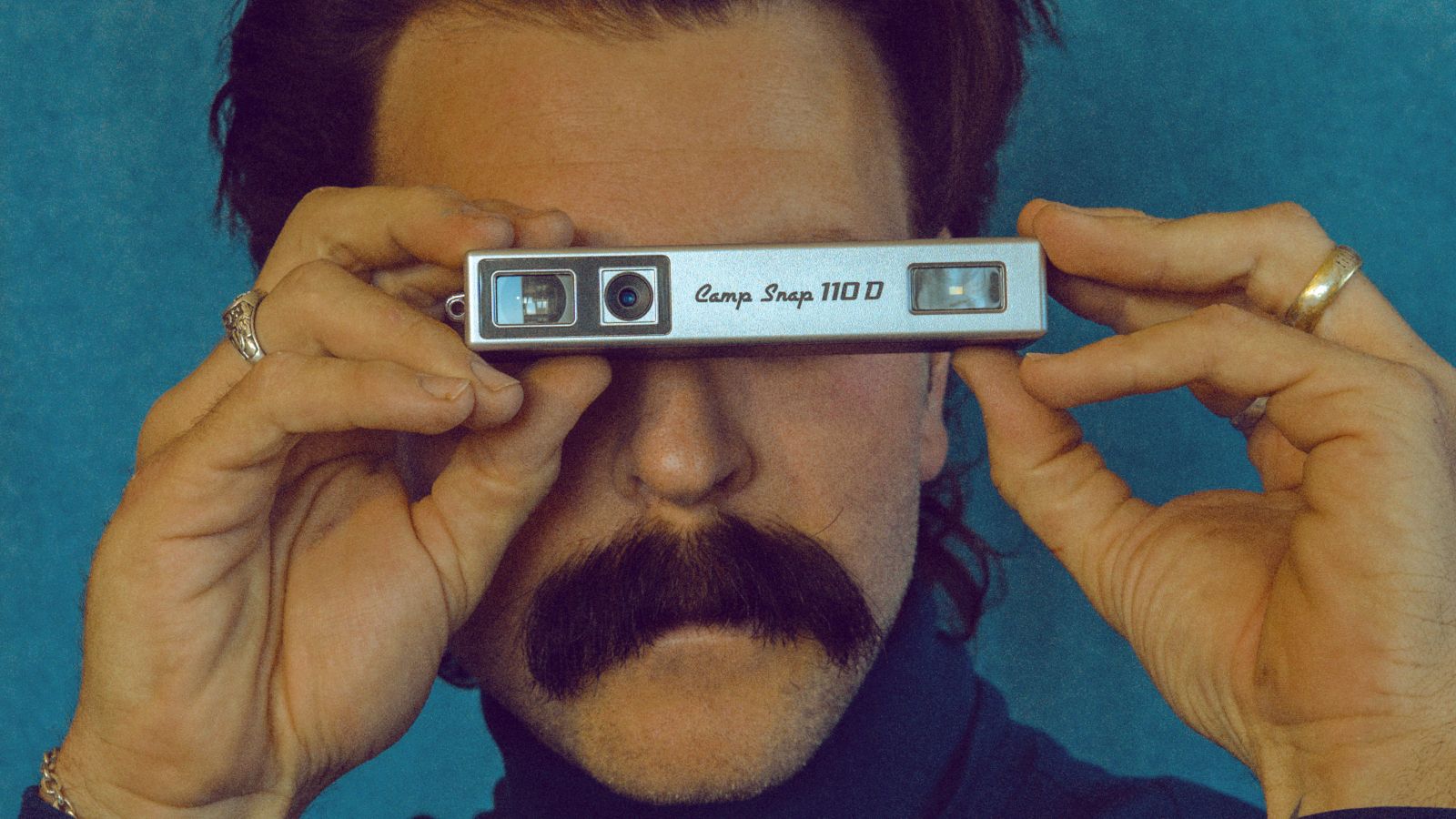
Camp Snap is aiming to bring us back to the 1970s — sort of — with its new Camp Snap 110D. Styled after 110 film cameras, this adorable, rectangular compact digital camera is surfing on two current trends at once: cute cameras, and retro styling.
It's not the first modern release to co-opt the 110 camera look — Lomography did so a couple of years ago with its Lomatic 110. However, that was an analog camera shooting genuine 110mm format film, whereas Camp Snap's effort is an all-digital affair, with image quality more in line with the likes of the Camp Snap 2. In fact, it uses the exact same Sony IMX179 sensor as the Camp Snap 2, producing 8MP images and offering the same set of retro-styled filters: Standard, Vintage 1, Vintage 2, Analog and Black & White.
Still, with that slim, elongated silhouette it promises to be even more portable than the likes of the Camp Snap 2 and Camp Snap Pro. It can be worn on a wrist strap or lanyard, and at 143.2mm along its longest edge it will fit easily into a jacket pocket or small bag.
Once again, the memory card door and settings controls are lockable, meaning the camera can freely be given to younger users. There's also a 30.5mm filter thread on the wide-angle, 26mm equivalent lens, allowing for the attachment of screw-on filters to create stylized effects (Camp Snap has several times hinted it plans to produce its own screw-on filters for its cameras, but none have surfaced yet).
So, in imaging terms, the Camp Snap 110D isn't bringing much that's new to the table. However, Camp Snap is touting one particular improvement that promises to fix an issue that has dogged the company's screen-free cameras since their inception.
The 110D is screen-free, like all Camp Snap cameras, and has a USB-C connection for charging and image transfer (Image credit: Camp Snap)
The fastest shutter button design yet
Camp Snap claims that the 110D has a 'reimagined' shutter button — indeed, its 'fastest shutter button design yet' that should deliver near-instant shutter response. This is a criticism that has come up with pretty much every previous Camp Snap camera: the significant shutter lag, a delay between the button being pressed and an image being captured. The issue was quite deleterious on the first Camp Snap camera, and in my view was much improved on the Camp Snap 2, though Camp Snap itself clearly feels there's room for further improvement.
I'll be interested to see just how 'fixed' the issue is, and what exactly Camp Snap means by 'reimagining' a shutter button. Another feature making a return is Quick Draw, present on the Camp Snap 2, which allows the camera to quickly wake from an inactive sleep mode and capture an image (as I said at the time, I think some users were potentially being caught out by this and thinking the shutter lag on the Camp Snap 2 was worse than it actually was).
It's available in black and white colorways with silver and orange trims, respectively. (Image credit: Camp Snap)
Price-wise, the Camp Snap 110D comes is launching at $74.95 (about £56 / AU$105), which is a very slight jump over the $69.95 / £53 (around AU$130) launch price of the Camp Snap 2, and still lower than the $99 / £90 (around AU$180) price of the 16MP Camp Snap Pro. I'm hoping to try it out soon — and we'll see if Camp Snap has fixed that shutter-lag issue once and for all.
Instagram creator All Gear No Skill has used Dyson's CameraJet toothbrush to shoot street photos
The $499.99 / £419.99 / AU$799 brush uses a 100k-pixel (0.1MP) camera to find the gaps between your teeth
Shots were grabbed by screenshotting the live feed in the MyDyson app
You may have heard the phrase "the best camera is the one you have with you", but what if that's a toothbrush? Instagram creator All Gear No Skill (@allthegearnoskill) has taken Dyson's new CameraJet out of the bathroom and onto the streets, using its tiny built-in camera to capture a series of gloriously odd street photos.
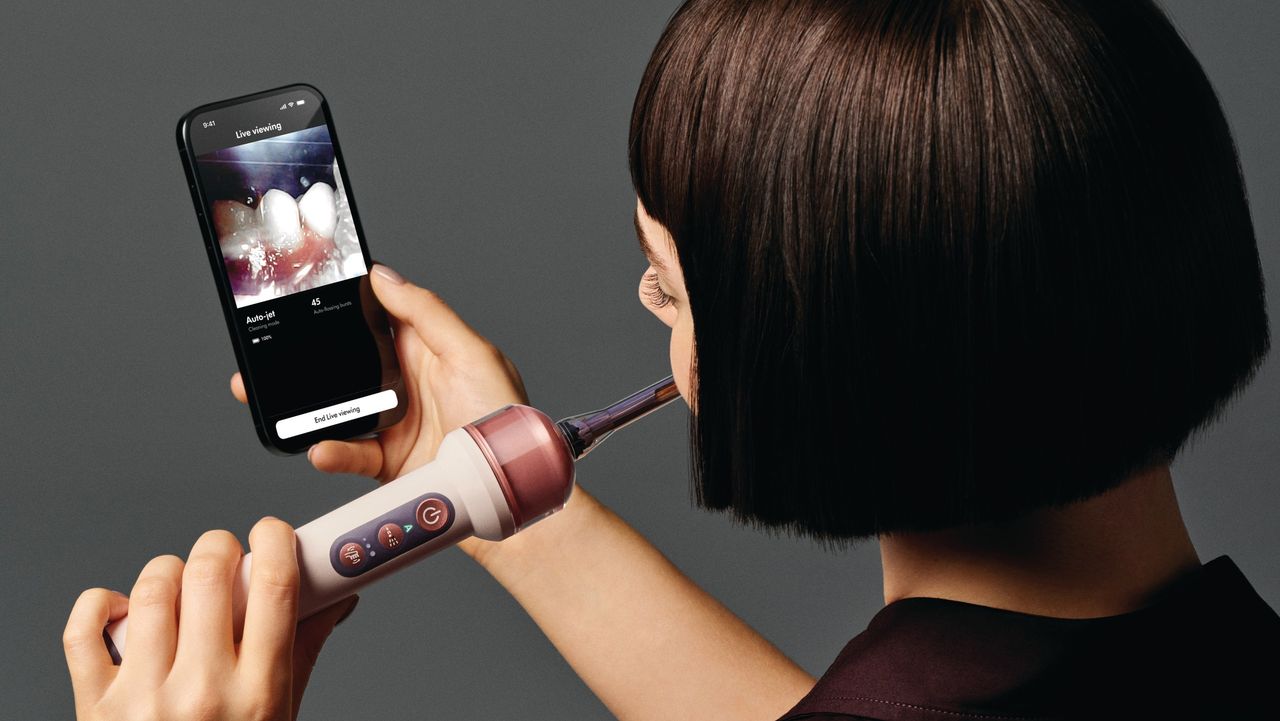
Launched at the start of September, the CameraJet is Dyson's first foray into oral care, and it costs a jaw-clenching $499.99 / £419.99 / AU$799. Tucked just below the brush head is a 100k-pixel macro camera that feeds a machine learning system Dyson calls Gap Optical Targeting. It analyzes at 28fps to spot the gaps between your teeth, then fires a cone-shaped jet of mouth rinse at each one, so you're effectively flossing while you brush.
The same camera doubles as a dental endoscope, streaming a live view of your molars to the MyDyson app (which, as TechRadar writer Emily Peck found in her Dyson CameraJet review, can be a little more revealing than you might like).
Point, shoot, rinse, repeat
That live view is the key to "taking photos" with the toothbrush. Dyson says the CameraJet doesn't save images on the brush or in the cloud, and there's no capture button in the app, so the process is refreshingly low-tech. You point the brush head at your subject, watch the feed on your phone, and take a screenshot when the composition looks right. It's like a $500 / AU$800 remote viewfinder with bristles.
As you'd expect from a sensor designed to peer at incisors from a few millimeters away, the results won't have anyone trading in their Leica: the macro lens bends everything into a fisheye-style bubble, 100k pixels works out to a mere 0.1MP resolution, and the colors and white balance wander all over the place, lending the shots a strange, almost infrared look. For me, the photos instantly brought to mind the otherworldly, hallucinatory AI-driven image generation from a few years ago: think Will Smith eating spaghetti.
The CameraJet surely won't be the last unlikely gadget to get this treatment, either, because cameras are turning up in all sorts of devices that have nothing to do with photography. Your car may have several for parking and driver assistance, robot vacuums use them to dodge kids' toys and charging cables, and some smart fridges and ovens will let you peek at what's inside via your phone. Not to mention robot lawn mowers and VR headsets.
Plenty of these offer a live feed in a companion app, so there's a house full of accidental point-and-shoots out there waiting for someone with a sense of humor. Personally, I can't wait for the first portrait series shot entirely on a fridge.
It's time for TechRadar's annual tech awards, and this year we're doing it differently. For the first time, we have a complete set of categories where the winners are chosen 100% by you, the TechRadar readers.
The TechRadar Readers' Choice Awards 2026 comprises nearly 100 categories, but we know that not everyone is interested in voting in every one, so on this page you can vote in just our Phones and Cameras categories.
These include tablets, ereaders, drones and more, as well as various phones and cameras awards. You can vote in the survey just below — or follow the links to see other specific categories, or to vote on the full list instead.
The shortlists were chosen by TechRadar's editors based on the best products we've tested or the most popular products of the year. You'll need to vote before 00:01am PST / 03:01am EST / 08:01am BST on Wednesday October 7th 2026 for it to be counted.
Once the deadline has passed at 00:01am PST / 03:01am EST / 08:01am BST on Wednesday October 7th 2026, we'll tally your votes to find the winners in each category.
We'll announce the winners in our big TechRadar Awards 2026 Week, starting Monday October 19th. We'll reveal the winners of the Reader's Choice Awards, as well as the winners of our TechRadar Product of the Year Awards, which are chosen solely by our expert judges.
How many products will do the double? We'll be curious to see — but right now, all you can do is vote for what you think should win, so vote away!
You’ve heard of the Pwned site, now there is a site where you can see whether you’ve been in Flocked videos. Except there is one catch: For the site to list your automobile, you would have had to been included in a Freedom of Information Act search. “This website only displays searches from audit logs […]
PUBLIC DEFENDER By Brian Livingston Millions of people around the world have installed Internet-connected “security cameras” to monitor foot traffic around their homes and offices. Unfortunately, many of these video devices make it easy for unwanted persons to see your live feed and record whatever comes into view. It’s convenient to know who’s at your […]

 Login
Login