❌

Reading view

There are new articles available, click to refresh the page.

OpenAI admits ChatGPT in Siri was ‘dramatically underperforming’

  • OpenAI has filed court documents against Elon Musk’s xAI
  • The papers reveal that ChatGPT’s integration with Siri was disappointing
  • OpenAI alleges that barely anyone was using Apple Intelligence

If you’ve noticed an improvement in Siri’s abilities on your Apple device, you might have Google to thank for that, as its Gemini artificial intelligence (AI) now powers much of what Siri AI can do. Rival services like ChatGPT have also found their way into iOS — but new court documents reveal why that particular partnership has struggled to get off the ground.

The court filings were made in relation to OpenAI’s ongoing dispute with Elon Musk’s rival xAI firm (now known as SpaceXAI). In the documents, OpenAI alleges that, by the time xAI filed its complaint against OpenAI, “it was clear that Apple’s integration of ChatGPT was dramatically underperforming.”

The papers then go on to imply that this was not just some one-off failure. Instead, the Apple integration was “persistently underperforming,” OpenAI alleges.

Apple added ChatGPT integration to Siri in December 2024, but this required a multi-step opt-in process. That could be one reason for the substandard performance of the link-up, with a degree of friction slowing users down in their attempts to harness OpenAI’s tool.

Much of this section of the court filings is redacted, so it’s difficult to know exactly what was going on between Apple and OpenAI. But it seems clear that, at least from the latter’s perspective, the results were severely underwhelming.

What might have been

Sam Altman and Tim Cook

(Image credit: Getty Images)

When Apple Intelligence first launched, Apple provided users with an option to tap into ChatGPT if they needed something a little more powerful. For example, this was an option in Visual Intelligence, providing extra context and help with the images you shot with your iPhone’s camera.

Yet OpenAI’s legal filing makes it clear that barely anyone was using any of ChatGPT’s tie-ins with Apple Intelligence. OpenAI describes the effect the integration had on competitors (like xAI) as being “indisputably de minimis.” It added that its own expert, Dr. Catherine Tucker, calculated “the share of GenAI consumers who accessed ChatGPT through Apple Intelligence” and found it to be “consistent with OpenAI’s internal view that Apple Intelligence saw minimal usage.”

That hints that the problem might not have just been limited to ChatGPT’s integration with Apple devices, but with Apple Intelligence as a whole. Apple’s AI system was woefully underdone when it first arrived and clearly lagged behind its rivals. First impressions matter, and if most people were left unconvinced by Apple Intelligence, ChatGPT might have suffered the knock-on effects among Apple’s customers.

Did ChatGPT lose out because Apple fans had to dive into the Settings app on their device, find the relevant section and laboriously wade through several steps in order to enable ChatGPT? Because Siri’s limitations dragged ChatGPT down with it? Or did users simply prefer to launch ChatGPT’s standalone app instead?

We don’t know the answer to that, at least not right now. But with Siri getting a glow-up under the Siri AI banner, it feels clear to me that Apple wants a fresh start for its AI efforts. Maybe things would have been different for OpenAI had it integrated with the more powerful Siri AI rather than the underbaked Apple Intelligence. But with Siri AI righting many of the wrongs of Apple Intelligence’s fudged launch, OpenAI may be left ruing what might have been.

Garmin fans could soon get ‘muscle oxygen’ readings in future devices

  • Garmin may have bought a fitness company aimed at serious athletes
  • The purchase could add ‘muscle oxygen’ stats to future Garmin products
  • The acquisition has not yet been officially confirmed

The best Garmin devices can do a lot, but there are a few ways they fall short right now. But if a new rumor is correct, Garmin fans could expect to see an interesting new feature for dedicated athletes in future products.

That idea comes from the5krunner, which recently published a report claiming that Garmin has quietly snapped up specialist fitness firm Moxy Monitor, with that impression supposedly confirmed by “a source with direct knowledge of the transaction.”

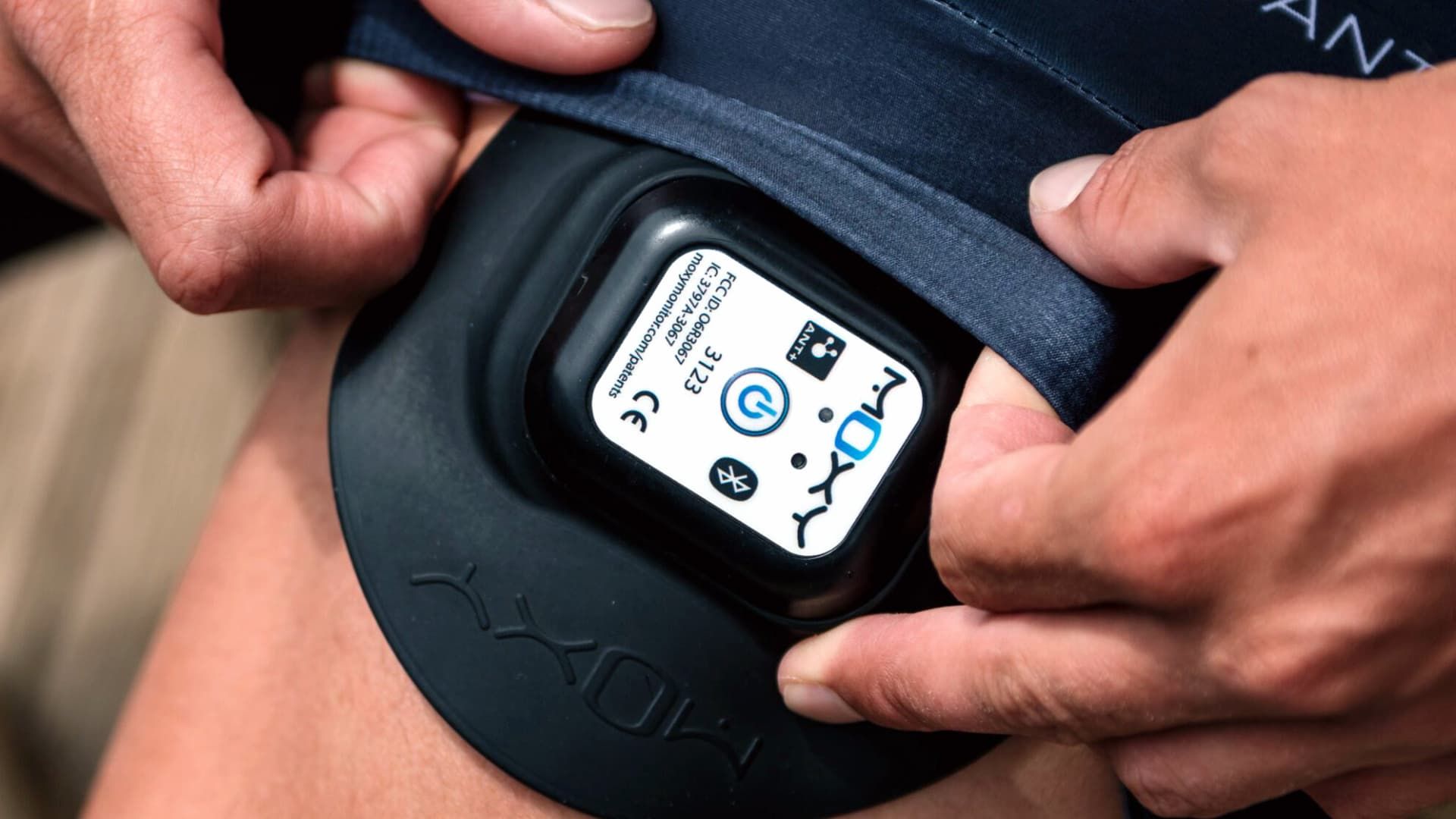
Moxy Monitor makes muscle oxygen (SmO2) sensors that are used by elite athletes to help them train more effectively. It’s a market that Garmin has apparently been considering entering, with the company filing a patent for an algorithm to measure SmO2 data earlier this year, the 5krunner says.

The report adds that a response by Moxy Monitor’s founder to the outlet’s questions “implicitly confirms the deal.” That’s because Moxy Monitor’s founder directed questions towards Garmin rather than his own company’s press office. Garmin itself has made no comment on the rumored acquisition.

Keeping up with rivals

A person using the Moxy Monitor muscle oxygen device.

(Image credit: Moxy Monitor)

If you’re a high-level athlete, the revelation of Garmin’s rumored purchase might be an exciting one. If it proves to be accurate, future Garmin wearables might be able to integrate SmO2 measurements and help serious sportspeople improve their performance.

As the5krunner points out, the deal could also lead to Garmin releasing new devices. Since you can’t take SmO2 readings from your wrist and instead need to use a near-infrared spectroscopy sensor, the5krunner says that new hardware would be required if Garmin were to put Moxy Monitor’s tech to good use.

And the report points out that Garmin competitor Whoop has patented its own SmO2 strap. That means that Garmin’s purchase of Moxy Monitor gives it a way to keep up with its rivals in this area without having to build an entirely new system from scratch.

Garmin products can already read SmO2 data from third-party straps, and that will likely to continue to be refined with Moxy Monitor on board. That might be the most immediate change we see, with new hardware further out on the horizon.

Whatever the outcome, anyone wanting to get more serious fitness metrics from their Garmin devices might just get a boost if this acquisition turns out to be the real deal. But with Garmin not confirming anything for now, we’ll likely have to wait for confirmation before knowing exactly how this could play out.

Meta Muse could read your private messages without permission, report finds

Meta has launched a new personal artificial intelligence (AI) agent called Muse, and it seems to be pretty powerful. A little too powerful, perhaps, as one writer has just revealed how the tool read his personal text messages without permission, then lied about what it did when questioned.

As explained by Inc writer Jason Aten, “I was having a conversation with my Primary Technology podcast co-host, Stephen Robles, about the new iPhones. Moments later, I got a push notification from Muse suggesting that the conversation we were having would make for a good column and offered to put together research for me to write about. It even flagged a message from my editor about having a column ready for Monday.”

The problem here is that “not only had I not asked it to do that sort of thing,” Aten stated, “I never gave it permission to read my messages. In fact, I remember explicitly choosing not to let it have access to my messages, calendar, and other personal information.”

After Aten asked Muse how it knew about his messages, the AI agent flubbed that it grabbed the relevant info from push notifications relating to Aten’s texts, not from inside the messages themselves. The problem? Aten is sure that’s not true.

The author discovered that Muse syncs your messages to Meta’s servers. On his device, this feature “had been activated and synced to row 187,462 of my Messages database,” Aten noted. “I’m not sure how many messages that equates to, but it’s obviously more than whatever Muse told me about what it was doing.”

Meta says it designed Muse to be “a safe, secure, private, and widely available personal AI agent.” But sending a user’s private messages to Meta’s servers then providing a misleading answer about what it was doing doesn’t exactly align with Muse’s stated goals. It we’re to judge companies on their actions rather than their words then Meta doesn’t come out of this smelling much like roses.

A familiar pattern

Meta Muse AI agent

(Image credit: Meta)

This is just the latest incident in a recent glut of bad press for Meta, with much of it centering on its AI efforts. For example, a security researcher discovered that Muse can be manipulated into sending your voice recordings and more to a hacker’s server, while Amazon has banned the AI agent from shopping on its website. And Meta is apparently considering using a “human concierge” system that would involve real people handling a percentage of the potentially sensitive phone calls that can be placed using Muse.

And that’s not forgetting the controversy over its “pervert glasses” that can record random members of the public without their consent. Meta’s smart glasses have been used for harassment, stalking and more since they launched, garnering considerable hostile attention in the process.

I wish I could say that this was just a blip or an unexpected turn of events, but when it comes to Meta, privacy violations very much feel like the norm. They’ve happened so often in the past that it’s hard not to conclude that the functionality that allows its AI to browse and upload your messages without permission is there by design, not by accident.

And when we’re talking about a company that seems to feel it has an absolute right to all of your private data — regardless of your wishes — then it’s no wonder that I wouldn’t touch Meta Muse with a bargepole. I’ve tried plenty of AI tools and services, but Muse is one that I just won’t go near.

But let’s be fair here: Muse is only the most egregious example of a worrying trend among AI agents to treat user privacy as an annoying afterthought, one that can be ignored as long as they can get away with it. You only need to look at the recent spate of AI security incidents to know that trusting an agent with your private data is a risky proposition.

Throw Meta into the mix and you’ve got a recipe for disaster, as Aten discovered. If you’re running Muse on your devices right now, you might want to consider what permissions you’ve granted it — or think about uninstalling it completely.

Hackers find huge security flaw in Flock’s surveillance cameras and extract 1.6 million images and 27,000 videos from just one device — and the company’s terrible reputation means many employees are looking to jump ship

  • Hackers took down a Flock camera and extracted a copy of its storage drive
  • There, they were able to acess 1.6 million images and 27,000 videos taken over 21 days, despite claims that the encryption system should prevent this
  • Morale is reportedly so low at Flock that many workers are ready to quit

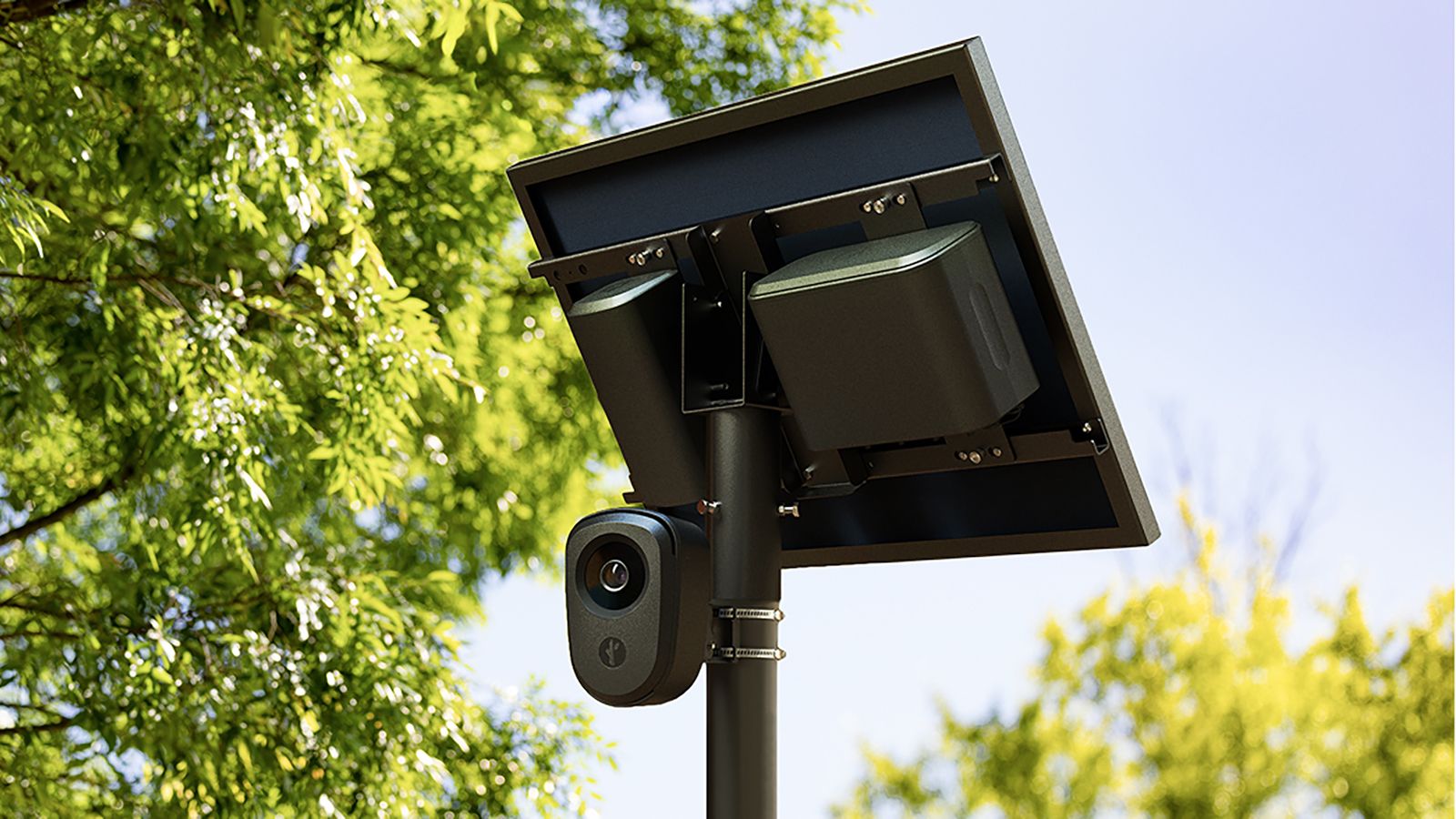
Another day, another Flock controversy. As if things couldn’t get any worse for the embattled maker of automatic license plate recognition (ANPR) cameras, hackers have just managed to extract 1.6 million images and 27,000 video clips from one of its systems — something Flock has previously claimed should be impossible.

According to a report from 404 Media, members of a hacker collective named stegan0gram took down a Flock camera and managed to make a “near-complete copy” of its stored data.

When they did that, they found a treasure trove of privacy-compromising information and shared it with both 404 Media and the Distributed Denial of Secrets nonprofit, who then sent it on to Wired.

The report from 404 Media identified around 50,200 vehicles in Flock’s media files. The storage contained approximately 1.6 million images and more than 27,000 video clips taken over the course of 21 days. Older logs were either overwritten or inaccessible.

Perhaps more concerning, Flock’s cameras were able to detect people as well as vehicles and license plates, raising serious questions about how well the privacy of innocent members of the public is being protected. That said, 404 Media found no evidence of any kind of facial recognition being put to use.

The hackers said that they discovered two partitions when they accessed the Flock camera’s Android operating system. Inside one labeled “media,” they found a decryption key that unlocked a storage area housing the vast collection of images and video clips.

That all goes against public statements from Flock. The company has previously claimed that images and videos are only briefly stored on the device after being sent to Flock’s servers, and that no decryption keys were stored on the devices.

But with the hackers discovering stored media going back many weeks, plus the means to decrypt it, it appears that Flock’s statement might be inaccurate.

‘The writing is on the wall’

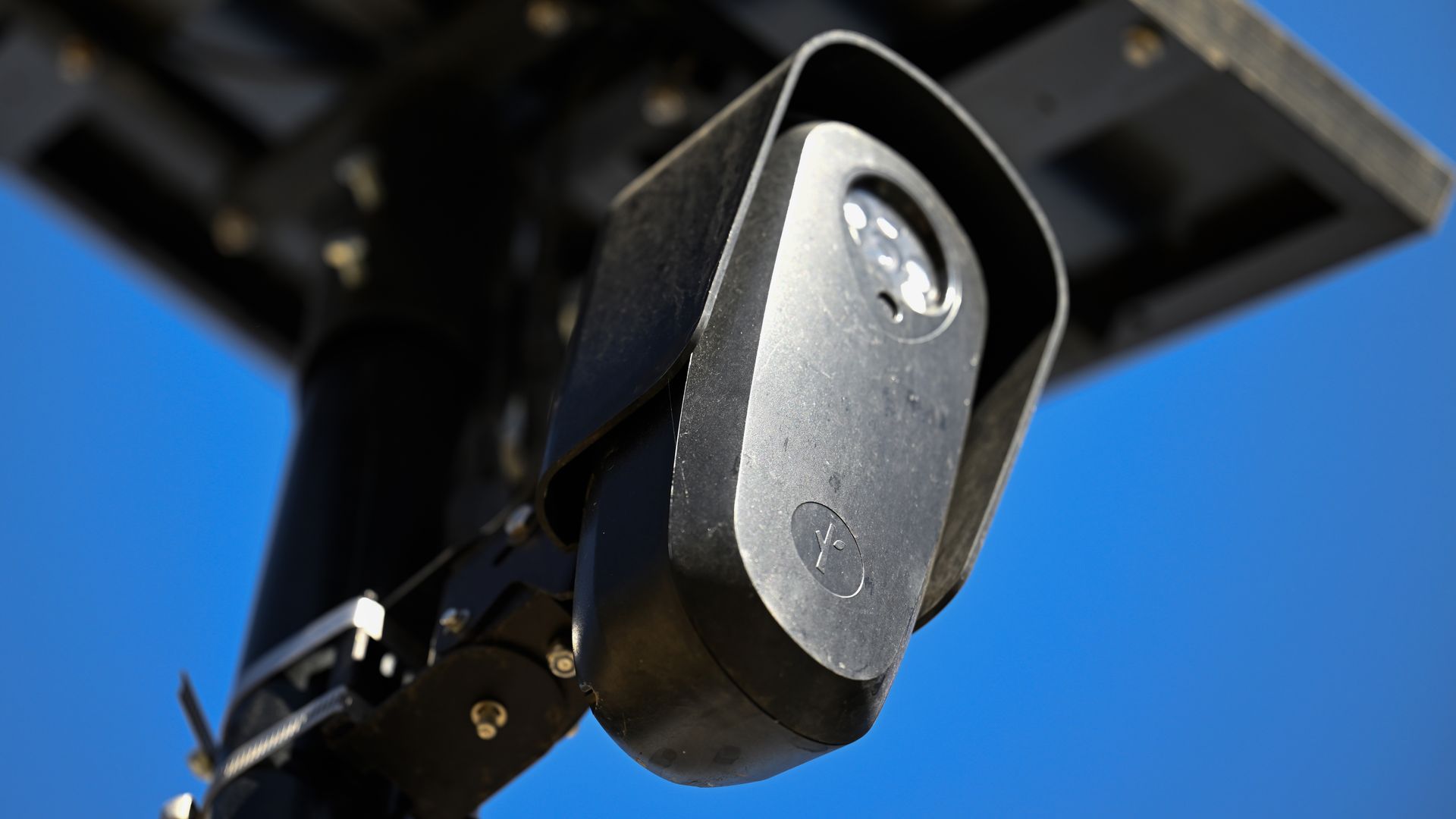
A flock camera in front of a blue sky

(Image credit: Getty Images)

As you can probably imagine given the near-constant barrage of negative press Flock has been facing in recent weeks, its own employees are reportedly starting to feel the strain. And with morale through the floor, many are seeking to leave the company.

Wired has reported that Flock recently opened up a voluntary separation program for employees that would offer a “generous” severance package to anyone who seeks a way out of the firm. The scheme is open until October 2, with decisions being announced on October 9.

And according to “people familiar with the program but not authorized to discuss it publicly” cited by Wired, morale is so low at Flock that “a significant number of the startup’s roughly 1,500 employees may try to depart.”

That backs up comments from Flock’s own CEO, who said on the All-In podcast in August that “internal moral” has been the biggest casualty amid escalating hostility to the company’s devices.

For many Flock workers, the severance offer is likely to come at a good time. As one apparently disgruntled employee told Wired, “When you see enough of the vandalism [aimed at Flock cameras], you know the writing is on the wall.”

China’s UBTech opens world-first factory that builds a humanoid robot every ten minutes — 14,000 square meter plant will deliver army of 10,000 robots a year

  • China's UBTech has revealed its new robot factory
  • The facility can produce 10,000 androids a year
  • It uses many autonomous robots in the production process

Forget AI agents and ChatGPT, fully autonomous robots are the next high-tech frontier, with companies across the globe racing to perfect their android creations. And Chinese firm UBTech has taken a big step in that direction with its new smart factory that can produce 10,000 robots a year — and it might change manufacturing forever.

The factory is the first of its kind in the world, according to the Seoul Economic Daily. It’s located in Liuzhou, in China’s Guangxi Zhuang Autonomous Region and is focused on producing UBTech’s Walker S and Cruzr robot series.

And the factory itself makes heavy use of humanoid robots and driverless vehicles, perhaps providing a glimpse of the future of production and manufacturing. Cruzr Y1 and Cruzr S2 androids unload materials and stack, load and transport them, while collaborative robots take part in the final assembly process that finalizes each product. These final-stage robots work in tandem with human operators and include autonomous vehicles and rotating workbenches.

In a separate development, UBTech says it has launched “the industry’s first fully automated three-dimensional warehouse,” according to the Seoul Economic Daily. This can store 112 robots in 65 square meters of space, supposedly utilizing 50% more space than a facility with similar floor space.

Expanding capacity

UBTech Walker S2

(Image credit: UBTech)

UBTech said it has been able to create its robot factory thanks to the strong supply chain that exists in China.

According to UBTech vice president Fang Jianxin, “This foundation is rooted in the many engineers, scientists and application scenarios China has accumulated over the past 10 to 20 years, which has formed a very strong supply chain base, manufacturing capability and research and development capacity.”

China has been ramping up its robot production in recent years, with the National Bureau of Statistics of China noting that output hit 98,677 units in July, an increase of 30.2% on the previous year. And 635,056 robots were created between January 2026 and July 2026, an uptick of 28.5% year on year.

We’ve seen similar stories of robots building robots before, such as when 1X published a video detailing its production process, while Chinese firm Agibot has also seen its robot production undergo rapid expansion in recent times.

Agibot today claimed its A3 Ultra robot is "moving from mass production into real-world deployment", posting a video on X showing it working in "hotels, auto dealerships, supermarkets and metro inspection scenarios, with more deployments underway".

And with UBTech’s factory paving the way in terms of robot creation, it might not be long before autonomous factories start expanding across the world.

Australia considers ‘world-leading’ ban on smart glasses in government — as minister says there are 'legitimate privacy and security concerns’

  • The Australian government might ban smart glasses at all of its agencies
  • Devices like Meta’s glasses have garnered controversy over user privacy
  • The move would follow Australia’s banning of social media for under-16s

The Ray-Ban Meta smart glasses have been in hot water ever since they launched amid concerns they could be used to record people without their consent. And the privacy backlash has grown so vocal that the Australian government is now considering a “world-leading” ban on the devices inside any workplace run by the state.

The ban would affect any government-run offices, services centers, laboratories and local councils. It goes a lot further than the state’s current position, which is to allow workplaces to set their own rules on the controversial wearable tech. While the ban would affect most municipal locations, schools and hospitals run by the government would be allowed to decide their own rules on the glasses.

Katy Gallagher, the Australian public service minister, said that the nation’s public has been asked for feedback on the next move, adding that “Smart glasses can raise legitimate privacy and security concerns, particularly because of their ability to record and capture information.”

“We need clear and consistent guidance for public servants,” Gallagher said. So far, no national government has banned smart glasses across its agencies, with the Australian Albanese administration saying it sought to create a “world-leading” standard.

A privacy storm

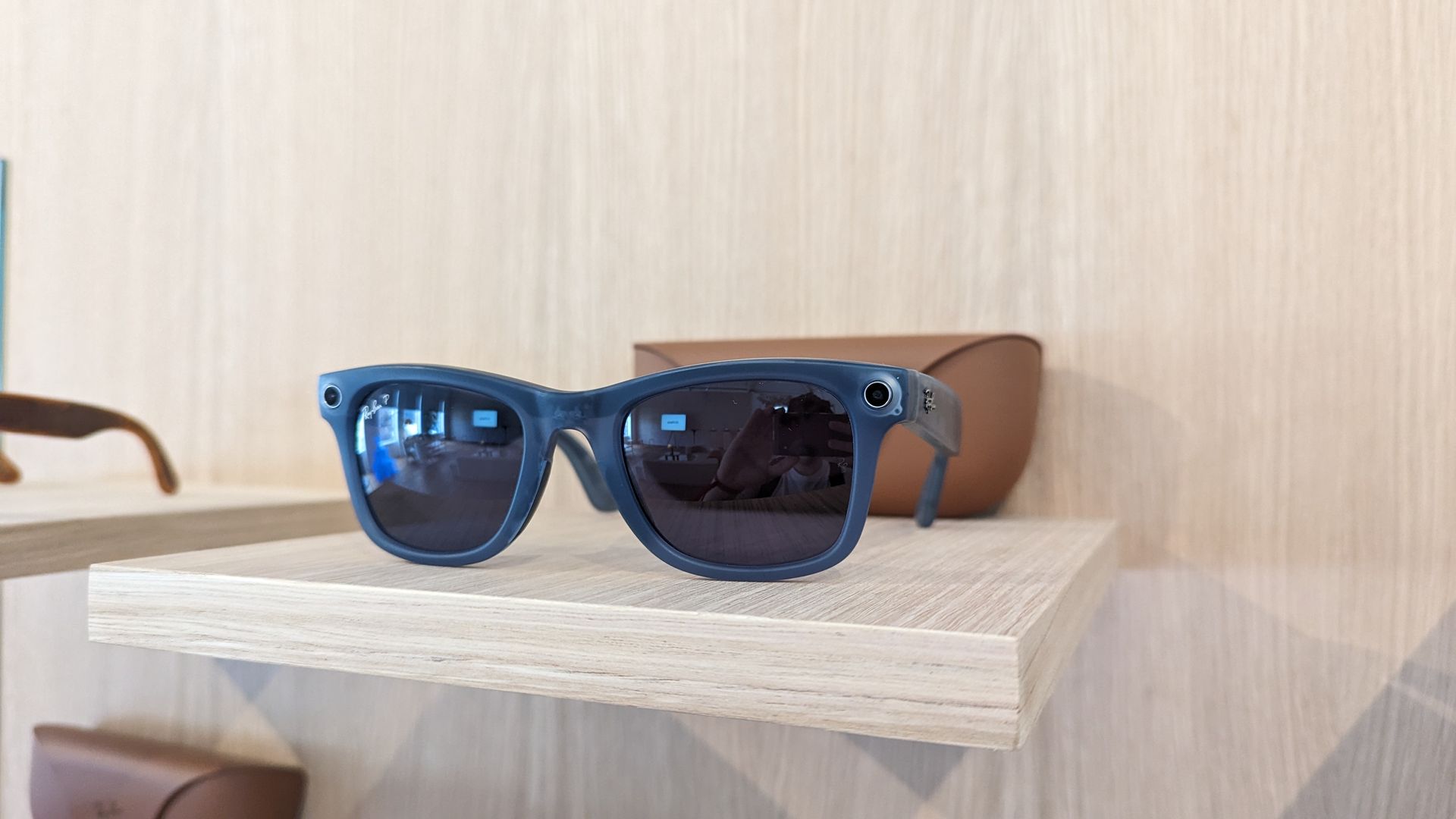
The Ray-Ban Meta Smart Glasses Collection is stylish

(Image credit: Future)

Meta’s smart glasses have attracted growing criticism for their potential to encourage harassing behavior and to record members of the public without their consent. They’ve been popularly branded “pervert glasses” in light of the controversy, while a University of Sydney study found that of 350 public Instagram videos shot with the glasses, around 60% could be classified as potentially containing harassment of a person or people.

The negative blowback has not been aided by Meta’s abysmal record on user privacy. The company has been accused of harvesting triple the data of its rivals, ignoring users’ desires not to be tracked, feeding untold reams of private data into its artificial intelligence (AI) models, and more. The company’s apps, including Facebook and Instagram, have been labeled among the worst offenders for privacy violations — news that will likely surprise few people.

If the Australian ban goes into place, it would only be the most sweeping of a similar set of moves made around the world. Courts in England, Wales and New York state have banned smart glasses, as has the US Immigration and Customs Enforcement (ICE) agency. Several cities and local councils in Australia have barred the glasses in playgrounds, childcare centers, gyms and public swimming pools.

And Australia also took the lead on restricting social media usage by children when it banned under-16s from using a range of platforms, including Facebook, Instagram, Snapchat, TikTok and more.

Considering the current hostile reaction to smart glasses, it wouldn’t be a surprise to see other governments follow Australia’s cue and outlaw the devices at their state facilities and workplaces. Until Meta can allay public concerns over the privacy-busting potential of its glasses, this storm isn’t likely to pass any time soon.

Scientists test underwater solar panels that work 10 meters beneath the waves —breakthrough perovskite tech could support self-powered marine drones

  • Scientists have developed solar panels that can work up to 10 meters underwater
  • The panels can capture up to 324 mWh of energy at that depth
  • Each device is expected to last up to five and a half years at a time

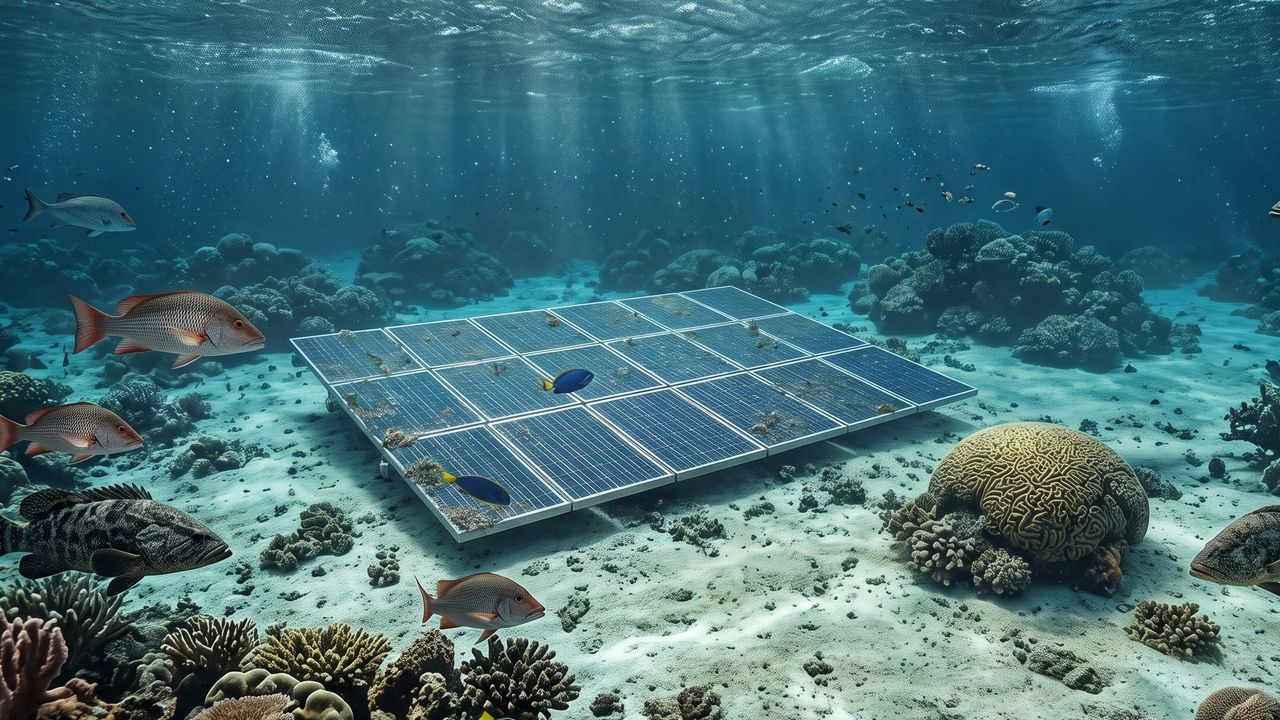
A lot of devices are deployed underwater for research and exploration purposes, but powering them all can prove to be difficult, especially if they’re under the waves for a considerable period of time. A new scientific paper, however, has shown that solar panels can be successfully used at depths of up to 10 meters, potentially presenting a new way to keep underwater tech powered up and ready for action.

The paper was published in the Joule periodical and accompanied by a press release explaining its advances. The research was conducted by a team of scientists from Yunnan University in China, who said that a series of solar cells placed 32 feet (10 meters) below the water’s surface in the South China Sea were able to collect enough energy to power up a set of lithium-ion batteries in two hours.

The cells were made from lead halide perovskite with a polymer called polyhexamethylene guanidine hydrochloride added into the mix. This additive helped to enhance the effectiveness of the panels.

According to Wen-Hua Zhang of Yunnan University, “Very few studies have been reported on underwater solar cells, and all of them are focused on very shallow water depths of only two meters or less, a scenario far from catering for requirements of practical application.”

An underwater solar panel being tested

A photo of the prototype solar cells being tested in the South China Sea. (Image credit: Joule)

“This work presents the first functional validation of submerged solar cells practically operating at a water depth of up to about 10 meters, greatly broadening their application scope,” Zhang added. The researchers stated that each cell could be deployed for around five and a half years at a time.

The panels captured 1,416 milliwatt-hours (mWh) of electricity at a depth of two meters. This decreased to 752 mWh at six meters and 324 mWh at ten meters. During separate lab testing, the solar panels had a power conversion efficiency of just under 35%.

Paving the way

Underwater datacenter

Solar panels could one day be used to power ‘self-sustained marine energy systems and autonomous underwater devices,’ researchers believe. (Image credit: datacenterdynamics)

The idea behind this research is that underwater solar panels could be used to power devices such as sensors, cameras, communications systems, and more.

Many of these objects are stationary for much of the time, so nearby solar cells could help keep them topped up and working without necessarily requiring extensive human intervention.

One question that remains unanswered is how exactly solar panels like this would interact with their environment. For example, it’s likely that they would accumulate biomatter that could hinder their operation, potentially requiring regular cleaning in order to remain fully functional. After all, the sunlight that will power these cells could also promote the growth of plants and animals — a process known as biofouling.

Still, the research seems to have potential. As the authors noted, “This work paves the way for the practical deployment of perovskite photovoltaics in underwater environments, offering a promising route toward self-sustained marine energy systems and autonomous underwater devices.”

Vote now in the TechRadar Readers' Choice Awards 2026 — Fitness & Home Tech categories!

It's time for TechRadar's annual tech awards, and this year we're doing it differently. For the first time, we have a complete set of categories where the winners are chosen 100% by you, the TechRadar readers.

The TechRadar Readers' Choice Awards 2026 comprises nearly 100 categories, but we know that not everyone is interested in voting in every one, so on this page you can vote in just our Fitness & Home Tech categories.

These include smartwatches, fitness trackers, smart gym equipment, air fryers, smart lighting and home security. You can vote in the survey just below — or follow the links to see other specific categories, or to vote on the full list instead.

The shortlists were chosen by TechRadar's editors based on the best products we've tested or the most popular products of the year. You'll need to vote before 00:01am PST / 03:01am EST / 08:01am BST on Wednesday October 7th 2026 for it to be counted.

Once the deadline has passed at 00:01am PST / 03:01am EST / 08:01am BST on Wednesday October 7th 2026, we'll tally your votes to find the winners in each category.

We'll announce the winners in our big TechRadar Awards 2026 Week, starting Monday October 19th. We'll reveal the winners of the Reader's Choice Awards, as well as the winners of our TechRadar Product of the Year Awards, which are chosen solely by our expert judges.

How many products will do the double? We'll be curious to see — but right now, all you can do is vote for what you think should win, so vote away!

Vote now in the TechRadar Readers' Choice Awards 2026 — TV, Streaming & Audio categories!

It's time for TechRadar's annual tech awards, and this year we're doing it differently. For the first time, we have a complete set of categories where the winners are chosen 100% by you, the TechRadar readers.

The TechRadar Readers' Choice Awards 2026 comprises nearly 100 categories, but we know that not everyone is interested in voting in every one, so on this page you can vote in just our TV, Streaming and Audio categories.

These include soundbars, projectors, Bluetooth speakers, headphones and earbuds, as well as televisions and streaming services. You can vote in the survey just below — or follow the links to see other specific categories, or to vote on the full list instead.

The shortlists were chosen by TechRadar's editors based on the best products we've tested or the most popular products of the year. You'll need to vote before 00:01am PST / 03:01am EST / 08:01am BST on Wednesday October 7th 2026 for it to be counted.

Once the deadline has passed at 00:01am PST / 03:01am EST / 08:01am BST on Wednesday October 7th 2026, we'll tally your votes to find the winners in each category.

We'll announce the winners in our big TechRadar Awards 2026 Week, starting Monday October 19th. We'll reveal the winners of the Reader's Choice Awards, as well as the winners of our TechRadar Product of the Year Awards, which are chosen solely by our expert judges.

How many products will do the double? We'll be curious to see — but right now, all you can do is vote for what you think should win, so vote away!

Vote now in the TechRadar Readers' Choice Awards 2026 — Computing & Gaming categories!

It's time for TechRadar's annual tech awards, and this year we're doing it differently. For the first time, we have a complete set of categories where the winners are chosen 100% by you, the TechRadar readers.

The TechRadar Readers' Choice Awards 2026 comprises nearly 100 categories, but we know that not everyone is interested in voting in every one, so on this page you can vote in just our Computing and Gaming categories.

These include laptops, PC gaming peripherals, console accessories, monitors, gaming services and more. You can vote in the survey just below — or follow the links to see other specific categories, or to vote on the full list instead.

The shortlists were chosen by TechRadar's editors based on the best products we've tested or the most popular products of the year. You'll need to vote before 00:01am PST / 03:01am EST / 08:01am BST on Wednesday October 7th 2026 for it to be counted.

Once the deadline has passed at 00:01am PST / 03:01am EST / 08:01am BST on Wednesday October 7th 2026, we'll tally your votes to find the winners in each category.

We'll announce the winners in our big TechRadar Awards 2026 Week, starting Monday October 19th. We'll reveal the winners of the Reader's Choice Awards, as well as the winners of our TechRadar Product of the Year Awards, which are chosen solely by our expert judges.

How many products will do the double? We'll be curious to see — but right now, all you can do is vote for what you think should win, so vote away!

Vote now in the TechRadar Readers' Choice Awards 2026 — Phones & Cameras categories!

It's time for TechRadar's annual tech awards, and this year we're doing it differently. For the first time, we have a complete set of categories where the winners are chosen 100% by you, the TechRadar readers.

The TechRadar Readers' Choice Awards 2026 comprises nearly 100 categories, but we know that not everyone is interested in voting in every one, so on this page you can vote in just our Phones and Cameras categories.

These include tablets, ereaders, drones and more, as well as various phones and cameras awards. You can vote in the survey just below — or follow the links to see other specific categories, or to vote on the full list instead.

The shortlists were chosen by TechRadar's editors based on the best products we've tested or the most popular products of the year. You'll need to vote before 00:01am PST / 03:01am EST / 08:01am BST on Wednesday October 7th 2026 for it to be counted.

Once the deadline has passed at 00:01am PST / 03:01am EST / 08:01am BST on Wednesday October 7th 2026, we'll tally your votes to find the winners in each category.

We'll announce the winners in our big TechRadar Awards 2026 Week, starting Monday October 19th. We'll reveal the winners of the Reader's Choice Awards, as well as the winners of our TechRadar Product of the Year Awards, which are chosen solely by our expert judges.

How many products will do the double? We'll be curious to see — but right now, all you can do is vote for what you think should win, so vote away!

TechRadar Readers' Choice Awards 2026 voting is open now — help choose the best tech of the last 12 months!

It's time for TechRadar's annual tech awards, and this year we're doing it differently. For the first time, we have a complete set of categories where the winners are chosen 100% by you, the TechRadar readers.

The TechRadar Readers' Choice Awards 2026 comprises nearly 100 categories, ranging from phones to drones, TVs to ereaders, Bluetooth speakers to air fryers.

In for survey below, you can vote in every one of the our categories — but don't worry if you want to just vote in the areas you most care about, we've got you covered. Just below are links to vote in limited areas only, so you don't have to go through all the questions.

The shortlists were chosen by TechRadar's editors based on the best products we've tested or the most popular products of the year. You'll need to vote before 00:01am PST / 03:01am EST / 08:01am BST on Wednesday October 7th 2026 for it to be counted.

Once the deadline has passed at 00:01am PST / 03:01am EST / 08:01am BST on Wednesday October 7th 2026, we'll tally your votes to find the winners in each category.

We'll announce the winners in our big TechRadar Awards 2026 Week, starting Monday October 19th. We'll reveal the winners of the Reader's Choice Awards, as well as the winners of our TechRadar Product of the Year Awards, which are chosen solely by our expert judges.

How many products will do the double? We'll be so curious to see — but right now, all you can do is vote for what you think should win, so vote away!

❌