Many PlayStation owners are vowing to boycott the PlayStation Store, cancel their PlayStation Plus membership and never buy PlayStation products again.
It's a PR nightmare for sure, with pretty much any online PlayStation content becoming a place for gamers to protest, derailing any attempt to talk about anything else.
I think the answer is: yes it could, but no it won't.
What Sonos got right and Sony probably won't
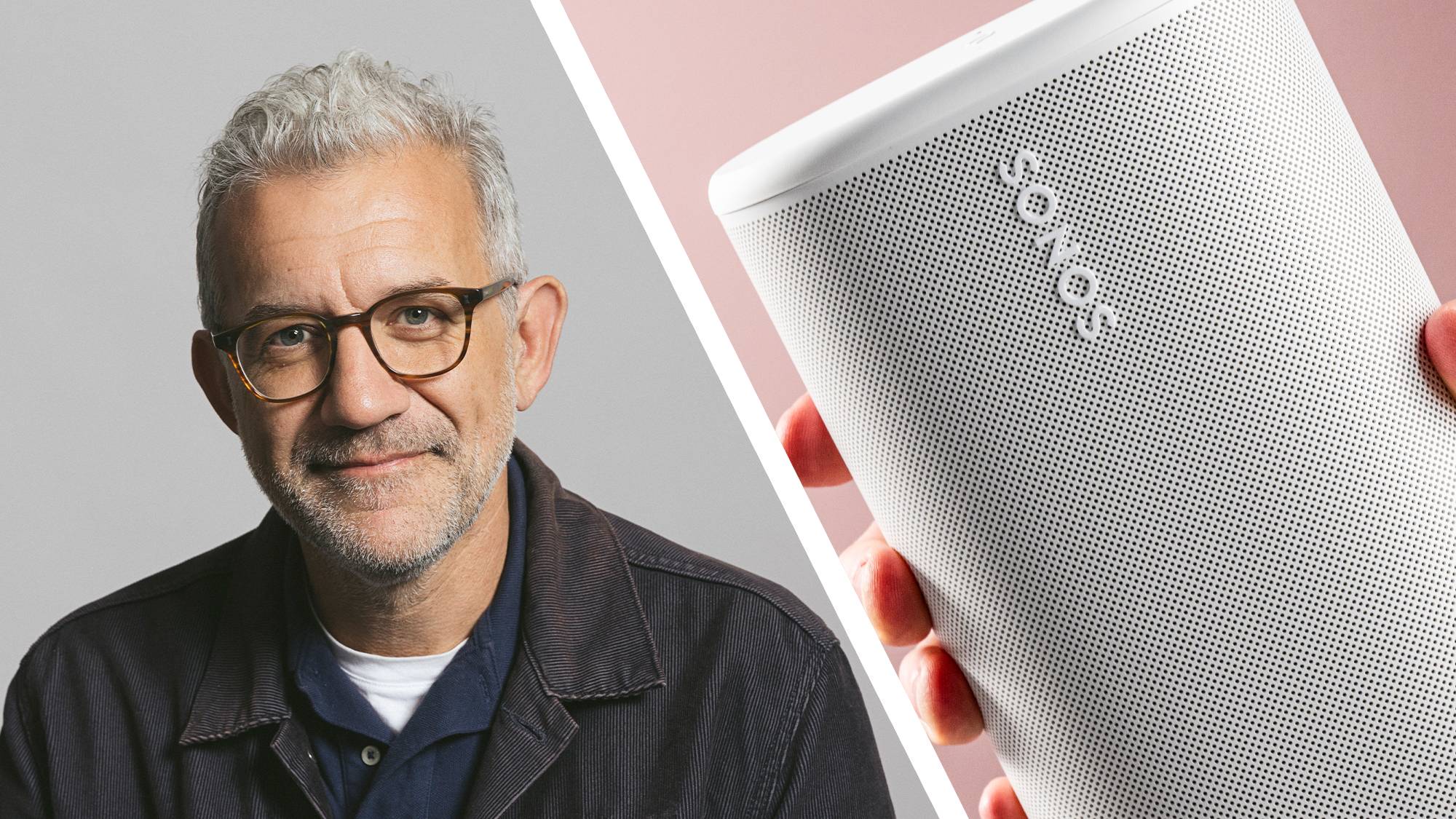
Speaking to TechRadar earlier this year, Sonos CEO Tom Conrad set out his views on how to try and make angry customers happy again. "You just have to show up in people's life with some humility and do the hard work of earning their trust back through great execution, great product, great software, great experiences, and never forget what you put people through."
Sonos CEO Tom Conrad admits Sonos got it wrong and has been working hard to regain customers' trust through direct communication and carefully targeting what's being worked on (Image credit: Sonos / Future Publishing Ltd)
So far, Sony isn't doing that: rather than respond to gamers' concerns, it's battening down the hatches and staying silent about its move to digital-only. And that's a shame, because there are genuine reasons for gamers to worry about Sony's decision.
There are three key concerns about digital-only. The first, and I think the most important, is cost. The PlayStation Store is ludicrously expensive: for example Spider-Man 2, a three-year-old game, is £69.99 digital today in the UK, where I'm based. Competition between retailers means it's around £37 on disc.
The second is second-hand gaming. I buy many games second-hand, and many gamers like to sell their games after they've completed them or got annoyed by them, so that they can spend what they recoup on more new games (a win for the industry overall). So I can buy Returnal for about £20 on eBay. I can't buy the digital edition second-hand, so if I want the digital version it's… you guessed it, £69.99.
To be fair, you can get both games, and others, on PlayStation Plus Extra. But not everyone wants or can sustain yet another subscription, and we know that all subscription services go up in price — often dramatically so, as we saw with Xbox Game Pass last year.
Sony may have to eat humble pie for a while in order to mimic Sonos here, seeking out customer views to talk about those concerns, and maybe thinking about how to address them — so for example it could tell us that digital codes would still be sold through multiple retailers, like Nintendo does with its key cards, or that we'd be able to resell our digital-only games (even if it hasn't developed the mechanism for this yet).
However, the reality is that for a firm the size of Sony, even a significant customer backlash such as 246,586 signatures on a petition represents a microscopic proportion of its 125 million PlayStation Plus subscribers, let alone the many more PlayStation owners — and it can afford to ignore them.
That's something of a gamble. Just ask Microsoft, whose Game Pass price hike scared off far more customers than expected — according to reports, it lost 4 million out of 34 million Game Pass subscribers when it was expecting huge growth instead, forcing a partial reversal.
But Sony's gaming business is far bigger, and that means it can still upset a lot of customers without feeling much pain.
I suspect Sony is going to take a different lesson from the Sonos situation: even at the height of customer anger, Sonos still sold lots of speakers, soundbars and subs.
First up there's "the app Sonos should have made" according to its creator: Somos InControl. It's an iOS remote for Sonos home theater products with custom EQ, saveable sound presets, surround height levels and music features too.
The big draws here are that it supports adding front left and right surround speakers, and the ability to save EQ options for different use cases — the example screen shot has slightly tweaked sound for 5.1 surround versus Dolby Atmos versus music listening that you instantly switch between. It's an Apple TestFlight work in progress so availability is limited, but it looks very impressive.
Moosic is a self-hosted music server app that offers an alternative to Trueplay's room tuning, with the always-welcome ability to display charts of the room correction, plus more customization options for the tuning.
It also enables you to switch your Sonos configuration — such as switching a pair of Era 300s from working as rear speakers to working as stereo music speakers — but to keep separate room-tuning profiles for each configuration, which again is something Trueplay doesn't offer.
If you're wondering why not just use TruePlay, creator AffectionateFox5907 explains: "Sonos does not provide a way to switch between home theatre and music setup seamlessly. My app does, but as part of that I lose Trueplay. When you unbond and rebond a speaker, each time it will lose its Trueplay configuration. My app basically builds a better Sonos app that adds features I've been wanting for a while without having to have a bunch of different apps. This now works with multiple subs and should work with fronts added as well."
One of the big downsides of using third-party apps that add front surrounds is that it disables Trueplay, so this is a win for people coloring outside the usual Sonos surround lines.
It also looks ideal for anyone who's found using their home theater for music to be a bit of a pain, and there are plenty of people who do: there's a whole Reddit thread asking for a simple switch between movie mode and music mode without having to reconfigure your system every time you do it.
Last but not least, MajorAtmosphere has created Kyuu (pronounced "queue"), an iOS Sonos controller that enables you to use UPnP for local files, which the Sonos app doesn't support.
As they explain: "Kyuu runs a lightweight local server that handles speaker discovery via SSDP, polls playback state, and sends commands directly to your speakers. The iOS app talks to that server over your LAN — no cloud, no Sonos account, no external dependencies."
We're halfway through 2026, which means a lot of products have passed through TechRadar's testing rooms — in total, we've reviewed a colossal 639 products in January to June 2026.
Our expert reviewers have tested a lot of stuff, and some products have proven to be the cream that rises to the top. Here are the products in these areas that scored either 5 stars or 4.5 stars in our reviews, making them best-in-class or highly recommended.
Wireless & stereo speakers
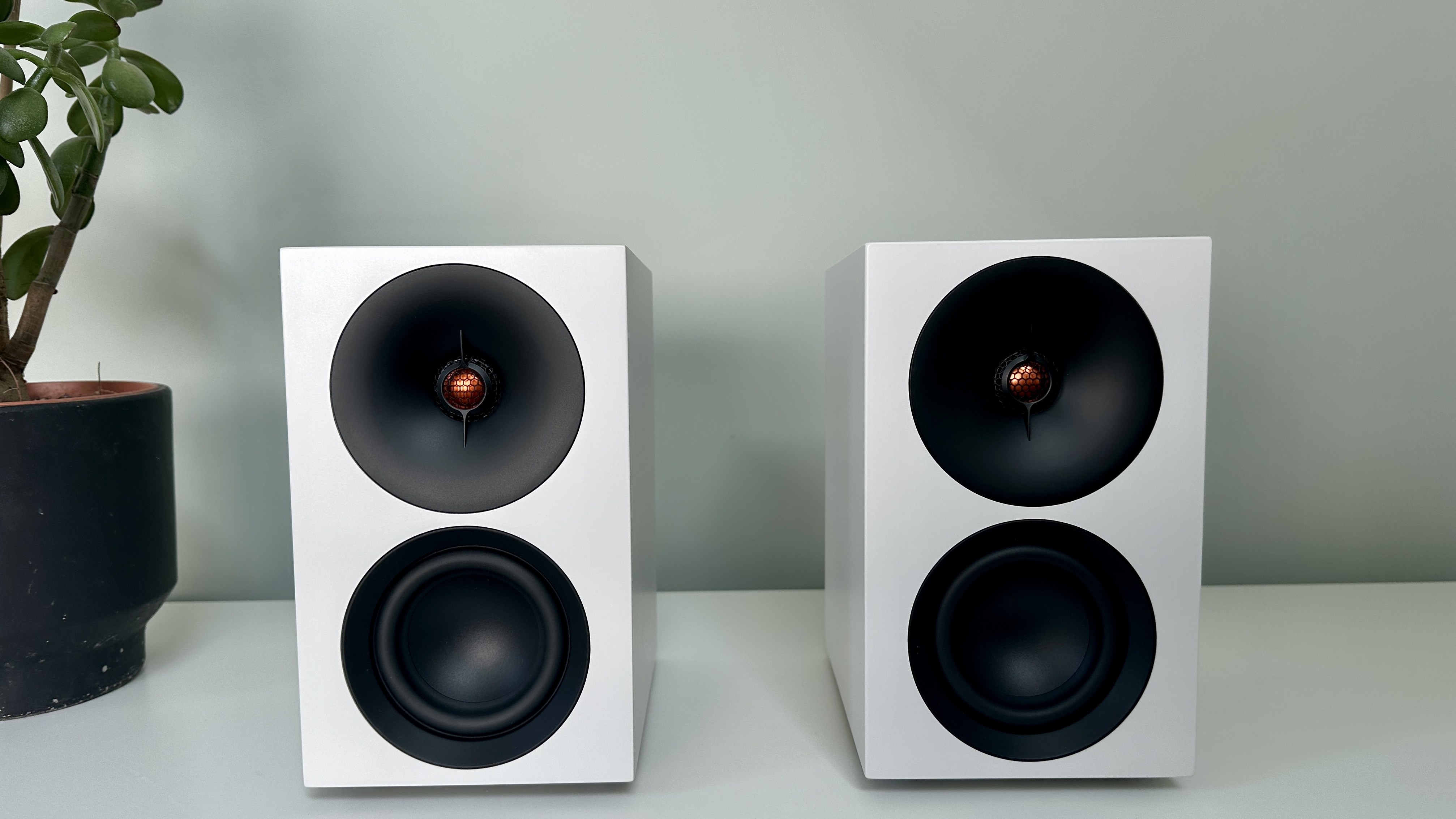
Wharfedale Diamond 12.1i
(Image credit: Future)
Score: 5 / 5
Price: $499 / £249 / AU$699 (pair)
What is it? The latest bookshelf stereo speakers in Wharfedale's famous 'Diamond' line, which is over 40 years old and clearly still going strong. They're two-way speakers with a 25mm tweeter, a 130mm mid/bass driver, and deliverying a frequency range of 65Hz - 20kHz. And they're easy to drive, and flexible on positioning — a great beginner hi-fi model.
What we said: "The Wharfedale Diamond 12.1i speakers turn out to be (yet another) high-achieving-yet-affordable loudspeaker option. They sound excellent, they're very unfussy about what drives them, they look and feel good, and they're extremely well priced. They're a little large for a pair of ostensibly 'bookshelf' speakers, so be warned if you're actually looking to put them on shelves, but that's easily forgiven."
What is it? Small and stylish active stereo speakers with wireless connectivity as well as wired digital and analogue connections. There's 100 watts of Class D amplification powering a 21mm tweeter and 76mm mid/bass driver combo, and the connection stretch to USB-C, line-level stereo RCA, digital optical input, a pre-out for a subwoofer, and Bluetooth (with aptX HD codec compatibility).
What we said: "The Cambridge L/R S is a good-looking, well-built wireless active stereo speaker system that has the bold sound smarts to back up the fine, multi-option visuals. Sure, it's a little too confident at the bottom of the frequency range, with too much weight given to bass information, but for the money it's a genuine contender in an already-stacked market. Requires serious consideration."
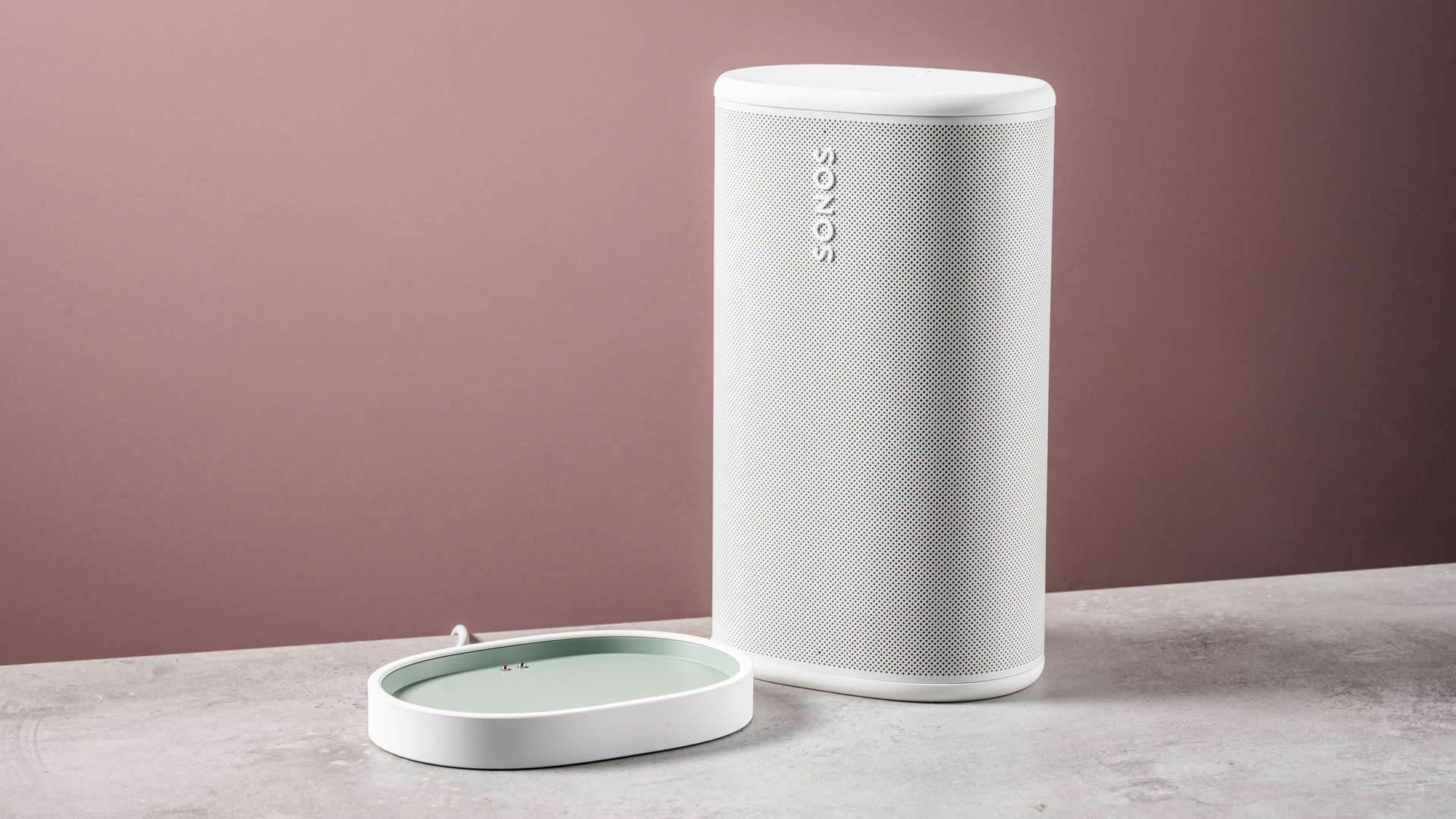
What is it? Sonos' mid-size portable speaker, with enough power and quality to work as a home speaker, but a battery and charging cradle so you can take it away instantly. With audio input as an option over its USB-C port (via an adapter) it's incredible versatile — it's also tough and waterproof.
What we said: "The Sonos Play is a triumph of usability. It has just the right design and convenience considerations to make you pick it up and use it more often than other speakers, even great portable ones. To paraphrase a notable camera quote: the best speaker is the one you choose to listen on. The Sonos Play encourages me to listen more, in more places. It doesn't hurt that it sounds better than most portable speakers, too, and can hold its own as a home speaker."
What is it? Big floorstanding active speakers with the power of a full hi-fi system, but no need for a separate amp or inputs. There's 150 watts of power behind two 6.5-inch mid/bass drivers and an AMT tweeter per speaker, and connections include HDMI, two RCA inputs, a subwoofer out, and Bluetooth (including aptX HD).
What we said: "The Fluance Ri91 sound great when turned up, though they can be a bit mid-focused, especially for those looking for neutral-sounding speakers. The included HDMI ARC input (quality control issues notwithstanding) are appreciated, as is the ability to stream higher-res audio over Bluetooth aptX."
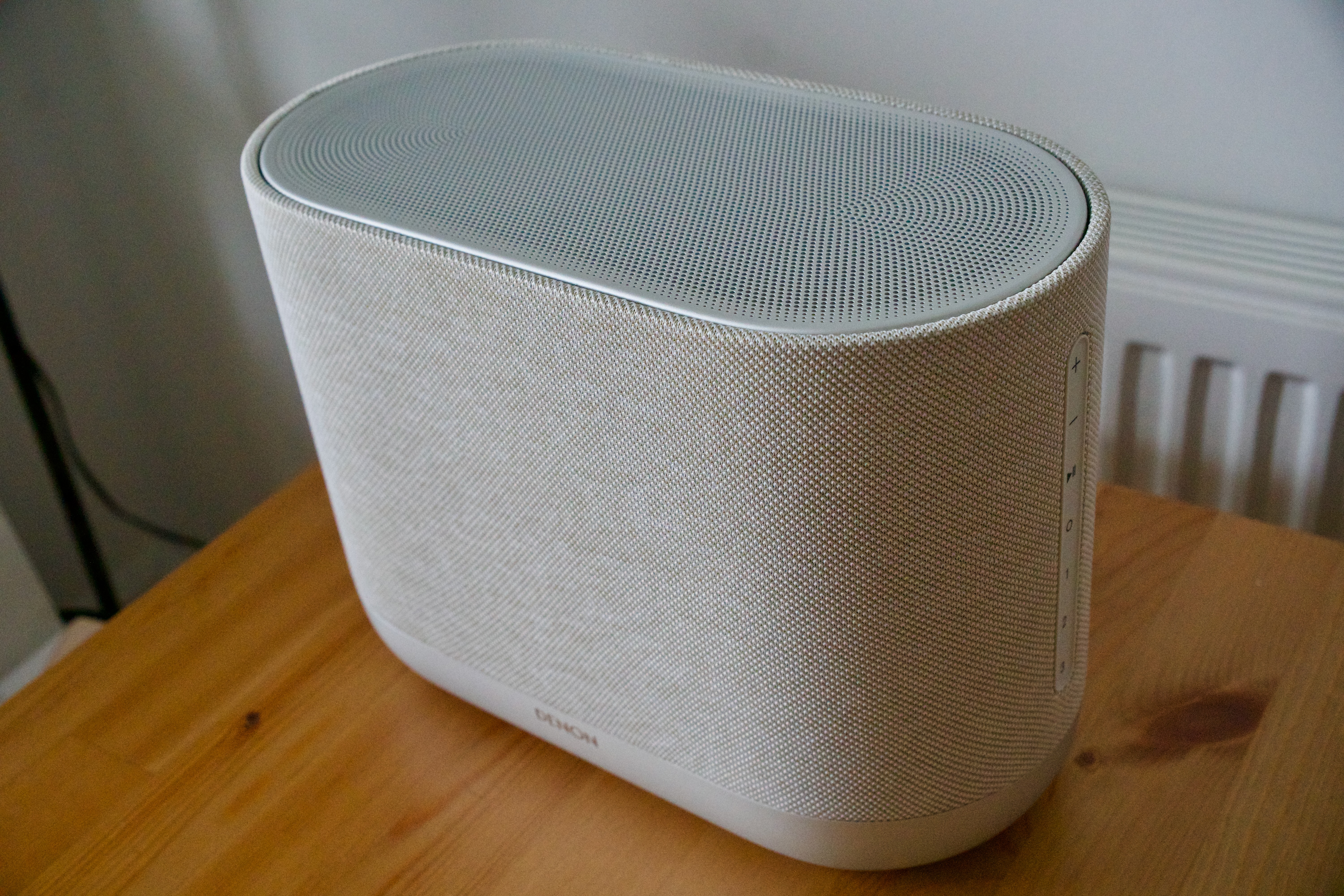
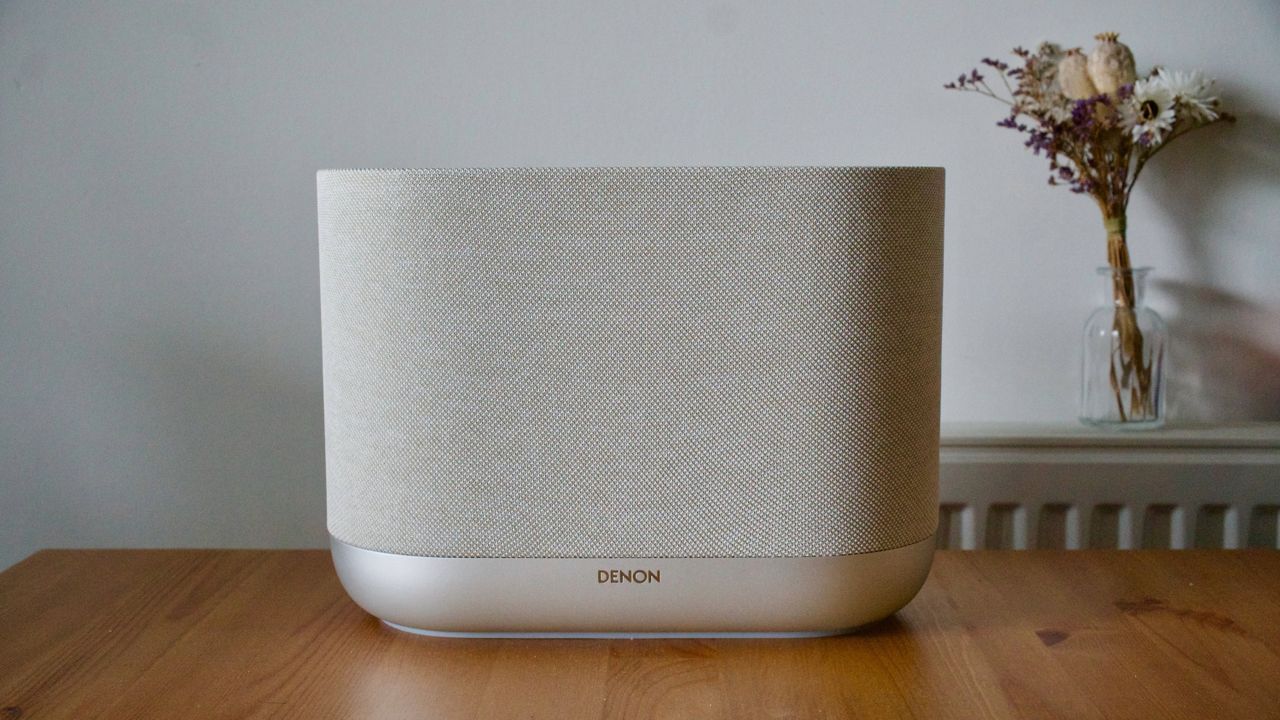
What is it? A relatively hefty and powerful wireless speaker (think of it as a fair bit bigger than a toaster), that uses six-drivers to deliver expansive Dolby Atmos spatial sound. There are left and right drivers, upfiring drive units, and two 4.5-inch woofers, all with their own Class D amplification. It uses the Denon HEOS wireless system and app, which is powerful and well-specced too.
What we said: "It's a home speaker that delivers where it counts, and is probably the most compelling single-unit spatial audio offering at this price, where it goes head-to-head with some serious competition. It offers confident, engaging and immersive spatial audio performance, a thoughtful and stylish design, and a great range of connectivity options, along with an excellent HEOS app. It sounds wonderful in its default Auto mode or the slightly more balanced Pure mode, but it really rewards those of us who tinker a bit, especially if you mess around with some of the customization options for the width and height of spatial sound."
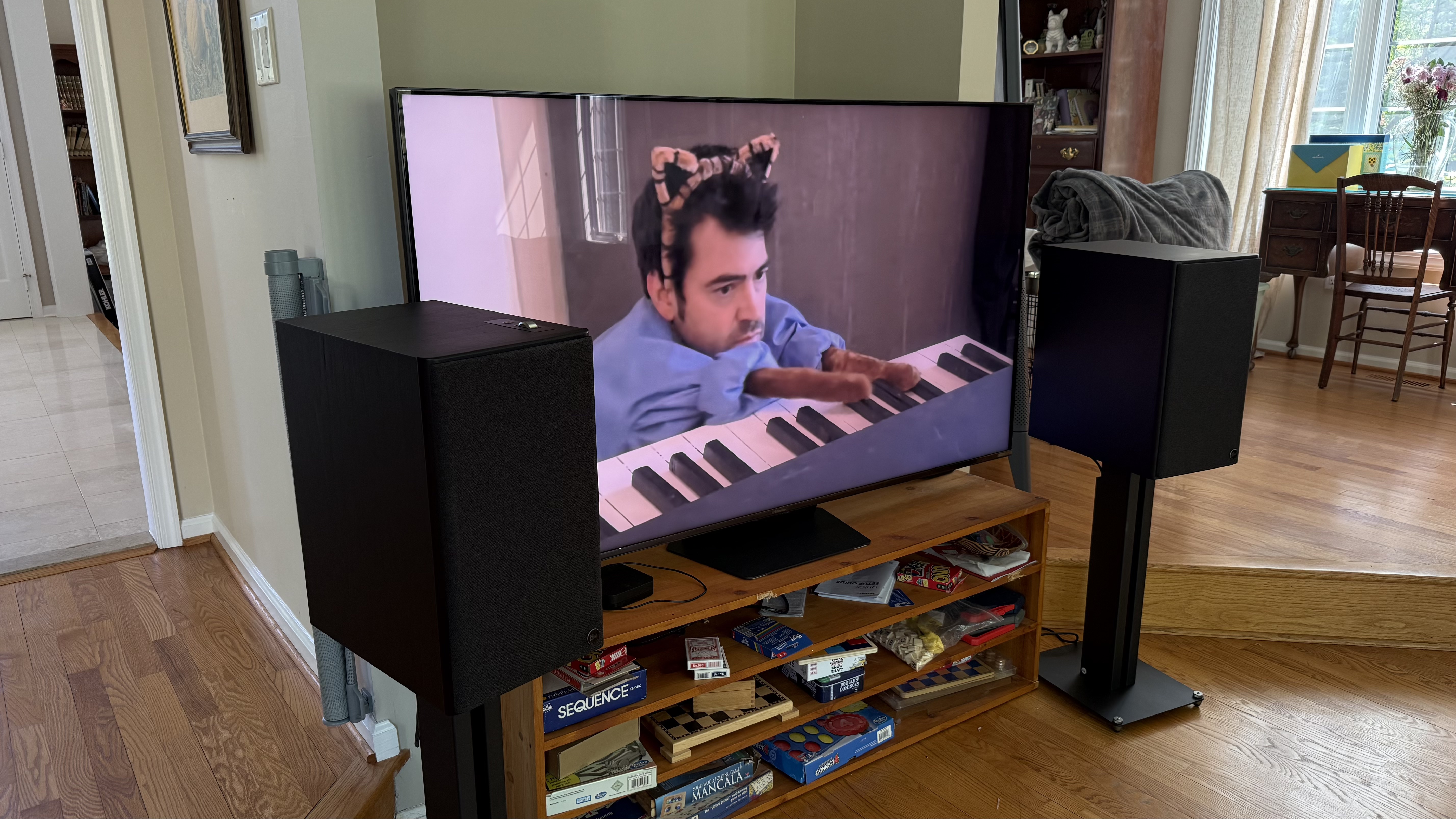
What is it? A pair of active standmount stereo speakers (their size and weight maybe pushes them beyond being 'bookshelf' speakers, really) that deliver tons of power connectivity with any extra components needed. They can be a soundbar replacement with HDMI and Dolby Atmos/DTS:X support, plus they have Bluetooth and Wi-Fi for music, as well as optical, phono, USB, coaxial, and ethernet.
What we said: "The Klipsch The Nines II are an easy recommendation despite the weight and despite the price bump over the previous version. It's thanks to the immersive, robust sound and large set of features, not to mention broad connectivity — they're an excellent all-in-one hi-fi upgrade."
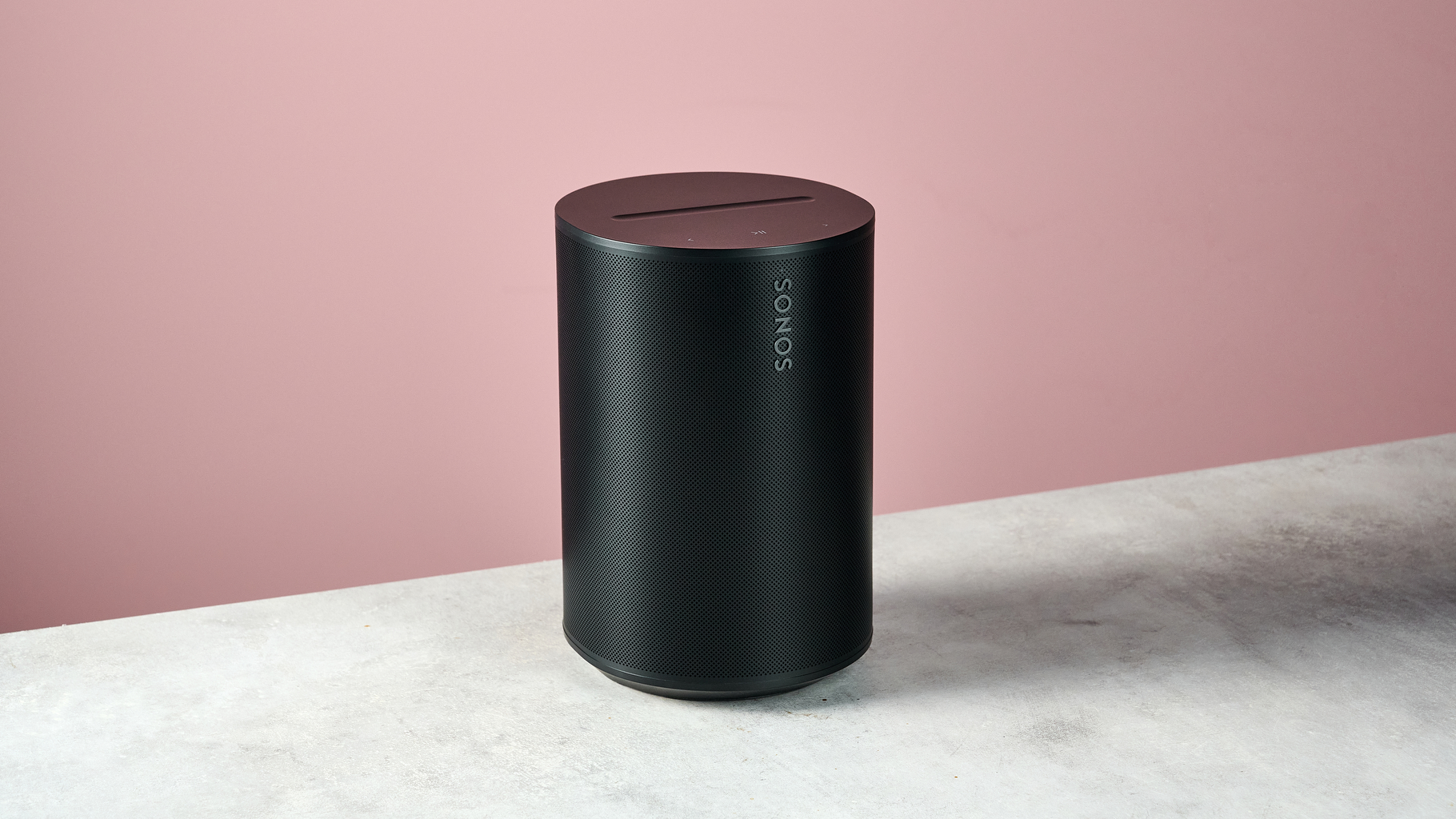
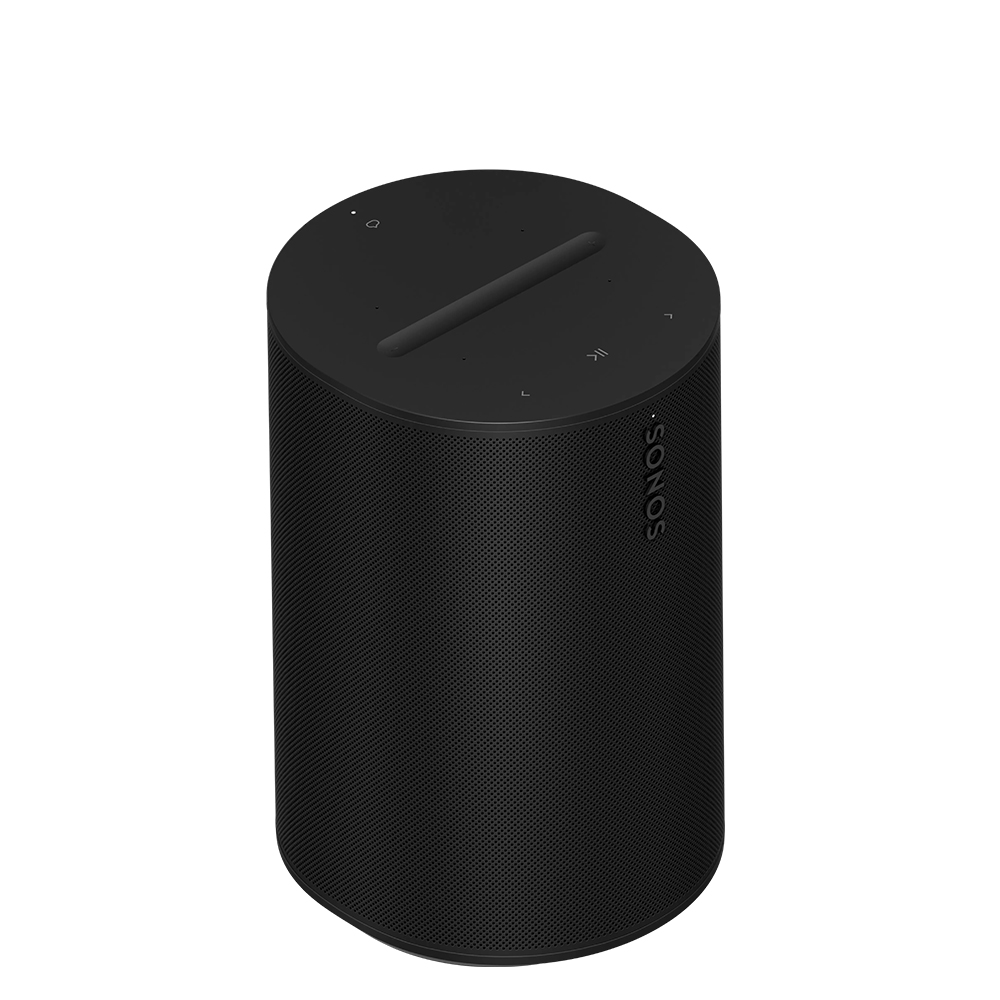
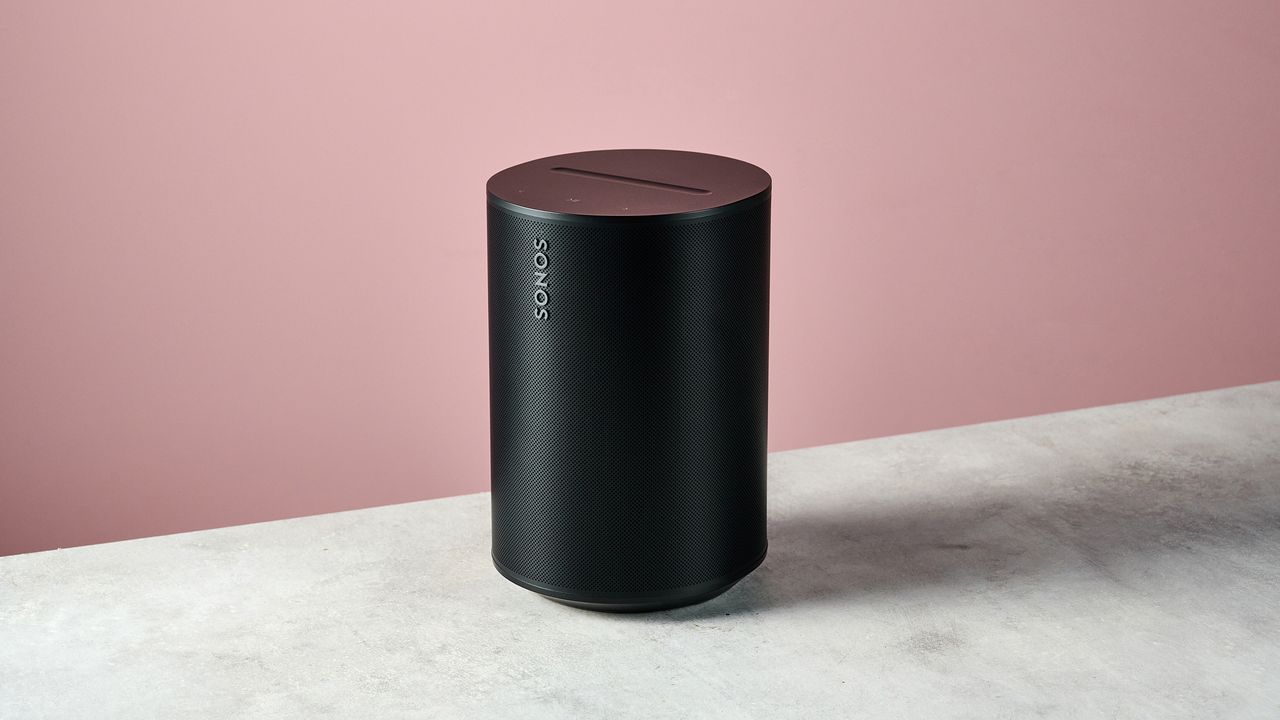
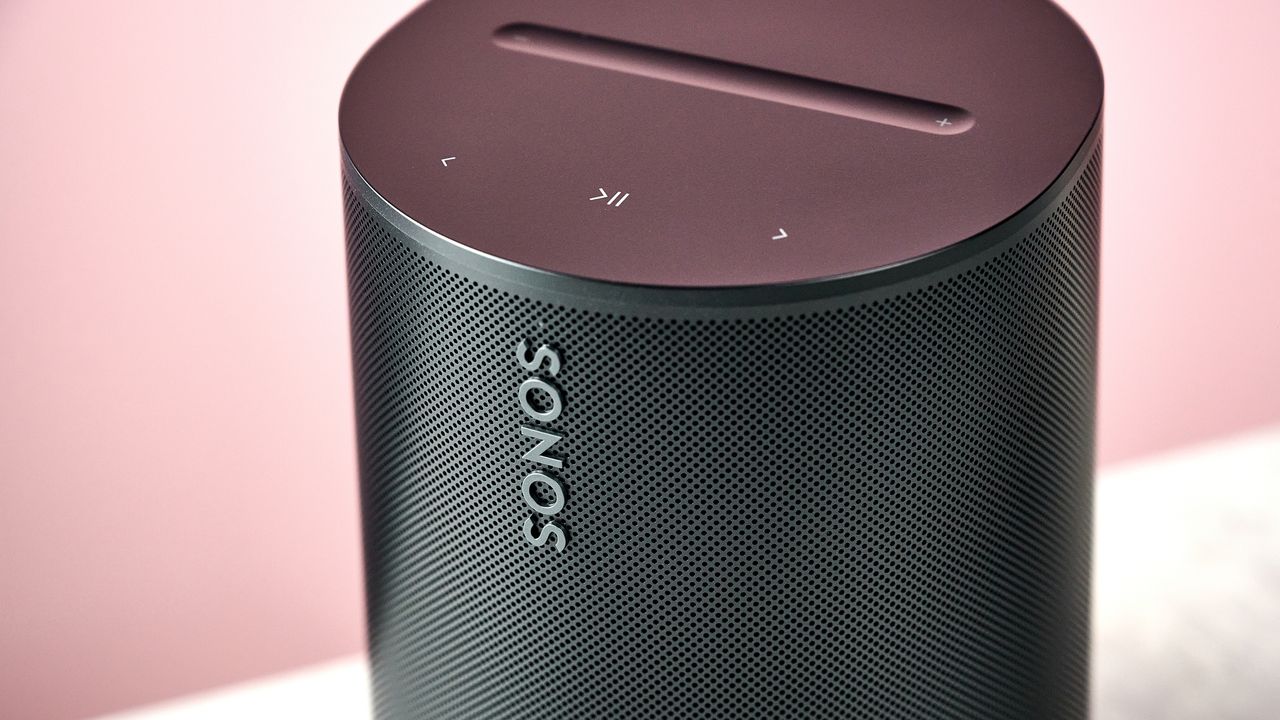
What is it? A cheaper version of Sonos' entry-level home speaker, delivering all the same connectivity as the regular Era 100 (including Bluetooth and Wi-Fi, plus line-in over its USB-C port using an adapter) and the same sound quality, but for cheaper. You lose voice control and Quick Trueplay on Android as a result, but it's hard to argue with the price.
What we said: "What Sonos has achieved with the Era 100 SL is impressive. It has managed to pack in the same quality sound, great connectivity and iconic design, while dropping the price to a more affordable level. But there are absolutely some compromises — voice control is absent here, while Android users will miss out Sonos' room correction. Despite this though, it's one of the strongest performers in its price range, making it an easy choice if you never invested in the original Era 100."
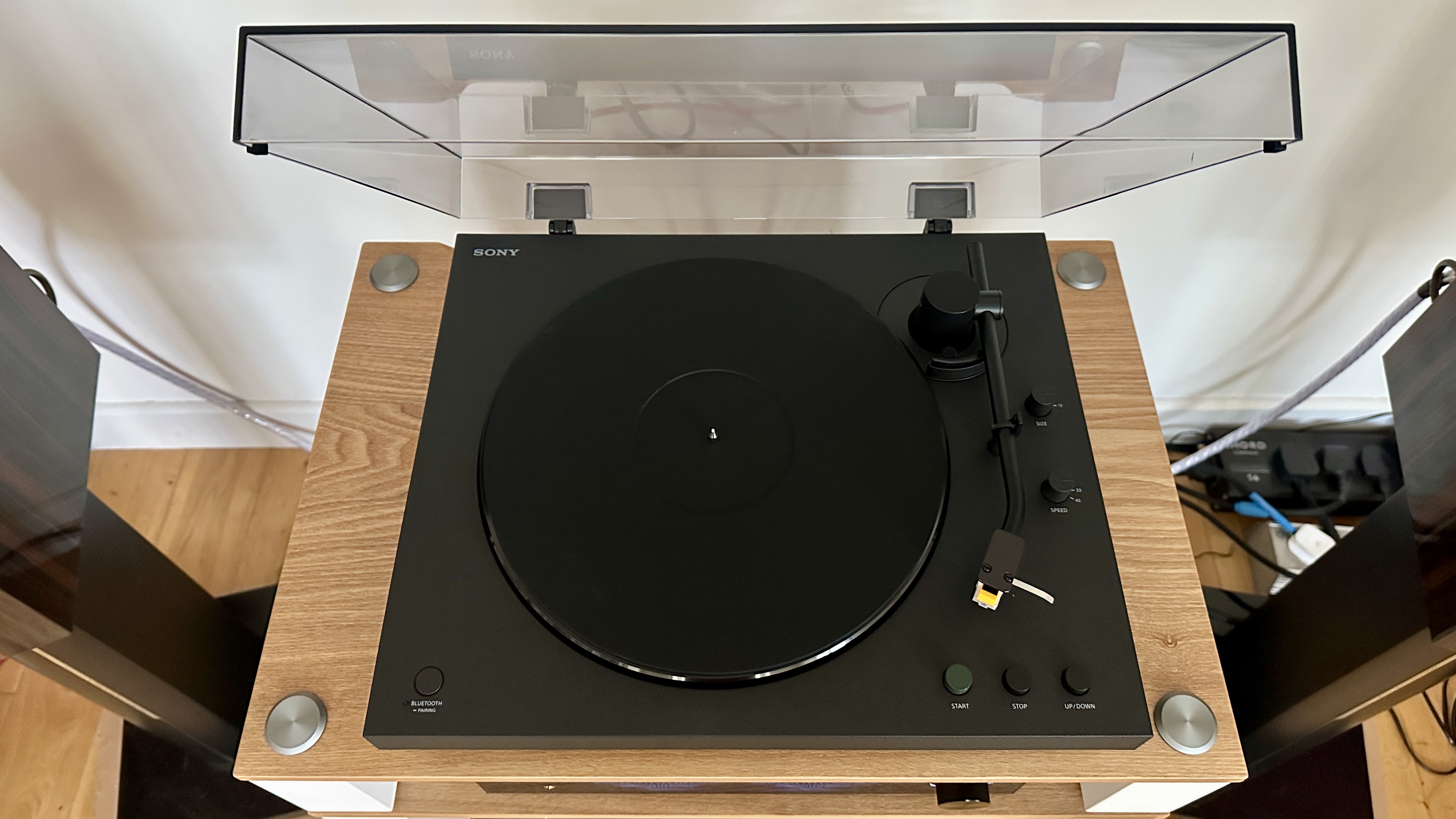
What is it? Sony's successor to its previous and wildly popular affordable Bluetooth turntable, bringing fully automatic operation and Bluetooth connectivity in a sleek design. The ultimate beginner turntable? Well, there's a cheaper version that might be more tempting, but for the price, it's hard to argue with.
What we said: "The Sony PS-LX5BT picks up where the PS-LX310BT it replaces left off — as one of the best pound-for-pound Bluetooth turntables around. If you want the most painless vinyl experience possible, you’ve come to the right place."
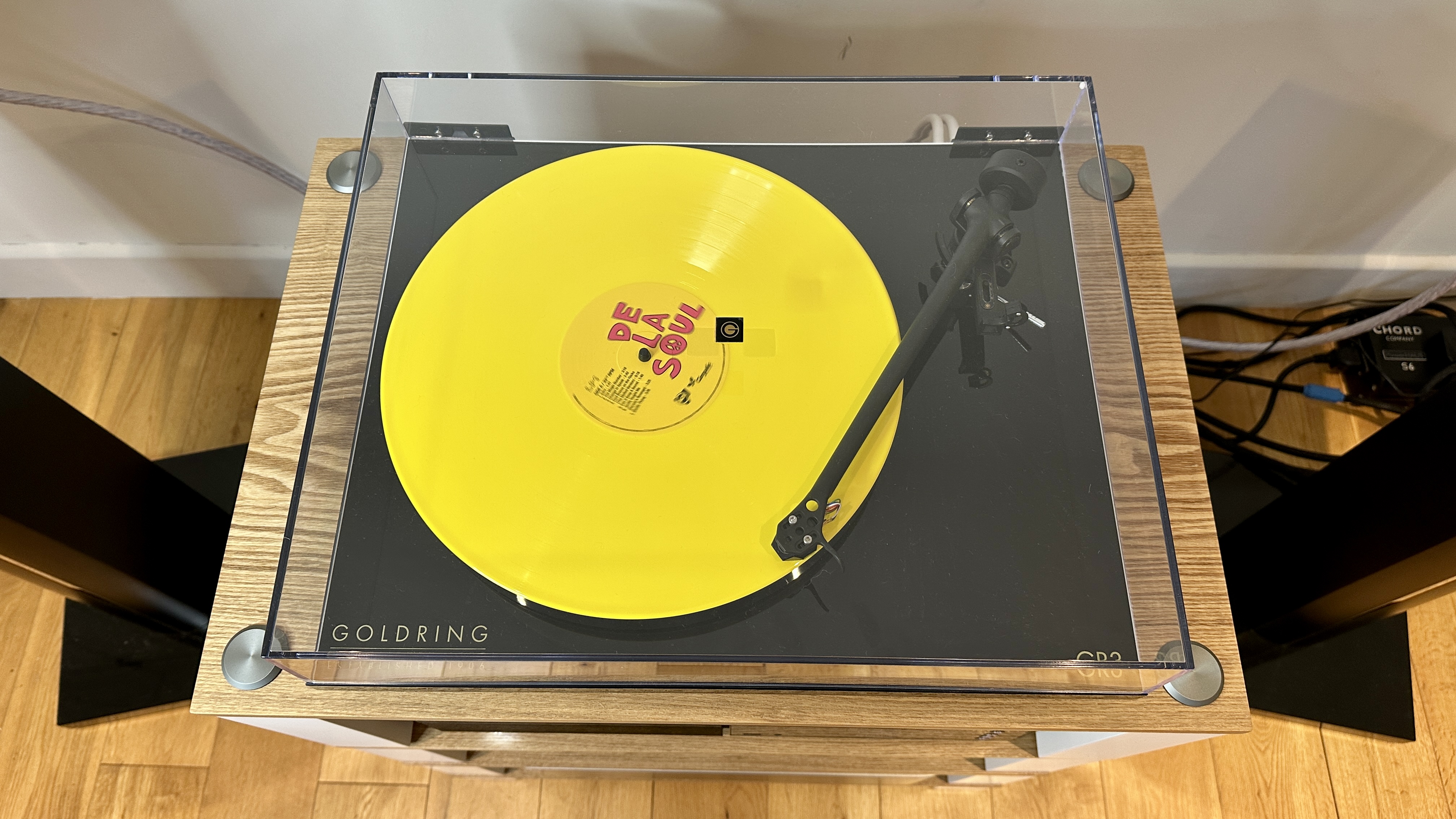
What is it? Goldring is one of the oldest hi-fi companies in the world, and hasn't made a turntable in several decades — and now it's back with a very well-specified and great-looking new model. A built-in phono stage and high-quality provided cartridge make it great for relative novices, though it's odd that you can't bypass that phono.
What we said: "Goldring has managed to enter a tricky area of the turntable market with a player that is distinct enough (where finish, specification and sound quality are concerned) to stand out and make quite a compelling case for itself."
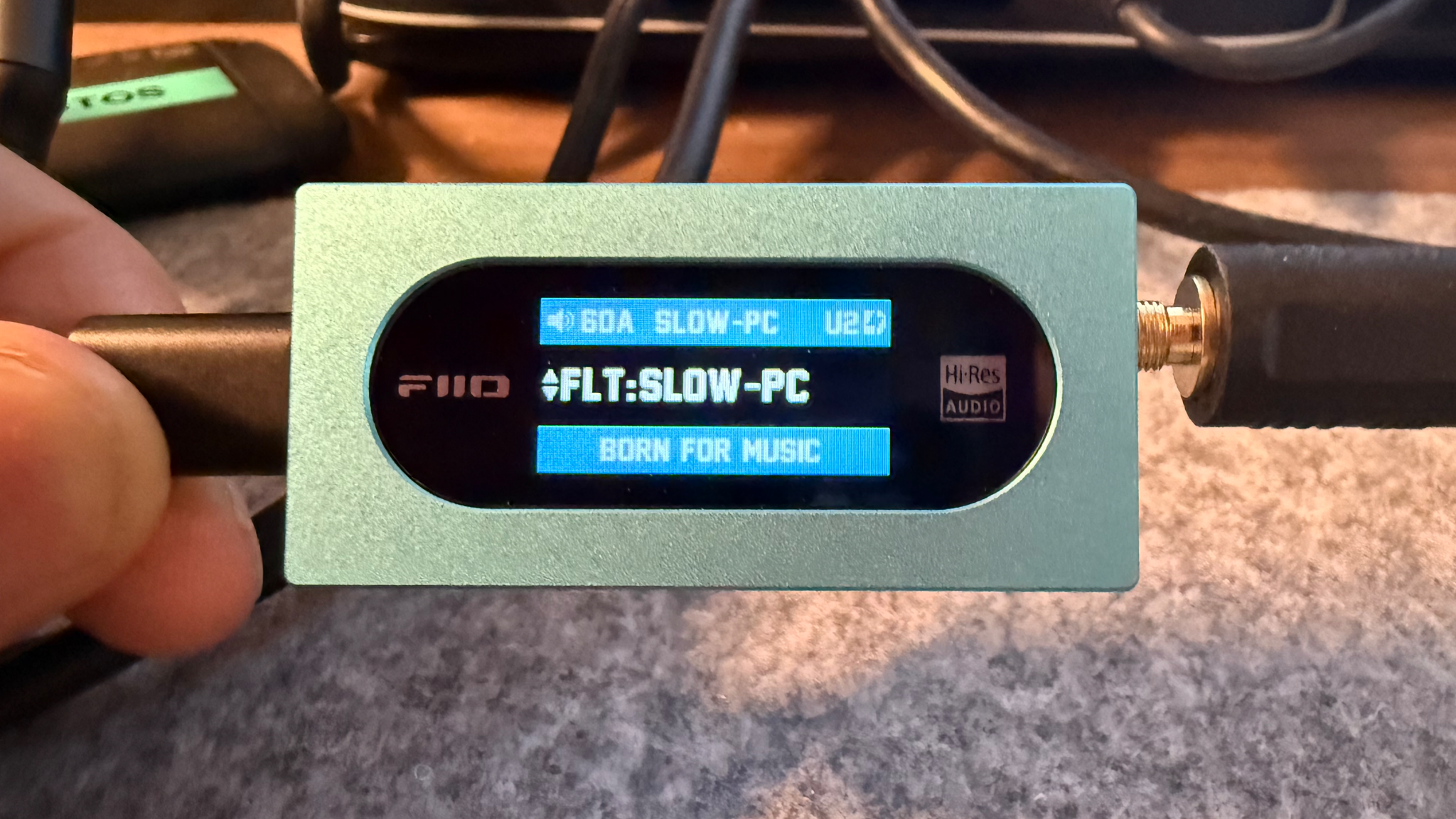
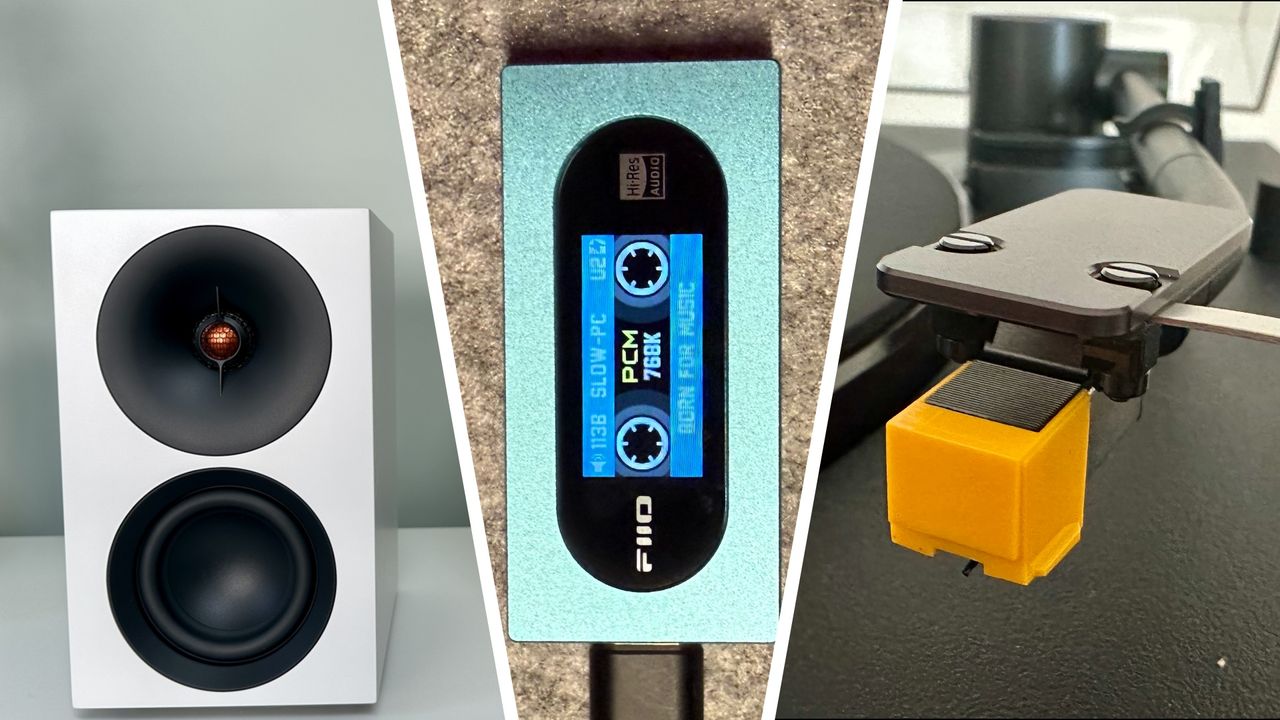
What is it? This tiny DAC blends the retro with the modern. It does a better job of converting hi-res audio to analog than your device's built-in DAC will, and has a fun little cassette animation while it plays.
What we said: "If you have big audio ambitions and a very small budget, the KA15 is excellent value for money. It's a significant upgrade in sound quality for smartphones and computers, and while it's not as powerful as a desktop headphone amp it has more than enough oomph for a wide range of headphones and IEMs so it's fairly future-proof."
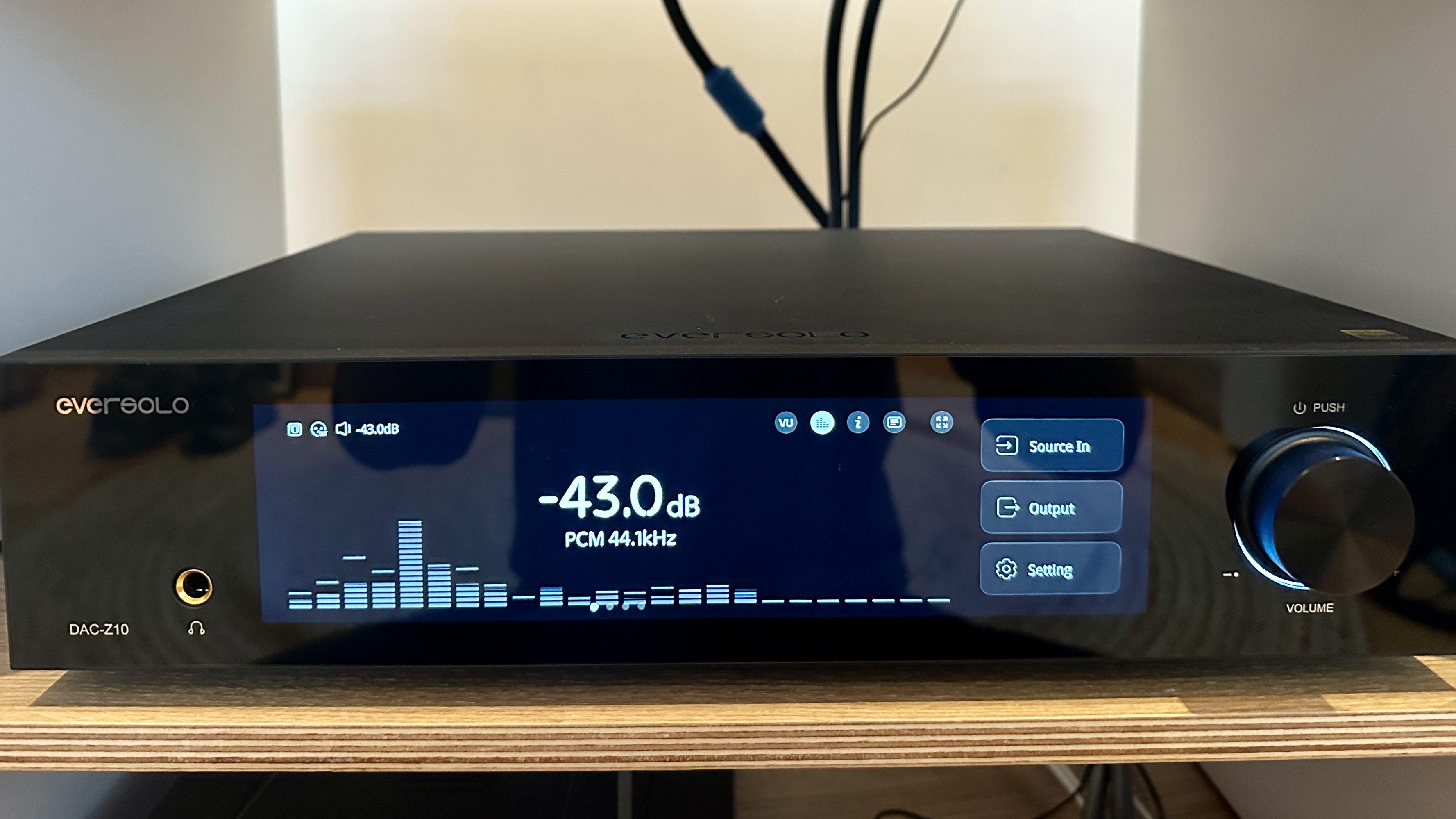
What is it? A super-versatile addition to a hi-fi setup, providing a high-end DAC system, a pre-amp, and a powerful headphone amp all in one unit. It's pricey, but it's incredibly well-specified, making it kind of a bargain — at least as far as premium hi-fi goes.
What we said: "The Eversolo DAC-Z10 won’t fail to satisfy, provided your partnering equipment is up to scratch. It’s a premium DAC for a premium system, and offers all the bells and whistles you could hope for as a result, as well as immaculate sound quality that specializes in finding every possible grain of detail in your music. It's simply as capable a DAC/preamp/headphone amp as this sort of money can buy."
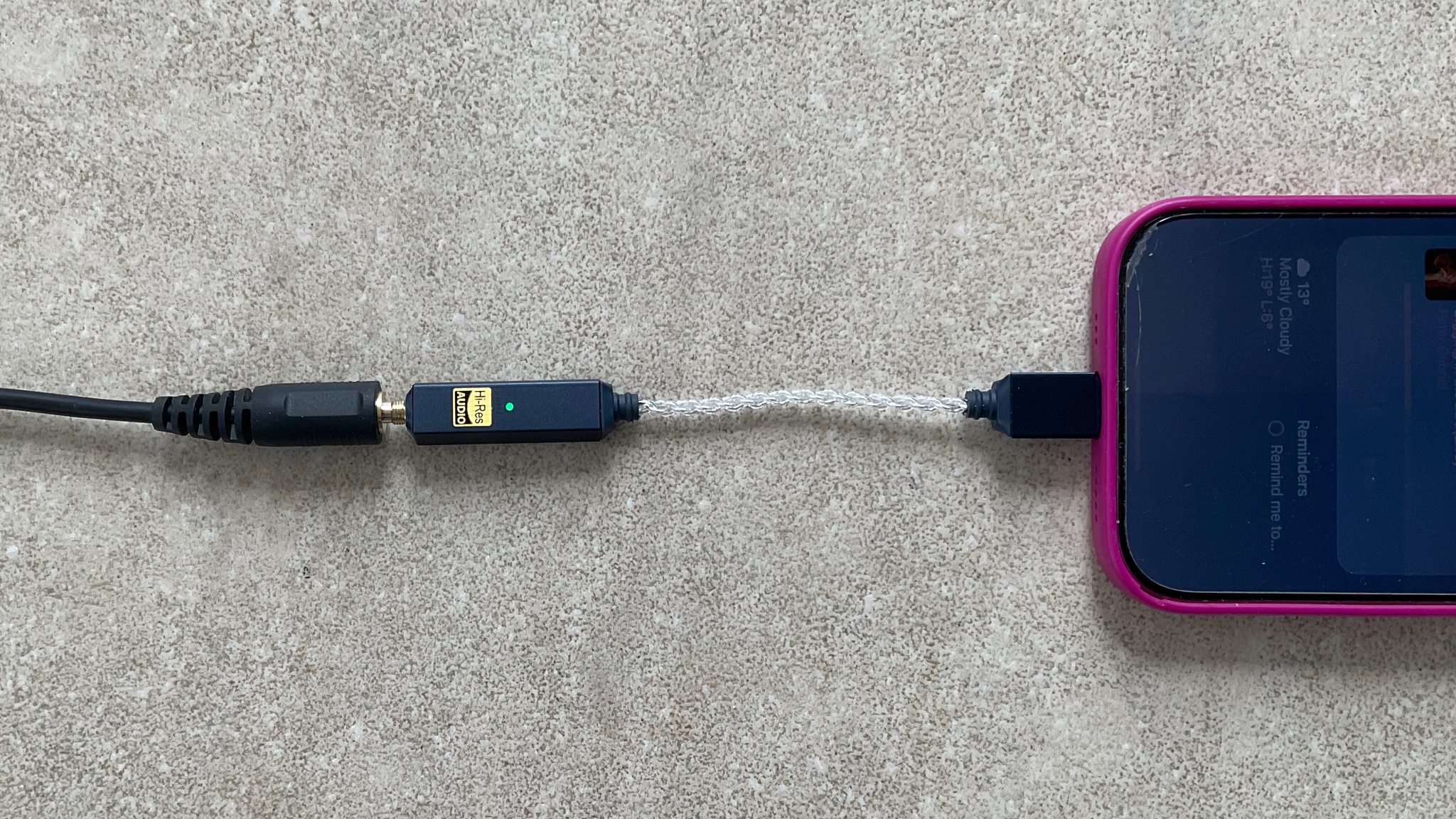
What is it? A no-fuss, super-small headphone DAC to make it easy to use wired headphones and earbuds with your phone or laptop, and with an audio upgrade along the way. Oh, and it's super-cheap as a bonus.
What we said: "The iFi Go Link 2 takes everything that's great about the original and packs it into a dinky DAC that's even smaller and lighter than before. It's a fantastic audio upgrade and it's priced very keenly, too."
The full-size HomePod 2 is also getting a price change, but it's a more palatable 17%, meaning that it's changing from costing $299 / £299 to now $349 / £349.
I think the HomePod 2 can take that price rise, even though I'd obviously rather we were still in an era when products came down in price over time; the big HomePod is already a more premium product, and still sounds very good for the price.
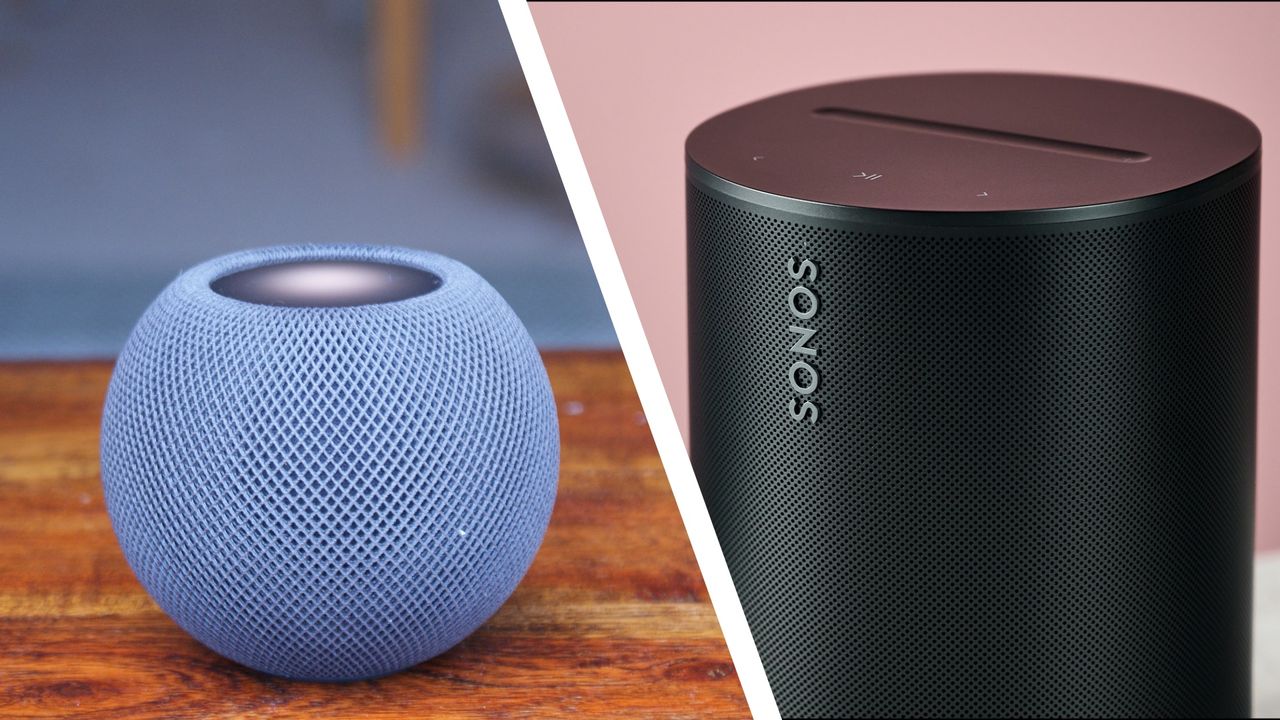
But I think this change is devastating to the HomePod mini. I reviewed it when it came out, and I was so impressed by the dynamic range of its sound and its detail, bearing in mind not only the price, but the size. For ages, I had a pair as my desktop speakers out of choice, even though, as an audio editor, I can get my hands on pretty much any stereo setup I want to try.
As a result, I've been strongly recommending the HomePod mini since it came out, and advocating for its position as the best 'cheap' option in our list of the best wireless speakers. Being a HomePod, it's very limited as to who it's ideal for (all-Apple households, basically), but it's been in a totally different league to anything else when it comes to value since it's launch, in my opinion — yes, even five years later.
Well, until today.
The problem is that the gap has very suddenly closed between it and the next-best cheaper wireless speaker, which is the freshly released Sonos Era 100 SL.
The Sonos speaker has much bigger sound, Android and iOS support for all streaming services, Bluetooth as well as AirPlay and direct app control, and the ability to connect analog devices via an adapter — it's way more capable, but it was fair enough that the HomePod doesn't do all that considering its lower price.
At the start of this week, there was $90 / £70 between them. Today, the gap between them is $30 / £12.
Today's best Sonos Era 100 SL prices
We gave this speaker 4.5 stars in our Sonos Era 100 SL review, based largely on it being a great low price while having impressive audio and connectivity. And now it's even cheaper — it's my top pick for a small wireless speaker.View Deal
The Era 100 SL is an even better deal in the UK — for just £12 more than the HomePod mini, you're getting something that's way more futureproof. There's no contest between them any more.View Deal
Now, that's a slightly unfair comparison — I'm comparing full price to the Sonos' discounted price — but it's a very practical one, because it's the real choice most people will face when they buy.
The biggest sales for something like the Sonos Era 100 SL happen during sales events. Right now, it's Amazon Prime Day. Soon, it will be the July 4th sales in the US. And obviously Black Friday is huge for selling this stuff — the Era 100 SL will be discounted to this kind of level at all these times, and more besides.
The HomePod mini was very rarely discounted, by comparison, and usually only by a couple of bucks. So once this price rise settles in, and at the times most people are actually thinking about which one to buy, the comparison of the $129 / £129 very limited HomePod mini vs the $159 / £141 chad Sonos Era 100 SL is going to be the choice people will actually face.
And despite being the HomePod mini's strongest advocate since its launch, I'm just not going to be able to recommend it any more.
WiiM and Linkplay CEO Dr. Lifeng Zhao speaks to TechRadar about developing its first soundbar, Dolby Atmos FlexConnect, why it doesn't support Apple AirPlay 2, and balancing digital audio expertise with analog output

 Login
Login