Reading view

There are new articles available, click to refresh the page.

Xiaomi is aiming right at JBL with this dishy yet durable Bluetooth speaker — but after hours of testing, I need more depth from the sound

Xiaomi Sound Play review

It turns out that major mobile manufacturer Xiaomi also makes Bluetooth speakers, and its latest model, the Xiaomi Sound Play, is aiming to deliver “immersive, powerful sound” as well as a “stylish and versatile” design.

But that’s not all. The tech giant is doing all of this while keeping its speaker nice and cheap. It comes in at just £49.90 (about $67 / AU$95) — which is refreshingly affordable for an 18W model with features such as smart lighting, Auracast, and IP68 waterproofing.

So can the Xiaomi Sound Play compete with some of the very best Bluetooth speakers around? The answer is a little more complicated than a simple yes or no.

Let’s start by looking at the areas in which the Sound Play excels, and there are a fair few of these. I alluded to some a moment ago — its waterproofing and LED lights, for example. That IP68 rating means that the speaker is fully dustproof, but can also survive a dunking under a meter and a half of water for as long as 30 minutes, so you really can take it anywhere without fear of damage.

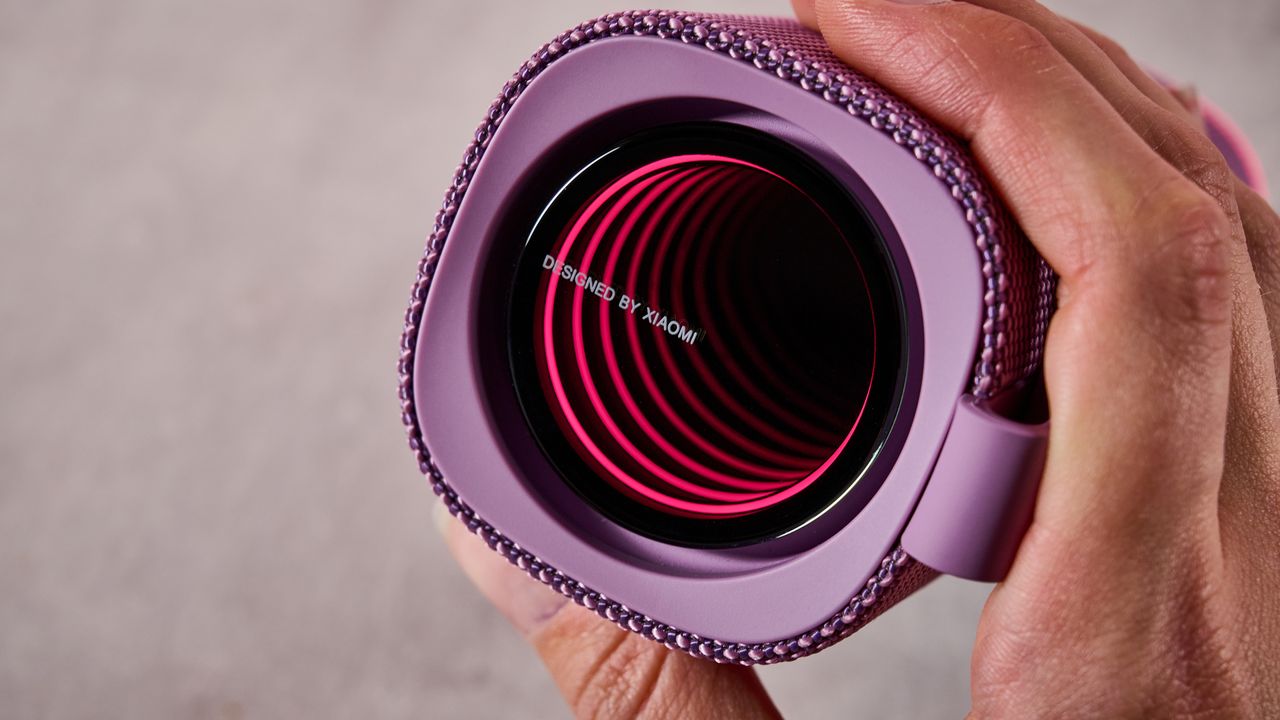
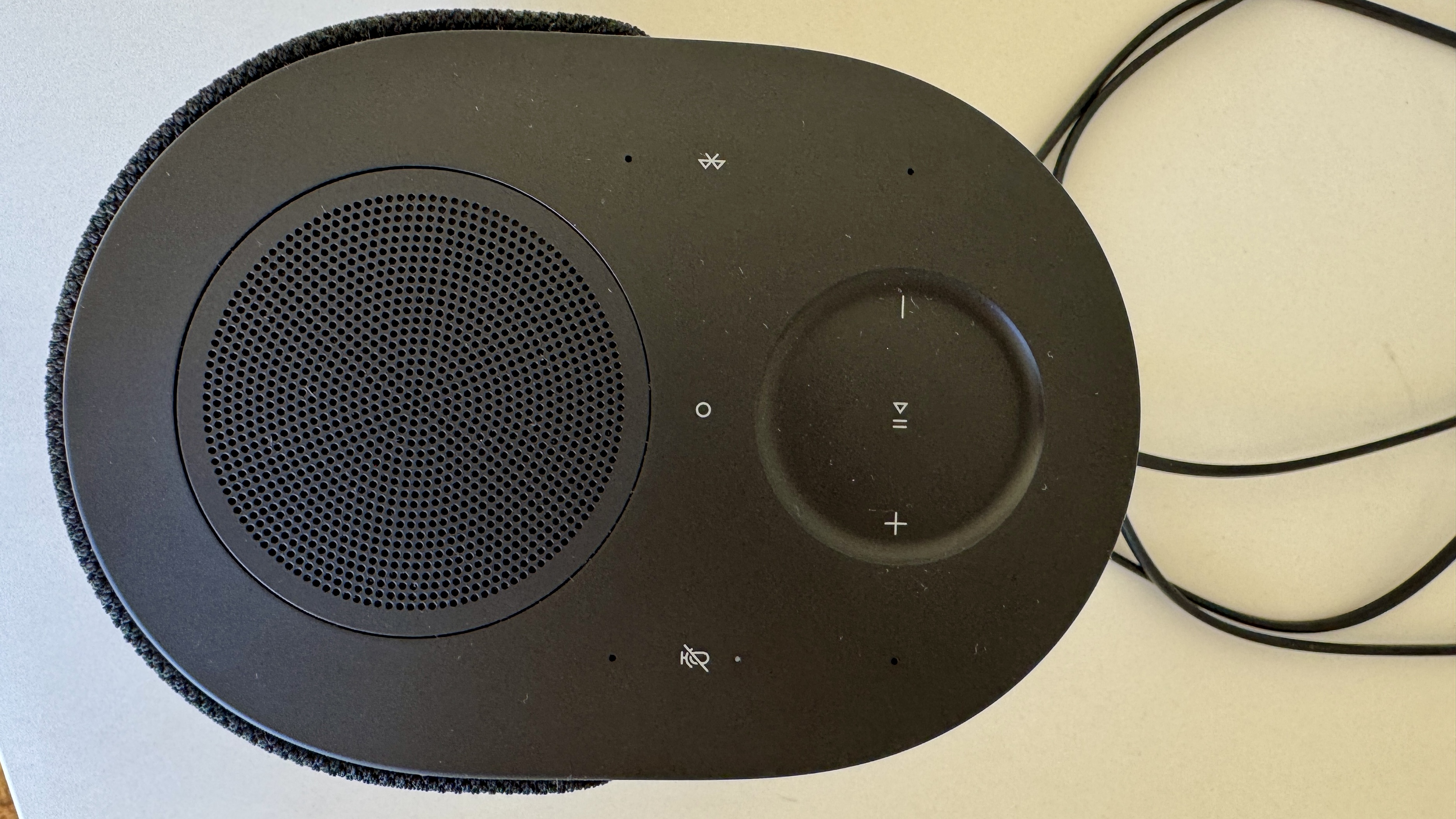
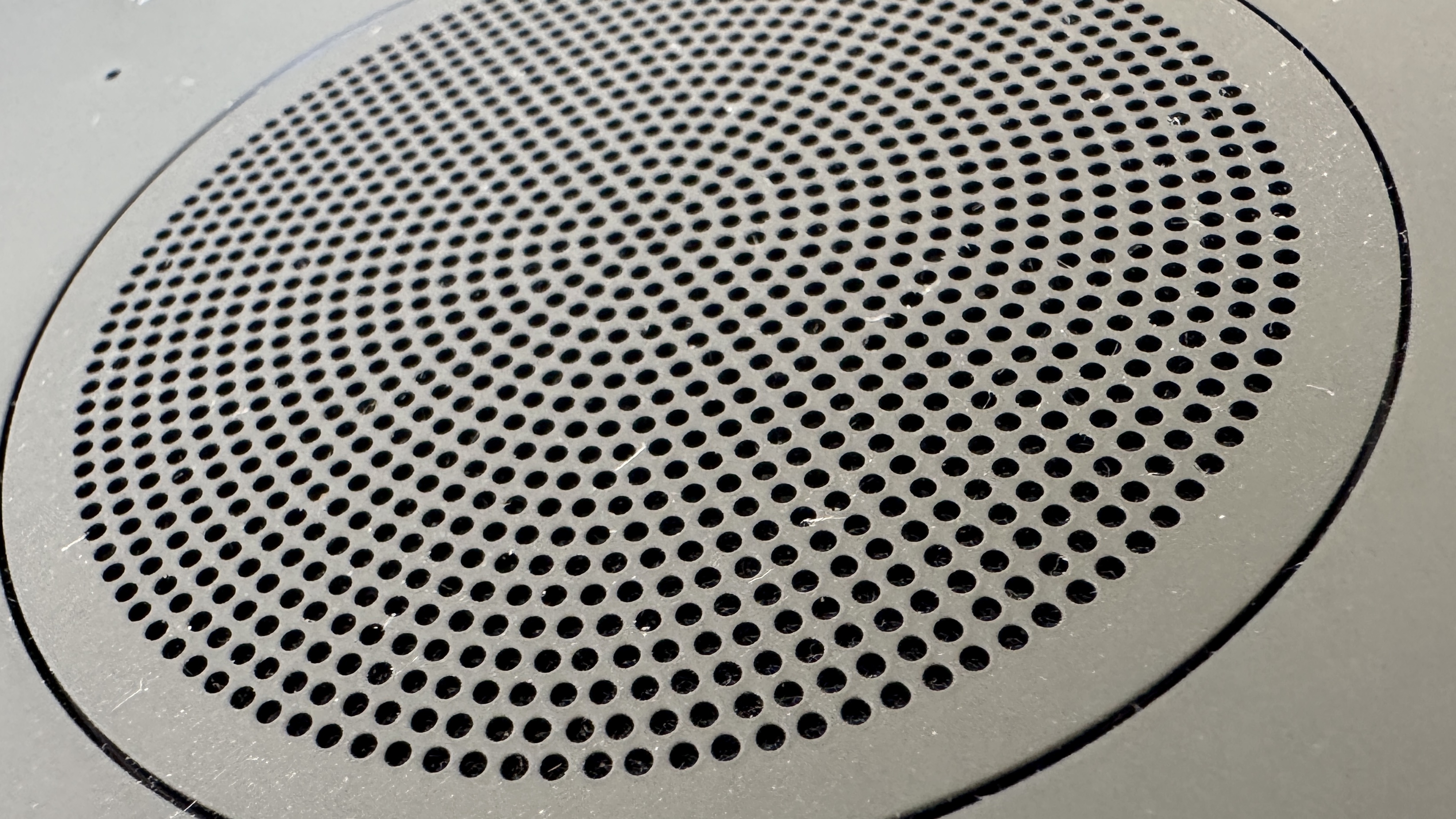
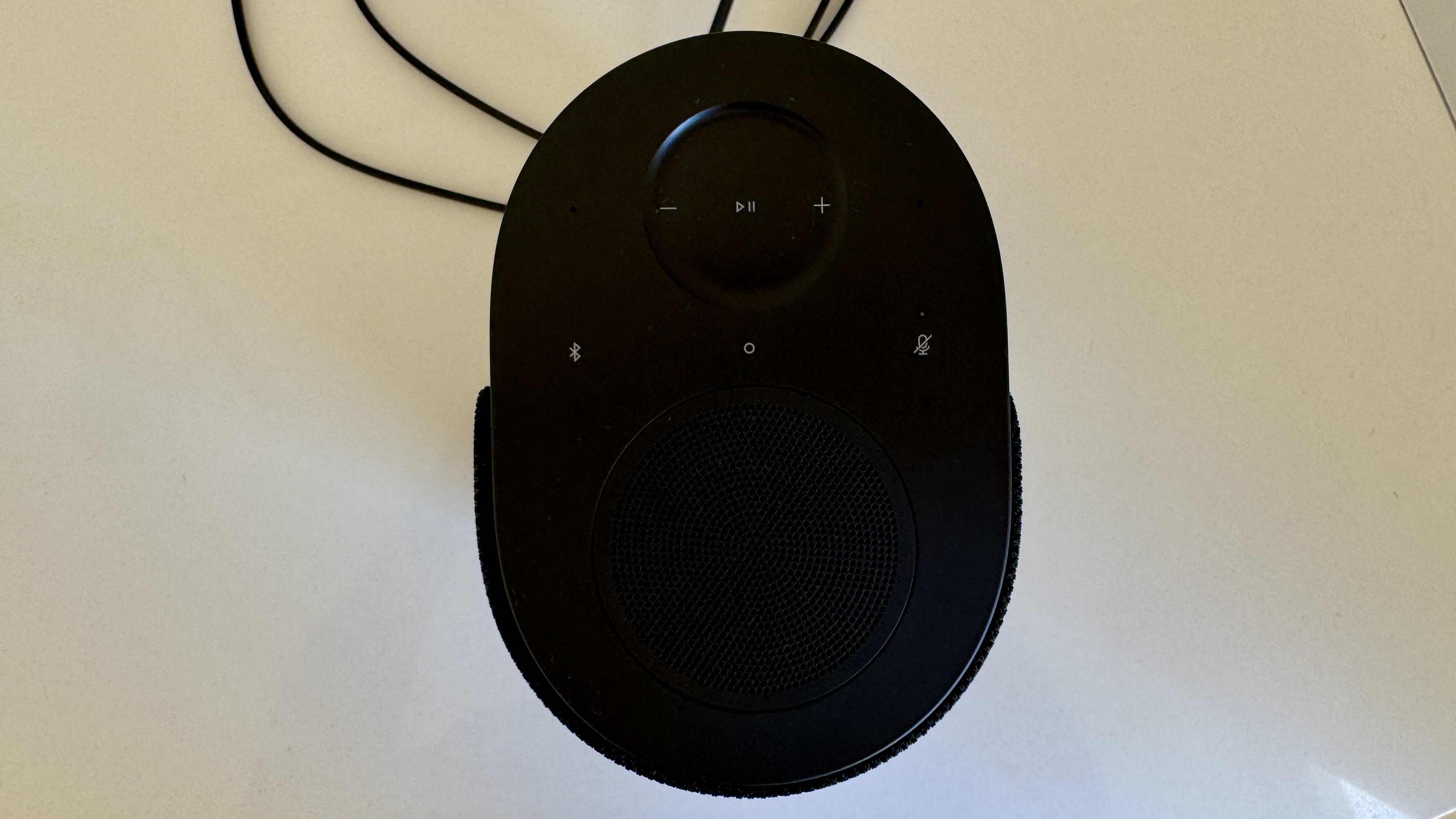
The lighting — a key selling point of this speaker — is pretty neat too. Lights sit on the base of the speaker and beneath a panel on the top side, which resembles an infinity mirror. And the rings of lighting really help to make your listening sessions more immersive, especially in lower-lit conditions. You can customize the color and pattern of the lights too, and one setting also syncs up to bass output. That level of customizability is spectacular to see on a speaker in this price category.

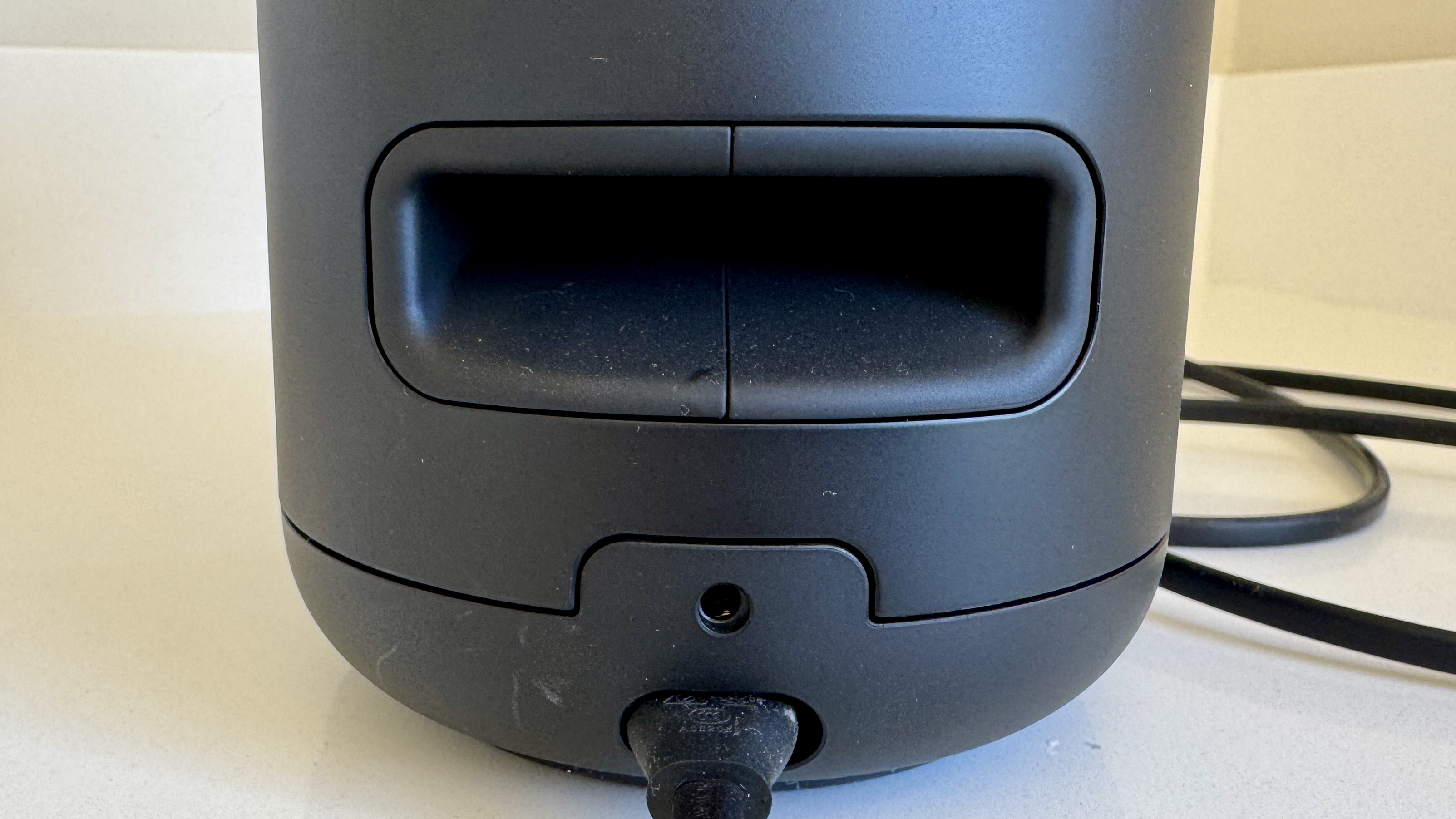
More generally, I’m quite a big fan of how the Sound Play looks. It comes in four very stylish colors — the Purple variant I tried is quite the looker, as is the Green version. It is reminiscent of the JBL Flip 7 in terms of look and feel, with a neat fabric exterior and psuedo-cylindrical build. The inclusion of the infinity mirror light and handy rubber strap also make it a real stand-out, looks wise.

Another welcome inclusion is a built-in mic, for speakerphone duties. This is something you don't often see these days and it does add value, on paper. However, I made a phone call and although my voice sounded clear on the other end, I noticed a high-pitched chime whenever the other person wasn’t speaking. It wasn’t a dealbreaker (my discussion was still easy to navigate), but it's my job to notice these things.

Other highlights include a JBL Grip-rivalling 14-hour battery life — which is excellent for a speaker of this size — as well as Bluetooth 6.0 connectivity, and true wireless stereo playback for anyone with multiple Sound Play models at their disposal.

Something that the Sound Play omits, however, is companion app support. For me, this is a bigger miss — an app could’ve opened up EQ adjustment, remote light alteration, and precise battery life tracking. The speaker’s nominal price doesn’t quite excuse this either. There are a number of budget-friendly rivals from the likes of Earfun, Edifier, and Tribit that do come with app support.
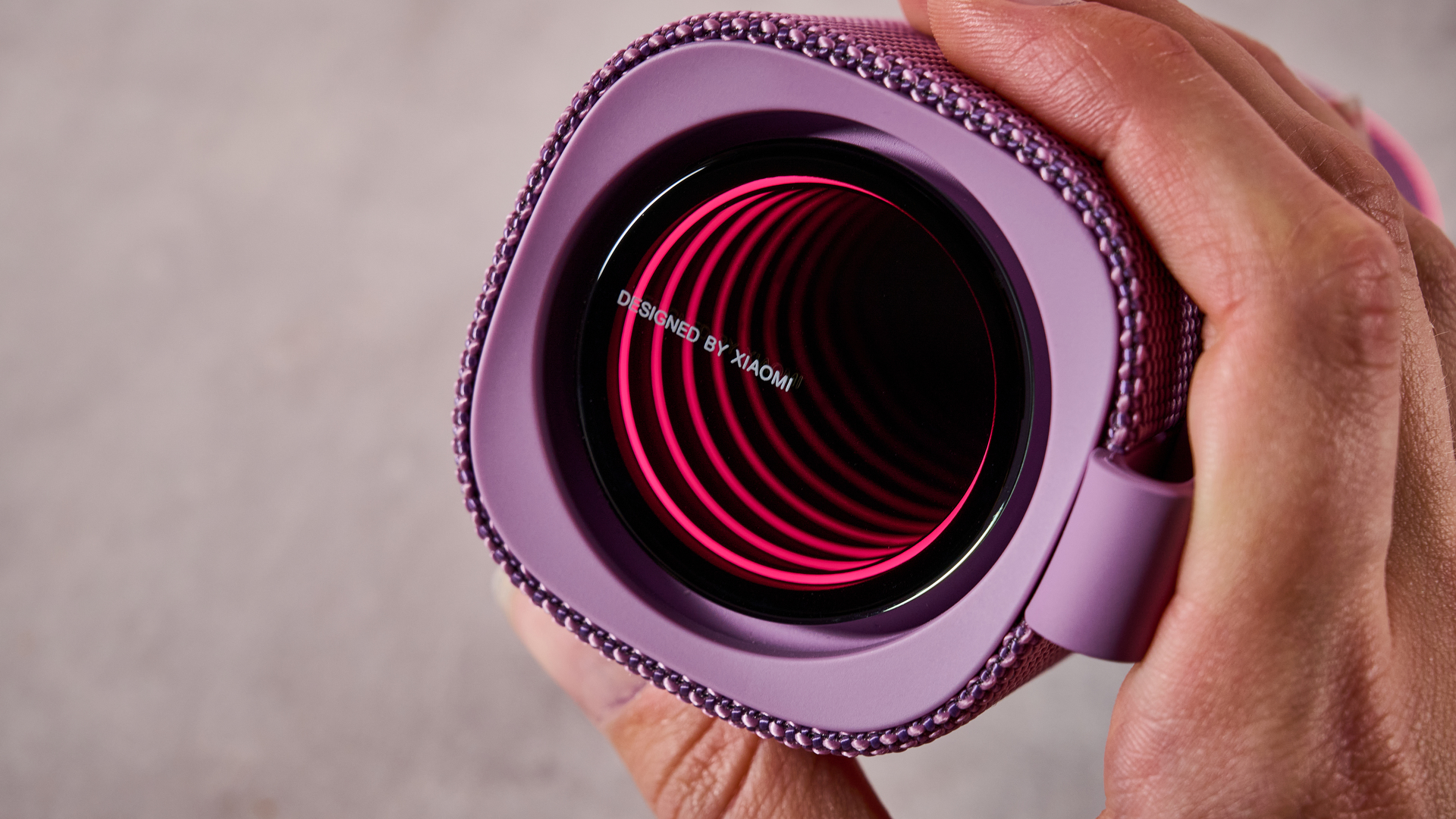
Infinity mirror on the Xiaomi Sound Play

(Image credit: Future)

By now you must be wondering how Xiaomi’s speaker sounds. In honesty, it’s a bit of a mixed bag. It’s a steady performer in some areas, but in need of improvement in others.

In general, the Sound Play delivers fairly clear audio. In Yes I Know My Way by Pino Daniele, vocals had good presence in the mix, and even had a decent sense of separation from other instruments in the mid-range. OK, higher-pitched drums weren’t the most expressive or articulate, but they didn’t sound tinny at mid-volume, and bass was weighted relatively well too.

With more energetic tracks, such as Trip by Ruze, the cracks started to show. There was a slightly compressed quality to the track, and the pumping bass just didn’t come through with the command or depth of similarly sized rivals, including the JBL Grip, which I directly tested against the Sound Play.

During this comparison, the Grip just delivered a more fun performance, with enhanced directionality and low-end punch. But that’s not to say Xiaomi’s speaker was blown out of the water — it still held its own with commendable clarity in the mid-range and fairly agile bass.

In House tracks, bass drops didn’t always have the impact or dynamism I was listening out for, and vibrant drums could occasionally sound on the blunt side. But then again, the Xiaomi didn’t succumb to a boomy, super-muddy sound that a lot of its budget rivals do — it puts up a fairly controlled performance overall.

As a smaller speaker, the Sound Play can’t get super loud, and bass will thin out substantially at top volume levels. It also won’t deliver the most detailed or open sound ever — again, I found a few tracks sounded a little compressed and narrow, which isn’t helped by the lack of higher-res codecs like LDAC or aptX.
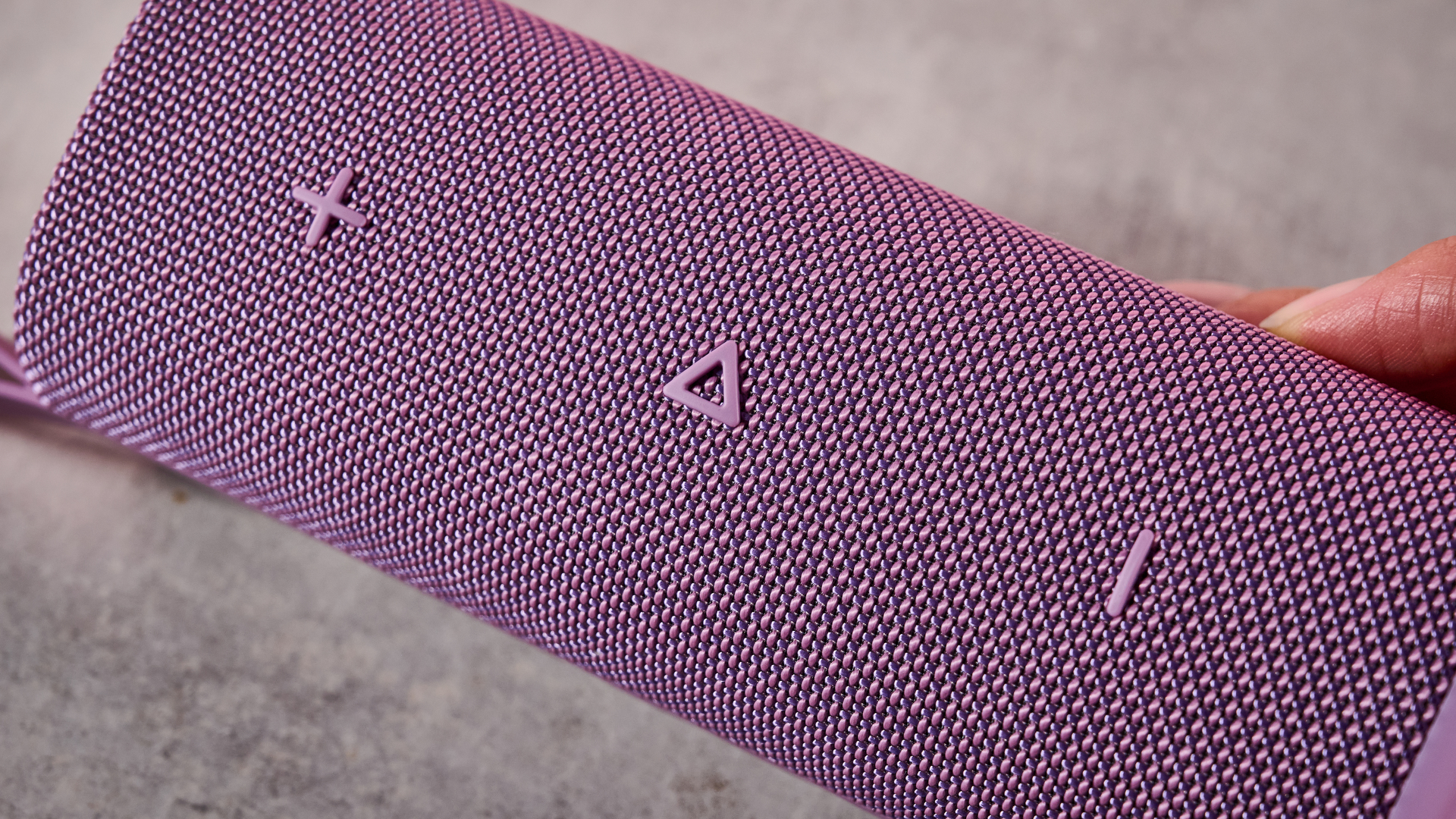
Volume controls on the Xiaomi Sound Play

(Image credit: Future)

All in all, I think the Sound Play sounds good enough for the price you pay. Sure, it’s not the most dynamic or revealing-sounding model on the market, but you get typically clear, decently balanced sound without having to shell out all too much cash.

So, looking at the Xiaomi Sound Play as a whole, would I consider it worth buying? Well that depends. If you’re on a tight budget, and you want a speaker for less than £50, then I think the Sound Play is an option worth considering. It doesn’t sound amazing, but it gets the job done, and I’m a big fan of its durable yet eye-catching design.

However, if you’ve got a little more money to play with, then I’d suggest picking up the JBL Flip 7. That model can produce truly seismic bass, incredibly clean audio, and has a top-class companion app to boot. The JBL Grip is another neat alternative, especially if you can grab it on sale.
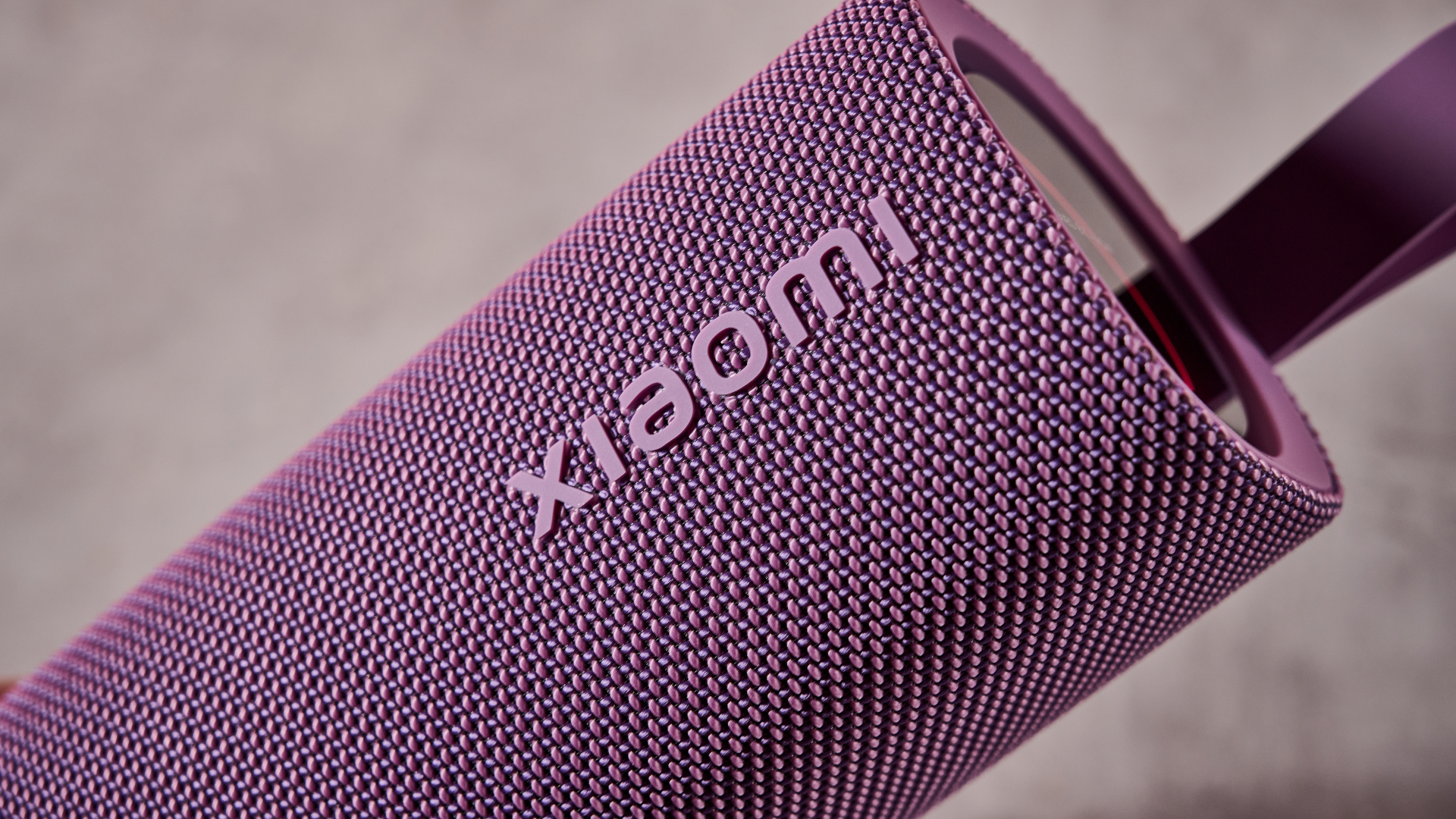
Xiaomi logo on the Xiaomi Sound Play

(Image credit: Future)

Xiaomi Sound Play review: price & release date

  • Priced at £49.90 (about $67 / AU$95)
  • Launched in May 2026
  • Scheduled to release in Australia in August 2026

The Xiaomi Sound Play was launched in May 2026, at the same time as its recently released 17T series. The speaker is available for £49.90 (about $67 / AU$95) in the UK, although Xiaomi told me that there are no plans for a US release, and the speaker won’t be available in Australia until August 2026. It can be purchased in one of four colors — Black, Green, Purple, or White — via Xiaomi’s digital store.

Xiaomi Sound Play review: specs

Weight

0.9lbs / 415g

Dimensions

2.5 x 2.7 x 7.9 inches / 63.4 x 69.5 x 201.1mm

Connectivity

Bluetooth 6.0

Battery life

14 hours

Speaker drivers

1x 18W full-range

Waterproofing

IP68

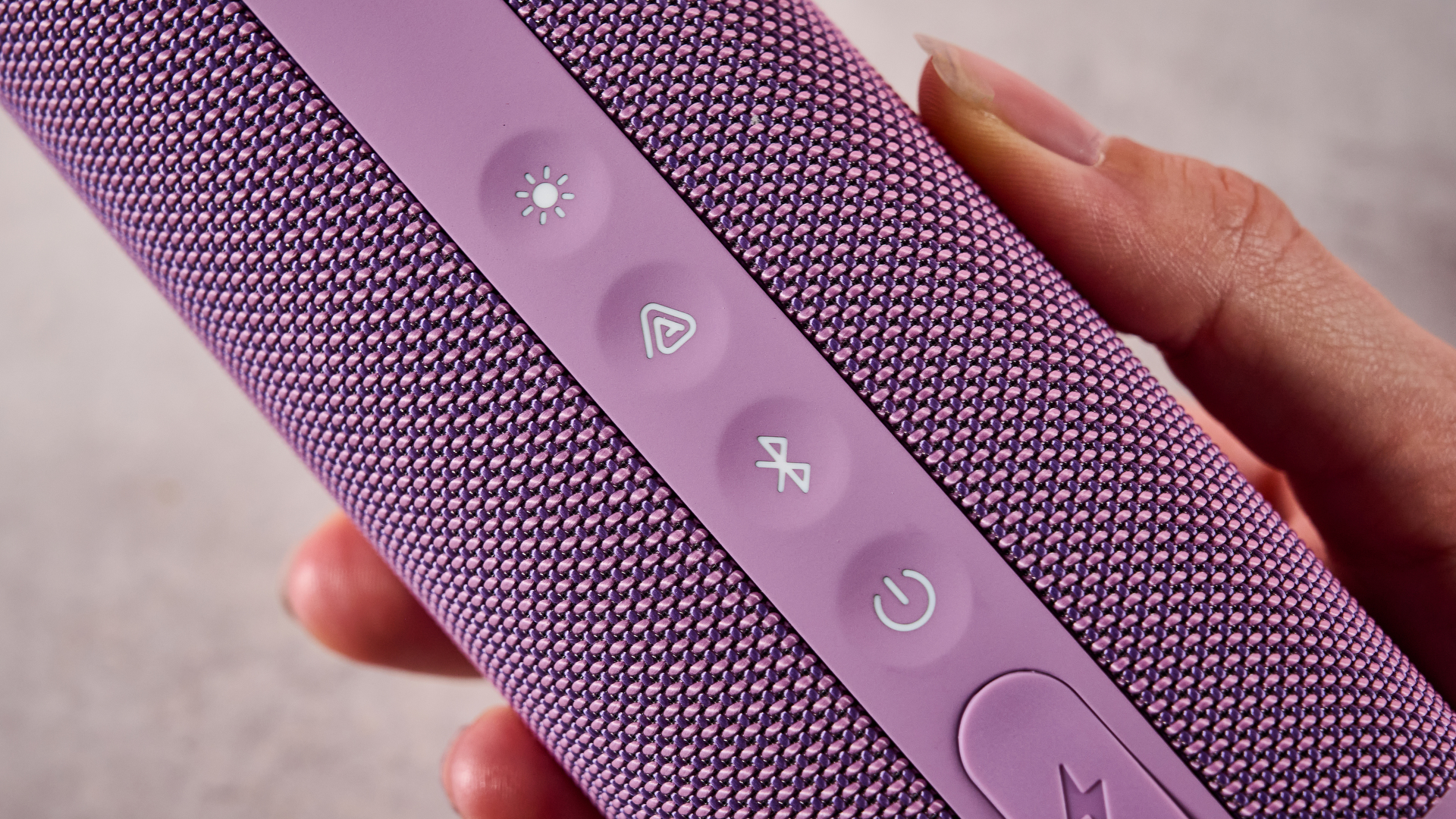
Button controls on the Xiaomi Sound Play

(Image credit: Future)

Should I buy the Xiaomi Sound Play?

Attribute

Notes

Score

Features

Adjustable lighting, good battery life, but lack of app is a shame.

3.5/5

Performance

Decently balanced audio with clear vocals, but lacks the depth and dynamism of some rivals.

3.5/5

Design

Infinity mirror and lights look great, neat color options, well protected against the elements.

4.5/5

Value

Decent enough audio and great design at a very affordable price point.

4/5

Buy it if…

You want something stylish
I’m a big fan of the way Xiaomi’s Sound Play speaker looks. It comes in a funky range of colors, has personalizable lighting, and the infinity mirror feels like the cherry on top.

You’re on a tighter budget
Something the Sound Play has over rivals from the likes of JBL and Bose, is that it’s available at an exceedingly low price. At £49.90 (about $67 / AU$95), it’s highly affordable, and although it could sound a little better, I think it easily earns its price.

Don’t buy it if…

You want the best-sounding speaker
Although the Sound Play is a steady enough performer, offering relatively balanced audio output with clear vocals, it’s no sonic marvel. It lacks the extension and authority of similarly powered (and sized) rivals like the JBL Grip and JBL Flip 7 — so if you want truly great audio, it may not be your best option.

You’re looking for a speaker with remote controls
Perhaps the biggest shame here is that the Sound Play omits a companion app. This would’ve enabled remote control of lighting, EQ, and more, and it’s something that a huge proportion of Xiaomi’s competitors can deliver.

Xiaomi Sound Play review: also consider

Xiaomi Sound Play

Ultimate Ears Wonderboom 4

JBL Go 5

Price

£49.90 (about $67 / AU$95)

$99.99 / £89.99 / AU$149

$54.95 / £39.99 (about AU$75)

Weight

0.9lbs / 415g

0.9lbs / 420g

0.5lbs / 230g

Dimensions

2.5 x 2.7 x 7.9 inches / 63.4 x 69.5 x 201.1mm

4.1 x 3.8 x 3.8 inches / 104 x 95.3 x 95.3mm

4 x 3.1 x 1.7 inches / 101 x 77.4 x 43mm

Connectivity

Bluetooth 6.0

Bluetooth 5.2

Bluetooth 6.0, USB-C

Battery life

14 hours

14 hours

10 hours (with PlayTime Boost)

Speaker drivers

1x 18W full-range

2 x 40mm active drivers, 2 x 46.1x65.2mm passive radiators

1x 45mm full range

Waterproofing

IP68

IP67

IP68

Ultimate Ears Wonderboom 4
Ah, the UE Wonderboom 4 — I just can’t get enough of this little Bluetooth speaker. For such a small model, it produces an awful lot of bass, but its compact form makes it ideal for taking just about anywhere you go. It’s also highly waterproof, offers solid battery life, and can be bought at a discount fairly regularly. Pretty good, right? Read our full Ultimate Ears Wonderboom 4 review.

JBL Go 5
The tiny JBL Go 5 recently earned a glowing five-star review from yours truly, and for good reason. Not only is it extremely affordable, but it's equipped with a sensational feature-set, is incredibly durable, and produces far better sound than its predecessor. Read my full JBL Go 5 review.

How I tested the Xiaomi Sound Play
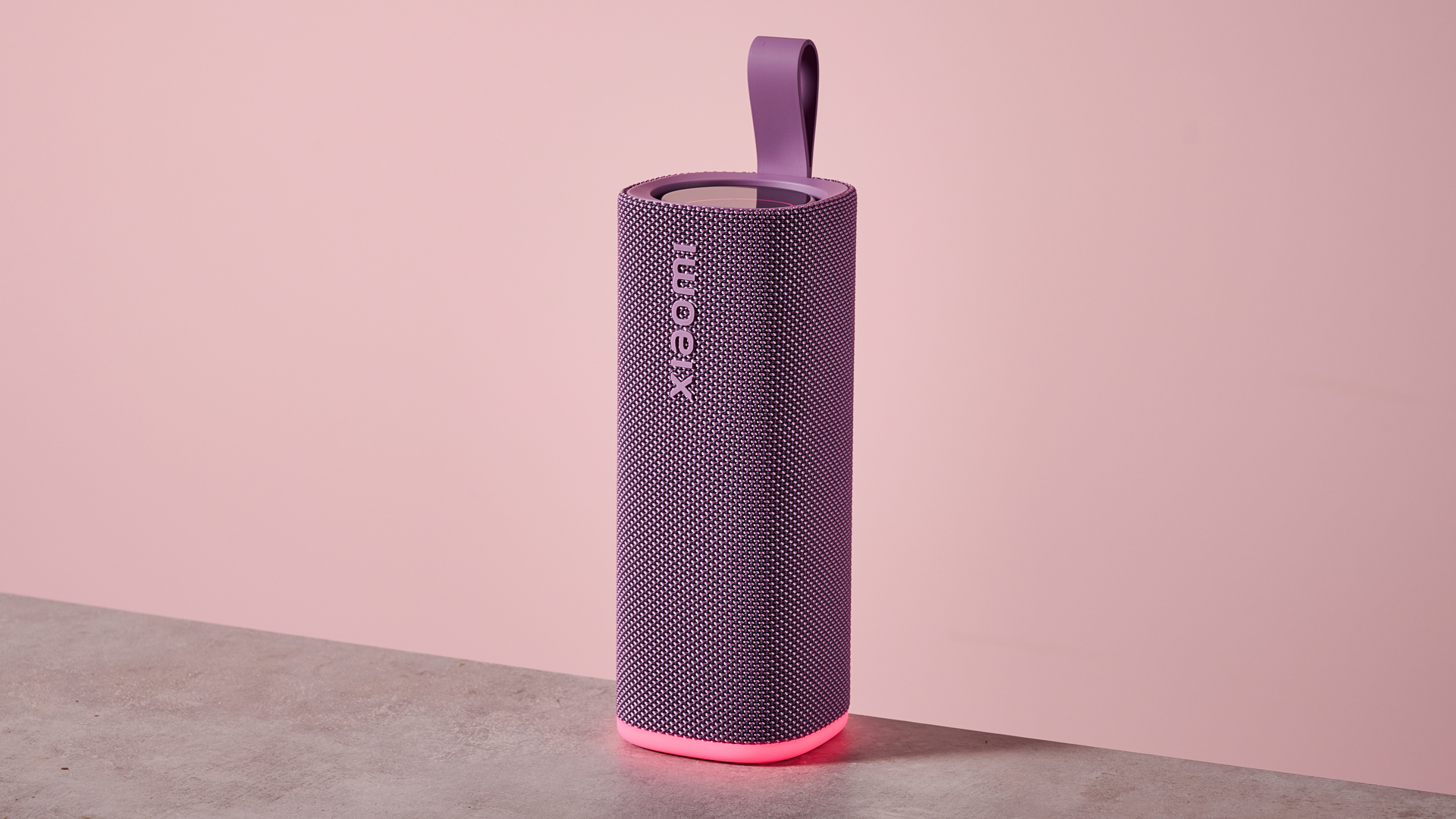
Xiaomi Sound Play with red LED light active

(Image credit: Future)
  • I spent multiple days testing
  • Mainly streamed tunes via Tidal
  • Reviewed by someone who’s tested more than 50 Bluetooth speakers

I spent multiple days testing out the Xiaomi Sound Play, during which time I listened to countless tunes, exhausted its various features, and compared it against various rivals.

When listening to music I mainly streamed tracks over Tidal, but I dipped into Spotify from time to time as well. As always, I started out by sifting through the TechRadar reference playlist, which features songs from a wide variety of genres. I also listened to a ton of tunes from my personal library as well, though.

More generally, I’ve spent years reviewing audio gear here at TechRadar, and have tested a whole lot of Bluetooth speakers — more than 50 in fact. I’ve tried out everything from pocket-sized audio companions like the Bose SoundLink Micro Gen 2 through to luxurious large-sized alternatives like the Marshall Bromley 750, as well as Xiaomi Sound Play rivals like the JBL Grip, so I know exactly what it takes for a speaker to stand out in this highly competitive market.

I conducted a blindfolded Bluetooth speaker test with 4 colleagues and no, JBL didn’t win — here’s which portable speaker got the most votes based on their ears only

I’ve tested more than 50 Bluetooth speakers, and whenever I review a new model, there are a number of factors to consider. Do its features rival the competition? Can its design merge beauty with practicality? Is it actually worth the asking price? But one question is more important than any other: does it genuinely sound good?

This raised a deep curiosity within me. What if a Bluetooth speaker was judged on sound alone, with elements such as pricing, brand reputation, and looks holding no influence on people’s perception of quality? Well, I decided to find out for myself, and blindfolded four of my colleagues for a blind speaker test.

I played a 30-second snippet of a track, asked listeners to make notes, and when each speaker had been tested, I got my participants to rank each speaker from 1 to 5 (with 1 being the best, and 5 the worst). We repeated this process across five different tracks, each spanning a range of genres, in order to determine which sounded the best.

Did you know TechRadar now has membership?

Various tech product cutouts next to the words 'Insider TechRadar Learn More'

(Image credit: Future)

Become a TechRadar Insider by simply clicking 'Join Now' at the top of this page. Have a question? Please email membership@techradar.com

A few things to run through before we get into the results, though. The volume of the speakers were all equalized, but I ensured not to push them above 80% volume, in order to limit distortion and compression. Each speaker was also set to its default EQ, and tracks were streamed from a single source device over Spotify. Also, my listeners had no prior knowledge of the speakers involved in the test, so as to cancel out any prejudices or prior experiences they may potentially hold.

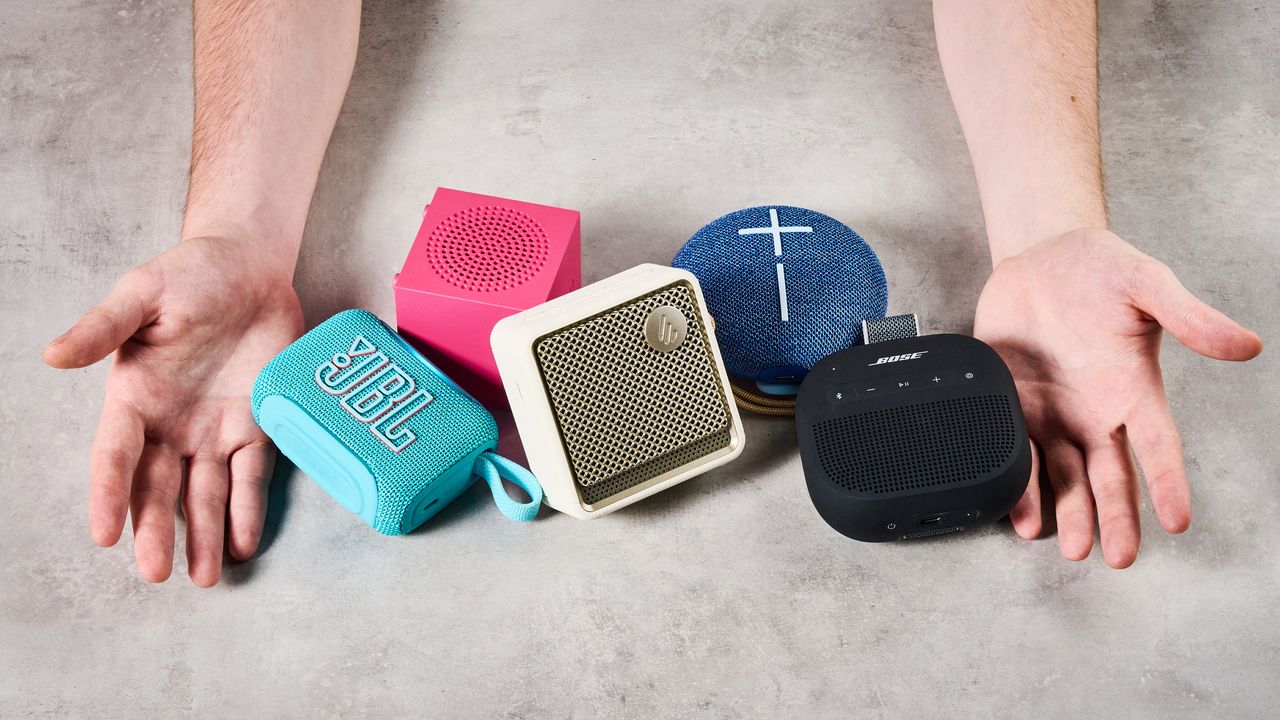
I decided to use five speakers in a very similar size category: the JBL Go 5, the IKEA Kallsup, the Bose SoundLink Micro Gen 2, the Edifier ES20, and the Ultimate Ears Miniroll. Some have a higher power output than others and some are considerably cheaper (or pricier) than others. And some sit in our guide to the best Bluetooth speakers, while others have fallen short. But interestingly, rankings varied quite a fair bit depending on the track and listener involved.

Curious to find out who came out on top? Here’s how our listeners ranked each speaker across each track, as well as the final scores.

Track 1: Fascinator by Max Dean

I started with a house track, Fascinator by Max Dean. I asked participants to listen to a short lead up to some sub-bass, and while I emphasized that the small models wouldn’t produce roaring power, I asked them to assess how well the speakers manage it. When the drop came in, I also asked them to judge how controlled and precise drums sounded in the treble range.

The results were pretty interesting here. Our cheapest option, the $10 / £5 IKEA Kallsup was the clear loser, with one listener, Caspar, noting ‘tinny’ highs and underwhelming bass — a sentiment generally shared across the board. It was quite close between JBL and Edifier here, with some listeners noting a slight lack in low-end impact, but improved mid-range performance and tighter treble.

However, the clear winner was Bose, which ranked 1st with all of our participants — and spoiler alert, this was the only instance of a unanimous verdict across the entire experiment. One listener, Ashley, noted how the track sounded ‘balanced with no distortion’ with others including Josh and Erin highlighting meatier bass and a pleasingly warm tone.

Track 1: rank (by listener)

Josh

Caspar

Ashley

Erin

JBL Go 5

4

5

4

2

IKEA Kallsup

5

4

5

5

Bose SoundLink Micro Gen 2

1

1

1

1

Edifier ES20

2

3

3

4

UE Miniroll

3

2

2

3

Track 1: overall rank

Speaker

Rank

JBL Go 5

4th (15pts)

IKEA Kallsup

5th (19pts)

Bose SoundLink Micro Gen 2

1st (4pts)

Edifier ES20

3rd (12pts)

UE Miniroll

2nd (10pts)

Track 2: Orphans by Cero

I changed up the vibe for Track 2, and played a snippet from the jazz-infused indie pop track Orphans by Japanese band Cero. Vocals are meant to be slightly forward, so I asked listeners to determine how well the speakers captured this, while also prompting them to judge how well-balanced percussion and guitars were in the mix.

The Kallsup unfortunately finished in last place once more, with Josh highlighting ‘rolled off’ vocals and unclear guitars in the mid-range. However, the JBL Go 5 wasn’t far in front, with Erin noting ‘lifeless guitars’.

The Edifier ES20 and UE Miniroll performed well, though, with participants highlighting better balance across the frequency range, warmer and more prominent vocals, and cleaner bass. The SoundLink Micro Gen 2 took the win once more, though, with an emphasis on clearer, more tonally accurate guitars, well-defined vocals, and more articulate percussion.

Track 2: rank (by listener)

Josh

Caspar

Ashley

Erin

JBL Go 5

3

5

5

4

IKEA Kallsup

5

4

4

5

Bose SoundLink Micro Gen 2

2

1

2

1

Edifier ES20

1

2

3

3

UE Miniroll

4

3

1

2

Track 2: overall rank

Speaker

Rank

JBL Go 5

4th (17pts)

IKEA Kallsup

5th (18pts)

Bose SoundLink Micro Gen 2

1st (6pts)

Edifier ES20

2nd (9pts)

UE Miniroll

3rd (10pts)

Track 3: The Girl From Ipanema by Stan Getz

I wanted to try out something softer next, so I went for the legendary Bossa Nova track, The Girl From Ipanema by Stan Getz. I requested my blindfolded colleagues to tune into the separation between guitars and vocals, the subtlety and texture of vocals and percussion, and control of the double bass. And this is where things got really interesting.

Surprisingly, Bose, which had been bossing it so far, finished in a lowly 4th place here, with listeners generally expressing disappointment with the speaker’s overemphasized bass and slightly unrefined treble response.

However, one thing remained the same, as the IKEA Kallsup came in 5th place. In fact, this was the only occasion in which every listener decided the Kallsup was the worst performer, with Erin writing: ‘No. What? What is this? It sounds like there’s a horde of bees trying to escape.’ Ouch.

Our champion this time out was the Edifier ES20, a speaker which I’ve often championed for its supreme mid-range clarity. Listeners appreciated this model’s beautifully balanced presentation, textured and controlled double bass, and detailed vocals. The UE Miniroll and JBL Go 5 finished 2nd and 3rd respectively, with our participants widely noting their relatively expansive interpretation of the track, and talking up their crisp, textured handling of vocals.

Track 3: rank (by listener)

Josh

Caspar

Ashley

Erin

JBL Go 5

2

4

4

1

IKEA Kallsup

5

5

5

5

Bose SoundLink Micro Gen 2

4

1

3

4

Edifier ES20

1

2

2

2

UE Miniroll

3

3

1

3

Track 3: overall rank

Speaker

Rank

JBL Go 5

3rd (11pts)

IKEA Kallsup

5th (20pts)

Bose SoundLink Micro Gen 2

4th (12pts)

Edifier ES20

1st (7pts)

UE Miniroll

2nd (10pts)

Track 4: Come On, Come Over by Jaco Pastorius

But how did the speaker manage a busier, more chaotic mix? I threw on Come On, Come Over by Jaco Pastorius, a funky, high-octane track that has it all. Participants were told to listen for the aggressiveness and clarity of horns, the quality of the track’s mid-bass punch, and how the speakers manage the swathe of instruments and vocals.

And it seemed that in this test, order was restored to how it had been up until Track 3. Bose came out on top, with Ashley praising the speaker’s balanced approach and Caspar highlighting the SoundLink Micro Gen 2’s impactful low end and enhanced vocal clarity. However, the Edifier ES20 and UE Miniroll did run Bose very close indeed. Participants enjoyed the tonality of the vocals, the decently open soundstage, and solid separation on offer.

IKEA’s Kallsup fell to last place, however, largely due to its unregimented bass and tinny mids. Meanwhile, listeners also felt that the JBL Go 5 struggled with the business of the tune, though some did highlight solid clarity in the treble range.

Track 4: rank (by listener)

Josh

Caspar

Ashley

Erin

JBL Go 5

5

4

4

4

IKEA Kallsup

4

5

5

5

Bose SoundLink Micro Gen 2

3

1

2

1

Edifier ES20

1

2

3

2

UE Miniroll

2

3

1

3

Track 4: overall rank

Speaker

Rank

JBL Go 5

4th (17pts)

IKEA Kallsup

5th (19pts)

Bose SoundLink Micro Gen 2

1st (7pts)

Edifier ES20

2nd (8pts)

UE Miniroll

3rd (9pts)

Track 5: Black Eye by Allie X

With Track 5, I wanted to assess the portable speakers’ handling of dynamics, so I went with an electronic song from TechRadar’s reference playlist, Black Eye by Allie X. Colleagues were asked to hone in on the attack of strings in the beginning of the snippet, and assess the control and dynamism of the bass and its impact, as well as the breathiness and detailing in the vocals.

And this was an incredibly close battle between Bose, Edifier, and Ultimate Ears. Bose just about managed to top the podium, with Erin delighted with the ‘dramatic strings’ and ‘expansive vocals,’ and Caspar highlighting dynamic bass and ‘nice balance between vocals and instruments’.

Josh’s favorite was the ES20, stating that vocals were ‘wonderfully conveyed’ and that bass was ‘punchy yet controlled’. Ashley, however, liked the UE Miniroll the most, arguing that it offered the cleanest low-end and most articulate vocals of the bunch.

But the poor Kallsup finished in 5th once more. Muted synths, a lack of texture and kick in the low-end, and recessed vocals left our listeners wanting more.

Track 5: rank (by listener)

Josh

Caspar

Ashley

Erin

JBL Go 5

4

5

4

4

IKEA Kallsup

5

4

5

5

Bose SoundLink Micro Gen 2

2

1

3

1

Edifier ES20

1

2

2

3

UE Miniroll

3

3

1

2

Track 5: overall rank

Speaker

Rank

JBL Go 5

4th (17pts)

IKEA Kallsup

5th (19pts)

Bose SoundLink Micro Gen 2

1st (7pts)

Edifier ES20

2nd (8pts)

UE Miniroll

3rd (9pts)

Final results: and the winner is…

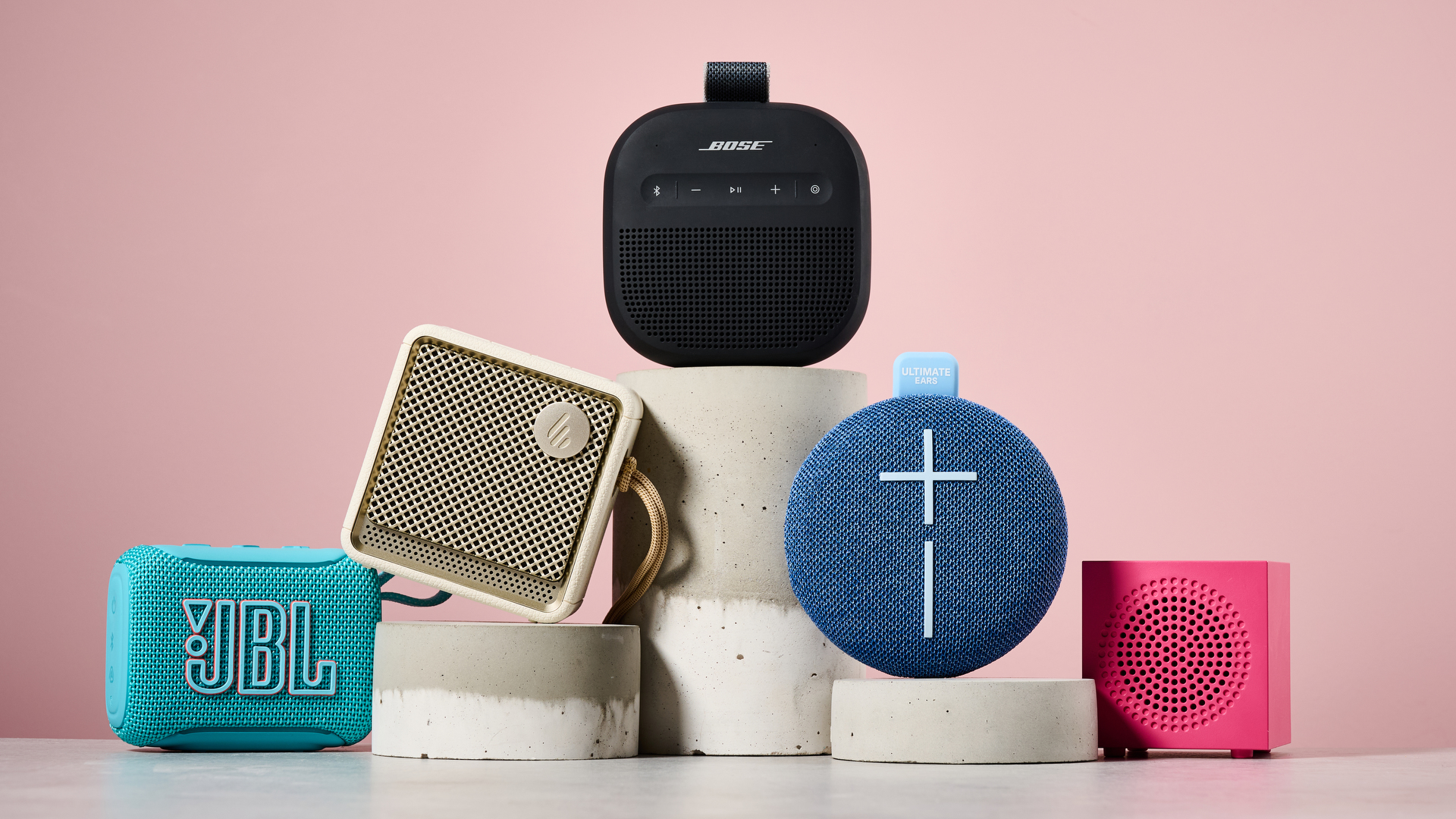
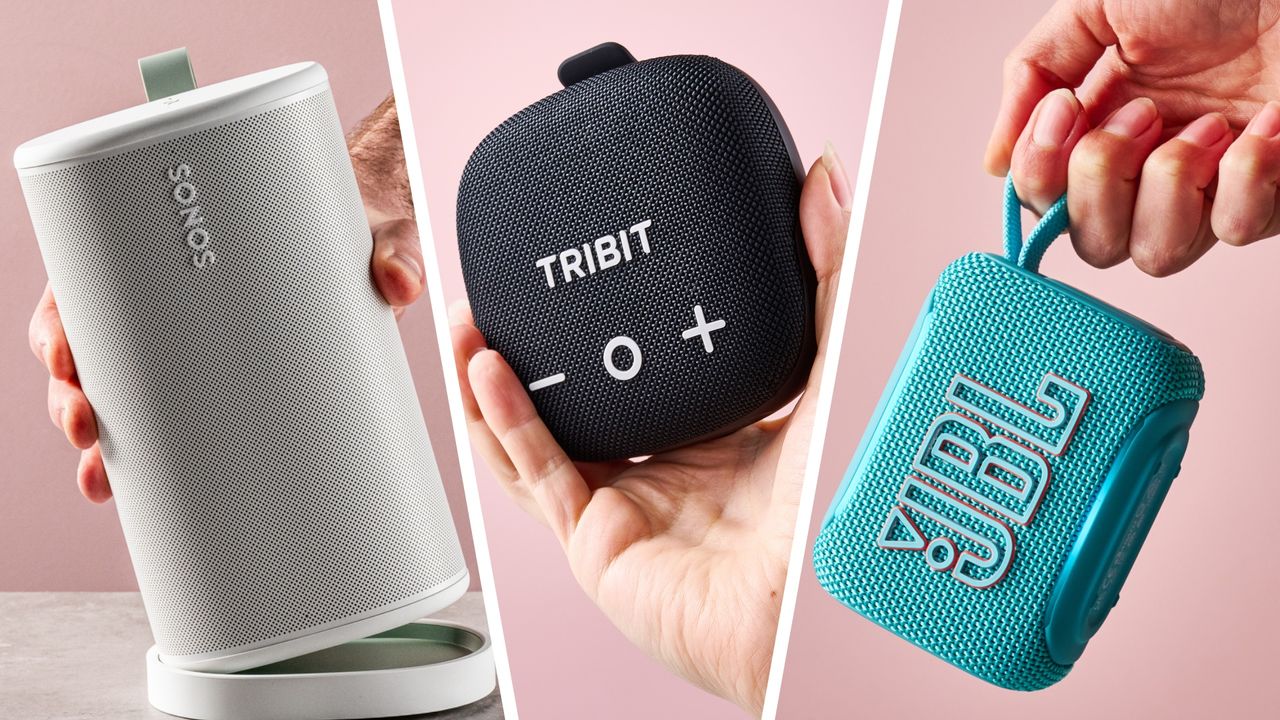
Range of Bluetooth speakers on podium and table

(Image credit: Future)

So, the experiment drew to a close. Our listeners handed over their final scores, and I totaled them up to discover which speaker was king on sound alone. And the winner was… the Bose SoundLink Micro Gen 2!

Was I surprised by the result? Well, not entirely. I personally think this is a great-sounding small speaker, and its ability to produce meatier bass than much of the competition, alongside more precision in the treble range and clearer separation was all it needed to scoop up top spot.

What’s important to recognize, though, is that Bose’s small speaker is far pricier than all of the competition. It has a list price of $129 / £119.95, and while it certainly produces the goods in terms of sound, that’s an awfully high price tag given that you can nab larger, meatier, and more feature-rich models at that cost — the JBL Flip 7 is probably the first that comes to mind.

I was surprised, however, that the Edifier ES20 did so well. Josh selected the ES20 as his overall favorite, and it continually competed closely with Bose throughout, even topping the table in Track 3. In the UK, it’s less than half the price of the Bose SoundLink Micro Gen 2, but you really wouldn’t think so. Its composure and clarity in the mid-range is exceptional, and it has enough warm bass and controlled treble to keep more energetic tracks sounding as they should. If you want value for money, I think this model is absolutely worth checking out.

Another standout was the UE Miniroll, which Ashley picked out as her personal favorite. It continued to plate up clear mids and bass throughout, and I think it earns its relatively modest price.

Some may be surprised to see the JBL Go 5 a bit off the pace in 4th, but I still think it produced a solid performance across the experiment considering its limitations. It has a weaker power output than the top 3 speakers, which limits its ability to provide the drive and low-end might that others can. And although it could’ve offered slightly better separation, it's still a great small speaker given its low asking price of $54.95 / £39.99.

I felt very sorry for the IKEA Kallsup, which was regularly placed last by each of our participants. However, in the IKEA speaker's defense, not only does it have the lowest power output of the bunch (at just 3W), but it’s just $9.99 / £5. Yes, it's extremely cheap, and so the fact that it occasionally squeaked 4th place here and there is impressive in itself.

Check out the final table below, where you can see the final scores and rankings for each speaker, as well as their typical asking price. Were the results as you expected? Let me know in the comments!

Final ranking

Speaker

Overall rank

List price

JBL Go 5

4th (77pts)

$54.95 / £39.99

IKEA Kallsup

5th (95pts)

$9.99 / £5

Bose SoundLink Micro Gen 2

1st (36pts)

$129 / £119.95

Edifier ES20

2nd (42pts)

$89.99 / £49.99

UE Miniroll

3rd (48pts)

$79 / £69

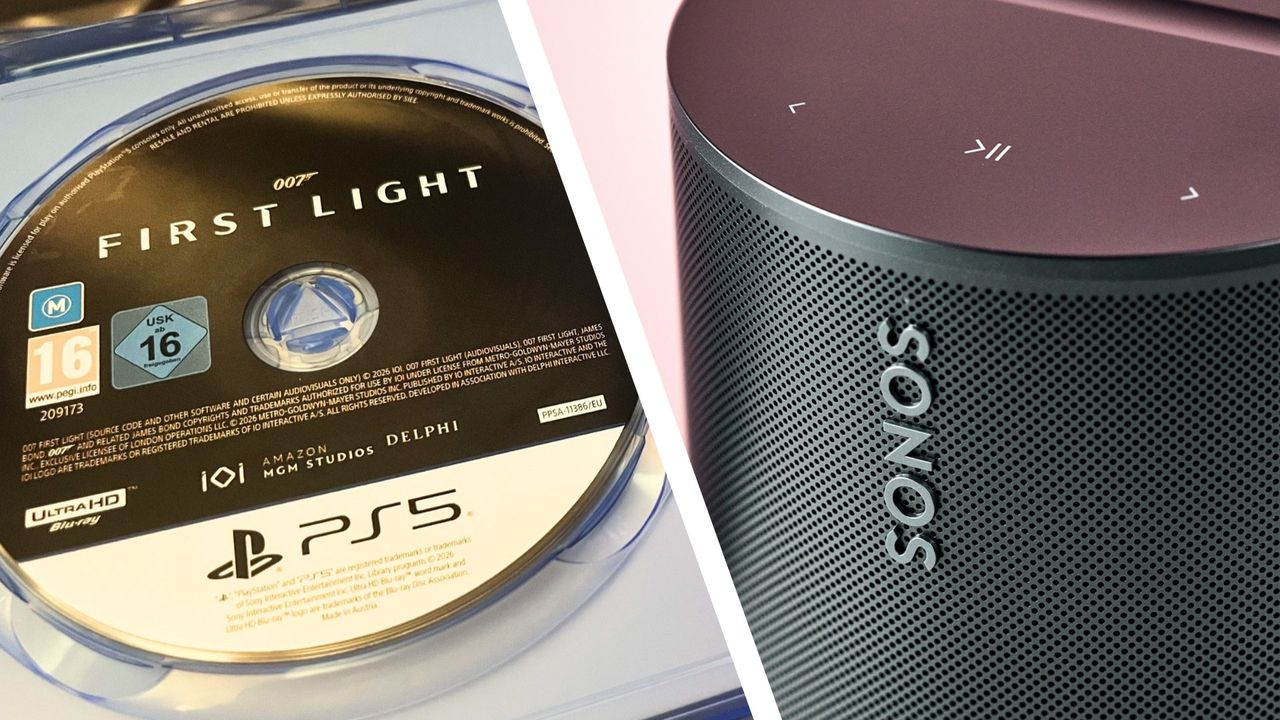
The PlayStation physical games debacle is taking over everything Sony does — it’s the biggest tech PR disaster since Sonos’ app update, so will Sony learn the lessons that turned Sonos around?

Sony's social media team are having a rough week: anything they post is getting piled on by angry gamers who are outraged by Sony's plans to stop the production of game discs.

Many PlayStation owners are vowing to boycott the PlayStation Store, cancel their PlayStation Plus membership and never buy PlayStation products again.

It's a PR nightmare for sure, with pretty much any online PlayStation content becoming a place for gamers to protest, derailing any attempt to talk about anything else.

It reminds me of the response to Sonos' introduction of a new and hugely flawed app, which Sonos now admits was badly done.

Sonos' PR nightmare lasted for around 18 months, there is now optimism and rebuilt trust around the new changes it's bringing to improve the app. Could Sony learn from Sonos' experience and its attempts to rebuild customer trust?

I think the answer is: yes it could, but no it won't.

What Sonos got right and Sony probably won't

Speaking to TechRadar earlier this year, Sonos CEO Tom Conrad set out his views on how to try and make angry customers happy again. "You just have to show up in people's life with some humility and do the hard work of earning their trust back through great execution, great product, great software, great experiences, and never forget what you put people through."

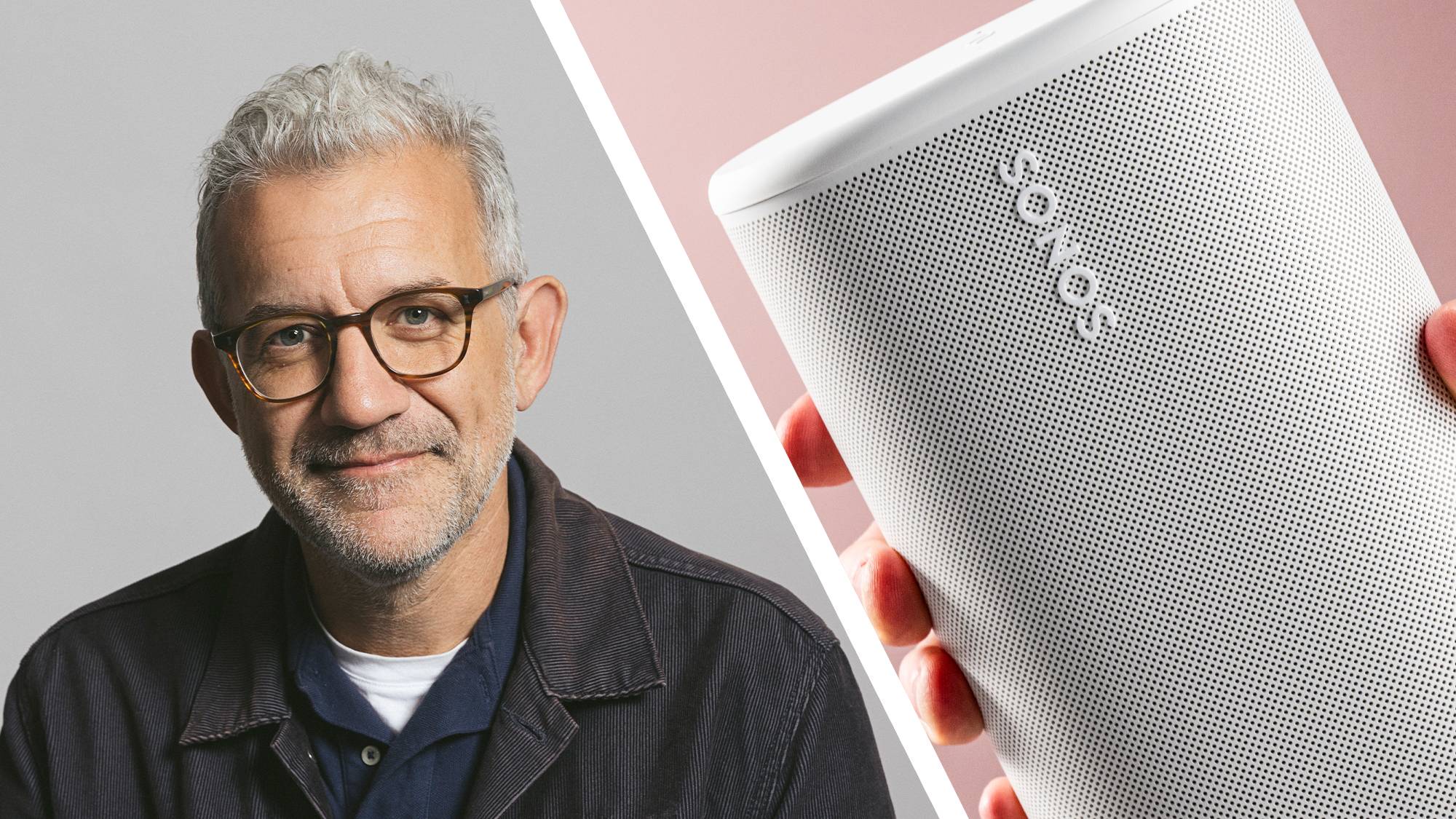
Sonos CEO Tom Conrad's headshot on the left, a close-up of the Sonos logo on a Sonos Play speaker on the right

Sonos CEO Tom Conrad admits Sonos got it wrong and has been working hard to regain customers' trust through direct communication and carefully targeting what's being worked on (Image credit: Sonos / Future Publishing Ltd)

So far, Sony isn't doing that: rather than respond to gamers' concerns, it's battening down the hatches and staying silent about its move to digital-only. And that's a shame, because there are genuine reasons for gamers to worry about Sony's decision.

There are three key concerns about digital-only. The first, and I think the most important, is cost. The PlayStation Store is ludicrously expensive: for example Spider-Man 2, a three-year-old game, is £69.99 digital today in the UK, where I'm based. Competition between retailers means it's around £37 on disc.

The second is second-hand gaming. I buy many games second-hand, and many gamers like to sell their games after they've completed them or got annoyed by them, so that they can spend what they recoup on more new games (a win for the industry overall). So I can buy Returnal for about £20 on eBay. I can't buy the digital edition second-hand, so if I want the digital version it's… you guessed it, £69.99.

To be fair, you can get both games, and others, on PlayStation Plus Extra. But not everyone wants or can sustain yet another subscription, and we know that all subscription services go up in price — often dramatically so, as we saw with Xbox Game Pass last year.

And the third is ownership. Sony's disc announcement came just days after it deleted customers' purchased copies of over 500 movies, making it clear that purchasing doesn't mean owning forever. And those movies cost a lot less than £69.99.

Sony may have to eat humble pie for a while in order to mimic Sonos here, seeking out customer views to talk about those concerns, and maybe thinking about how to address them — so for example it could tell us that digital codes would still be sold through multiple retailers, like Nintendo does with its key cards, or that we'd be able to resell our digital-only games (even if it hasn't developed the mechanism for this yet).

However, the reality is that for a firm the size of Sony, even a significant customer backlash such as 246,586 signatures on a petition represents a microscopic proportion of its 125 million PlayStation Plus subscribers, let alone the many more PlayStation owners — and it can afford to ignore them.

That's something of a gamble. Just ask Microsoft, whose Game Pass price hike scared off far more customers than expected — according to reports, it lost 4 million out of 34 million Game Pass subscribers when it was expecting huge growth instead, forcing a partial reversal.

But Sony's gaming business is far bigger, and that means it can still upset a lot of customers without feeling much pain.

I suspect Sony is going to take a different lesson from the Sonos situation: even at the height of customer anger, Sonos still sold lots of speakers, soundbars and subs.

Then again, maybe Sony is more rattled than it's currently letting on. Two days after the digital-only announcement, with customers raging online, Sony CEO Hiroki Totoki sold more than half of his Sony stock and Sony's chief strategy officer unloaded a bunch of Sony shares too.

Marshall’s new big and bullish home speaker is just as much of a delight on the eyes as it is on the ears, and it blew me away with its rumbling bass and amp-inspired aesthetic

Marshall Stanmore IV review

If you want to invite a speaker that looks as good as it sounds into your living room, then the new Marshall Stanmore IV could be a great pick for you. It aims to deliver everything its predecessor did, but better, with a broader soundstage, enhanced bass, and superior controls.

And as someone who owns (and loves) the previous model in this line, best believe I was expecting big things from the Stanmore IV. Luckily, it delivered, offering up impressive sound, a solid set of features, and an eye-catching design. But is it worth its relatively premium price tag? Here’s what I think after many hours of testing.

But before we decide whether the Marshall Stanmore IV can sit alongside the very best Bluetooth speakers, let’s take a look under the hood. This thing essentially uses the same setup as its sibling, the Marshall Acton IV, but crucially with a larger woofer. That means you’re getting a single 5-inch sub with 60W of amplification alongside two 0.75-inch tweeters with 25W of amplification. The result? Big, commanding, and engrossing sound.

I started by firing up Are You Gonna Go My Way by Lenny Kravitz, and the Stanmore IV handled it masterfully. Wailing electric guitars had excellent tonal accuracy and cut through with clarity; vocals also sounded driven and emotive.

Moving over to a deeper track, like Vision of Love by Lewis Taylor, and the Stanmore IV continued to impress. Deep bass pumping through the track hit with tremendous impact while remaining regimented and clean. But thumping low-end never came at the expense of sounds elsewhere in the frequency range. High-pitched drums sounded expressive and vibrant, while vocals in the mid-range were granted plenty of room to play in. Bass can even reach down to 38Hz, meaning you get brilliant, low extension — even sub-bass comes through with vigor and confidence.

LDAC is also on board now for higher-res Bluetooth listening, which helped to illuminate breathy vocal details in Black Eye by Allie X. And even though I’d argue the speaker has a more energetic sound signature, with a lot of focus on the hard-hitting low end, it still supplies a detailed, nuanced listen.

One of the limitations of the Stanmore IV’s little sibling, the Acton IV was its stereo playback. Although it whipped up a decent impression of stereo sound, its small size made it a little difficult to create the most meaningful sense of separation. But the larger, wider build of the Stanmore IV takes things up a notch, and in Jimi Hendrix's Foxey Lady I picked up on a stronger sense of separation, with lead guitar brilliantly placed on the right.

And, more generally speaking, the Stanmore IV whips up a broad, engrossing soundstage. Marshall has improved the tweeters and waveguides on this model to help disperse sound more evenly and provide room-filling sound. However the extra width has been achieved, it certainly gets the nod from me.

Marshall’s Dynamic Loudness tech also ensured that tracks maintained admirable clarity, even at higher volumes. Of course, you can still expect a bit of compression at 100%, say, but I was impressed with the speaker’s control in the upper echelons of loudness. The Stanmore IV is even better in this regard than the smaller Acton IV — perhaps thanks to its larger woofer and larger cabinet size.

Overall, the Stanmore IV provides powerful, driven, and exciting sound, with commendable depth and expression. It's bullish and confident, but still takes time to smell the flowers — and its wider soundstage and refined bass even helps it surpass its already impressive predecessor.

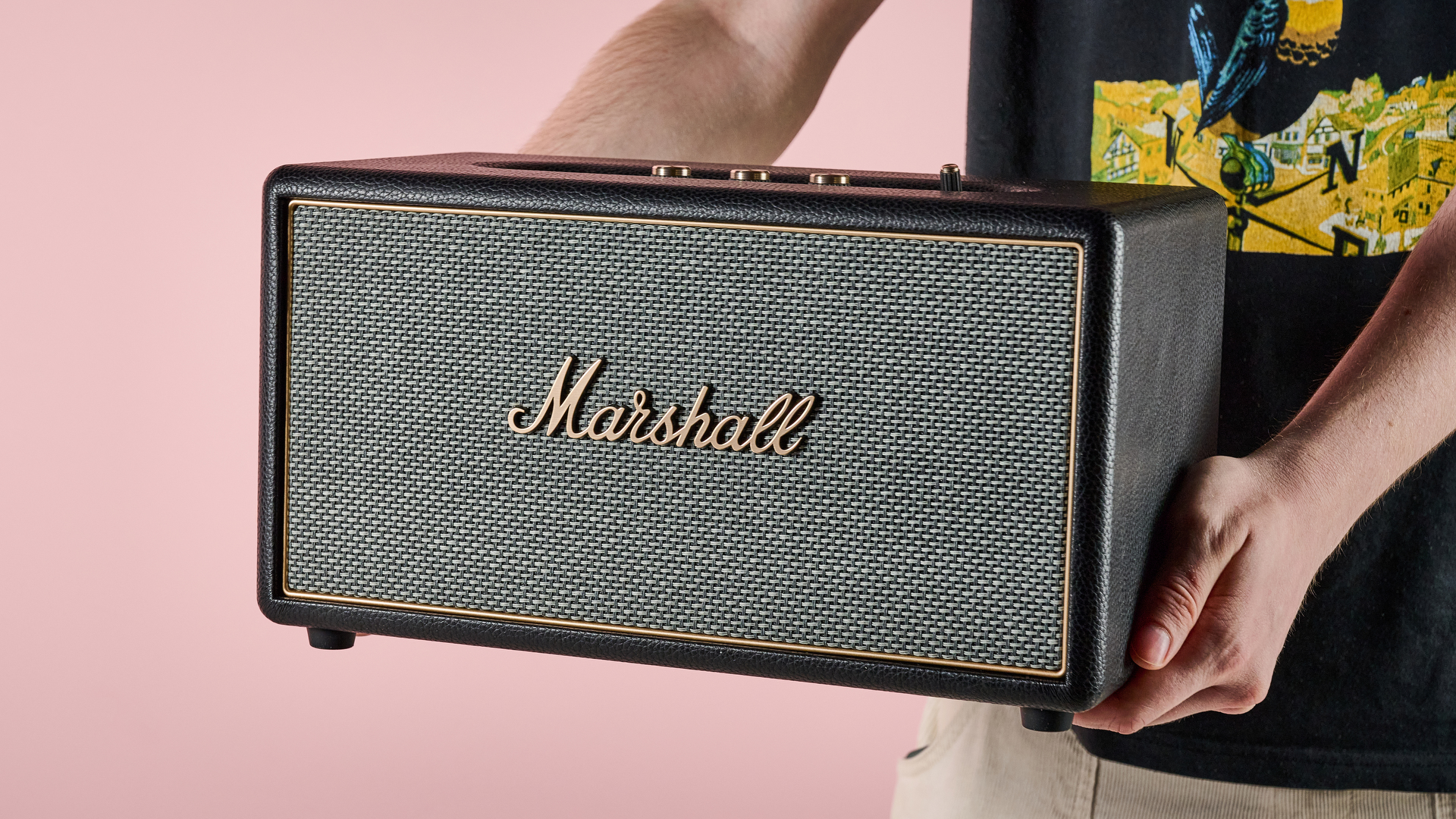
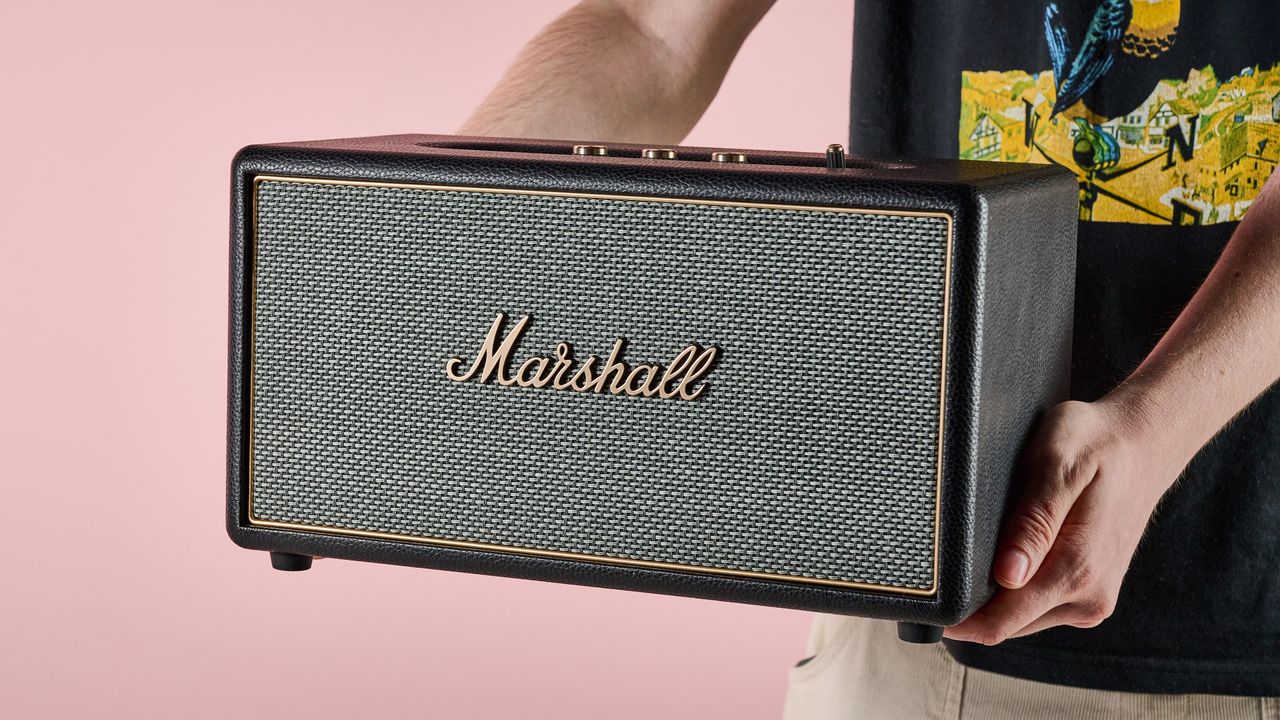
Man holding the Marshall Stanmore IV

(Image credit: Future)

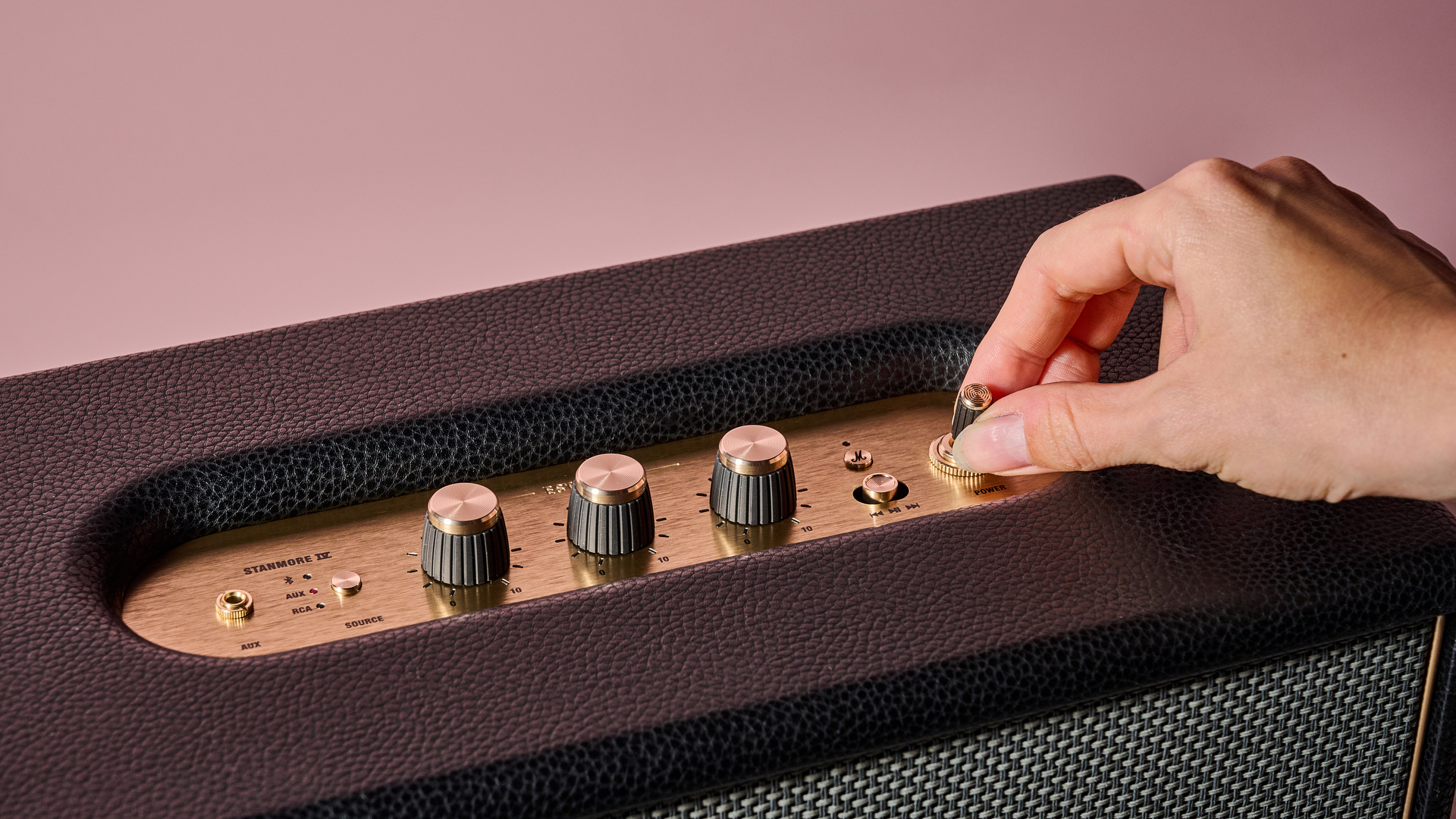
But now it’s time to move on from sound and look at a few of the features you can enjoy on the Stanmore IV. If you’ve already seen my Marshall Acton IV review, then you’ll get the gist of what’s on board. The Stanmore IV uses the newer Marshall app, enabling you to save three EQ calibrations (using a five-band equalizer), and you can use the M button to cycle between these if you like. The app also opens up placement compensation, enabling you to optimize the speaker’s audio output depending on its positioning, and there’s an option to change the brightness of the LED indicators.

Like the Stanmore III, there’s also RCA and 3.5mm connectivity, allowing you to hook up a turntable, or connect the speaker up to an AUX cable.

Something I wish the Stanmore IV did have is Wi-Fi connectivity. Not only does Wi-Fi provide the highest quality wireless listening experience, but it also prevents pesky sounds from your device — like phone calls and notifications — blasting from the speaker. What’s more, this is a home speaker, so it could easily have a stable connection to your home network at all times.

Marshall has multi-room covered with Auracast tech, which enables a bunch of its speakers to pair together, but I would’ve loved to have seen Wi-Fi onboard for the most seamless, quality-focused listening experience.

Another thing the Stanmore IV leaves out is voice assistant capabilities. Unlike models such as the Sonos Era 100 or Bose Lifestyle Ultra, there’s no smart voice control onboard. Although this is a function that I personally don’t tend to use on speakers, I know that some may wish for it on a model designed primarily for home use.

But something that’s sure to be a hit with most is the Stanmore IV’s design. This thing is an absolute beauty, and although it looks very similar to its predecessor, I’d argue that there’s no need to fix something that’s not broken. The new Stanmore stuns with a gorgeous faux leather exterior, beautiful speaker grille, and luxurious golden detailing. It looks like a true statement piece, and an item that will complement any living space (while still producing excellent audio).

As was the case on the Acton IV, buttons and control knobs are also perfectly responsive and pleasing to use, and there are also onboard EQ controls for altering bass and treble levels if you want to make some changes in a pinch.

So, now we come to the big question. Is the Marshall Stanmore IV worth the money? Well, it’s not the cheapest speaker around, with a price tag of $399.99 / £349.99 / AU$679, making it $100 / £90 / AU$180 more than the Acton IV. On the surface, that may seem like a significant jump for a speaker that’s almost identical — bar a larger cabinet and slightly larger woofer. But these seemingly small changes actually make a significant difference, in my view.

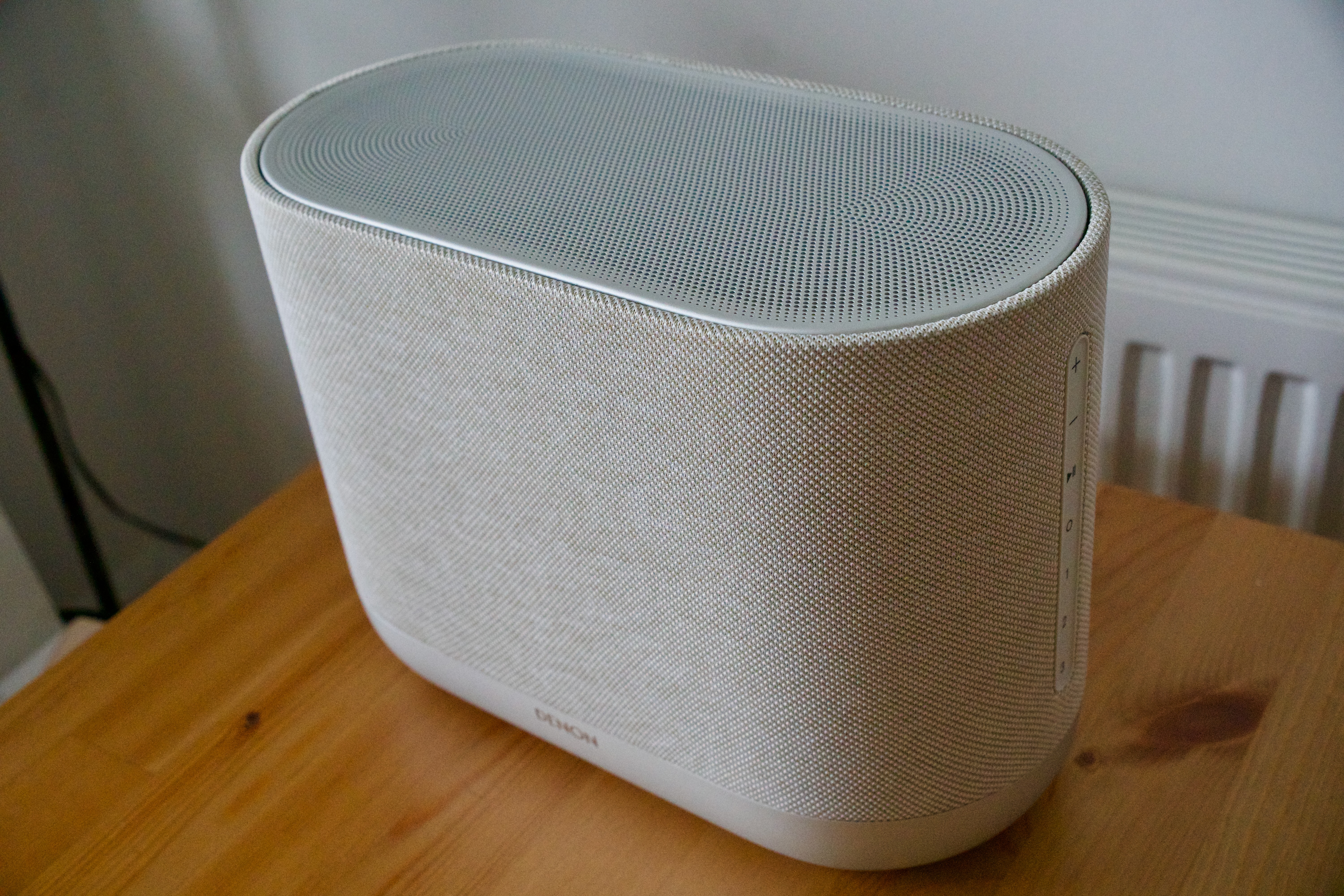
It maintains tighter control at the highest volumes, and also produces the seismic sound that Marshall has become associated with. And that’s not to do the Acton down — it’s just to say that I think you get your money’s worth when stepping up to the Stanmore. I’d also say that the Stanmore competes well against rivals in its price category, with a lower price tag yet more might than a rival like the Denon Home 400. I’d also argue it produces a more striking sound than a model like the Sonos Roam 2 — though you do miss out on Wi-Fi and a few smart features.

Overall, the Marshall Stanmore IV is a great speaker that produces energetic, impactful sound, alongside a stunning look and nifty companion app. Yes, I would’ve loved to have seen Wi-Fi on board, but with LDAC for higher-res Bluetooth streaming added into the mix, I’d still happily recommend this musical maestro from Marshall.

Person turning control knob on the Marshall Stanmore IV

(Image credit: Future)

Marshall Stanmore IV review: price & release date

  • $399.99 / £349.99 / AU$679
  • First released July 2026
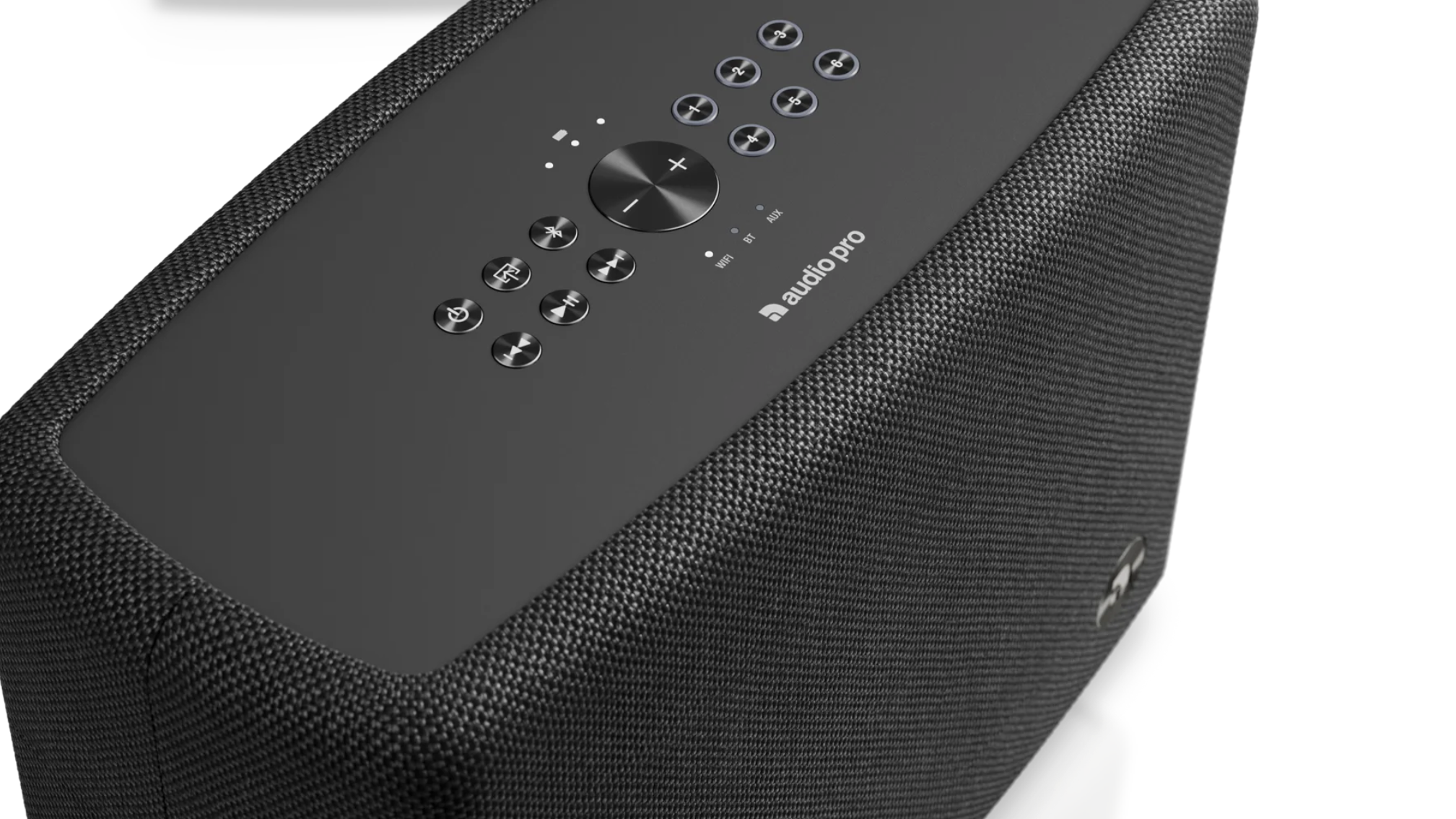
The Marshall Stanmore IV was released in July 2026, around four years after its predecessor hit the shelves. This newer model launched alongside the Marshall Acton IV, which is — in essence — a smaller version of the Stanmore. This model comes in at $399.99 / £349.99 (AU$580).

Marshall Stanmore IV review: specs

Weight

8.8lbs / 4kg

Dimensions

13.8 x 8 x 7.3 inches / 350 x 203 x 185mm

Connectivity

Bluetooth 5.3, 3.5mm, RCA

Speaker drivers

1 x 5-inch 60W woofer / 2 x 0.75-inch 25W tweeters

Waterproofing

Not stated

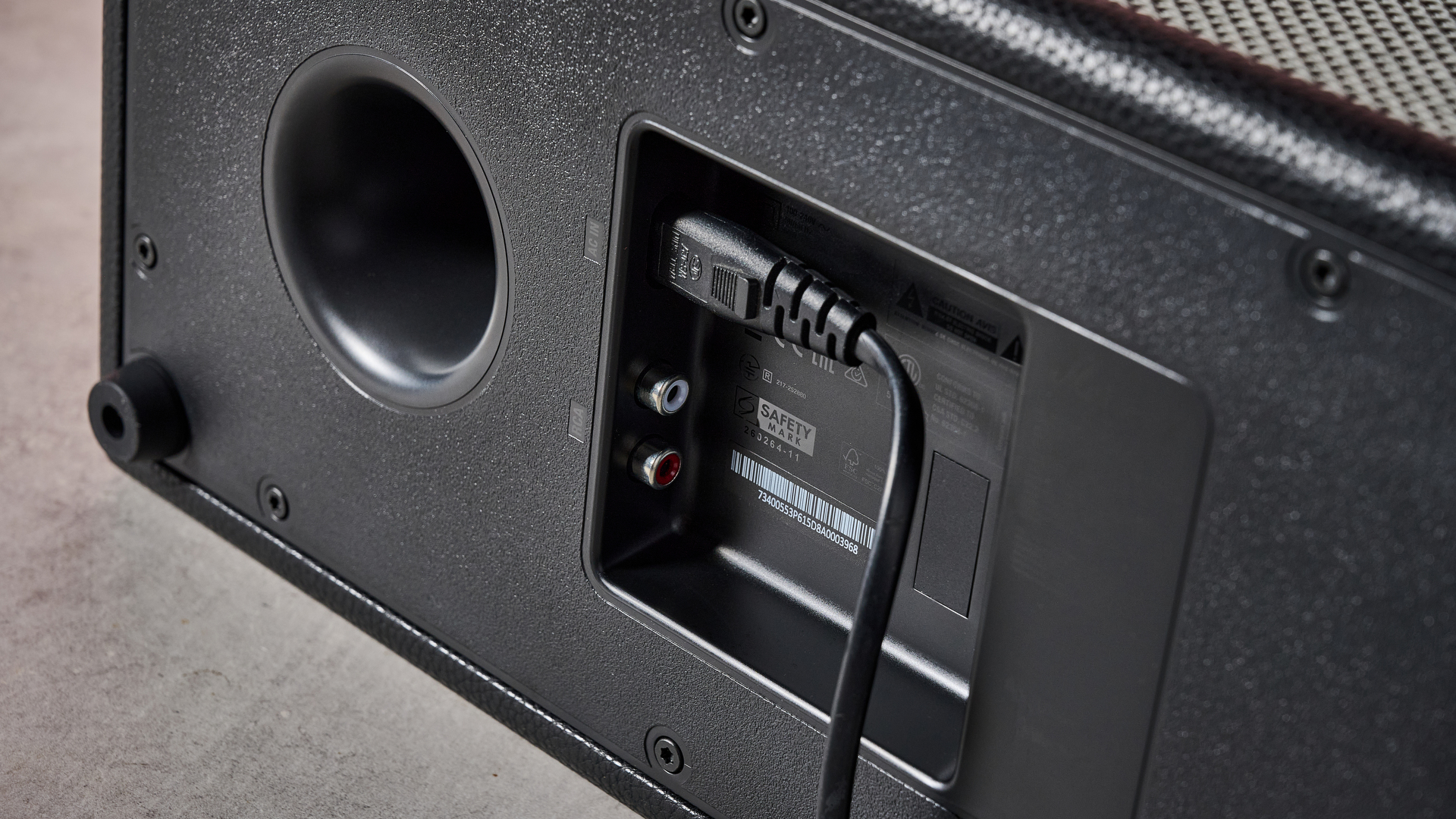
Marshall Stanmore IV connected to power

(Image credit: Future)

Should I buy the Marshall Stanmore IV?

Attribute

Notes

Score

Features

Multi-room with Auracast, new app works well, LDAC brought in, but lack of Wi-Fi is a shame.

4/5

Performance

Impactful yet detailed audio with tremendous depth, control, and power.

5/5

Design

Very similar to predecessor, but gorgeous amp-inspired aesthetic is massively appealing.

4.5/5

Value

It’s pricey, but stacks up well against competition.

4/5

Buy it if…

You’re focused on getting amazing sound quality
I have to say, the Stanmore IV surprised me by just how good it sounded — even though I already loved its predecessor. Bass is phenomenally powerful yet regimented, mids are driven yet layered, and treble is vibrant yet controlled. Throw in LDAC for higher-res listening and a decently wide soundstage, and you’ve got a great-sounding speaker.

You want a speaker that’s a statement piece
Although the Stanmore IV sounds great, it’s something else that truly helps it to stand out: its design. It maintains that gorgeous amp-inspired aesthetic that’s become synonymous with the Marshall brand, with enticing golden detailing, quality faux-leather casing, and the brand’s iconic logo front a center.

Don’t buy it if…

You’re looking for a portable speaker
When using the Stanmore IV, you’ll need to keep it hooked up to the mains. As a result, it’s better-suited to home use rather than being taken on the road. If you want a more portable option, I’d strongly recommend the Marshall Kilburn III, or awesome non-Marshall alternatives like the JBL Xtreme 5.

You want a smart speaker with Wi-Fi
The Stanmore IV is designed for the home, but it doesn’t have the smart features you’d expect from a rival like Sonos, say. For instance, it leaves out Wi-Fi connectivity (no AirPlay or Spotify connect), which is the most seamless and high-quality way to enjoy music wirelessly. It also leaves out voice assistant compatibility. If those features are important to you, I’d suggest checking out my alternatives below…

Marshall Stanmore IV review: also consider

Marshall Stanmore IV

Sonos Move 2

Klipsch The Three Plus

Price

$399.99 / £349.99 (AU$580)

$449 / £449 / AU$799

$399 / £379 / AU$529

Weight

8.8lbs / 4kg

6.6lbs / 3kg

10.6lbs / 4.8kg

Dimensions

13.8 x 8 x 7.3 inches / 350 x 203 x 185mm

6.3 x 9.5 x 5 inches / 160 x 241 x 127mm

7 x 14 x 8.4 inches / 178 x 355 x 213mm

Connectivity

Bluetooth 5.3, 3.5mm, RCA

Bluetooth 5.0, Wi-Fi, USB-C

Bluetooth 5.3, RCA, USB-C, digital optical

Speaker drivers

1 x 5-inch 60W woofer / 2 x 0.75-inch 25W tweeters

2 x angled tweeters, 1 x mid-woofer

2 x 57mm full-range drivers, 1 x 133mm subwoofer

Sonos Move 2
I’ve used the Sonos Move 2 plenty of times, and I absolutely love it. It plates up gorgeous, detailed audio, alongside seamless Wi-Fi streaming, multi-room capabilities, and convenient voice assistant functionality. It also has a 24-hour battery life, enabling you to take it on the go, and it looks incredibly stylish as well. You can’t ask for much more. Read our full Sonos Move 2 review.

Klipsch The Three Plus
Here’s another stylish speaker that seriously impressed us. Klipsch’s The Three Plus speaker offers assertive and intricate audio, fantastic build quality, and plenty of connectivity options. Read our full Klipsch The Three Plus review.

Marshall logo on the Marshall Stanmore IV

(Image credit: Future)

How I tested the Marshall Stanmore IV

  • Spent days testing the speaker
  • Used at our dedicated music testing space at Future Labs
  • Mainly streamed music over Tidal

I tested the Marshall Stanmore IV over the course of a few days, during which time I listened to hours worth of music and exhausted every feature the speaker had to offer.

Most of the time, I used the Stanmore IV in our dedicated music testing room at Future Labs, where I mainly streamed tunes via Tidal on my Xiaomi 17. To begin with, I sifted through the tracks in our TechRadar reference playlist — which features songs from a wide variety of genres — but I also bumped a bunch of tunes from my personal library.

More generally, I’ve spent years testing audio gear here at TechRadar. I’ve reviewed everything from premium wireless headphones like the Sony WH-1000XM6 through to Dolby Atmos soundbars such as the JBL Bar 1300MK2. I’ve also tested more than 50 Bluetooth speakers, including lots of Marshall models, including the Marshall Middleton II and Acton IV.

I tested PSB's new stereo speaker system and the punchy sound and compact styling are a delight, but don't bother if you listen to a lot of vinyl

PSB iQ2: Two-minute review

‘Larger’ is not the same as ‘large’, and so while the PSB iQ2 is the larger of the two models in the newly refreshed iQ range, it’s still a very compact little pair of speakers. ‘Compact’ in this instance, though, in no way implies a shortage of features or a restriction on performance

The standard of build and finish is good, the looks clean and understated no matter which of the seven different finishes you choose. The iQ2 has everything you could realistically hope for in a wireless speaker system costing this sort of money. It has — deep breath — wired and wireless connectivity (including a moving magnet phono stage for use with a turntable, and a HDMI eARC socket for connection to a TV), one of the best user interfaces around in the shape of BluOS, a total of 270 watts of power, frequency response that belies the physical size of the speakers, and authentically high-resolution playback. That's a lot.

Though you don’t get everything you could realistically hope for where sound quality is concerned, the PSB nevertheless has plenty to recommend it. Through every input except its phono stage, it’s a lively, engaging and informative listen, can deal confidently with rhythms and tempos, has a fair amount of well-controlled punch, and doesn’t overlook the finer details when it comes to unpicking a recording.

It can sound a little cramped via Bluetooth, sure, and its phono stage is dull when every other input sounds energetic. But as long as you’re not expecting small cabinets with small drivers to deliver hangar-filling sound you'll get from the best stereo speakers on the market there’s plenty to enjoy here.

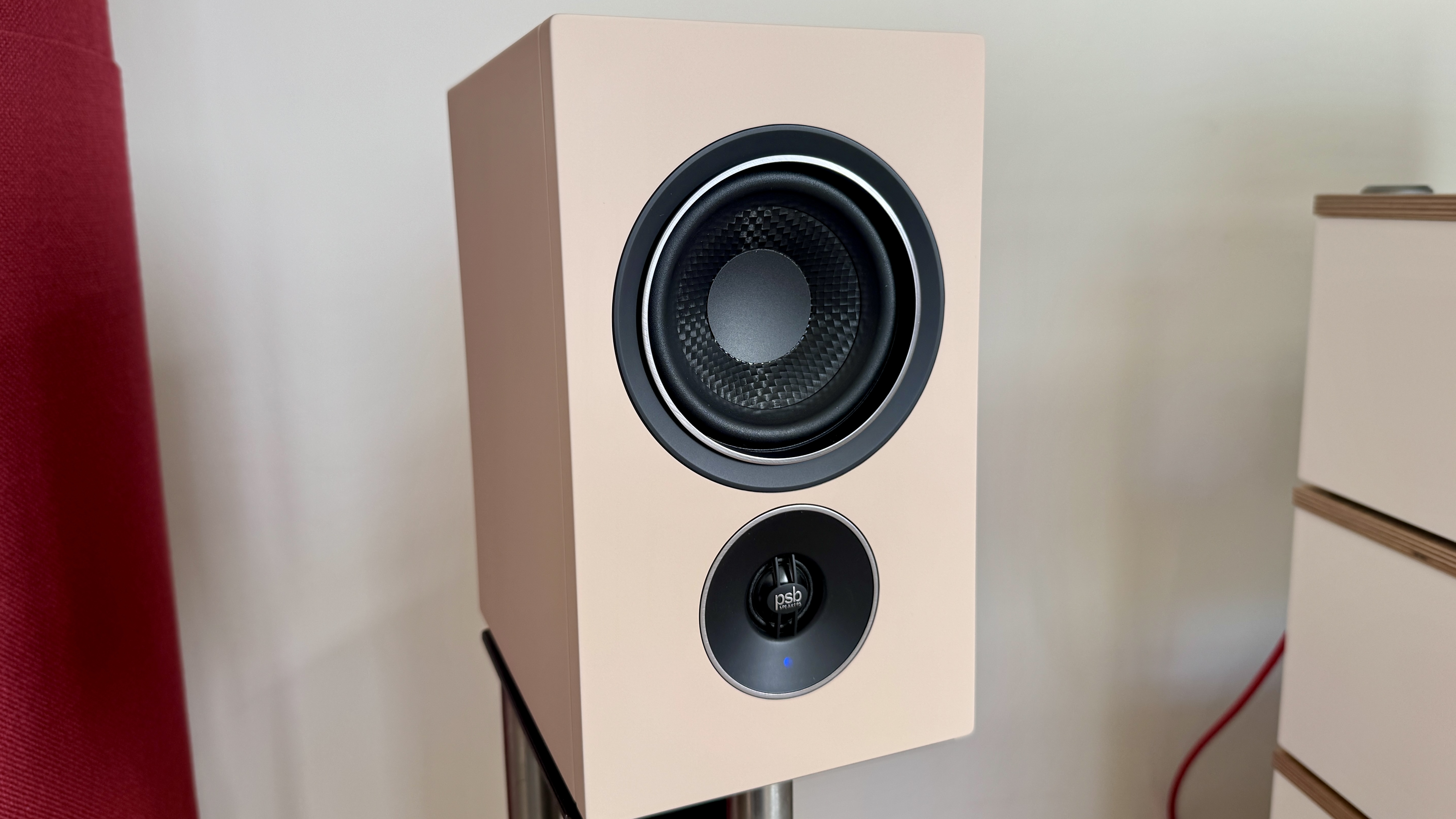
PSB iQ2 stereo speakers

(Image credit: Future / Simon Lucas)

PSB iQ2 review: Price & release date

  • $1,399 / £1,199 / $2,299 (approx.)
  • Released in June 2026
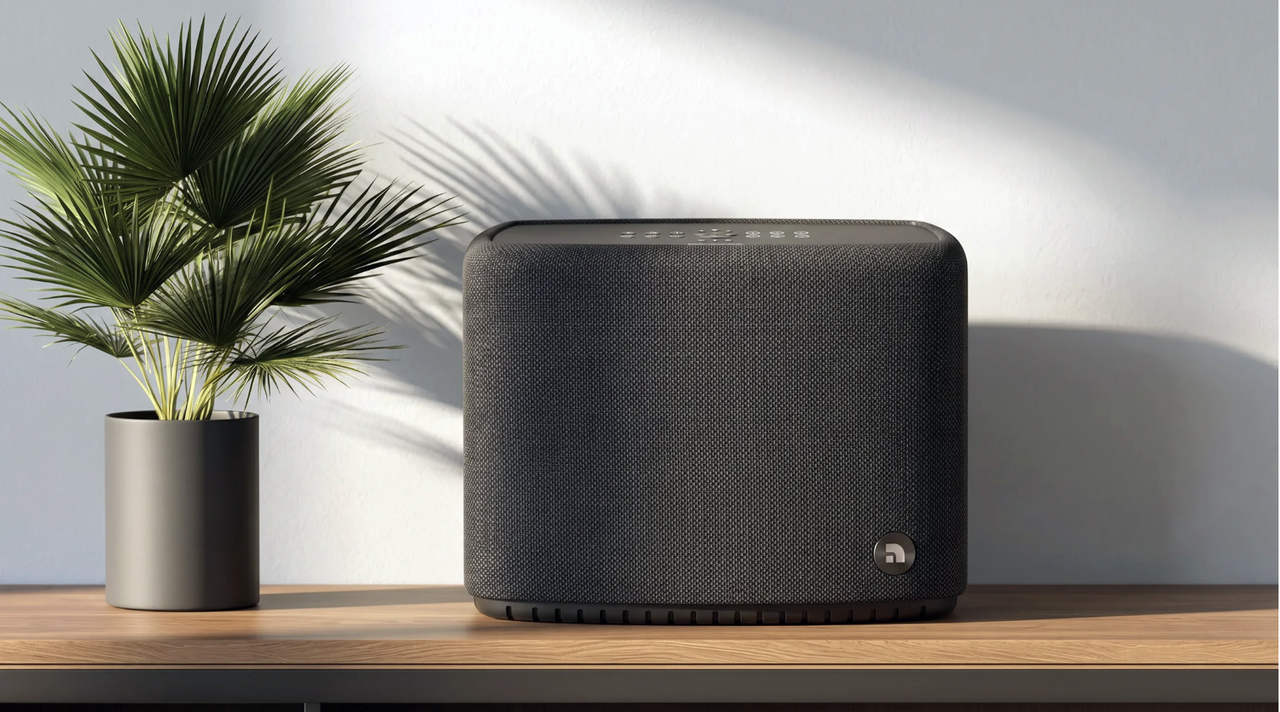
The PSB iQ2 active wireless stereo speaker system is on sale now. In the United States it sells for $1,399 — unless you like the walnut veneer finish, in which case it'll set you back $1,499. The equivalent in the United Kingdom is £1,199 / £1,299. The pricing is yet to be confirmed for Australia, but you’re probably looking at AU$2299 / AU$2499 or thereabouts.

There is neither the time nor the space to reel off all the very many excellent products that PSB is going up against at this price.

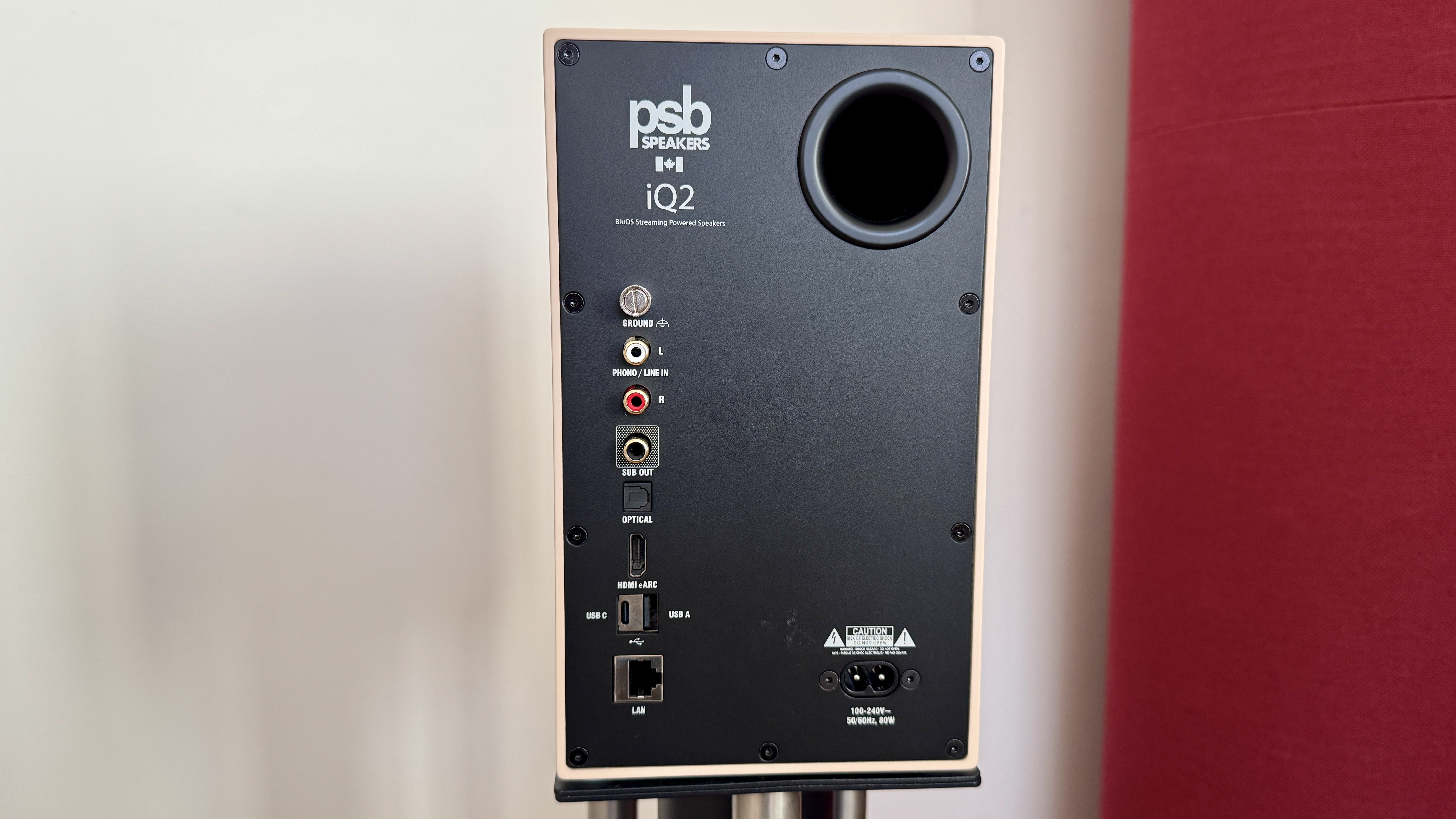
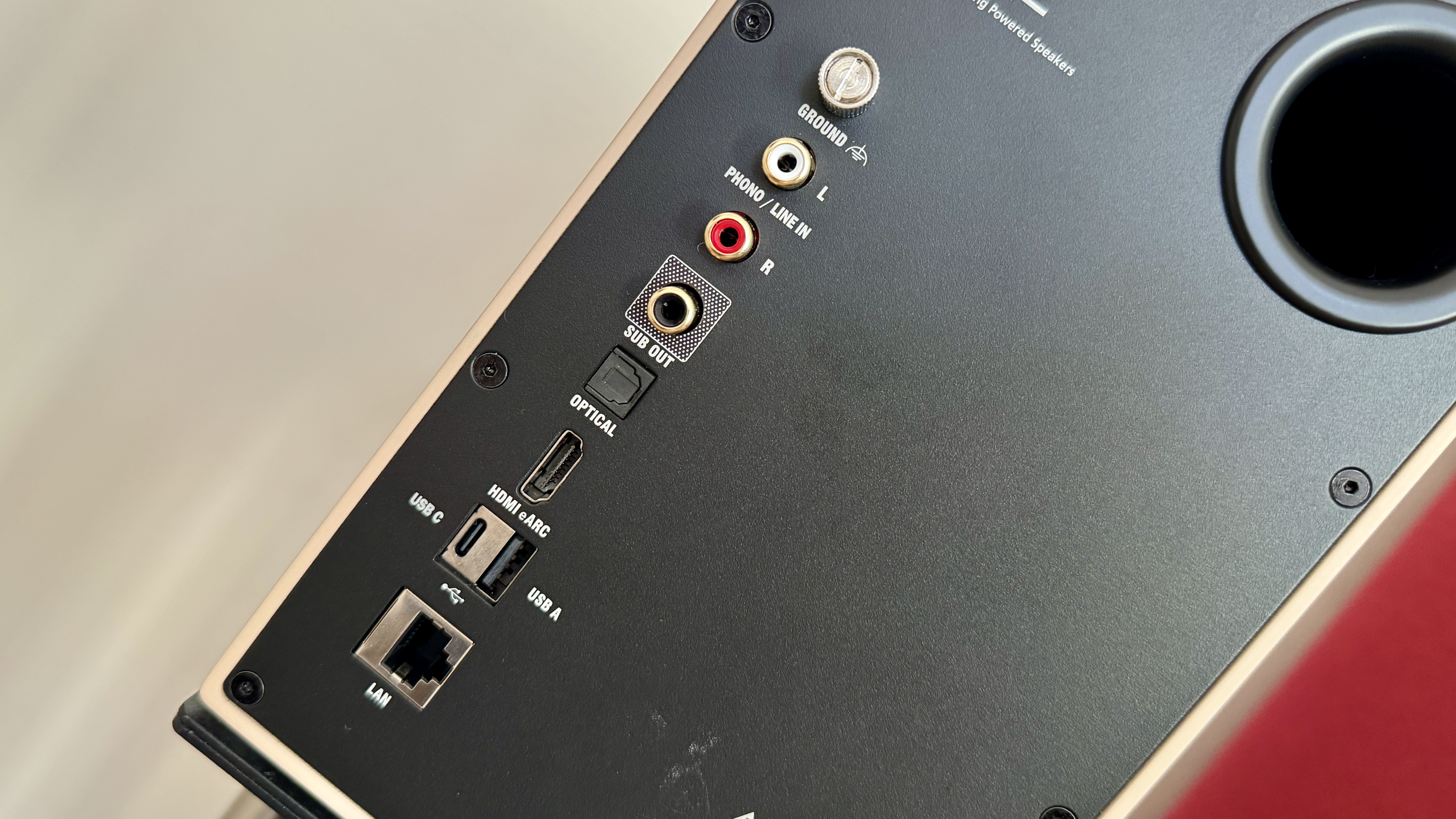
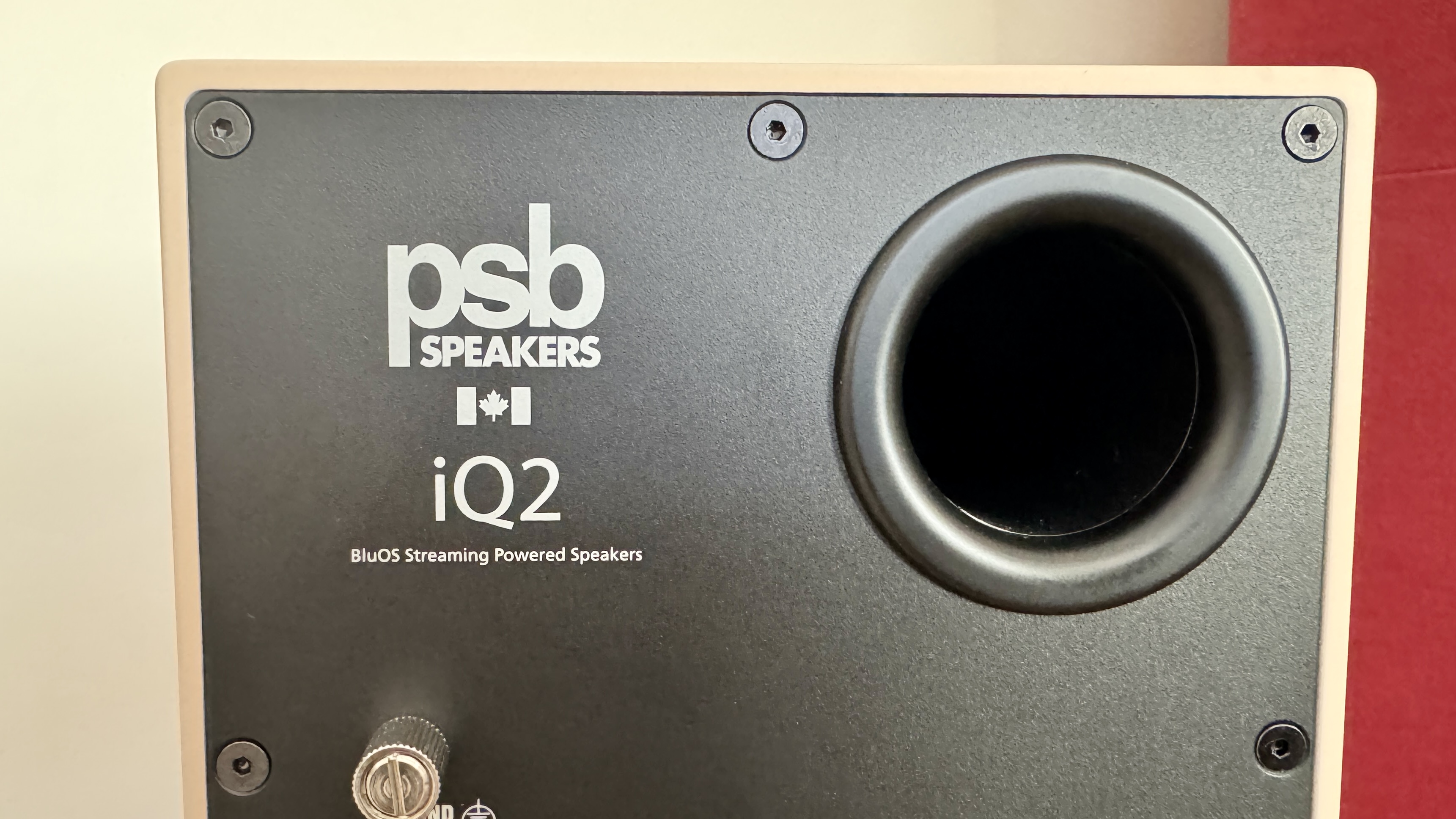
Rear panel of the PSB iQ2 stereo speaker system.

(Image credit: Future / Simon Lucas)

PSB iQ2 review: Features

  • 19mm aluminum dome tweeter, 100mm mid/bass driver
  • 24bit/192kHz DAC
  • Wireless and wired inputs

It’s compact, yes, but PSB's iQ2 has found enough space to ensure it's equipped to justify the asking price. No aspect of its specification is underpowered.

Getting your audio information on board in the first place can be done in a number of different ways. All physical inputs are on the rear panel of the ‘primary’ speaker. It has sockets for HDMI eARC, digital optical, USB-C, USB-A and a moving magnet phono stage on RCAs for use with a turntable (this input is switchable to line level in the control app). There’s also a pre-out for connecting to a subwoofer.

The wireless stuff is covered off by Bluetooth with aptX Adaptive codec compatibility. The iQ2 is compatible with the BluOS eco-system, which means wireless access to every worthwhile music streaming service, internet radio and any content you may have stored on a device connected to the local network.

Once it’s on board, the digital stuff is handled by a 24bit/192kHz digital-to-analog converter before it’s handed over for amplification — the analog stuff, of course, is passed straight through. There are 270 watts of TI Burr Brown-derived Class D amplification to power the driver array — 45 watts for each 19mm aluminum dome tweeter, and 90 watts for each 100mm mid/bass drivers. The latter, mildly unusually, are positioned above the former. This is an arrangement that, suggests PSB, is good for a frequency response of 64Hz - 20kHz.

  • Features score: 5 / 5

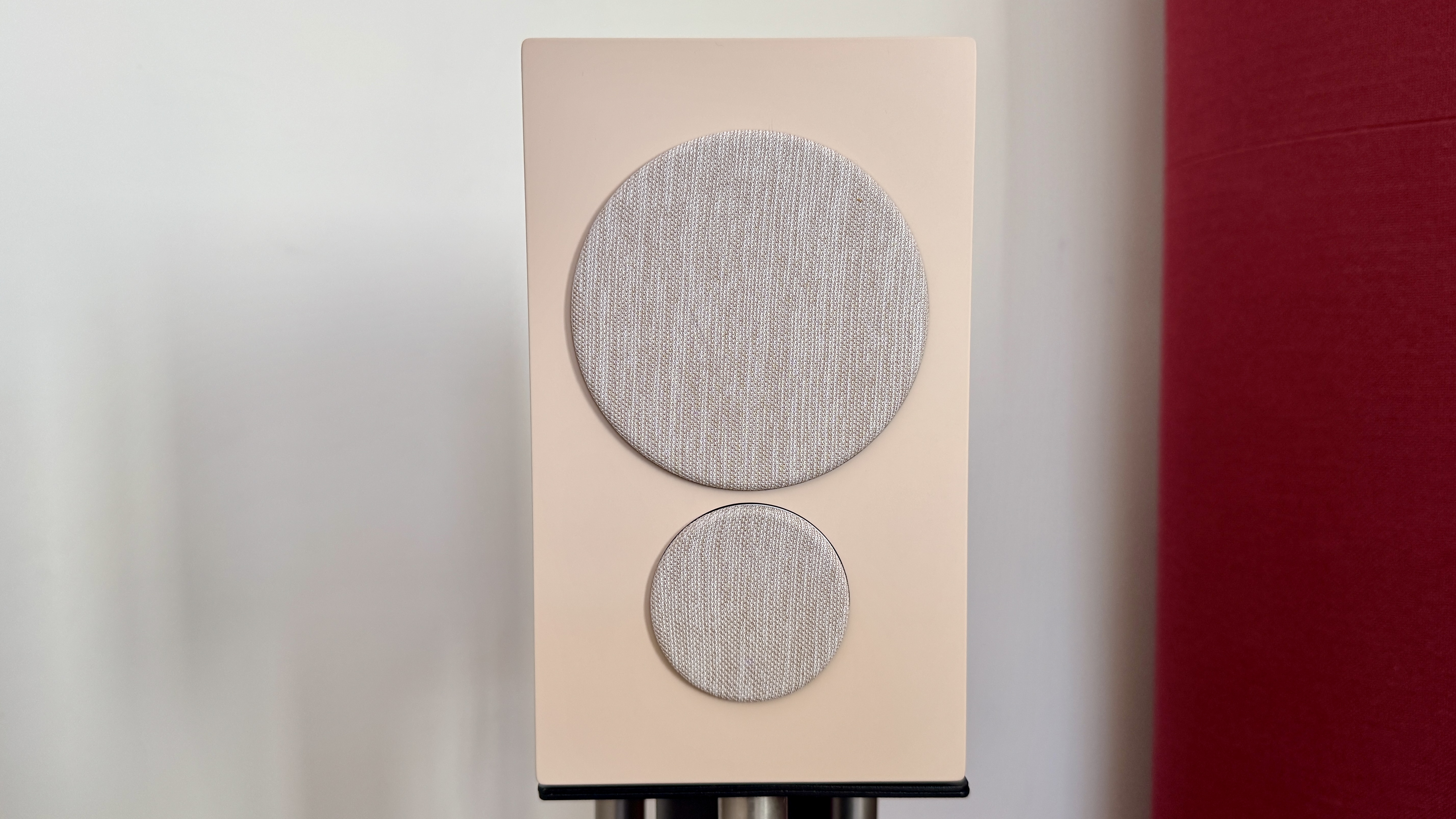
PSB iQ2 stereo speaker, on a metal stand.

(Image credit: Future / Simon Lucas)

PSB iQ2 review: Sound quality

  • Lively and informative sound
  • Well-organized soundstage but not the largest
  • Sounds dull via its phono stage

There are caveats here, and they concern the out-and-out scale of sound the PSB is capable of generating (or not), and the efficacy of its phono stage. But it’s probably best to start with the things the iQ2 gets — there are more than one or two.

With a Tidal-derived stream of Geese’s Getting Killed playing as a 24bit/44.1kHz FLAC file, the iQ2 is an energetic, engaging listen with a stack of pertinent observation to make where tone, timbre and basic detail retrieval are concerned. It maintains a nicely even-handed tonality, neither adding to nor subtracting from the organic heat of the recording. At every turn, it is attentive to even the finer details of texture and harmonic variation.

It sounds very much like it extends further down the frequency range than PSB is claiming, and when it’s down there it punches with well-controlled determination (as well as no little variation) and has no problems expressing rhythms believably as a result.

Frequency response is equally well judged, so when the system modulates from low end to midrange there’s no apparent step change. Then, once it's there, the iQ2 invests voices with plenty of character and emotional attitude, as well as revealing the finer details of technique. Move up again into the highest frequencies and, though the PSB is not the most substantial where treble sounds are concerned, it manages to describe shine and bite without becoming hard or glassy. The DSP-assisted crossover occurs at around the 3Khz mark, but it’s basically imperceptible.

There’s a fair amount of dynamic headroom available, so as well as having the grunt to play good and loud, the iQ2 breathes deeply enough to put worthwhile distance between the quieter moments of a recording and the points of greatest intensity and attack. And it can manage these transitions without audible stress or compression, which is not something you can automatically say about some of its nominal rivals.

The soundstage it creates is well defined and properly organized, so even complex recordings are laid out coherently. It’s not the most expansive soundstage you ever encountered, though. These are small-ish cabinets featuring small-ish drivers, and quite obviously there’s a limit to the scale of sound you’re entitled to expect. Got a great big room you want to fill with sound? You’ll be needing bigger speakers than these.

And it’s definitely worth noting that the above applies to most, but not all, of the iQ2’s inputs. It can, inevitably, sound a little squashed when streaming via Bluetooth — this is hardly unheard of, even in systems costing plenty more than this. Yet the integrated phono stage is an authentic disappointment. It gives away the bulk of the vibrant, energetic attitude the system displays through all of its other inputs and replaces it with an altogether more pedestrian, vanilla alternative. No turntable = no problem, of course, but if you have a record player you’d like to use, try and hear the PSB’s phono stage before you commit to spending any money…

  • Sound quality score: 4 / 5

Rear panel of a PSB iQ2 sound system speaker

(Image credit: Future / Simon Lucas)

PSB iQ2 review: Design

  • 246 x 145 x 192mm (HxWxD)
  • Choice of seven finishes
  • Rear-firing bass reflex port

If a significant part of the appeal of systems like this is their relatively discreet nature, then PSB is onto a winner with the iQ2. Even by prevailing standards it’s notably compact at 246 x 145 x 192mm, and as long as you give each cabinet’s rear-facing bass port a little breathing space then it’s very adaptable and flexible when it comes to positioning.

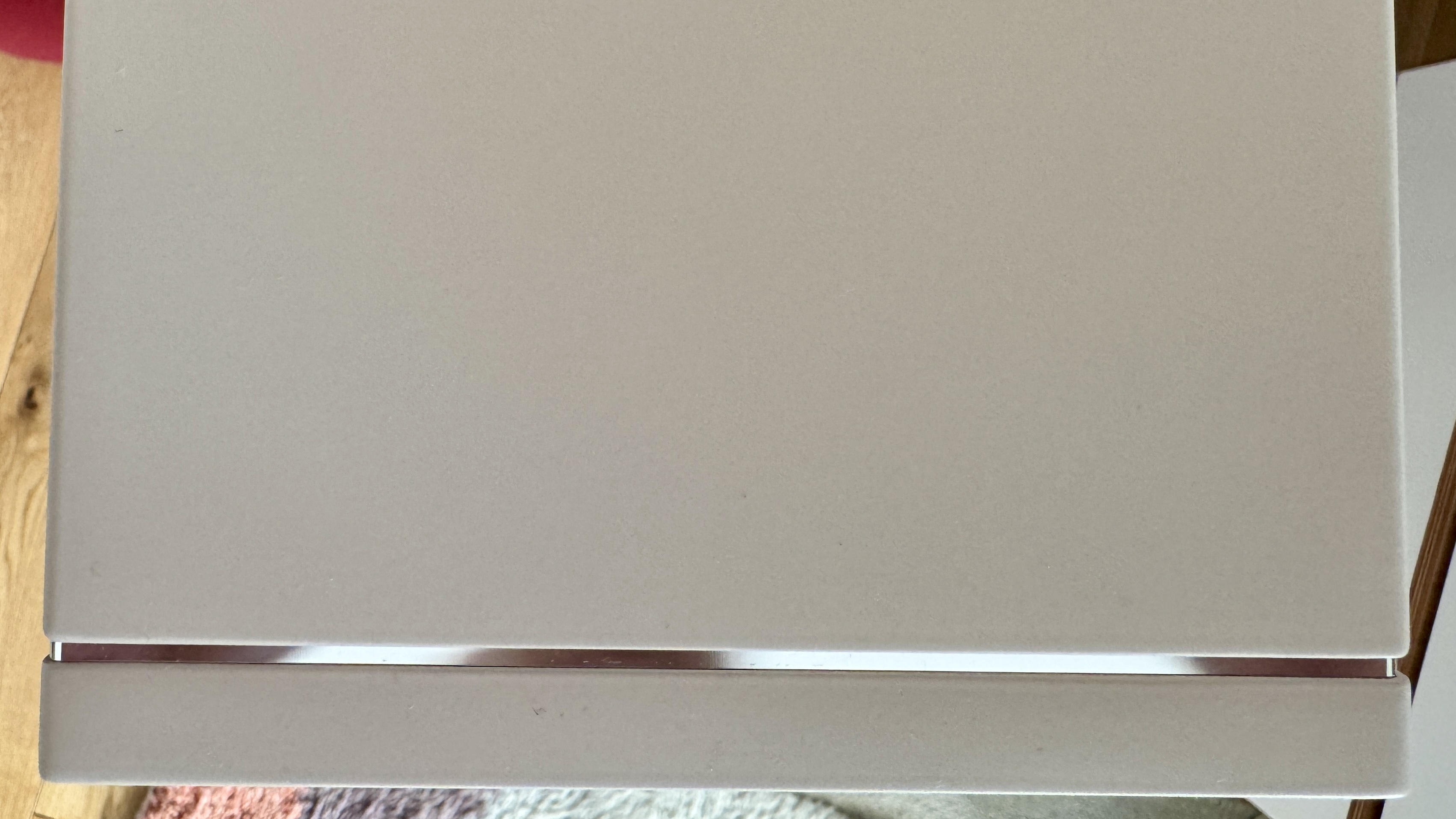
As is generally the case with PSB, the standard of build and finish that’s on display here is more than acceptable. The cabinet edges are crisp and clean, and the combination of MDF and aluminum used in the construction allows the speaker to be fairly light (7.4kg per pair) but notably robust. The main sleeve is of MDF, the rear panel is of aluminum, and the front baffle (which is separated from the main body by a slim slice of brightwork) is MDF on aluminum.

There are seven available finishes, which means there really ought to be something to suit your interior design choices, but I can’t help thinking I got the short straw with my review sample's ‘sandstone’ beige. It’s a rather insipid and non-committal color. I haven't seen them but I’d suggest that any of the black, white, ‘boreal’ green, ‘granite’ gray, ‘ember’ red or (cost option) walnut veneer alternatives are likely to be preferable.

For me, anyway, the fact the iQ2 is supplied with four little magnetically attached grilles that cover only the drivers rather than the entirety of the front baffle is probably a good thing. Unless you’re actually trying to disguise the colour of the speakers in the first place…

  • Design score: 5

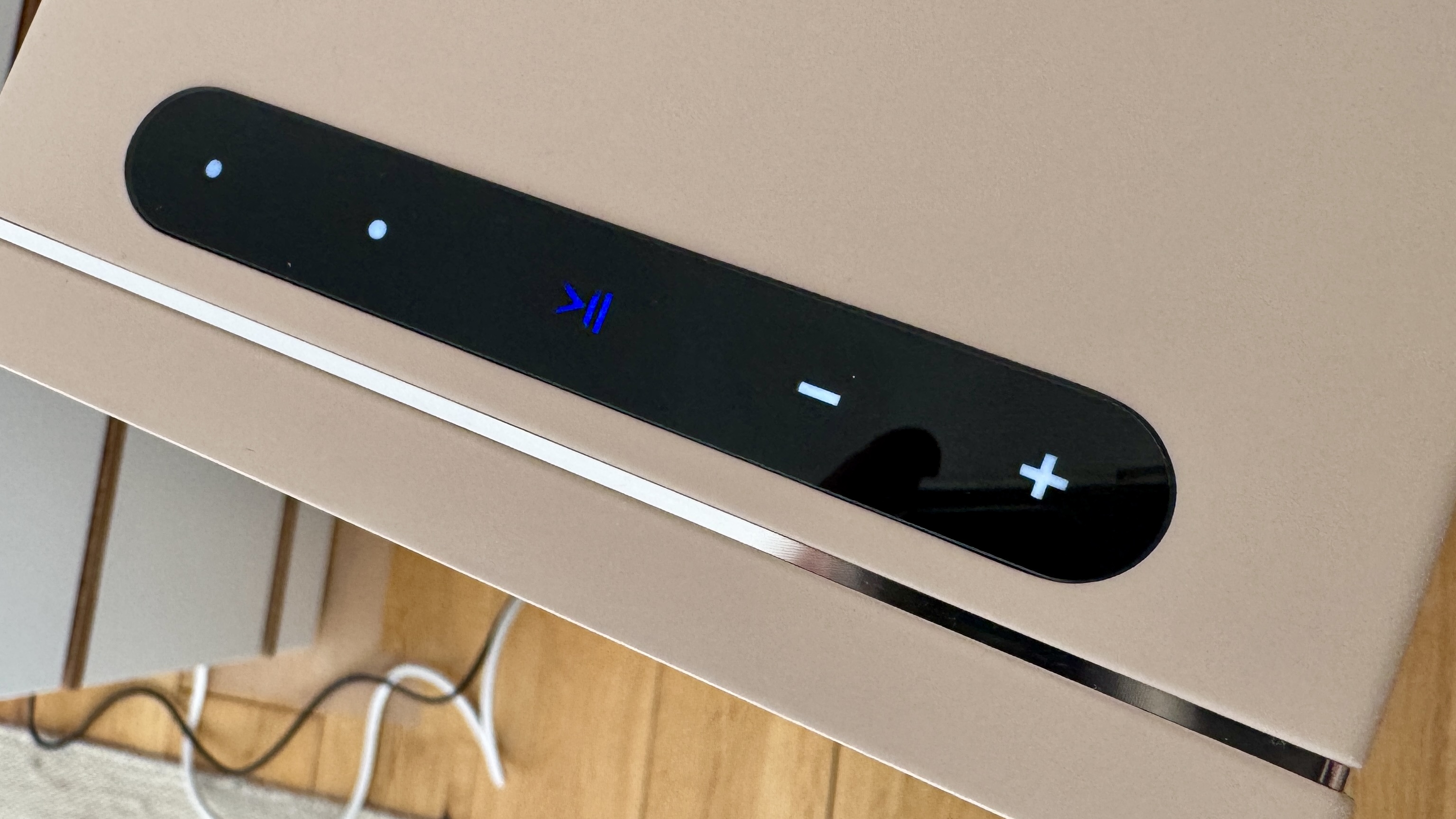
Top panel showing illuminated capicative buttons on the PSB iQ2 speaker system.

(Image credit: Future / Simon Lucas)

PSB iQ2 review: Usability & setup

  • BluOS control app
  • A few physical controls
  • Easy to create a multi-channel or multi-room system

The primary speaker, the one with all the physical and wireless connectivity, also features a few capacitive (and illuminated) touch controls on its top panel. They’re useful if you happen to be passing, but of much more wide-ranging use is the BluOS control app.

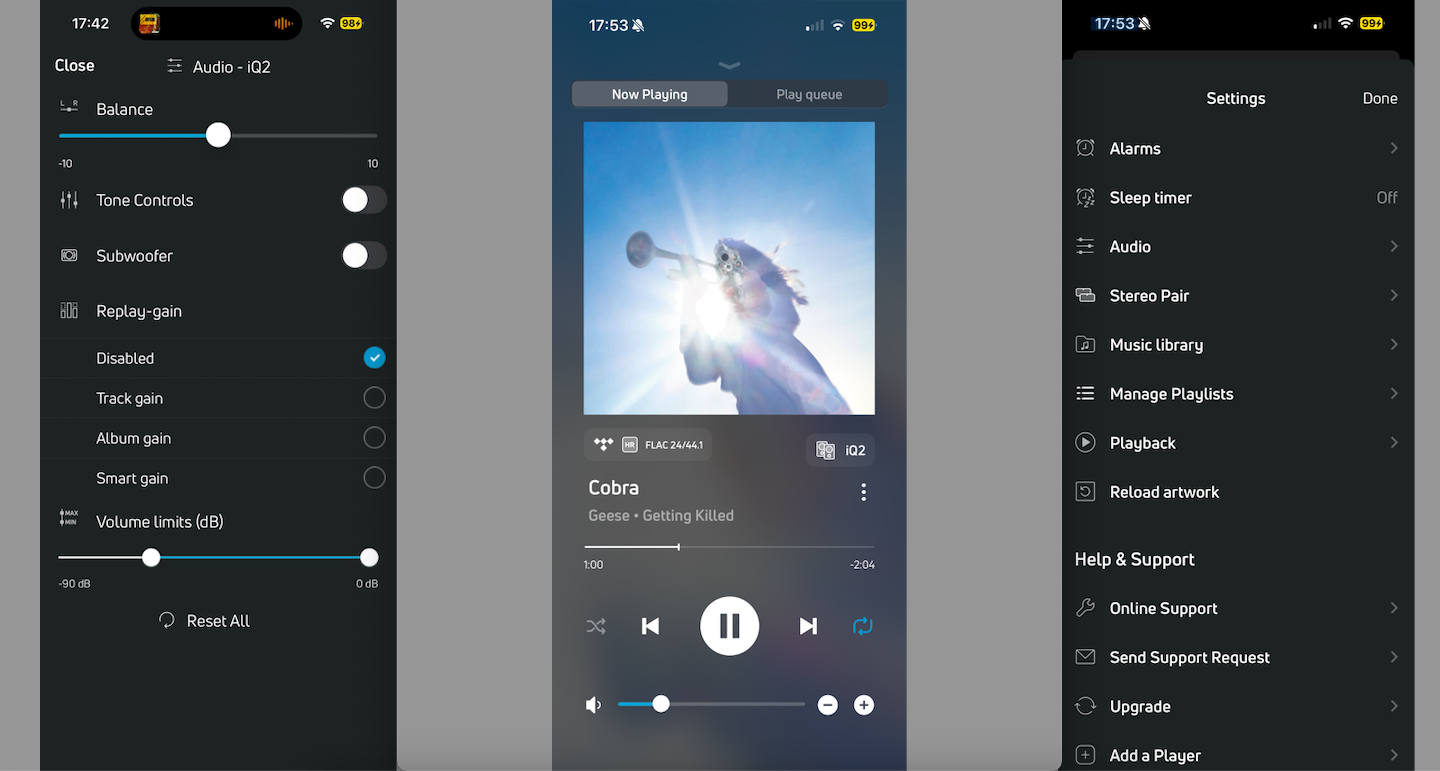
BluOS is an increasingly popular control and management interface, one that’s been adopted by quite a number of manufacturers, and it’s easy to see why. It’s a clean, clear and stable interface, logical in navigation and extensive in its functionality.

Everything you need, from initial set-up — telling the primary speaker if it’s the left or right channel, for instance — and EQ control to establishing a multi-channel or multi-room system using any BluOS-compatible product, can be taken care of from here. Integrating your favorite music streaming service(s), accessing internet radio, checking for updates, so on and so forth — they're all here.

A great operating system is not, in and of itself, a reason to buy a wireless speaker system but it certainly makes it easier when you’re making your mind up.

  • Usability & setup score: 5 / 5

Tryptic of screenshots showing the BluOS control app for the PSB iQ2 speaker system

(Image credit: Future)

PSB iQ2 review: Value

  • Great specification
  • Very acceptable build and finish
  • Energetic sound

Just because you don’t get a whole lot in physical terms, doesn’t mean the PSB iQ2 doesn’t represent very decent value for money.

The specification is good, the operating system is better still, the standard of build and finish is very acceptable indeed — and best of all, the sound is energetic and engaging through all but one of the input options.

If you want nicely poised and enjoyable sound from a system that won’t dominate your room, there’s authentic value to be had here.

  • Value score: 4.5 / 5

Rear panel of the PSB iQ2 stereo speaker system

(Image credit: Future / Simon Lucas)

Should I buy PSB iQ2?

PSB iQ2 scorecard

Attribute

Notes

Score

Features

No aspect is underpowered; 19mm aluminum dome tweeter, 100mm mid/bass driver, 24bit/192kHz DAC

5 / 5

Sound quality

Lively, informative and well organized; but sounds dull via phono stage

4 / 5

Design

Choice of seven finishes; crisp and clean edges; notably robust

5 / 5

Setup & usability

Excellent BluOS control app; easy to create a multi-channel or multi-room system

5 / 5

Value

Authentic value to be had, with good specification and even better control app; phono stage just a little lacking

4.5 / 5

Buy them if…

You want a comprehensive little speaker system
PSB has managed to cram a lot into what are very compact speaker cabinets.

You have interior decor that requires complementing
My review sample looks a bit weird, but the other six finishes are very nice.

You’re considering multi-room and/or multi-channel listening
BluOS is supported by a lot of brands and they can all join in with your system.

Don’t buy them if…

You have a big space you want to fill with sound
Here’s where I say something profound about the laws of physics…

You want to use vinyl as a primary source
The phono stage is the least effective of the iQ2’s inputs.

You haven’t shopped around
In isolation the PSB is a great little system, but in practice it has some stiff competition.

PSB iQ2 review: Also consider

KEF LSX II
The KEF LSX II is a little larger than the PSB iQ2, and it sounds it — and it’s arguably a more complete, better-balanced listen, too. The industrial design is, to my eyes at least, also more interesting. But while its control app is perfectly adequate, it’s not a patch on the BluOS app the iQ2 is running…

How I tested the PSB iQ2

Top-down image of the PSB iQ2 stereo speaker system

(Image credit: Future / Simon Lucas)

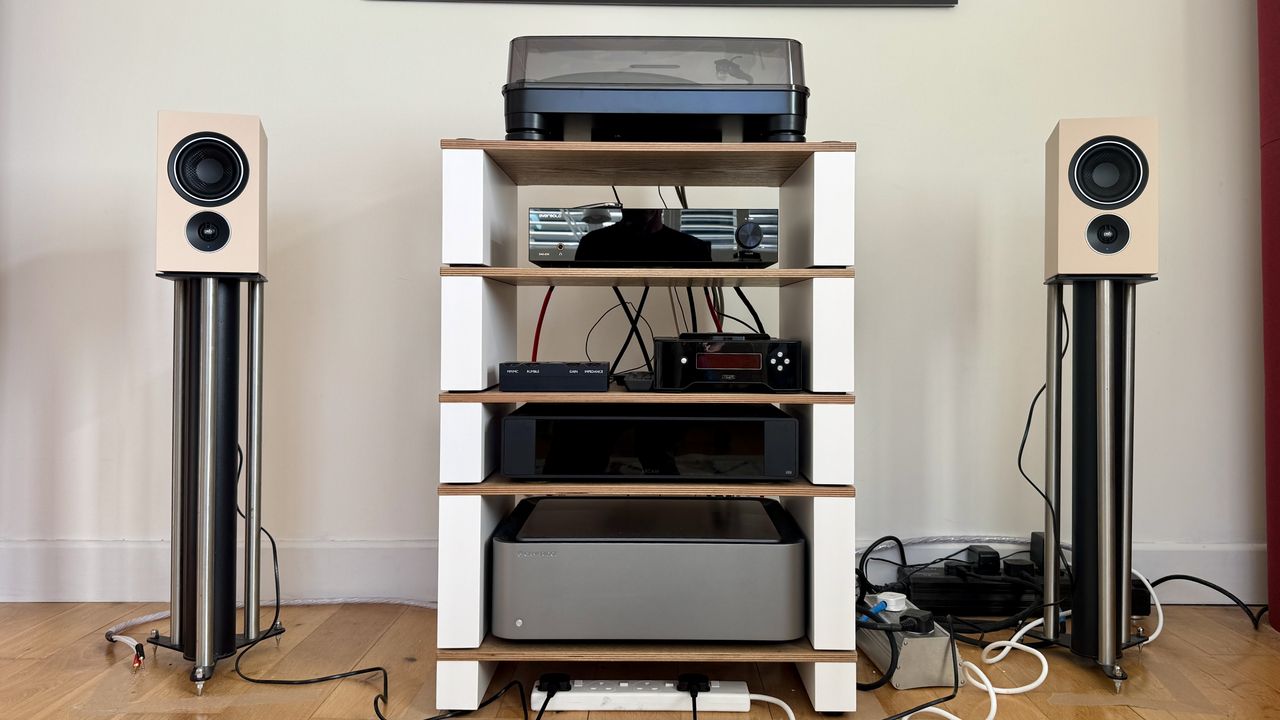
I put the iQ2 on some Soundstyle speaker stands for the majority of this test — from there they were attached to a turntable and a CD player (via the phono input and the digital optical input respectively), as well as streaming via Bluetooth and from Tidal using the BluOS app.

I also tried them on a shelf for a while, and listened purely wirelessly, but because my shelves are positioned in the traditional way, it was quite difficult to get the rear bass reflex ports far enough away from a rear surface…

Sonos is finally improving its app — but it's not moving fast enough, so people are building new alternatives to solve big gripes about home theater setups and more customizable sound

  • People continue to build alternative Sonos apps with features Sonos hasn't offered
  • Recent creations include customizable room correction that works with front surrounds
  • Most aren't widely available, and are being shown in invite-only betas

In the last few months, Sonos has finally moved on from fixing its app's tech issues to improving it with new navigation and adding some useful new techy features, such as a key new network troubleshooting option.

But many Sonos users are just tired of waiting for long-requested features — such as the ability to add front surround speakers — so they're building their own alternatives instead.

We covered some user-created apps to improve the Sonos ecosystem not too long ago, and the list of available options continues to grow.

More Sonos apps than you can shake a soundbar at

First up there's "the app Sonos should have made" according to its creator: Somos InControl. It's an iOS remote for Sonos home theater products with custom EQ, saveable sound presets, surround height levels and music features too.

The big draws here are that it supports adding front left and right surround speakers, and the ability to save EQ options for different use cases — the example screen shot has slightly tweaked sound for 5.1 surround versus Dolby Atmos versus music listening that you instantly switch between. It's an Apple TestFlight work in progress so availability is limited, but it looks very impressive.

The app Sonos should have made. Try it for free. from r/sonos

Moosic is a self-hosted music server app that offers an alternative to Trueplay's room tuning, with the always-welcome ability to display charts of the room correction, plus more customization options for the tuning.

It also enables you to switch your Sonos configuration — such as switching a pair of Era 300s from working as rear speakers to working as stereo music speakers — but to keep separate room-tuning profiles for each configuration, which again is something Trueplay doesn't offer.

If you're wondering why not just use TruePlay, creator AffectionateFox5907 explains: "Sonos does not provide a way to switch between home theatre and music setup seamlessly. My app does, but as part of that I lose Trueplay. When you unbond and rebond a speaker, each time it will lose its Trueplay configuration. My app basically builds a better Sonos app that adds features I've been wanting for a while without having to have a bunch of different apps. This now works with multiple subs and should work with fronts added as well."

One of the big downsides of using third-party apps that add front surrounds is that it disables Trueplay, so this is a win for people coloring outside the usual Sonos surround lines.

It also looks ideal for anyone who's found using their home theater for music to be a bit of a pain, and there are plenty of people who do: there's a whole Reddit thread asking for a simple switch between movie mode and music mode without having to reconfigure your system every time you do it.

I built my own version of "Trueplay" from r/sonos

Last but not least, MajorAtmosphere has created Kyuu (pronounced "queue"), an iOS Sonos controller that enables you to use UPnP for local files, which the Sonos app doesn't support.

As they explain: "Kyuu runs a lightweight local server that handles speaker discovery via SSDP, polls playback state, and sends commands directly to your speakers. The iOS app talks to that server over your LAN — no cloud, no Sonos account, no external dependencies."

I built a local-first Sonos controller iOS app using the UPnP API — no account required [Beta] from r/sonos

I'm an audio obsessive and gigging musician, and these are the 5 best Bluetooth speakers we've tested in 2026 — from portables to party speakers and everything in between
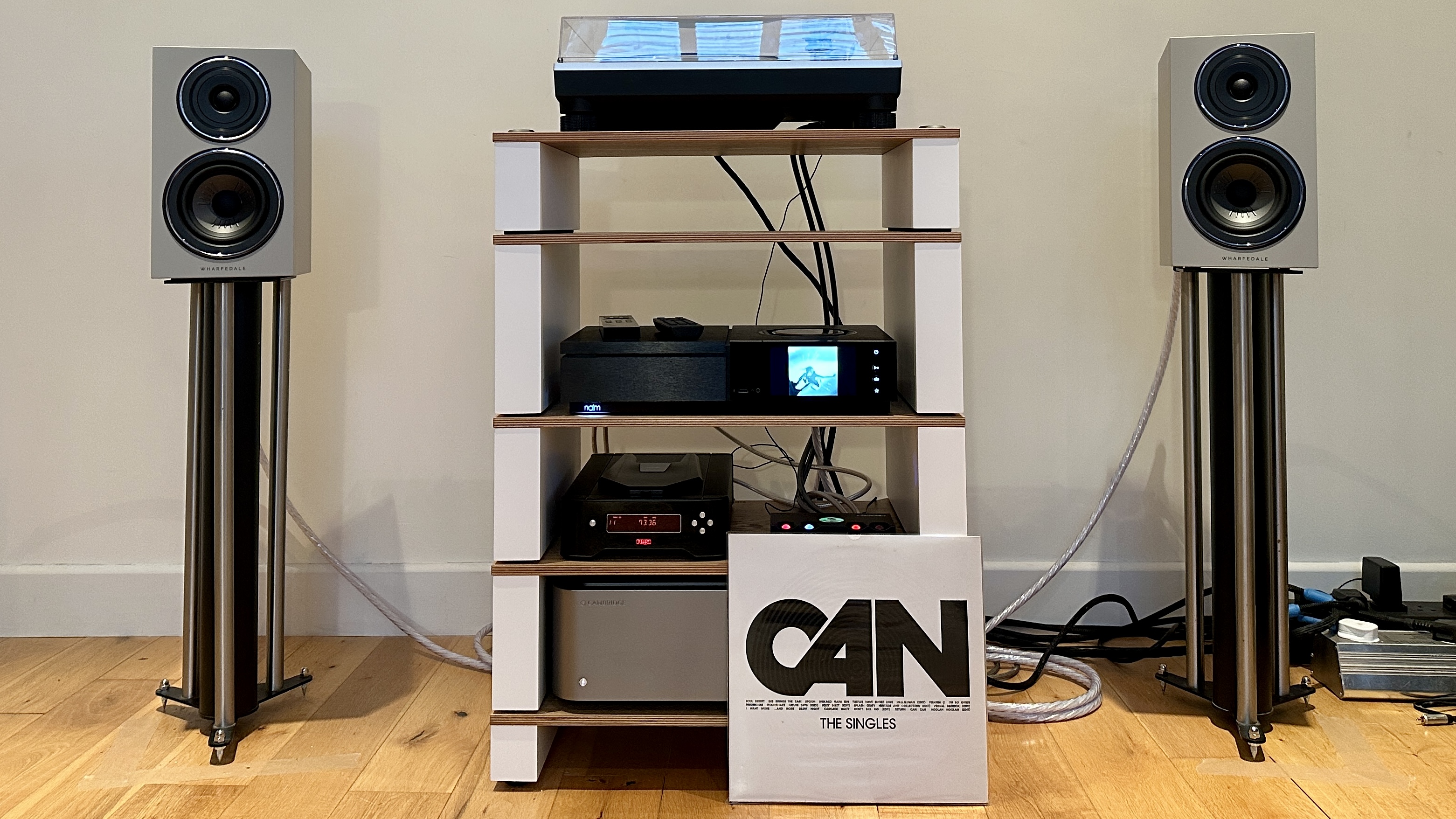
The best Bluetooth speakers get better every year: we get improved batteries to supply even more sonic stamina, wider connectivity, and a dizzying range of designs. The market is so competitive that 'good enough' just isn't good enough to stand out any more, and that means the speakers launched and launching in 2026 are often exceptional.
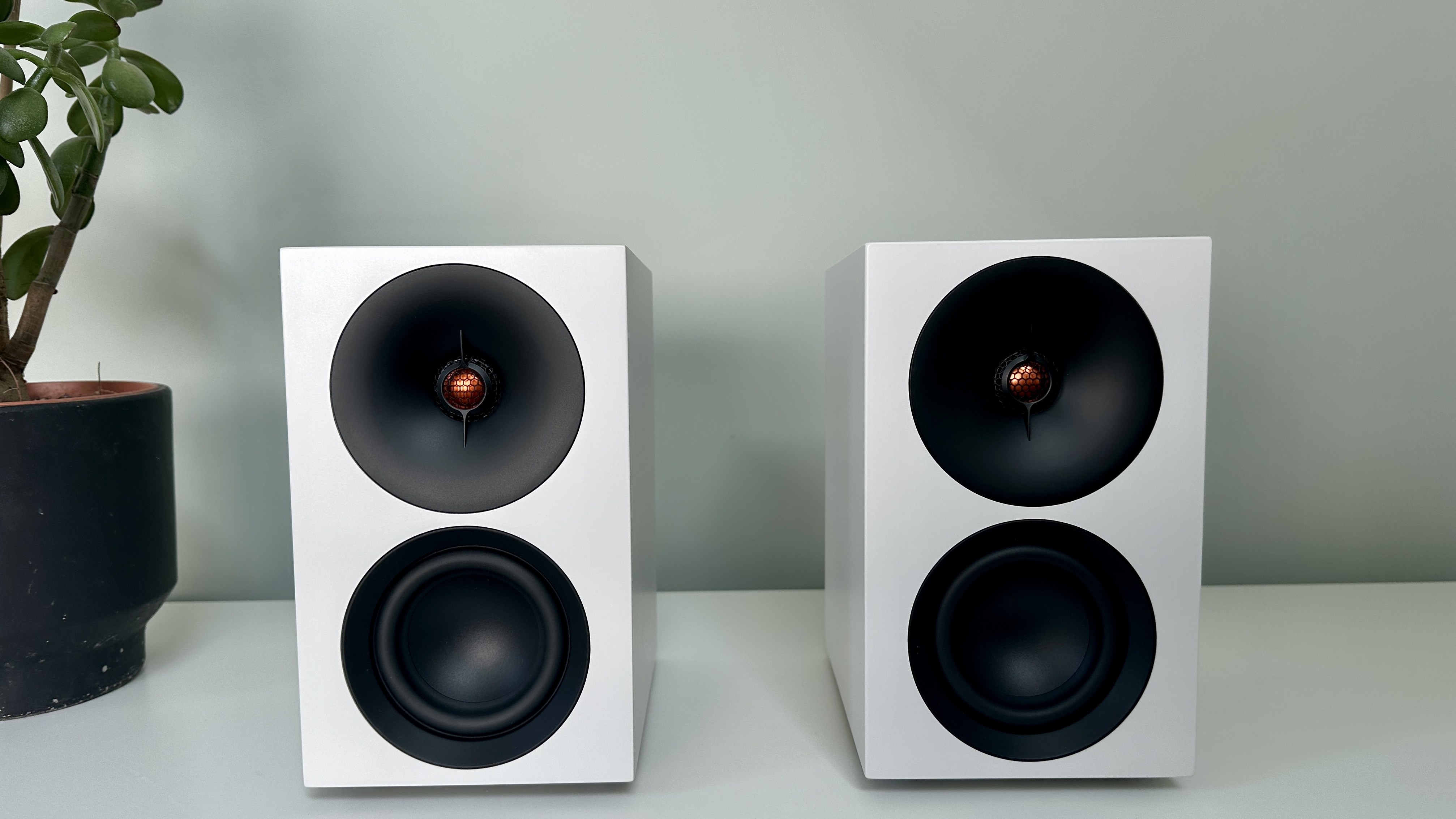
The first six months of 2026 have been great for audio fans, with a range of very good portable speakers to cover pretty much every niche. There are ridiculously loud party speakers that'll annoy your neighbors, tiny portables that are perfect for podcasts, small speakers that are ideal for when you're showering and go-anywhere, play-anything portables for the great outdoors. And we've tested a ton of them with in-depth reviews.
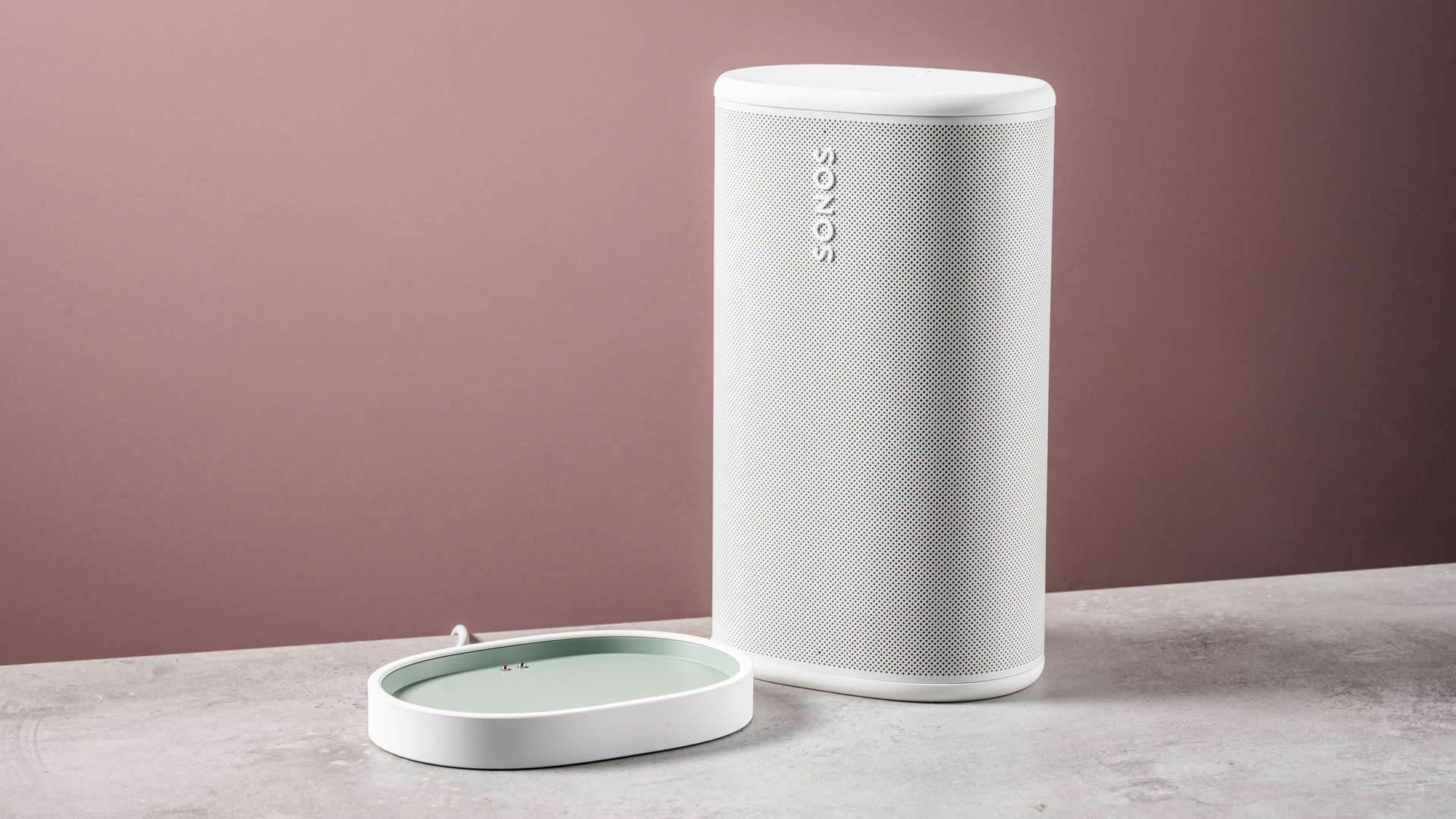
So I've picked out the five top Bluetooth speakers we've review so far in 2026, now that we're half-way through the year. The products I've picked here aren't the only Bluetooth speakers launched in 2026 by any means — for example, there was IKEA's 10-dollar Kallsup speaker, which is so cheap you can buy stacks of them to make a musical pyramid, which we also tried. I also haven't featured stationary wireless speakers that may include Bluetooth, but tend to be more focused on Wi-Fi — we're all about the portable options here.

I've picked my top five based on our in-depth testing, their price tags and how well I think they'll fit into most people's lives.

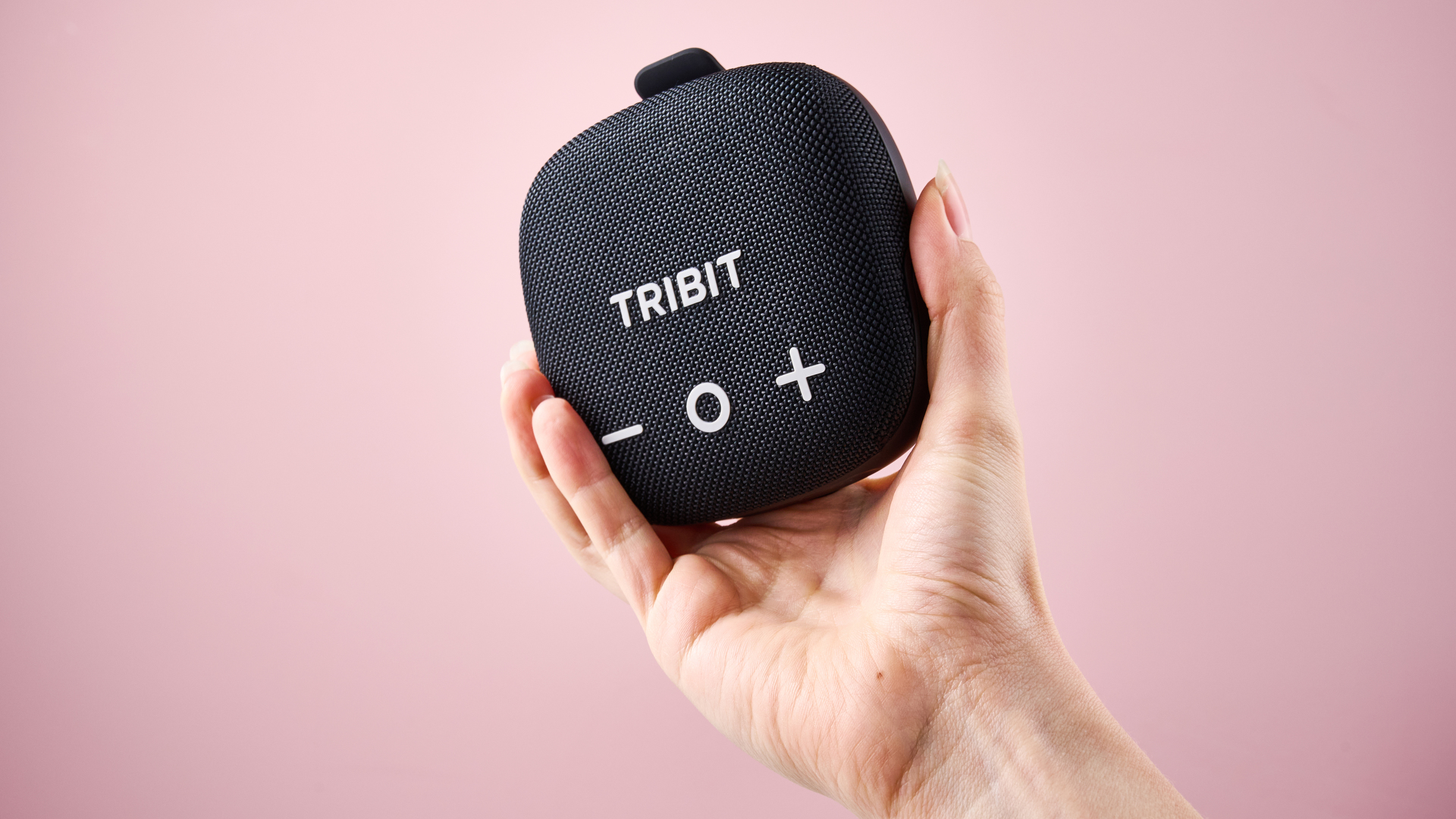
5. Tribit Stormbox Micro 3

  • List price of $64.99 / £62.99 (about AU$130)
  • Released in April 2026
  • Rating: 4.5 / 5

A woman's hand holding up the Tribit Stormbox Micro 3 in front of a pink background.

(Image credit: Future)

The budget Bluetooth sector is absolutely jam-packed with affordable options, but it's hard to beat the Tribit Stormbox Micro 3: it's super-cheap even at full price, and it's frequently discounted from the launch price of $64.99 / £62.99 (about AU$130).

With 24 hours of battery life, a solid build and IP68 dust and water resistance it's a great go-anywhere speaker, and while its single 48mm driver is small, it's surprisingly punchy, with impressive bass for such a compact design. We really like the sound the Micro 3 delivers: it's a good all-rounder for music, podcasts and audiobooks.

Read our Tribit Stormbox Micro 3 review

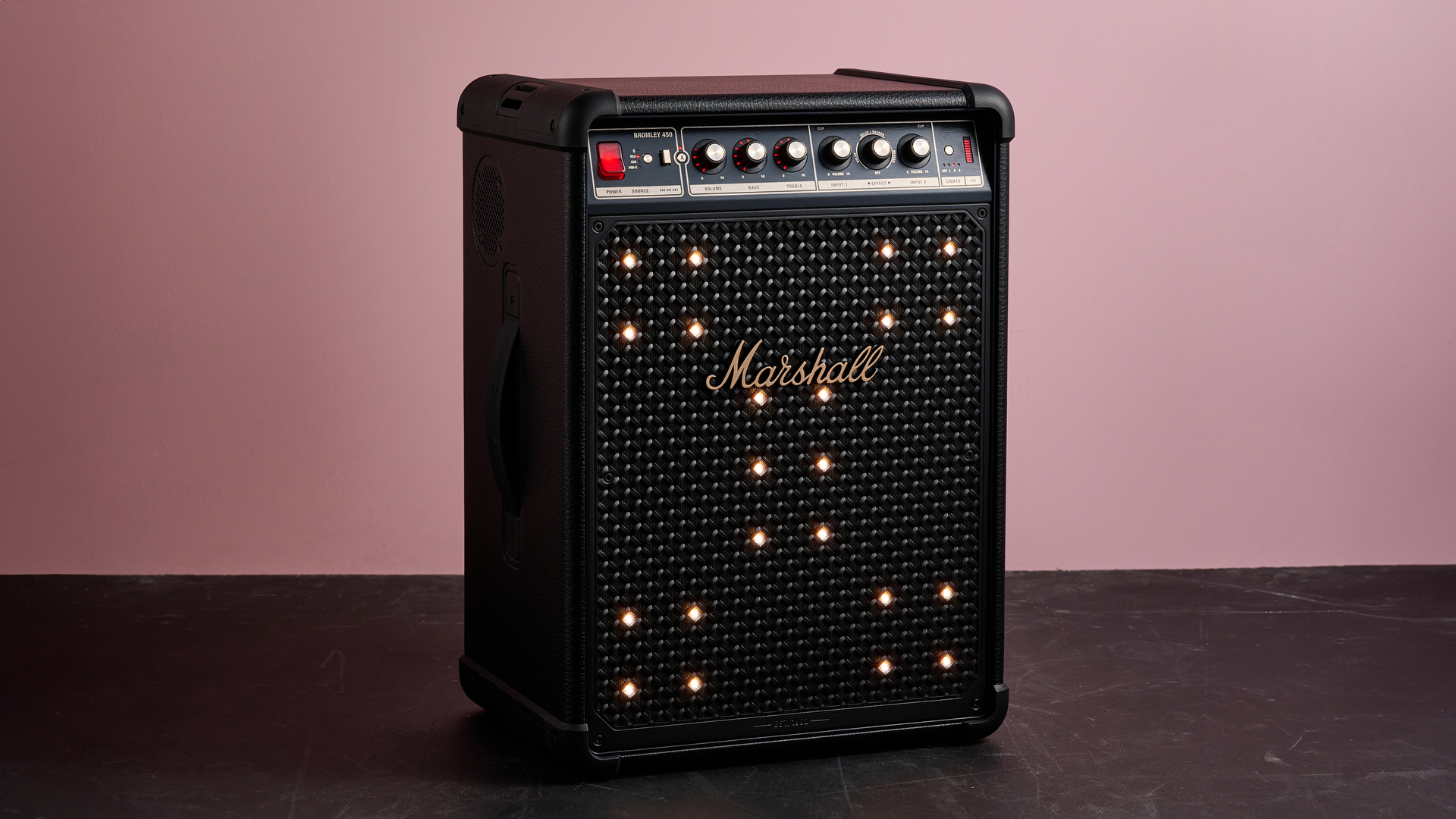
4. Marshall Bromley 450

  • List price of $799.99 / £549.99 / AU$1,079
  • Available from March 31, 2026
  • Rating: 4 / 5

Lights on the Marshall Bromley 450

(Image credit: Future)

The Marshall Bromley 450 is the marginally more sensible member of the Bromley party speaker range: it's considerably cheaper than its very expensive sibling, but still puts out a whopping 400W of Class D amplification — and it can keep playing for over 40 hours, albeit not at full volume. With a list price of $799.99 / £549.00 / AU$1,079 it's still quite expensive, but you're getting a lot of bang for your buck.

In our Marshall Bromley 450 review, we praised its 360-degree audio and noted that you can pair it with a second Bromley over Auracast if 400W isn't shaking the building enough. And as someone who's carried many a Marshall amp up and down venue stairs, I love that it echoes the design of classic Marshall amps and cabinets. Like most of my favorite rock bands it's a little bit ridiculous and enormously entertaining.

Read our Marshall Bromley 450 review

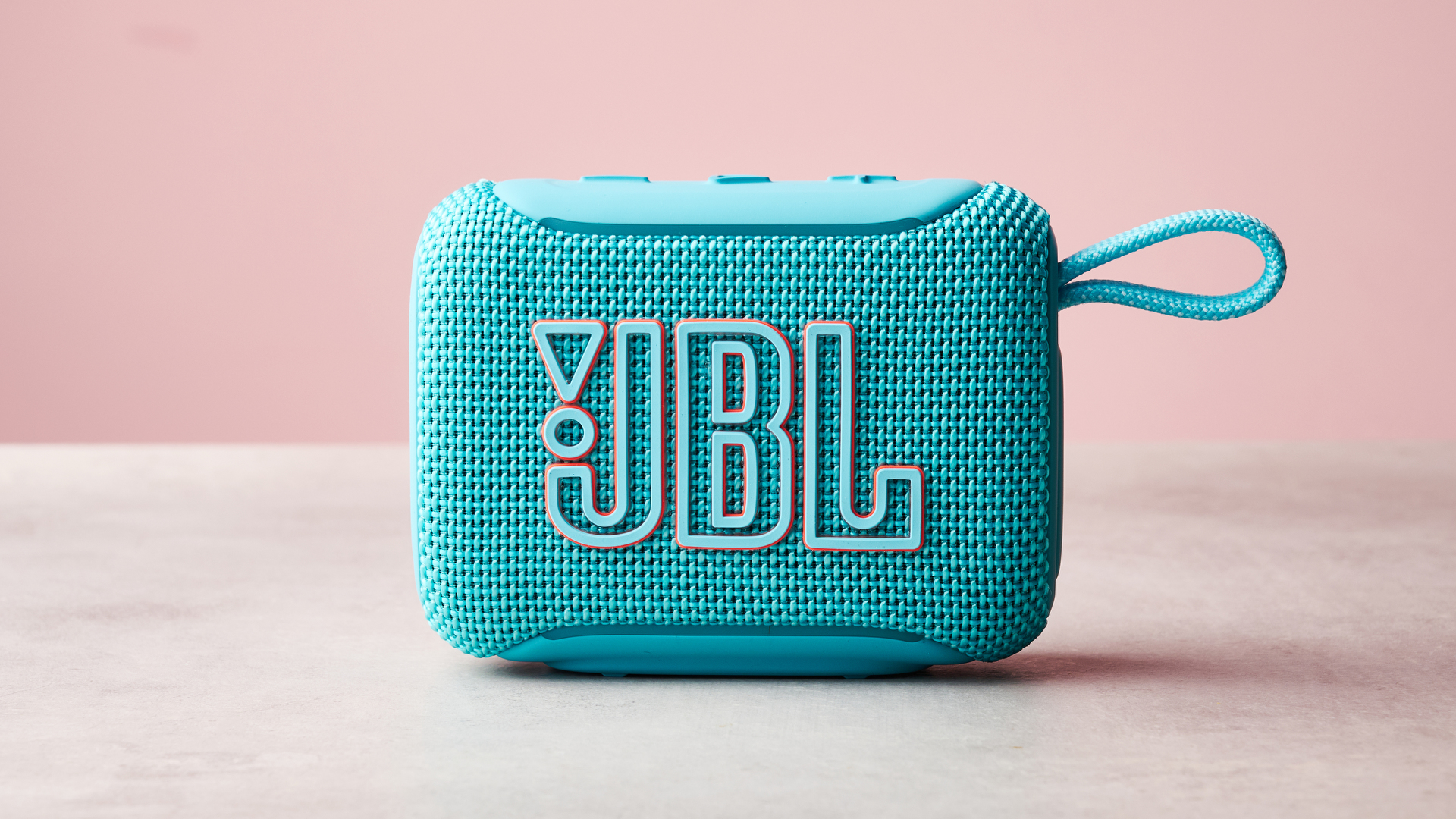
3. JBL Go 5

  • List price of $54.95 / £39.99 (about AU$75)
  • Released in April 2026
  • Rating: 5 / 5

JBL Go 5 with lights off

(Image credit: Future)

JBL is one of the best-known brands in the Bluetooth speaker space, and it consistently delivers very impressive products with equally impressive prices. Last year's JBL Flip 7 and JBL Charge 6 are firm favorites of ours, and this year JBL has updated its cute JBL Go ultraportable.

We gave this new model the full five stars in our JBL Go 5 review, calling it "the best tiny Bluetooth speaker" — while 4.8W output means it's hardly a party speaker, it delivers impressive sound from its tiny case along with attractive edge lighting and a durable, waterproof design. It's one of the best-sounding small speakers we've ever tested.

Read our JBL Go 5 review

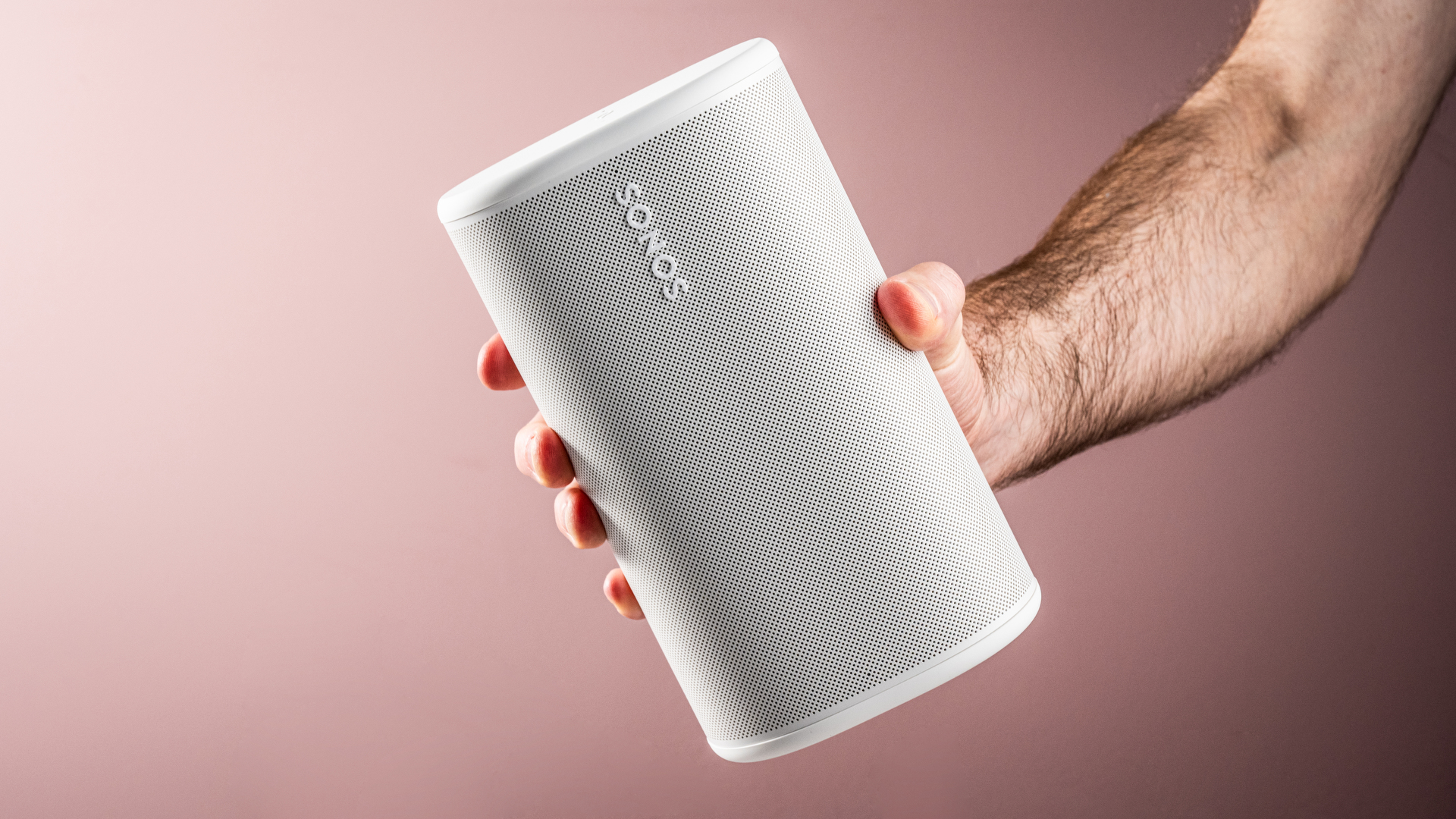
2. Sonos Play

  • List price of $299 / £299 / AU$499
  • Released on March 31st, 2026
  • Rating: 4.5 / 5

The Sonos Play speaker held in a man's hand

(Image credit: Future)

So far we've been focused on Bluetooth-only speakers, but now let's turn to a portable option that can also be used in multi-room setups over Wi-Fi. Sonos is the big brand in that space, and the Sonos Play is a superb new addition to the Sonos range whether you want it to fly solo, take it on your travels, or use it as part of a wider Sonos setup.

It's a little more expensive than rivals, but the Sonos Play delivers powerful and well-rounded audio, has superb streaming support and connectivity including Hi-Res Audio over Wi-Fi, and its USB-C port can be used as an audio input: you can get an adapter that enables you to connect a turntable or other wired audio source.

It delivers up to 24 hours of battery life and sits on a good-looking charging cradle when you don't need to take it places, which means you can grab and go in an instant without unplugging.

Read our Sonos Play review

1. JBL Xtreme 5

  • List price of $399.95 / £329.99 (about AU$560)
  • Launched in April 2026
  • Rating: 5 / 5

Man holding the JBL Xtreme 5

(Image credit: Future)

This beast makes the JBL Go 5 look like it was made for a Lego character. The rugged, chunky and very loud JBL Xtreme 5 is a bit of a beast, delivering mesmerizing bass from its rather hefty frame. It's marginally bigger than its predecessor, but the sound is bigger too.

As we said in our review, "this is how you do an upgrade. This model has more power, more striking sound, lighting for added beauty points, and an even more durable build than last time out." It's also solidly built, reminiscent of the old Nokia phones where if you dropped them, you were more likely to break the ground than your phone.

Dustproof, waterproof and with a long-lasting battery keeping the party going for up to 28 hours, the JBL Xtreme 5 is exceptional — but if it's just a little too heavyweight for you, the 2025 JBL Charge 6 is very good too.

Read our JBL Extreme 5 review

Bose’s chic Lifestyle Ultra speaker works fantastically over Wi-Fi and with surprising height to the sound, which is why the ‘vanilla’ Bluetooth support is a bit of a let down

Bose Lifestyle Ultra Speaker: Two-minute review

It may not always be among the first brands to get a particular type of product to market, but you can usually rely on Bose to have done a proper job by the time it gets around to it. And on paper, that seems to be exactly what’s happened with this new Lifestyle Ultra Speaker — it’s priced and specified to meet the market-leaders head on, and has one or two points of difference to try and make its case even stronger.

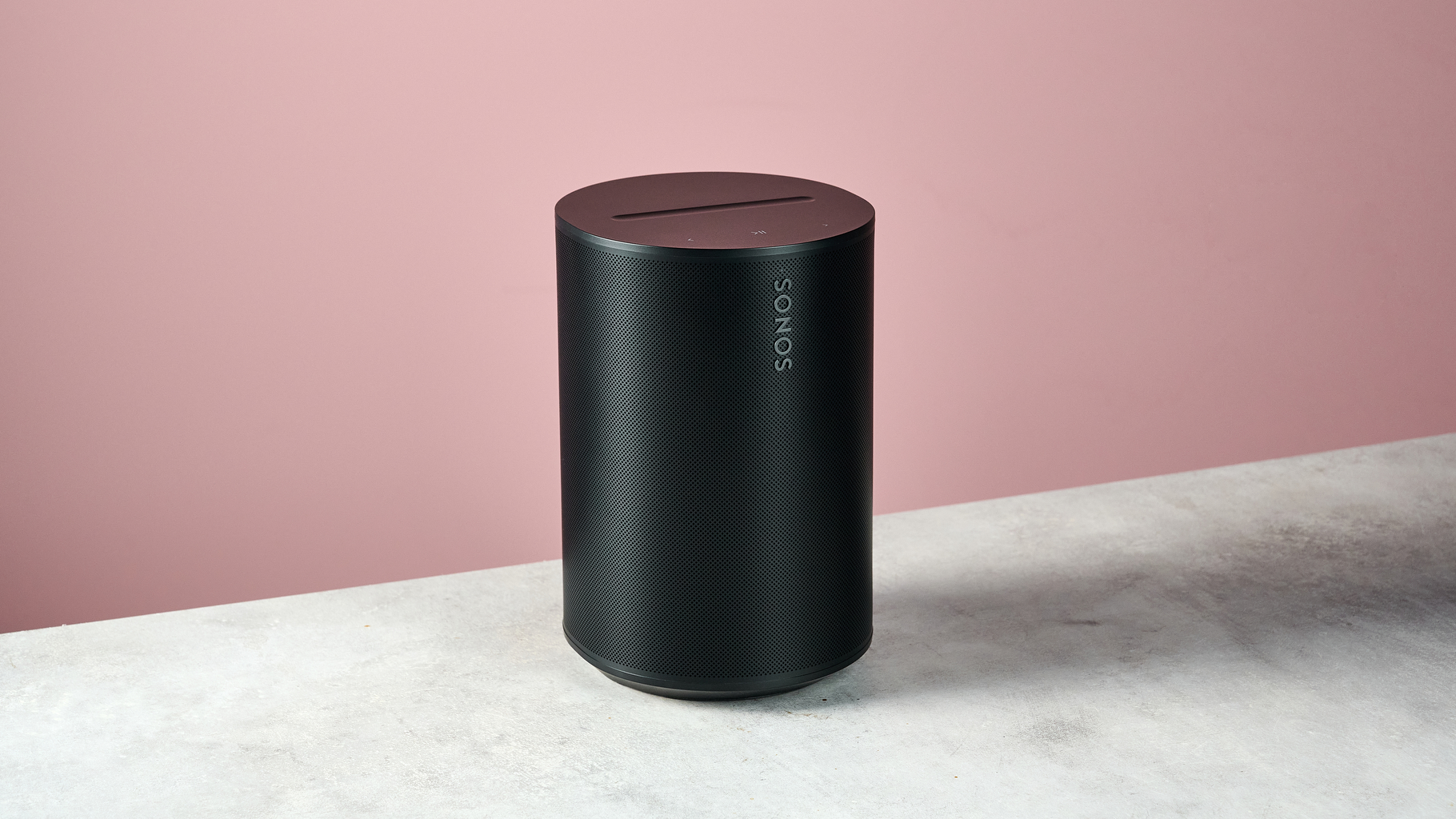
The looks, for instance, are just distinct enough from the usual ‘cylinder of sound’ design to stand out in a showroom. The specification, which includes a 38mm mid/high driver angled to fire upwards through the top of the cabinet, promises authentic spatial audio performance where many a rival relies on digital sound processing in an effort to achieve the effect. And the appearance of Alexa+ as a voice assistant marks the first time a non-Amazon product is using the technology.

One of the best wireless speakers around? Yes, in a word. In practice, the Lifestyle Ultra Speaker has an awful lot to recommend it and immediately becomes a real contender. There's Wi-Fi and Bluetooth connectivity, with Apple Airplay and Google Cast baked in too. It’s also a punchy, detailed and respectably dynamic listen, can play very loudly indeed if you so desire, and has a definite and well-defined sensation of height to its sound. You’ll need to be into the EQ settings to get treble response balanced out and calmed down, but overall this is an upfront, energetic but not remotely unsubtle performer that deserves a place on even very short shortlists.

Bose Lifestyle Ultra Speaker review: Price and release date

  • Launched May 15, 2026
  • $299 / £299 / AU$499 in black or white (the 'sand' finish is pricier)

The Bose Lifestyle Ultra Speaker is on sale now, and in the United Kingdom it costs £299. Or, at least, it does in either of the black or ‘white smoke’ finishes. If you fancy the Bang & Olufsen-tastic ‘sand’ finish with its natural oak base, you’re looking at £349.

In America it sells for $299 / $349, while in Australia (where the ‘sand’ finish does not seem to be available), the going rate is AU$499.

At this price, the Lifestyle Ultra Speakers' chief rival in the Bluetooth arena is probably the slightly more expensive (at its regular price, anyway) JBL Xtreme 5. And that's a five-star speaker, so competition is tough. That said, the Bose you're reading about offers streaming over your home's Wi-Fi network too, so in that category, your easy comparison is the Sonos Play.

Bose Lifestyle Ultra speaker on a white table

(Image credit: Future / Simon Lucas)

Bose Lifestyle Ultra Speaker review: Specs

Weight:

1.66 kg (3.6 lbs)

Dimensions:

18.5 x 12.1 x 16.8 cm

Battery life (quoted):

N/A (plug-in only)

Connectivity:

Bluetooth 5.3 with BLE; Wi-Fi (Google Cast; AirPlay; multi-room)

Drivers:

Two front-facing drivers ( 1x 3-inch woofer; 1x 1-inch tweeter), plus a 1.5-inch up-firing 'twiddler'

Aux-in:

Yes

Charger port:

USB-C

Microphone:

Yes; built-in array

Waterproof rating:

Not rated

Bose Lifestyle Ultra speaker on a white table

(Image credit: Future / Simon Lucas)

Bose Lifestyle Ultra Speaker review: Features

  • Wi-Fi and Bluetooth wireless connectivity
  • Three-driver speaker array includes 38mm up-firing mid/high drive unit- 3.5mm analog input

In most respects, the feature-set of the Lifestyle Ultra Speaker is somewhere between ‘very good’ and ‘very good indeed’ — the features we know about fall into one of those categories, anyway. This is Bose we’re dealing with, of course, which means there are no details whatsoever regarding some aspects of specification forthcoming.

I’m going to go ahead and guess the Lifestyle Ultra Speaker uses Class D amplification, and that there’s an adequate amount of power on board (the ‘sound quality’ section will let you know how I’ve come to this particular conclusion).

What I know for sure is that there’s a three-driver array on board that’s in receipt of this mysterious amplification — a forward-facing 76mm mid/bass driver below a 25mm tweeter, with a 38mm mid/high driver angled up and out through the top of the cabinet.

As for what these drivers are made from, or the frequency response they’re capable of generating, well, your guess is as good as mine. Whatever the frequency response is, though, it’s bolstered by a rear-facing ‘QuietPort’ bass reflex port at the rear of the cabinet.

The port is towards the bottom of the back of the cabinet, just above a 3.5mm line-level analog input that constitutes the Bose’s only physical connectivity.

Wireless stuff is handled by dual-band wi-fi and Bluetooth — the latter is version 5.3 but is only compatible with the bog-standard SBC and AAC codecs, which is a shame when you consider the number of alternatives that are capable of local streaming to a higher standard. Still, Wi-Fi means Apple AirPlay 2, Google Cast and Spotify Connect are all available, with TIDAL Connect promised sooner rather than later.

  • Features score: 4.5 / 5

Bose Lifestyle Ultra speaker on a white table

(Image credit: Future / Simon Lucas)

Bose Lifestyle Ultra Speaker review: Design

  • 184 x 121 x 167mm (HxWxD)
  • Choice of three finishes
  • Fixed grille

You make your own mind up when it comes to looks, of course, but for my money the shape of the Lifestyle Ultra Speaker makes a very pleasant change from all those cylindrical speakers that make up the bulk of the competition the Bose faces. The soft, rounded shape is miles ahead of the rather boxy stuff Bose has been turning out before now.

At 184 x 121 x 167mm (HxWxD) the proportions are pleasing, and the speaker is just about compact enough to work happily on a shelf (as long as there’s space above it for the up-firing driver to do its thing, of course). The standard of build and finish is basically impeccable, and there’s even a suggestion of tactility to the plastics Bose has used here. No matter which of the three available finishes you choose (the black of my sample, the ‘white smoke’ alternative that has more than a hint of grey about it, or the cost-option ‘sand’ alternative), the Lifestyle Ultra Speaker looks and feels the part.

The looks are nicely enhanced by the wraparound grille that covers a good portion of the front of the speaker. The fact that it’s notably proud of the main body makes it look very much like it can be detached — but it can’t, so don’t even try. No good can come of it.

  • Design score: 5 / 5

Bose Lifestyle Ultra speaker on a white table

(Image credit: Future / Simon Lucas)

Bose Lifestyle Ultra Speaker review: Sound quality

  • Spacious and punchy presentation
  • Pronounced ‘height’ element to sound
  • A little more width and a little less high-end vigour wouldn’t go amiss

First things first: the Bose Lifestyle Ultra Speaker makes good use of its up-firing driver — dial in some ‘height’ in the control app, queue up a FLAC file of Idles’ Never Fight a Man with a Perm, let the ‘TrueSpatial’ processing do its thing, and you get a presentation that’s considerably taller than the cabinet from which it’s coming.

There’s nice even frequency response on display, too — the Bose digs respectably deep, hitting good and hard and the bottom of the frequency range, and the transitions to the midrange and into the highest frequencies is pretty smooth. While it goes out of way to ensure no part of the frequency range is over- or under-represented, the speaker does project the midrange just a little. The ‘V’ shape that results is more of a bump than a spike, though. Control of the bottom end is pretty tight, so the speaker has no real issues in expressing rhythms confidently. Detail levels are high at every stage. The Lifestyle Ultra Speaker is quite an insightful listen, and pays good attention to the more minor details in a recording — the fact that it presents quite a spacious and well-defined soundstage helps to make this obvious.

There’s a good sensation space to the overall sound, and certainly more than enough room for every participant in a recording to get the space in which to operate — but the left/right width of the presentation is quite curtailed in comparison to the height element. The result is a slightly narrow, notably tall sound that’s slightly counter-intuitive right until the moment you get used to it.

The tonal balance is, for the most part, pretty consistent; the Bose is a fairly neutral device in this respect. There’s a slight lack of substance to treble sounds compared to the rest of the frequency range, a tiny hint of toothiness that’s rather at odds with the robust way the rest of the range is presented. It’s nothing a moment or two examining your EQ options can’t mitigate, though.

Add in a reasonable facility with dynamics — the broad stuff about volume and intensity, and the more subtle dynamics of harmonic variation too — and the Lifestyle Ultra Speaker makes a pretty convincing case for itself. Unless, of course, you’re listening to content that simply doesn’t enjoy being forced into a spatial audio presentation. You can minimise the effect of the height channel in the app, but you can’t defeat the ‘TrueSpatial’ processing — and uncooperative recordings can sound just a touch vague where more compliant stuff is quite sharply focused.

  • Sound quality: 4.5 / 5

Bose Lifestyle Ultra speaker on a white table

(Image credit: Future / Simon Lucas)

Bose Lifestyle Ultra Speaker review: setup & usability

  • Alexa+ voice control
  • Physical and app control too
  • No auto-calibration feature

As far as ‘setup’ is concerned, the Bose is either mercifully straightforward or rather underpowered — it depends on your point of view. In order to get up and running, it’s simply a question of finding a suitable position for the speaker (Bose will sell you a wall-mount of a dedicated stand, and there’s a thread in the base of the cabinet for use with third-party supports) and plugging it in. Then it’s simply a question of logging into wi-fi and to Amazon in order to activate the voice assistant. There’s no automatic room calibration routine available here (which is distinct from the Lifestyle Ultra Soundbar that launched at the same time), so any tweaks to the performance of the speaker will have to be made in the Bose control app.

The app itself is clean and logical, and as well as some EQ adjustment (plus a slider to increase or decrease the sensation of sonic height) it’s where you can create a stereo pair with a second Lifestyle Ultra Speaker or incorporate your speaker into a home theatre system. Use the Google Home app, meanwhile, and a multiroom system using any and all compatible speakers can very easily be set up.There are some physical controls on the top of the speaker, too.

Capacitive buttons take care of play/pause, volume up/down, Bluetooth pairing, input selection, and waking this voice assistant — there’s a button to defeat the mic too, in case you don’t want Alexa+ to listen out for you.

This is the first non-Amazon product to take advantage of Alexa+ voice control and, while Amazon has kept some smart features for itself, this version works very well indeed. It’s alert to voice prompts, and is rapid in its responses to any questions or instructions you might have.

  • Setup & usability: 4.5 / 5

Bose Lifestyle Ultra Speaker review: Value

Obviously there’s no shortage of wireless speakers at this sort of money, and some of them are very good indeed. Spending your money with Bose rather than with, say, brands as credible as Apple, Denon, Sonos or WiiM (to name just a few) does have upsides, though.

Obviously there’s the standard of build and finish, the very pleasant aesthetic and the many positives about the way the Lifestyle Ultra Speaker sounds. But there’s also the open and agnostic nature of its multiroom capability, as well as the welcome and well-implemented appearance of Alexa+ as a voice assistant to be factored in too. So while this is not your only choice, the value for money it offers means it should really be on your shortlist.

  • Value score: 4.5 / 5

Bose Lifestyle Ultra speaker on a white table

(Image credit: Future / Simon Lucas)

Should I buy the Bose Lifestyle Ultra Speaker?

Buy it if…

You have other Google Home-compatible wireless speakers
The Bose plays nicely with any number of products from third-party brands

You enjoy a bit of height to your sound
That up-firing driver adds appreciably to the way your music is presented

You have plans for a home cinema system
One more Lifestyle Ultra Speaker, plus the matching Soundbar, makes for a quite compelling surround-sound set-up

Don’t buy it if…

Your Bluetooth source has good codec compatibility
Unfortunately, the Bose doesn’t

You’ve enjoyed the automatic room calibration some Bose products offer
The Lifestyle Ultra Speaker leaves you to deal with things manually

You’ve heard the width, as well as the height, available from alternative spatial audio speakers
The Bose ‘TrueSpatial’ processing doesn’t, in ultimate terms, deliver the ideal impression of ‘left/right’

Bose Lifestyle Ultra Speaker review: Also consider

Sonos Play
The Sonos Play is a portable, battery-powered speaker — with all the logistical positives and negatives that implies when compared to the Bose — but given that it costs exactly the same amount of money, that it’s part of a well-established ecosystem, and that it delivers a big, chunky but quite deft sound, it’s currently the product to beat.
Read our full Sonos Play review for more

JBL Xtreme 5
Want something fairly hefty that you can take outside in the rain, that isn't Wi-Fi enabled (only Bluetooth) but doesn't need to be plugged in? OK, it's possibly a long shot since you came here to read about a Wi-Fi enabled speaker for your home. But just in case, the JBL is a great five-star option for a similar price tag… 
Read our in-depth JBL Xtreme 5 review for more

How I tested the Bose Lifestyle Ultra Speaker

I used the Bose Lifestyle Ultra Speaker on a kitchen worktop, a bookshelf, and a dedicated speaker stand. I used an iPhone 15 Pro to stream to it using Bluetooth (given the lack of worthwhile codec compatibility, there didn’t seem much point in getting anything better specified charged up), and I also used the iOS device to listen to Apple Music via AirPlay 2.

Read more about how we test

  • First reviewed: July 2026

Audio Pro takes aim at Sonos, Denon, WiiM and Bose with an all-new Wi-Fi speaker — and this one's got a portable battery and IP2 water resistance

  • Audio Pro has just unveiled the A15 W (yes, late on a Friday afternoon)
  • The Danish brand's progeny offers Wi-Fi, Bluetooth and portability
  • Available now, priced at $400 / £299 / around AU$579

If the 2022 Audio Pro A15 was a natural Sonos Move rival, the newly launched 2026 Audio Pro A15 W might happily butt heads with the Sonos Move 2.

It could also compete with a new series of Bluetooth-only 'HYG' speakers from Jamo, the Denon Home 400 (which it resembles rather strongly), something from WiiM's expanding arsenal of products or the new Bose Lifestyle Ultra Speaker — top tip on that one: a review will be going live over the weekend and it's worth a read...

Back to the A15 W, though, and what you've got here is a portable wireless speaker that boasts room-filling sound, flexible streaming options and battery-powered portability that's built for both indoor and outdoor listening.

And that's where it has the edge over some (if not all of the competition), because your average Wi-Fi enabled speaker usually needs to remain hooked up to a power socket within your home.

Not so here — in fact, alongside Bluetooth capability and an 11-hour battery life, you also get a 'water resistant' IPX2 rating, so it'll survive a European shower (if not the deluges we've been seeing during World Cup matches in the US this week).

Audio Pro tells me it can also be used as a multi-room system with other A15 W speakers (or in fact any W series speaker from the Audio Pro range) but because it also supports both Apple AirPlay 2 and Google Cast, it should be easy to welcome it into existing Apple or Android-based multi-room systems.

The (Audio) Pro mindset

Audio Pro A15 W's top plate detail

(Image credit: Audio Pro)

I've long been a fan of Audio Pro speakers, starting with the Bluetooth only T3+ I listen to every day, but having tested the five-star, Wi-Fi enabled Audio Pro C20, I know very well about the decidedly 'Hygge' adjacent firm's admirable way with HDMI ARC-toting, sub-out sporting, RCA hook-up-able AirPlay and Google Cast speakers.

Interestingly, the grille looks fixed on this model, and I've always been a fan of removing the grilles on my Audio Pro speakers to see the relaxed, rock-chic driver configurations underneath.

The A15 W features a two-way speaker system with a dedicated tweeter alongside a 4.5-inch woofer. You can stream music via Bluetooth too, with better-quality aptX support, and if using Wi-Fi you'll be aided by the latest Audio Pro app, to access compatible music streaming services directly. I've used it before, and I like it a lot.

For instant access to playlists and internet radio stations, six preset buttons across the top plate are there to offer one-touch playback without working out where you've left your phone. A 3.5mm aux input also enables connection to portable music players and compatible turntables or CD players. So, no HDMI ARC, sub-out or RCA this time (its newest rival, the Denon 400 also lacks these things), but there's the same contemporary fabric finish and contrasting aluminium control buttons as I've come to expect from the brand.

The Audio Pro A15 W is available in Dark Grey and Light Grey finishes, and it'll set you back $400 / £299 (which is around AU$579), whichever color you go for.

How good does it sound? I can't vouch for that yet. But I'll be working on it…

The 11 best hi-fi upgrades of 2026 so far — we gave these speakers, turntables and DACs our highest marks after tough testing

We're halfway through 2026, which means a lot of products have passed through TechRadar's testing rooms — in total, we've reviewed a colossal 639 products in January to June 2026.

That includes a load of fantastic audio tech — including new options good enough to challenge the best wireless speakers, the best turntables, the best DACs to get more from streaming music on your PC or phone, and the best stereo speakers.

Our expert reviewers have tested a lot of stuff, and some products have proven to be the cream that rises to the top. Here are the products in these areas that scored either 5 stars or 4.5 stars in our reviews, making them best-in-class or highly recommended.

Wireless & stereo speakers

Wharfedale Diamond 12.1i

The Wharfedale Diamond 12.1i speakers on stands, on either side of a hi-fi setup with a Naim amp, plus a turntable and CD player

(Image credit: Future)
  • Score: 5 / 5
  • Price: $499 / £249 / AU$699 (pair)

What is it? The latest bookshelf stereo speakers in Wharfedale's famous 'Diamond' line, which is over 40 years old and clearly still going strong. They're two-way speakers with a 25mm tweeter, a 130mm mid/bass driver, and deliverying a frequency range of 65Hz - 20kHz. And they're easy to drive, and flexible on positioning — a great beginner hi-fi model.

What we said: "The Wharfedale Diamond 12.1i speakers turn out to be (yet another) high-achieving-yet-affordable loudspeaker option. They sound excellent, they're very unfussy about what drives them, they look and feel good, and they're extremely well priced. They're a little large for a pair of ostensibly 'bookshelf' speakers, so be warned if you're actually looking to put them on shelves, but that's easily forgiven."

Read our full Wharfedale Diamond 12.1i review

Cambridge L/R S

Cambridge L/R S active stereo speaker system, with a silver finish, on a white surface.

(Image credit: Future / Simon Lucas)

What is it? Small and stylish active stereo speakers with wireless connectivity as well as wired digital and analogue connections. There's 100 watts of Class D amplification powering a 21mm tweeter and 76mm mid/bass driver combo, and the connection stretch to USB-C, line-level stereo RCA, digital optical input, a pre-out for a subwoofer, and Bluetooth (with aptX HD codec compatibility).

What we said: "The Cambridge L/R S is a good-looking, well-built wireless active stereo speaker system that has the bold sound smarts to back up the fine, multi-option visuals. Sure, it's a little too confident at the bottom of the frequency range, with too much weight given to bass information, but for the money it's a genuine contender in an already-stacked market. Requires serious consideration."

Read our full Cambridge L/R S review

Sonos Play

The Sonos Play speaker next to its charging cradle

(Image credit: Future)
  • Score: 4.5 / 5
  • Price: $299 / £299 / AU$499

What is it? Sonos' mid-size portable speaker, with enough power and quality to work as a home speaker, but a battery and charging cradle so you can take it away instantly. With audio input as an option over its USB-C port (via an adapter) it's incredible versatile — it's also tough and waterproof.

What we said: "The Sonos Play is a triumph of usability. It has just the right design and convenience considerations to make you pick it up and use it more often than other speakers, even great portable ones. To paraphrase a notable camera quote: the best speaker is the one you choose to listen on. The Sonos Play encourages me to listen more, in more places. It doesn't hurt that it sounds better than most portable speakers, too, and can hold its own as a home speaker."

Read our full Sonos Play review

Fluance Ri91

  • Score: 4.5 / 5
  • Price: $799 (about £640 / AU$1,270)

What is it? Big floorstanding active speakers with the power of a full hi-fi system, but no need for a separate amp or inputs. There's 150 watts of power behind two 6.5-inch mid/bass drivers and an AMT tweeter per speaker, and connections include HDMI, two RCA inputs, a subwoofer out, and Bluetooth (including aptX HD).

What we said: "The Fluance Ri91 sound great when turned up, though they can be a bit mid-focused, especially for those looking for neutral-sounding speakers. The included HDMI ARC input (quality control issues notwithstanding) are appreciated, as is the ability to stream higher-res audio over Bluetooth aptX."

Read our full Fluance Ri91 review

Denon Home 400

Denon Home 400 home speaker unit, on a wooden surface.

(Image credit: Future / Simon Cocks)
  • Score: 4.5 / 5
  • Price: $599 / £449 (around AU$999)

What is it? A relatively hefty and powerful wireless speaker (think of it as a fair bit bigger than a toaster), that uses six-drivers to deliver expansive Dolby Atmos spatial sound. There are left and right drivers, upfiring drive units, and two 4.5-inch woofers, all with their own Class D amplification. It uses the Denon HEOS wireless system and app, which is powerful and well-specced too.

What we said: "It's a home speaker that delivers where it counts, and is probably the most compelling single-unit spatial audio offering at this price, where it goes head-to-head with some serious competition. It offers confident, engaging and immersive spatial audio performance, a thoughtful and stylish design, and a great range of connectivity options, along with an excellent HEOS app. It sounds wonderful in its default Auto mode or the slightly more balanced Pure mode, but it really rewards those of us who tinker a bit, especially if you mess around with some of the customization options for the width and height of spatial sound."

Read our full Denon Home 400 review

Klipsch The Nines II

The Klipsch The Nines II showing a performance on YouTube

(Image credit: Future / James Holland)
  • Score: 4.5 / 5
  • Price: $2,399 / £2,249 / AU$4,999

What is it? A pair of active standmount stereo speakers (their size and weight maybe pushes them beyond being 'bookshelf' speakers, really) that deliver tons of power connectivity with any extra components needed. They can be a soundbar replacement with HDMI and Dolby Atmos/DTS:X support, plus they have Bluetooth and Wi-Fi for music, as well as optical, phono, USB, coaxial, and ethernet.

What we said: "The Klipsch The Nines II are an easy recommendation despite the weight and despite the price bump over the previous version. It's thanks to the immersive, robust sound and large set of features, not to mention broad connectivity — they're an excellent all-in-one hi-fi upgrade."

Read our full Klipsch The Nines II review

Sonos Era 100 SL

The Sonos Era 100 SL at a 3/4s angle in front of a pink background.

(Image credit: Future)
  • Score: 4.5 / 5
  • Price: $189 / £169 / AU$289

What is it? A cheaper version of Sonos' entry-level home speaker, delivering all the same connectivity as the regular Era 100 (including Bluetooth and Wi-Fi, plus line-in over its USB-C port using an adapter) and the same sound quality, but for cheaper. You lose voice control and Quick Trueplay on Android as a result, but it's hard to argue with the price.

What we said: "What Sonos has achieved with the Era 100 SL is impressive. It has managed to pack in the same quality sound, great connectivity and iconic design, while dropping the price to a more affordable level. But there are absolutely some compromises — voice control is absent here, while Android users will miss out Sonos' room correction. Despite this though, it's one of the strongest performers in its price range, making it an easy choice if you never invested in the original Era 100."

Read our full Sonos Era 100 SL review

Turntables

Sony PS-LX5BT 

Sony PS-LX510BT turntable on a brown wood hi-fi rack, with closeups

(Image credit: Future / Simon Lucas)
  • Score: 4.5 / 5
  • Price: $499 / £399 / AU$599

What is it? Sony's successor to its previous and wildly popular affordable Bluetooth turntable, bringing fully automatic operation and Bluetooth connectivity in a sleek design. The ultimate beginner turntable? Well, there's a cheaper version that might be more tempting, but for the price, it's hard to argue with.

What we said: "The Sony PS-LX5BT picks up where the PS-LX310BT it replaces left off — as one of the best pound-for-pound Bluetooth turntables around. If you want the most painless vinyl experience possible, you’ve come to the right place."

Read our full Sony PS-LX5BT review

Goldring GR3

Goldring GR3 turntable, with the dust cover closed, with a yellow De La Soul record on the platter.

(Image credit: Future / Simon Lucas)
  • Score: 4.5 / 5
  • Price: $1,299 / £699 (around AU$1,599)

What is it? Goldring is one of the oldest hi-fi companies in the world, and hasn't made a turntable in several decades — and now it's back with a very well-specified and great-looking new model. A built-in phono stage and high-quality provided cartridge make it great for relative novices, though it's odd that you can't bypass that phono.

What we said: "Goldring has managed to enter a tricky area of the turntable market with a player that is distinct enough (where finish, specification and sound quality are concerned) to stand out and make quite a compelling case for itself."

Read our full Goldring GR3 review

Headphone DACs

Fiio KA15

FiiO KA15 portable DAC photographed from the front to show the user interface

(Image credit: Future)
  • Score: 5 / 5
  • Price: $99.99 / £99.99 / AU$189.99

What is it? This tiny DAC blends the retro with the modern. It does a better job of converting hi-res audio to analog than your device's built-in DAC will, and has a fun little cassette animation while it plays.

What we said: "If you have big audio ambitions and a very small budget, the KA15 is excellent value for money. It's a significant upgrade in sound quality for smartphones and computers, and while it's not as powerful as a desktop headphone amp it has more than enough oomph for a wide range of headphones and IEMs so it's fairly future-proof."

Read our full Fiio KA15 review

Eversolo DAC-Z10

The Eversolo DAC-Z10 on a hi-fi rack, showing a frequency range readout on the screen

(Image credit: Simon Lucas)
  • Score: 5 / 5
  • Price: $1,980 / £1,939 / AU$3,339

What is it? A super-versatile addition to a hi-fi setup, providing a high-end DAC system, a pre-amp, and a powerful headphone amp all in one unit. It's pricey, but it's incredibly well-specified, making it kind of a bargain — at least as far as premium hi-fi goes.

What we said: "The Eversolo DAC-Z10 won’t fail to satisfy, provided your partnering equipment is up to scratch. It’s a premium DAC for a premium system, and offers all the bells and whistles you could hope for as a result, as well as immaculate sound quality that specializes in finding every possible grain of detail in your music. It's simply as capable a DAC/preamp/headphone amp as this sort of money can buy."

Read our full Eversolo DAC-Z10 review

iFi GO Link 2

iFi GO Link 2 shot on a grey surface

(Image credit: Future)
  • Score: 4.5 / 5
  • Price: $59 / £59 (around AU$111)

What is it? A no-fuss, super-small headphone DAC to make it easy to use wired headphones and earbuds with your phone or laptop, and with an audio upgrade along the way. Oh, and it's super-cheap as a bonus.

What we said: "The iFi Go Link 2 takes everything that's great about the original and packs it into a dinky DAC that's even smaller and lighter than before. It's a fantastic audio upgrade and it's priced very keenly, too."

Read our full iFi Go Link 2 review

The HomePod mini was my favorite cheap wireless speaker — but Apple’s price hike has now handed that honor to the Sonos Era 100 SL

Apple has just announced major price rises on a huge range of its products, and among them are its two HomePod models. The price of the HomePod mini is rising from $99 / £99 to $129 / £129, which is a 30% increase.

The full-size HomePod 2 is also getting a price change, but it's a more palatable 17%, meaning that it's changing from costing $299 / £299 to now $349 / £349.

I think the HomePod 2 can take that price rise, even though I'd obviously rather we were still in an era when products came down in price over time; the big HomePod is already a more premium product, and still sounds very good for the price.

But I think this change is devastating to the HomePod mini. I reviewed it when it came out, and I was so impressed by the dynamic range of its sound and its detail, bearing in mind not only the price, but the size. For ages, I had a pair as my desktop speakers out of choice, even though, as an audio editor, I can get my hands on pretty much any stereo setup I want to try.

As a result, I've been strongly recommending the HomePod mini since it came out, and advocating for its position as the best 'cheap' option in our list of the best wireless speakers. Being a HomePod, it's very limited as to who it's ideal for (all-Apple households, basically), but it's been in a totally different league to anything else when it comes to value since it's launch, in my opinion — yes, even five years later.

Well, until today.

The problem is that the gap has very suddenly closed between it and the next-best cheaper wireless speaker, which is the freshly released Sonos Era 100 SL.

The Sonos speaker has much bigger sound, Android and iOS support for all streaming services, Bluetooth as well as AirPlay and direct app control, and the ability to connect analog devices via an adapter — it's way more capable, but it was fair enough that the HomePod doesn't do all that considering its lower price.

At the start of this week, there was $90 / £70 between them. Today, the gap between them is $30 / £12.

Today's best Sonos Era 100 SL prices

We gave this speaker 4.5 stars in our Sonos Era 100 SL review, based largely on it being a great low price while having impressive audio and connectivity. And now it's even cheaper — it's my top pick for a small wireless speaker.View Deal

The Era 100 SL is an even better deal in the UK — for just £12 more than the HomePod mini, you're getting something that's way more futureproof. There's no contest between them any more.View Deal

Now, that's a slightly unfair comparison — I'm comparing full price to the Sonos' discounted price — but it's a very practical one, because it's the real choice most people will face when they buy.

The biggest sales for something like the Sonos Era 100 SL happen during sales events. Right now, it's Amazon Prime Day. Soon, it will be the July 4th sales in the US. And obviously Black Friday is huge for selling this stuff — the Era 100 SL will be discounted to this kind of level at all these times, and more besides.

The HomePod mini was very rarely discounted, by comparison, and usually only by a couple of bucks. So once this price rise settles in, and at the times most people are actually thinking about which one to buy, the comparison of the $129 / £129 very limited HomePod mini vs the $159 / £141 chad Sonos Era 100 SL is going to be the choice people will actually face.

And despite being the HomePod mini's strongest advocate since its launch, I'm just not going to be able to recommend it any more.

More Prime Day deals in the US

More Prime Day deals in the UK

I've tested the best Bose Bluetooth speakers on the market — here are the 3 Prime Day deals I'd spend my money on

It's finally Amazon Prime Day, and I've already spotted some sensational deals on all kinds of tech, from Dolby Atmos soundbars to compact clothes steamers. But arguably some of the most impressive offers I've seen so far are on Bose Bluetooth speakers — with some huge savings available on the brand's absolute best.

Browse the full Amazon Prime Day sale

I'm a Senior Reviews Writer here at TechRadar, and I've spent years testing audio gear, including a large number of Bose Bluetooth speakers. And so, I've created a list of my 3 favorites — all of which I've tested personally and are on sale for Prime Day.

I've included options like the budget-friendly Bose SoundLink Flex Gen 2, which is $99 (was $149) at Amazon US and only £99.95 (was £149.95) at Amazon UK, as well as more premium models like the Bose SoundLink Max for $279 (was $399) at Amazon US and just £267.95 (was £399.95) at Amazon UK. Now then, let's get straight into my list!

Today's best Bose Bluetooth speaker deals in the US

I use the Bose SoundLink Flex Gen 2 at home, and I love its clear, well-balanced sound, amazing waterproofing, and gorgeous design. It's also easy to customize in the Bose app, which offers EQ settings, a programmable shortcut button, and more.View Deal

This is a spectacular deal on Bose's great mid-weight speaker. It offers detailed, well-rounded sound, a highly robust build, and can be purchased in a range of funky colors. Don't miss out on this huge discount on one of my favorites from Bose.View Deal

It might be expensive compared to other Bluetooth speakers you can get, but if you want huge, punchy sound, this is the party speaker you should reach for. It will even charge your handheld devices for you thanks to its two-way USB-C port. Bose wraps up excellent sound quality and an enjoyable user experience in an attractive, outdoor-friendly package.View Deal

Today's best Bose Bluetooth speaker deals in the UK

This compact, portable Bose speaker delivers big sound, excellent waterproofing, and a raft of handy features, including a customizable shortcut button, built-in EQ controls and reliable Bluetooth 5.3 connectivity. You can also pair two for stereo sound or use the dedicated Party Mode to make it louder. View Deal

Bose's middleweight speaker is a favorite of mine, with an attractive look, fun color options, exceptional all-round sound, and a super-durable build. It doesn't seem to be on sale in the UK right now, but it's well-priced for the quality you get in return.View Deal

Bose's brilliant, commanding party speaker is available at a massively cut price, and I couldn't recommend it enough. It has incredible bass output, aptX Adaptive support, and an ultra-rugged build that's ideal for taking on the go. Talk about an all-rounder!View Deal

More Prime Day deals in the US

More Prime Day deals in the UK

'We definitely are also analog people': WiiM's CEO talks to us about developing its first soundbar, Dolby Atmos FlexConnect, why it doesn't support Apple AirPlay 2, and balancing digital audio expertise with analog output

WiiM and Linkplay CEO Dr. Lifeng Zhao speaks to TechRadar about developing its first soundbar, Dolby Atmos FlexConnect, why it doesn't support Apple AirPlay 2, and balancing digital audio expertise with analog output

❌