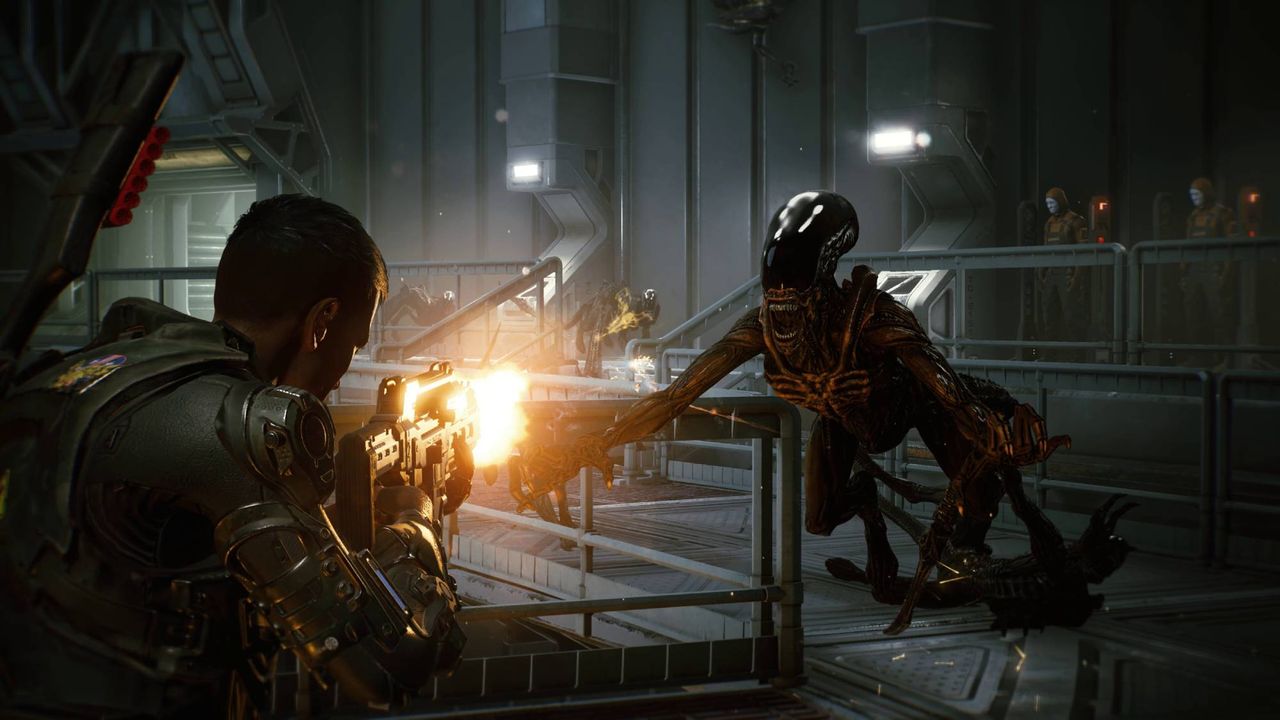
Aliens: Fireteam Elite has been shut down on Nintendo Switch
The game was offered as a cloud version on the platform, which meant it relied on being streamed from a server over the internet
Those that spent money on the game do not appear to have been refunded
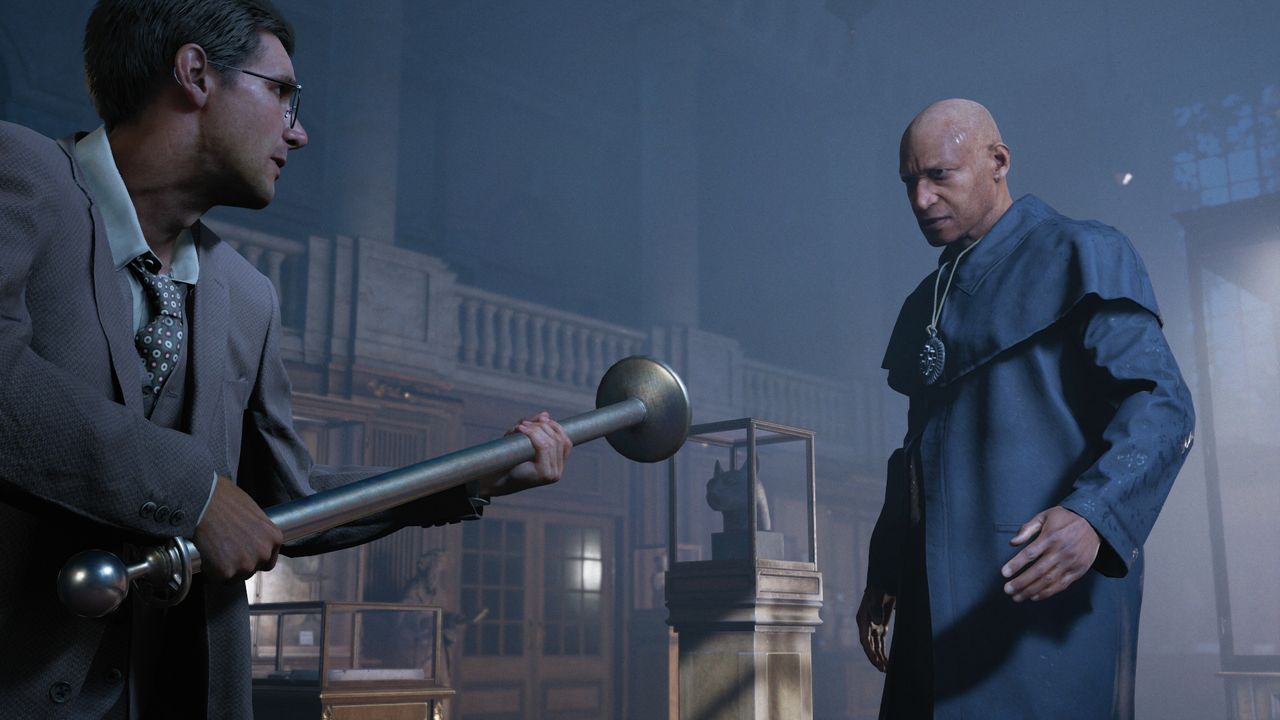
The Nintendo Switch version of Aliens: Fireteam Elite has been shut down, rendering it unplayable for those who bought it.
The game launched on Nintendo Switch on April 26, 2023, and unlike the versions available on other platforms, was a cloud version. That means it relied on being streamed from a server over an internet connection. A short demo version was available to try for free, but access to the full game cost $29.99.
There was even a $59.99 Ultimate Edition on offer, which threw in a raft of DLC, and means that some players would have paid 60 bucks for something that they can now no longer access at all.
Developer Cold Iron Studios quietly announced the shutdown back in March this year, sending a message to players thanking them for their support and confirming that the game "will be accessible until August 5, 2026" at which point buyers would "no longer be able to access the game."
It continued: "We apologize to our loyal customers for any inconvenience this may cause, and we appreciate your understanding. We hope you will continue to enjoy our other game titles."
Noticeably, there was no mention of any kind of refund for those who spent money on the game, and it doesn't appear that any affected players got one.
The news has picked up some steam on the r/gaming subreddit, with commenters rallying against cloud gaming and referencing fears surrounding the recent confirmation that Sony would be discontinuing the production of physical game discs in 2028 — pushing gamers towards digital formats.
"Everyone who bought this game should be eligible for a full refund," reads the top-rated comment. "This is why you don't buy a 'Cloud' version of a game," added another commenter. "It is a ticking clock."
One user wrote: "This is going to happen more and more as an all-digital future becomes standard... You don't own anything, you're just paying for the license to play something until it gets taken away."
A sequel, Aliens: Fireteam Elite 2, is expected to launch this year for PC, PlayStation 5, and Xbox Series X and Xbox Series S on August 25. It's also expected to come to Nintendo Switch 2 at a later date. Importantly, it won't be a cloud version, which will likely come as a relief to potential buyers.
The Nintendo Switch was nothing short of a phenomenon. It won the hearts of millions, possesses one of the greatest games libraries in console history, and became one of the highest selling systems of all time. It brought the best parts of its failing predecessor, the Wii U, forward, assuming an ultra-convenient hybrid form, and during the COVID 19 pandemic, it felt like everyone and their dog were building their perfect island on Animal Crossing: New Horizons,or racing to the finish line in Mario Kart 8 Deluxe.
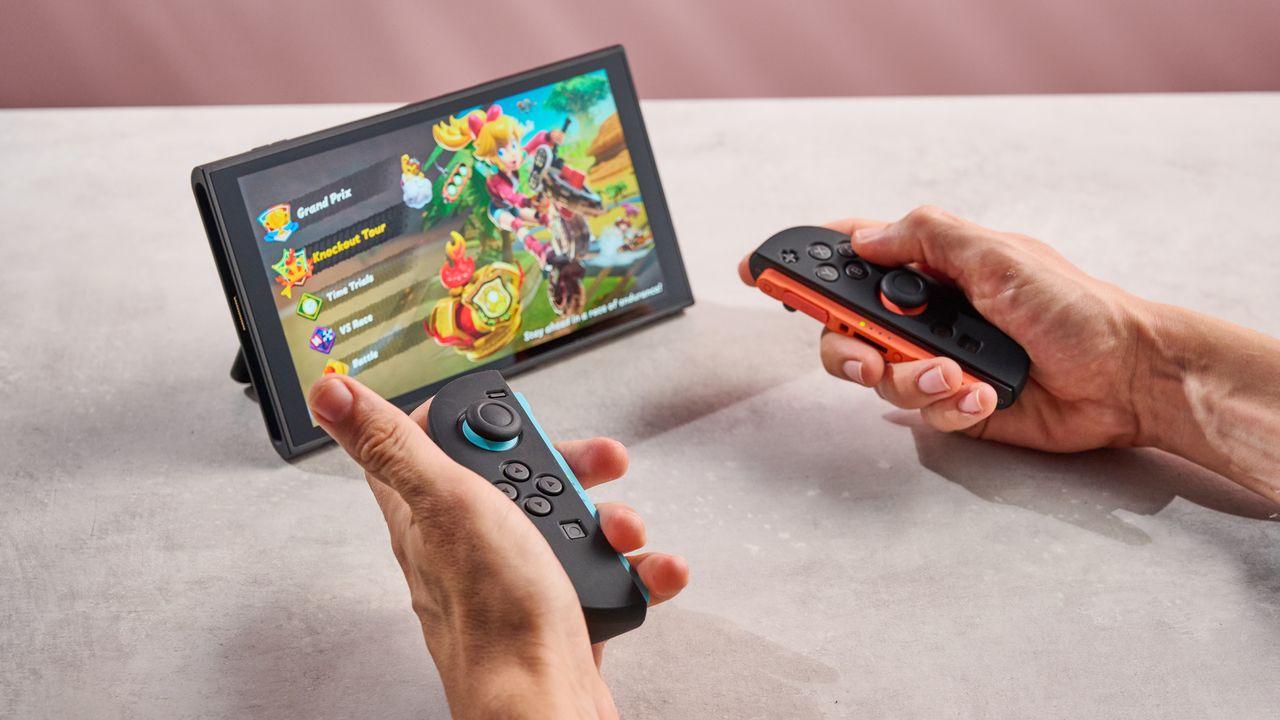
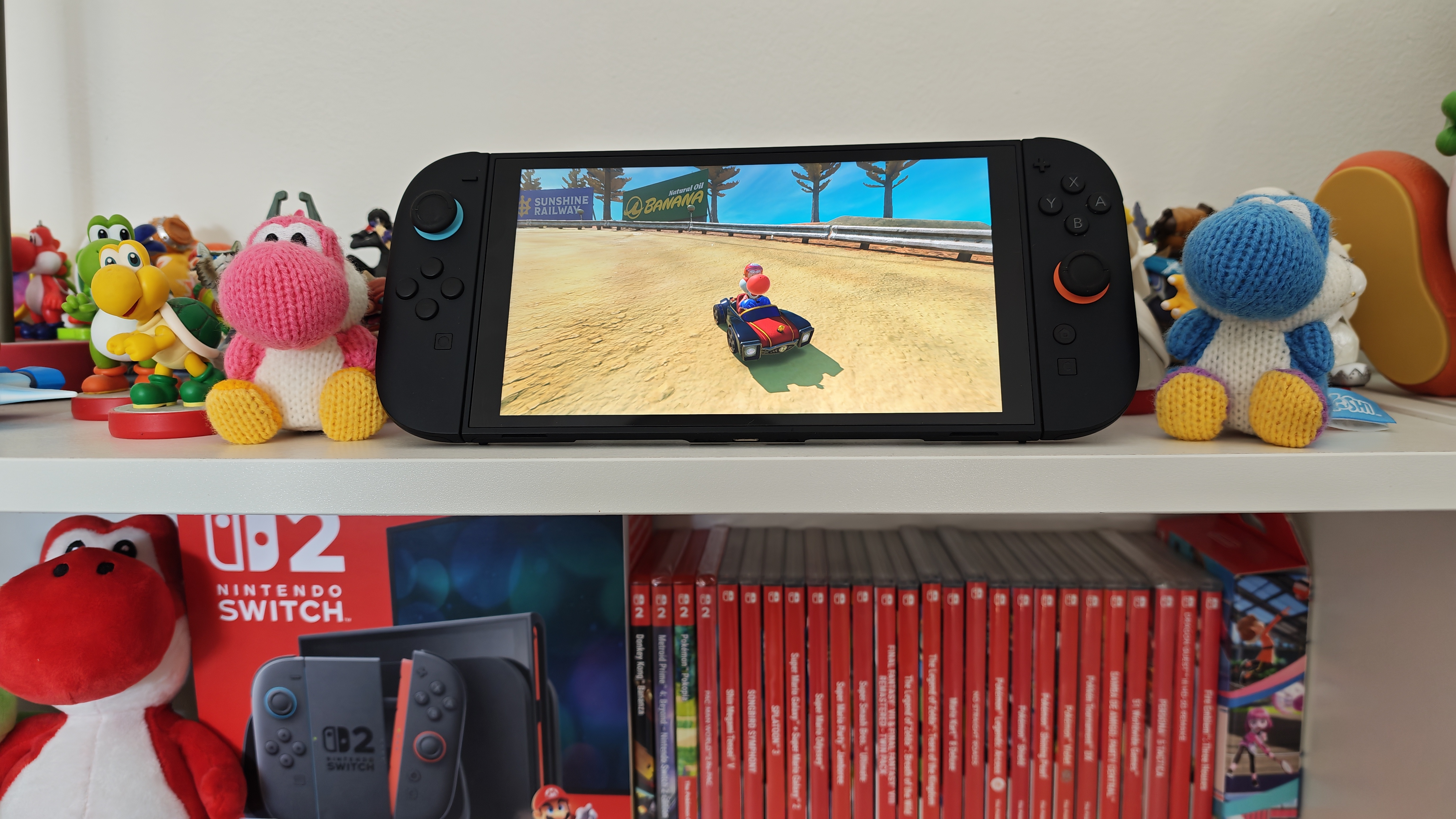
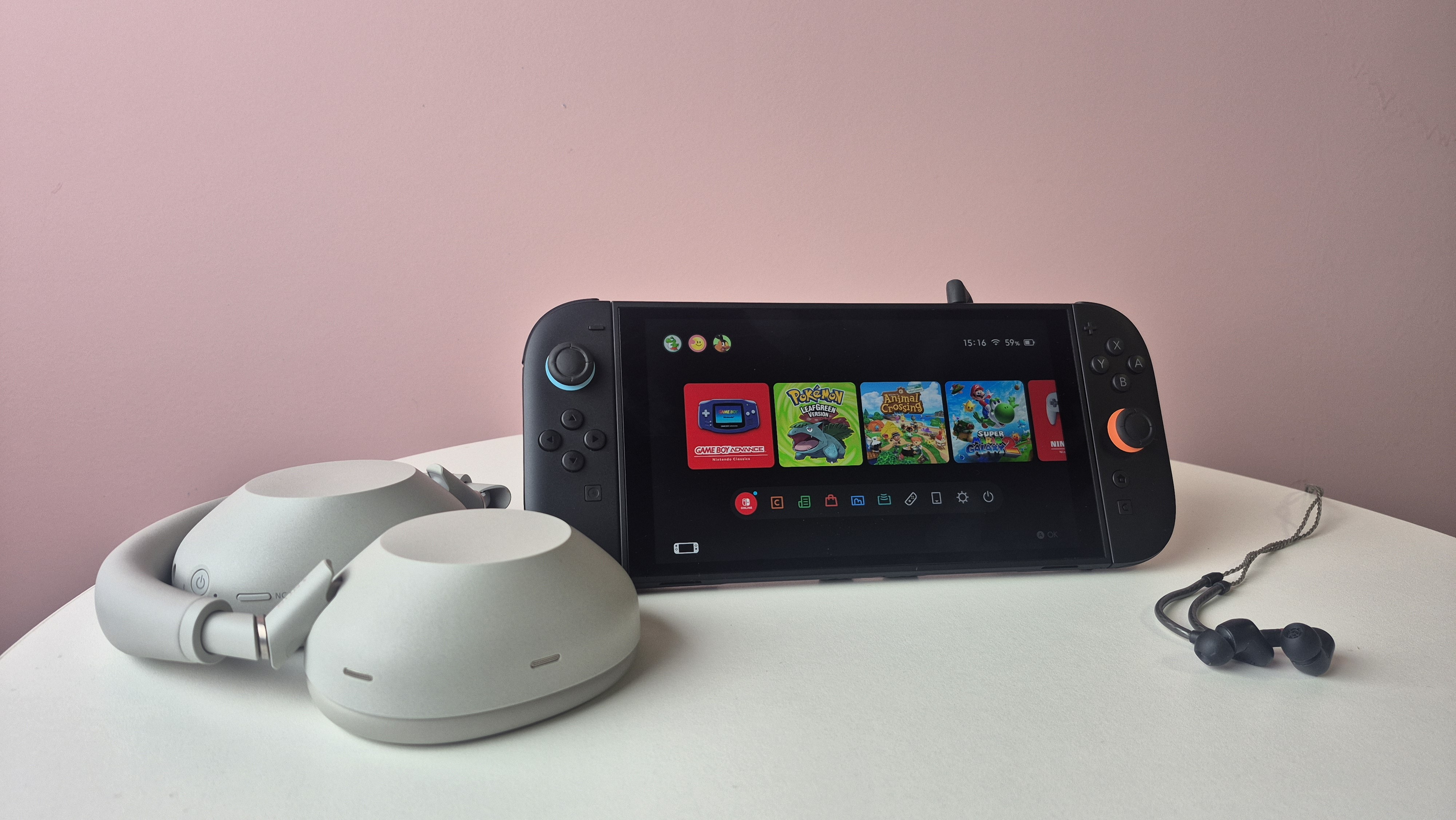
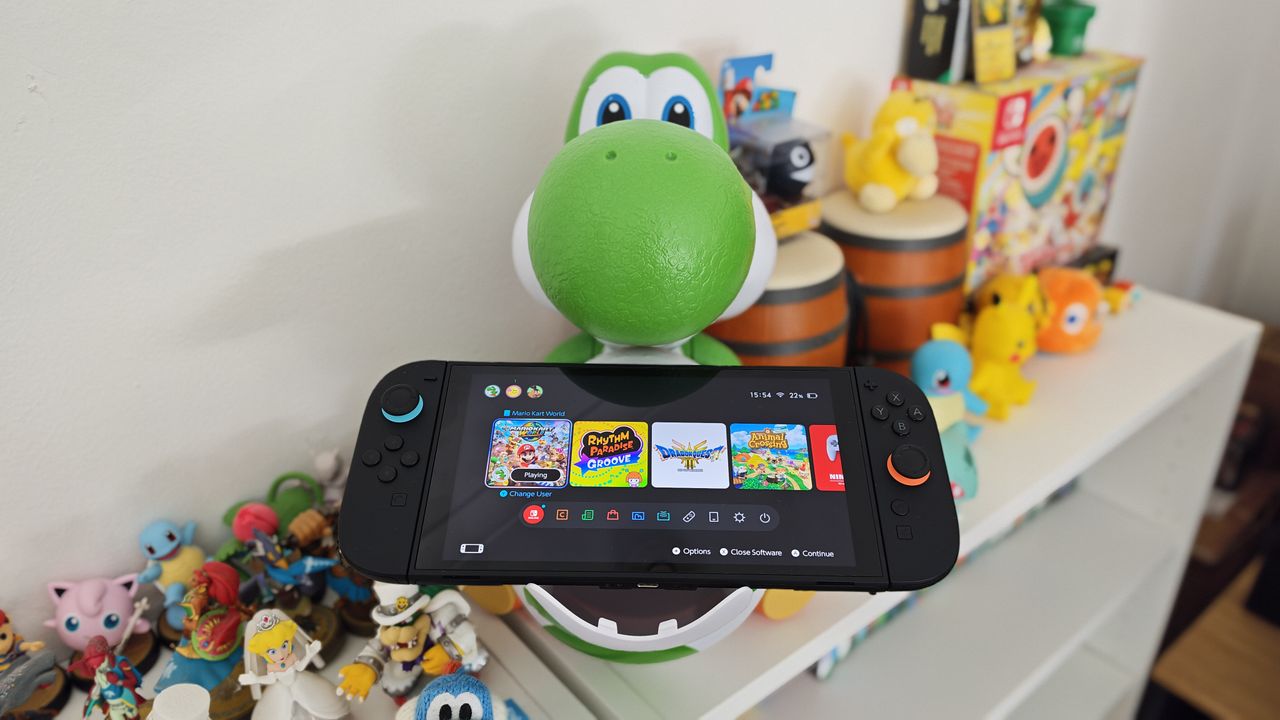
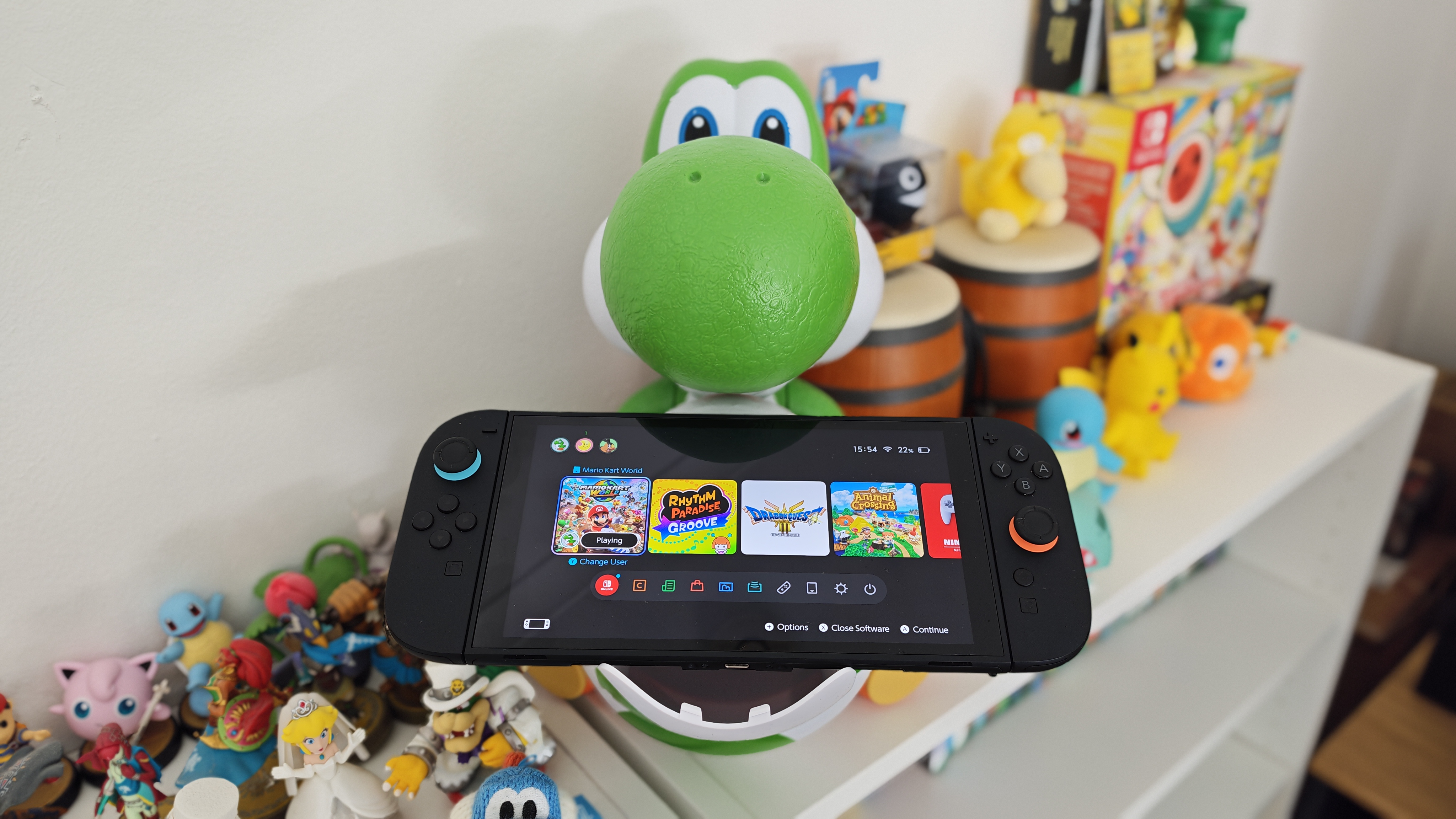
All of that is to say, that whatever came next would have huge shoes to fill. And so, in came the Nintendo Switch 2 — a system that appeared to be less of a revolution, and more of an evolution. It took what made the Switch great and ran with it, offering higher resolution and refresh rates, a larger screen for handheld mode, and even a mouse mode.
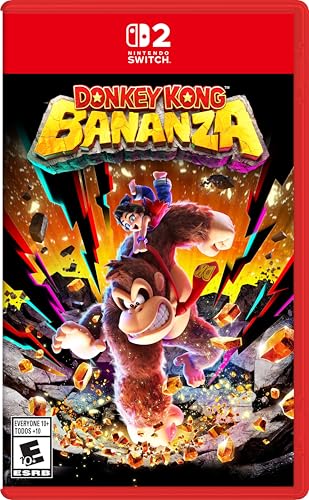
And in some respects, the Switch 2 has hit the ground running. It’s the second-fastest selling games console in recorded US history, and at just over a year old it's already seen multiple exclusives (such as Donkey Kong Bananzaand Pokémon Pokopia) release to critical acclaim. But at the same time, some have been disappointed over the lack of a 3D Mario or truly new Zelda title on the horizon, while issues around battery life and pricing have also proved to be a turn off for others.
So, this got me thinking. Would gamers consider the Switch 2 to be more of a hit, or a flop? Sure, its sales figures have been impressive, but are users satisfied with the hardware upgrades? What are their thoughts on its game catalogue?
I spoke with industry experts, fellow journalists — and most importantly, you, our wonderful readers, and it proved to be a fascinating experience. I heard a lot of varying viewpoints, and now I’m here to report back.
Hit or miss: the expert take
(Image credit: Future / Nintendo)
To begin with, I spoke with Mat Piscatella, Executive Director of Games at the Market Research firm Circana, who had some excellent insight into the commercial performance of the Nintendo Switch 2.
“Well, over its first 12 months in the market, Nintendo Switch 2 hit 5.9M units sold in the US,” Piscatella told me.
Did you know TechRadar now has membership?
(Image credit: Future)
Become a TechRadar Insider by simply clicking 'Join Now' at the top of this page. Have a question? Please email membership@techradar.com
This, he noted, ensured it became the second fastest-selling video game hardware in the US since Circana’s records began in 1995 — finishing behind the Game Boy Advance only. “If that's not considered a hit, I'm not sure what would be,” he remarked.
“For the 2026 year-to-date period ending May, US hardware spending in total was up 37% compared to the same period a year ago,” Piscatella said. He stated that this was “entirely driven by Nintendo Switch 2 as double-digit percentage sales declines were experienced across the other in market platforms”.
With one year in the books, it would be hard to ask for much more when it comes to the sales performance of the Nintendo Switch 2
Mat Piscatella, Executive Director of Games at Circana
So far so good, then, for Piscatella, who also highlighted the benefit of the Switch 2’s backwards compatibility — giving users access to thousands of unique titles from the original system.
He did flag that June date may indicate “tough year-on-year comp for the system,” largely due to sales being compared to the launch month. “After that we should see Switch 2 continue to perform well into its announced September price increase. Then we'll have to see what happens."
What does the TechRadar team think?
(Image credit: Future / Nintendo)
The early signs have been promising, commercially speaking, but our Managing Editor of Social & Engagement (and Nintendo enthusiast), Josephine Watson, says that “the Switch 2 needed more than sales to break Nintendo’s generational curse of yo-yo-ing console success. It needed sticking power”. So, one year on, has it stuck the landing?
She argued that the Switch 2’s weaker holiday sales and subsequent production cuts suggest that “the console has yet to prove its mettle in the same way the first-generation [Switch] did, even with such high sales figures in its first year.” Despite this, she did acknowledge the mid-lifecycle boom that the OG Switch experienced, largely due to the release of Animal Crossing: New Horizons during the pandemic.
In terms of games, Watson had a somewhat mixed take, arguing that the Switch 2 had “a concerningly hollow launch title line-up carried mostly by Mario Kart World,” though she did suggest that the system gained momentum moving into the new year, especially with titles like Pokémon Pokopia and strong third-party additions like Resident Evil Requiem.
Is the Switch 2 a success one year on for Watson? “No — but yes, kinda,” she said. She lamented the lackluster battery life and pointed to how Nintendo could’ve done more to eradicate stick drift from the Joy-Con 2 controllers, but did express satisfaction with the improved processing power and refined eShop. And even though her views on the game library haven’t been entirely positive, the Legend of Zelda: Ocarina of Time remake, scheduled for release in 2026, “is the game-changer,” she said.
TechRadar Senior Writer, Hamish Hector, admitted that he was “a little skeptical” of the Nintendo Switch 2 — both a little before and a little after its launch. But since grabbing one in the latter stages of 2025, those worries seem to have largely dissipated.
“It has cemented itself as my go-to gaming handheld,” Hector told me. “While it doesn’t have the raw power or library breadth of my Asus ROG Xbox Ally X — a handheld gaming PC with access to Steam’s vast suite of games — the Switch 2 does still boast a solid selection of AAA ports, incredible first-party hits and superb indie darlings”.
He noted how some AAA third-party ports have varied in quality, although hit the mark more often than they miss, and most issues manifest themselves as simple “graphical performance hitches” rather than “anything majorly frustrating”. He even hailed the Switch 2’s value for money, emphasizing that “At $449.99 / £395.99 it’s much more affordable than any worthwhile PC handheld, and even after its upcoming price hike to $499.99 it’ll still be a solid pickup”.
Here’s what our audience has to say
(Image credit: Future)
We’ve heard a range of views so far, albeit generally positive ones. It feels as if the general consensus is that the Nintendo Switch 2 has been an overall success, with a strong start in terms of sales and a commendable library to match. But I was most excited to hear from were you, our audience. So, I asked, and you answered: here’s whether you considered the Switch 2 to be a hit or a flop.
I asked our audience about their feelings on the Switch 2 across multiple platforms. With our poll here on the TechRadar website and over on WhatsApp, users were given four choices: 'It’s a hit'; 'it’s pretty good'; 'it’s a little disappointing'; and 'it’s a flop'. We got 892 votes, and the breakdown was as follows.
Is the Nintendo Switch 2 a hit or a flop? Main poll results
Response
Votes (raw numbers)
Votes (as % of total)
It’s a hit
224
25.1%
It’s pretty good
197
22.1%
It’s a little disappointing
378
42.4%
It’s a flop
93
10.4%
Over on YouTube, we wanted to try a more direct approach and gave our audience only two options: hit or flop. We received 446 votes (at the time of writing), with 61% selecting ‘hit’, and 39% going with ‘flop’.
But what do these results actually tell us? At a glance, the picture seems pretty divided. Across all of our polls on our website, WhatsApp, and YouTube, we received 1,338 responses. Of those, 693 (51.8%) were generally positive on the Switch 2 (respondents called it ‘a hit’ or ‘pretty good’), whereas 645 (48.2%) were generally more negative (respondents either selected ‘it’s a little disappointing’ or ‘it’s a flop’).
Over on our Facebook page, the reasons for such division became clear, with a wide range of differing opinions floating around.
Of course, the very meaning of ‘hit or flop’ in itself can be interpreted in a number of ways. One commenter, Andreas Carmblad, stated that “hit or flop is reflected in the sales figures,” suggesting that Nintendo’s new console has been a success so far.
Others were more focused on the quality of the system’s software lineup, with most talking up the first-party line-up — though one commenter described the current set of exclusives as “woeful,” adding “hopefully a few big releases can turn it around [like] OoT and a new 3D Mario game”.
Elsewhere, commenters expressed disappointment over the console’s battery life in handheld mode — understandable given that it can run flat in around 2 hours with more demanding games.
However, many considered the new hardware changes to be a hit, with Tim McDougall saying “It's an improvement in almost every way [over the original Switch] and it's now much closer in performance to the current gen home consoles. It's 99% backwards compatible with the first Switch, with many performance benefits. I'd say it's a success”.
I was slightly surprised to see so many members of our poll select ‘slightly’ disappointed in our poll, and I expect that this comes down to a sentiment that the console is still a few games short of being a true must-have for all gamers. However, with Zelda and Pokémon games releasing soon, a lot of opinions could be swayed — and I suspect a blockbuster Mario title would only seal the deal.
What I was pleased to see, however, is that very few members of our audience (10.4% in our main poll) consider the Switch 2 to be an outright flop. After all, the sales speak for themselves, and there have been a lot of very well received exclusives early in the system’s lifecycle.
Some personal thoughts
(Image credit: Future)
This brings me onto my personal thoughts. I pre-ordered the Nintendo Switch 2, and my expectations were high for the new system. Although I loved the original Switch’s library and appreciated its flexibility, the truth is, I actually didn’t love it all that much. For me, quality often felt overly compromised in handheld mode, with a lot of intensive titles struggling to reach up to 60fps. But the Switch 2 changed everything.
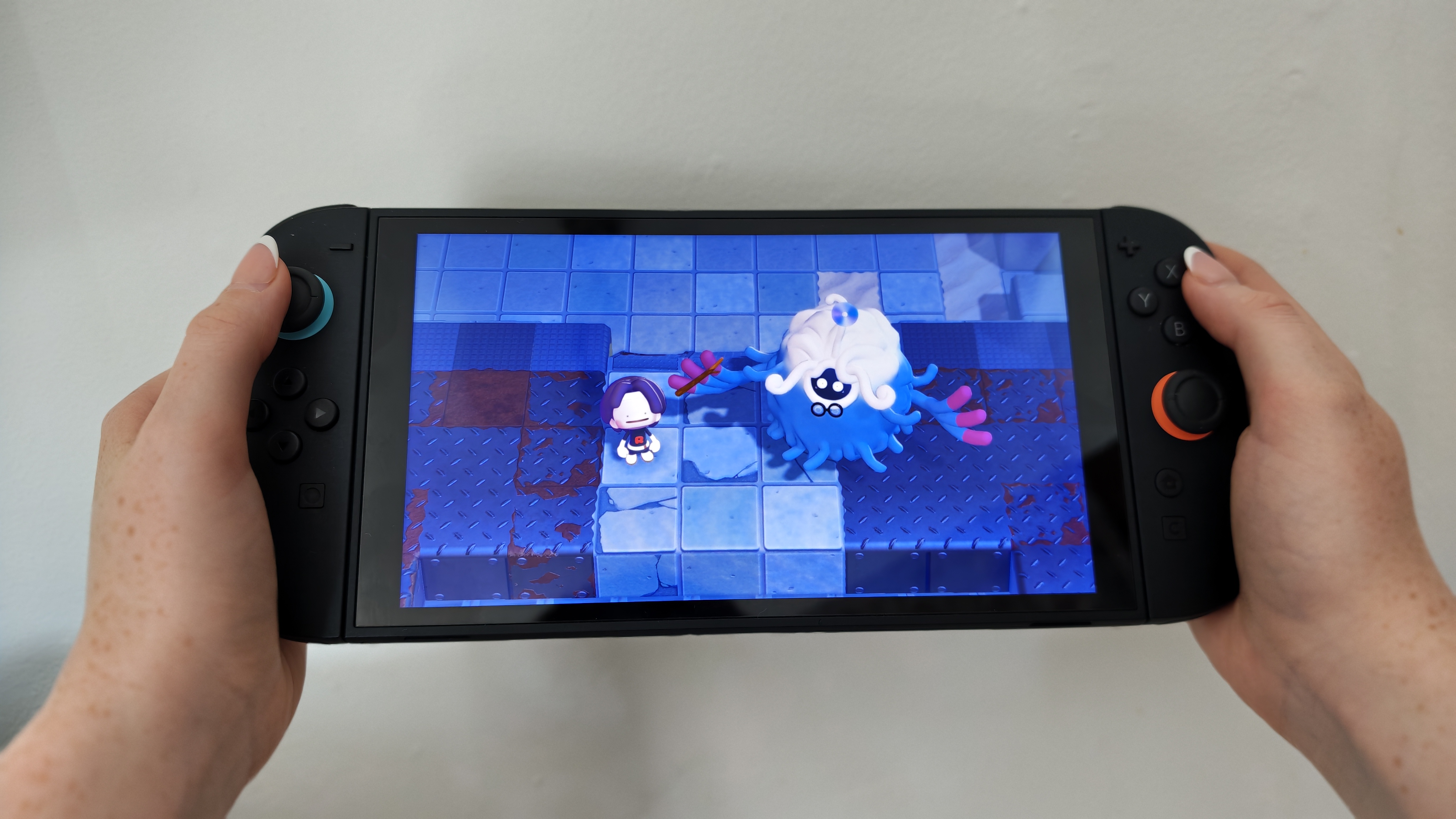
Now, I can enjoy titles in full HD at 60fps (and sometimes up to 120fps) in handheld mode, and I feel like the gap in quality when playing on the go — rather than in front of the TV — has shortened. What’s more, the Switch 2’s Handheld Mode Boost means that I can enjoy my original Switch games as if I was playing them with my system docked — a truly fantastic feature.
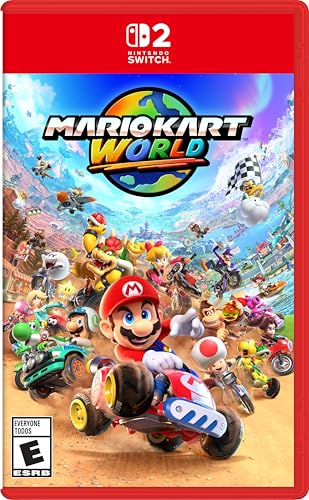
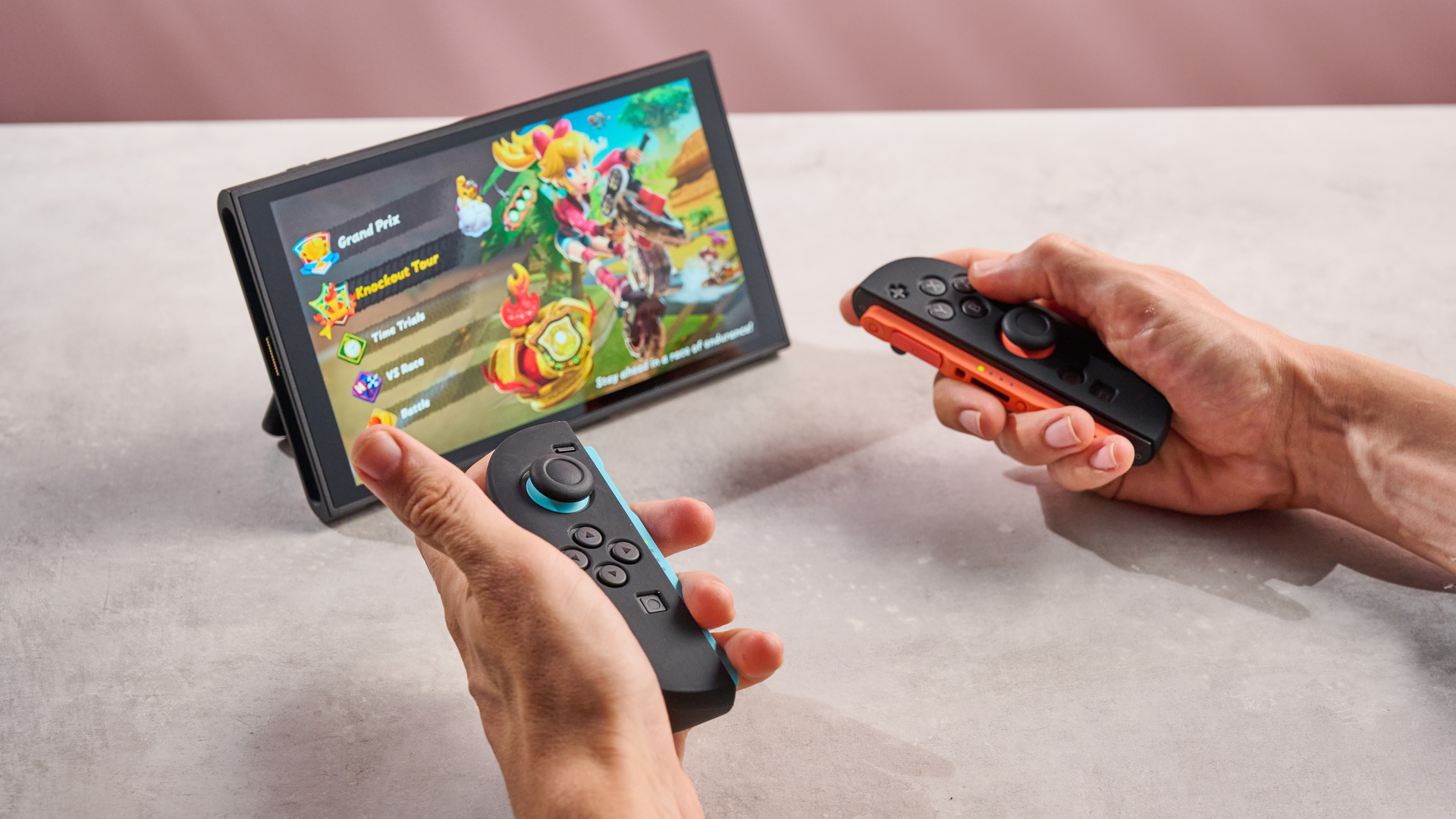
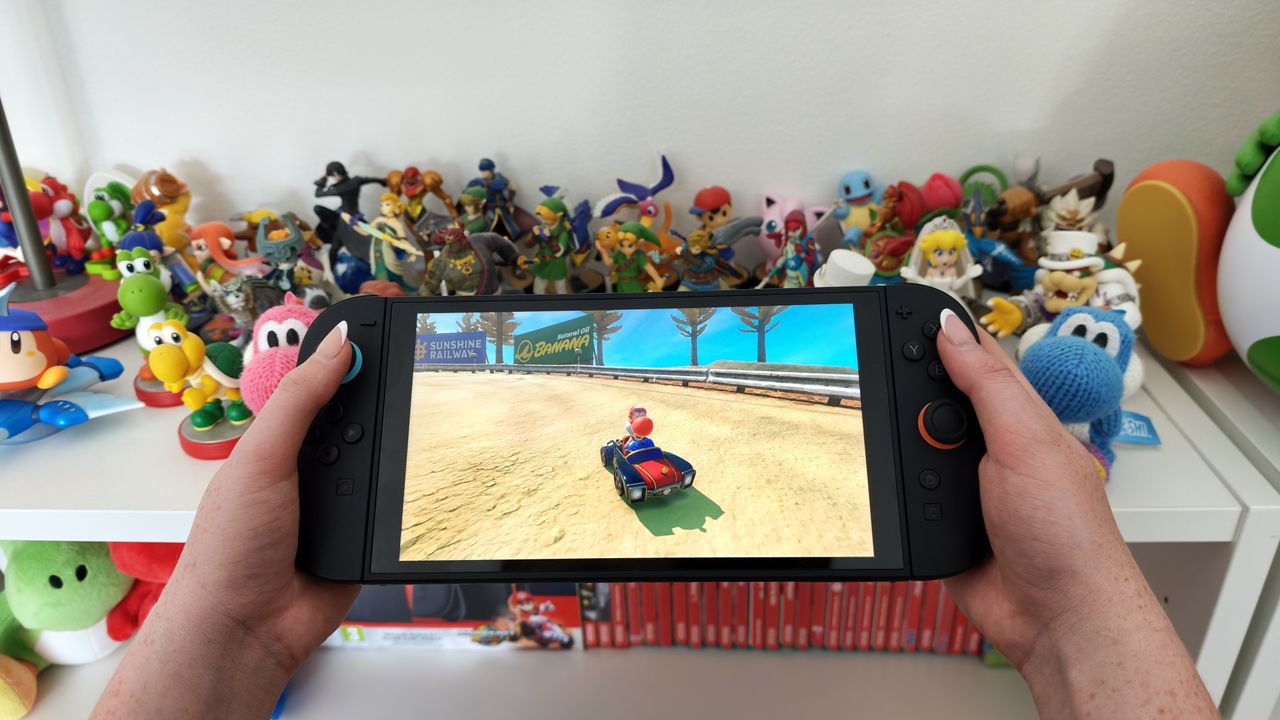
Then there’s the games. Controversially, I consider Mario Kart World to be the series’ best entry since the Wii generation, with a return to the true chaos and zaniness that made the games great in the first place — with knockout mode and the bizarre cast of characters being highlights for me. I’ve also had a blast with DK and Pokémon Pokopia, have spent countless hours racing in Kirby Air Riders, and exploring in Yoshi and the Mysterious Book.
The Switch 2 has also managed to do what the original model never could for me, in that I now often choose Nintendo for third party experiences. The brilliant combination of portability and higher fidelity visuals has made grinding in Dragon Quest I & II HD-2D Remakeor playing detective in Raidou Remastered: The Mystery of the Soulless Army feel free of compromise.
Pair that with impressive sales performance, more convenient magnetic Joy-Cons, and even some pretty impressive virtual surround sound processing, and the Switch 2, in my eyes, is a sure-fire hit.
Yes, I share many users’ battery life gripes, and I personally believe that some of the first party games are far too pricey — I mean, $79.99 / £74.99 / AU$119.95 for a physical copy of Mario Kart World? Really? But even with incoming price hikes, I’d consider Nintendo’s latest hardware to offer plenty of bang for your buck, and although I’d love to get Super Mario Odyssey 2 within the next year or so, I’m perfectly satisfied with the current, and upcoming crop of titles at this stage.
If you’ve always loved the world of the Splatoon series but have been — understandably — put off by the prospect of its sweaty competitive multiplayer modes, then this latest Nintendo Switch 2 exclusive third-person shooter is for you.
Review info
Platform reviewed: Nintendo Switch 2 Available on: Nintendo Switch 2 Release date: July 23, 2026
Splatoon Raiders offers an incredibly compelling, single-player take on the series’ trademark ink-spewing action. It’s all underpinned by the same excellent shooting mechanics that make online matches of Splatoon 3such a blast, now smartly recontextualized in a wholly player versus environment (PvE) format and enhanced with a plethora of satisfying progression systems that allow you to experiment with countless impactful character builds.
The sheer volume of content here is formidable: there are a vast number of highly replayable missions that can be tackled in multiple difficulty levels, more than a hundred weapons to wield, and even lend others a hand in online co-op for more unlockable rewards. This is comfortably one of the best Nintendo Switch 2 games and I know I’ll be coming back to it, even now I’ve seen the credits roll.
Fishy business
(Image credit: Nintendo)
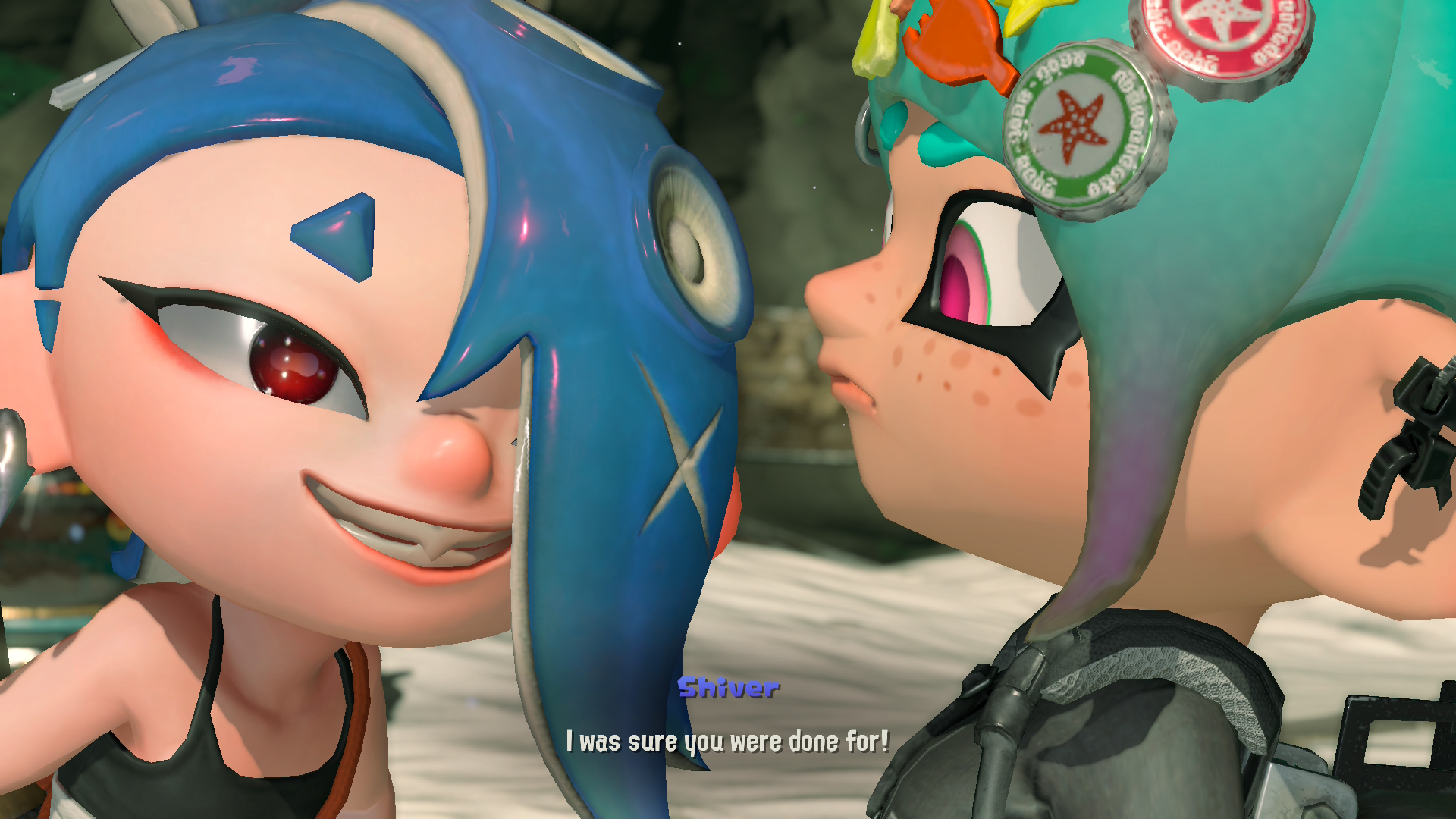
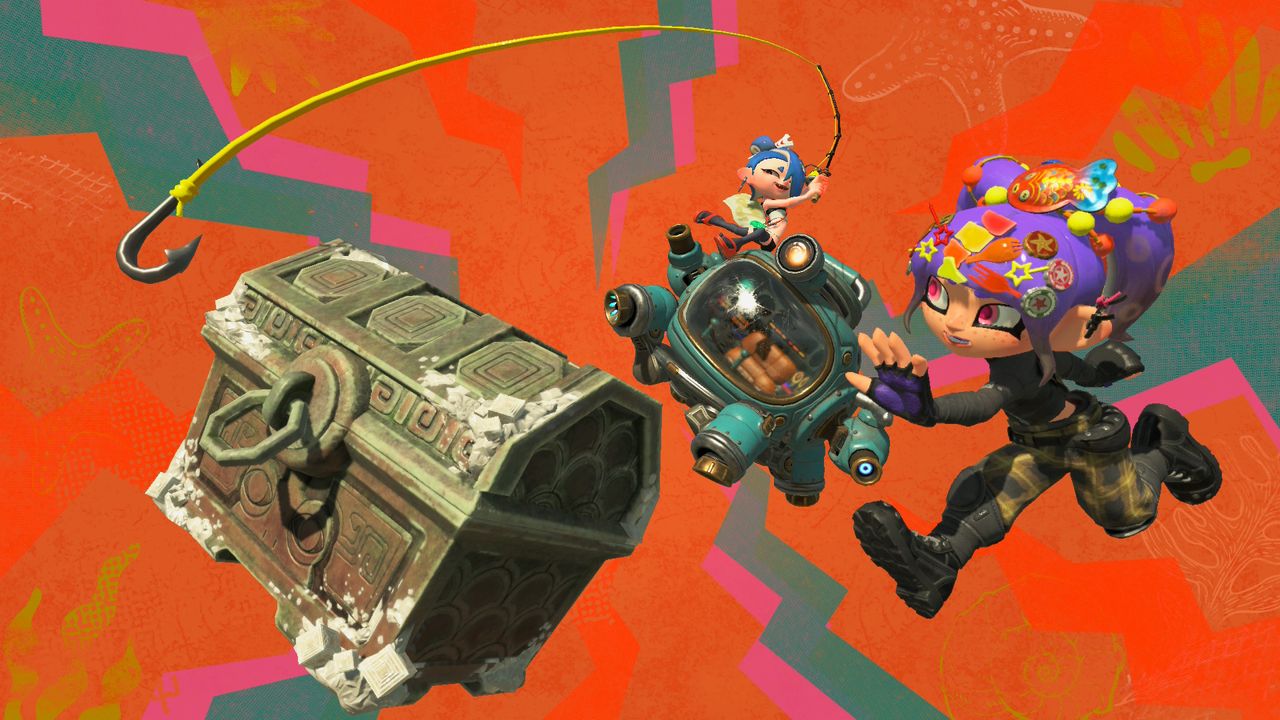
While the main Splatoon games are known for their clean urban aesthetics, Splatoon Raiders sets itself apart with a much grimier, more salvaged look. Set on the distant Spirhalite Islands, it follows an unnamed mechanic working for the Deep Cut trio — the iconic TV show hosts from Splatoon 3 who apparently moonlight as treasure hunters. With the group stranded on a raft after their latest treasure hunting expedition goes awry, they’re forced to improvise gear and track down the resources necessary to escape.
Fashioned from wooden crates and metal grates, the raft functions as your hub world in between missions and can be outfitted with a range of useful features like a customizable firing range and a range of upgrade stations, in addition to more whimsical options like an arcade cabinet that offers some cute pixel-art minigames. You always feel like there’s a meaningful upgrade that you’re working towards, and watching your craft develop from a ramshackle structure into a fully-fledged mobile base as you progress through the story is immensely satisfying.
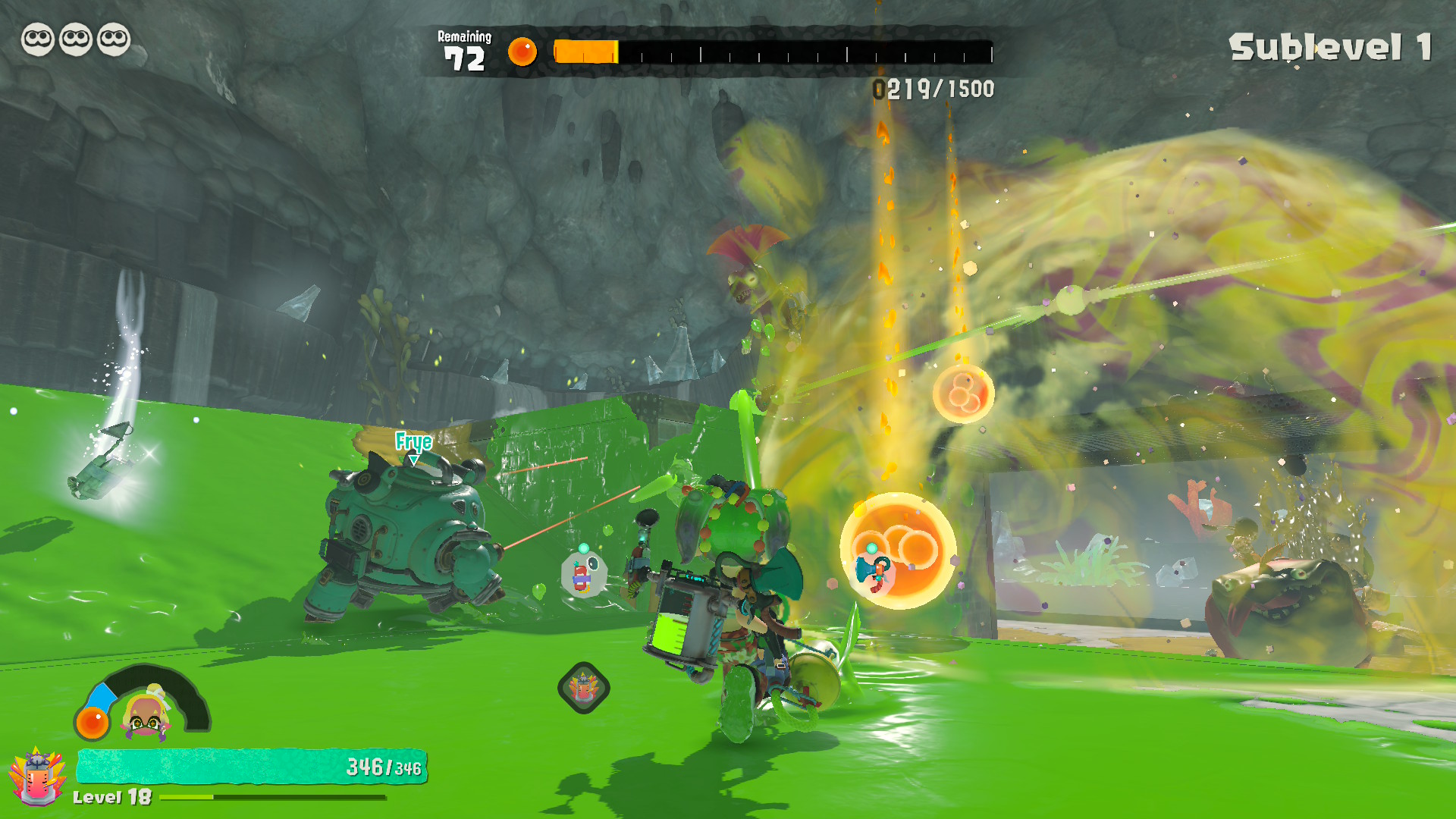
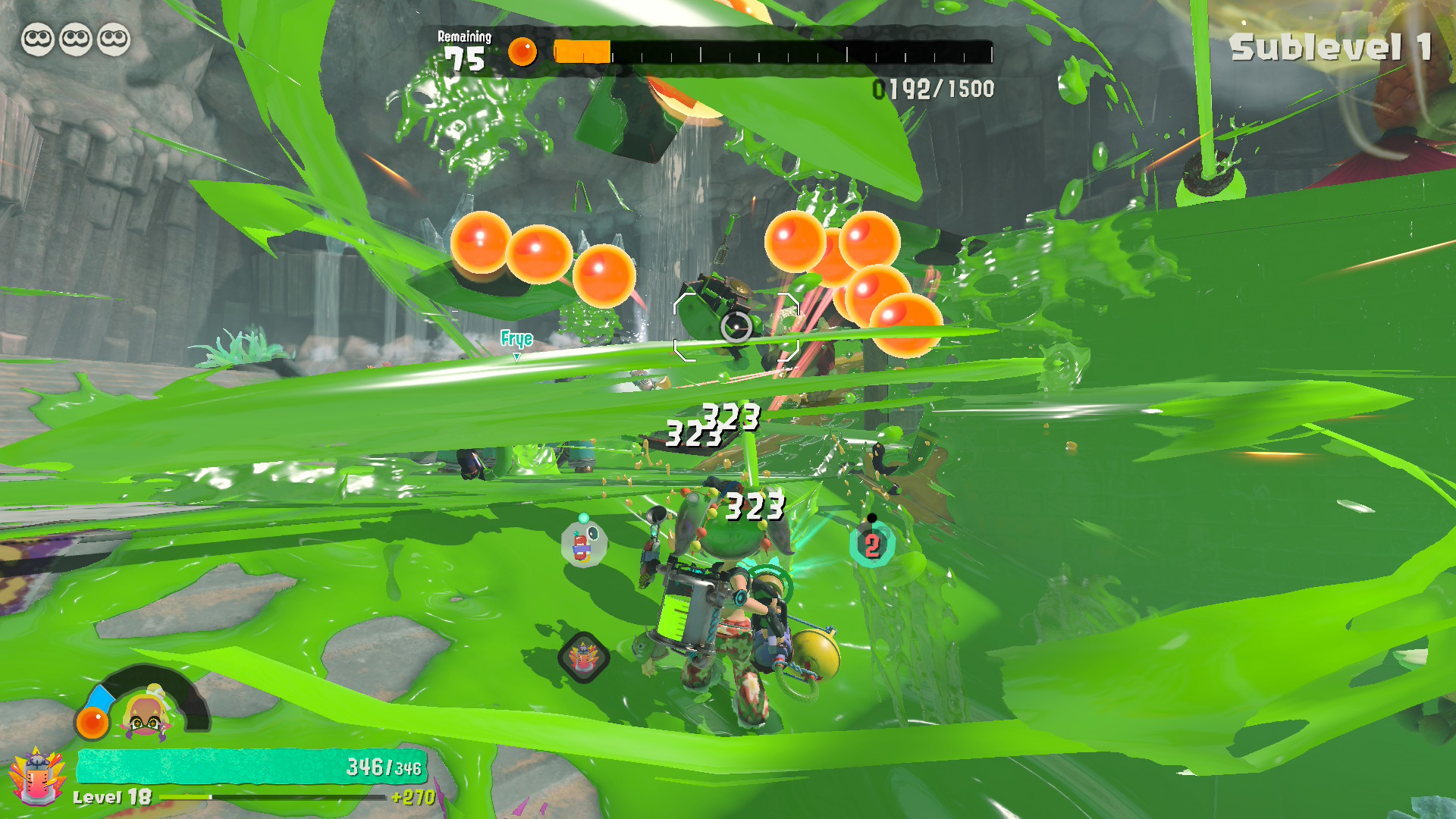
That’s not to say that you need much encouragement to complete missions, however, as they’re a load of fun. There are three main types: quickfire dens that have you beating a few waves of foes in a short time limit, longer raids where you drop into large semi-open environments to secure nearby treasure chests, and dungeons that challenge you to get to a goal with a set loadout.
Best bit
(Image credit: Nintendo)
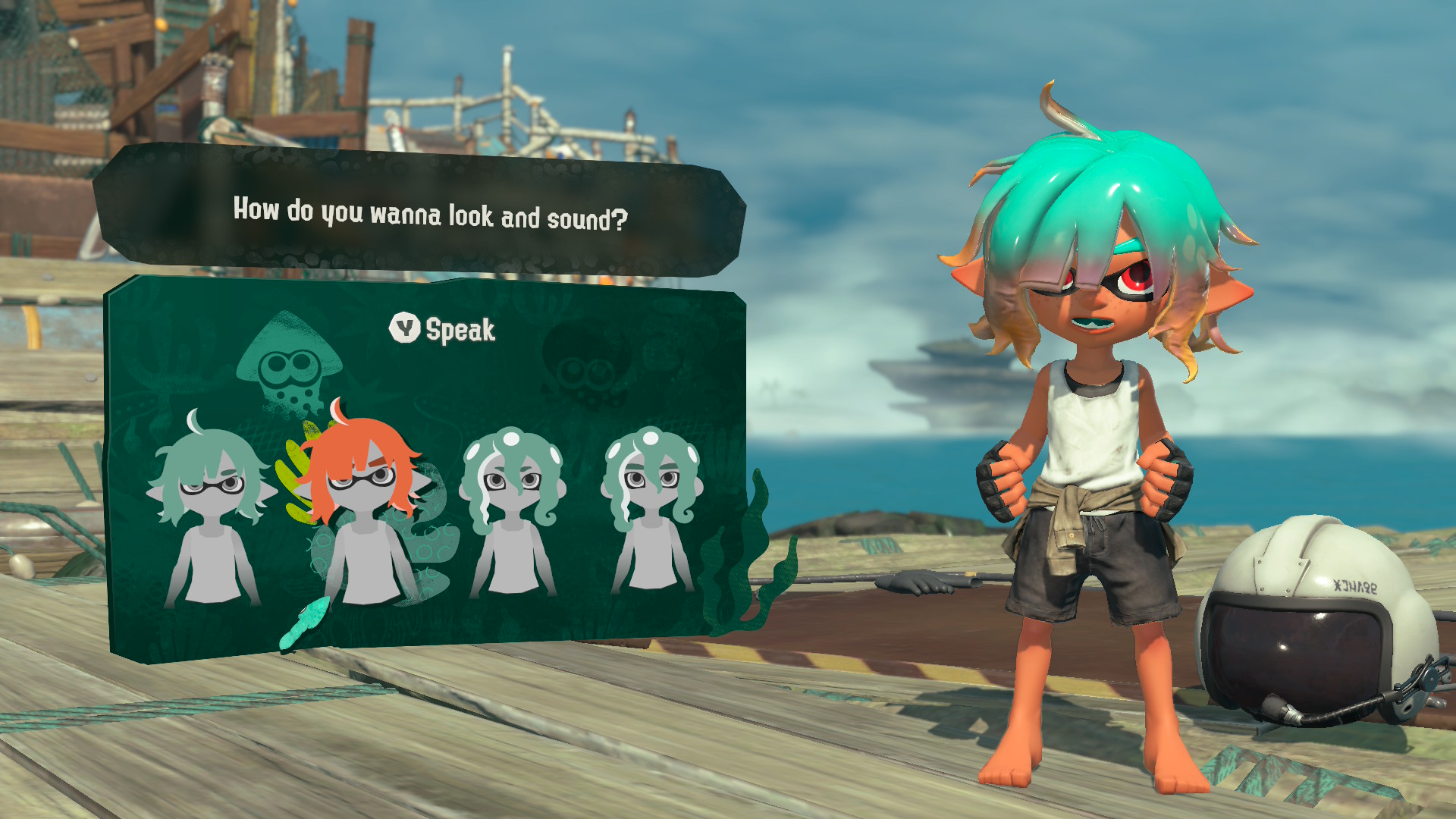
I love the character creator in Splatoon Raiders. It lets you choose between an Inkling or Octoling protagonist, with customizable facial features and a range of cute hairstyles that are perfect for expressing yourself in co-op. The generous selection of unlockable outfits is lovely too.
It seems pretty basic at first, but there are an incredible number of unique twists that keep each new mission feeling fresh. A den, for example, might throw hundreds of the same area-denial enemies at you — coating the small arena with noxious slime that chips away at your health and forces you to stay on your feet — while a raid could surprise you with tricky platforming sections and a strict time limit.
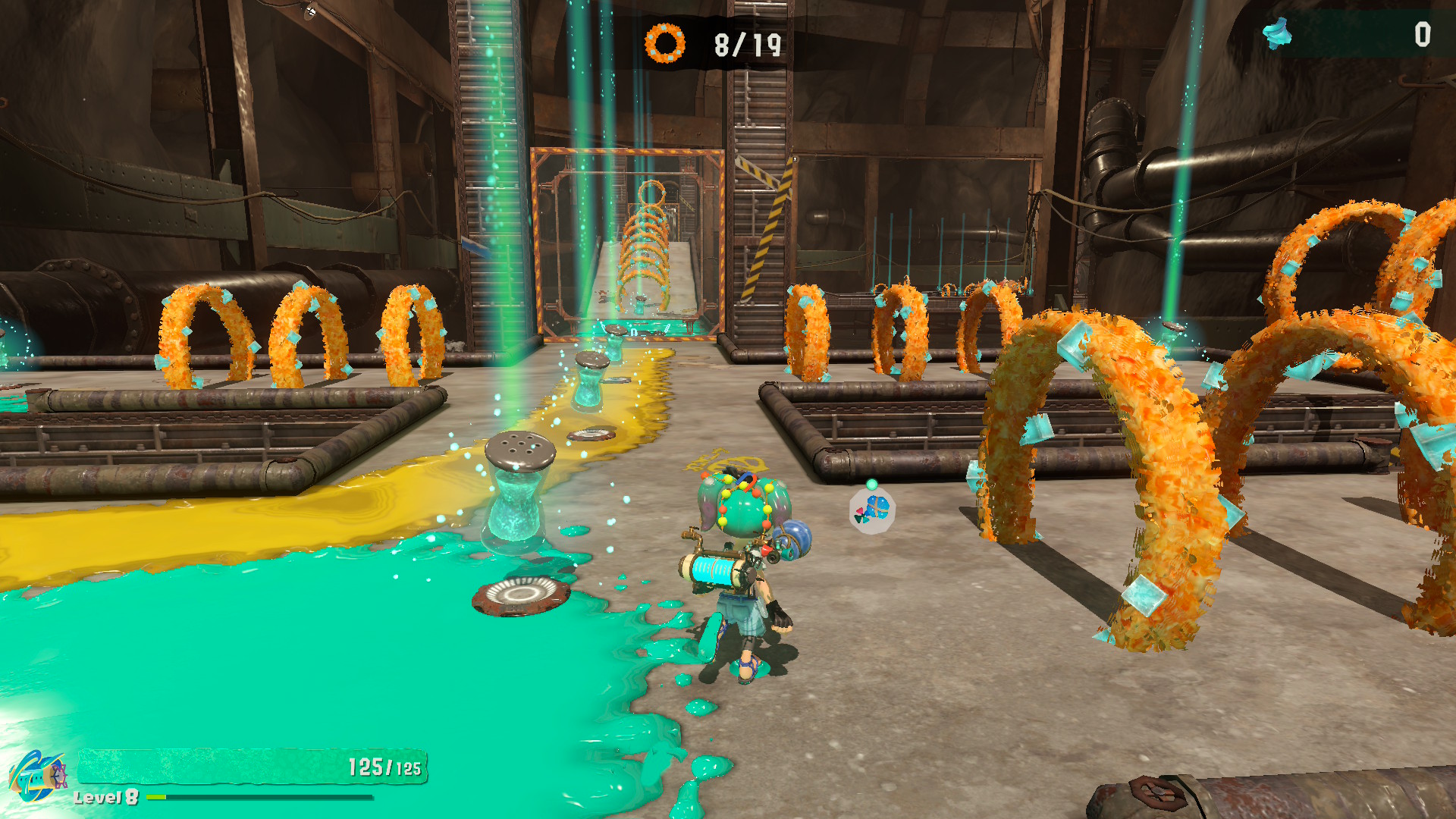
The dungeons, meanwhile, are more focused around puzzles and cleverly serve to tutorialize many of the weapons and abilities that you can unlock.
In the tank
(Image credit: Nintendo)
Your character can carry one of three ink tanks (which basically determine your chosen ‘class’), designed for raw power, speed, or more careful ranged tactics. They all play completely differently, with their own roster of powerful gadgets to unlock and an overall power level that gradually ticks up with use.
I mainly relied on the Power Tank, which, true to its name, is all about big, bombastic attacks that deal massive damage. My favorite gadgets include the inky hatchet with its huge slashing strike that is invaluable for taking out tankier foes and a charging rocket launcher that wonderfully shreds through groups of smaller ones.
It might be tempting to rely on one favorite, but there are plenty of good reasons to try the others. Fully upgrading one tank requires you to spend time with the others, and some dungeons even have specific rewards depending on which you use to complete them. I initially thought that this might prove a frustrating barrier to progression, but soon came to appreciate being made to step out of my comfort zone because all three tanks are equally enjoyable to use with a huge variety of gadgets to discover.
(Image credit: Nintendo)
Every gadget is highly customizable as well, with a plethora of collectible parts that do everything from minor stat upgrades to fundamentally change how they work. You can only add a certain number of parts at a time, so you’ll need to think carefully in order to craft a new build to successfully overcome a particularly tricky challenge.
There’s just as much depth to the wide selection of weapons. The 11 types on offer will all be familiar if you’ve played Splatoon 3, with a good mix of long-range shooters, nimble pistols, sloshing buckets, and so on, all with their own mechanics to master. Tackling more difficult missions rewards more powerful weapons at a strong pace, which, alongside the steady introduction of new rarities with their own unique qualities, further stops everything from becoming stale.
The same is true of the many enemy types. It’s the same malevolent Salmonids from the Salmon Run side modes of Splatoon 2and 3, but with a healthy number of new varieties to surprise even the most seasoned fish hunters.
It all comes together for an experience that, even when some of the more difficult challenges force you to grind up your power level, remains fresh and exciting like a delicious piece of sashimi throughout.
Should I play Splatoon Raiders?
Play it if...
You’ve always wanted a single-player Splatoon Splatoon Raiders finally delivers the single-player Splatoon experience that many have been waiting for, giving you a new way to discover the franchise without the pressure of PvP.
You want something to play for the long haul With its wealth of meaty progression systems, Splatoon Raiders gives you loads of goals to work towards. Pick this up if you want a game that you can dip into over and over again.
You’re after a meaty co-op experience Although primarily a single-player experience, Splatoon Raiders supports online co-op that lets you tackle the majority of its missions with up to three friends.
Don't play it if...
You’re not interested in Splatoon Splatoon Raiders is a superb game, but it’s not going to win you over if you already disliked the series’ third-person, ink-based combat.
Accessibility features
Like most modern Nintendo releases, Splatoon Raiders is lacking when it comes to accessibility features. It offers the ability to invert both thumbsticks, or use motion controls to aim.
The color of ink is usually random, but you can lock it to either blue or purple in order to be easier to see. In addition to offering harder versions of most missions, the game features three overall difficulty modes which decreases or increases the power of enemies.
How I reviewed Splatoon Raiders
(Image credit: Nintendo)
I played nearly 20 hours of Splatoon Raiders on Nintendo Switch 2 using the Joy-Con 2 controllers in handheld mode. For audio, I used the system’s built-in speaker setup.
I experienced the whole of the game’s story, hitting the credits having tackled all of the major missions on the standard difficulty mode, in addition to some online co-op play.
It’s not a stretch to say that, in spite of its high sales, the console has been highly contentious among gamers. While many speak with positivity about the Switch 2, there have been criticisms around the consoles battery life and performance, for instance.
Some gamers have also noted concerns around the lack of big first party hitters, such as a brand new 3D Mario, a new entry in the Legend of Zelda series (rather than a remake), and the system’s slightly patchy release schedule for 2026. Bundle that with some high-priced software and incoming console price rises, and I can see why some fans are yet to be won over.
My thoughts: a brief summary
(Image credit: Future / Nintendo)
In my personal opinion, though, the Switch 2 has had a pretty strong start. Growing up, I saw the messy launch of consoles such as the PlayStation 3, and the simply woeful launch titles for its successor, the PlayStation 4 and its counterpart, the Xbox One. Meanwhile, the Switch 2 has some great multiplayer fun in titles like Mario Kart World and Kirby Air Riders, some exceptional single player experiences like the aforementioned Donkey Kong and Pokémon games, and a healthy dosage of third-party support to boot.
What’s more, I’d argue that performance is pretty strong, and with a 1080p 120fps display for handheld mode, it no longer feels like I’m sacrificing too much quality just to play without my TV. Throw in 4K visuals in docked mode, far comfier Joy Con 2 controllers, and surprisingly good virtual surround sound, and I for one am happy with the hardware upgrade brought to the table by Nintendo’s new hybrid console.
I do wish that some games were a little more affordable — $79.99 / £74.99 / AU$119.95 for a physical copy of Mario Kart Worlddefinitely feels excessive, even with modern pricing standards. And I really wish the console’s battery life was a bit better too, even if I have found a workaround of sorts.
All in all, though, I’ve had a great first year with the Switch 2, and its prolific sales are there for all to see. But I’m not just here to share my view — there’s something else I’m far more interested in.
Tell us what you think about the Switch 2
(Image credit: Future / Nintendo)
That’s right: TechRadar Gaming wants to hear from you.
I’ve briefly spoken about some contentious points, but I want to gauge the thoughts and feelings of all of you out there. Do you think the Nintendo Switch 2 has been a hit or a flop?
Below, you’ll find a poll, where you can tell us what you think.
However, I’m also really keen to draw some specifics from our readers. If you’d like, you can comment below and make your voice heard — has the Switch 2 been a disappointment for you? Is it already among the console elite? We want to hear it all — and your comments may even feature in an upcoming article!
At a time when the Nintendo Switch 2's library is coming into its own with exclusive games like Pokémon Pokopia, Star Fox, Donkey Kong Bonanza and more, there has never been a better time to get your hands on the console before it's too late.
Don’t be fooled by the 11% discount figure — after the incoming increase that starts September 1, this price will be roughly 23% cheaper, and we suspect this could be as good as pre-price hike deals get. If you’re upgrading from the original Switch, the Switch 2 is also backward compatible, so you can still play your existing library of games on the more powerful console.View Deal
Our Nintendo Switch 2 review gave the console 4.5 stars for being a massive upgrade over its predecessor. The headline improvements are are support for 4K and 1440p resolutions (vs up to 1080p), a 120Hz refresh rate (up from 60Hz) and overall performance improvements with an Nvidia Tegra T239 processor, 12GB of RAM (vs 4GB) and starting storage of 256GB.
The main criticism in the review was around the relatively sparse exclusive game library at the time, but the landscape has since changed with the games I mentioned above. In fact, there's more where that came from — a handful more exclusives like The Legend of Zelda: Ocarina of Time remake and Kingdom Hearts IV are set to come out this year, and there's even a port of Minecraft in the pipeline, too.
It's also worth noting that the Nintendo Switch 2's battery has fallen short of the brand's estimated 2-6.5 hours, with our tests finding it running between 2-5 hours, and that GameChat still doesn't compare to voice comms in PlayStation or Xbox.
Otherwise, these shortcomings shouldn't detract much from how much better the Nintendo Switch 2 is over its predecessor. The console is still the best way to experience Nintendo's best game offerings, and this discount makes it an even more compelling buy.
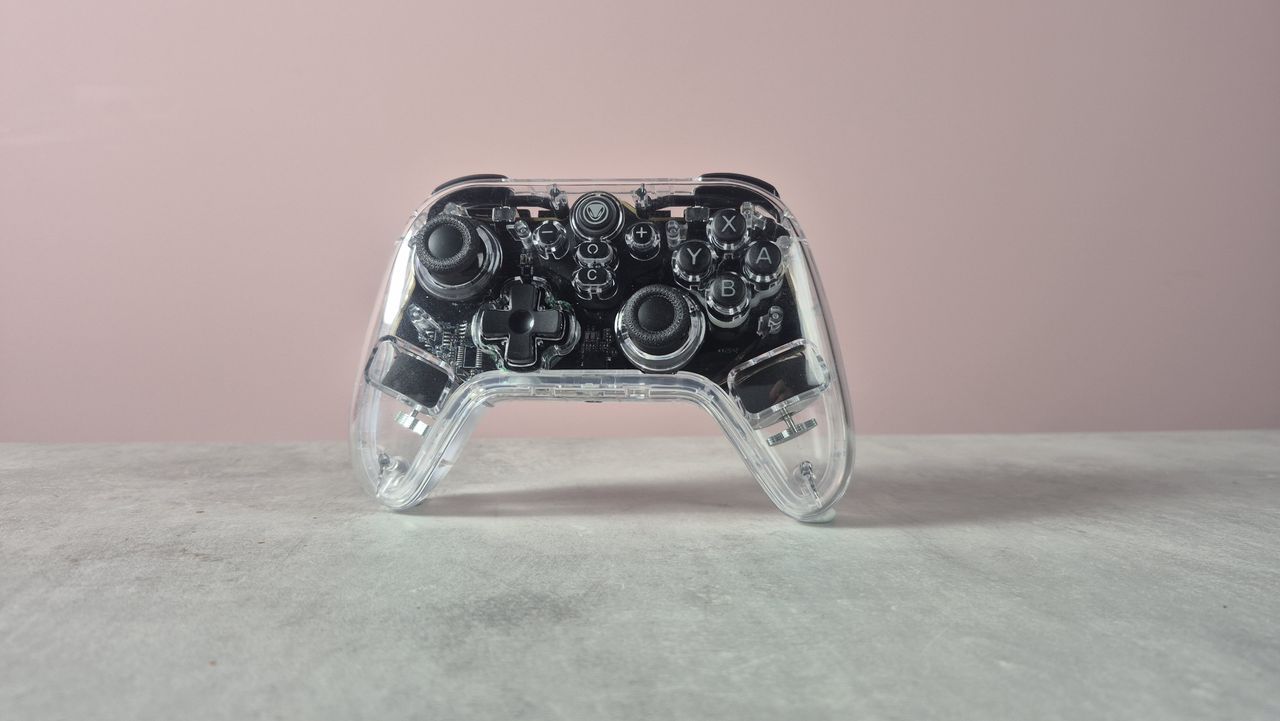
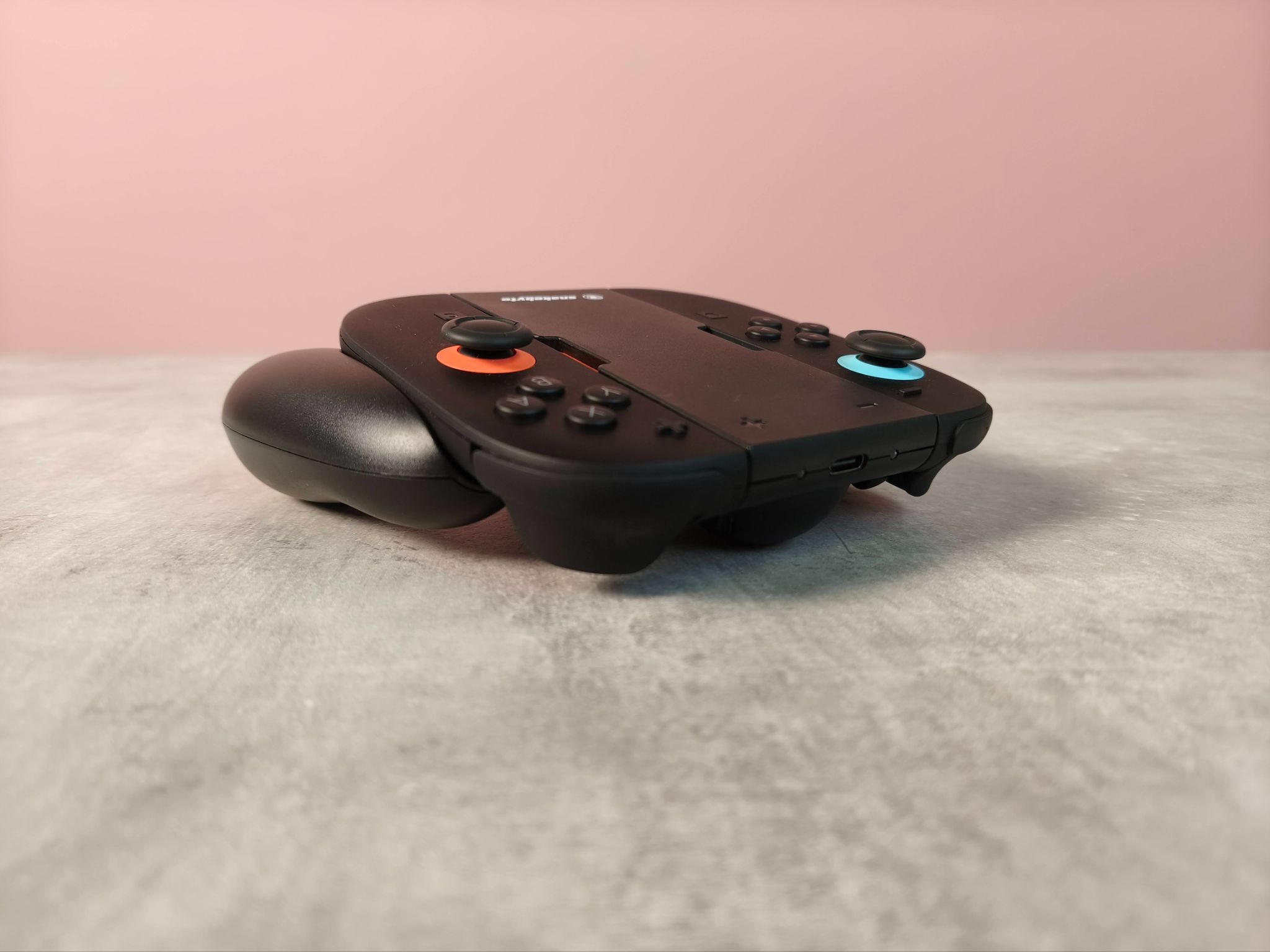
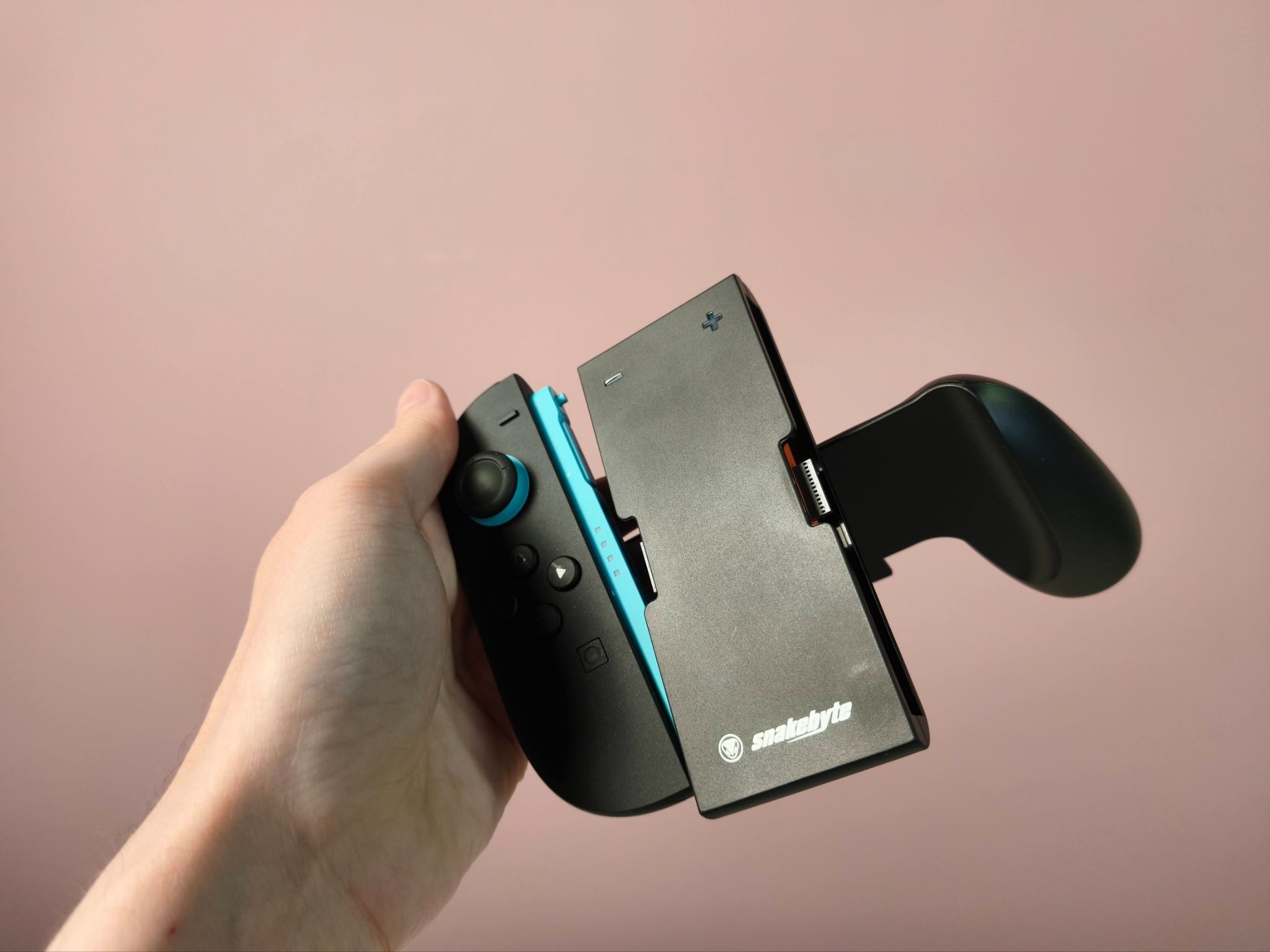
The Snakebyte Ergo Grip 2 is a basic grip for the Switch 2’s Joy-Cons, although it has a few tricks up its sleeve.
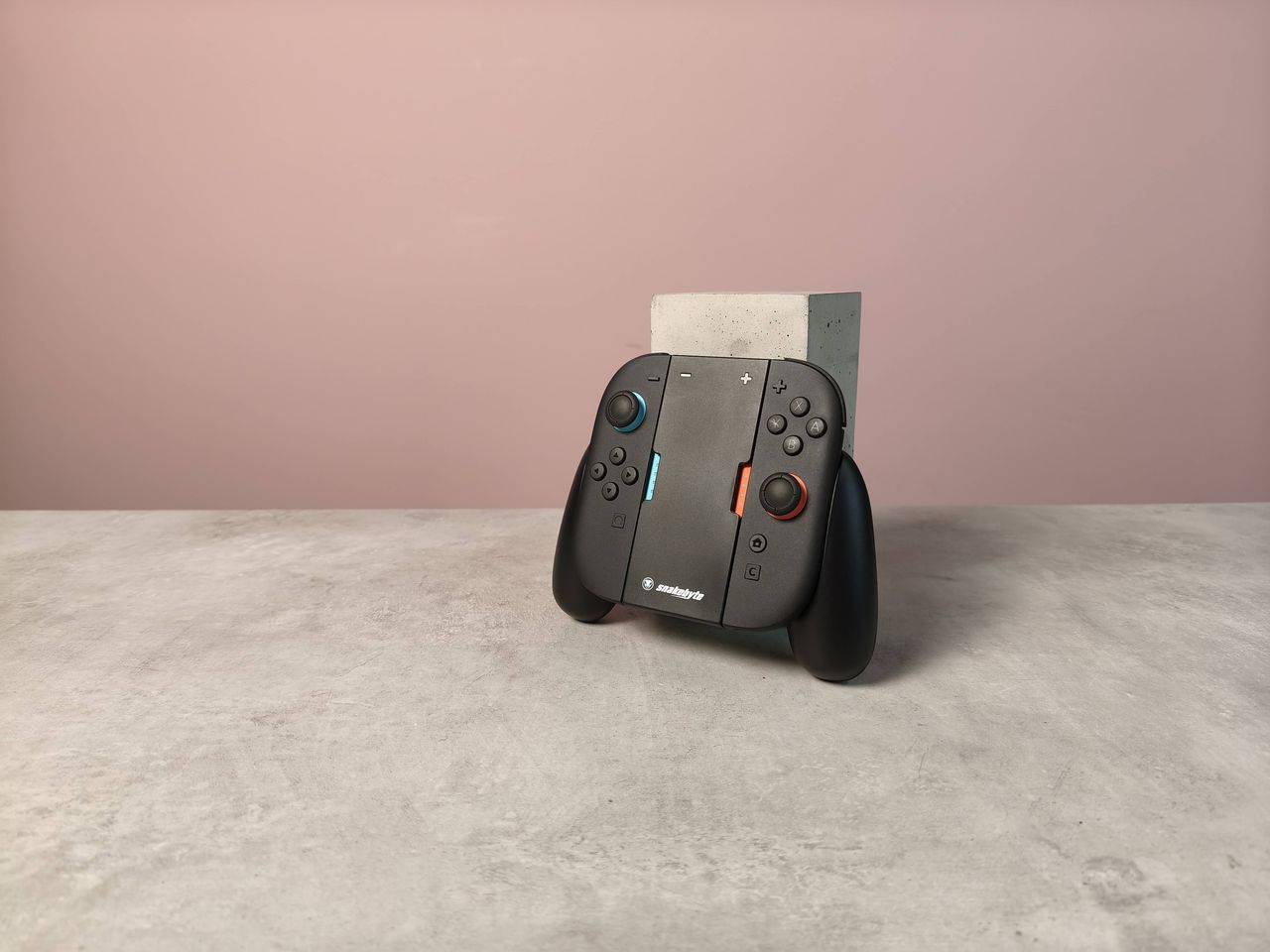
Its design is very much a case of function over form. There’s no RGB lighting, and the all-black colorway leaves no room for levity. At least it's simple and unfussy, consisting merely of a central bar and two grip handles on either side. These handles are reasonably long but quite thin compared to more traditional controllers.
(Image credit: Future)
The build quality isn’t particularly great, it has to be said. There’s quite a bit of flex to the whole unit, although it's solid enough and the plastic feels smooth in the hand. But it’s certainly not going to challenge the best Nintendo Switch 2 controllers on this front.
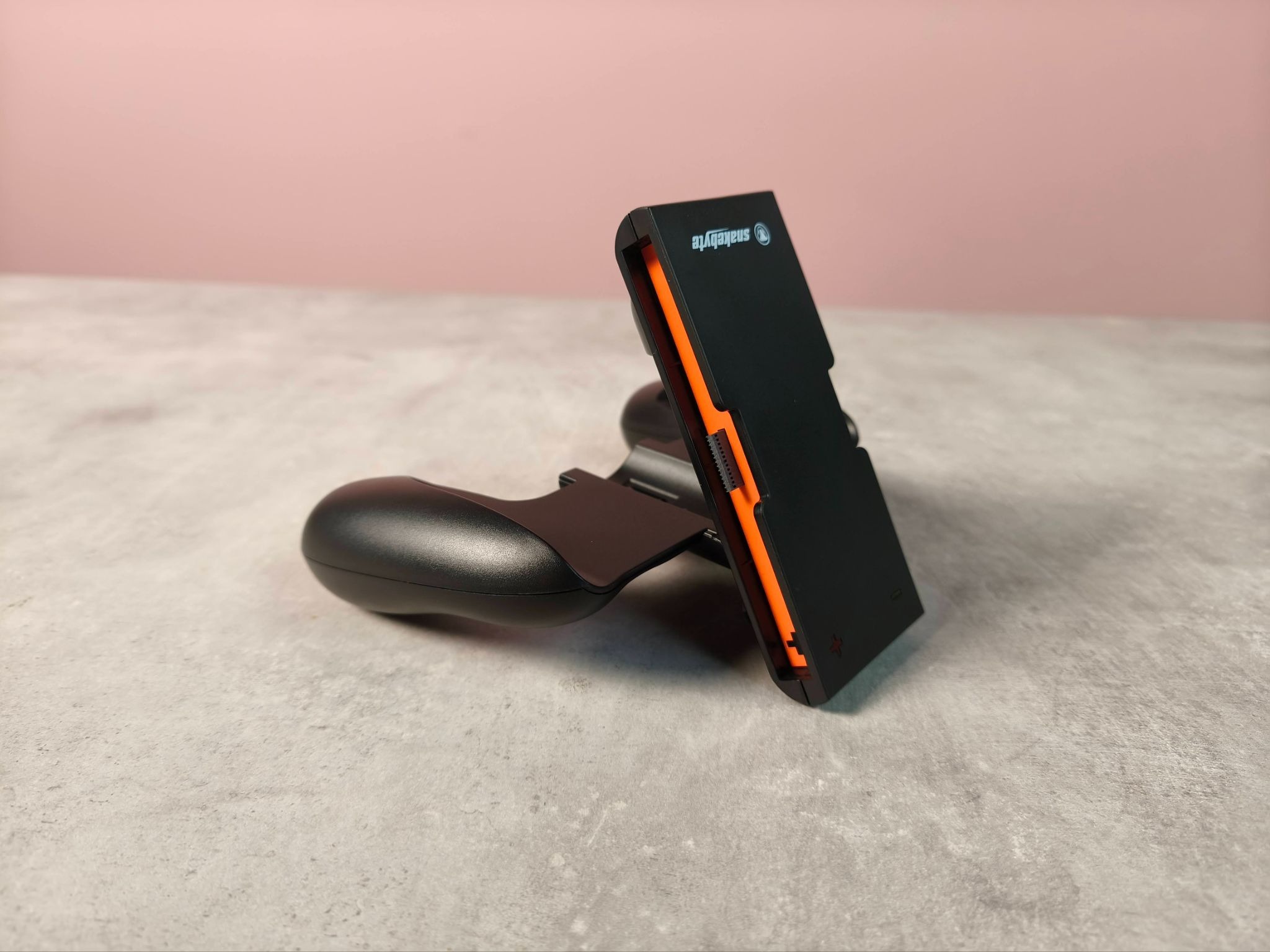
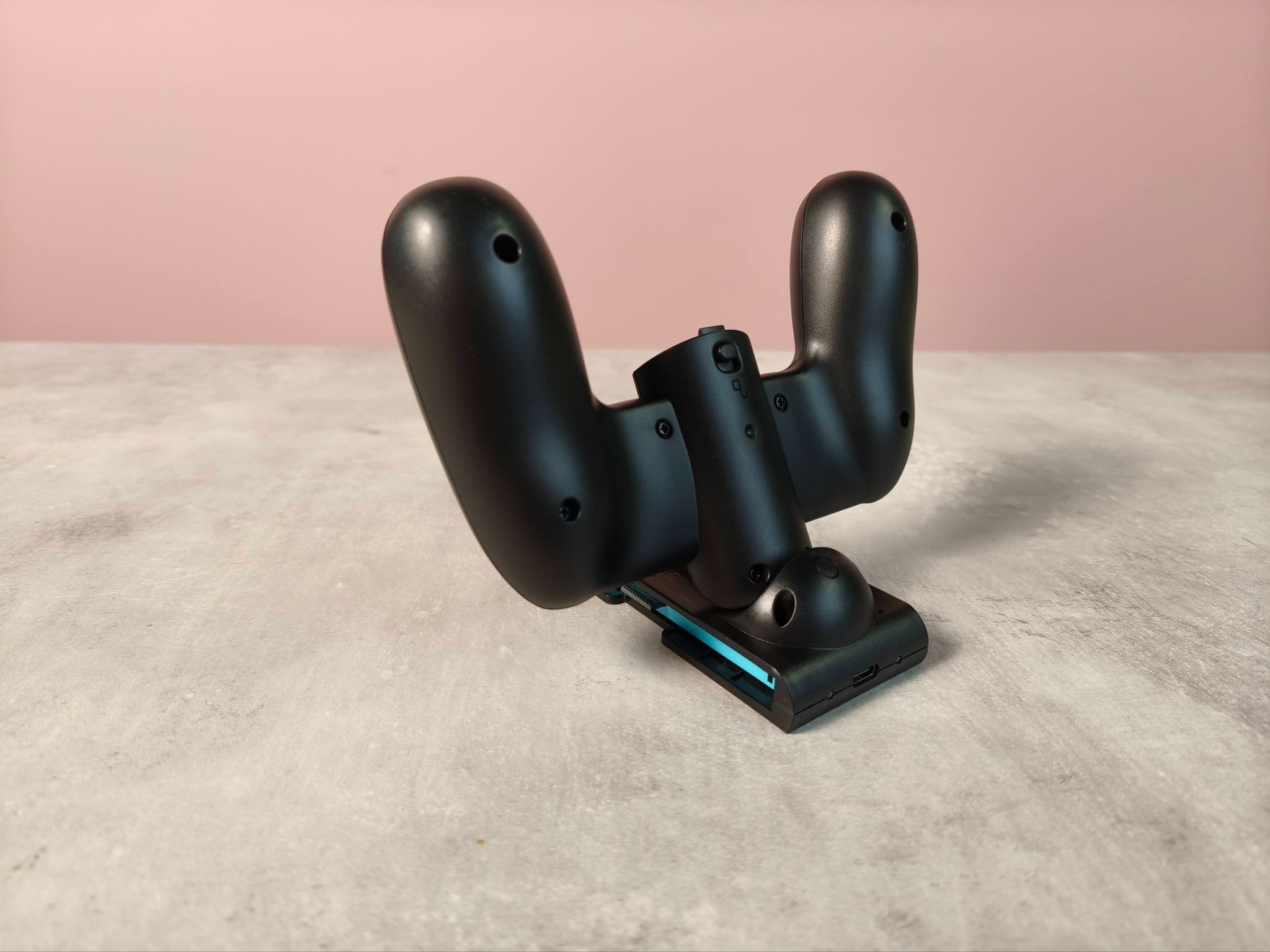
There’s a small switch underneath the Ergo Grip 2 to release the central bar from the bottom of the pad, allowing it to pivot upwards and out of the way of the grip handles so you can insert the Joy-Cons. This seems a little gimmicky, and what’s more, it’s not strictly necessary: by inserting my Joy-Cons at an angle, I managed to get around the handles while the center was locked down.
I think it would’ve been simpler to engineer a solution where the handles didn’t get in the way at all, rather than have a rotating mechanism. I’m also mildly concerned about the button that locks it down. I noticed a small amount of play while it’s locked down, which could spell failure further down the line.
(Image credit: Future)
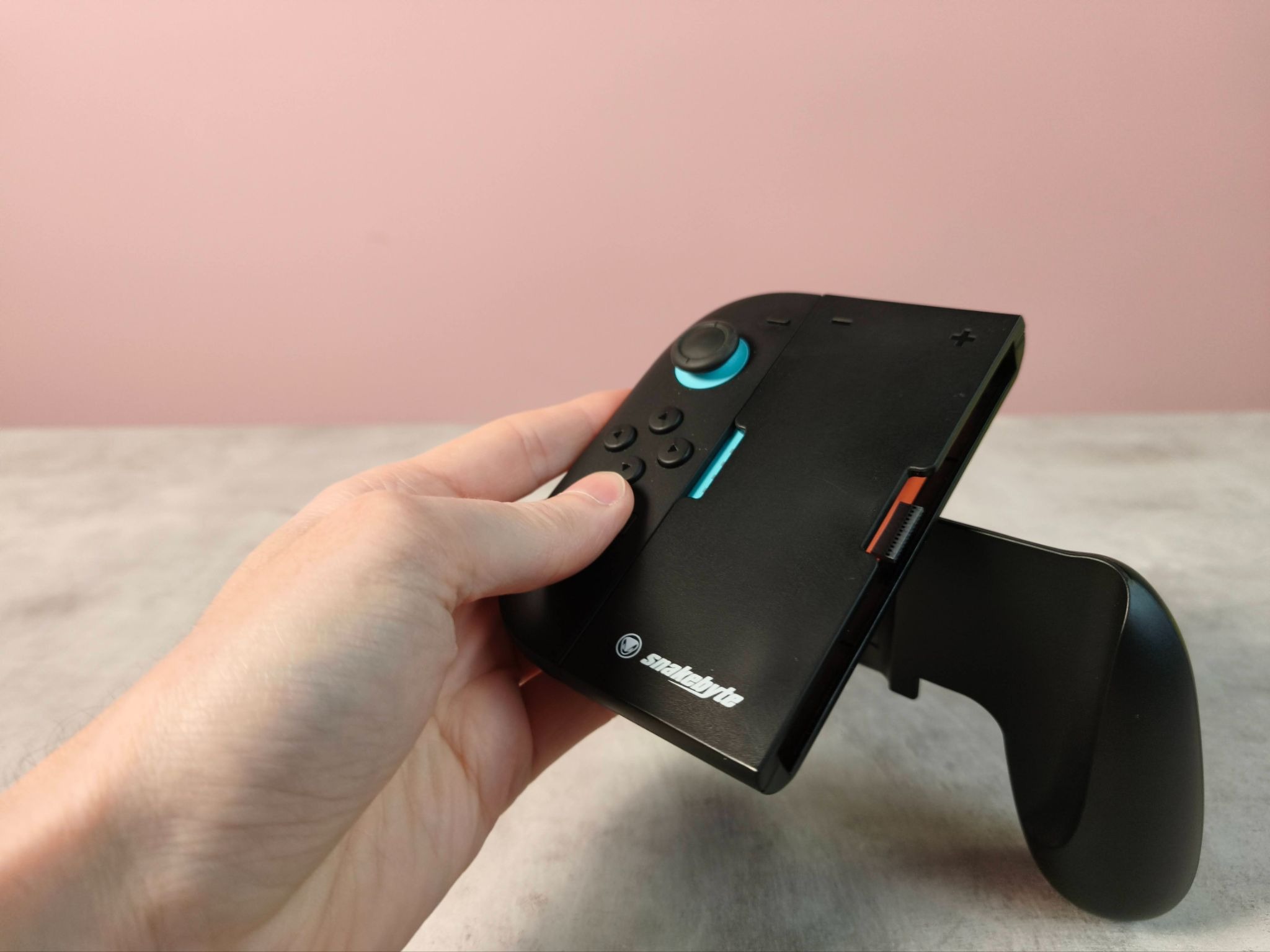
Happily, the fit for the Joy-Cons is more secure. They slot into the Ergo Grip 2 just as well as they do into the Switch 2 itself. The hold feels strong, and the handles effectively partially cover their outsides, which prevents them from being prised out easily.
In action, it’s quite comfortable. The Joy-Cons sit fairly close together, but not so close as to cause issues. However, the grip handles took me a little while to get used to. At first, I had to slide my hands upwards to reach the Joy-Cons' bumpers when playing games such as Super Mario Bros. Wonder. However, I discovered that I could slot my last two fingers into the handles’ small indents for better purchase, which helped alleviate this problem somewhat.
But there are a few more ergonomic issues with the Ergo Grip 2. The bottom parts of the grips aren’t particularly long, and what’s more, they’re completely vertical, rather than angling outwards. This meant that they didn’t sit in the palms of my hands as well as more traditional gamepads, leading to a less secure feeling of grip.
(Image credit: Future)
This verticality extends to the orientation of the Joy-Cons. They don’t angle outwards at the bottom, which is part of the reason why reaching the bumpers can be a struggle. Other grips, such as the Genki Dual Wield, create such an angle, which feels like a more natural way to use the Joy-Cons.
The Ergo Grip 2 features a USB-C port for charging while you play. There are LEDs on top to indicate charging status, although these are basic, merely lighting up red while charging and green once complete.
At 200cm, the included USB-C cable is quite long, but it's made from rubber. This contrasts with the best Nintendo Switch 2 accessories, including other controllers and grips, that come with braided cables for better flexibility. Thankfully, the cable is quite light, so I didn’t feel much resistance while playing, and I wasn’t worried about the cable disconnecting. However, it’s quite hard to unbunch, meaning it fails to maximize its entire length.
At less than £20, though, such shortcomings are easier to swallow. If all you’re after is a cheap way to securely hold your Joy-Con 2 controllers and want to play and charge at the same time, you could do worse than the Ergo Grip 2.
Snakebyte Ergo Grip S2 review: Price and availability
(Image credit: Future)
The Ergo Grip 2 can be ordered from Snakebyte’s website for €19.99, which is about £17. However, we have seen it for less than this at other retailers. This is a fair price for a Joy-Con 2 grip, especially one that features charge-and-play.
However, there are Switch 2 accessories that are arguably better value for money, including others from Snakebyte. Its Starter Kit S2, for instance, includes Joy-Con 2 grips, a case, wired earbuds, joystick caps, and a screen protector — all for about the same price as the Ergo Grip 2.
Should I buy the Snakebyte Ergo Grip S2?
Buy it if…
You want your Joy-Cons secured The design of the Ergo Grip 2 means that your Joy-Cons are locked in place with nowhere to go.
You want to play and charge at the same time Thanks to the USB-C port and cable, you can charge the Ergo Grip 2 as you play.
Don't buy it if…
You want formidable build quality The release button for the pivot mechanism doesn’t feel particularly solid, which is a slight concern.
You want the best ergonomics The upright nature of the Ergo Grip 2 means you don’t get the same ergonomics of typical gamepads.
Snakebyte Ergo Grip S2 review: Also consider
Genki Dual Wield Nintendo Switch 2 charging station This accessory features two grips for two sets of Joy-Con 2s, as well as a charging station for them. The triangular shape of the grips creates a more natural playing angle for your Joy-Cons, although the completely flat surface of the grip and its small central hole hamper ergonomics somewhat. Still, for the price, the Dual Wield is a decent value.
I tested the Ergo Grip 2 for several days. I played various games with it attached to my Joy-Cons, including Super Mario Bros. Wonder and Super Mario 3D All-Stars. I attached and detached my Joy-Cons several times to test the fit and pivot mechanism of the grip.
I’ve been gaming for decades and have used many systems and controllers in that time. I’ve also reviewed other Switch 2 grips, as well as numerous controllers for the Switch, PC, Xbox, and mobile.
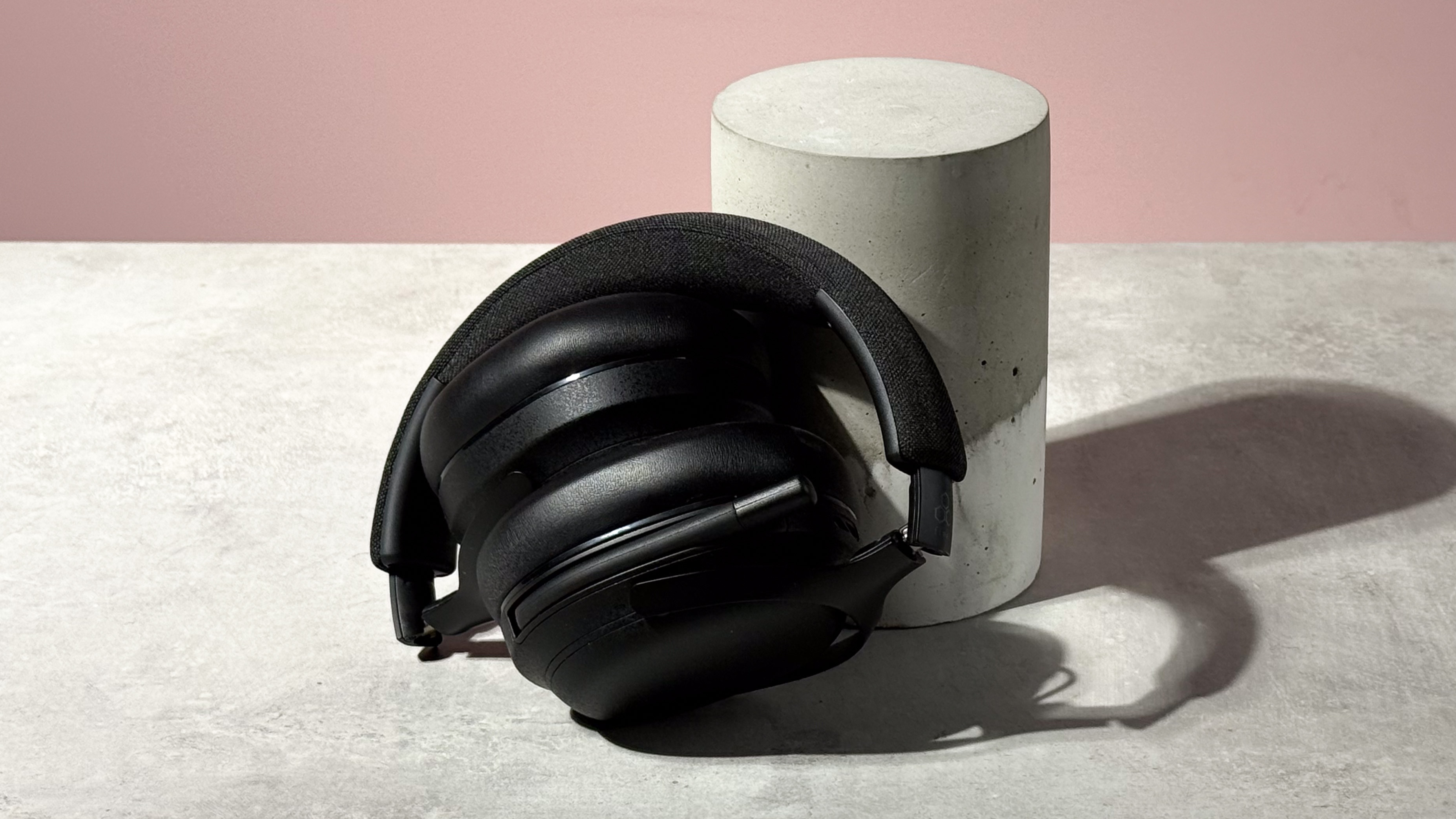
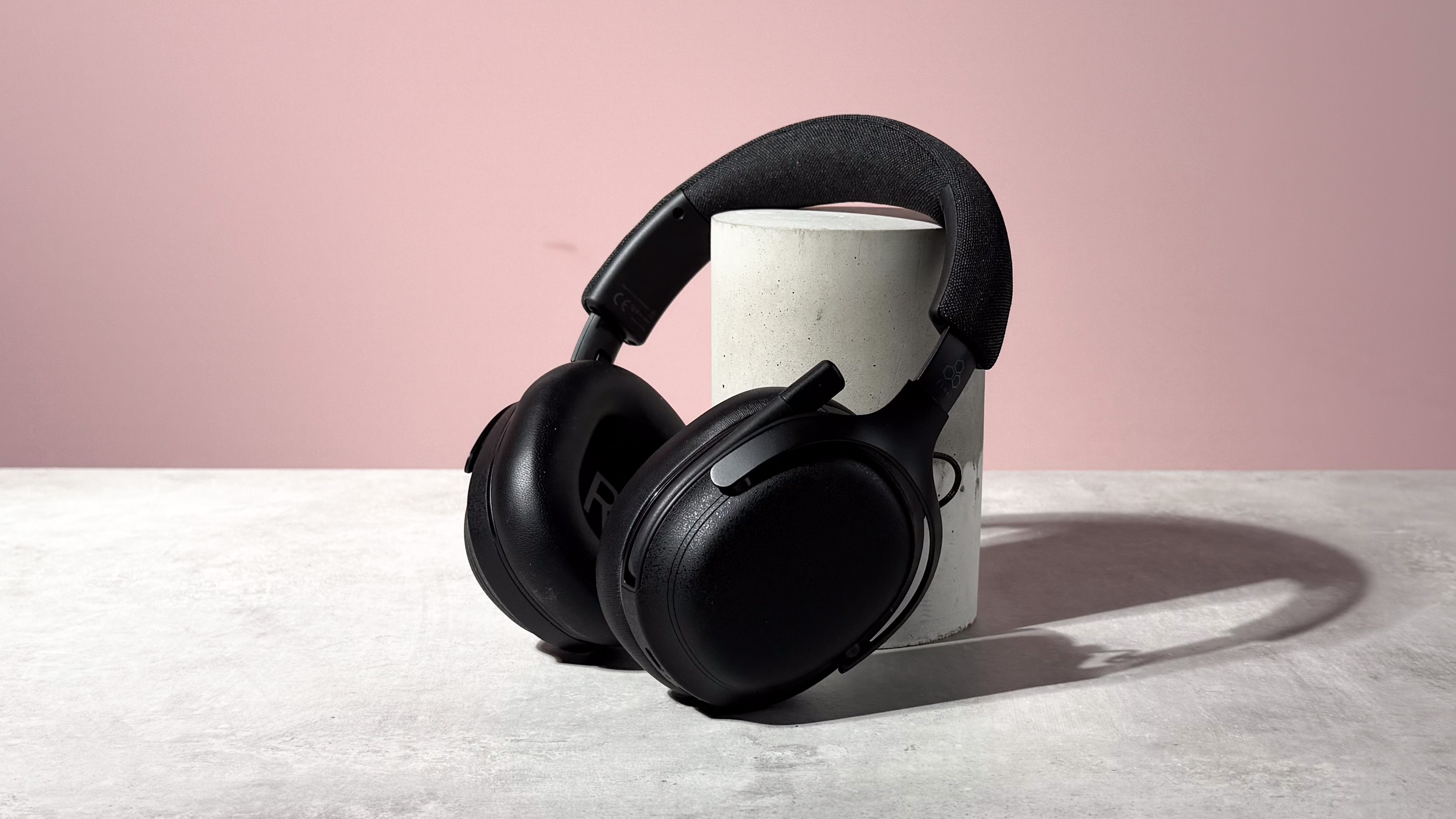
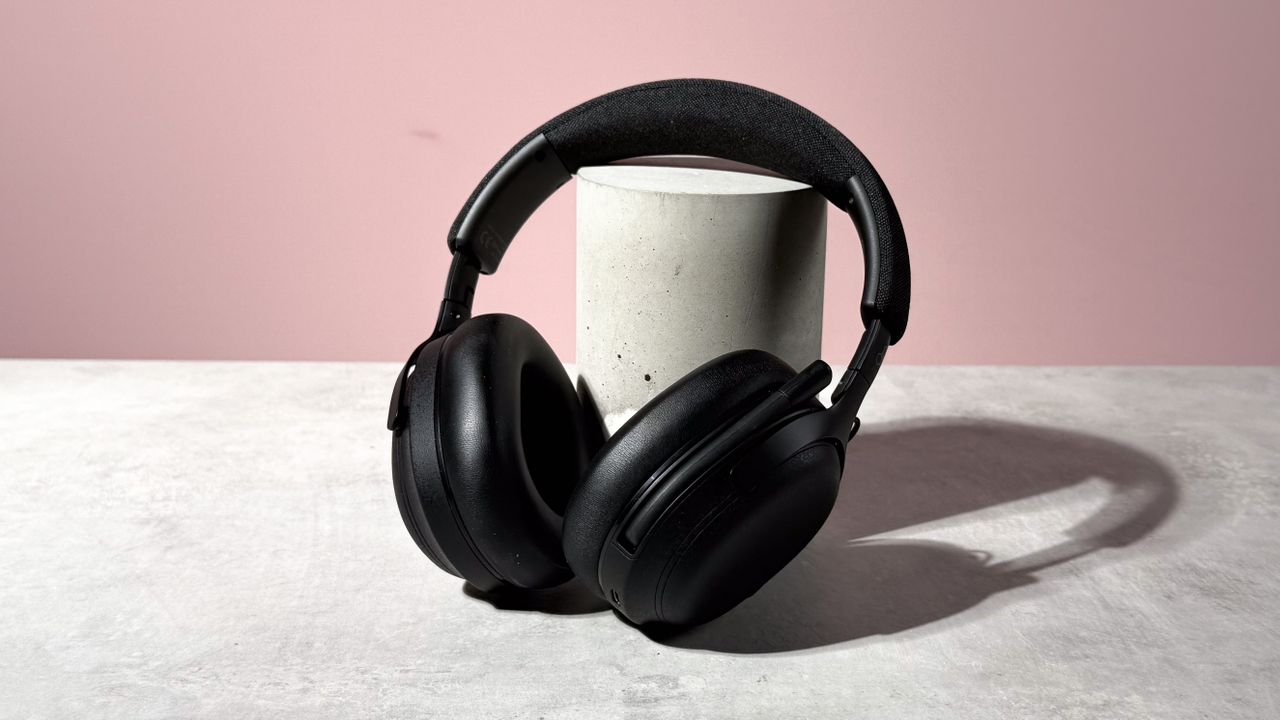
The Final VR3000 EX for Gaming is a multi-platform gaming headset aimed at the more affordable end of the gaming market. It offers a low-latency connection, a fold-to-mute mic, and spatial audio for a much more manageable price than many of the premium pads on the market. But does it deliver on everything it promises?
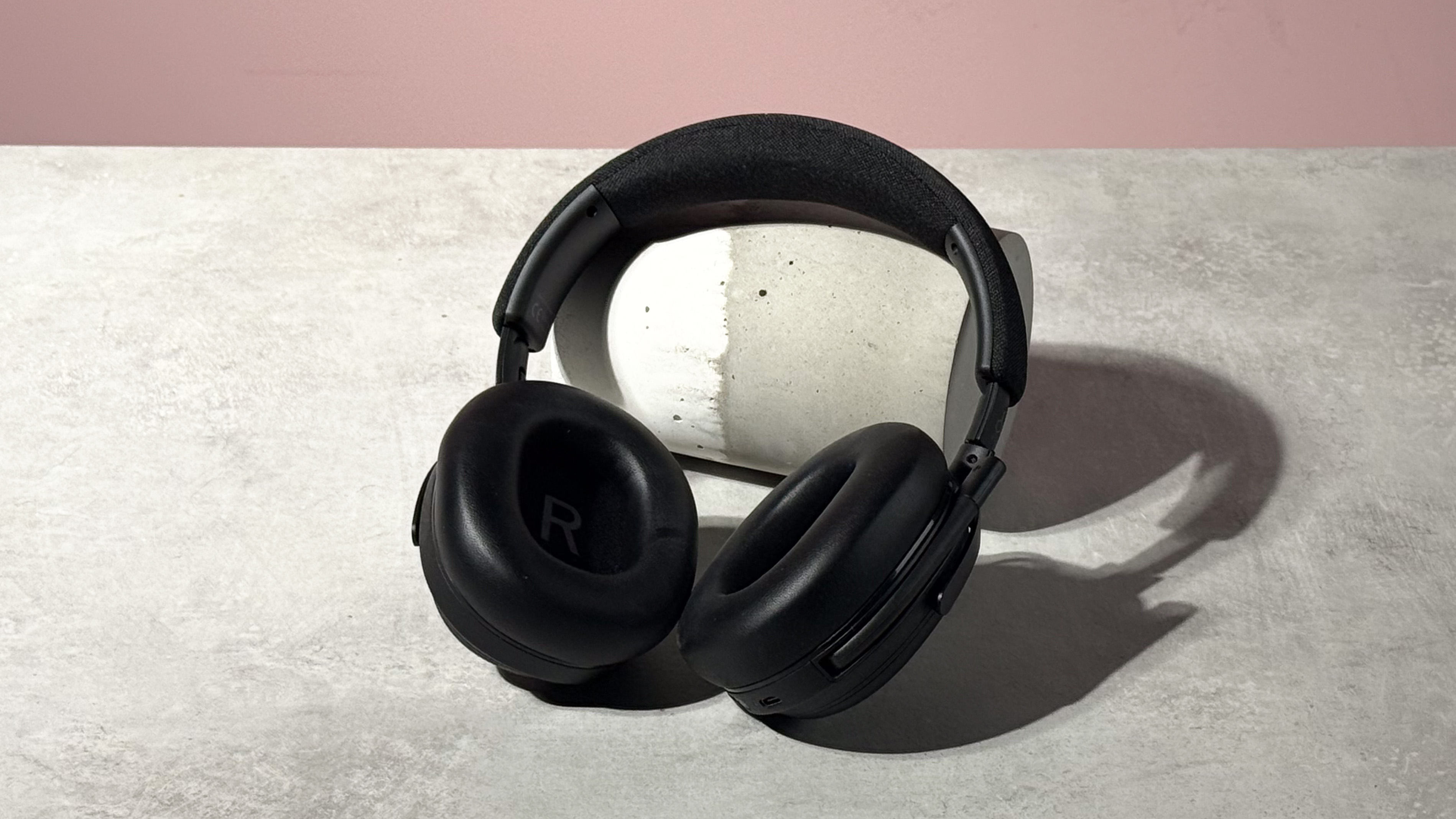
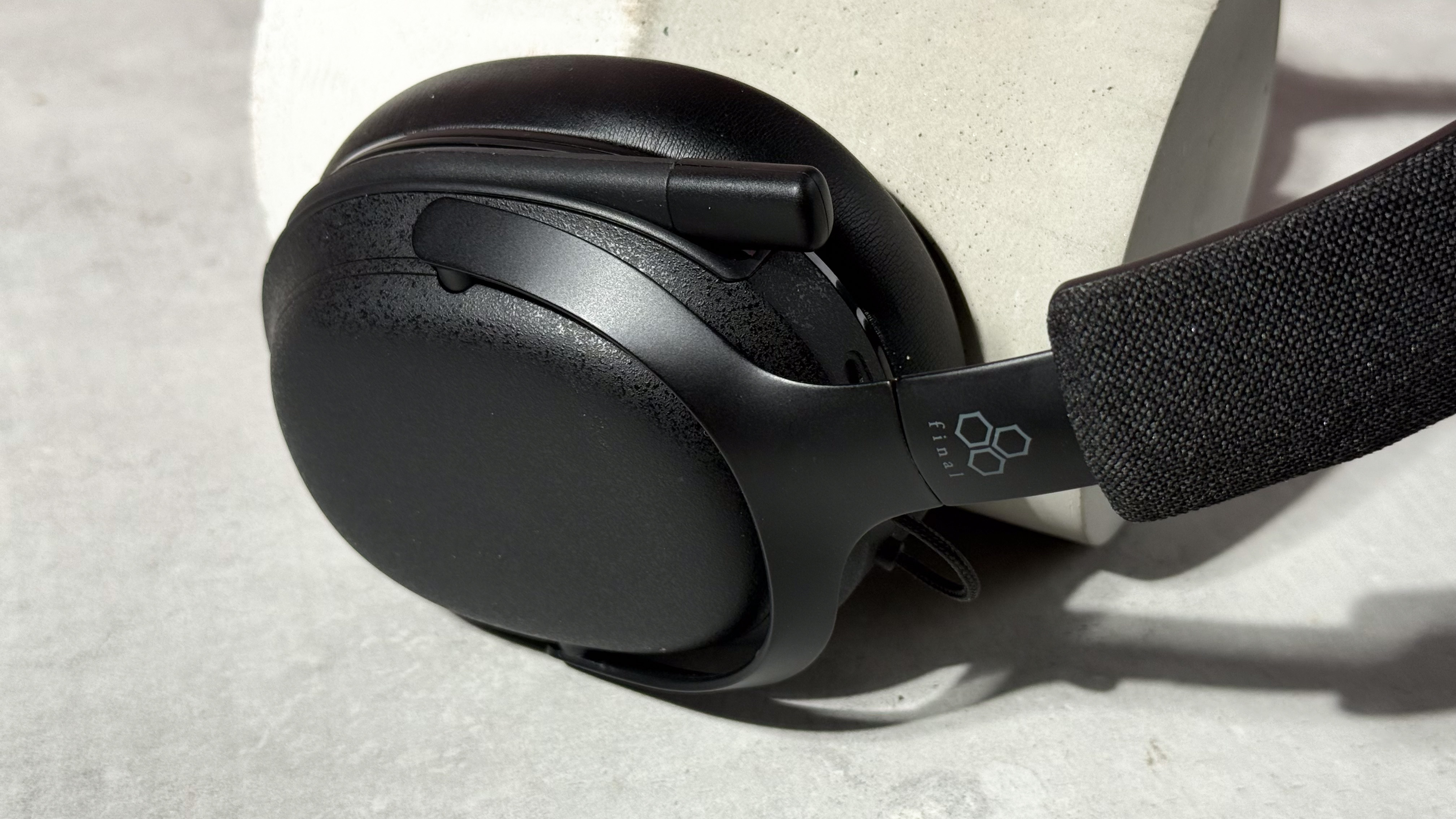
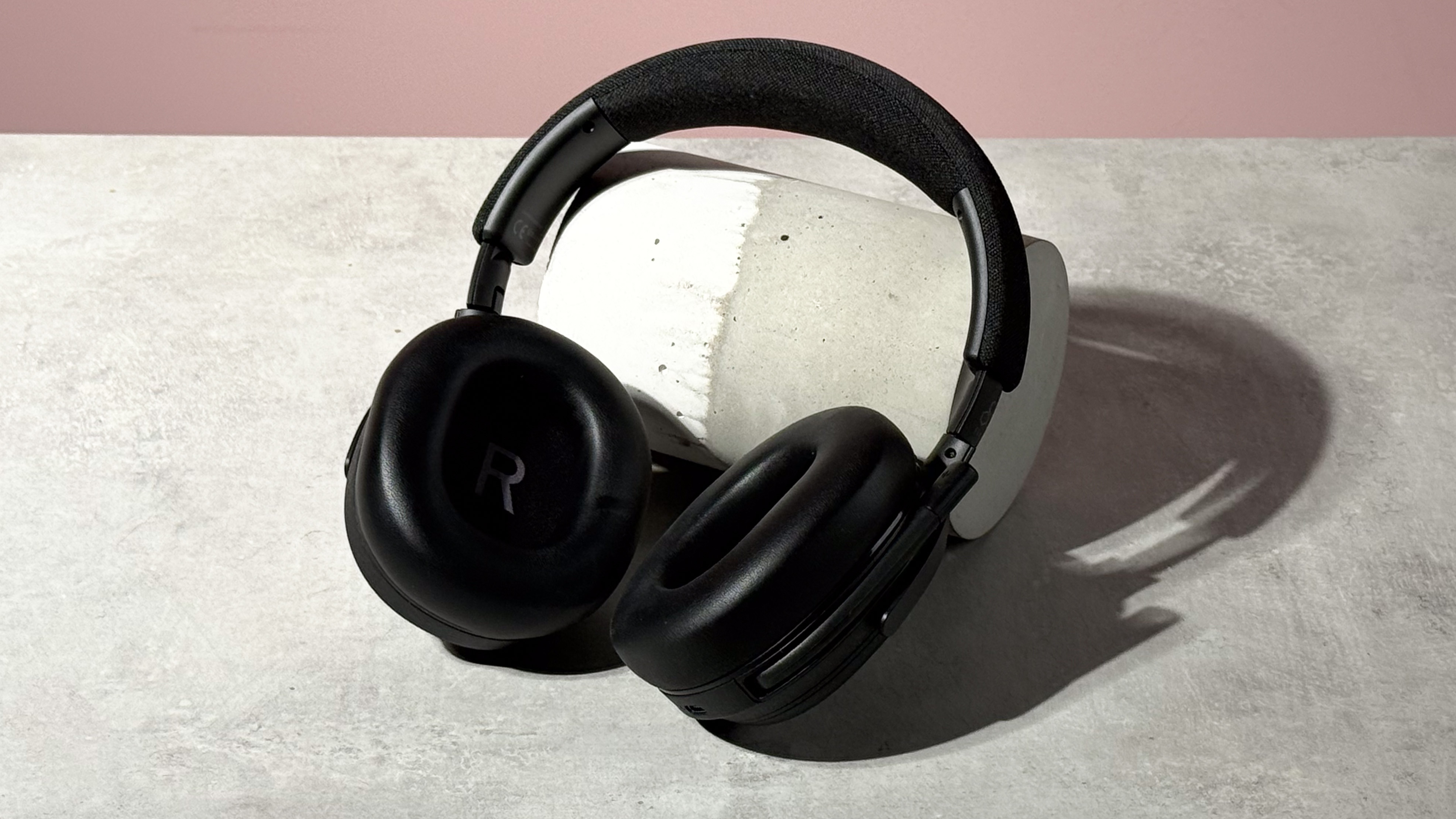
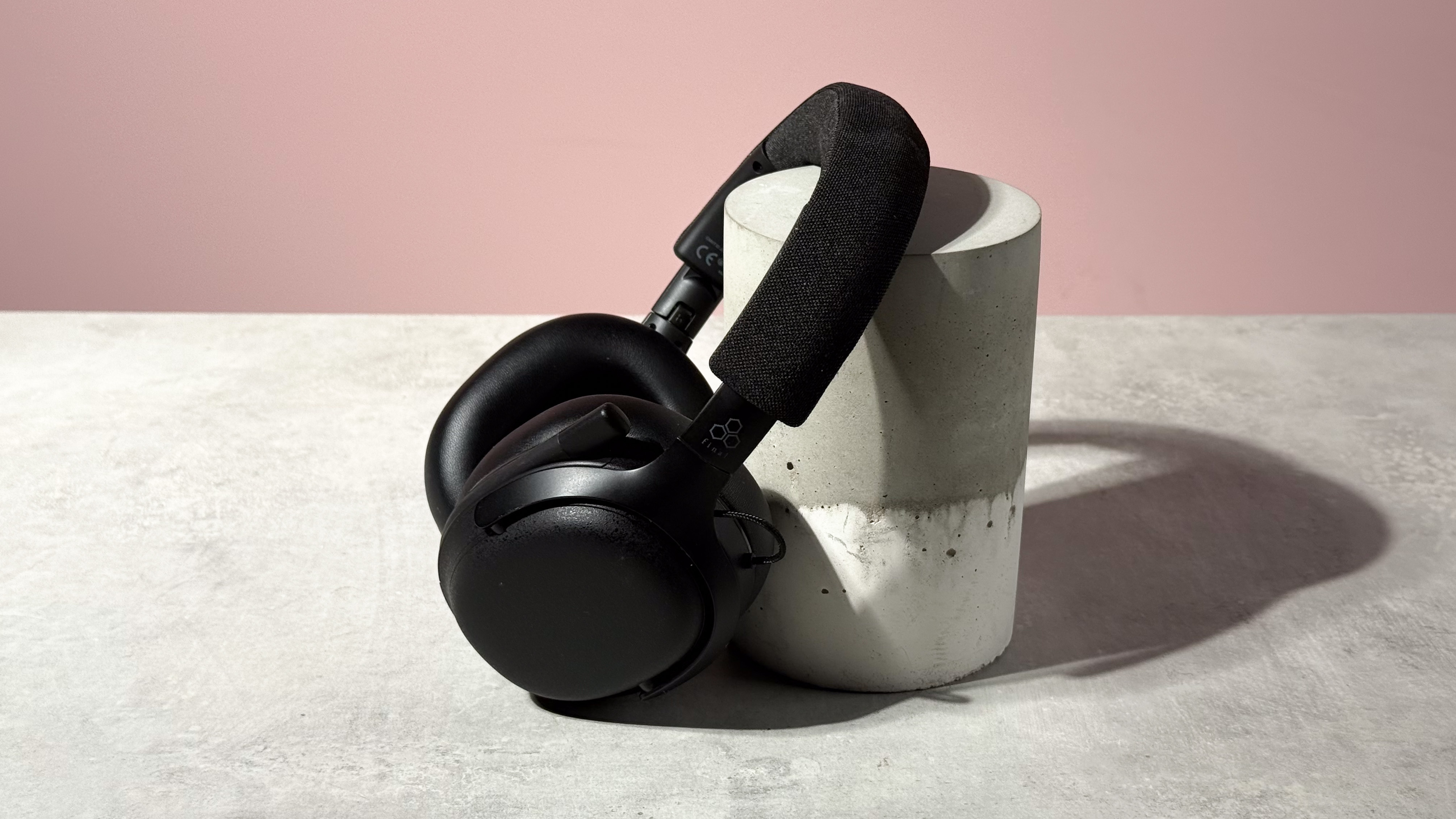
The Final VR3000 EX for Gaming’s build isn’t bad, all things considered. I’m not a huge fan of the plastic on its earcups or how rattly it can be — both make it feel a bit cheap and flimsy — while the adjustable headband doesn’t really go tight enough for people with smaller heads. But the fabric section of the headband and the faux leather cups are really comfortable: despite a tiny bit of sweatiness, I found them comfortable enough to wear for the best part of a day.
Sound quality on the VR3000 EX is really solid: trebles feel crisp enough to give everything real immediacy, while the mids have sufficient clarity that I could easily differentiate the different roars of demons I gunned my way through in Doom. The only area where I’d say the headset doesn’t quite match pace with the best wireless gaming headsets out there is bass. It would be nice if guns had a little more boom — unless I’ve really misunderstood, the F in BFG9000 does not stand for ‘feeble’.
On paper, the VR3000 EX has some pretty great features for its price point, but I found this was the point it really struggled to deliver. Although Final talks a good game about the headset’s spatial audio, in practice the only dimension I really found had strong differentiation was left / right, with noises behind me being harder to pinpoint and there seemingly being no height effect that I could detect at all.
(Image credit: Future)
The headset’s Footstep Clarity Mode is a similar story. While creeping around the Dust II map on Counter-Strike 2, I found detecting the footfalls of rivals to be pretty easy, which is great. However, I couldn’t really appreciate a significant difference in this, whether the mode was enabled or not. It seems churlish to complain about this, given footsteps were still easy to hear, but I’m just not sure how much this feature actually adds.
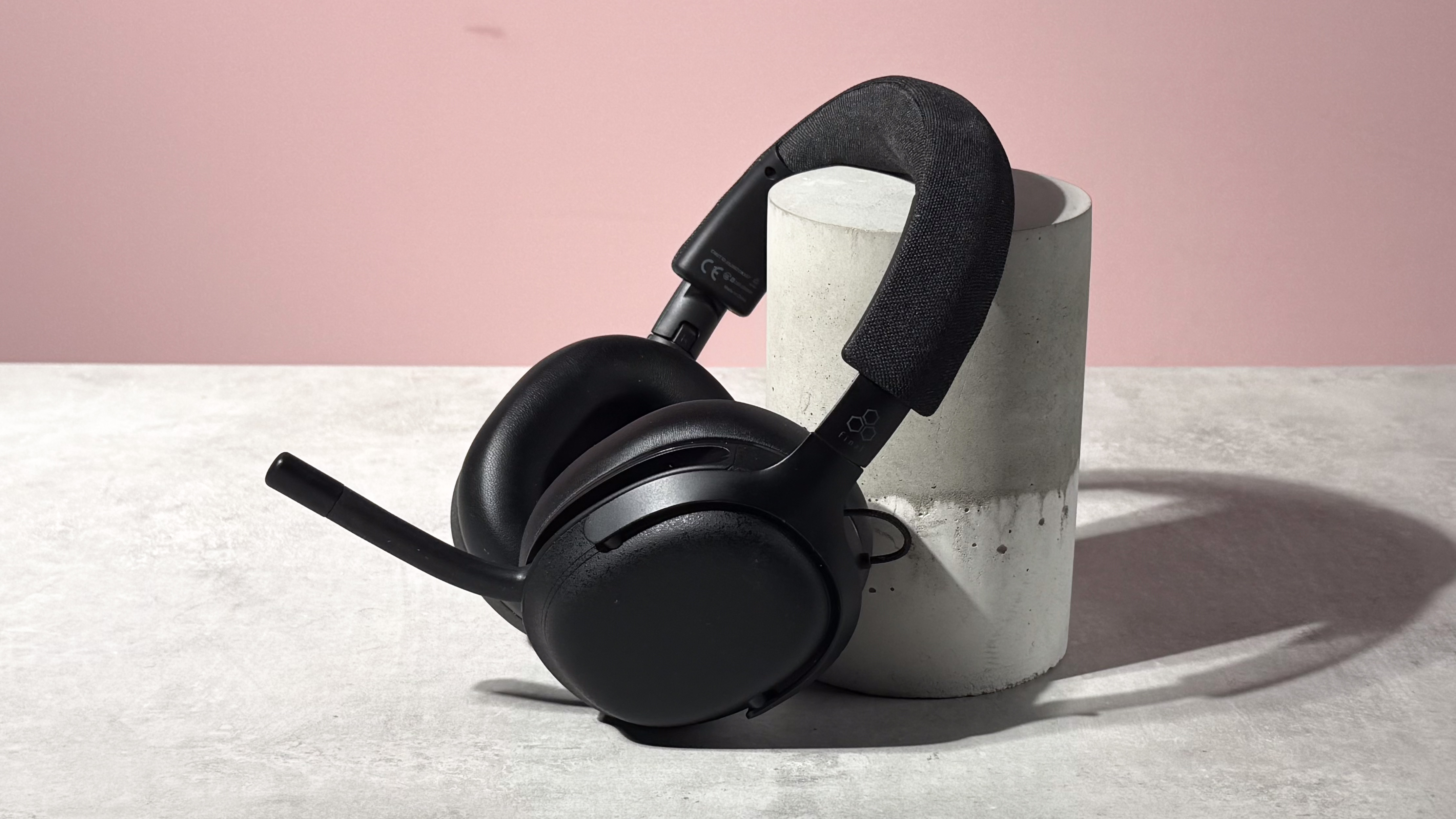
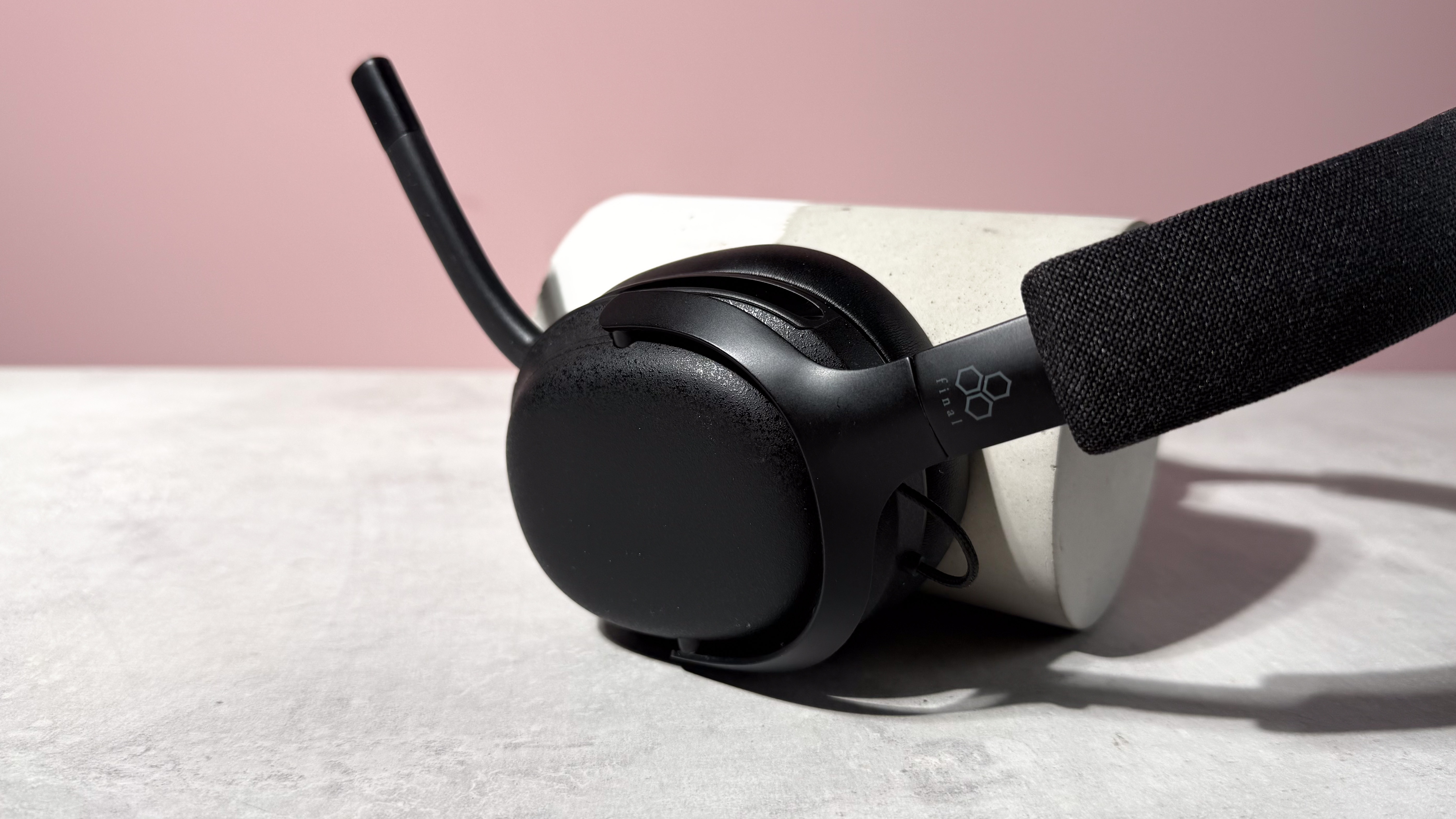
I will give Final less faint praise over the headset’s foldaway mic though. Testing it out, I found it did a pretty creditable job of picking up my voice and its fold-to-mute functionality worked well to stifle the recording, even though there was a slight lag of a little under a second for it to kick in. However, it doesn’t seem to have a near-field mic or significant noise gating, as when it was recording it absolutely picked up the background music I was playing and the clack of my keyboard.
And whatever quibbles I may have about the VR3000 EX’s other features, I was pretty blown away by its battery life. During my battery tests, I found that Final was pretty on the money with its 55-hour estimate for this headset. That blows even many more premium headsets out of the water for longevity and means you’re unlikely to need to charge it more than once a week, even if you’re gaming for a significant proportion of each day.
Everything is relative. Given its price, I’d usually be pretty generous with the Final VR3000 EX for Gaming. And it doesn’t get everything wrong: it has decent enough mids and trebles and a good stereo field. But bass is pretty lacking and many of the features it professes to have are almost imperceptible. In light of that, I’d argue another budget option like the Corsair HS55 Wireless might serve you better instead.
(Image credit: Future)
Final VR3000 EX for Gaming review: price & release date
Launched on December 12, 2025
List price of $149.99 / £99.99 / $259
But it’s already on sale for £69.99 in the UK
Released on December 12, 2025, Final VR3000 EX for Gaming is available now. While it originally went on sale at a list price of $149.99 / £99.99 / $259, it’s already showing up for a fair amount less in some regions. You can currently pick it up for as little as £69.99 in the UK, which is a pretty low price for a gaming headset.
As for your options at that price, you probably won’t be surprised to hear that there’s not a whole load of customizability and it only comes in one colorway, black. On the plus side, there aren’t loads of different versions for different platforms: the one version of the VR3000 EX is compatible with PlayStation 5, Nintendo Switch 2 and PC, although unfortunately there’s no Xbox Series X / S compatibility.
Final VR3000 EX for Gaming review: specs
Drivers
3D Extra Wide Sound Stage Over-Ear Dynamic Drivers
Weight
389g
Compatibility
PC, Mac, PlayStation 5, PlayStation 4, Nintendo Switch, mobile
Connection type
2.4GHz Wireless (via ultra-low latency USB Transceiver), Bluetooth 5.3
Dedicated final VR3000 EX mobile app (10-band EQ customization, Footstep Clarity Mode toggle)
(Image credit: Future)
Final VR3000 EX for Gaming review: design / features
Comfortable to wear
Not all materials feel that premium
Epic battery life
Quite loose fitting
Given its price, it’s not surprising that the Final VR3000 EX’s build quality seems a little on the cheap side. Not only does the textured plastic on their cups feel pretty low quality, but they are incredibly rattly when you handle them, which doesn’t speak to a tremendously robust construction. On the plus side, they didn’t seem to rattle at all when they were on my head.
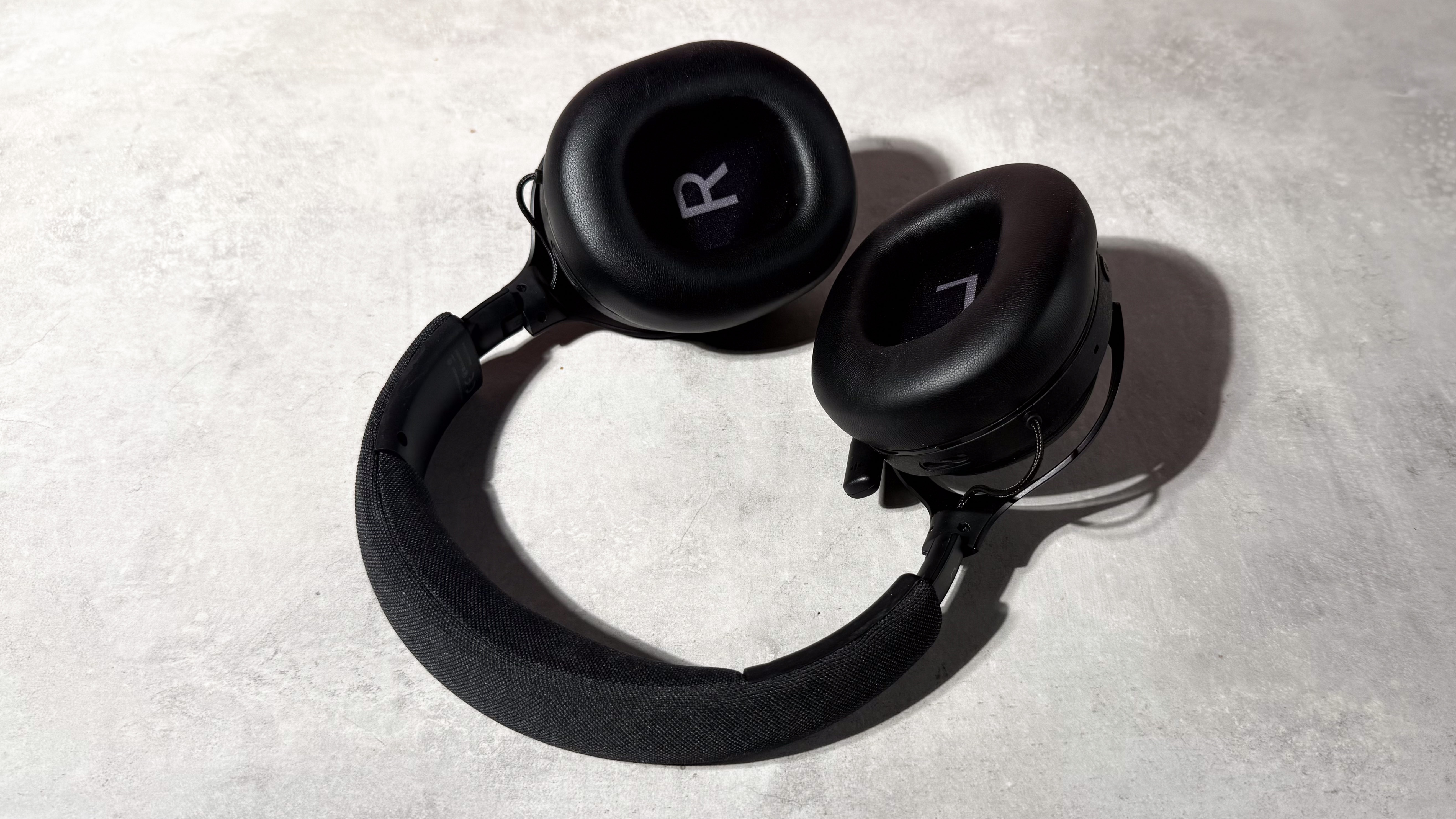
Additionally, the fabric headband and faux leather earcups are delightfully soft, meaning I actually found the VR3000 EX to be surprisingly comfortable. I wore them on and off for much of a day,and they didn’t start to squish my ears, a problem I’ve always found with cheaper headphones and headsets. However, I will say the faux leather gets decidedly sweaty during longer use, particularly during tense first-person shooters.
I’m less convinced by the VR3000 EX’s fit, unfortunately. While the clamping force feels just about right, it’s not all that easy to adjust the stiff adjustable headband while the headset is on your dome. And Final seems to have modeled this headset around Mr Mackey from South Park — I have a pretty big head and yet the VR3000 EX only just about felt stable on the shortest setting, while one of my smaller-skulled colleagues definitely found he couldn’t get it small enough for it to feel comfortable.
(Image credit: Future)
All of its controls are on the left earcup. There’s an on switch, the volume dial, a Mode button that lets you switch between Bluetooth and USB mode — as well as play/pause media and answer/end calls — and the Control button, which allows you to trigger Footstep Clarity Mode. Each button has a clicky enough action to provide decent tactile feedback, while the volume dial is lightly notched to make increasing the volume feel nicely precise. However, I will say that they’re positioned close enough that it’s not always easy to know right away which button is which by feel alone.
The app for the Final VR3000 EX is pretty limited. It has three features: it enables you to update the headset’s firmware, switch on Footstep Clarity Mode, and provides access to Final’s EQ settings. While it’s hard to justify using the app just for the Footstep Clarity Mode, the 10-band EQ that’s included is pretty decent, even if I’m not all that convinced that the impact of the lowest 31Hz is really that appreciable. So while it’s not like you need to rush to download this, it’s still useful so I’ll count this one as a bonus.
A far more unequivocal win for the VR3000 EX though is its battery life. Final quotes its total life as being up to 55 hours, and this was borne out by my testing. I set it streaming music constantly for six hours, and during that time the battery only dropped to 90% — a back-of-the-envelope calculation would put its total life at 60 hours. So even factoring in that battery discharge curves aren’t necessarily regular, I’d say 55 hours is a perfectly reasonable expectation for how long this headset should last you.
(Image credit: Future)
Final VR3000 EX for Gaming review: performance
Good sound performance, even if bass is weaker
Spatial audio claims totally overblown
Not sure Footstep Clarity mode adds much
Design and features are all well and good. But where the rubber meets the road for a gaming headset is whether those things translate into a good sonic performance in-game. And, sadly, when you actually take the Final VR3000 EX for Gaming for a test drive, it doesn’t quite deliver on the expectations it’s set for itself.
The VR3000 EX sounds very decent, but it is a little uneven in how it handles the balance of frequencies. On the plus side, it has a good level of bite in the high-end. The screams of the possessed when I was playing Doom were immediate enough to be rattling, while the whine of my chainsaw as I carved up imps felt sufficiently realistic.
But it’s when it comes to bass that the VR3000 EX is a little more lacking. When I tested the Turtle Beach Atlas 200, I heaped praise on it for the almighty boom that issued when I was clicking heads with the sniper rifle in Counter-Strike 2. With the VR3000 EX, it almost felt like I was playing a different game, with the game’s rifles having scarcely any more impact than my dual Berettas. While that has a very limited impact on your kill ratio in-game, it does make the whole thing feel a lot less immersive.
(Image credit: Future)
Speaking of, Final spends a lot of time hyping up the VR3000 EX’s spatial audio skills in its product description. And yet I’d say rumors of its immersiveness have been greatly exaggerated.
On the one hand, the VR3000 EX has a pretty creditable stereo field, with action occurring on either side of me always feeling pretty easy to pinpoint. Whether I was trying to spot where an inbound explosive engineer was charging from or fleeing from hell knights in Doom, the VR3000 EX generally made it easy to tell which side their howls and roars came from.
Unfortunately, I can’t say Final’s headset fares as well in other dimensions. There’s just enough variation in footsteps in front and behind you that I could tell which was which when giving it my full attention — but in the heat of battle, I’m not sure how useful I actually found these subtle cues. And while Final explicitly mentions height effects on its site, I could not spot any significant difference at all between action happening above me and gunfights happening right under my nose.
Honestly, that’s fine: I do not expect accomplished Dolby Atmos-style effects from hardware that costs roughly the same dough as a couple of AAA computer games. But I do wish brands would stop denuding the term spatial audio of its meaning by using it as a marketing gimmick.
(Image credit: Future)
Sadly, the VR3000 EX also treads a pretty similar path with its Footstep mode. While engaged in a free-for-all deathmatch in Counter-Strike 2, the headset did a perfectly adequate job of allowing me to pick out my rivals’ footfall and react accordingly. So far, so good, right? Except during this match I switched Footstep mode on and off many times, and I genuinely couldn’t spot whether I was actually getting an enhanced sense of steps or whether it was largely just a placebo.
One area I’ll happily give the VR3000 EX its due, though, is its connectivity. Using its USB dongle, I honestly couldn’t detect any latency between kills onscreen and the crack of gunfire. While an effective low-latency mode is pretty common with gaming headsets, it’s still a welcome feature on a headset this affordably priced. Even when connected via Bluetooth, the audio wasn’t remotely laggy and enabled me to respond pretty quickly to what was going on around me. So it definitely gets some points there.
And as long as you don’t have particularly high expectations, the VR3000 EX’s foldaway mic works well enough as well. Its action is smooth, and the fold-to-mute function absolutely works, meaning you can be sure no one is overhearing you when you want a bit of privacy — although there is a lag of around a second before it mutes, so bear that in mind. Unfortunately, though, sound quality isn’t great, with my voice sounding a little bit on the tinnier side, and there’s no noise-gating that I can tell, meaning friends and foes online will be able to hear any background chatter or music in your room.
(Image credit: Future)
Should I buy the Final VR3000 EX for Gaming?
Buy it if…
You want decent game sound without spending a fortune Despite not having quite as much low-end heft as some headsets, the Final VR3000 EX for Gaming has clear enough mids and treble to bring your games to life.
You want an epic battery life Even compared to much more expensive headsets, the VR3000 EX has an impressive battery life, clocking in at roughly 55 hours. That should keep you gaming for days and days.
Don't buy it if...
You want a premium-feeling experience The VR3000 EX feels comfortable enough on your head. But it’s not made of the most luxe-feeling materials, and the adjustable headband doesn’t run tight enough for smaller heads.
You want a premium-feeling experience The VR3000 EX feels comfortable enough on your head. But it’s not made of the most luxe-feeling materials, and the adjustable headband doesn’t run tight enough for smaller heads.
Final VR3000 EX for Gaming review: also consider
Final VR3000 EX for Gaming
Corsair HS55 Wireless
Razer BlackShark V2 Pro (2023)
Drivers
3D Extra Wide Sound Stage Over-Ear Dynamic Drivers
Corsair HS55 Wireless There’s a reason that the Corsair HS55 Wireless is our current budget pick for the best PC gaming headsets. Its 50mm Neodymium audio drivers serve up crystal-clear sound with generous bass, while its build is super comfortable to wear. Most importantly, it offers true 7.1 Surround Sound, meaning it’s capable of much more impressive spatialized sound.
Razer BlackShark V2 Pro Despite having been released in 2022, the Razer BlackShark V2 Pro is still one of our favorite gaming headsets, thanks to its lush sound quality, epic battery life and THX spatial audio. And while its original list price of $179.99 / £179 / AU$299 is a fair bit higher than the VR3000 EX, in the years since its release its price has come way down: I’ve seen offers placing it more in the region of $107.99 / £99.98 / AU$176.55.
Tried out on a range of titles including Counter-Strike 2 and Doom
Have 10 years experience writing about audio and 35 of gaming
I tested the Final VR3000 EX for Gaming over the course of a week. I paired it with my desktop PC at home, my MacBook Pro M4 and TechRadar’s Acer Predator Helios 300 gaming laptop. I then tested it out with multiple titles including Counter-Strike 2 and Doom, as well as listening to some playlists on Apple Music.
In terms of specifics, I tested out the spatial audio in multiple Counter-Strike 2 deathmatches and tried switching the Footstep Clarity Mode on and off to see how much difference that made to how perceptible opponents’ positions were. I recorded myself while talking, typing, and playing music to test the VR3000 EX’s foldaway mic, as well as folding it away to test how effectively it muted incoming audio.
When it comes to my personal experience, I’ve been writing about and testing audio gadgets for over ten years now, as well as using audio gear to produce and listen to music. I’ve been playing games on a daily basis since they were all 8-bit, sharing my time pretty evenly between console, handheld and PC gaming. And yet, it turns out, I still get thoroughly mogged when playing Counter-Strike 2, which I blame on my middle-aged reflexes.
I've been using the Nintendo Switch 2 since its launch week, playing practically every title released for the platform either as part of my work covering games here at TechRadar Gaming or my own personal enjoyment.
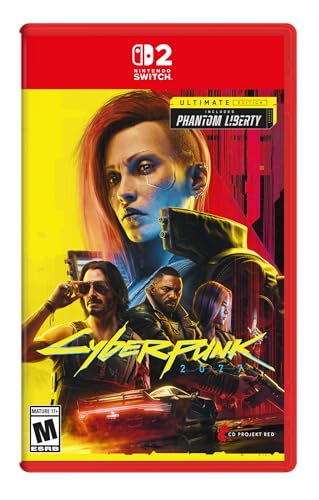
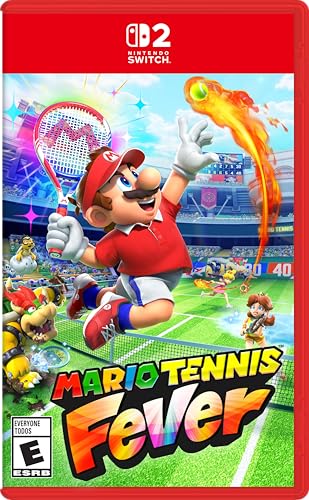
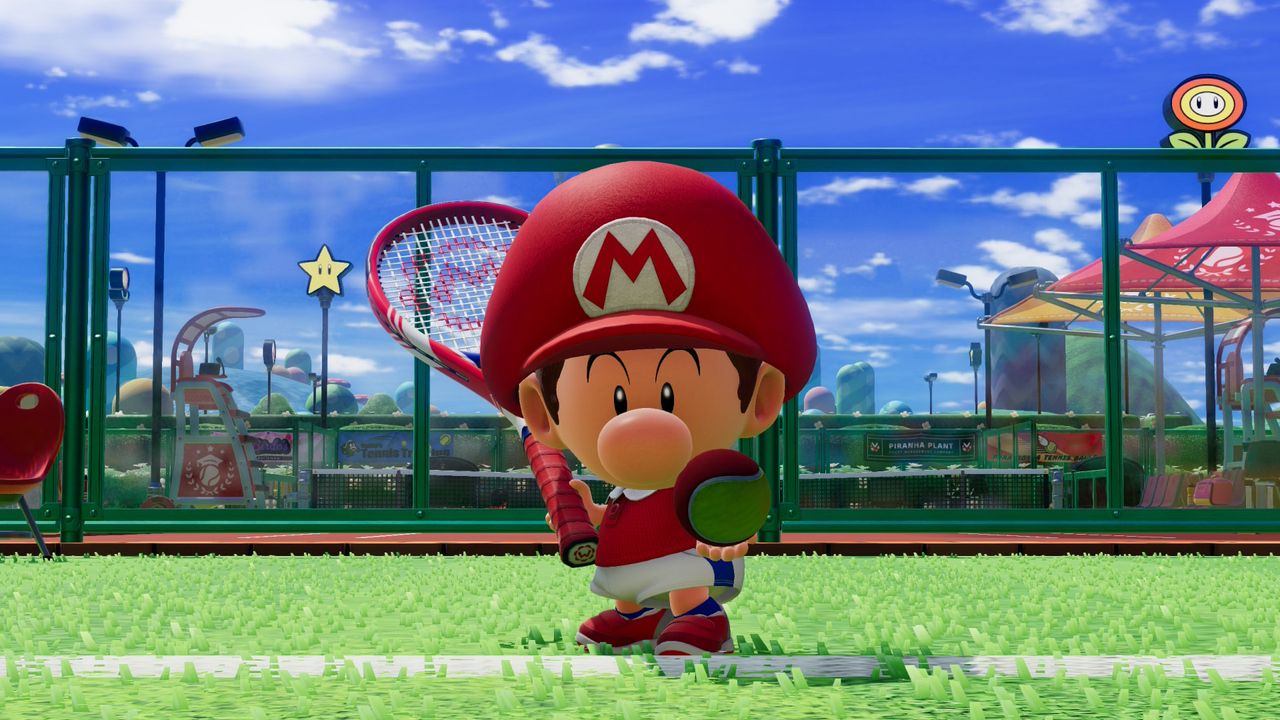
I've spent hours in everything from big new entries in first-party franchises like Mario Tennis Fever and Mario Kart World to groundbreaking ports such as Cyberpunk 2077 Ultimate Edition. I'm not just playing the big hitters either, and have invested loads of time in getting to grips with underrated gems including Kunitsu-Gami: Path of the Goddess and Raidou Remastered: The Mystery of the Soulless Army.
While many of these games will be discounted over the course of the ongoing Amazon Prime Day deals, every title that I've included is well worth your time and attention regardless of its price.
Rising component costs are forcing Nintendo to increase the Switch 2’s price by AU$70 very soon, which makes this 10% discount on Amazon seem like a bargain by comparison.
Belkin is expanding its Nintendo Switch 2 accessory lineup ahead of the console's first anniversary with a new Charging Grip that boosts comfort and battery life, and it might just fix a major pain point.
The Switch 2 has a pretty compelling lineup as it approaches its first birthday — and with a price hike on the way, now could be the time to snap it up.

 Login
Login

![Fallout 4 | Anniversary Edition | Nintendo Switch 2 [code in Box]](https://cdn.mos.cms.futurecdn.net/a4XGM2vchrfFX7mhYVrjxG.jpg)