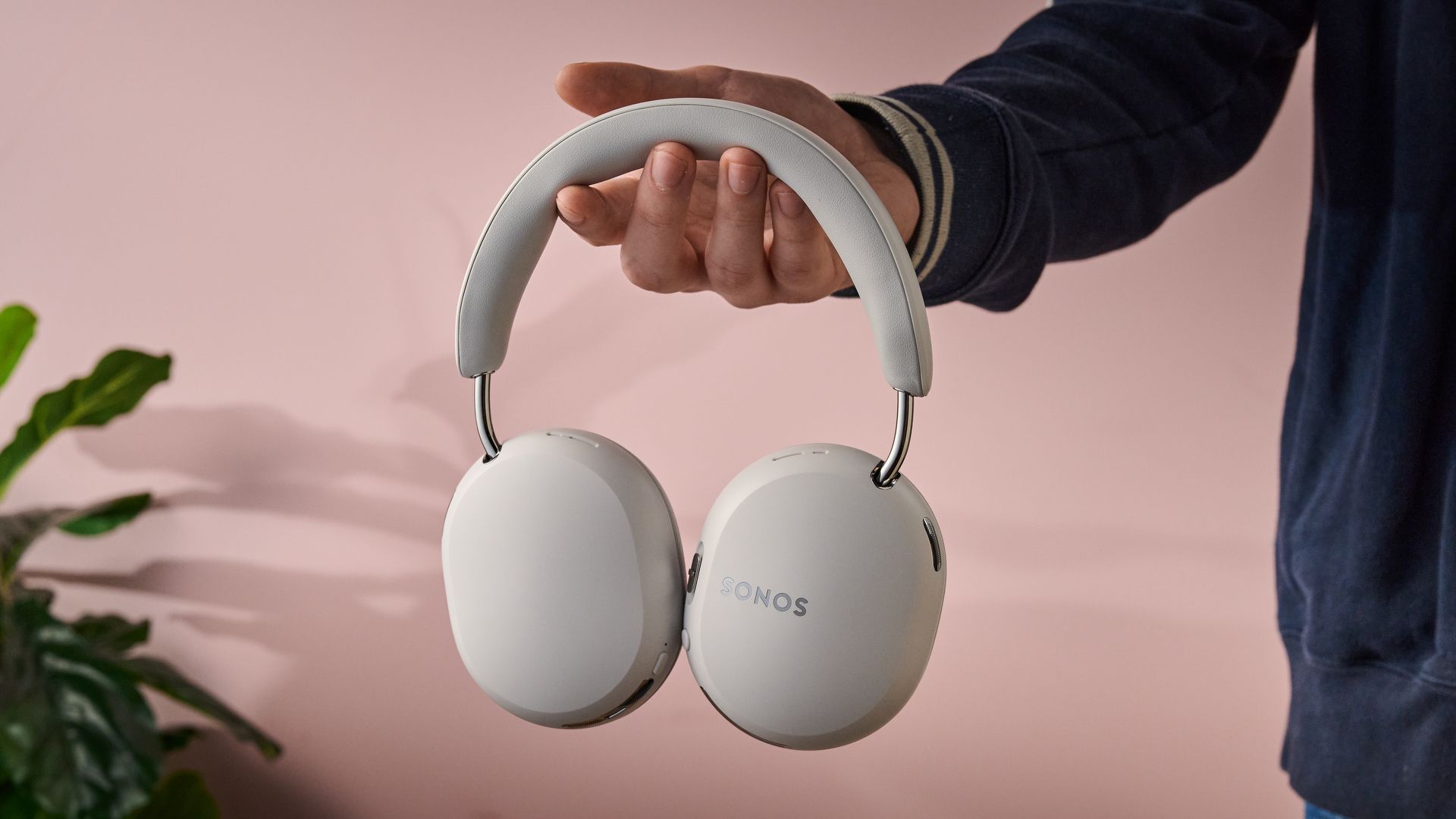
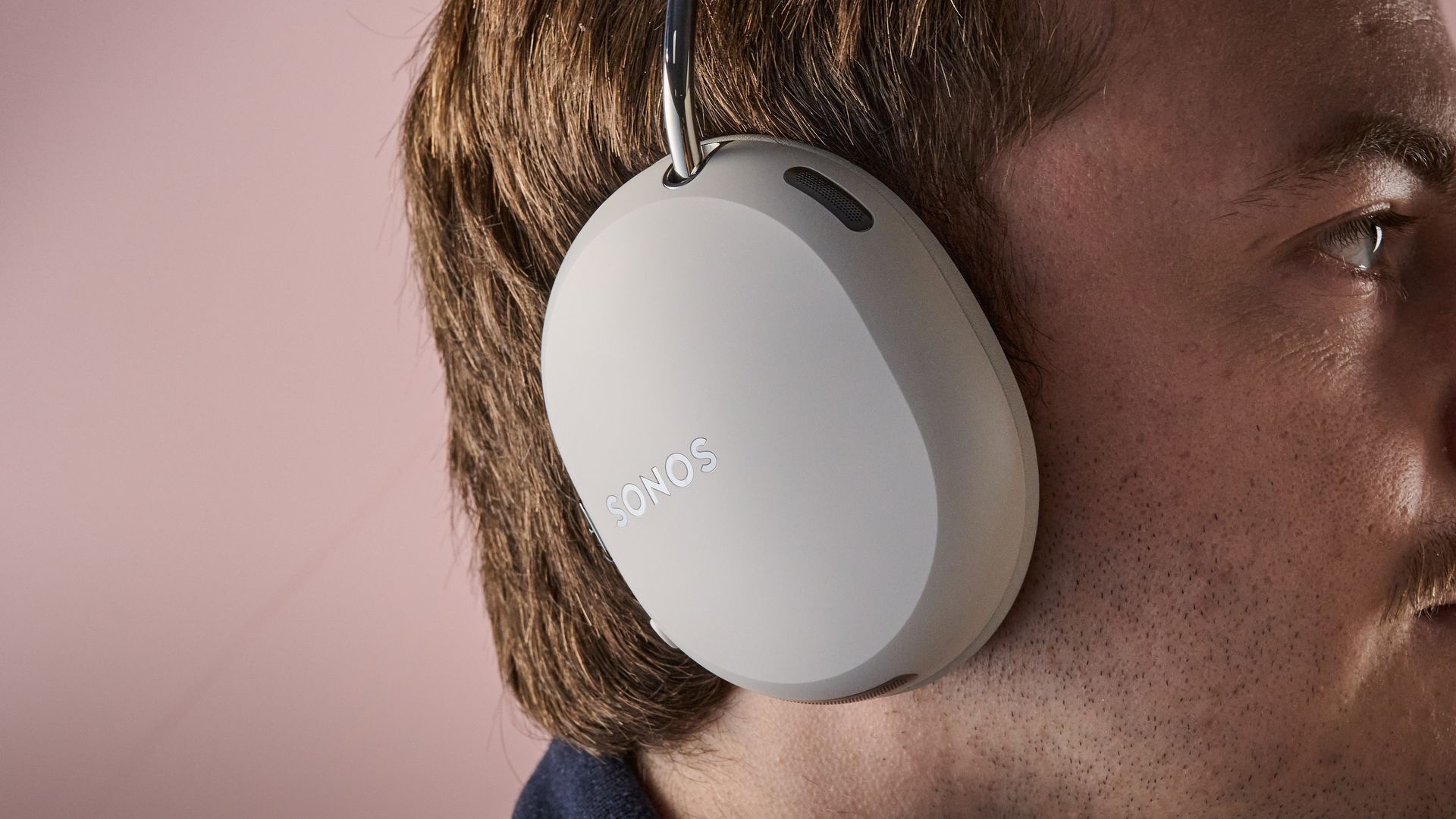
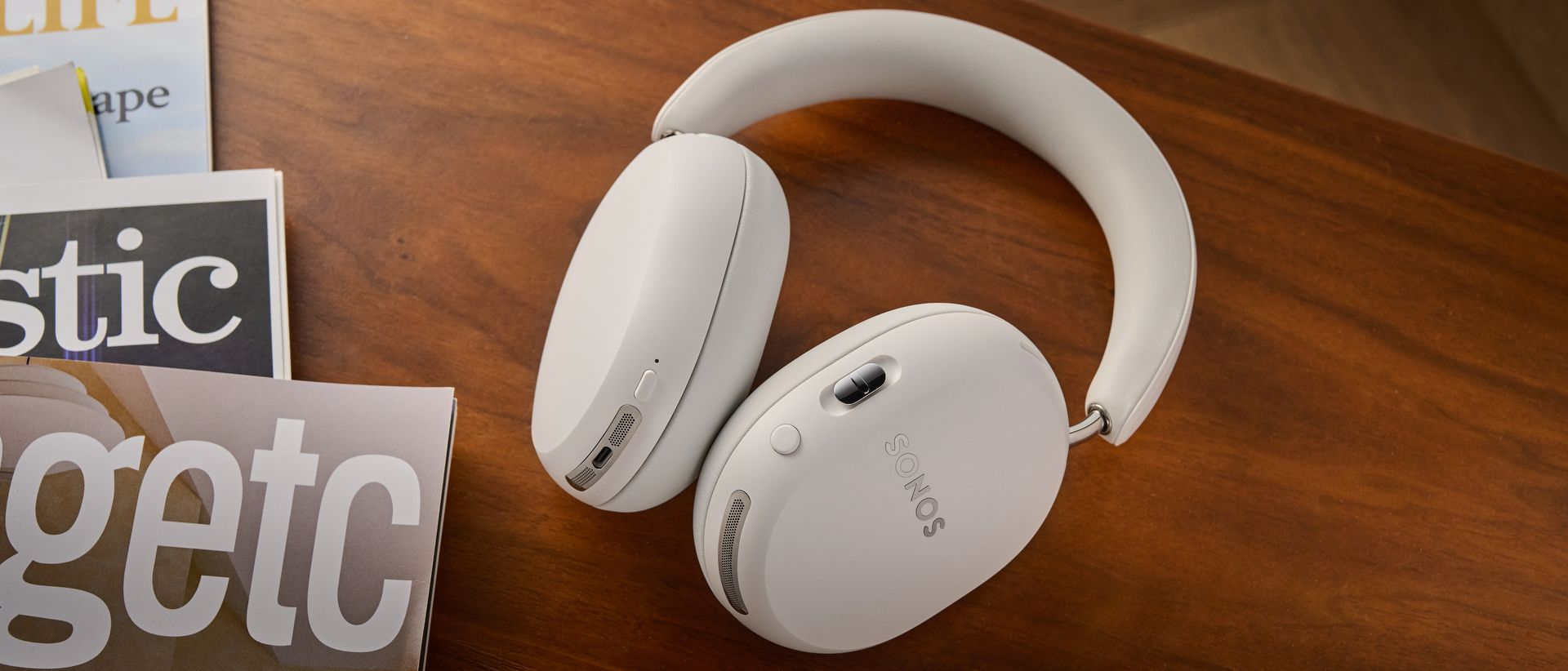
The Sonos Ace Ultra are here, and they’re beautiful. I’ve spent two weeks testing them, and to tell the truth, they really exceeded my expectations.
See, I liked the original Sonos Ace, but the Ultra bring so many meaningful upgrades to the fore, be that their expanded microphone system, fancy new drivers, or new smart features. And as you’ll see in my Sonos Ace Ultra review, I think these updates establish Sonos as a major player in the world of wireless headphones.
The standard Sonos Ace fell just short of greatness when they released due to their somewhat middling musicality, and with rivals like Sony and Bose releasing excellent iterations in the WH-1000X and QuietComfort Ultra series’ respectively, it felt like the multi-room giant couldn’t quite go toe-to-toe with the best of them.
But the Ultra have changed that, and I’m here to share my five favorite improvements that make Sonos’ new headphones an excellent option for anyone looking to buy a top-tier pair of wireless headphones — or make the step-up from the original Ace. And make sure to stick around for number five, which is the most game-changing upgrade of them all.
1. A more customizable listening experience
(Image credit: Future)
First of all, you have a lot more control over the listening experience with the Sonos Ace Ultra compared to what the original Ace allowed.
This is largely down to a far more fleshed-out equalizer, which lets users take a far more granular approach tuning-wise. That’s because the Sonos Ace Ultra feature an eight-band equalizer, letting you make adjustments to specific parts of the frequency range. Want to give those lower-mids a bit of a boost? Want to temper the upper-treble a bit? No problem — you can do that here.
Meanwhile, the Sonos Ace had very basic two-band EQ options that only let you increase the bass or treble. Sure, there’s the option to use a three-band equalizer on the Sonos Ace Ultra if you want a simpler way of making changes, but the more extensive controls on the audio specialist’s new headphones are welcome for someone like me, who wants to tailor sound to his specific tastes.
While we’re on this topic, it’s also worth flagging that the Sonos Ace Ultra have adaptive EQ. This automatically adjusts EQ to account for factors such as fit, glasses, hair, and other elements that could cause leakage. This works well and was something that the original Ace skipped.
2. Enhanced ANC
(Image credit: Future)
The Sonos Ace Ultra increase the number of microphones onboard to ten from the eight seen on the standard Sonos Ace. This results in a number of improvements, like enhanced calling, for instance. But the biggest difference is heard when it comes to active noise cancellation.
This expanded microphone system helps the Sonos Ace Ultra to deliver excellent ANC that competes with some of the best noise cancelling headphones on the market. When working in the office, sounds of typing were totally eliminated. When on walks, construction work and traffic passing by was subdued to incredible effect. And even when taking public transport, the rumble of engines and conversations surrounding me were silenced without hesitation.
It helps that the Ace Ultra also have a relatively secure (yet still comfortable) fit, providing a seal that keeps the world around you at bay. I’ve tried far more expensive cans that can’t hold a candle to the Sonos Ace Ultra in this regard, so if you want great ANC, look no further.
ANC is adjustable, so you can decide whether you want full-blast silencing or a light bit of blockage if you find that disorienting. Of course, you also get a transparency mode if you want to be more aware of your surroundings or to have a quick conversation.
3. More interplay with your Sonos system
(Image credit: Future)
The Sonos Ace Ultra offer even more interconnectivity with other Sonos products than the original headphones, in part thanks to the Ultra’s new Headphone Engine 2.
With the Ace Ultra, you unlock a new feature called Headphone Linking. This lets you seamlessly transfer audio from compatible speakers — like the Sonos Play — over Wi-Fi, directly to your headphones (or vice versa). Just a single press of a button, and you can easily transfer music or movie audio across; it's seamless and works like a dream.
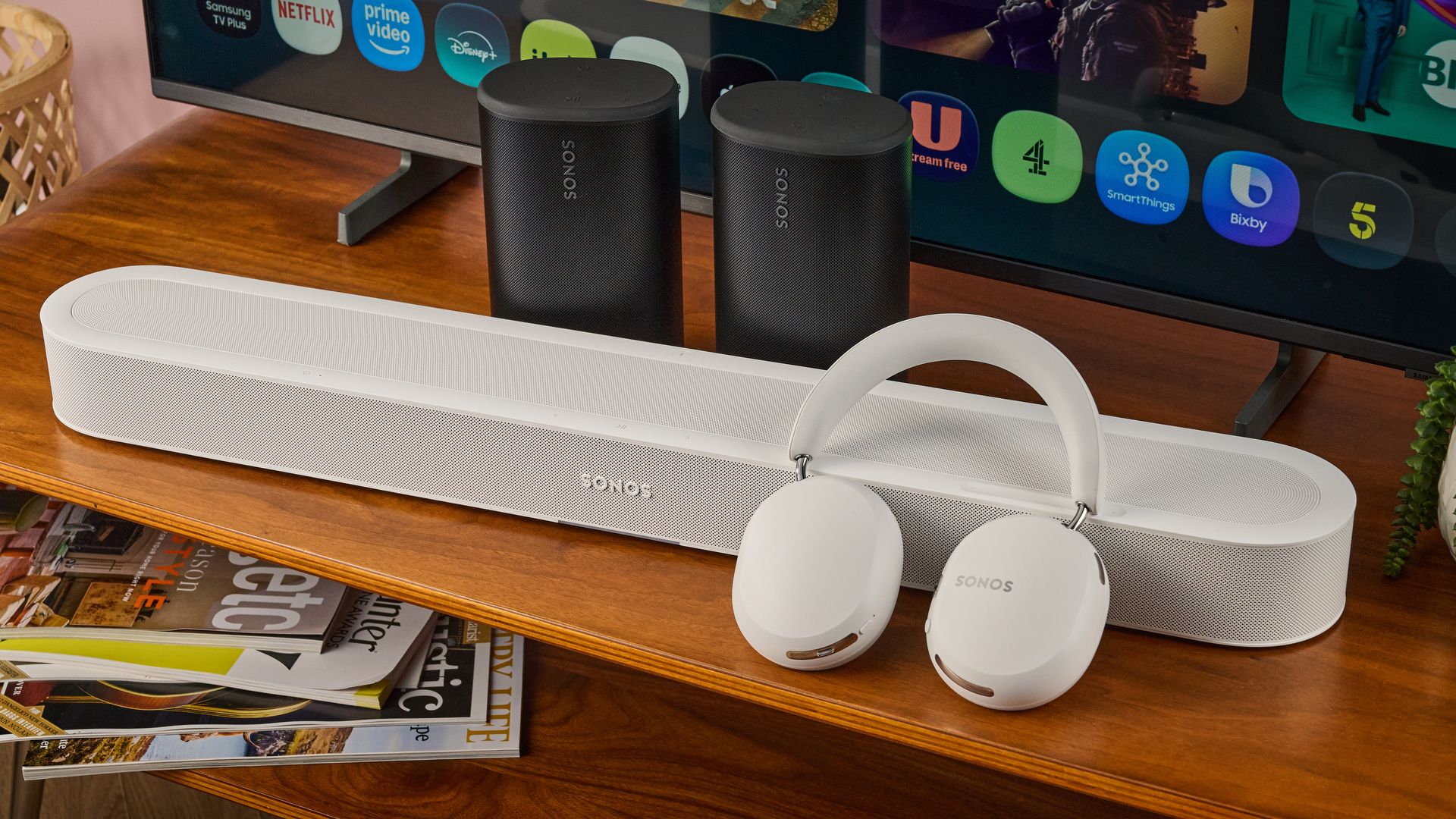
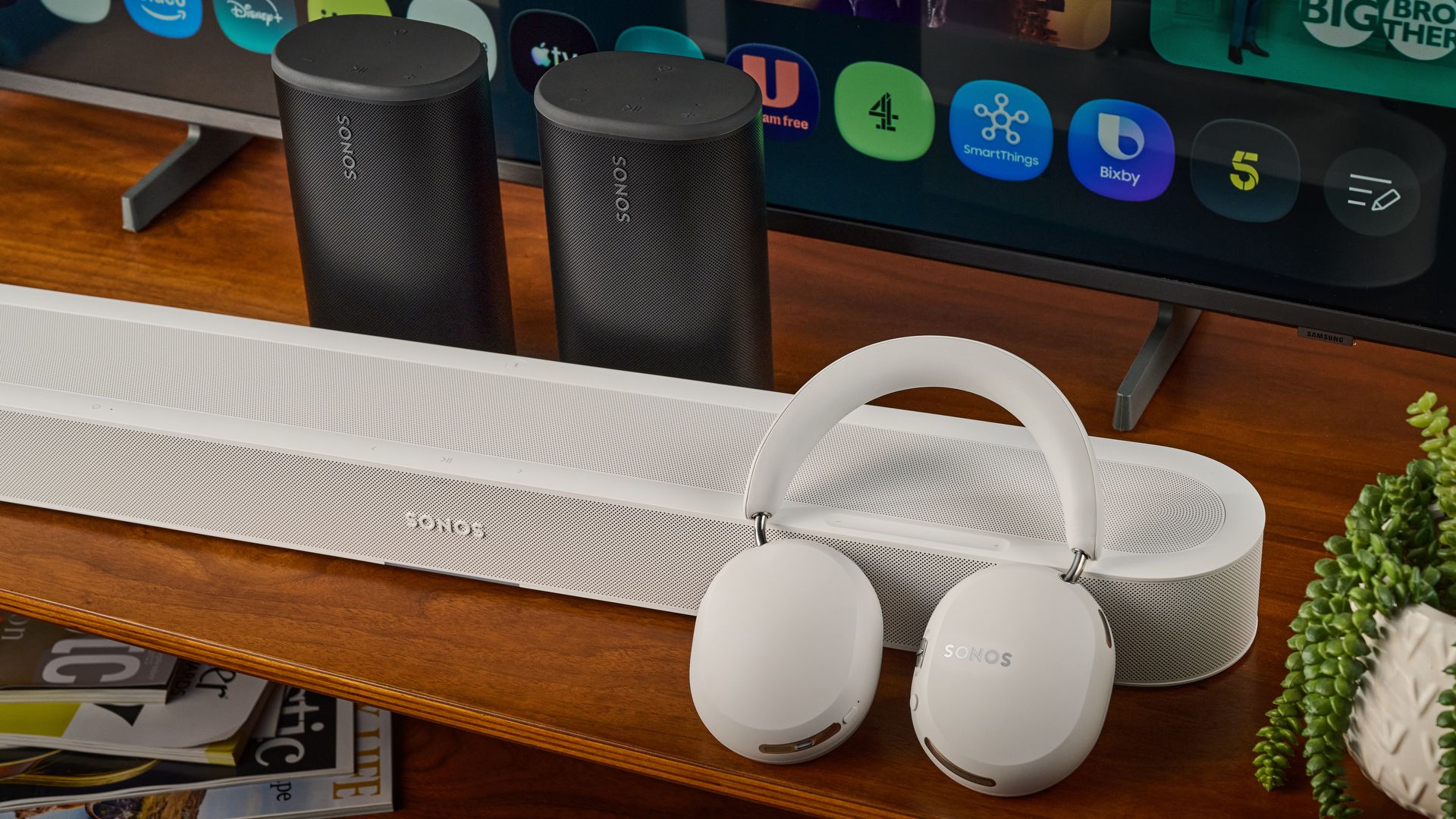
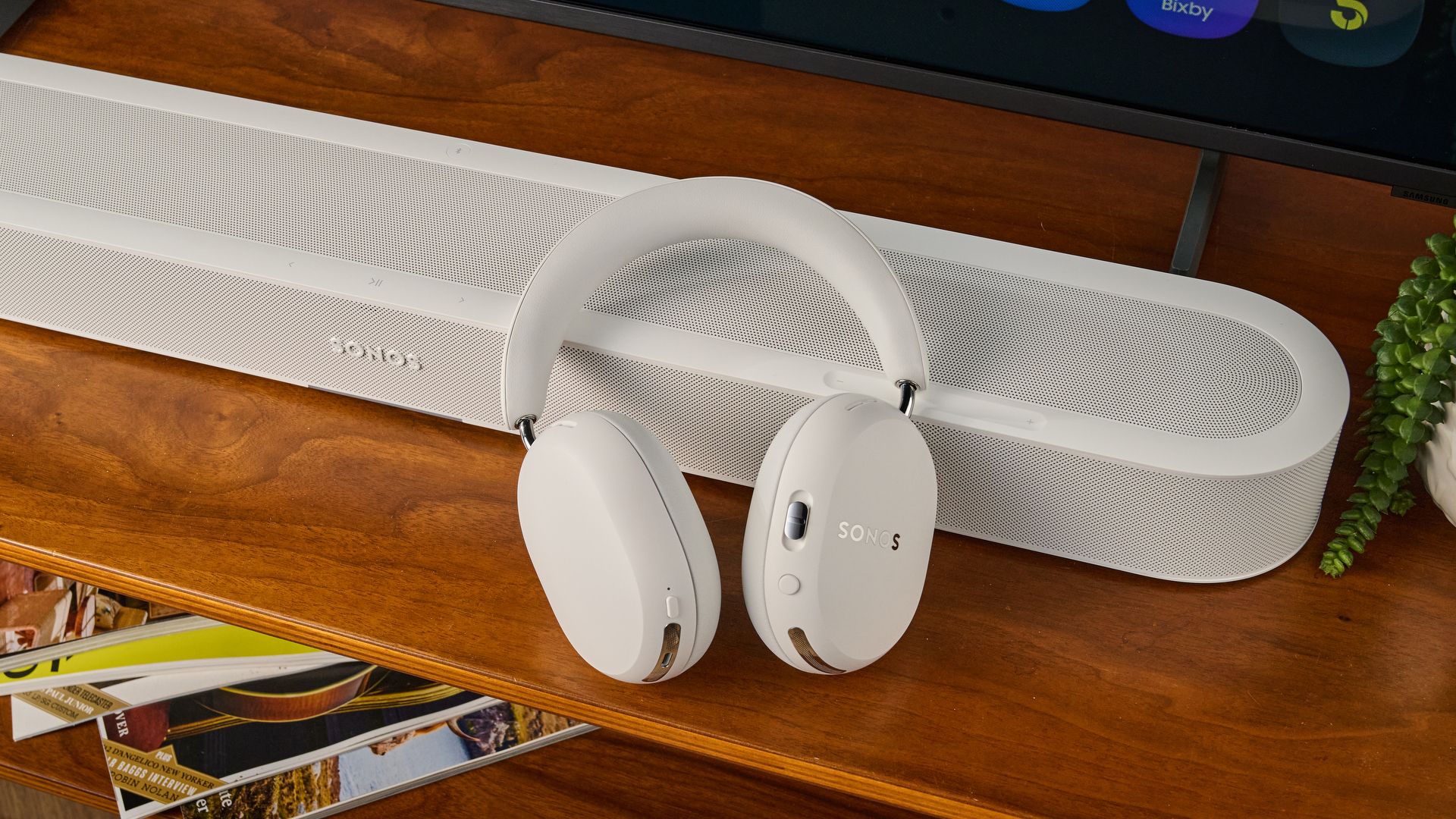
Like the original Ace, you also get TV Audio Swap. This lets you connect the Ace Ultra to a compatible soundbar, like the Sonos Arc Ultra, and hear movie audio on your headphones instantly. Because the Ace Ultra support Dolby Atmos and head tracking, you get an incredibly immersive, rich listening experience here — and it's ideal if you want to enjoy private listening without disturbing anyone else in your household.
4. Better battery — and its fully replaceable
(Image credit: Future)
First of all, I should say that the battery life on the standard Sonos Ace is by no means bad. You get 30 hours of playback with ANC on, which is basically the standard for headphones in the premium price-bracket — in fact, some rivals like the AirPods Max 2 and the first-gen Bose QuietComfort Ultra fall short of this.
But the Sonos Ace Ultra provide a slight bump, with 35 hours of battery life with ANC switched on — still nothing game-changing, but certainly a welcome improvement. You also only need to charge them for three minutes to get three hours of playback, which makes them incredibly convenient when you’re on the go and need some additional battery life in a pinch.
Perhaps more interestingly, the Sonos Ace Ultra feature a user-replaceable battery. Yes, you’ll need to get some specialist kit for this, but it means that the Ultra can live on, even if the battery degrades after years of listening. That only makes your investment more worthwhile in the long run.
5. New drivers provide a huge performance upgrade
(Image credit: Future)
And now for the largest upgrade of them all: the one that truly puts the Sonos Ace Ultra head and shoulders above the first Sonos Ace. Of course, I’m talking about the significant sound quality step-up, which comes, in part, thanks to new 40mm custom drivers.
When it comes to music, the original Sonos Ace are OK. They provide relatively energetic audio, but they lack balance, often sound quite busy and disorganized, and lack the width and detail of some premium rivals. But the Sonos Ace Ultra take things up a notch. They deliver expansive, dynamic, and intricate audio, especially when using aptX codecs or wired listening.
The Sonos Ace Ultra also provide improved instrument separation, letting them handle more complex mixes with ease. Low-end sounds are more full-bodied and agile, never sounding lethargic or lacking rhythmically. Mids aren’t as overzealous as they were on the original Ace, taking a more natural, detail-oriented approach. And treble is expressive and articulate, giving higher-pitched percussion some seriously satisfying bite.
Like the standard Ace, the Ace Ultra sound impeccable for movies, delivering a three-dimensional listening experience with convincing height effects and engrossing expansiveness, and they’re probably the best wireless headphones you can buy for movies. But the Ultra’s improved musicality helps them attain greatness — even more impressive when you consider that they’ve launched at the same price as the original Ace did back in 2024.
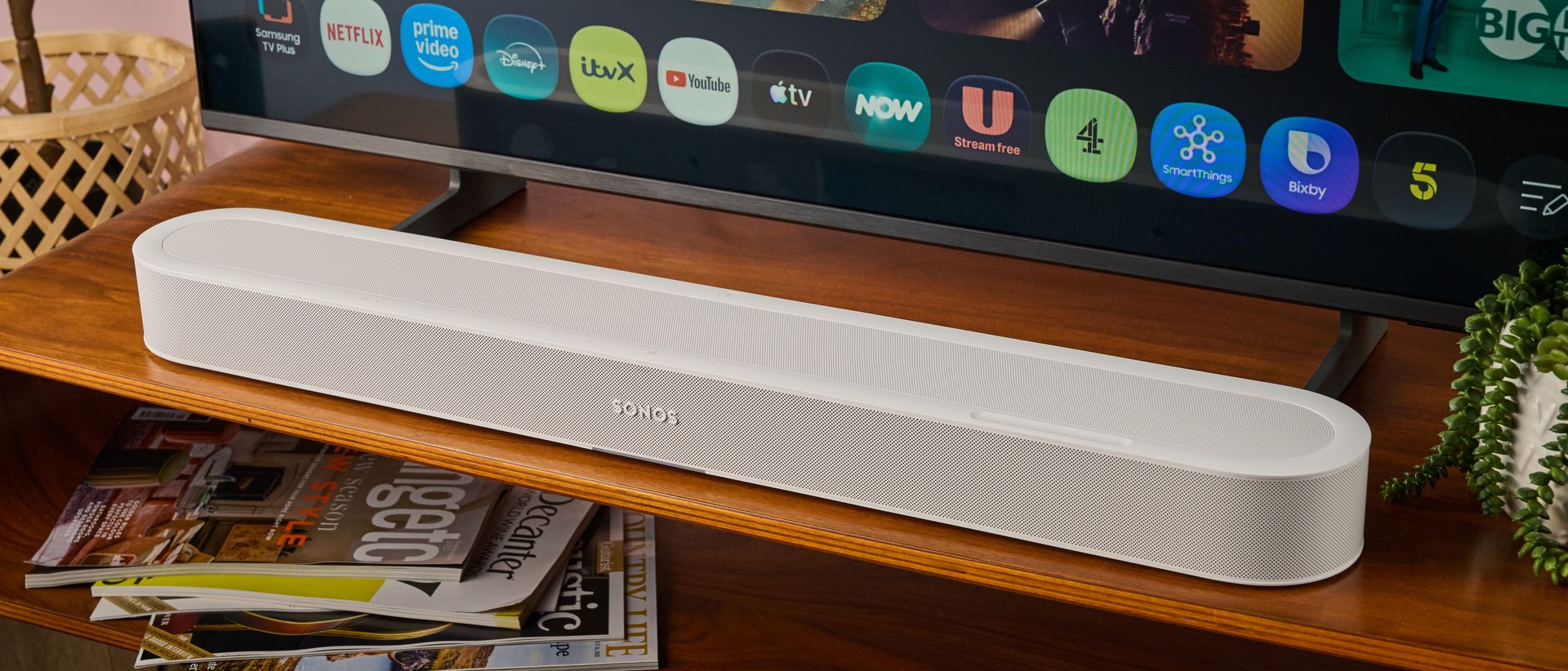
The Sonos Beam Ultra doesn’t merely feel like an evolution of the pre-existing Beam products. Instead, it feels like something of a middle child between the Sonos Beam Gen 2 and the Sonos Arc Ultra. After all, it sits bang in between its sibling models when it comes to channel configuration, boasting a 7.1.2 setup with nine drivers, and while it has up-firing drivers for true Dolby Atmos, it still maintains a fairly compact design.
But the Beam Ultra certainly isn’t an awkward middle-child; it’s a highly capable mid-range option that provides striking cinematic sound, while still being able to fit into a smaller setup. But is the Sonos Beam Ultra worth its $699 / £699 / AU$1,099 asking price?
Like most of the best soundbars, the Sonos Beam Ultra supports Dolby Atmos (though notably Sonos omits DTS:X), and it handles the format very effectively. When watching a 4K UHD Blu-ray of The Mask, the soundbar seamlessly tracked the titular character as he tornadoes across the screen, with audio sounding as if it far exceeded the limited confines of the soundbar. When The Mask jumped upwards, diagonally, his upward trajectory was captured with precision.
(Image credit: Future)
And the Beam Ultra continued to impress me with its height effects across multiple movies. For instance, in Godzilla Minus One, the sense of a plane flying overhead was replicated more naturally than I expected from a mid-range bar. When Godzilla first appeared, the width of the kaiju’s movement was handled brilliantly — it sounded as if the creature’s stomping and destruction were emanating from different corners of the testing room, rather than a set of speakers, even without the help of surround speakers.
What’s more, the Sonos Beam Ultra nails the fundamentals. Watching Top Gun: Maverick, the roar of jet engines was palpable, and I found this to be the case across multiple films. For a mid-sized standalone bar, the Beam Ultra produces incredibly regimented, deep, and responsive low-end sound, which is excellent for movies with high-octane action sequences and dark, impactful scores. The Beam Ultra can also get seriously loud if you want to fill a more open space, but I never noticed any tinniness or harsh compression.
Still, this doesn’t come at the expense of sounds elsewhere in the frequency range. I found dialogue to be generally clear and detailed too, though I will note that turning on the Speech Enhancement mode and setting it to Medium gave me the best results. This means you can bring voices forward without hampering the fidelity of other elements in the mix.
The Beam Ultra even proved to be a hit for music, whether I was listening to an Atmos or stereo mix. With an Atmos mix of I’m Gonna Love You Just A Little More Baby by Barry White, there was tremendous width to the guitars, the vocals were perfectly clear in the center, and the bass had pleasant warmth to it. Moving over to First Summer by H.K., deep bass came through with attention-grabbing impact, sounding more full-sounding than I’d anticipated, yet keys and vocal chops in the mid-range still maintained excellent clarity, as did articulate drums in the treble.
(Image credit: Future)
The Sonos Beam Ultra isn’t just a great performer; it’s also rammed full of useful features. TruePlay is here, which can optimize sound for your room in mere seconds, but there are also ways to manually adapt audio. For instance, you can adjust height effects to your choosing, and there’s even a height-effect simulation mode if there’s less than four inches of space above your soundbar — ideal if you’re placing the Beam Ultra on a shelf in your TV stand, say.
I've already mentioned the Speech Enhancement mode, which has multiple levels to emphasize speech as little or much as you need, but there’s also a Night mode if you don’t want to disturb others. You can turn these options on in the Sonos app, but there’s also an option to add a voice assistant if you want to make adjustments on the fly.
The Beam Ultra can, as you'd expect, also interact with other components in your Sonos system. You can pair compatible speakers, such as the Sonos Play, and use them as surround speakers. TV Audio Swap is also back, and enables you to transfer sound from your Beam Ultra to your Sonos Ace or Sonos Ace Ultra headphones. I tried this out with the latter cans, and found that switching was speedy and responsive, while the quality of spatial audio was exceptional — make sure to read my Sonos Ace Ultra review for a deeper dive.
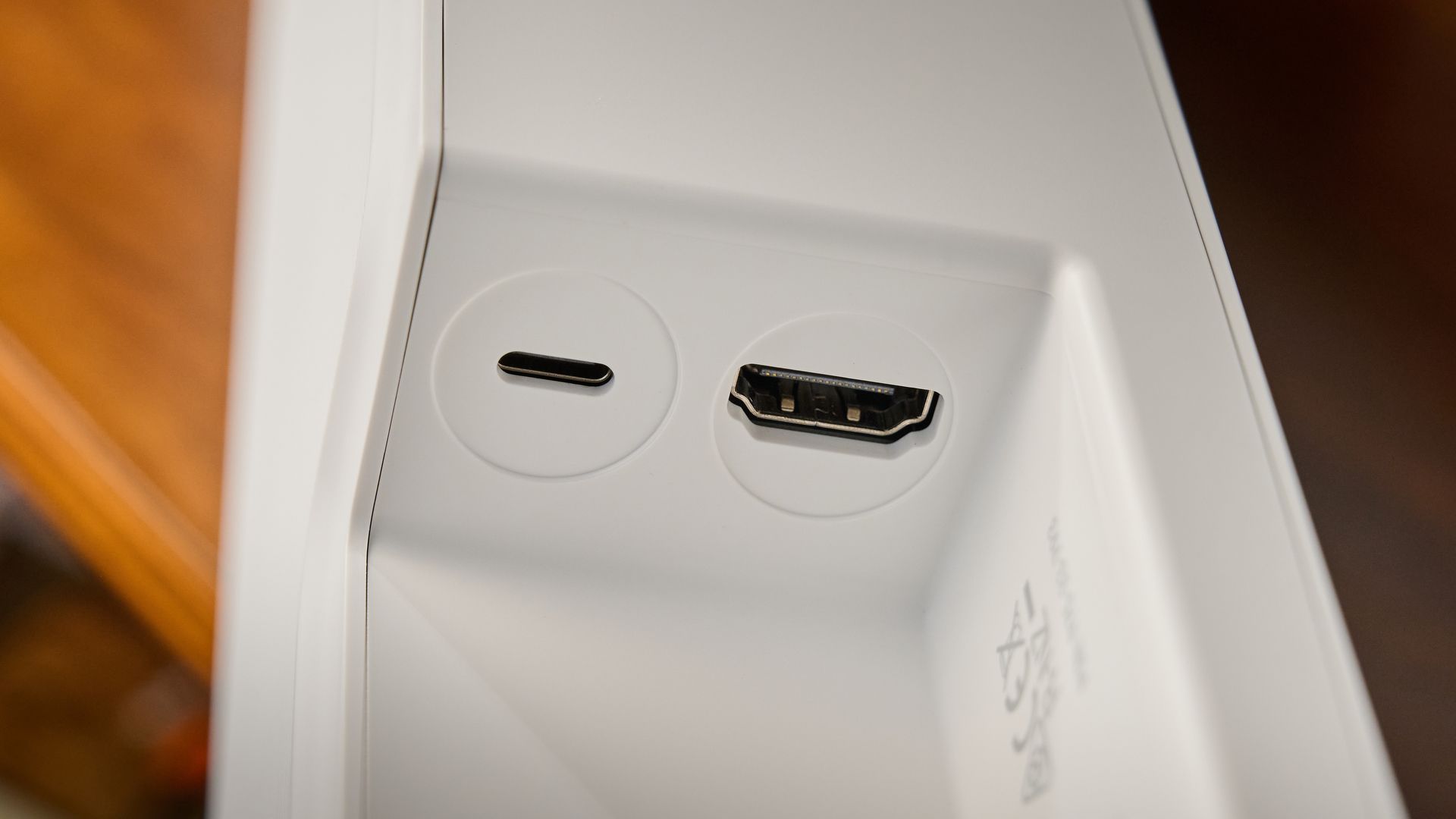
There are a fair few ways to connect to your Sonos Beam Ultra too. Of course, HDMI eARC is the most important — this is what you’ll use to hook the soundbar up to your TV and experience Dolby Atmos movies in all their glory. There’s also Wi-Fi 6 for streaming content over a local connection, allowing you to use services like Tidal Connect and Spotify Connect. And, unlike with the Beam Gen 2, you also get Bluetooth 5.3 connectivity as well as USB-C line-in.
One thing I would have really have loved to see, though, is an HDMI input, which has been left off of the Sonos Beam Ultra. Given that connecting the soundbar up to your TV already takes away one precious HDMI slot, it would’ve been great to get a passthrough port on this model — it’s something I use on my Marshall Heston 120 at home, given that I have multiple game consoles connected up.
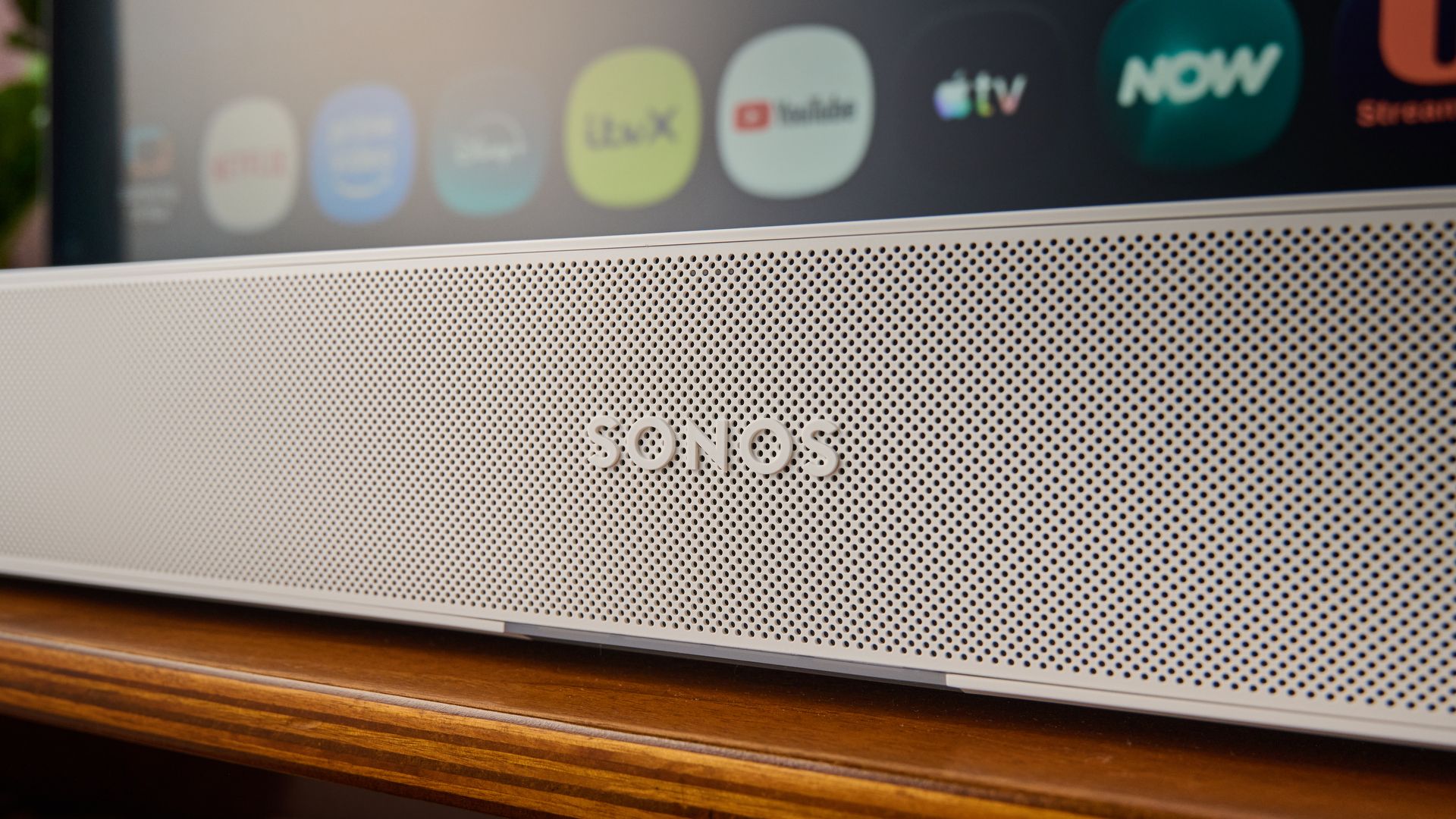
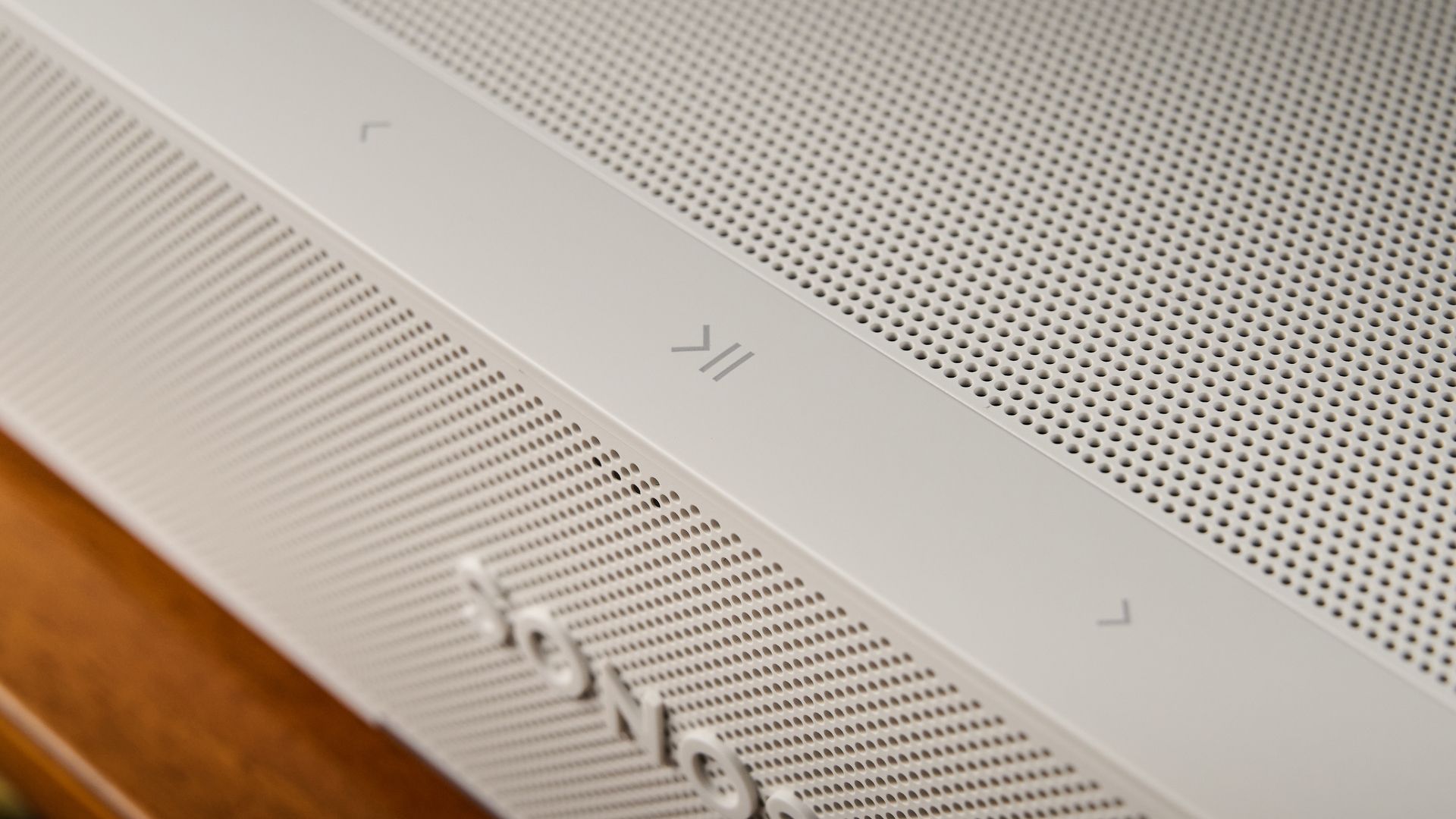
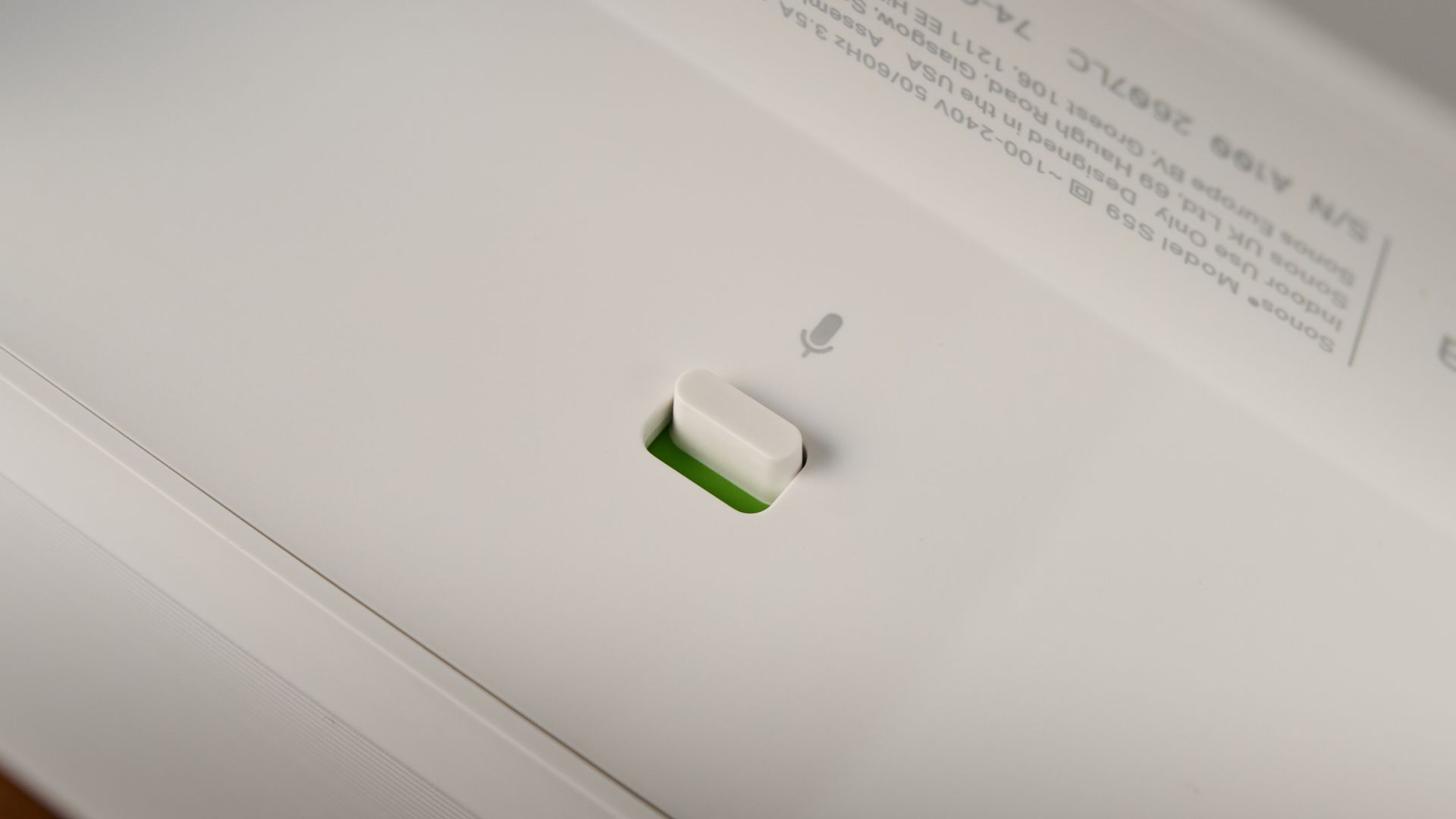
Something that does not disappoint, though, is the Beam Ultra’s design. It’s sleek, modern, and stylish — but understated enough to seamlessly slot into just about any living space. It also has a great standard of build, intuitive touch controls, and handy status indicator lights to signify connection status. There’s also a microphone slider, which you can deactivate if you don’t want your soundbar listening in on you.
But here comes the big question: is the Sonos Beam Ultra actually worth the money? While $699 / £699 / AU$1,099 is by no means cheap, I still think the answer is yes. It’s priced right in between the Beam Gen 2 and Arc Ultra, and feels like a true best-of-both-worlds option — the height channels give it much more convincing Atmos performance than the Beam Gen 2, but you also get amazing power in a single, compact package.
Sure, you could get a soundbar and sub combo like the Samsung HW-Q800F for a similar price, and that will give you even deeper, more cinematic bass. But that model has a more restrictive 5.1.2 configuration, and if you want something more low-profile, it won’t fit the bill. You also get an excellent suite of features from the Beam Ultra, and you can add a compatible sub and other other Sonos speakers for surround sound if you wish.
As a result, the Sonos Beam Ultra might just be the best compact Dolby Atmos soundbar I’ve tested. In spite of its modest size, it plates up powerful, immersive, and clear audio, so if you want a simple plug-and-play solution to get amazing audio into just about any space, this is my top recommendation.
(Image credit: Future)
Sonos Beam Ultra review: Price and release date
Priced at $699 / £699 / AU$1,099
Released in September 2026
The Sonos Beam Ultra is priced at $699 / £699 / AU$1,099, placing it mid-way between the Sonos Beam Gen 2 and the Sonos Arc Ultra. While you can get some multi-box options for a similar price, like the Sony HW-Q800F, for instance, the Beam Ultra features an extensive 7.1.2 driver configuration, and its compact nature is a central part of its appeal.
Sonos Beam Ultra review: specs
Dimensions
29.5 x 2.6 x 4.1 inches / 750 x 65 x 105mm
Speaker channels
7.1.2
Connections
HDMI eARC, Wi-Fi 6, Bluetooth 5.3, USB-C
Dolby Atmos / DTS:X
Yes / No
Sub included
No
Rear speakers included
No
(Image credit: Future)
Should I buy the Sonos Beam Ultra?
Attribute
Notes
Score
Features
Good connectivity options, great sound modes, can add sub and surrounds, no DTS:X or HDMI passthrough.
4.5/5
Performance
Expansive sound in a compact package with imposing bass and clear dialogue.
5/5
Design
Stellar looks, slim build, neat touch controls.
5/5
Setup & usability
Plug and play set-up, easy to connect to via Wi-Fi or Bluetooth.
5/5
Value
Not cheap, but a perfect marriage of the standard Beam and Arc that’s priced accordingly.
4.5/5
Buy it if…
You want a compact soundbar with amazing Dolby Atmos So many compact Dolby Atmos soundbars fall flat when it comes to Dolby Atmos. Often, that’s due to a lack of dedicated up-firing drivers to provide convincing height effects. But the Beam Ultra has those — and it also conjures up an impressive sense of width.
You already own a Sonos system If you already have a compatible sub and speakers like the Sonos Play or Sonos Era 100, you can connect them to the Beam Ultra to open up even more immersive, three-dimensional audio. TV Audio Swap is also available if you’ve got the Sonos Ace or Sonos Ace Ultra headphones.
Don’t buy it if…
You need HDMI passthrough The Sonos Beam Ultra does not offer HDMI passthrough, which might be troublesome if, like me, you have multiple games consoles, a 4K Blu-ray player, and other devices that use HDMI.
You need DTS:X The Sonos Beam Ultra supports Dolby Atmos, but not DTS:X, much like other Sonos soundbars, including the Sonos Arc Ultra. A number of 4K discs make use of DTS:X, so if you’re someone who often makes use of that format, it may be worth looking elsewhere.
Sonos Beam Ultra review: also consider
Sonos Beam Ultra
Samsung HW-Q800F
Bose Smart Ultra Soundbar
Price
$699 / £699 / AU$1,099
$1,099 / £799 / AU$1,099
£899 / $899 / AU$1499
Dimensions
29.5 x 2.6 x 4.1 inches / 750 x 65 x 105mm
Main soundbar: 43.7 x 2.4 x 4.7 inches / 1110.7 x 60.4 x 120mm; subwoofer: 9.8 x 9.9 x 9.8 inches / 249 x 251.8 x 249mm
2.3 x 41 x 4.2 inches / 58 x 1045 x 107mm
Speaker channels
7.1.2
5.1.2
5.1.2
Connections
HDMI eARC, Wi-Fi 6, Bluetooth 5.3, USB-C
1x HDMI input, 1x HDMI eARC, digital optical, Wi-Fi, Bluetooth 5.3
HDMI eARC, digital optical, Ethernet, USB (service only), Bluetooth, Wi-Fi
Dolby Atmos / DTS:X
Yes / No
Yes / Yes
Yes / No
Sub included
No
Yes
No
Rear speakers included
No
No
No
Samsung HW-Q800F This multi-box Samsung soundbar can now be found for a similar price to the Sonos Beam Ultra, if not less. It supplies exceptional sound, with impeccable bass from its dedicated sub, clear dialogue, and engrossing Atmos effects. It doesn’t offer the Beam Ultra’s compact size, but it does have DTS:X and HDMI passthrough. Read my full Samsung HW-Q800F review.
Bose Smart Ultra Soundbar The Bose Smart Ultra Soundbar is a great 5.1.2 soundbar with wide, detailed sound, excellent build quality, and an effective companion app. It doesn’t quite offer the height or bass weight of the Sonos Beam Ultra, but it can often be found on sale for less than $700 / £500. Read our full Bose Smart Ultra Soundbar review.
How I tested the Sonos Beam Ultra
(Image credit: Future)
I spent one week testing the soundbar in our TV testing space at Future Labs
I watched a variety of movies, and listened to music in both Dolby Atmos and stereo formats
I spent one week testing the Sonos Beam Ultra at our TV testing space at Future Labs, during which time I exhausted its various features, watched a variety of movies, and listened to music in both Dolby Atmos and stereo formats.
To test the Beam Ultra, I hooked it up to the Samsung R95H TV via HDMI. I also made use of the Panasonic DP-UB820 to view Dolby Atmos-enabled 4K UHD Blu-rays. When listening to music, I streamed tunes over Tidal Connect via Wi-Fi, and made use of the TV Audio Swap feature to transfer audio from the soundbar to the Sonos Ace Ultra headphones.
I also compared the Sonos Beam Ultra directly against the Sonos Beam Gen 2 to assess improvements to height effects, expansiveness, and general functionality.
I’ve spent several years testing audio-visual gear at TechRadar, where I'm a Senior Reviews Writer. I’ve tested a vast number of soundbars specifically, from compact models like the Marshall Heston 60 to grand surround systems like the LG Sound Suite Immersive Suite 7 Pro.
Sonos is making a real statement of intent with its new wireless headphones, the Sonos Ace Ultra.
The multi-room master has made a whole host of improvements to this upgraded wireless over-ear model, which has arrived two years after the original Ace came to market. The Sonos Ace Ultra have enhanced custom 40mm drivers, a new headphone engine, better battery life, better noise-cancelling, and more detailed EQ to name a few things. So can they finally compete with flagship rivals from the likes of Sony and Bose to become some of the best noise-cancelling headphones we've tested? Here’s what I think after weeks of testing.
Let’s start by addressing the most important area of all: sound quality. We felt that the original Ace fell short of the best headphones around due to one main issue: their middling musicality. But the Ace Ultra have remedied that, and then some.
When listening to the Sonos Ace Ultra beside the original model, the differences were stark. Where the standard Sonos Ace sounded confined, overstretched, and unrefined, the Ace Ultra offered openness, intricate detailing, and a broader, more organized soundstage. What’s more, they provide better balance across the frequency range, with deep yet controlled bass, rich but less overzealous mids, and tight, articulate treble.
While I still consider some similarly priced competitors, like the Sony WH-1000XM6 and Bowers & Wilkins Px7 S3 to supply slightly more premium, detailed sound (for music, that is), the Ace Ultra are really not far behind. Sonos listened to the critics, and proved that it's up to the task of going toe-to-toe with the titans of the headphone world.
We already loved the original Ace for movies, though, finding that they offered immersive Dolby Atmos audio with effective head-tracking to boot. And that’s much the same on the Ace Ultra. They whip up wonderful width, strong command over height effects, and never neglect the fundamentals like clear dialogue and cinematic, pounding bass.
But what’s new on the Ace Ultra? Although music got a seismic upgrade, other alterations feel a bit more incremental — but that’s by no means a bad thing. Two more microphones have been added to the Ultra, bringing the total to ten, and ANC is great here. Wherever I was, my soundings were subdued to great effect, almost creating a bubble of silence. ANC is adaptive this time around and adjusts nicely, and the transparency mode works a treat. Call quality is strong too, as you may expect.
Battery life has also seen a boost, and you’ll now get up to 35 hours with ANC on. Is this anything groundbreaking? No. But it’s slightly above the 30-hour standard for headphones in this price bracket, and I never felt that I had to charge these cans very regularly. The battery is also replaceable, and a rapid charging mode means you can get three hours of playback if you spend three minutes juicing them up.
EQ options have also been expanded beyond the basic two-band equalizer found on the standard Ace headphones. There’s an eight-band option now as well as adaptive EQ, meaning you can genuinely tailor sound to your specific tastes.
We also need to talk about the Wi-Fi capabilities of the Sonos Ace Ultra. No, we’re still not at the point where we can directly stream tunes over a local internet connection, but there are some nifty features at play. First of all, TV Audio Swap is back, enabling you to link the headphones to a compatible Sonos soundbar, and transfer sound seamlessly. This is highly responsive and effective, and while I didn’t find myself using this feature a ton, you can avoid the latency issues you’d get from connecting headphones to your TV over Bluetooth.
The Ace Ultra also add Headphone Linking, though, which means you can also transfer sound from compatible speakers, like the Sonos Play, for instance. This is equally reliable as TV Audio Swap, and is a great option if you’re listening to music at home but want to keep listening without distracting others.
It’s clear to see that the Sonos Ace Ultra don’t look very different from the previous model, but that’s no bad thing. They’re sleek, well-built, and offer a neat combination of comfort and over-ear security. They’re not fully foldable, and the included case could be better quality-wise, but these are fairly minor pain points in the grand scheme of things.
Considering that the Ace Ultra cost the same as the original Ace at the point of launch — and actually less in the UK — they feel like a much more worthwhile investment. They’re by no means cheap, but their enhancements are meaningful and substantial, making these a great pair of headphones whether you have a pre-existing Sonos system or not. As a result, these are a great pair of headphones for music and movie lovers alike that feel worth the outlay — and are easy to recommend if you want a great all-round pair of premium wireless headphones.
(Image credit: Future)
Sonos Ace Ultra review: price & release date
Priced at $449 / £399 / AU$699
First released September 2026
The Sonos Ace Ultra were released in September 2026, about two years after the original Sonos Ace headphones. The new model is priced at $449 / £399 / AU$699, which is the same as the standard Ace cost at launch in the US and Australia, though they’re actually cheaper in the UK than the original Ace were at the point of release.
Given their price, the Ace Ultra have some extremely hot competition. For example, the Sony WH-1000XM6 are similarly priced, and offer an incredible mix of balanced, dynamic, and impactful sound alongside some of the best noise-cancelling on the market and a giant suite of features. Other competitors include the noise-crushing Bose QuietComfort Ultra Headphones Gen 2, the spacious sounding Bowers & Wilkins Px7 S3, and the ultra-detailed Sennheiser HDB 630.
Sonos Ace Ultra review: specs
Drivers
Next-gen 40mm custom
Active noise cancellation
Yes
Battery life
35 hours (ANC on)
Weight
0.7lbs / 322g
Connectivity
Bluetooth 6.0, USB-C
Frequency range
20Hz-20kHz
(Image credit: Future)
Sonos Ace Ultra review: features
Excellent ANC with adaptive mode and effective transparency option
Higher-res audio available as well as Dolby Atmos for spatial sound
TV Audio Swap and Headphone Linking works very well
The Sonos Ace Ultra boast an excellent suite of features and are a highly personalizable, smart set of headphones.
Let’s kick off with ANC, which has had quite the revamp. Now, you can toggle on an adaptive mode, which adjusts for things like fit, whether you’re wearing glasses, and if you make sudden head movements. But that’s not all.
Sonos has also boosted the number of mics for the Ultra, with ten to the original Ace’s eight. The mics can monitor your surroundings and cut out external noise in real time, and they do this to great effect. Yes, the Ace Ultra supply great ANC, and no matter my environment, I was treated to satisfying, distraction-free listening.
When out on walks, the sounds of cars passing by were totally nullified. When typing away in the office, the clacking of keyboards was fully subdued, and when travelling on public transport, engine sounds and surrounding chatter were put right to the sword. The Aware Mode is also very effective, and makes it incredibly easy to tune into your surroundings, with the new Voice Boost mode able to improve the clarity of voices around you if you toggle it on.
The upgraded microphone system also helps the Ace Ultra to handle phone calls with greater care than ever before. When taking calls when out and about, my speech was perfectly comprehensible, and never sounded obscured by background noise, even when walking in a busy part of my city.
Something else that’s received a boost is battery life. Sonos says that the Ace Ultra are capable of staying alive for 35 hours on a single charge, and my testing found this to be pretty accurate. This is a slight improvement on the original Ace, which could deliver 30 hours of use, which is essentially the standard for headphones in this price category. There’s also a rapid charging option, which gives the Ace Ultra three hours of playback from a three minute charge and a power saving mode if you want to extend the headphones’ life in a pinch.
One of the more welcome additions to the Ace Ultra is their expanded EQ options. Now, you can make use of an eight-band equalizer to customize the sound of the headphones to your specific taste. This is a big improvement on the basic two-band equalizer on the original Ace (for bass and treble levels), though there’s a more basic three-band option on the Ace Ultra if you prefer a less detail-oriented approach.
Let’s stick with sound, because there are a number of great features here that help you get the best out of both music and movies. First of all, you get all the hi-res goodness from the original Ace, with aptX codec support, as well as lossless audio via USB-C — and there’s a USB-C to 3.5mm cable bundled if you want to use them with a laptop, DJ controller, or other source device.
Dolby Atmos also returns on the Ace Ultra, enabling you to enjoy spatial audio on the go. Once again, this works an absolute treat — especially for movies, where head-tracking also helps to further immerse you in on-screen action. I tried using the TV Audio Swap feature, which enabled me to connect the headphones to the Sonos Beam Ultra, and Atmos movies sounded wonderful — more on that in the ‘sound quality’ section.
While the situations in which I’d use TV Audio Swap are admittedly niche, it's a very reliable feature. It harnesses Wi-Fi connectivity, so you don’t have to deal with the latency issues that connecting headphones to your TV over Bluetooth would bring. And you can easily switch between the soundbar, headphones, and other compatible Sonos speakers with a simple press of a button, which is highly convenient.
The Ace Ultra’s new Headphone Engine 2 also enables Headphone Linking, which allows them to directly connect to other components in your Sonos system — including compatible speakers such as the Sonos play — and move audio to and from your speakers and headphones. Like TV Audio Swap, this feels seamless and speedy to activate, and is great if you’re blasting music at home, but don’t want to disturb others if they want some peace and quiet.
On top of all of this, you get the usual good stuff: multi-point pairing, Bluetooth 6.0 connectivity, wear detection, and a relatively intuitive companion app. And when you add all of this together, I think it's fair to say that the Ace Ultra offer an incredibly fleshed-out, and well-refined feature set.
Features score: 5/5
(Image credit: Future)
Sonos Ace Ultra review: sound quality
Big improvement over original Ace with better soundstaging, detailing, and control
Deep, immersive bass, clean mids, and tight, expressive treble
Fantastic Dolby Atmos performance
While we considered the original Sonos Ace to be a good pair of headphones, their somewhat middling musicality ended up holding them back from greatness. But luckily, Sonos has listened to the criticism, implemented next-gen 40mm custom drivers, and remedied a lot of the issues we had with the previous model. The result? A genuinely great-sounding pair of headphones.
I tried comparing the Sonos Ace Ultra against the original model directly, and when I say that the difference is striking, I truly mean it. In essence, the Ace Ultra provide a significantly broader soundstage with far better organization and balance, as well as deeper, more controlled bass, and more articulate, detailed treble. I also found them to offer superior handling of dynamics and enhanced instrument separation, meaning that, for me, Sonos is closer to rivals like Bose and Sony than ever before.
Sonos has been keen to talk up the Ace Ultra’s improved bass, so I started out by listening to a house track, Get It On by Jansons. The Ace Ultra delivered palpable, pumping bass, that was rhythmic and rapid, never sounding lethargic or boomy. This never concealed other sounds across the frequency range, either, with synths in the mid-range sounding well defined and tonally accurate, and high-pitched drums coming through with precision and vigor, helping the track to maintain its high energy.
Treble was especially tighter on the Ace Ultra compared to the original model, and the wider soundstage gave each individual element more room to breathe, and this became a theme across all of my listening tests.
For instance, with the funk track Joía Rara by Brylho, the upgrade the Ultra provided was considerable. On the original Sonos Ace, the soundstage felt confined, with guitars lacking definition in the mix, and as the track built, the horns, bass, vocals, and guitars sounded slightly convoluted, resulting in a messier presentation than I’d expected. But on the Ace Ultra, things were totally different. Guitars in the intro occupied a unique pocket, bass was well-balanced, and finer percussive details were perfectly audible. Vocals were also separated to greater effect, and while they weren’t the most textured or forward, they were more than clear enough.
Are the Sonos Ace Ultra the best-sounding headphones in their price bracket? Well, they’re not far behind the competition, though I do still think a couple of models edge just ahead. For example, I tested them side by side with the Sony WH-1000XM6, and I found that Sony’s cans supplied a slightly more dynamic low-end output and detailing in the mid-range. It was very close between these two, though. Of course, if you want the most expansive soundstage, headphones like the AirPods Max 2 will edge out the Ace Ultra, but they’re slightly more expensive.
Before we move onto design, we have to talk about the Ace Ultra’s handling of spatial audio. They support Dolby Atmos as well as head tracking, really helping you to immerse yourself in your favorite movies and TV shows, and the expansiveness that the headphones supply is seriously impressive.
When using TV Audio Swap with some 4K UHD Blu-ray discs, the Ace Ultra were able to conjure up an excellent sense of width, almost like some of the best Dolby Atmos soundbars can. I started by watching Elio, and the Ace Ultra did an incredible job — voices were clear, and as characters moved across the screen, they were tracked with precision, and if I tilted my head, sound shifted dynamically as if I was speaking with characters directly. As Elio returned to earth, deep, pounding bass hit with immense power too, but didn’t sound muddy or overbearing.
With Godzilla Minus One, the sense of a plane flying overhead in the opening scene was captured far more effectively than expected. It was genuinely convincing, as if the sound was truly coming from above. Dialogue was clear again, and Godzilla’s almighty screech was both tonally accurate and controlled, rather than tinny. More generally, the movie’s action scenes had tremendous width, creating a genuinely immersive experience.
Sound quality score: 4.5/5
(Image credit: Future)
Sonos Ace Ultra review: design
Beautiful design, and very well made
Comfortable yet secure fit
Not fully foldable, but case included for added security
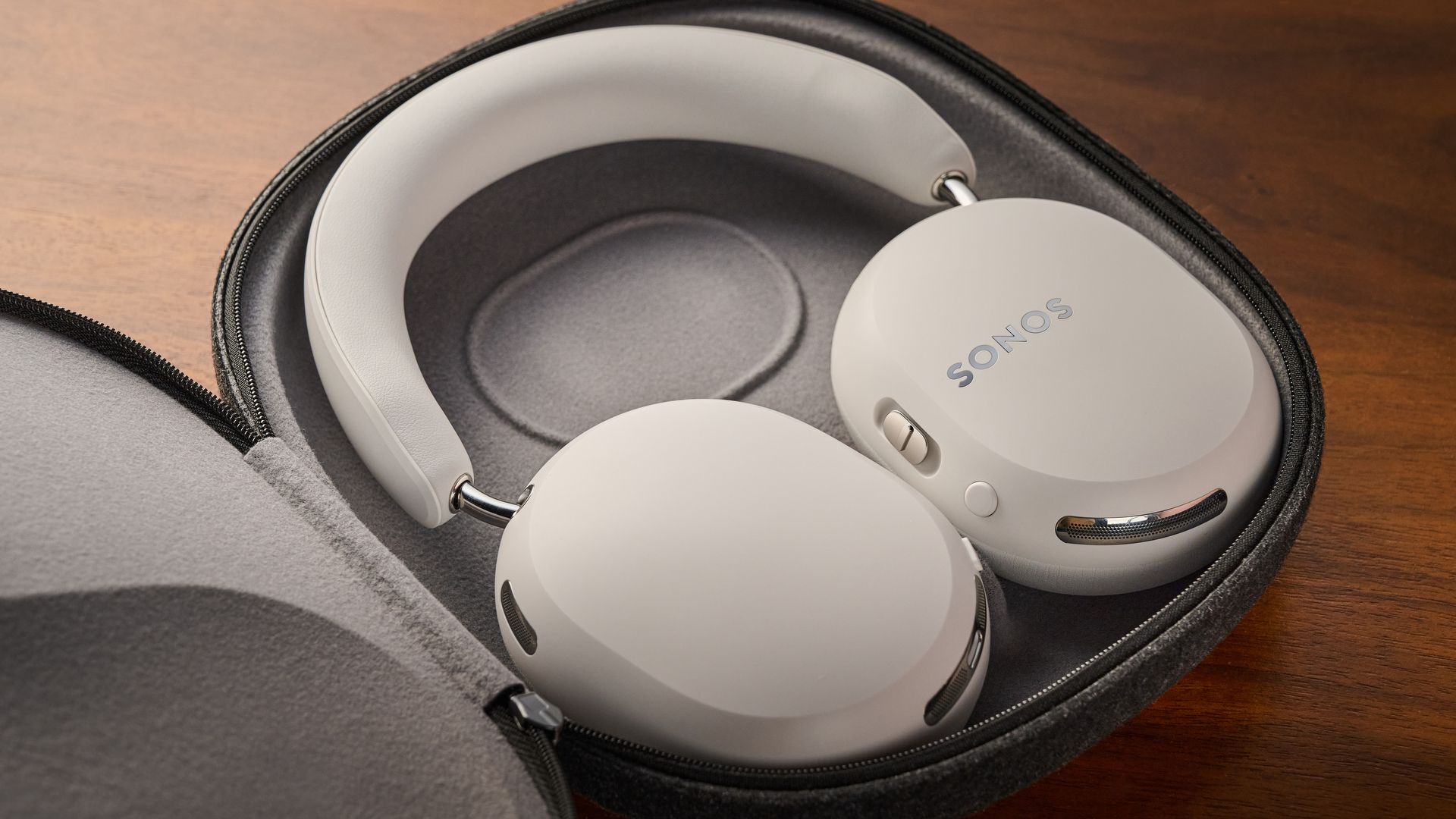
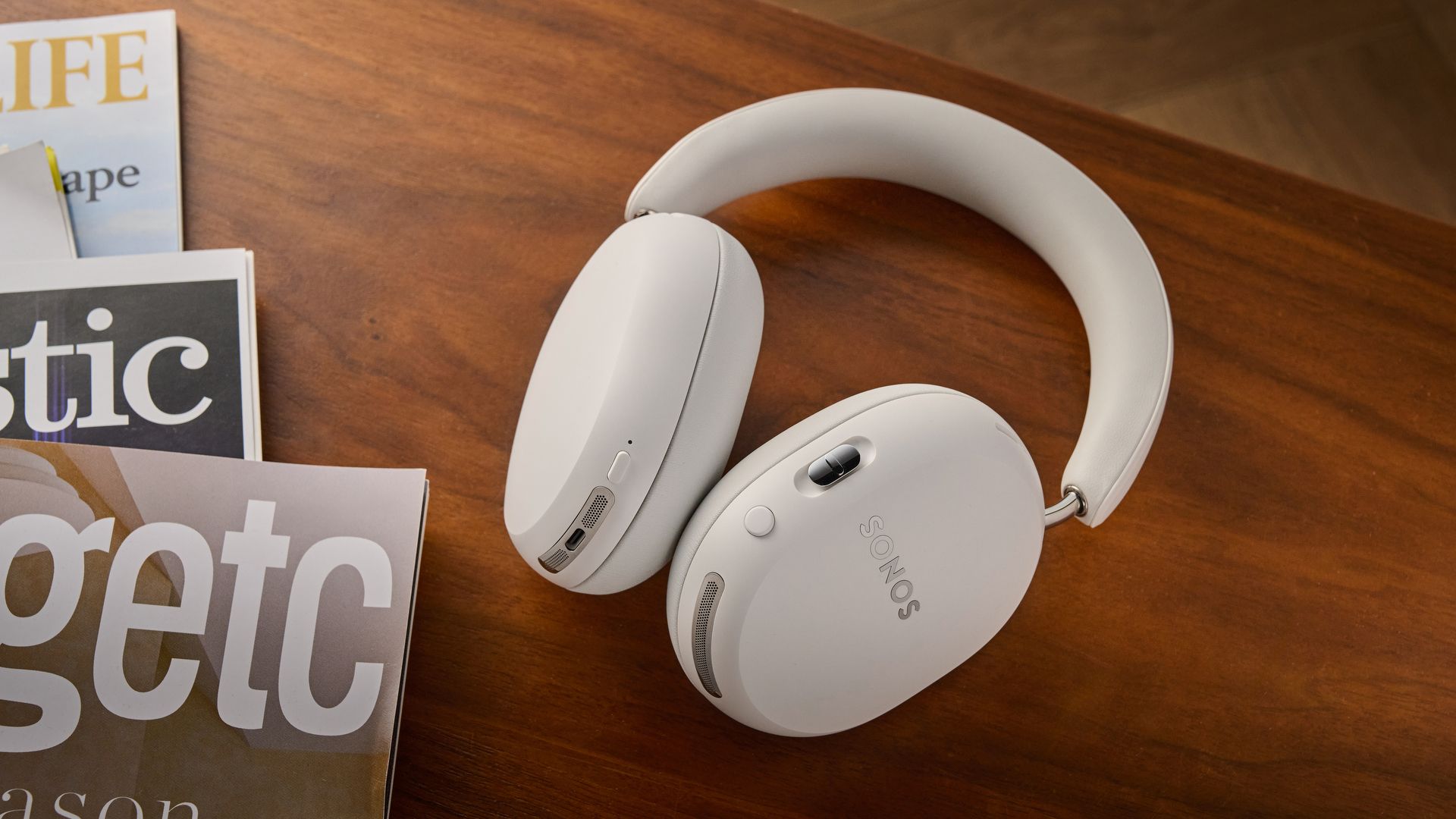
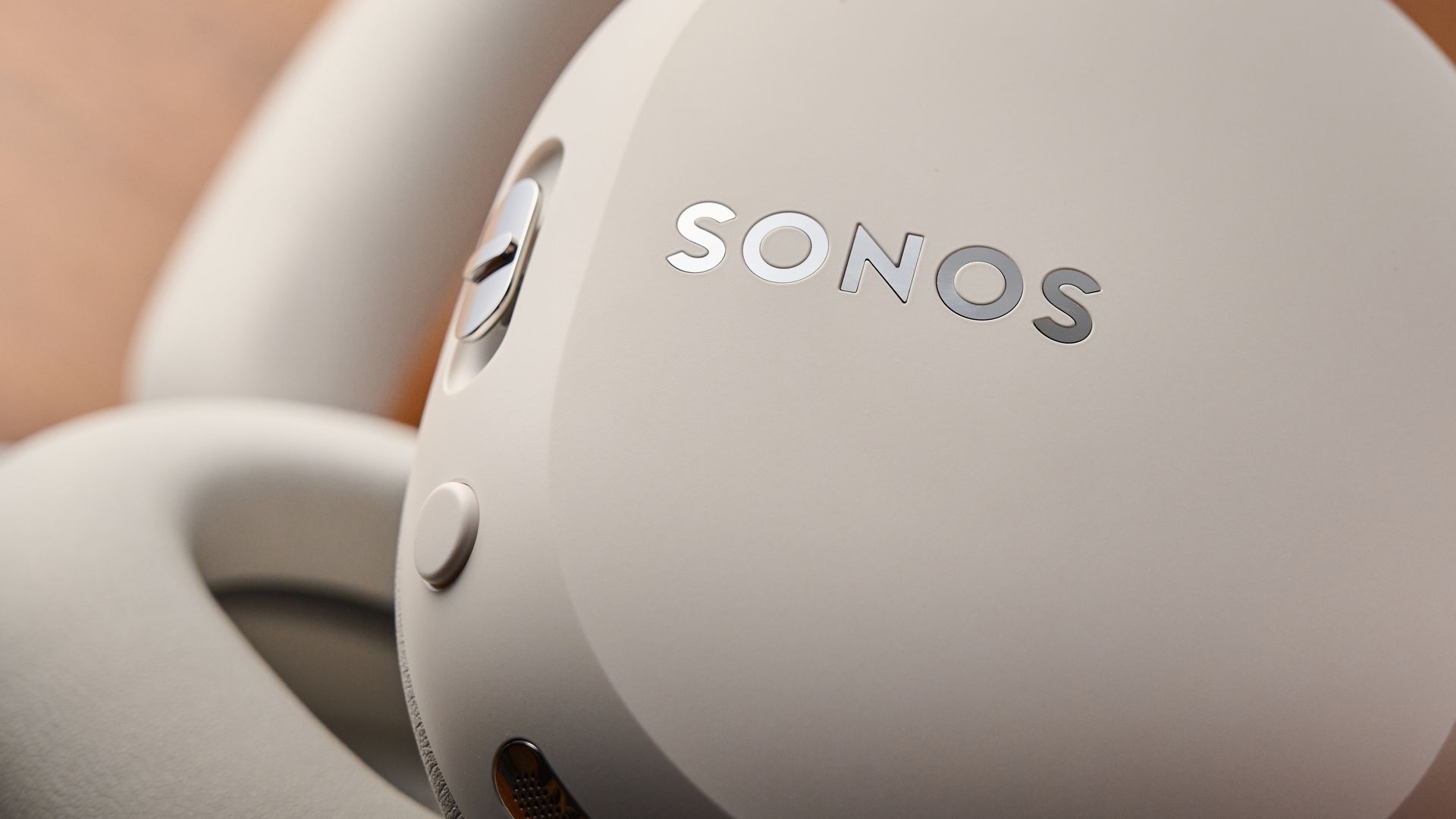
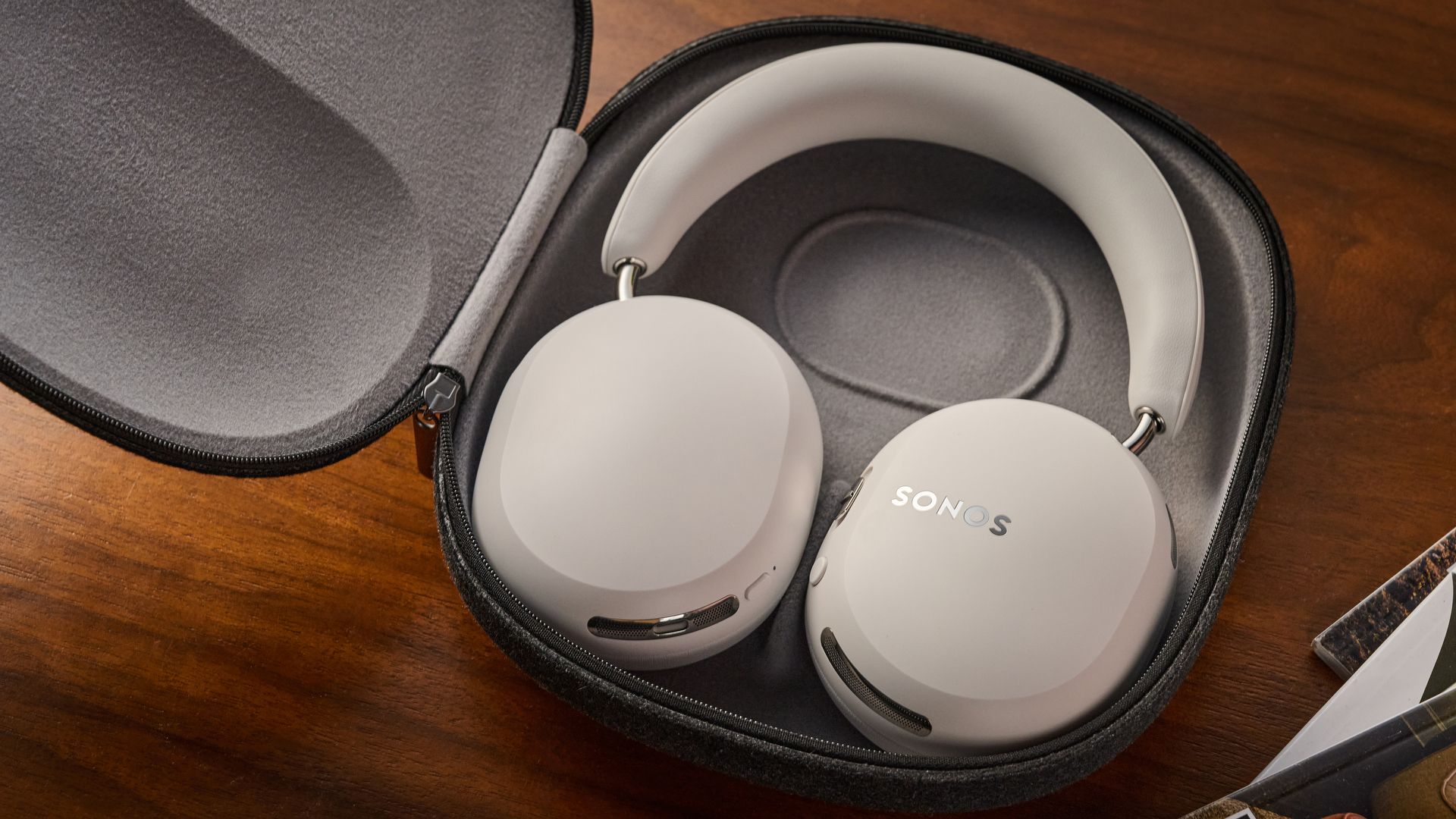
The Ace Ultra look an awful lot like the original Ace, but as someone who loved the way those headphones looked, that’s a big plus. The ear cups are relatively flat and understated, the rounded look is sleek and sexy, and the metallic details only add to the sense of premium. The button controls have shifted about slightly, but they’re incredibly easy to reach, and are all very responsive.
I tried the Soft White version which is stylish and modern, but the Ace Ultra are also available in Black, Agave, and Sand. All of these colorways are minimalistic and suit the luxurious vibe of the headphones to perfection.
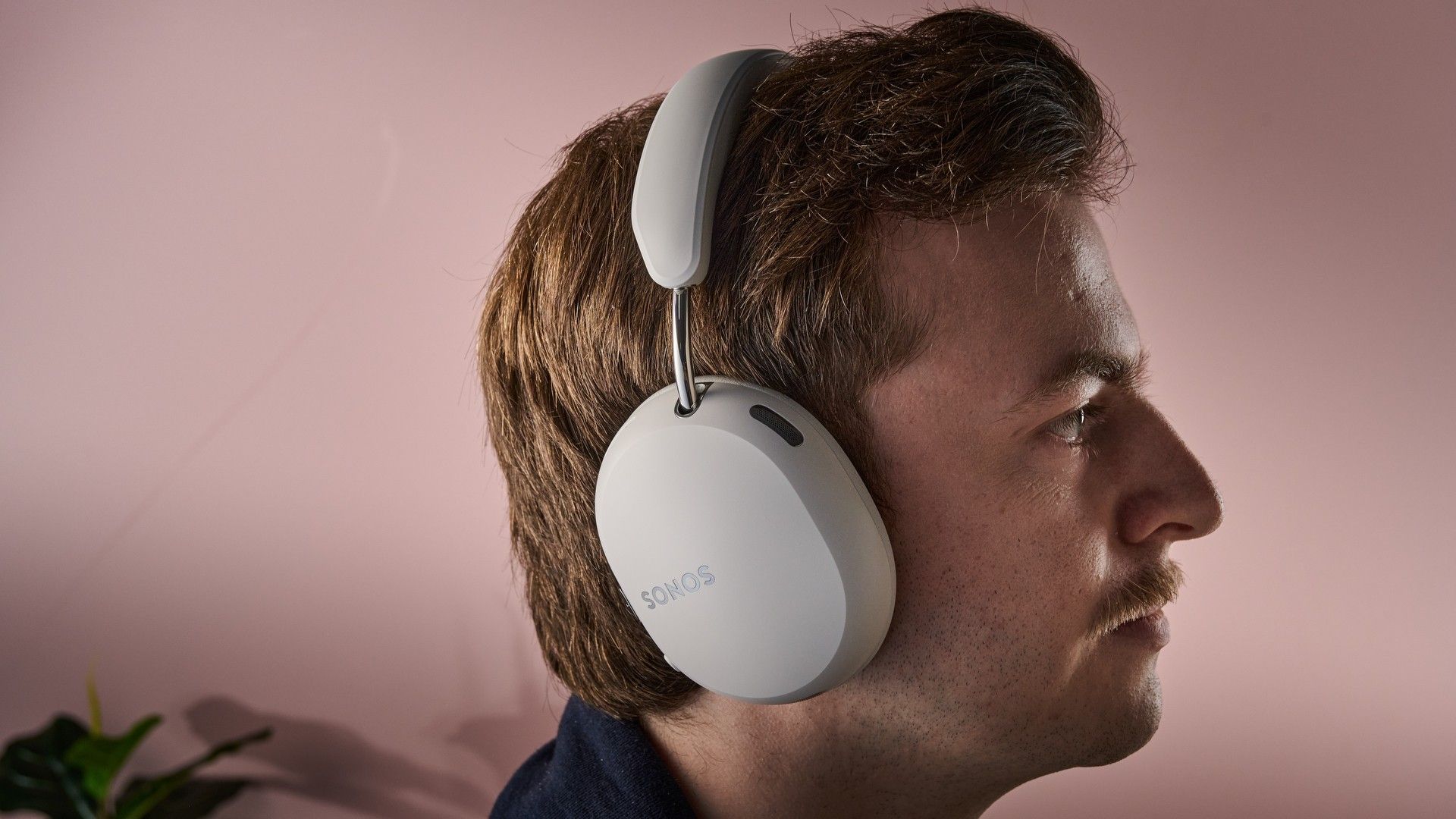
In terms of fit, the Ace Ultra strike a really strong balance between comfort and security — they’re the goldilocks of headphones, if you will. There’s enough clamping power to prevent excess sound seeping in and keep them on your head during a workout or similar, but I never found this to be overbearing. Even when I was wearing a hat, the Ace Ultra felt really snug, with the plush ear cups and padded headband helping me to enjoy my music for many hours on end.
One subtle thing I like is how the inside of the right ear cup is green, making it easy to know which side is which when throwing the cans on. The right cup also features a slider, which can be used to easily adjust volume or trigger the Audio Swap feature. I usually prefer touch controls, but the tactile and reliable nature of these buttons might just have converted me.
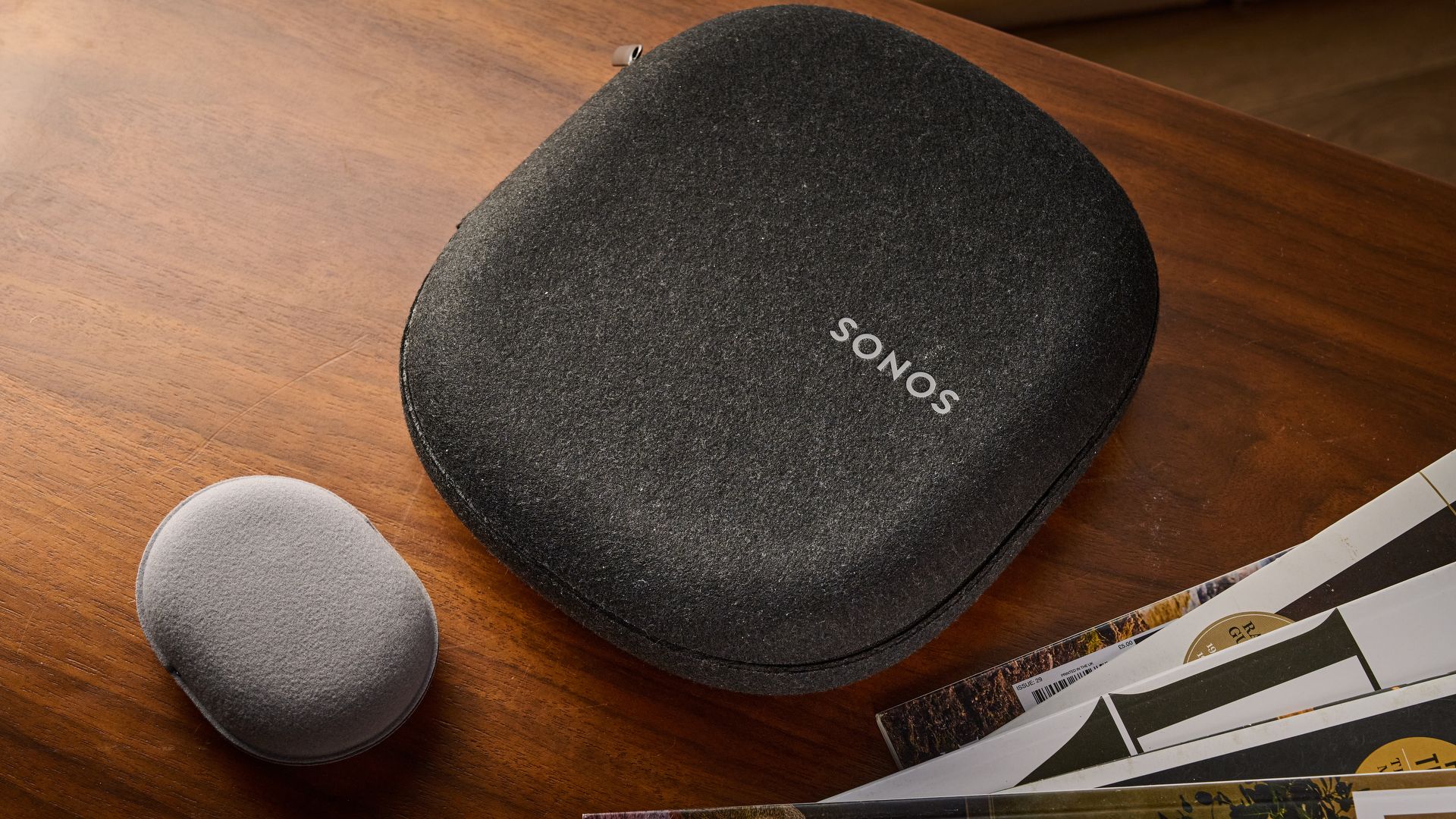
Something that may frustrated a few users is that the Ace Ultra are not foldable. Yes, the ear cups rotate flat for when you want to stow the headphones in the case, but rivals like the Sony WH-1000XM6 offer a more compact, travel-friendly design. In addition, the case itself doesn’t quite offer the quality I was expecting, with a fuzzy exterior that’s a bit prone to picking up fibers. I also found that the zip jammed a bit easily. I much prefer the magnetic case of the XM6, which is more seamless to use and has a more quality look and feel.
Design score: 4.5/5
(Image credit: Future)
Sonos Ace Ultra review: value
More fully featured and better sounding than the original Ace…
…but for the same price (at the point of launch)
A worthwhile choice for those with or without a pre-existing Sonos system
The Sonos Ace Ultra cured the single ailment that plagued the original model above else: their middling musicality. When I tested both headphones side by side, the difference was night and day. The original Ace were held back by a limited soundstage, underwhelming instrument separation, and a lack of balance across the frequency range. But the Ace Ultra sound so much more open, organized, and detailed, and truly compete with flagship rivals from Sony and Bose.
On top of that, you’re getting excellent Dolby Atmos performance, Headphone Linking and TV Audio Swap for linking up to other Sonos products, a beautiful design, and strong noise-cancelling capabilities. Considering that the Sonos Ace Ultra cost the same as the original model did at the point of launch — and less than the standard Ace initially cost in the UK — that’s pretty impressive.
At $449 / £399 / AU$699, they’re still quite the investment, of course. And I do think that some rivals, including the Sony WH-1000XM6 and Bowers & Wilkins Px7 S3 just edge above them in terms of sound quality. But those models can’t compete when it comes to movies — a big selling point of the Ace headphones. And the interactivity that these have with other Sonos products makes them a slam-dunk for owners of products like the Sonos Beam Ultra and Sonos Play.
Even if you don’t have a Sonos system, these headphones still justify their price with great all-round performance, a delicious design, higher-res audio codecs and wired lossless sound, as well as solid battery life. All in all, then, the Ace Ultra feel like a much more worthwhile investment than the original Ace, and manage to earn their price.
Value score: 4.5/5
(Image credit: Future)
Should I buy the Sonos Ace Ultra?
Attribute
Notes
Score
Features
Enhanced ANC, call quality, and battery life, better EQ options, and neat smart features like Headphone Linking.
5/5
Sound quality
Much better musicality than the original Ace and fantastic Dolby Atmos for movies.
4.5/5
Design
Gorgeous looks, comfortable and secure fit, but the carry case could be better.
4.5/5
Value
Earn their price much more than the original Ace with great performance across the board.
4.5/5
Buy them if…
You want amazing headphones for movies With Dolby Atmos compatibility and serious spatial audio skills, the Sonos Ace Ultra are arguably the best wireless headphones you can buy for movie-watching. You’ll experience expansive, three-dimensional sound with the Ace Ultra, and head-tracking will only further your immersion in any on-screen action.
You already own a Sonos system If you own Sonos products like the Sonos Beam Gen 2 or Sonos Play, then the Ace Ultra are a very sensible buy. TV Audio Swap and Headphone Linking enable you to seamlessly transfer sound across your system, giving you unrivalled control over your music-listening and movie-viewing experiences.
Don’t buy them if…
You want the best-sounding headphones in this price-bracket While the Sonos Ace Ultra offer great musicality, they can still be beaten. The Sony WH-1000XM6 provide a bit more bite and detailing, while the Bowers & Wilkins Px7 S3 provide even more nuanced soundstaging and instrument separation.
You want the best possible cans for travel The Sonos Ace Ultra supply awesome ANC and do come with a carry case, but unlike some rivals, they’re not fully foldable. Rivals like the WH-1000XM6 are much more compact if you’re on the go and don’t have much space in your bag, for instance.
Sonos Ace Ultra review: also consider
Sonos Ace Ultra
Sony WH-1000XM6
Bowers & Wilkins Px7 S3
Price
$449 / £399 / AU$699
$449 / £399 / AU$699
$479 / £399 / AU$699
Drivers
Next-gen 40mm custom
30mm dynamic
40mm dynamic
Active noise cancellation
Yes
Yes
Yes
Battery life
35 hours (ANC on)
30 hours (ANC on)
30 hours (ANC on)
Weight
0.7lbs / 322g
0.6lbs / 254g
0.7lbs / 300g
Connectivity
Bluetooth 6.0, USB-C
Bluetooth 5.3, 3.5mm
Bluetooth 5.3, USB-C
Frequency range
20Hz-20kHz
20Hz-20kHz
10Hz-22kHz
Sony WH-1000XM6 The Sony WH-1000XM6 are true all-rounders, boasting some of the best ANC in the game, beautifully balanced audio, and a huge range of features. They’re fully foldable, offer exceptional call clarity, and support the LDAC codec for higher-res Bluetooth listening. At this price-point, they still feel like the best headphones that you can buy for the money. Read my full Sony WH-1000XM6 review.
Bowers & Wilkins Px7 S3 For me, the Bowers & Wilkins Px7 S3 are probably the best-sounding headphones you can buy in this price-range, with an exceptionally spacious, nuanced soundstage, impeccable detailing right across the frequency range, but dynamic and exciting enough to keep you engaged for hours on end. They also look truly premium, supply USB-C audio passthrough, and have an excellent control app — though their ANC isn’t anything special. Read our full Bowers & Wilkins Px7 S3 review.
How I tested the Sonos Ace Ultra
(Image credit: Future)
Spent about two weeks testing
Compared to competitors and original Sonos Ace
Predominantly streamed music over Tidal; also watched Dolby Atmos movies
I spent about two weeks testing the Sonos Ace Ultra headphones, during which time I exhausted their various features, like TV audio swap, watched a handful of movies with Dolby Atmos soundtracks, and listened to hours worth of music.
When listening to music, I predominantly streamed tunes over Tidal on my Xiaomi 17 phone, which supports aptX codecs. To start with, I sifted through the TechRadar testing playlist, but I also listened to a wide variety of tracks from my personal library. On top of this, I compared the Sonos Ace Ultra to some of their major competitors, like the Sony WH-1000XM6, as well as the original Sonos Ace.
More generally, I’ve spent years testing gadgets here at TechRadar, where I serve as a Senior Reviews Writer. I’ve tested a wide range of audio gear, including other premium headphones like the Sony 1000X The Collexion, party speakers like the Marshall Bromley 750, Dolby Atmos soundbars like the JBL Bar 1300MK2, and more.
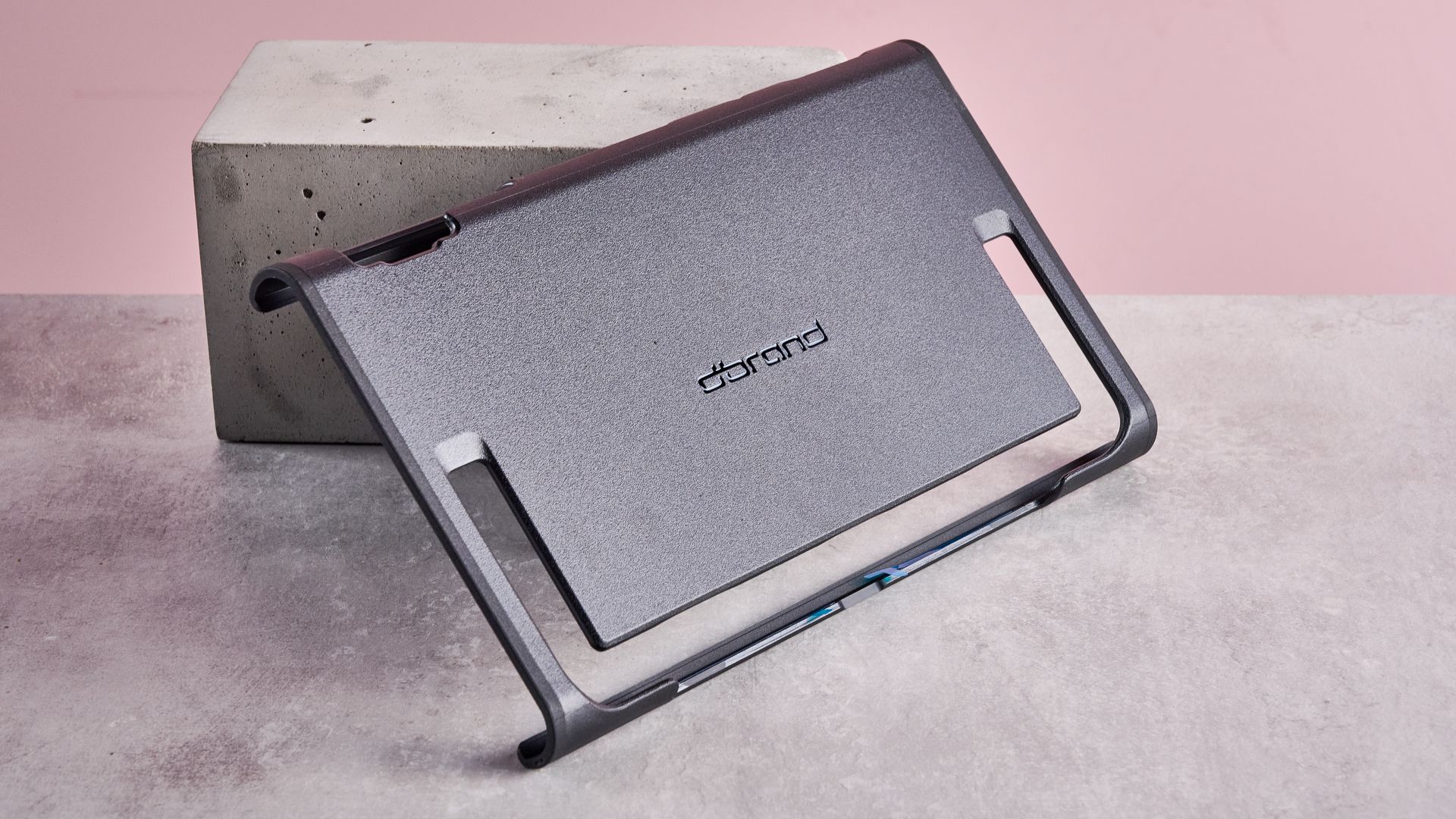
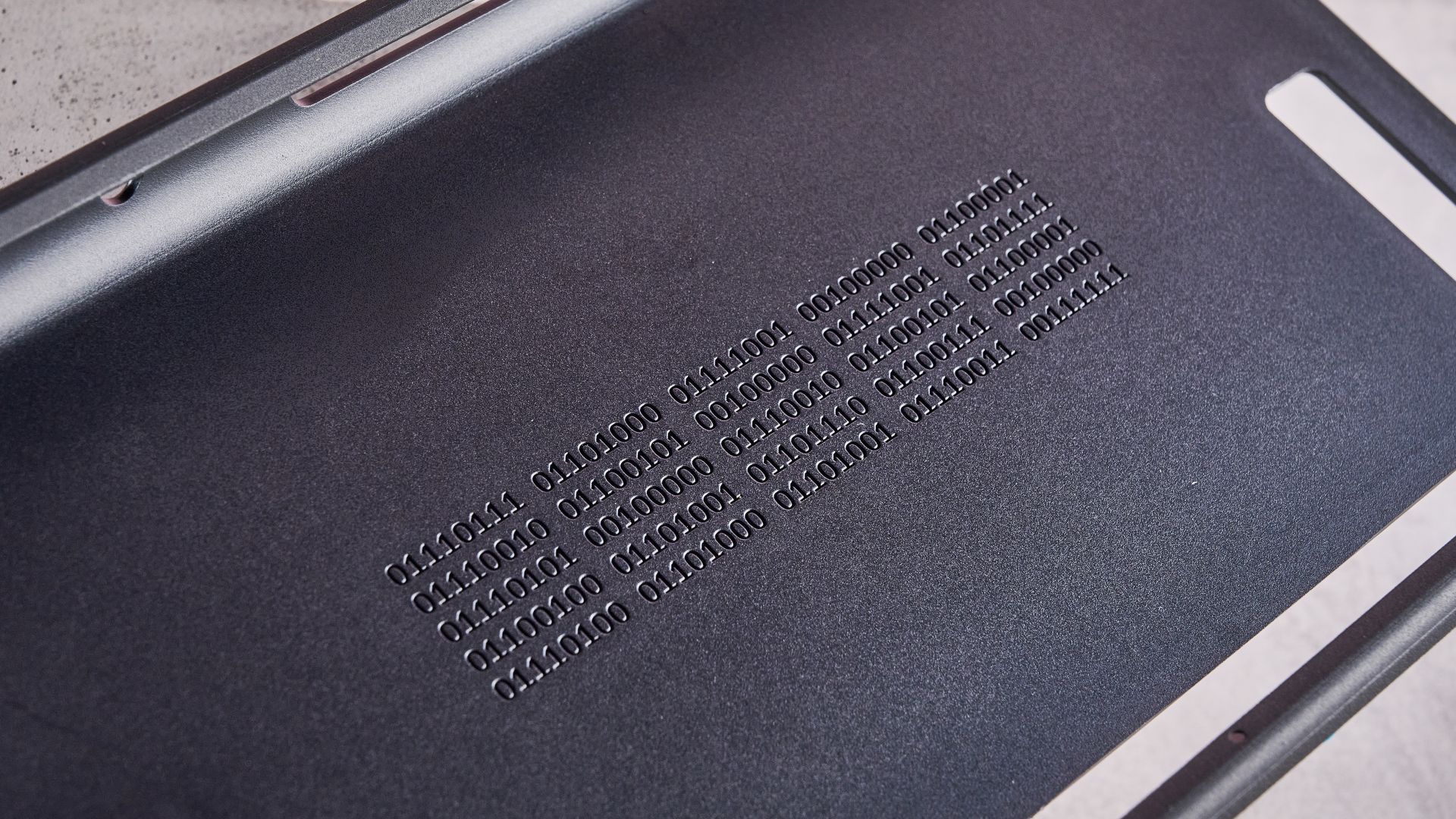
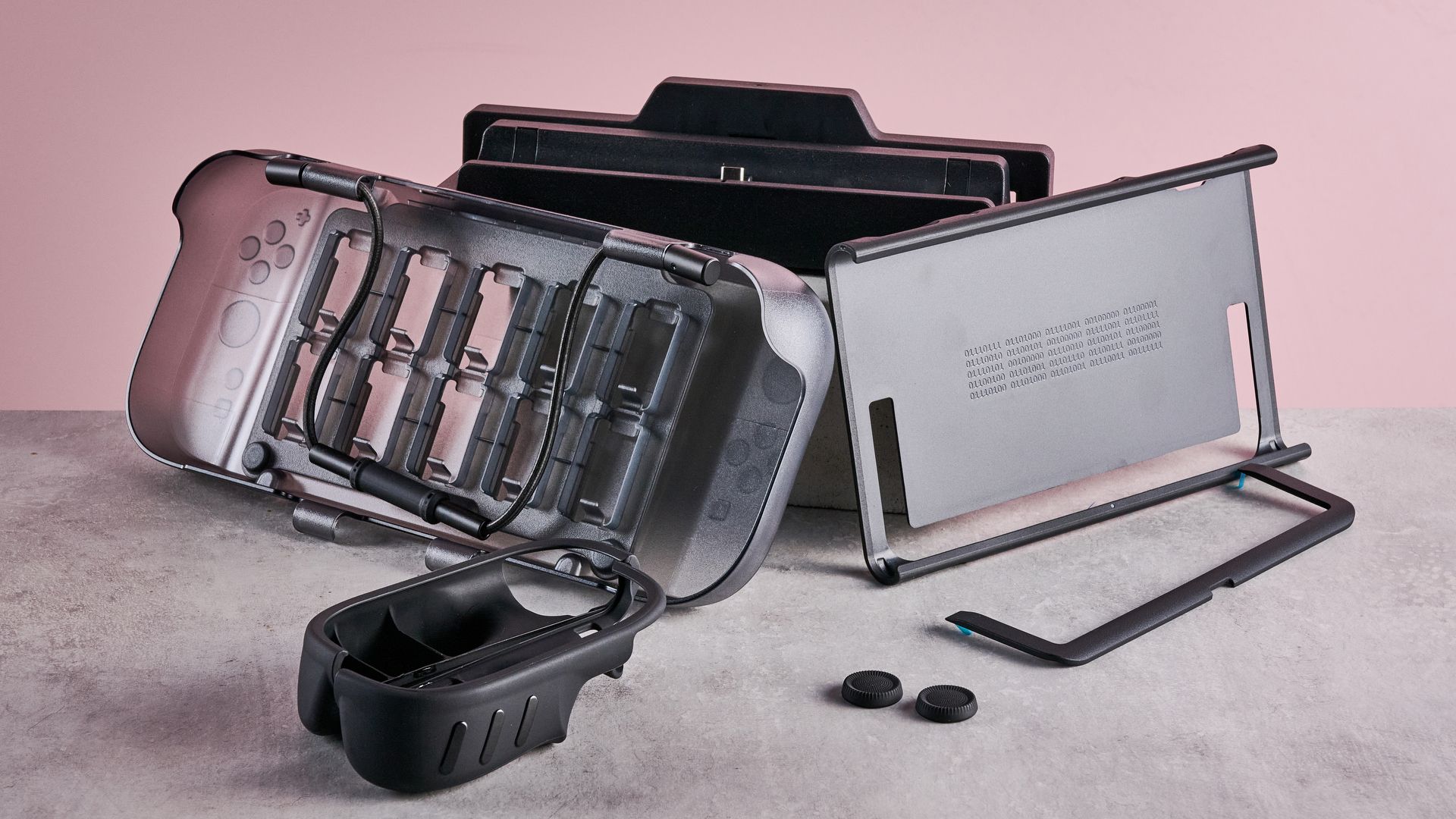
The DBrand Killswitch for Nintendo Switch 2 is the ultimate protective solution for your shiny new hybrid system. Rather than being a traditional carrying case, it acts as a permanent protective shell for your system, keeping it shielded at all times. I’ve spent a few days gaming with the Killswitch for Switch 2 now, so here’s how I’d rate it.
First of all, I have to applaud the ease of setup. The main case is incredibly easy to pop on. I just had to remove a couple of adhesive strips on the case, push it onto my system, and bam — it was done. The Joy-Con 2 controllers also slot into individual cases, and there’s a protective cover for the system’s kickstand that sticks on seamlessly.
The case has gaps for all of the crucial elements like volume controls, the power button, the USB-C slots, and vents. I also appreciated how slim the protective case felt — sure, it adds a bit of depth, but it doesn’t make the console feel too broad.
Like a lot of the best Nintendo Switch 2 accessories, the Killswitch feels very high in quality, and plenty durable. It also offers great ergonomics, with the textured case and its curved feel making the system incredibly comfortable to use in handheld mode. I tried playing a wide variety of games, including Mario Kart Worldand Yoshi and the Mysterious Book, and whether I was turning tight corners or exploring a mystical area, the system never felt unwieldy or chunky.
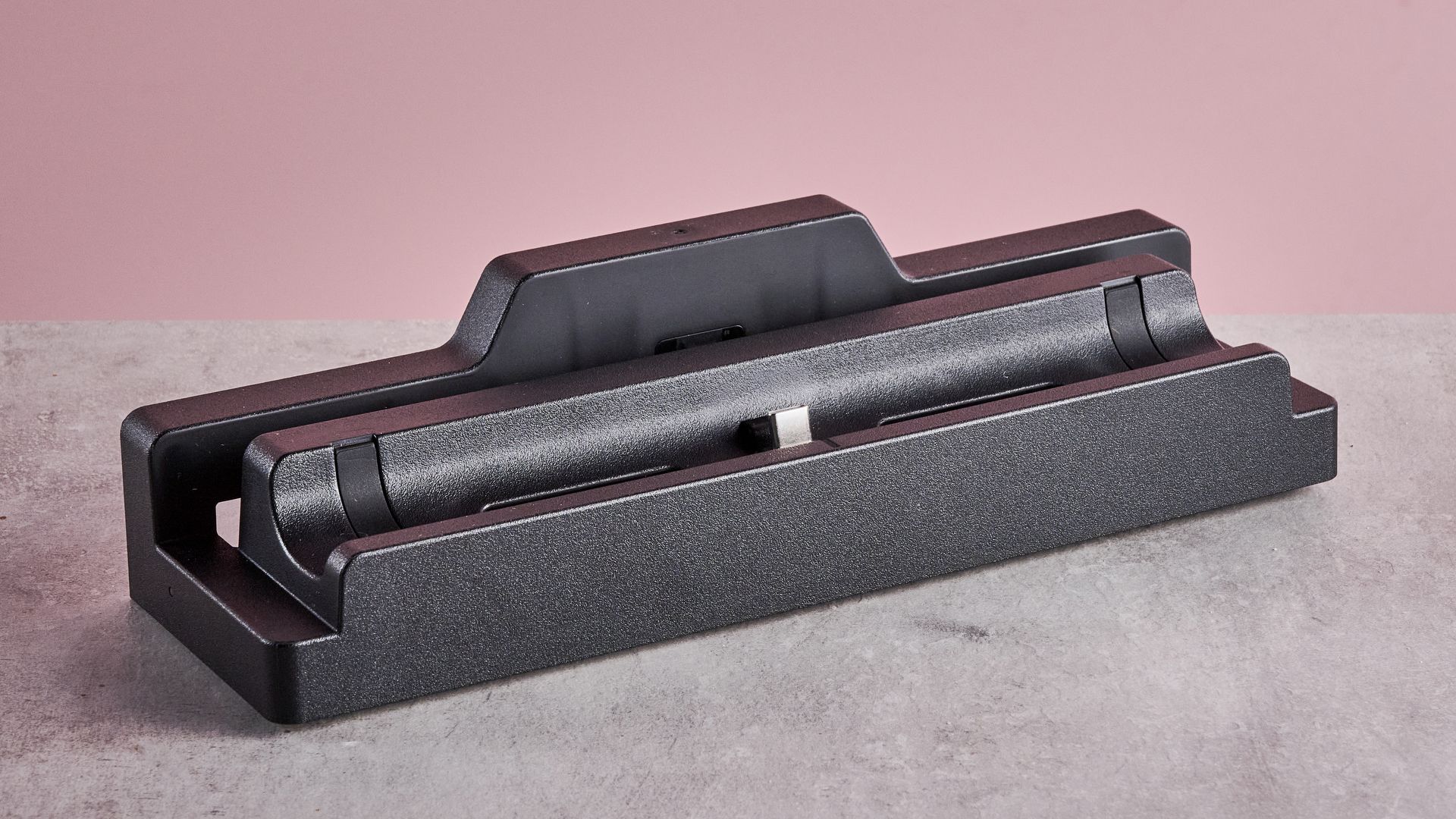
Although the case adds some bulk to the Switch 2, you’re still easily able to use it in docked mode. That’s because the Killswitch comes with a dock adapter. Just place it onto the Switch 2’s usual dock, and you’re good to go. It has 4K 60Hz passthrough, so you can still enjoy the best Nintendo Switch 2 games without compromise, meaning it serves as a super-convenient solution.
(Image credit: Future)
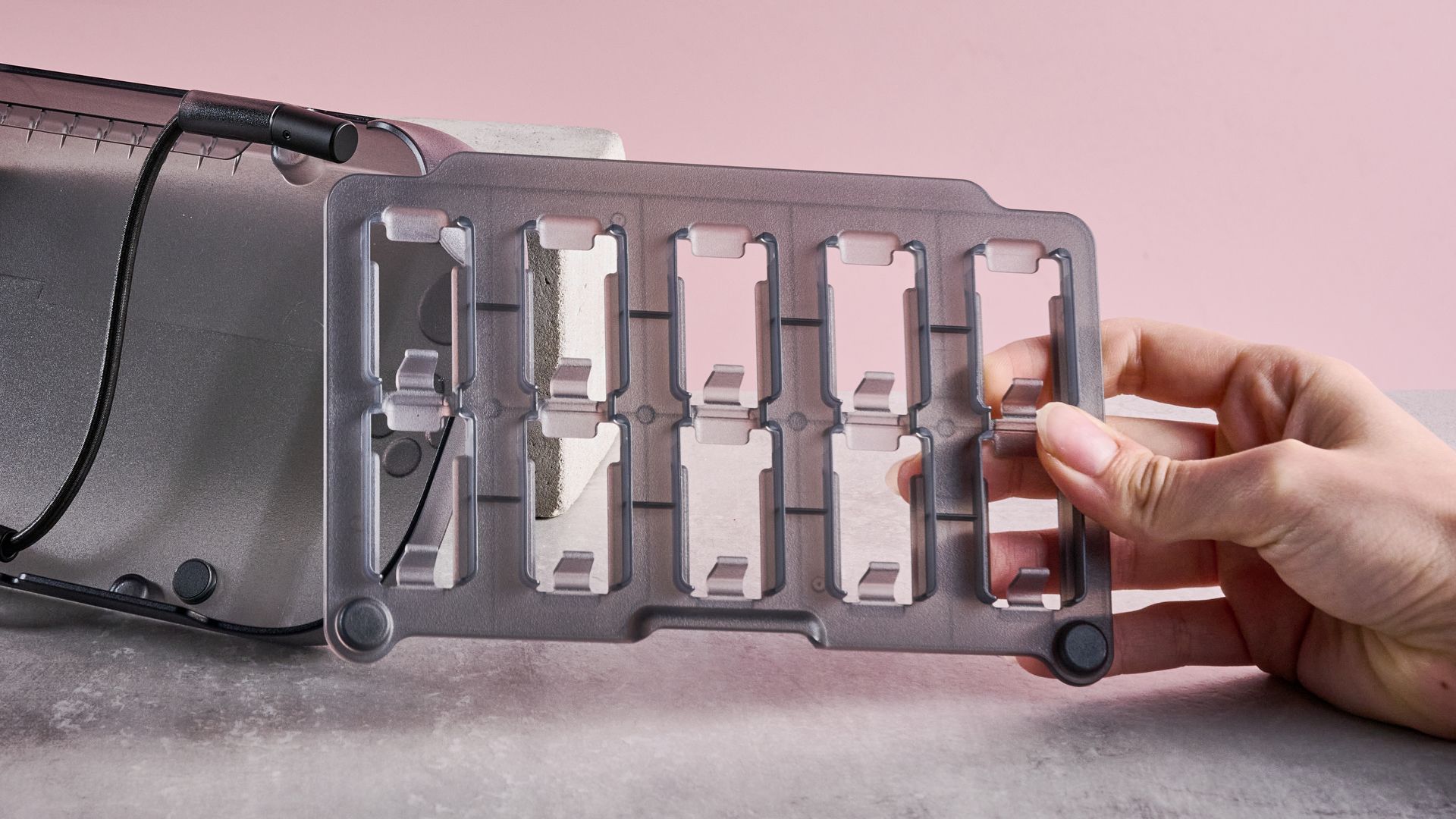
You get a few extras depending on the Killswitch variant that you select. I went for the Travel pack, which also includes stick grips and a travel cover. The grips push on without difficulty, and they have a tactile, secure feel that makes gaming feel as easy as ever. The travel cover is a neat inclusion too, and has ten slots for Nintendo Switch 2 or Nintendo Switch games.
So, it’s safe to say that I’m a big fan of the Killswitch for Switch 2. But there’s one thing worth considering. It’s pretty pricey. The Killswitch starts at just under $60 for the Essential package, which comes with the main case, a skin, and the dock adapter. But if you get the Everything variant, which also adds the stick grips, travel cover, two screen protectors, and a Joy-Con 2 controller holder, it's just under $155. That’s an awful lot to pay for the fully protective package any way you shake it.
One other minor thing worth noting is that the protective case and stick grips are a little susceptible to picking up dust and fibers. This didn’t bother me all too much, but I did realize the grips were a little grimy after an hour's worth of use. Not a dealbreaker, but worth pointing out.
But I’ll be clear. The DBrand Killswitch for Switch 2 is an excellent protective option for your console, and I won’t be taking it off my system any time soon. If you want excellent durability, seamless setup, and flexibility for handheld and docked play, it’s a top-class choice.
(Image credit: Future)
DBrand Killswitch Nintendo Switch 2 review: price & release date
Prices start at $59.95
Released in June 2025
The price you’ll pay for the Nintendo Switch 2 variant of the Killswitch will vary depending on the model you select. Typically, it’s $59.95 for the Essential pack, $99.85 for the Travel option, $134.80 for the Ultra variant, and $154.75 for the Everything package. I have seen the Killswitch go on sale at times, though, so it’s worth checking DBrand’s site for discounts. The Killswitch for Switch 2 was released in June 2025.
(Image credit: Future)
Should I buy the DBrand Killswitch Nintendo Switch 2?
Buy it if…
You want a premium protection without compromise If you want one of the best protective solutions on the market, then the DBrand Killswitch is easily one of my top recommendations. It’s highly durable and easy to set up, but it also feels amazing in-use and has a dock adapter, meaning you don’t have to compromise when shielding your Switch 2.
You want flexibility for handheld and docked play Although the Killswitch adds a bit of bulk to your Switch 2, the included dock adapter makes it easy to seamlessly switch between handheld and TV mode play.
Don’t buy it if…
You’re on a budget If you’re looking for a cheaper solution then the Killswitch may not be ideal, given that the cheapest package will set you back almost $60. If you’re happy with a standard case, then a good budget pick is the Turtle Beach PlayTrek Travel Case for Nintendo Switch 2.
You want a traditional case If you’re looking for a traditional carrying case, then you may want to look elsewhere. My favorite all-in-one option (which will house your console, dock, controllers, and more) is the official Nintendo Switch 2 All-In-One Carrying Case.
DBrand Killswitch Nintendo Switch 2 review: also consider
Nintendo Switch 2 Carrying Case & Screen Protector If you want a cheaper screen protector and case combo, then Nintendo’s official option is a solid choice for when you’re on the go. It isn’t going to give you the top-tier protection of the Killswitch casing, but if you’re predominantly playing handheld and want an affordable package, I’d recommend picking it up. Read my full Nintendo Switch 2 Carrying Case & Screen Protector review.
(Image credit: Future)
How I tested the DBrand Killswitch Nintendo Switch 2
Spent a week testing the Travel bundle
Made use of all the accessories
One of a vast number of Switch 2 accessories I’ve tested
I spent a week testing the DBrand Killswitch for Nintendo Switch 2, and kept it on my system everywhere I went.
I tried dropping my system from a controlled height to judge its durability, and made use of all of the accessories in the Travel package, including the dock adapter, game card holder, and stick grips.
More generally, I’ve spent years testing gadgets here at TechRadar, where I serve as a Senior Reviews Writer. I’ve reviewed a vast amount of Switch 2 accessories, from cases like the Hori Adventure Pack to controllers such as the Turtle Beach Rematch Wireless Controller, and have been a Switch 2 owner from day one.

 Login
Login