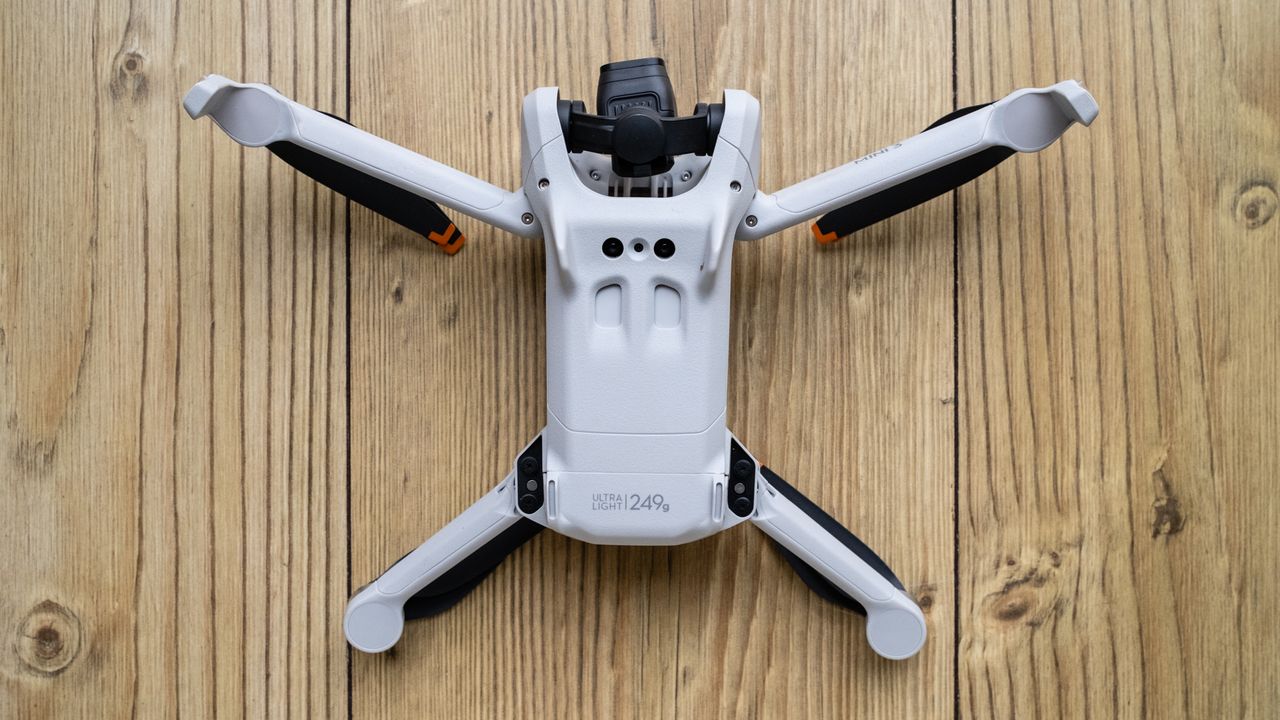
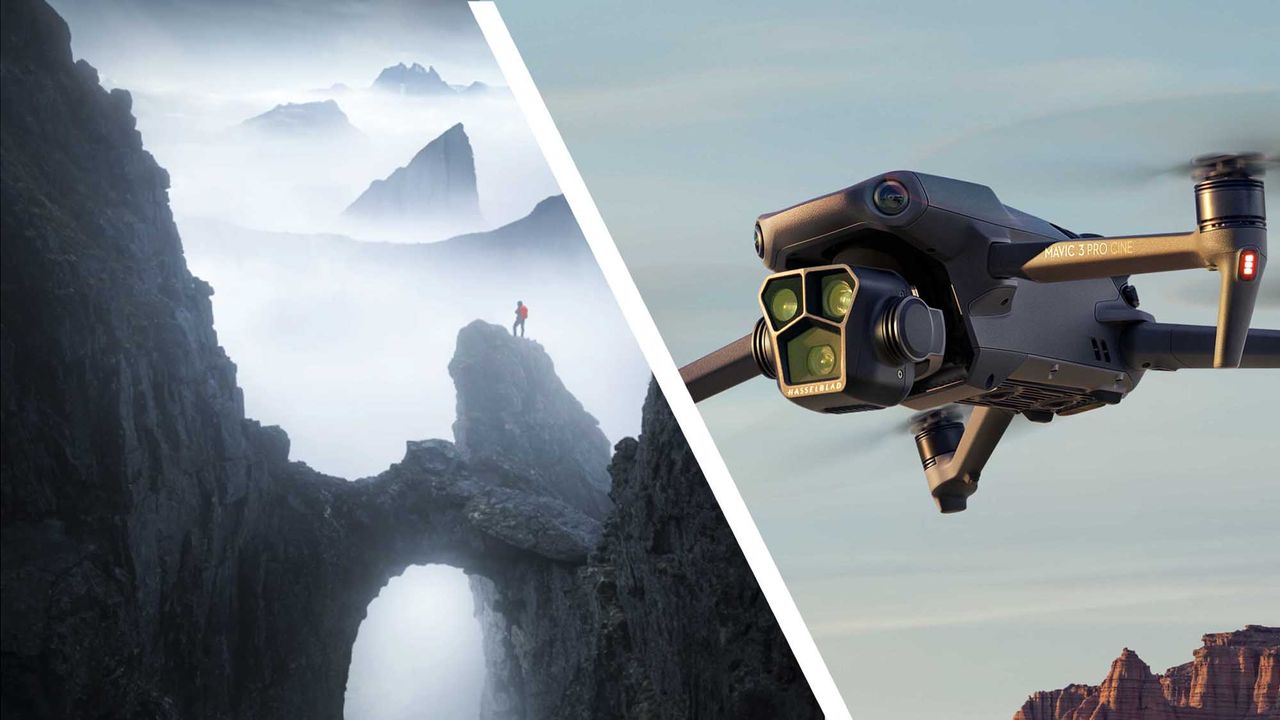
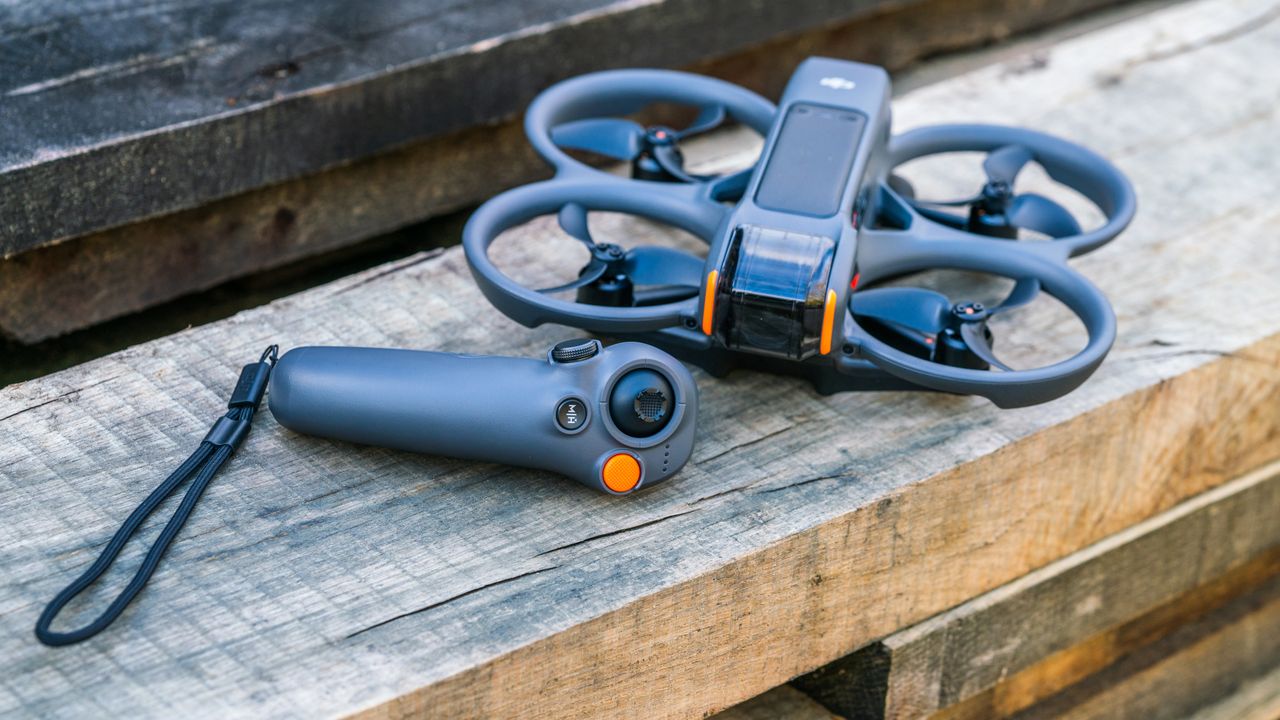
The 11th annual DJI and SkyPixel photo and video contest winners have been revealed, selected from over 95,000 entries, and you wouldn't believe what drone pilots are able to create with affordable gear
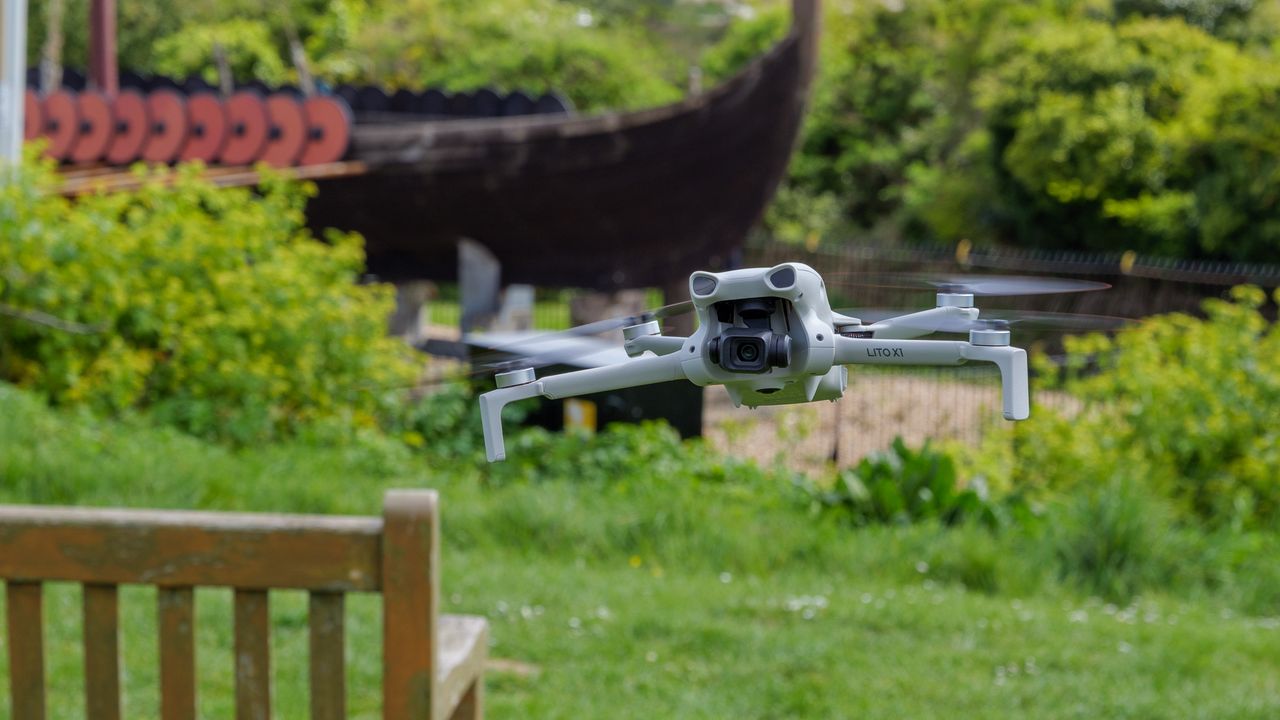
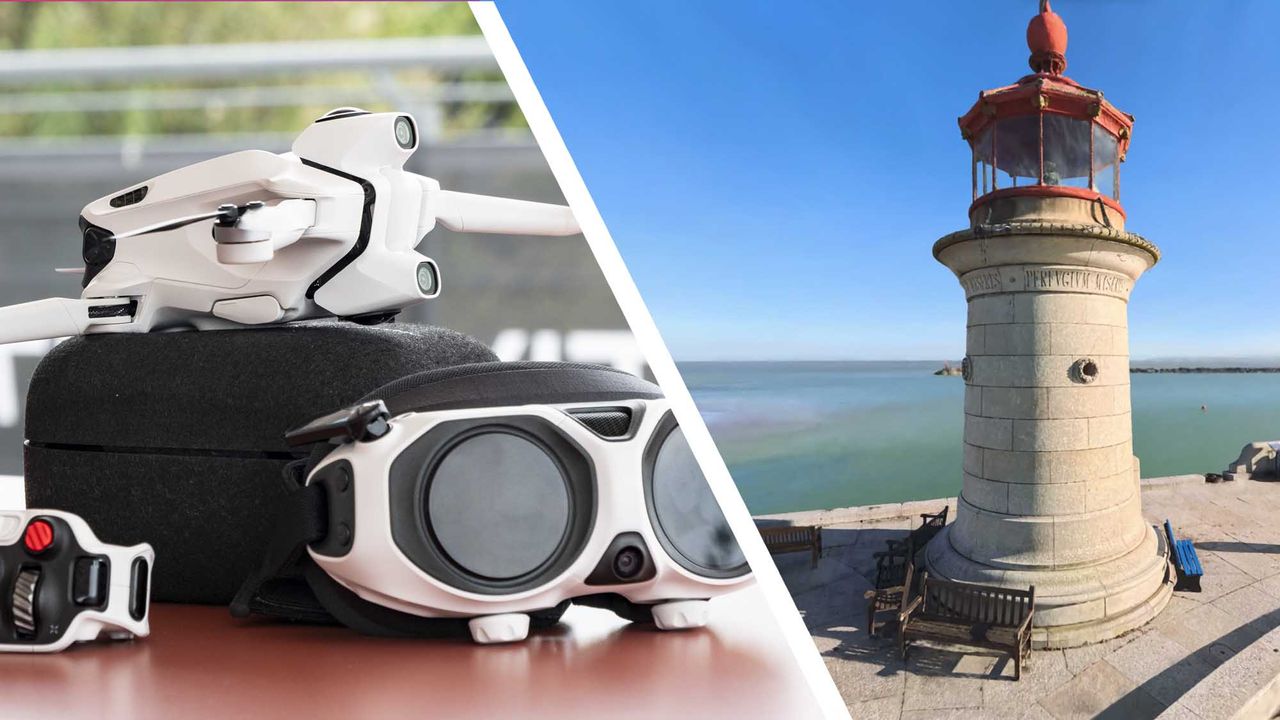
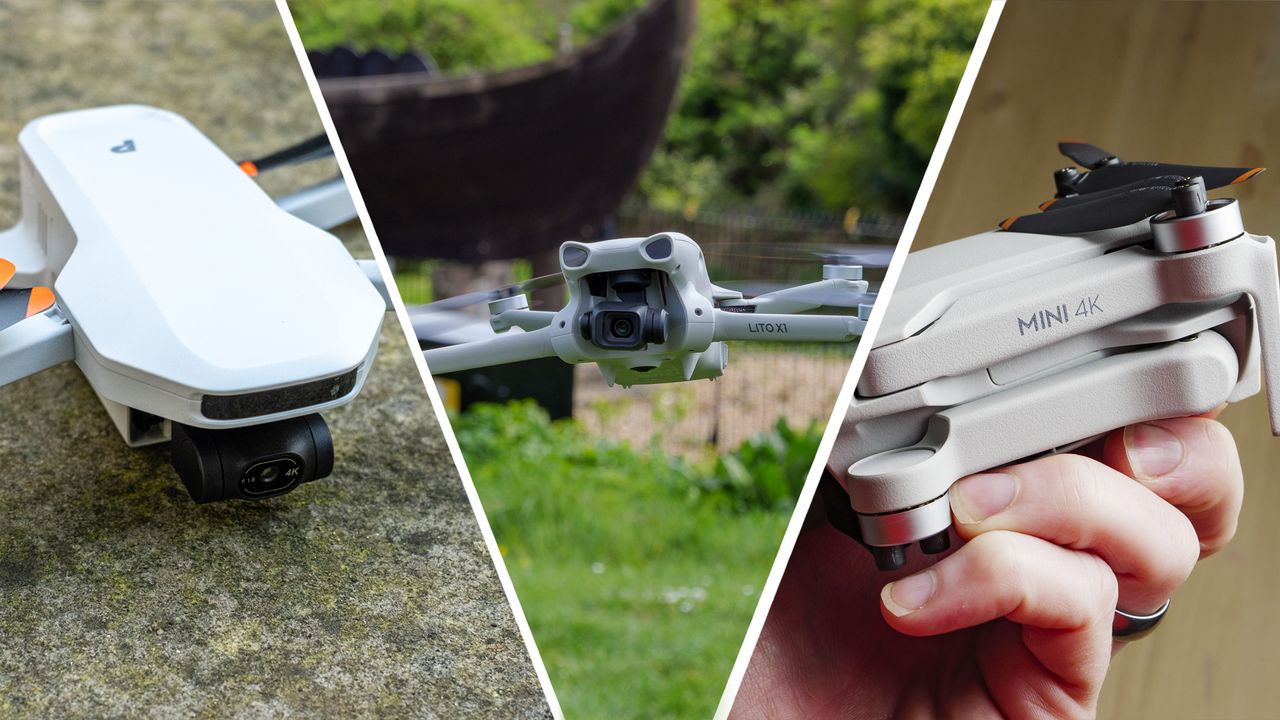
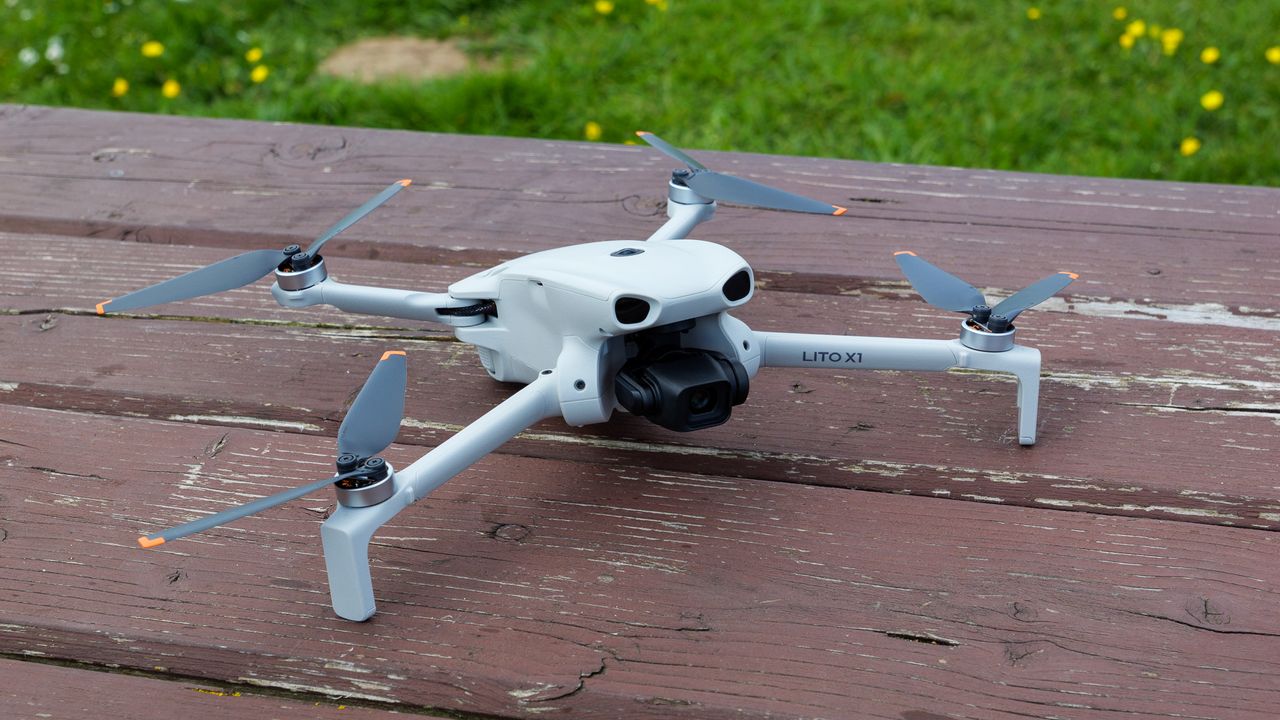
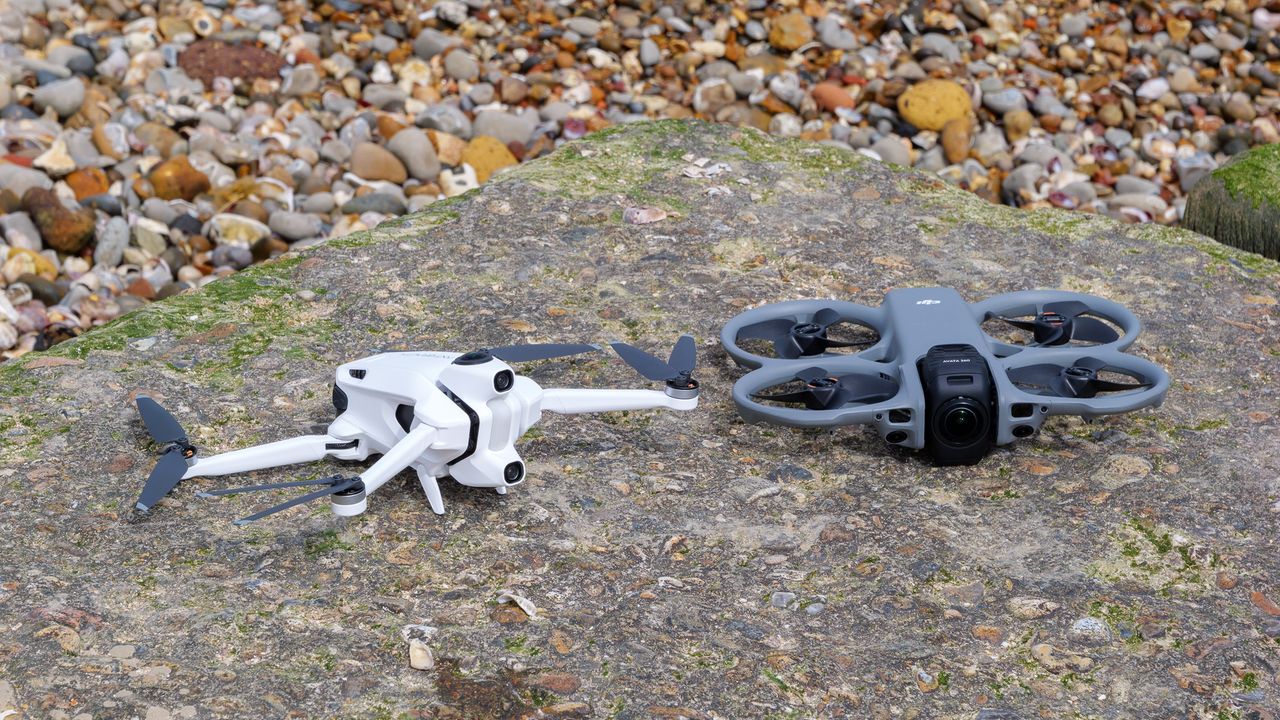
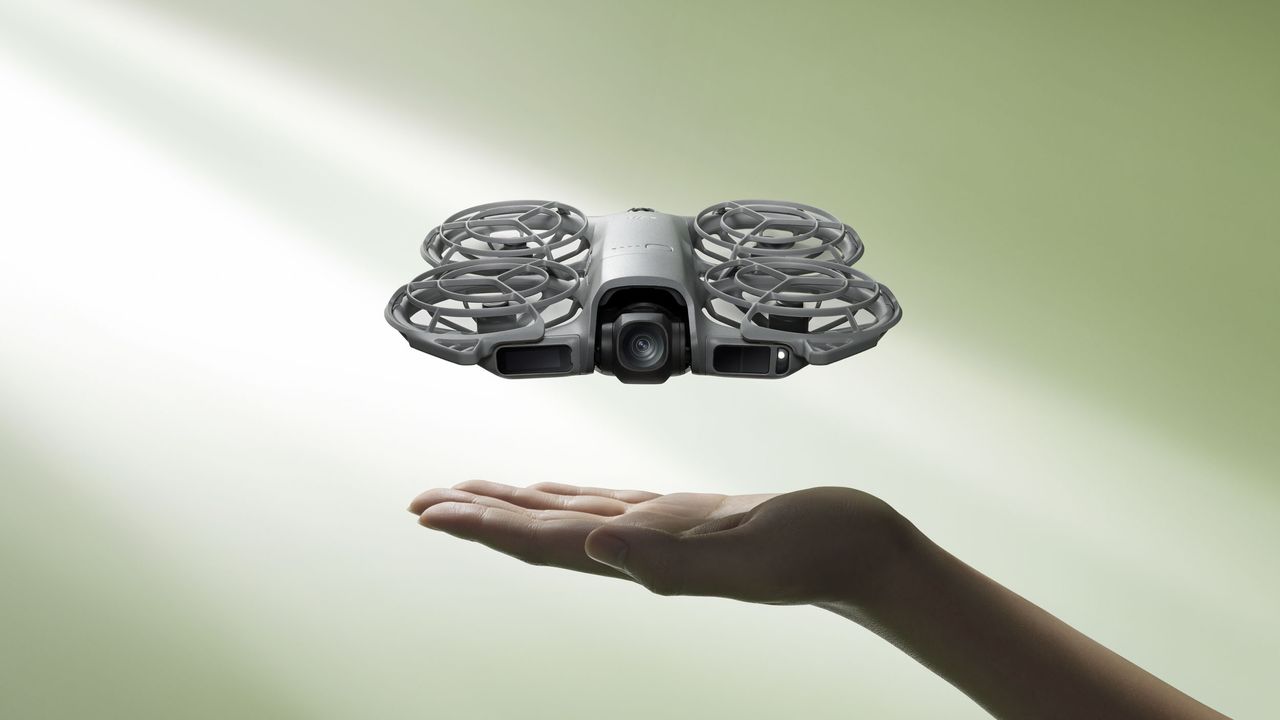
DJI seems poised to launch two new entry-level camera drones — a move that seems a little strange given it already offers several cheap, affordable and highly capable models.
Executives at top U.S. robotics companies asked Congress for federal dollars, new legislation and a simpler regulatory field, arguing the support is necessary to adapt to the AI era and compete with their well-oiled, state-funded Chinese competitors.
The U.S. robotics sector, estimated at $50 billion in value, includes world famous companies like Boston Dynamics. The industry is projected to sell millions of robots across the country over the next four years.
According to a 2025 report from the International Federation of Robotics, the market has sold and installed an average of 500,000 robots between 2020 and 2024. China alone accounted for 54% of those installations, compared to just 9% for America.
Matthew Malchano, vice president of software at Boston Dynamics, told lawmakers in the House Homeland Security cyber subcommittee hearing Tuesday that robotics represent the necessary physical infrastructure to support the country’s efforts to dominate the global AI race, with robots, drones and other machines more fully integrating AI systems in the coming years.
He pointed to Chinese companies like Unitree, which are capturing market share with police departments and universities across the United States, despite contracting ties to the Chinese military and cybersecurity vulnerabilities like a wormable exploit found in 2025 that would allow an attacker to takeover fleets of Unitree robots.
Malchano said Unitree is one of “dozens” of Chinese companies propped up by China’s national AI and robotics plan, which “envisions transforming virtually every major industry in China by integrating AI powered robots” through funding and favorable policies.
He pressed U.S. lawmakers for a similar national strategy, and stumped for the passage of the National Commission on Robotics Act, sponsored by Rep. Jay Olbernolte, R-Calif., that would develop a bipartisan commission to drive it.
Max Fenkell, global head of policy and government relations at ScaleAI, said while the U.S. is winning the AI race on its chosen metrics – model quality and chips – it is “losing” on data and implementation.
Unlike large language models, which download training data straight from the internet, AI systems for robots will require unique training data gathered, categorized and labeled through thousands of hours of bespoke testing.
While China has pursued an “industrialized” training strategy in tandem with industry, funding mile-long stretches of warehouses dedicated to gathering training data for Chinese companies, the U.S. has no similar strategy.
“We’re seeing two different races play out and I fear right now the United States may be winning the wrong one,” he said.
Executives at the hearing were unanimous in suggesting Congress block U.S. federal agencies from purchasing Chinese-made robots and create a single federal regulatory standard for the industry, while Fenkell and Malchado asked for the Cybersecurity and Infrastructure Security Agency to conduct a security review of foreign-made robots.
At the hearing, Rep. James Walkinshaw, D-Va., noted a long history of bipartisan cooperation to help U.S. companies compete against state-subsidized Chinese firms.
“With extensive state investment in technology companies and laws that enlist private companies to serve the interest of the government, the PRC’s military-civil fusion is a serious threat to our own national security,” said Walkinshaw.
AI-powered robots collide with the Trump administration’s thirst for data
As lawmakers weigh how best to position U.S. companies to compete with China, they must also grapple with the possibility that AI-powered robots could be hacked, manipulated or intentionally turned against the public.
Privacy and civil liberties experts have long expressed concerns about the use of robots in areas like policing, in certain military contexts and against American citizens.
The requests for more help from Washington comes at the same time the U.S. government, including the military and Department of Homeland Security, has become markedly more aggressive under the Trump administration about tracking data on Americans and using force against U.S. citizens involved in immigration operations.
Companies like Boston Dynamics sell their robots to manufacturing facilities, semiconductor fabricators, energy plants, first responders, and the U.S. Secret Service. But they also sell them to police departments and the U.S. military, and an early version of the company’s viral “BigDog” quadruped model was created through the Defense Advanced Research Projects Agency at the Department of Defense.
Last year, Immigrations and Customs Enforcement spent $78,000 for a Canadian robot that could perform similar tasks as Spot, another Boston Dynamics robot model, including deploying smoke bombs, according to Governing.
Last month, DHS finalized a $1 billion contract with Palantir to expand AI data analytics across the department to support immigration enforcement. The Coast Guard alone is investing $350 million in robotics and autonomous systems by 2028.
Congressional Democrats are currently blocking funding for DHS over its immigration and data collection policies.
A Commerce Department office should investigate Chinese government-connected products in more than a dozen emerging industries for security threats, a group of House GOP committee leaders said in a letter they released Wednesday.
In the missive, the lawmakers said the Office of Information and Communications Technology and Services has the power to both investigate and restrict those products in areas like artificial intelligence and energy generation.
China, they wrote, has already demonstrated that it views information technology as a battlefield with its cyberattacks on the United States.
“A compromised power grid, an infiltrated telecommunications network, or a manipulated industrial control system can pose as great a threat as a kinetic military strike,” the House members said. “The fusion of digital capabilities with critical infrastructure has whittled away geographic borders, as connected infrastructure or products can be controlled or updated by entities in another country.
“Without a concerted effort to create a secure technology ecosystem from the very beginning of each supply chain, our adversaries will continue to exploit our dependence on their technology to undermine U.S. economic and military stability,” they continued.
The lawmakers signing the letter were House Homeland Security Chairman Andrew Garbarino of New York; Committee on China Chairman John Moolenaar of Michigan; Foreign Affairs Chairman Brian Mast of Florida, Intelligence Chairman Rick Crawford of Arkansas; and Bill Huizenga of Michigan, who chairs the Foreign Affairs Subcommittee on South and Central Asia.
Some of the industries and companies on the lawmakers’ list have already drawn attention from the U.S. government, including from the Commerce Department. For instance, the departments of Commerce, Defense and Justice reportedly opened investigations last year into the router-manufacturer TP-Link of China. More than a half-dozen agencies are said to support a ban on TP-Link Systems of Irvine, Calif., spun off from the Chinese company.
TP-Link Systems disputes allegations that it poses a national security threat.
Other products mentioned in the GOP members’ letter include industrial control systems, robotics, cameras, chip design software, drones and tools necessary for semiconductor production.
The Commerce Department did not immediately respond to requests for comment on the GOP letter. The government shutdown has led some agencies to stop responding to emails.
 Login
Login